Guide · 12 min read · 2,154 words
The Instant After You Click: Inside Your Trade's Journey
That split-second between hitting 'buy' and seeing your position open is a flurry of complex processes. Understand what truly happens to your order.
Key takeaways
- Your trade isn't instant; it's a multi-step data journey from your device to liquidity providers and back.
- Brokers use different execution models—Market Maker, STP, ECN—each affecting price, speed, and transparency.
- Slippage and requotes are common market realities where the expected price differs from the executed price, especially during volatility.
- Latency, the speed of data transmission, is a critical factor influencing execution quality, driving brokers to invest in advanced infrastructure.
- Beyond spreads, true trading costs include commissions and overnight swap fees, which can significantly impact profitability.
- Leverage amplifies both gains and losses, requiring careful risk management, with regulatory bodies setting strict limits like ESMA's 1:30 for retail.
The Silent Journey: Your Order's First Step
Imagine you're on your trading platform – MetaTrader 4, MetaTrader 5, or maybe TradingView – and you spot a setup you like for EUR/USD. With a firm decision, you click "Buy." In that precise moment, a cascade of events begins. Your platform packages your instruction: buy EUR/USD, this quantity, at market price. This data packet immediately leaves your device, travels through your internet service provider, and makes its way to your broker's servers. This initial segment, seemingly instant, is all about network latency. The speed of light, while fast, isn't infinite, and the distance your data travels introduces tiny delays. For most retail traders, a few milliseconds here or there might not feel significant, but in fast-moving markets or when news hits, these fractional delays can mean the difference between getting the price you want and experiencing a slight deviation. It's less magic, more a highly optimized digital relay race.
Your Broker's System: The Order Management Hub
Once your order arrives at your broker's data center – perhaps in London, New York, or Amsterdam, depending on where their servers are located – it's greeted by their sophisticated Order Management System (OMS). This system is designed to process incoming requests with incredible speed. First, it performs a series of rapid checks: Is your account valid? Do you have enough available margin to cover the trade? Is the instrument you're trying to trade currently active and valid? These are automated, near-instantaneous validations, like a digital bouncer ensuring everything is in order before your trade can proceed. If any check fails, your order might be rejected immediately, often with a clear message on your platform. If all looks good, the OMS logs your order, assigns it a unique identifier, and prepares it for the next critical stage: finding a matching price from the wider market. Brokers like Pepperstone and IC Markets, known for their execution speed, have heavily invested in these underlying systems to minimize processing delays.
Finding a Match: The Search for Liquidity
Your broker doesn't typically create the market prices themselves; they connect you to a network of "liquidity providers" (LPs). Think of these LPs as big financial institutions – major banks, hedge funds, and other significant market players – that are constantly quoting prices to buy (bid) and sell (ask) various financial instruments. When your order is validated by your broker's OMS, it's immediately sent out to these LPs. The goal is to find the best available price to fill your specific order. For a "Buy" order, the system seeks the lowest "Ask" price from the various LPs. For a "Sell" order, it hunts for the highest "Bid" price. The difference between the best bid and best ask is the "spread," and this search for the tightest spread is continuous. The more LPs a broker has, and the deeper their collective pool of orders, the better the chances of getting a good price, especially for larger trade sizes.
How Orders Are Filled: Market Maker vs. STP vs. ECN
This crucial stage depends entirely on your broker's execution model. There are generally three main ways your order gets filled: Market Maker (MM): In this model, your broker often acts as the counterparty to your trade. They quote both the bid and ask prices and aim to profit from the spread. While this can introduce a perceived conflict of interest, regulated market makers are obligated to provide fair pricing. The advantage is often guaranteed fills and sometimes fixed spreads, but the prices might not always be the absolute best available in the broader market. Straight Through Processing (STP): With STP, your broker routes your order directly to one of their liquidity providers for execution. The broker isn't the counterparty; they simply act as an intermediary. They typically add a small markup to the LP's spread or charge a commission on the trade. This model generally offers more transparent pricing. Electronic Communication Network (ECN): An ECN model brings together prices from multiple liquidity providers and other market participants into a single electronic network. Your order enters this network and is matched with the best available bid or offer. ECN accounts usually offer very tight, raw spreads, but you'll pay a commission per lot traded. Many traders view ECN as the most transparent, as it closely reflects the interbank market. Each model has its trade-offs in terms of speed, cost, and price transparency. Understanding which model your broker uses (check their website's execution policy) helps you anticipate how your orders will be handled.
Comparing Common Retail Broker Execution Models
| Model | Counterparty | Spread Type | Commission | Typical Speed | Transparency |
|---|---|---|---|---|---|
| Market Maker | Broker | Variable/Fixed (wider) | No | Fast (internal) | Moderate |
| STP (Straight Through Processing) | External Liquidity Provider | Variable (marked up) | Sometimes | Fast (routed) | High |
| ECN (Electronic Communication Network) | Other Market Participants/LPs | Variable (raw, tight) | Yes | Very Fast (network) | Very High |
The Price You Expect vs. The Price You Get: Slippage and Requotes
Even with the fastest systems, markets are dynamic. The price you see when you click "Buy" might not be the exact price your order gets filled at. This is where "slippage" and "requotes" come into play. Slippage occurs when your market order is executed at a different price than the one displayed on your screen at the moment of your click. It's a natural phenomenon, especially in highly volatile markets or during significant news releases, where prices can move several pips in milliseconds. Slippage can be positive (you get a better price than expected) or negative (a worse price). It's more common with market orders, which instruct your broker to fill the order immediately at the best available price. Requotes are typically encountered with market-making brokers. If the market price moves significantly between the time you click and the broker's system processes your order, they might present you with a new price for your approval, rather than filling it at the original, now-stale price. You then have the option to accept or reject the requote. While seemingly helpful, requotes explicitly introduce delays and can be frustrating. To avoid these, some traders use "limit orders" (to buy at or below a specific price, or sell at or above) or "stop limit orders" (which become limit orders once a stop price is hit), which guarantee price but not execution. Market orders, on the other hand, guarantee execution but not price. This is the part most guides skip, often focusing only on theoretical execution. In practice, slippage is a regular visitor, and you must account for it.
The entire complex process, from your click to your open position, happens under the watchful eye of financial regulators.
Every Millisecond Counts: The Role of Latency
Speed is a fundamental performance factor in trading, not just a luxury. This is where "latency" comes in – the tiny delay in data transmission from your trading terminal to your broker's servers, then onward to their liquidity providers, and finally back to you. High-frequency trading firms spend fortunes on co-location, placing their servers physically next to exchange matching engines to gain microsecond advantages. As a retail trader, you don't compete at that level, but your broker still invests heavily in low-latency infrastructure. They often house their servers in strategically located data centers close to major financial hubs, using dedicated fiber optic connections to minimize travel time for your order. For example, a broker with servers in London will have lower latency to European liquidity providers than one with servers in Australia. Efficient server hardware, optimized software, and well-designed network architecture all play a part in minimizing this delay. Faster execution means your order hits the market quicker, reducing the chance of price discrepancies due to market movement.
Unpacking the Costs: Spreads, Commissions, and Swaps
While your trade is flying through various systems, it's also incurring costs. No broker operates as a charity. These costs are how they stay in business and fund their sophisticated infrastructure. Spreads: This is the most common and often the most visible cost. It's the difference between the bid (buy) and ask (sell) price for an instrument. When you open a position, you immediately start in a slight negative, covering the spread. Brokers like OANDA and FOREX.com compete heavily on offering tight spreads, especially on major currency pairs. Commissions: Some account types, particularly ECN or raw spread accounts offered by brokers like IC Markets or FxPro, will charge a separate commission per lot (or per side of a lot) in addition to a very tight, raw spread. This is often quoted as a dollar amount per standard lot ($100,000 notional value) for a round turn (opening and closing the trade). For example, a common commission might be $3.50 per standard lot per side, meaning $7.00 for a round turn. Swap (or Rollover) Fees: If you hold a position overnight, you'll either pay or receive a swap fee. This is the interest rate differential between the two currencies in a pair, adjusted by the broker. You can find these rates listed on your broker's website or directly within your trading platform. Holding certain positions for extended periods can make these fees a significant factor in your overall profitability.
Illustrative Commission Costs for an ECN Account
| Trade Size (Lots) | Notional Value (USD) | Commission (per side, $3.50/lot) | Total Round Turn Commission |
|---|---|---|---|
| 0.1 (Micro Lot) | 10,000 | $0.35 | $0.70 |
| 1 (Standard Lot) | 100,000 | $3.50 | $7.00 |
| 10 (Standard Lots) | 1,000,000 | $35.00 | $70.00 |
The Power of Leverage: Managing Your Capital
One of the most attractive, yet potentially dangerous, aspects of forex and CFD trading is "leverage." It allows you to control a much larger position with a relatively small amount of your own capital, known as "margin." For instance, with 1:30 leverage, you can open a position worth $30,000 in the market by committing just $1,000 of your own funds as margin. This amplification can significantly boost your profits if the market moves in your favor, but it equally amplifies your losses if it moves against you. Regulators, concerned about retail trader protection, have implemented strict leverage limits. For example, under the ESMA intervention, retail clients trading with brokers regulated in the EU (like those regulated by CySEC, such as XM or AvaTrade for their EU entities) are capped at 1:30 leverage for major currency pairs. Other jurisdictions might have different rules; some brokers regulated offshore, like Exness through its FSCA or FSA (Seychelles) entities, might offer higher leverage. It's vital to understand that your margin acts as a performance bond; if your account equity falls below a certain percentage of your required margin, you'll receive a "margin call," prompting you to deposit more funds or face automatic liquidation of your positions to prevent your account from going into negative balance.
Pre-programmed Exits: Stop Loss and Take Profit
Before or immediately after your position is open, smart traders implement crucial risk management tools: "Stop Loss" and "Take Profit" orders. These aren't just suggestions; they are explicit instructions given to your broker. A Stop Loss order tells your broker to automatically close your trade if the price moves against you and hits a predetermined level. This is your safety net, designed to cap potential losses on any single trade. A Take Profit order instructs your broker to close your trade automatically if the price moves in your favor and reaches a specific profit target. This helps you lock in gains without needing to monitor the market constantly. These orders are typically held on your broker's server, not your local trading platform. This means they remain active even if your internet connection drops or your computer crashes. However, it's important to remember that in extremely volatile conditions, a stop loss order, especially a market stop, can still suffer from slippage, meaning it might be executed at a slightly worse price than you set. Knowing this helps you place them realistically.
Who Watches the Watchmen: Regulation and Your Funds
The entire complex process, from your click to your open position, happens under the watchful eye of financial regulators. Reputable brokers are licensed and regularly audited by authorities such as the Financial Conduct Authority (FCA) in the UK, the Australian Securities and Investments Commission (ASIC), the Cyprus Securities and Exchange Commission (CySEC), or the US Commodity Futures Trading Commission (CFTC)/National Futures Association (NFA). For example, OANDA operates under the supervision of the FCA and CFTC/NFA, while Pepperstone holds licenses with ASIC, FCA, and CySEC. These regulations are not just bureaucratic hurdles; they are designed to protect you, the retail trader. Key mandates often include: Client Fund Segregation: Your money must be held in separate bank accounts from the broker's operational funds. This prevents the broker from using your capital for their business expenses and protects it if the broker goes bankrupt. Capital Adequacy: Brokers must maintain a certain level of capital to ensure financial stability. Transparency: Regulators demand clear disclosure of fees, risks, and execution policies. Dispute Resolution: Providing avenues for clients to resolve complaints. Always verify a broker's regulatory status directly on the regulator's official register, such as the FCA's Financial Services Register. Trading with an unregulated entity, no matter how enticing their offers, leaves you without legal recourse if things go wrong. In practice, the actual choice often comes down to balancing these factors against your trading style and local regulatory environment.
Making Informed Choices: Your Role in the Process
The moment you click "Buy" is far more involved than simply pushing a button. It initiates a complex, rapid-fire sequence of events, governed by technology, market dynamics, and regulatory oversight. Understanding these underlying mechanics — from your internet connection's speed to your broker's execution model, the intricacies of slippage, and the protective shield of regulation — doesn't just demystify the process; it lets you. It helps you choose a broker that aligns with your trading style and risk tolerance, manage your expectations about price execution, and effectively utilize risk management tools. Don't be swayed solely by advertising; instead, focus on a broker's transparency, their proven execution statistics, and, most importantly, their strong regulatory standing. Your success as a trader isn't just about strategy; it's also about understanding the plumbing of the market you operate within.
Read the primary source
Check it at the regulator, not at us
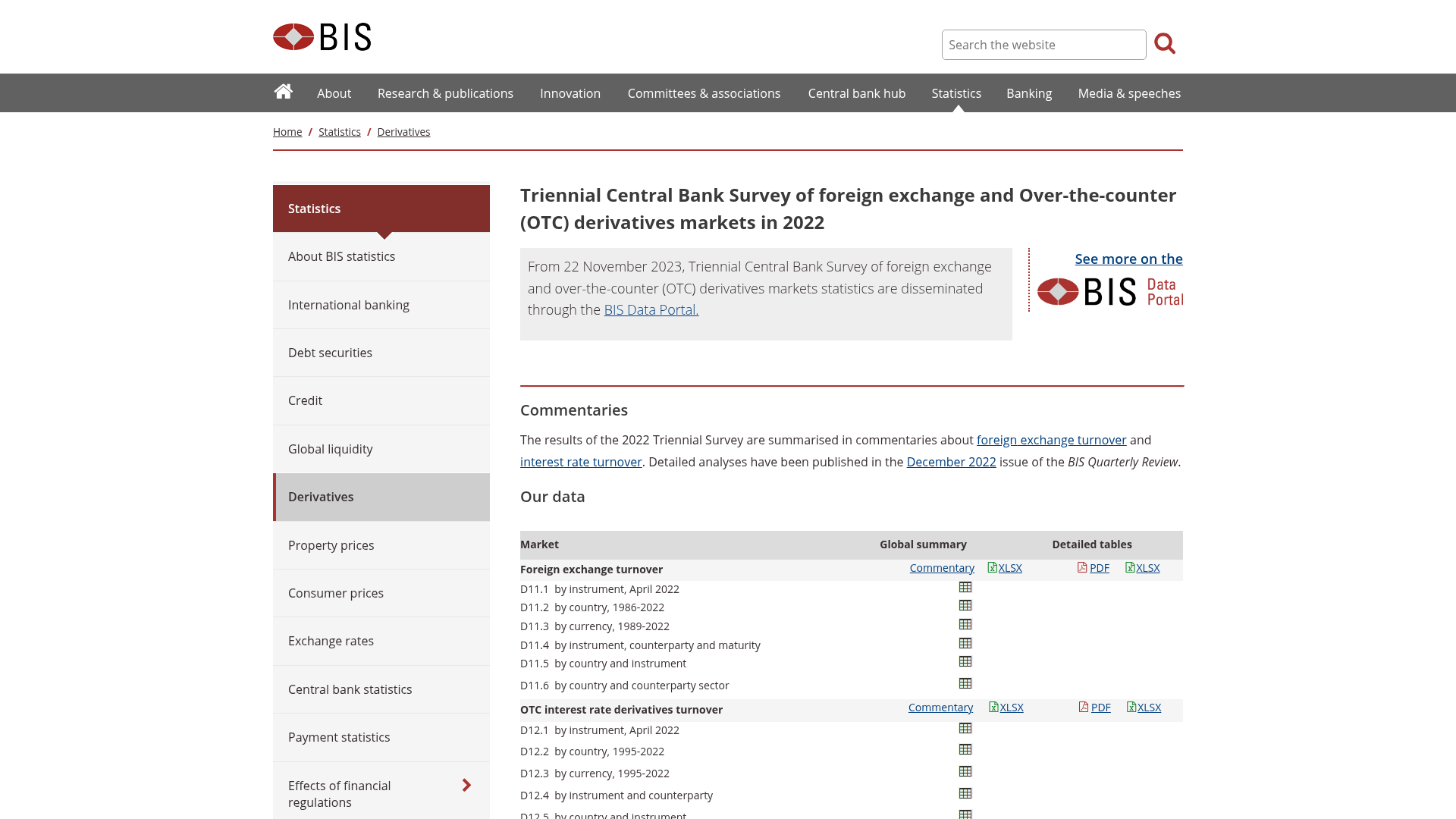
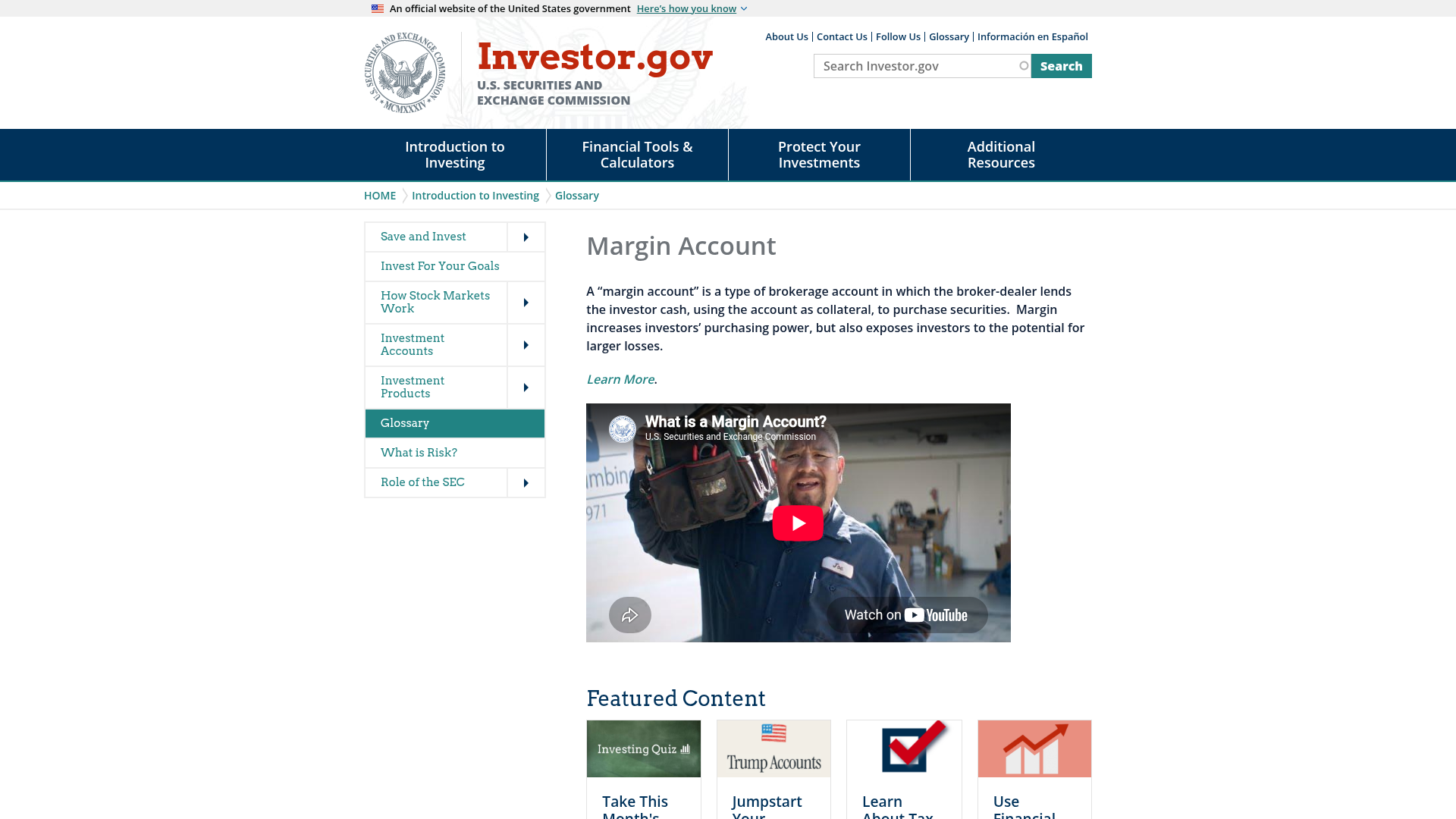
Screenshots of the official pages behind the rules in this guide. Open them yourself — the regulator’s own words always beat a summary of them.
Frequently asked
Sources
Where this came from
- ESMA — CFD leverage limits for retail clientsesma.europa.eu
- FCA — Contract for difference productsfca.org.uk
- BIS — Foreign exchange market structurebis.org
- Investor.gov — Margin: borrowing money to pay for stocksinvestor.gov
- FCA — Financial Services Registerregister.fca.org.uk
Written by Sofia Reyes
Risk & Psychology Tutor. We write structured, plain-English forex education for people learning from scratch. Understanding first, always — and never financial advice. The course itself lives in the curriculum.
Keep learning
Where this guide leads next
The guides closest to this one, in the order they build on it. Each is a full read on its own, and none of them assume you finished this page.
- Why Your Market Order Might Fill at a Price You Never SawDiscover the hidden mechanics behind market order execution, from order book dynamics to broker models, explaining why your fill…
- Stops Getting Hit Constantly: Skill Problem, Market Play, or Broker Behavior?Discover why your stop-loss orders might be triggering prematurely, and learn practical strategies to protect your capital…
- When Your Stop Loss Gets Tagged: How Widening Spreads Can Catch You Off GuardMany traders mistakenly believe their stop loss is safe until the displayed price reaches it, but a sudden widening of the bid-ask…
- Deciphering the Quote Board: Your Guide to Trading PricesLearn to confidently read bid and ask prices, spreads, and market depth without confusion, making clearer trading decisions.
- Decoding Currency Pairs: Going Long and Short in ForexUnderstanding how to buy and sell currency pairs is fundamental to forex trading, allowing you to profit from both rising and…