Hướng dẫn · 13 phút đọc · 2,366 words
Chờ Nến Đóng Cửa: Cách Nó Âm Thầm Cắt Giảm Một Nửa Số Tín Hiệu Giao Dịch Của Bạn
Việc chờ nến đóng cửa để xác nhận tín hiệu giao dịch có thể mang lại cảm giác an toàn, nhưng thường làm giảm một nửa cơ hội giao dịch của bạn và có thể dẫn đến bỏ lỡ lợi nhuận.

Các điểm chính
- Việc kiên quyết chờ nến đóng cửa làm giảm đáng kể số lượng tín hiệu giao dịch hợp lệ mà bạn có thể hành động.
- Nhiều chỉ báo kỹ thuật tạo ra các tín hiệu có thể hành động trong thời gian thực, chứ không chỉ khi một cây nến hoàn thành.
- Việc xác nhận quá mức thông qua các điểm vào lệnh bị trì hoãn thường dẫn đến tỷ lệ rủi ro-lợi nhuận kém thuận lợi hơn và bỏ lỡ tiềm năng lợi nhuận.
- Hiểu được bản chất thời gian thực của dữ liệu thị trường cho phép nhận diện tín hiệu sớm hơn, có khả năng mạnh mẽ hơn.
- Các nhà giao dịch phải tìm thấy sự cân bằng có ý thức giữa việc tìm kiếm sự xác nhận và nhận biết tốc độ biến động của thị trường.
- Không phải tất cả các chiến lược giao dịch hiệu quả đều yêu cầu nến đóng cửa để tín hiệu hợp lệ; nhiều chiến lược phát triển mạnh mẽ dựa trên hành động giá thời gian thực.
Cơ Hội Biến Mất: Khoản Thuế Thầm Lặng Đánh Vào Lợi Thế Giao Dịch Của Bạn
Hãy hình dung thế này: bạn đang quan sát biểu đồ EUR/USD và một cây nến nhấn chìm tăng giá (bullish engulfing candle) đầy thuyết phục xuất hiện chính xác tại một mức hỗ trợ quan trọng. Mọi khía cạnh hình thành của nó đều phù hợp với chiến lược giao dịch của bạn – đó là một thiết lập mẫu mực. Kế hoạch giao dịch kỷ luật của bạn, được xây dựng tỉ mỉ, báo hiệu một tín hiệu "Mua!" rõ ràng. Tuy nhiên, một tiếng nói thận trọng, được hình thành qua vô số giờ học, thúc giục bạn chờ đợi sự xác nhận. Bạn kiên nhẫn nín thở, theo dõi cây nến mở rộng khi thị trường dường như khẳng định phân tích của bạn với mỗi tick tăng giá. Niềm tin của bạn tăng lên. Nhưng sau đó, khi cây nến cuối cùng đóng cửa, giá thường thực hiện một động thái nhanh chóng, đẩy thêm 10 hoặc 15 pips chỉ trong vài giây. Bạn vội vàng đặt lệnh, chỉ để nhận ra điểm vào lệnh của mình giờ đã kém thuận lợi hơn đáng kể, hoặc thị trường đã vượt qua vùng lý tưởng của bạn, buộc bạn phải hoặc đuổi theo giao dịch với rủi ro cao hơn, hoặc nhiều khả năng hơn là bỏ lỡ hoàn toàn.
Đây không chỉ là một sự cố riêng lẻ, gây khó chịu. Kịch bản này, nơi các tín hiệu giao dịch thực sự hợp lệ biến mất trước mắt bạn vì quy tắc có ý tốt là luôn chờ nến đóng cửa, xảy ra thường xuyên hơn nhiều so với những gì nhà giao dịch trung bình nhận thức được. Đó là một thói quen tinh vi, gần như không thể nhận thấy, mà theo thời gian, có thể âm thầm cắt giảm một nửa, hoặc thậm chí nhiều hơn, các cơ hội giao dịch tiềm năng của bạn, để lại một phần đáng kể các pips có giá trị chưa được hiện thực hóa. Bài viết này không ủng hộ việc giao dịch bốc đồng hay bỏ qua mọi sự thận trọng. Thay vào đó, nó nhằm mục đích làm sáng tỏ khoản thuế thầm lặng mà tư duy cứng nhắc "chờ nến đóng cửa" này áp đặt lên lợi thế giao dịch của bạn. Bằng cách hiểu cơ chế và những chi phí ẩn của nó, bạn có thể bắt đầu điều chỉnh cách tiếp cận của mình, có khả năng trở thành một người tham gia thị trường hiệu quả hơn, linh hoạt hơn và cuối cùng là có lợi nhuận hơn.
Chiếc Chăn An Toàn Của Sự Xác Nhận: Tại Sao Chúng Ta Được Dạy Phải Chờ Đợi
Đối với nhiều nhà giao dịch mới, lời khuyên luôn chờ nến đóng cửa trước khi hành động theo tín hiệu có vẻ như là một sự khôn ngoan cơ bản. Và ở nhiều khía cạnh, đó là lời khuyên xuất phát từ ý định tốt. Ý tưởng cốt lõi là tránh bị mắc kẹt trong một phá vỡ giả (false breakout) hoặc một cú whipsaw nhanh, nơi hành động giá ban đầu có vẻ hứa hẹn nhưng sau đó đảo chiều mạnh mẽ trước khi nến hình thành xong. Nó cung cấp một vùng đệm tâm lý, một cảm giác chắc chắn hơn, giống như việc kiểm tra lại dây an toàn trước một chuyến đi dài. Bạn đang chờ thị trường "tuyên bố" ý định của nó trong khoảng thời gian cụ thể đó.
Truyền thống này thường bắt nguồn từ cách chúng ta phân tích biểu đồ lịch sử, nơi mỗi cây nến là một thực thể cố định, đã hoàn thành. Khi bạn nhìn lại hành động giá trong quá khứ, mỗi lần đóng cửa là dứt khoát, mỗi mô hình đều được xác nhận. Thật dễ dàng để chiếu góc nhìn cố định, sau khi đóng cửa này lên thị trường trực tiếp. Tuy nhiên, thị trường trực tiếp là một môi trường linh hoạt, năng động, và việc coi một cây nến đang hình thành như thể kết quả của nó đã được định sẵn có thể làm bạn bỏ lỡ các cơ hội thời gian thực. Mặc dù lời khuyên này có một phần sự thật cho một số kịch bản nhất định, nhưng việc áp dụng nó một cách phổ quát có thể vô tình làm giảm hiệu quả giao dịch của bạn.
Sự Lọc Bỏ Thầm Lặng: Cách Tín Hiệu Của Bạn Biến Mất
Tác động thực sự của quy tắc "chờ nến đóng cửa" trở nên rõ ràng ở đây. Khi bạn bắt buộc phải chờ một cây nến hoàn thành, bất kỳ tín hiệu nào xuất hiện trong quá trình hình thành của nó, mà các điều kiện chính xác không duy trì cho đến giây cuối cùng, đều bị bỏ qua một cách hiệu quả. Ngay cả khi tín hiệu đó mang lại một cơ hội hoàn toàn hợp lệ và có lợi nhuận, quy tắc của bạn cũng loại bỏ nó khỏi các giao dịch tiềm năng của bạn. Hãy xem xét biểu đồ 4 giờ: bạn cố tình bỏ qua 3 giờ 59 phút hành động giá tiềm năng, chỉ chờ đợi sự xác nhận của phút cuối cùng.
Điều này không chỉ lọc bỏ các tín hiệu xấu; nó còn lọc bỏ cả những tín hiệu tốt, đơn giản vì chúng không kéo dài cho đến khi chuông đóng cửa đã định. Trong các thị trường biến động nhanh, đặc biệt trên các khung thời gian thấp hơn như biểu đồ 15 phút hoặc 30 phút, một phần đáng kể của một đợt biến động có thể xảy ra trong một cây nến duy nhất. Bằng cách chờ đợi, bạn thường chỉ còn lại phần cuối của đợt biến động, hoặc bạn vào một giao dịch mà đã tiêu tốn phần lớn động lượng tức thời của nó. Điều này thể hiện một sự hiểu lầm cơ bản về cách tín hiệu được tạo ra và cách thị trường hiện đại hoạt động nhanh chóng. Bạn đang tự áp đặt một sự chậm trễ khiến bạn mất cả số lượng và chất lượng điểm vào lệnh.
Tác Động Minh Họa Của "Chờ Nến Đóng Cửa" Đối Với Các Tín Hiệu Giao Dịch Tiềm Năng
| Loại Tín Hiệu | Thời Gian Xuất Hiện (H1) | Trạng Thái Xác Nhận Đóng Cửa | Kết Quả Nếu Chờ Đợi (Điểm Vào Lệnh) | Kết quả nếu hành động theo tín hiệu (Điểm vào lệnh) |
|---|---|---|---|---|
| Nến nhấn chìm tăng mạnh | 09:15 SA | Đã xác nhận | 1.1250 (tại giá mở cửa nến tiếp theo) | 1.1235 (giữa nến) |
| Nến Pin Bar giảm | 02:30 CH | Đã xác nhận | 1.0980 (tại giá mở cửa nến tiếp theo) | 1.0995 (giữa nến) |
| Phá vỡ động lượng | 11:00 SA | Thất bại (đảo chiều vào cuối phiên) | Không vào lệnh | Điểm vào tiềm năng tại 1.1050 (sau đó thoát lệnh khi đảo chiều) |
| Tín hiệu mua phân kỳ RSI | 04:45 CH | Đã xác nhận | 1.2510 (tại giá mở cửa nến tiếp theo) | 1.2490 (giữa nến) |
Bên trong chỉ báo: Dữ liệu thời gian thực so với Dữ liệu lịch sử
Đây thường là phần mà hầu hết các hướng dẫn giao dịch bỏ qua. Nhiều nhà giao dịch lầm tưởng rằng các chỉ báo kỹ thuật chỉ 'ổn định' hoặc trở nên đáng tin cậy khi một cây nến đã đóng cửa. Thực tế lại hoàn toàn khác. Phần lớn các chỉ báo tiêu chuẩn – như Đường trung bình động (Moving Averages), Chỉ số sức mạnh tương đối (RSI), Phân kỳ hội tụ trung bình động (MACD) hoặc Stochastic – xử lý dữ liệu giá ngay khi nó xuất hiện, từng tick một. Chúng không chờ nến đóng cửa để tính toán giá trị hiện tại của mình.
Ví dụ, một giao cắt của hai đường trung bình động không tự nhiên xuất hiện khi nến đóng cửa. Nó xảy ra tại một mức giá cụ thể, thường là ở đâu đó trong cây nến đang hình thành. Các đường chỉ báo trên biểu đồ của bạn di chuyển và cập nhật theo thời gian thực, phản ánh tâm lý thị trường và hành động giá hiện tại. Một tín hiệu có thể được tạo ra, sau đó có khả năng biến mất hoặc được thay thế bằng một tín hiệu khác, tất cả chỉ trong khoảng thời gian của một cây nến đang hoạt động. Bỏ qua những tính toán động, trực tiếp này là bỏ lỡ một phần đáng kể thông tin mà các chỉ báo của bạn được thiết kế để cung cấp. Hiểu rõ khía cạnh cơ bản này về cơ chế hoạt động của chỉ báo là một bước quan trọng để đưa ra quyết định nhanh hơn, sáng suốt hơn.
Tốc độ khốc liệt của thị trường hiện đại
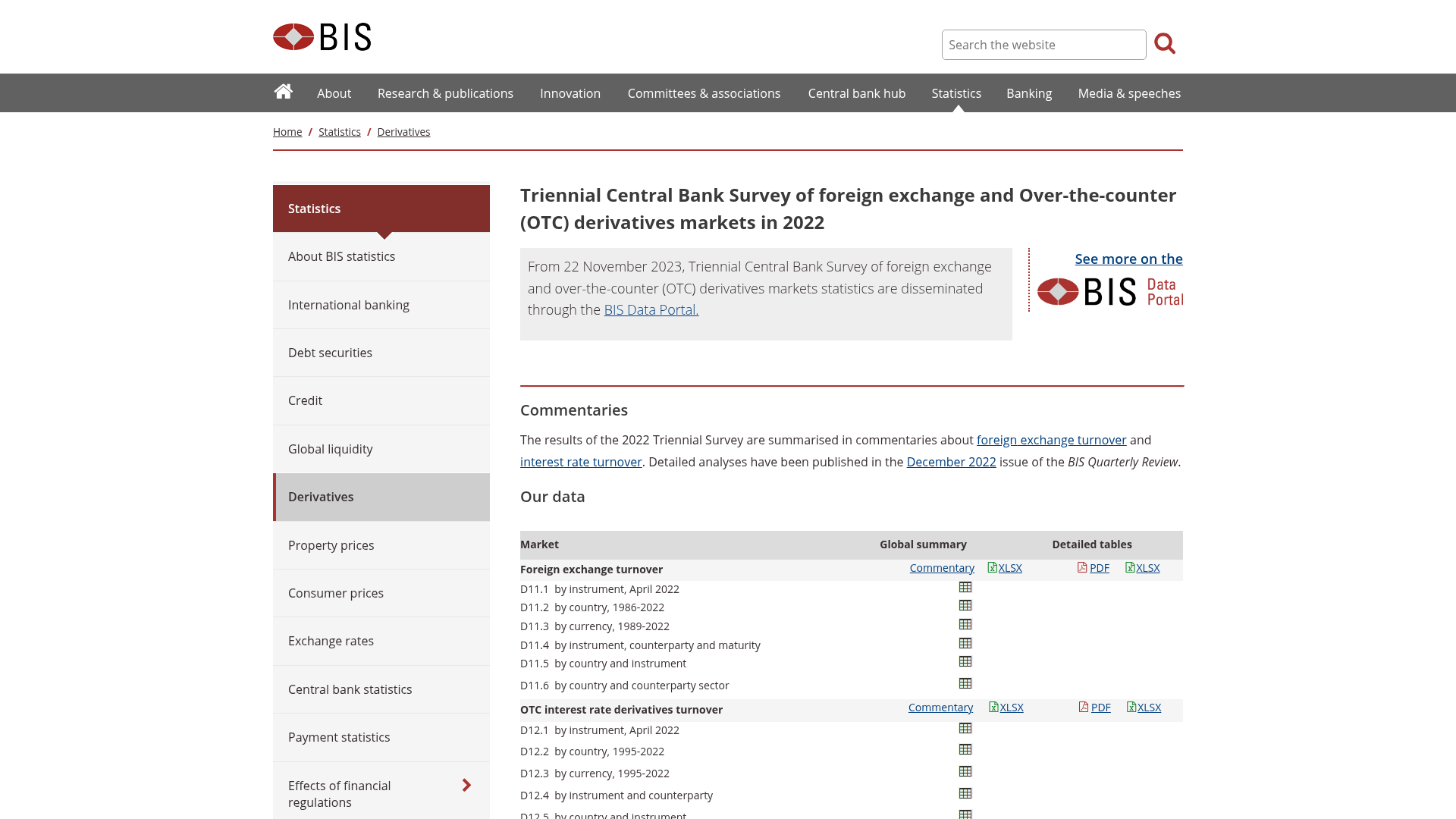
Thị trường tài chính có tính thanh khoản cao và ngày càng tự động hóa khiến tốc độ không chỉ là một lợi thế mà thường là một sự cần thiết. Giá di chuyển với tốc độ đáng kinh ngạc. Đặc biệt là trên thị trường forex, thị trường tài chính lớn nhất và có tính thanh khoản cao nhất thế giới, hàng nghìn tỷ đô la thực sự được giao dịch mỗi ngày. Khảo sát Ba năm một lần về Doanh số FX của Ngân hàng Thanh toán Quốc tế (BIS) luôn nhấn mạnh khối lượng giao dịch hàng ngày đáng kinh ngạc, đạt trung bình 7.5 nghìn tỷ đô la vào tháng 4 năm 2022. Trong môi trường như vậy, ngay cả những sự chậm trễ nhỏ tưởng chừng như không đáng kể trong việc khớp lệnh cũng có thể dẫn đến sự khác biệt đáng kể về giá vào lệnh của bạn.
Hãy xem xét tác động: chênh lệch 5 pip trên một lot tiêu chuẩn (100.000 đơn vị tiền tệ cơ sở) tương đương với 50 đô la. Chờ một giờ để một cây nến đóng cửa, đặc biệt đối với một cặp tiền tệ biến động mạnh hoặc trong thời điểm có tin tức, có thể dễ dàng khiến bạn mất gấp đôi hoặc gấp ba số tiền đó do giá vào lệnh kém tối ưu hơn. Sự xói mòn lợi nhuận tiềm năng, hoặc tăng rủi ro, do việc vào lệnh chậm trễ này ảnh hưởng trực tiếp đến kết quả giao dịch của bạn. Thị trường sẽ không chờ đợi sự xác nhận của bạn; nó di chuyển không ngừng nghỉ, và chiến lược của bạn cần phải tính đến tốc độ khốc liệt này.
Chờ nến đóng cửa có thể mang lại cảm giác an toàn, nhưng nó thường làm giảm một nửa cơ hội giao dịch của bạn, để lại một phần lợi nhuận đáng kể chưa được hiện thực hóa.
Cái giá của sự kiên nhẫn: Kịch bản từng bước
Hãy cùng định lượng chi phí của việc chờ đợi. Hãy tưởng tượng bạn đang giao dịch cặp EUR/USD trên biểu đồ 1 giờ. Giá hiện tại là 1.0850. Chiến lược theo xu hướng của bạn tạo ra tín hiệu mua rõ ràng khi Đường trung bình động hàm mũ (EMA) 10 kỳ cắt lên trên EMA 20 kỳ. Điểm giao cắt này xảy ra chính xác khi giá thị trường là 1.0855 trong cây nến hiện tại đang chạy.
Kịch bản A: Hành động ngay khi tín hiệu xuất hiện Nếu bạn tuân thủ một chiến lược cho phép vào lệnh ngay khi tín hiệu xuất hiện, bạn sẽ đặt lệnh mua của mình tại 1.0855. Với mức dừng lỗ dự kiến tại 1.0835 (rủi ro 20 pip) và chốt lời tại 1.0905 (lợi nhuận 50 pip), tỷ lệ rủi ro-lợi nhuận của bạn là 2.5:1 rất tốt. Bạn cần thị trường di chuyển 50 pip theo hướng có lợi cho bạn từ điểm vào lệnh.
Kịch bản B: Chờ nến đóng cửa Nếu bạn kiên quyết chờ nến đóng cửa, thị trường vẫn tiếp tục tăng trong suốt giờ đó. Cây nến cuối cùng đóng cửa tại 1.0865. Sau đó, bạn vào lệnh tại giá mở cửa của cây nến tiếp theo, cũng tại 1.0865. Bây giờ, để đạt được cùng mức lợi nhuận 50 pip, thị trường phải đạt 1.0915. Mức dừng lỗ của bạn, để duy trì cùng mức rủi ro 20 pip, sẽ cần được điều chỉnh thành 1.0845. Mặc dù tỷ lệ rủi ro-lợi nhuận ban đầu của bạn vẫn có thể trông giống 2.5:1 trên lý thuyết, nhưng bạn đã thực sự dịch chuyển điểm vào lệnh của mình cao hơn 10 pip, yêu cầu thị trường phải di chuyển thêm 10 pip từ điểm tín hiệu ban đầu để đạt mục tiêu của bạn. Điều này làm cho giao dịch ít có khả năng thành công hơn hoặc làm giảm lợi nhuận tổng thể có thể đạt được, khiến ít giao dịch thực sự khả thi hơn cho mục tiêu lợi nhuận của bạn.
Định lượng chi phí của việc vào lệnh chậm trễ trong một giao dịch EUR/USD giả định
| Tham số | Hành động ngay khi tín hiệu xuất hiện (Kịch bản A) | Chờ nến đóng cửa (Kịch bản B) |
|---|---|---|
| Giá vào lệnh | 1.0855 | 1.0865 |
| Dừng lỗ (20 pip) | 1.0835 | 1.0845 |
| Chốt lời (50 pip) | 1.0905 | 1.0915 |
| Tỷ lệ Rủi ro-Lợi nhuận ban đầu | 2.5:1 | 2.5:1 (nhưng yêu cầu thị trường di chuyển xa hơn) |
| Số pip cần thiết để đạt lợi nhuận từ tín hiệu | 50 pip | 60 pip |
Vấn đề nan giải về xác nhận: Khi nào có lợi, khi nào có hại
Để rõ ràng, chắc chắn có những lúc việc chờ đợi xác nhận, bao gồm cả việc nến đóng cửa, là một phần có giá trị và cần thiết của một chiến lược giao dịch. Ví dụ, nếu bạn đang cố gắng giao dịch một breakout (phá vỡ) trên một mức kháng cự quan trọng, việc chờ đợi nến breakout đóng cửa dứt khoát trên mức đó có thể giúp lọc bỏ các breakout giả hoặc chỉ là những lần thăm dò. Đây là một quyết định có ý thức, mang tính chiến lược được đưa ra để bảo vệ vốn và tăng xác suất thành công cho loại thiết lập cụ thể đó.
Nguy hiểm phát sinh khi điều này trở thành một quy tắc mặc định, không được đặt câu hỏi, áp dụng cho tất cả các chiến lược và điều kiện thị trường. Đối với các động thái có động lượng mạnh, đảo chiều nhanh chóng hoặc scalping (lướt sóng) tần suất cao, việc chờ đợi nến đóng cửa thường là "án tử" cho giao dịch. Thị trường đơn giản là sẽ không chờ đợi bạn. Vấn đề là hiểu bạn đang cố gắng xác nhận điều gì và tại sao sự xác nhận đó lại cần thiết cho ý tưởng giao dịch cụ thể của bạn. Đừng để một quy tắc chung chung lấn át tư duy phản biện. Trên thực tế, đối với các lệnh lớn của tổ chức, bộ phận giao dịch có thể yêu cầu xác nhận lại, nhưng đối với giao dịch bán lẻ, bạn là người đưa ra quyết định của riêng mình; bạn cần hiểu lợi ích chi phí của mỗi sự chậm trễ bạn áp đặt lên các điểm vào lệnh của mình.
Điều chỉnh Phương pháp của Bạn: Vượt ra ngoài Tư duy Chờ Nến Đóng Cửa
Vậy, nếu việc mù quáng chờ nến đóng cửa đang hạn chế bạn, làm thế nào các trader có thể điều chỉnh phương pháp của mình mà không trở nên liều lĩnh? Có một số cách hiệu quả để tích hợp các điểm vào lệnh sớm hơn vào khuôn khổ giao dịch của bạn:
Hành động giá thuần túy (Pure Price Action): Nhiều trader theo trường phái hành động giá có kinh nghiệm thường hành động dựa trên sự hình thành của một mô hình nến, chứ không nhất thiết là đợi nến đóng cửa cuối cùng. Nếu một nến nhấn chìm (engulfing candle) đang hình thành rõ ràng, hoặc một sự từ chối mạnh mẽ tại một mức giá đang diễn ra, họ có thể vào lệnh ngay khi mô hình đang mở ra, thường tìm kiếm một sự phá vỡ hoặc từ chối cụ thể bên trong nến để xác nhận xu hướng ban đầu của họ. Điều này đòi hỏi sự quan sát nhạy bén và hiểu biết sâu sắc về động lực của nến.
Phân tích đa khung thời gian (Multi-Timeframe Analysis) để vào lệnh: Nếu phân tích chính của bạn nằm trên khung thời gian cao hơn, chẳng hạn biểu đồ 4 giờ, bạn có thể chuyển xuống khung thời gian nhỏ hơn (ví dụ: 1 giờ hoặc 15 phút) để xác định điểm vào lệnh chính xác hơn. Khi một tín hiệu bắt đầu hình thành trên biểu đồ 4 giờ, bạn có thể tìm kiếm xác nhận trên biểu đồ 15 phút, hành động dựa trên việc đóng cửa của khung thời gian nhỏ hơn hoặc một thiết lập hành động giá cụ thể, cho phép vào lệnh sớm hơn trong nến của khung thời gian lớn hơn.
Sử dụng lệnh chờ (Pending Orders) một cách chiến lược: Tận dụng các loại lệnh như buy stop, sell stop, buy limit và sell limit có thể giúp bạn vào lệnh ở các mức giá cụ thể khi các điều kiện nhất định được đáp ứng, mà không cần phải theo dõi nến đóng cửa thủ công. Ví dụ, một lệnh buy stop phía trên mức kháng cự trong một nến đang hoạt động cho phép bạn vào lệnh ngay khi sự phá vỡ được giá xác nhận, thay vì chờ toàn bộ nến đóng cửa. Điều này tự động hóa việc vào lệnh của bạn dựa trên các tiêu chí đã xác định trước. CFTC cung cấp những kiến thức cơ bản hữu ích về giao dịch ngoại hối, bao gồm các loại lệnh, cho người tiêu dùng.
Giảm thiểu Rủi ro với Việc Thực hiện Tín hiệu Nhanh hơn
Mối lo ngại tự nhiên với các điểm vào lệnh sớm hơn, tất nhiên, là rủi ro gia tăng. "Vào lệnh trước khi có xác nhận chẳng phải rủi ro hơn sao?" Đúng vậy, nếu không được quản lý đúng cách. Nhưng với việc quản lý rủi ro thận trọng, bạn có thể tận dụng các điểm vào lệnh sớm hơn mà vẫn giữ an toàn cho vốn của mình. Nguyên tắc cốt lõi vẫn là: hiểu và kiểm soát rủi ro của bạn trên mỗi giao dịch.
Kích thước vị thế nhỏ hơn (Smaller Position Sizes): Nếu bạn đang thử nghiệm với các điểm vào lệnh sớm hơn hoặc cảm thấy ít chắc chắn hơn về một tín hiệu đang hình thành, chỉ cần giảm kích thước vị thế của bạn. Điều này cho phép bạn thăm dò thị trường mà không phải chịu rủi ro quá nhiều vốn. Khi sự tự tin và kỹ năng của bạn tăng lên, bạn có thể điều chỉnh kích thước.
Dừng lỗ chặt chẽ, hợp lý (Tight, Logical Stop Losses): Xác định điểm vô hiệu hóa của bạn rõ ràng trước khi vào lệnh. Nếu bạn sai về điểm vào lệnh sớm, bạn muốn sai nhanh chóng và với một khoản tiền nhỏ, đã được xác định trước. Đặt điểm dừng lỗ của bạn chính xác tại điểm đó. Đừng di chuyển nó. Một điểm dừng lỗ chặt chẽ là người bạn tốt nhất của bạn khi chấp nhận các điểm vào lệnh nhanh hơn.
Thoát lệnh một phần (Partial Exits): Cân nhắc chốt lời một phần nếu giao dịch di chuyển nhanh chóng theo hướng có lợi cho bạn ngay sau khi vào lệnh. Điều này khóa lại một số lợi nhuận, giảm rủi ro tổng thể của bạn và cho phép bạn để phần còn lại của vị thế chạy đến mục tiêu lớn hơn với ít áp lực hơn. Kỹ thuật này đặc biệt hiệu quả trong các chiến lược dựa trên động lượng.
Xác nhận bằng khối lượng (nếu có): Đối với các công cụ như cổ phiếu hoặc hợp đồng tương lai (futures), việc quan sát khối lượng giao dịch theo thời gian thực có thể tăng thêm niềm tin cho một điểm vào lệnh sớm. Một tín hiệu đang hình thành đi kèm với sự gia tăng khối lượng có thể cho thấy sự tham gia mạnh mẽ của các tổ chức, tạo thêm độ tin cậy cho động thái này trước khi nến chính thức đóng cửa.
Trang bị cho Bản thân: Các Nền tảng để Ra Quyết định theo Thời gian Thực
Để triển khai thành công một chiến lược vượt ra ngoài quy tắc cứng nhắc "chờ nến đóng cửa", bạn cần có các công cụ phù hợp. Các nền tảng giao dịch hiện đại được xây dựng chính xác để tương tác thị trường theo thời gian thực. Các nền tảng như MetaTrader 4 (MT4), MetaTrader 5 (MT5) và TradingView cung cấp nguồn cấp dữ liệu theo thời gian thực, hiển thị hành động giá và chuyển động của chỉ báo từng tick. Các nền tảng này được cung cấp rộng rãi thông qua các sàn môi giới uy tín.
Các sàn môi giới như Pepperstone (thành lập năm 2010, trụ sở tại Melbourne), IC Markets (thành lập năm 2007, trụ sở tại Sydney) và OANDA (thành lập năm 1996, trụ sở tại New York) là những ví dụ cung cấp quyền truy cập vào các nền tảng tiên tiến này. Khi chọn một sàn môi giới, hãy tìm những sàn nhấn mạnh "khớp lệnh nhanh" và "spread thấp", vì những đặc điểm này cho thấy một cơ sở hạ tầng được thiết kế để hỗ trợ việc đặt lệnh nhanh chóng và xử lý dữ liệu theo thời gian thực, điều cần thiết cho các điểm vào lệnh sớm hơn. Hãy thực hành phản ứng với những biến động động này trong tài khoản demo trước. Hầu hết các sàn môi giới uy tín, bao gồm cả những sàn được FCA hoặc ASIC quản lý, đều cung cấp tài khoản demo miễn phí, rất có giá trị để phát triển kỹ năng quan trọng này mà không gặp rủi ro tài chính. Việc hiểu cách thức hoạt động của các sản phẩm Hợp đồng chênh lệch (CFD), như được phác thảo bởi các cơ quan quản lý như FCA, cũng có thể cung cấp bối cảnh rộng hơn về bản chất theo thời gian thực của các thị trường này.
Giao dịch có Chủ đích: Lấy lại Những Cơ hội đã Bỏ lỡ của Bạn
Mục tiêu ở đây không phải là khuyến khích giao dịch liều lĩnh hay hành động theo mọi biến động nhỏ của hành động giá mà không suy nghĩ. Thay vào đó, đó là về việc thúc đẩy sự hiểu biết sâu sắc hơn về các tín hiệu giao dịch của bạn và môi trường năng động mà bạn đang hoạt động. Hãy thách thức giả định mặc định rằng chờ nến đóng cửa luôn là con đường an toàn nhất hoặc hiệu quả nhất. Bắt đầu nhận biết một cách có ý thức khi nào việc chờ đợi thực sự mang lại giá trị bằng cách lọc bỏ nhiễu, và khi nào nó chỉ đơn thuần loại bỏ các cơ hội sinh lời và làm giảm chất lượng điểm vào lệnh của bạn.
Hãy dành thời gian để thử nghiệm khái niệm này. Xem lại các giao dịch trong quá khứ của bạn hoặc thực hành trong tài khoản demo, ghi chú lại có bao nhiêu giao dịch bạn có thể đã nắm bắt được, hoặc các điểm vào lệnh của bạn sẽ tốt hơn đáng kể như thế nào, nếu bạn hành động dựa trên sự xuất hiện của tín hiệu thay vì xác nhận tuyệt đối của nó khi nến đóng cửa. Sự thay đổi đơn giản nhưng sâu sắc trong quan điểm này có thể thay đổi cơ bản số lượng tín hiệu của bạn, cải thiện hồ sơ rủi ro-lợi nhuận của bạn và cuối cùng nâng cao kết quả giao dịch tổng thể của bạn. Lợi thế giao dịch của bạn có thể đang chờ đợi bạn, chỉ sớm hơn vài tick so với những gì bạn từng nghĩ.
Đọc nguồn chính
Hãy kiểm tra tại cơ quan quản lý, không phải ở chúng tôi
Ảnh chụp màn hình các trang chính thức đằng sau các quy tắc trong hướng dẫn này. Tự mình mở chúng ra — lời lẽ của cơ quan quản lý luôn đáng tin cậy hơn bất kỳ bản tóm tắt nào.
Thường gặp
Nguồn
Điều này đến từ đâu
Viết bởi Daniel Okafor
Tác giả Chương trình giảng dạy. Chúng tôi biên soạn tài liệu giáo dục forex có cấu trúc, bằng tiếng Anh đơn giản dành cho người học từ đầu. Luôn ưu tiên sự hiểu biết trước tiên — và không bao giờ là lời khuyên tài chính. Khóa học này nằm trong chương trình học.
Tiếp tục học
Hướng dẫn này sẽ dẫn đến đâu tiếp theo
Các hướng dẫn gần nhất với hướng dẫn này, theo thứ tự chúng được xây dựng dựa trên nó. Mỗi hướng dẫn là một tài liệu đọc đầy đủ riêng biệt, và không hướng dẫn nào giả định bạn đã hoàn thành trang này.
- Nến Nhấn Chìm: Cơ Chế Hoạt Động Chứ Không Phải Phép ThuậtTìm hiểu cơ chế hoạt động đơn giản của các mô hình nến nhấn chìm tăng và giảm, cũng như cách kết hợp chúng vào chiến lược giao dịch…
- Vẽ Đường Xu Hướng Hiệu Quả: Hướng Dẫn Xác Định Điểm Vào Lệnh Giao Dịch Của BạnTìm hiểu các phương pháp chính xác và kỹ thuật xác nhận để vẽ đường xu hướng, giúp cung cấp các mức giá rõ ràng, đáng tin cậy cho…
- Trung Bình Động Đơn Giản so với Trung Bình Động Hàm Mũ: Cách Nhận Biết Sự Khác Biệt Trên Biểu Đồ Của BạnKhám phá sự khác biệt quan trọng giữa các đường trung bình động đơn giản và hàm mũ, và tìm hiểu cách phản ứng độc đáo của chúng đối…
- Nắm Vững Bối Cảnh Thị Trường: Tại Sao Các Khung Thời Gian Lớn Hơn Quyết Định Thành Công Của Điểm Vào LệnhNhiều nhà giao dịch bỏ qua bối cảnh quan trọng mà các khung thời gian lớn hơn cung cấp, thường dẫn đến những khoản lỗ có thể tránh…
- Giải Mã Đường Trung Bình Động: Điều Nó Thực Sự Nói Với Bạn, Từng Dòng MộtĐường trung bình động không chỉ là một đường trên biểu đồ; nó là một mức trung bình động của giá quá khứ, được tính toán lại với…