คู่มือ · 12 นาทีในการอ่าน
Stop-loss และ Take-profit: เชือกนิรภัยสองเส้นของคุณ
เรียนรู้วิธีที่คำสั่ง Stop-loss และ Take-profit ทำหน้าที่เป็นเครื่องมือบริหารความเสี่ยงที่สำคัญ ปกป้องเงินทุนของคุณ และรักษากำไรด้วยวินัย

ประเด็นสำคัญ
- คำสั่ง Stop-loss ช่วยจำกัดการขาดทุนที่อาจเกิดขึ้น ทำหน้าที่เป็นตาข่ายนิรภัยที่สำคัญสำหรับเงินทุนในการเทรดของคุณ
- คำสั่ง Take-profit ช่วยรักษากำไรที่ระดับที่กำหนดไว้ล่วงหน้า ช่วยให้คุณหลีกเลี่ยงความโลภและรักษากำไร
- การใช้คำสั่งทั้งสองนี้ร่วมกันจะกำหนดอัตราส่วนความเสี่ยงต่อผลตอบแทน (risk-reward ratio) ของคุณ ซึ่งเป็นหัวใจสำคัญของแนวทางการเทรดที่มีวินัย
- การตั้งค่าคำสั่งเหล่านี้อย่างเหมาะสมขึ้นอยู่กับการวิเคราะห์ตลาดอย่างรอบคอบและการทำความเข้าใจบริบทของการเทรดของคุณ
- การใช้ Stop-loss และ Take-profit อย่างสม่ำเสมอจะช่วยสร้างนิสัยการเทรดที่ดีและลดการตัดสินใจที่ใช้อารมณ์
เชือกนิรภัยที่จำเป็นสำหรับการเทรดของคุณ
ลองนึกภาพคำสั่ง Stop-loss และ Take-profit เป็นเชือกนิรภัยสองเส้นที่จำเป็นของคุณเมื่อคุณทำการเทรด เช่นเดียวกับนักปีนเขาที่ใช้เชือกเพื่อป้องกันการตกที่อันตรายและยึดตำแหน่งของตนเอง เทรดเดอร์ก็ใช้คำสั่งเหล่านี้เพื่อจัดการความเสี่ยงและผลตอบแทนจากการเทรดของพวกเขา สิ่งเหล่านี้เป็นเครื่องมือพื้นฐานแต่ทรงพลังที่ช่วยให้บัญชีเทรดของคุณปลอดภัยและควบคุมอารมณ์ของคุณได้
เทรดเดอร์มือใหม่หลายคนกระโดดเข้าสู่ตลาดด้วยความคิดที่ว่าพวกเขาต้องการเข้าเทรดที่จุดไหน แต่บ่อยครั้งที่พวกเขาไม่มีแผนที่ชัดเจนสำหรับเมื่อสิ่งต่างๆ ผิดพลาด หรือแม้กระทั่งเมื่อสิ่งต่างๆ เป็นไปในทางที่ดี นี่คือจุดที่คำสั่ง Stop-loss และ Take-profit เข้ามามีบทบาท สิ่งเหล่านี้คือคำสั่งที่กำหนดไว้ล่วงหน้าซึ่งคุณมอบให้กับโบรกเกอร์ของคุณ โดยบอกให้ปิดการเทรดของคุณโดยอัตโนมัติเมื่อถึงระดับราคาที่กำหนด สิ่งนี้ช่วยลดความจำเป็นที่คุณจะต้องเฝ้าหน้าจอ และที่สำคัญกว่านั้นคือ ช่วยขจัดแรงกดดันทางอารมณ์ในทันทีในการตัดสินใจในช่วงเวลาที่สำคัญ
คำสั่งทั้งสองประเภทนี้ไม่ใช่แค่ข้อเสนอแนะ แต่เป็นส่วนพื้นฐานของกลยุทธ์การเทรดที่ดี หากไม่มีสิ่งเหล่านี้ คุณก็กำลังเทรดโดยไม่มีตาข่ายนิรภัย โดยหวังว่าทุกอย่างจะดีที่สุด แต่ก็เปิดโอกาสให้ตัวเองเผชิญกับความเสี่ยงที่สำคัญ การทำความเข้าใจวิธีใช้สิ่งเหล่านี้อย่างมีประสิทธิภาพเป็นก้าวสำคัญสู่การเป็นเทรดเดอร์ที่มีความมั่นใจและสม่ำเสมอมากขึ้น
ทำความเข้าใจคำสั่ง Stop-Loss ของคุณ
คำสั่ง Stop-loss คือคำสั่งให้ปิดการเทรดที่ราคาที่กำหนดเพื่อจำกัดการขาดทุนที่อาจเกิดขึ้น มันคือตาข่ายนิรภัยขั้นสูงสุดของคุณ ที่ออกแบบมาเพื่อป้องกันไม่ให้ความผิดพลาดเล็กน้อยหรือการเคลื่อนไหวของตลาดที่ไม่คาดคิดกลายเป็นการสูญเสียอย่างรุนแรงต่อบัญชีเทรดของคุณ เมื่อคุณเปิดการเทรด คุณกำลังรับความเสี่ยงที่คำนวณไว้แล้ว Stop-loss เป็นส่วนหนึ่งของการคำนวณนั้นที่บอกว่า "หากตลาดเคลื่อนไหวสวนทางกับฉันมาถึงจุดนี้ ฉันจะออกจากการเทรด"
วัตถุประสงค์หลักของ Stop-loss คือการรักษาเงินทุน เทรดเดอร์ทุกคน แม้แต่ผู้ที่เก่งที่สุด ก็ต้องพบกับการเทรดที่ขาดทุน เป้าหมายไม่ใช่การหลีกเลี่ยงการขาดทุนโดยสิ้นเชิง แต่เป็นการจัดการการขาดทุนเพื่อไม่ให้บัญชีของคุณเสียหายทั้งหมด ด้วยการตั้งค่า Stop-loss คุณจะกำหนดความเสี่ยงสูงสุดที่คุณยอมรับได้สำหรับการเทรดนั้นๆ สิ่งนี้ช่วยให้คุณสามารถเทรดต่อไปได้ในวันอื่นๆ แม้หลังจากที่ตำแหน่งนั้นขาดทุนไปแล้วก็ตาม
การตั้งค่า Stop-loss เป็นมากกว่าการเลือกตัวเลขแบบสุ่ม ควรพิจารณาจากการวิเคราะห์ตลาดของคุณ ตัวอย่างเช่น คุณอาจวาง Stop-loss ไว้ต่ำกว่าแนวรับล่าสุดหากคุณกำลังซื้อ หรือสูงกว่าแนวต้านหากคุณกำลังขาย ด้วยวิธีนี้ หากตลาดทะลุระดับสำคัญนั้นไปได้ นั่นแสดงว่าแนวคิดการเทรดเริ่มต้นของคุณอาจผิดพลาด และถึงเวลาที่จะต้องออกจากการเทรด เทรดเดอร์บางรายยังใช้เปอร์เซ็นต์ของยอดเงินในบัญชีเพื่อกำหนดความเสี่ยง เพื่อให้แน่ใจว่าพวกเขาจะไม่เสี่ยงเงินทุนเกิน 1-2% ในการเทรดครั้งเดียว และจากนั้นจึงวาง Stop-loss ตามนั้น
รูปแบบที่น่าสนใจคือ trailing stop-loss คำสั่งประเภทนี้จะปรับเปลี่ยนโดยอัตโนมัติเมื่อการเทรดของคุณเริ่มมีกำไร ตัวอย่างเช่น หากคุณตั้ง trailing stop ไว้ที่ 20 pips และการเทรดของคุณมีกำไร 50 pips Stop-loss ของคุณจะเลื่อนขึ้นเพื่อรักษากำไร 30 pips นั้นไว้ หากตลาดเคลื่อนไหวสวนทางกับคุณ การเทรดของคุณจะถูกปิดลง โดยรักษากำไรบางส่วนไว้ นี่อาจเป็นเครื่องมือที่มีประโยชน์มากสำหรับการปล่อยให้การเทรดที่ชนะดำเนินต่อไปในขณะที่ยังคงปกป้องเงินทุนของคุณ
ทำความเข้าใจคำสั่ง Take-Profit ของคุณ
เช่นเดียวกับ Stop-loss ที่ปกป้องเงินทุนของคุณจากการขาดทุนที่มากเกินไป คำสั่ง Take-profit ก็ปกป้องกำไรของคุณด้วยการปิดการเทรดที่มีกำไรเมื่อถึงระดับราคาที่กำหนดไว้ล่วงหน้า มันคือการรักษากำไรของคุณและทำให้แน่ใจว่าคุณจะไม่ปล่อยให้การเทรดที่ดีกลายเป็นการขาดทุนเพราะรอคอยนานเกินไป
เหตุผลหลักในการใช้คำสั่ง Take-profit คือการรักษากำไรและขจัดอารมณ์ความโลภออกจากการตัดสินใจเทรดของคุณ เป็นประสบการณ์ที่พบบ่อยสำหรับเทรดเดอร์ที่เฝ้าดูการเทรดที่มีกำไร โดยหวังว่ามันจะขึ้นไปสูงกว่านี้อีก แต่แล้วตลาดก็กลับตัวและล้างกำไรทั้งหมดเหล่านั้น หรือแย่กว่านั้นคือกลายเป็นการขาดทุน คำสั่ง Take-profit ช่วยให้มั่นใจว่าเมื่อถึงเป้าหมายของคุณ กำไรเหล่านั้นจะเป็นของคุณ
เช่นเดียวกับ Stop-loss ระดับ Take-profit ควรกำหนดโดยอิงจากการวิเคราะห์ตลาดของคุณ ไม่ใช่แค่ตัวเลขสุ่ม คุณอาจมองหาระดับแนวต้านก่อนหน้า (หากซื้อ) หรือระดับแนวรับ (หากขาย) ที่ตลาดเคยมีปัญหาในการทะลุผ่านในอดีต จุดเหล่านี้อาจเป็นจุดที่ดีที่คาดว่าตลาดจะหยุดชะงักหรือกลับตัว อีกวิธีหนึ่งที่นิยมคือการใช้อัตราส่วนความเสี่ยงต่อผลตอบแทน (risk-reward ratio) ที่เฉพาะเจาะจง ซึ่งเราจะพูดถึงในไม่ช้า ตัวอย่างเช่น หากคุณเสี่ยง 50 pips ที่ Stop-loss ของคุณ คุณอาจตั้งเป้าหมายกำไรที่ 100 pips โดยตั้งค่า Take-profit ของคุณตามนั้น
ด้วยการตั้งค่า Take-profit คุณกำลังบอกว่า "นี่คือจุดที่ฉันเชื่อว่าตลาดมีแนวโน้มที่จะไปถึง และเมื่อถึงจุดนั้น ฉันยินดีที่จะรับกำไรของฉัน" มันนำมาซึ่งวินัยในกลยุทธ์การออกจากการเทรดของคุณ และช่วยให้คุณรักษาวิธีการทำกำไรที่สม่ำเสมอ
การจับคู่กัน: พลังของการบริหารความเสี่ยง
พลังที่แท้จริงของคำสั่ง Stop-loss และ Take-profit มาจากการใช้ร่วมกันเป็นส่วนหนึ่งของกลยุทธ์การบริหารความเสี่ยงที่ครอบคลุม ก่อนที่คุณจะเข้าเทรดด้วยซ้ำ คุณควรรู้แน่ชัดว่า Stop-loss ของคุณจะอยู่ที่ไหน และ Take-profit ของคุณจะอยู่ที่ไหน สิ่งนี้จะกำหนด อัตราส่วนความเสี่ยงต่อผลตอบแทน (risk-reward ratio) ของคุณได้ทันที
ตัวอย่างเช่น หากคุณเสี่ยง 50 pips (ระยะห่างจากจุดเข้าของคุณถึง Stop-loss) เพื่อให้ได้กำไร 100 pips (ระยะห่างจากจุดเข้าของคุณถึง Take-profit) อัตราส่วนความเสี่ยงต่อผลตอบแทนของคุณคือ 1:2 ซึ่งหมายความว่าสำหรับทุกหน่วยความเสี่ยงที่คุณรับ คุณตั้งเป้าหมายสำหรับผลตอบแทนสองหน่วย อัตราส่วนความเสี่ยงต่อผลตอบแทนที่ดีเป็นรากฐานสำคัญของการเทรดที่ทำกำไร แม้ว่าคุณจะชนะการเทรดเพียง 50% อัตราส่วน 1:2 ก็หมายความว่าการเทรดที่ชนะของคุณจะครอบคลุมการเทรดที่ขาดทุนของคุณได้มากกว่า
ในทางจิตวิทยา การมีคำสั่งเหล่านี้ตั้งแต่เริ่มต้นสามารถเป็นประโยชน์อย่างมาก ช่วยลดความเครียดและการล่อลวงให้ตัดสินใจโดยหุนหันพลันแล่น คุณได้วางแผนไว้แล้วเมื่อจิตใจของคุณปลอดโปร่ง และตอนนี้ตลาดก็จะดำเนินการตามแผนนั้น แนวทางที่เป็นกลางนี้มีประสิทธิภาพมากกว่าการพยายามตอบสนองทางอารมณ์ต่อความผันผวนของตลาดทุกครั้ง
แพลตฟอร์มการเทรดสมัยใหม่ส่วนใหญ่ เช่น MetaTrader 4 (MT4), MetaTrader 5 (MT5) และ TradingView ซึ่งโบรกเกอร์อย่าง Pepperstone, IC Markets และ FOREX.com มักจะนำเสนอ ทำให้ง่ายต่อการตั้งค่าคำสั่งเหล่านี้เมื่อคุณเปิดการเทรด โดยทั่วไปคุณจะระบุราคาเข้าของคุณ ราคา Stop-loss และราคา Take-profit ทั้งหมดในคราวเดียว แนวทางแบบบูรณาการนี้ช่วยให้มั่นใจว่าเชือกนิรภัยของคุณอยู่ในตำแหน่งที่ถูกต้องตั้งแต่วินาทีที่การเทรดของคุณเริ่มทำงาน
หลีกเลี่ยงข้อผิดพลาดทั่วไป
แม้จะมีเครื่องมือที่เรียบง่ายเช่นนี้ เทรดเดอร์ก็อาจตกหลุมพรางทั่วไปได้ การตระหนักถึงสิ่งเหล่านี้สามารถช่วยให้คุณหลีกเลี่ยงได้
ข้อผิดพลาดที่พบบ่อยประการหนึ่งคือ การตั้งค่า Stop-loss ที่แคบหรือกว้างเกินไป Stop-loss ที่อยู่ใกล้กับราคาเข้าของคุณมากเกินไปอาจถูกกระทบโดยความผันผวนปกติของตลาด ทำให้คุณถูกบังคับให้ออกจากเทรดที่อาจทำกำไรได้ สิ่งนี้มักถูกเรียกว่าการถูก "stopped out" ก่อนเวลาอันควร ในทางกลับกัน Stop-loss ที่อยู่ห่างออกไปมากเกินไปจะทำให้คุณเผชิญกับความเสี่ยงที่มากเกินไป ซึ่งทำให้วัตถุประสงค์ของมันไม่เป็นไปตามที่ตั้งใจ กุญแจสำคัญคือการหาสมดุลโดยอิงจากความผันผวนของตลาดและการวิเคราะห์เฉพาะของคุณ
ข้อผิดพลาดอีกประการหนึ่งคือ การเลื่อน Stop-loss ของคุณหลังจากที่การเทรดเริ่มต้นขึ้น โดยเฉพาะอย่างยิ่งการเลื่อนให้ห่างจากจุดเข้าของคุณเพื่อหลีกเลี่ยงการถูก Stop-out นี่เป็นสัญญาณของการขาดวินัยและมักนำไปสู่การขาดทุนที่ใหญ่กว่าที่ตั้งใจไว้มาก เหตุผลเดียวที่ยอมรับได้ในการปรับ Stop-loss คือการเลื่อนไปสู่จุดกำไร (เช่น trailing stop) หรือไปยังจุดคุ้มทุนเมื่อการเทรดเคลื่อนไหวไปในทิศทางที่คุณต้องการอย่างมีนัยสำคัญ
ส่วนคำสั่ง Take-profit ข้อผิดพลาดที่ใหญ่ที่สุดคือ ความโลภ เทรดเดอร์มักจะยกเลิกหรือขยายระดับ Take-profit ของพวกเขาออกไป เพราะพวกเขาเห็นว่าตลาดเคลื่อนไหวไปในทิศทางที่ดีขึ้นอย่างต่อเนื่อง โดยหวังว่าจะได้กำไรมากยิ่งขึ้น แม้ว่าตลาดอาจจะยังคงเคลื่อนไหวต่อไป แต่ก็มีโอกาสเท่ากันที่จะกลับตัว ทำให้กำไรที่ยังไม่ได้รับจริงหายไป ยึดมั่นในแผนเดิมของคุณ หากการวิเคราะห์ของคุณแนะนำเป้าหมายกำไรที่เฉพาะเจาะจง ให้เคารพเป้าหมายนั้น การทำกำไรเล็กๆ น้อยๆ ที่วางแผนไว้อย่างสม่ำเสมอจะดีกว่าการไล่ตามกำไรที่ใหญ่กว่าแต่ไม่แน่นอน
สุดท้าย เทรดเดอร์บางราย ไม่ใช้คำสั่งเหล่านี้เลย โดยอาศัยการปิดด้วยตนเอง สิ่งนี้ทำให้พวกเขาต้องเผชิญกับการเคลื่อนไหวของตลาดอย่างกะทันหันอย่างสมบูรณ์ และต้องใช้ความสนใจตลอดเวลา ซึ่งไม่ยั่งยืนและทำให้เหนื่อยล้าทางอารมณ์ ระบบอัตโนมัติที่จัดหาโดยคำสั่ง Stop-loss และ Take-profit มีไว้เพื่อช่วยเหลือคุณ จงใช้มันอย่างชาญฉลาด
นำไปปฏิบัติจริง
แล้วคุณจะนำเชือกนิรภัยเหล่านี้ไปใช้อย่างไรให้เกิดประโยชน์สูงสุด? มันเริ่มต้นก่อนที่คุณจะพิจารณาเข้าเทรดด้วยซ้ำ
วิเคราะห์ตลาด: ดูที่กราฟของคุณ ระบุระดับแนวรับและแนวต้านที่สำคัญ เส้นแนวโน้ม หรือตัวชี้วัดทางเทคนิคอื่นๆ ที่สนับสนุนแนวคิดการเทรดของคุณ การวิเคราะห์นี้จะนำทางจุดเข้า Stop-loss และระดับ Take-profit ของคุณ
กำหนดความเสี่ยงของคุณ: อิงตามขนาดบัญชีของคุณและกฎการบริหารความเสี่ยงของคุณ (เช่น การเสี่ยงไม่เกิน 1-2% ของเงินทุนของคุณต่อการเทรดหนึ่งครั้ง) คำนวณจำนวน pips หรือดอลลาร์สูงสุดที่คุณยินดีที่จะสูญเสียในการเทรดเฉพาะนี้ สิ่งนี้ช่วยให้คุณวาง Stop-loss ได้อย่างมีเหตุผล
วาง Stop-loss ของคุณ: วาง Stop-loss ของคุณที่จุดที่สมเหตุสมผลบนกราฟ ซึ่งหากตลาดไปถึงจุดนั้น แนวคิดการเทรดของคุณก็มีแนวโน้มที่จะไม่ถูกต้องอีกต่อไป บ่อยครั้งที่จุดนี้จะอยู่เลยระดับแนวรับหรือแนวต้านที่สำคัญ หรือจุดที่การวิเคราะห์ทางเทคนิคไม่ถูกต้อง นี่คือการขาดทุนสูงสุดที่คุณยอมรับได้
วาง Take-profit ของคุณ: อิงจากการวิเคราะห์ของคุณและอัตราส่วนความเสี่ยงต่อผลตอบแทนที่ต้องการ ระบุเป้าหมายกำไรที่เป็นไปได้ สิ่งนี้อาจอยู่ที่ระดับแนวต้านหลักถัดไป (สำหรับการเทรดซื้อ) หรือระดับแนวรับ (สำหรับการเทรดขาย) ตรวจสอบให้แน่ใจว่าผลตอบแทนที่เป็นไปได้นั้นคุ้มค่ากับความเสี่ยงที่คุณรับ
เข้าเทรดและทบทวน: เมื่อจุดเข้า Stop-loss และ Take-profit ของคุณถูกตั้งค่าแล้ว ให้เปิดการเทรด จากนั้นถอยออกมา อย่าพยายามปรับเปลี่ยนคำสั่งของคุณอยู่ตลอดเวลา เว้นแต่จะมีเหตุผลที่ชัดเจนและวางแผนไว้ล่วงหน้า (เช่น การเลื่อน Stop ไปยังจุดคุ้มทุนหรือการใช้ trailing stop) โบรกเกอร์เช่น OANDA, XM และ Exness มีอินเทอร์เฟซที่ใช้งานง่ายสำหรับการจัดการคำสั่งเหล่านี้
ด้วยการใช้เชือกนิรภัยเหล่านี้อย่างสม่ำเสมอ คุณกำลังสร้างแนวทางการเทรดที่แข็งแกร่งและมีวินัยมากขึ้น คุณไม่ได้แค่หวังให้สิ่งที่ดีที่สุดเกิดขึ้น แต่คุณกำลังวางแผนสำหรับผลลัพธ์ที่หลากหลายและปกป้องเงินทุนของคุณในทุกขั้นตอน
อ่านแหล่งข้อมูลหลัก
ตรวจสอบได้ที่หน่วยงานกำกับดูแล ไม่ใช่ที่เรา
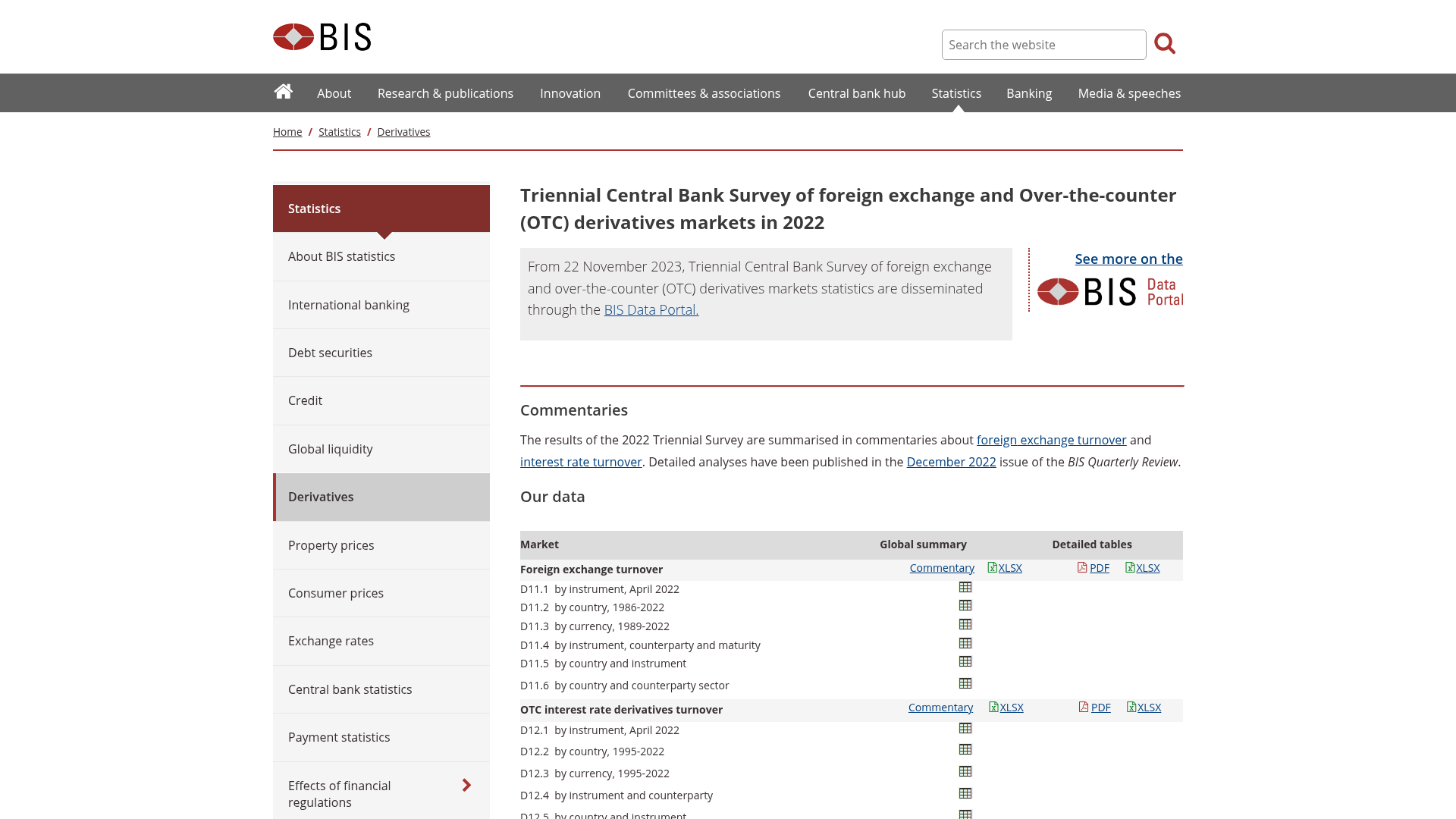
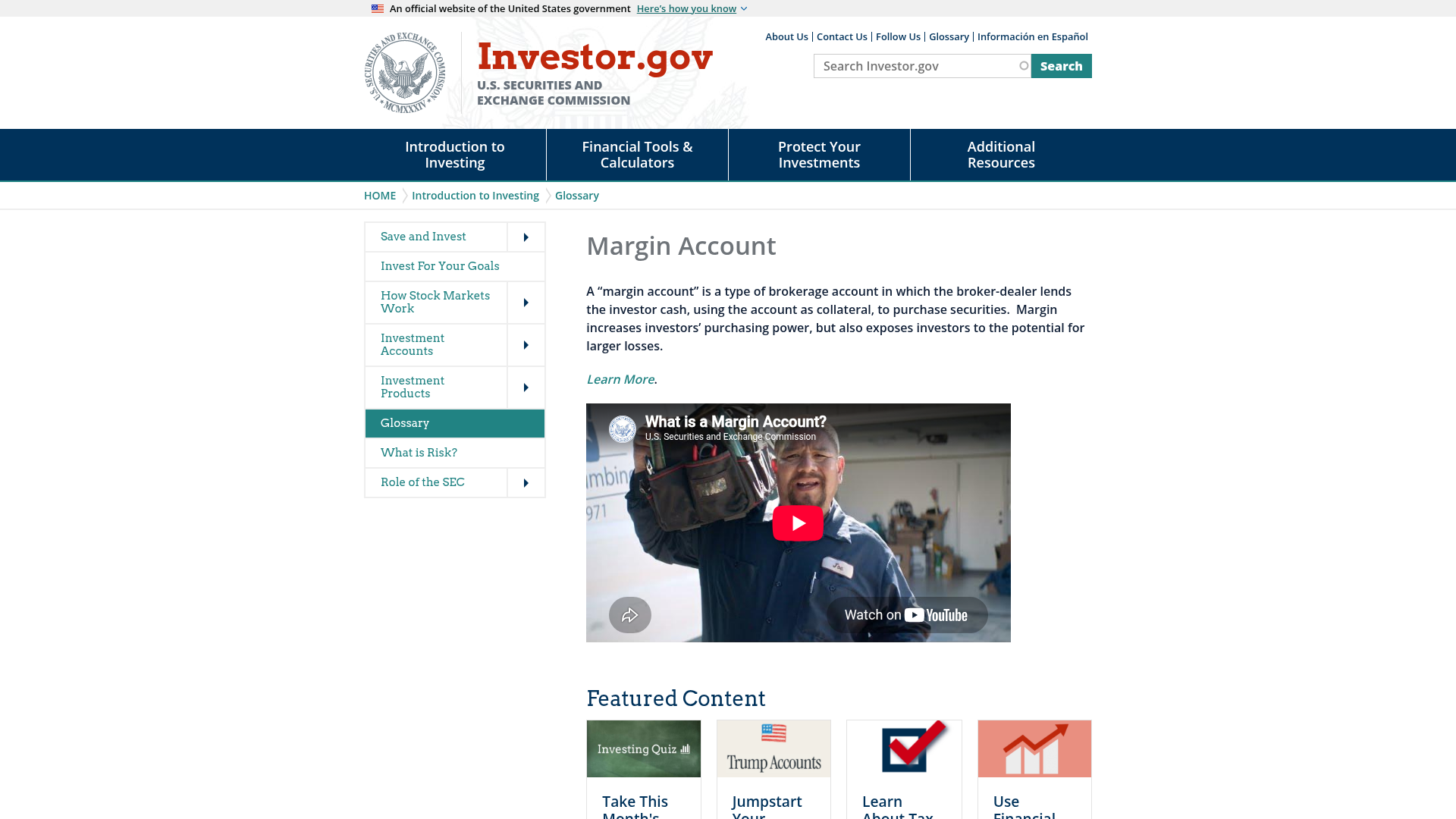
ภาพหน้าจอของหน้าเว็บทางการที่มาของกฎระเบียบในคู่มือนี้ เปิดดูด้วยตัวคุณเอง — คำพูดของหน่วยงานกำกับดูแลย่อมดีกว่าสรุปเสมอ
คำถามที่พบบ่อย
เขียนโดย The pipdojo.com desk
Forex curriculum teamเราเขียนบทเรียน forex ที่มีโครงสร้างและเข้าใจง่ายสำหรับผู้เริ่มต้น เน้นความเข้าใจเป็นอันดับแรกเสมอ — และไม่ใช่คำแนะนำทางการเงิน เนื้อหาหลักสูตรอยู่ใน หลักสูตร.
เรียนรู้ต่อไป
เส้นทางต่อไป
คู่มือที่เกี่ยวข้องกับหน้านี้มากที่สุด เรียงตามลำดับที่ต่อยอดจากหน้านี้ แต่ละคู่มือเป็นเนื้อหาที่สมบูรณ์ในตัวเอง และไม่มีคู่มือใดที่ถือว่าคุณอ่านหน้านี้จบแล้ว
- การสร้างแผนการบริหารความเสี่ยงฉบับแรกของคุณแผนการบริหารความเสี่ยงคือแผนที่สำหรับการเทรดของคุณ…
- Trailing Stop: วิธีการทำงานและปกป้องการเทรดของคุณ ทีละขั้นตอนค้นพบกลไกที่แม่นยำของคำสั่ง trailing stop ตั้งแต่ pips แบบคงที่ไปจนถึงเปอร์เซ็นต์แบบไดนามิก…
- คำสั่ง Bracket และ OCO: กลยุทธ์การออกจากการเทรดแบบอัตโนมัติก่อนเข้าเทรดค้นพบวิธีตั้งค่าคำสั่ง stop-loss และ take-profit ล่วงหน้าพร้อมกัน…
- คณิตศาสตร์ของ Risk-Reward: อัตราการชนะที่แต่ละอัตราส่วนต้องการค้นพบความเชื่อมโยงที่แยกจากกันไม่ได้ระหว่างอัตราส่วน risk-reward และอัตราการชนะของคุณ…
- คำสั่ง Stop-Market และ Stop-Limit: คู่มือเทรดเดอร์สำหรับการออกจากการเทรดที่แม่นยำเจาะลึกวิธีการทำงานของคำสั่ง stop-market และ stop-limit…