دليل · 12 دقيقة قراءة
أوامر وقف الخسارة وجني الأرباح: حبلا نجاتك
تعلم كيف تعمل أوامر وقف الخسارة وجني الأرباح كأدوات أساسية لإدارة المخاطر، تحمي رأس مالك وتضمن تحقيق الأرباح بانضباط.

أهم النقاط
- تحد أوامر وقف الخسارة من الخسائر المحتملة، وتعمل كشبكة أمان حاسمة لرأس مالك التجاري.
- تؤمن أوامر جني الأرباح المكاسب عند مستويات محددة مسبقًا، مما يساعدك على تجنب الطمع وتأمين الأرباح.
- يحدد استخدام كلا الأمرين معًا نسبة المخاطرة إلى المكافأة الخاصة بك، وهو أمر أساسي لنهج تداول منضبط.
- يعتمد التحديد الصحيح لهذه الأوامر على تحليل دقيق للسوق وفهم سياق صفقتك.
- التطبيق المستمر لأوامر وقف الخسارة وجني الأرباح يبني عادات تداول جيدة ويقلل من القرارات العاطفية.
حبلا نجاتك الأساسيان في التداول
تخيل أوامر وقف الخسارة وجني الأرباح كحبلي نجاتك الأساسيين عند التداول. تمامًا كما يستخدم متسلق الجبال الحبال لمنع السقوط الخطير وتأمين موقعه، يستخدم المتداولون هذه الأوامر لإدارة مخاطر ومكافآت صفقاتهم. إنها أدوات بسيطة لكنها قوية تساعد في الحفاظ على حساب التداول الخاص بك آمنًا والتحكم في عواطفك.
يدخل العديد من المتداولين الجدد الأسواق بفكرة عن نقطة الدخول التي يرغبون بها للصفقة، لكن غالبًا ما يفتقرون إلى خطة واضحة لما يجب فعله عندما تسوء الأمور، أو حتى عندما تسير على ما يرام. وهنا يأتي دور أوامر وقف الخسارة وجني الأرباح. إنها تعليمات محددة مسبقًا تقدمها لوسيطك، تخبره بإغلاق صفقتك تلقائيًا بمجرد الوصول إلى مستوى سعر معين. يزيل هذا الحاجة إلى أن تكون ملتصقًا بشاشتك، والأهم من ذلك، يزيل الضغط العاطفي الفوري لاتخاذ قرار في لحظة حاسمة.
هذان النوعان من الأوامر ليسا مجرد اقتراحات؛ بل هما جزءان أساسيان من استراتيجية تداول سليمة. بدونهما، أنت تتداول بشكل أساسي بدون شبكة أمان، تأمل في الأفضل ولكنك تعرض نفسك لمخاطر كبيرة. إن فهم كيفية استخدامها بفعالية هو خطوة كبيرة نحو أن تصبح متداولًا أكثر ثقة واتساقًا.
فهم أمر وقف الخسارة الخاص بك
أمر وقف الخسارة هو تعليمات لإغلاق صفقة عند سعر محدد للحد من الخسارة المحتملة. إنه شبكة أمانك القصوى، مصمم لمنع خطأ صغير أو حركة سوق غير متوقعة من أن تتحول إلى ضربة مدمرة لحساب التداول الخاص بك. عندما تفتح صفقة، فإنك تخاطر بمخاطرة محسوبة. أمر وقف الخسارة هو جزء من هذا الحساب يقول، "إذا تحرك السوق ضدي إلى هذه النقطة، فسأخرج."
الغرض الرئيسي من أمر وقف الخسارة هو الحفاظ على رأس المال. كل متداول، حتى أفضلهم، يواجه صفقات خاسرة. الهدف ليس تجنب الخسائر بالكامل، بل إدارتها بحيث لا تقضي على حسابك. من خلال تحديد أمر وقف الخسارة، فإنك تحدد أقصى مخاطرة مقبولة لديك لتلك الصفقة بالذات. يتيح لك هذا التداول في يوم آخر، حتى بعد صفقة خاسرة.
تحديد أمر وقف الخسارة هو أكثر من مجرد اختيار رقم عشوائي. يجب أن يعتمد على تحليلك للسوق. على سبيل المثال، قد تضع أمر وقف الخسارة أسفل مستوى دعم حديث إذا كنت تشتري، أو فوق مستوى مقاومة إذا كنت تبيع. بهذه الطريقة، إذا اخترق السوق هذا المستوى الرئيسي، فهذا يشير إلى أن فكرة تداولك الأولية قد تكون خاطئة، وحان وقت الخروج. يستخدم بعض المتداولين أيضًا نسبة مئوية من رصيد حسابهم للمخاطرة، مما يضمن عدم المخاطرة بأكثر من 1-2% من رأس مالهم في أي صفقة واحدة، ثم يضعون أمر وقف الخسارة الخاص بهم وفقًا لذلك.
أحد الأنماط المثيرة للاهتمام هو أمر وقف الخسارة المتحرك (trailing stop-loss). يتكيف هذا النوع من الأوامر تلقائيًا مع تحرك صفقتك نحو الربح. على سبيل المثال، إذا قمت بتعيين وقف خسارة متحرك عند 20 pip، وتحركت صفقتك 50 pip في الربح، فسيتحرك أمر وقف الخسارة الخاص بك لحماية 30 pip من هذا الربح. إذا انعكس السوق ضدك بعد ذلك، فستغلق صفقتك، مؤمنة بعض المكاسب. يمكن أن تكون هذه أداة مفيدة جدًا للسماح للصفقات الرابحة بالاستمرار مع حماية رأس مالك.
فهم أمر جني الأرباح الخاص بك
تمامًا كما يحمي أمر وقف الخسارة رأس مالك من الخسائر المفرطة، يحمي أمر جني الأرباح مكاسبك بإغلاق صفقة مربحة بمجرد الوصول إلى مستوى سعر محدد مسبقًا. الأمر يتعلق بتأمين أرباحك والتأكد من أنك لا تدع صفقة جيدة تتحول إلى صفقة خاسرة بسبب الانتظار طويلاً.
السبب الرئيسي لاستخدام أمر جني الأرباح هو تأمين الأرباح وإزالة عاطفة الطمع من قرارات التداول الخاصة بك. إنها تجربة شائعة للمتداولين أن يشاهدوا صفقة تتحول إلى ربح، على أمل أن ترتفع أكثر، فقط لينعكس السوق ويمحو كل تلك المكاسب – أو الأسوأ من ذلك، تتحول إلى خسارة. يضمن أمر جني الأرباح أنه بمجرد تحقيق هدفك، تصبح تلك الأرباح ملكك.
على غرار أوامر وقف الخسارة، يجب تحديد مستويات جني الأرباح بناءً على تحليلك للسوق، وليس مجرد رقم عشوائي. قد تبحث عن مستويات مقاومة سابقة (إذا كنت تشتري) أو مستويات دعم (إذا كنت تبيع) حيث واجه السوق صعوبة في تجاوزها في الماضي. يمكن أن تكون هذه أماكن جيدة لتوقع توقف السوق أو انعكاسه. طريقة أخرى شائعة هي استخدام نسبة مخاطرة إلى مكافأة محددة، والتي سنناقشها قريبًا. على سبيل المثال، إذا خاطرت بـ 50 pip في أمر وقف الخسارة الخاص بك، فقد تستهدف 100 pip من الربح، وتحدد أمر جني الأرباح الخاص بك وفقًا لذلك.
من خلال تحديد أمر جني الأرباح، فأنت تقول بشكل أساسي، "هذا هو المكان الذي أعتقد أن السوق من المرجح أن يتجه إليه، وبمجرد وصوله إلى هناك، يسعدني أن أحقق أرباحي." إنه يضيف الانضباط إلى استراتيجية الخروج الخاصة بك ويساعدك في الحفاظ على نهج ثابت لجني الأرباح.
الجمع بينهما: قوة إدارة المخاطر
تكمن القوة الحقيقية لأوامر وقف الخسارة وجني الأرباح في استخدامها معًا كجزء من استراتيجية شاملة لإدارة المخاطر. قبل حتى أن تدخل أي صفقة، يجب أن تعرف بالضبط أين سيتم وضع أمر وقف الخسارة الخاص بك وأين سيكون أمر جني الأرباح. هذا يحدد على الفور نسبة المخاطرة إلى المكافأة الخاصة بك.
على سبيل المثال، إذا خاطرت بـ 50 pip (المسافة من نقطة دخولك إلى أمر وقف الخسارة الخاص بك) لتحقيق ربح محتمل قدره 100 pip (المسافة من نقطة دخولك إلى أمر جني الأرباح الخاص بك)، فإن نسبة المخاطرة إلى المكافأة الخاصة بك هي 1:2. هذا يعني أنه مقابل كل وحدة مخاطرة تتحملها، فإنك تستهدف وحدتين من المكافأة. تعد نسبة المخاطرة إلى المكافأة المواتية حجر الزاوية في التداول المربح. حتى لو فزت بنسبة 50% فقط من صفقاتك، فإن نسبة 1:2 تعني أن صفقاتك الرابحة ستغطي صفقاتك الخاسرة بأكثر من ذلك.
من الناحية النفسية، يمكن أن يكون وجود هذه الأوامر في مكانها منذ البداية فائدة كبيرة. إنه يقلل من التوتر وإغراء اتخاذ قرارات متهورة. لقد وضعت خطتك عندما كان ذهنك صافيًا، والآن سيقوم السوق بتنفيذها ببساطة. هذا النهج الموضوعي أكثر فعالية بكثير من محاولة التفاعل عاطفيًا مع كل تقلب في السوق.
تسهل معظم منصات التداول الحديثة، مثل MetaTrader 4 (MT4) و MetaTrader 5 (MT5) و TradingView، التي يقدمها عادة وسطاء مثل Pepperstone و IC Markets و FOREX.com، تحديد هذه الأوامر عند فتح صفقة. عادةً ما تحدد سعر دخولك، وسعر وقف الخسارة الخاص بك، وسعر جني الأرباح الخاص بك دفعة واحدة. يضمن هذا النهج المتكامل أن تكون حبلا نجاتك في مكانهما منذ لحظة تفعيل صفقتك.
تجنب الأخطاء الشائعة
حتى مع هذه الأدوات البسيطة، يمكن للمتداولين الوقوع في فخاخ شائعة. إن إدراك هذه الأخطاء يمكن أن يساعدك على تجنبها.
أحد الأخطاء المتكررة هو تحديد أوامر وقف الخسارة ضيقة جدًا أو واسعة جدًا. قد يتم تفعيل أمر وقف الخسارة القريب جدًا من سعر دخولك بسبب تقلبات السوق العادية، مما يخرجك من صفقة كان من الممكن أن تكون مربحة. يُطلق على هذا غالبًا مصطلح "stopped out" قبل الأوان. على العكس من ذلك، فإن أمر وقف الخسارة البعيد جدًا يعرضك لمخاطر مفرطة، مما يبطل الغرض منه. المفتاح هو إيجاد توازن بناءً على تقلبات السوق وتحليلك الخاص.
خطأ آخر هو تحريك أمر وقف الخسارة الخاص بك بعد بدء الصفقة، خاصة تحريكه بعيدًا عن نقطة دخولك لتجنب تفعيله. هذه علامة على ضعف الانضباط وغالبًا ما تؤدي إلى خسائر أكبر بكثير مما كان مقصودًا في الأصل. السبب الوحيد المقبول لتعديل أمر وقف الخسارة هو تحريكه إلى منطقة الربح (مثل وقف الخسارة المتحرك) أو إلى نقطة التعادل بمجرد أن تتحرك الصفقة بشكل كبير لصالحك.
فيما يتعلق بأوامر جني الأرباح، فإن أكبر فخ هو الطمع. غالبًا ما يقوم المتداولون بإزالة أو توسيع مستوى جني الأرباح الخاص بهم لأنهم يرون السوق يستمر في التحرك لصالحهم، على أمل تحقيق المزيد من الأرباح. بينما قد يستمر السوق في الارتفاع، فمن المرجح بنفس القدر أن ينعكس، مما يمحو الأرباح الورقية. التزم بخطتك الأصلية. إذا أشار تحليلك إلى هدف ربح محدد، فاحترم هذا الهدف. من الأفضل جني أرباح أصغر ومخطط لها باستمرار بدلًا من مطاردة أرباح أكبر وغير مؤكدة.
أخيرًا، بعض المتداولين لا يستخدمون هذه الأوامر على الإطلاق، ويعتمدون على الإغلاق اليدوي. هذا يتركهم عرضة تمامًا لتحركات السوق المفاجئة ويتطلب اهتمامًا مستمرًا، وهو أمر غير مستدام ومستنزف عاطفيًا. التحكم الآلي الذي توفره أوامر وقف الخسارة وجني الأرباح موجود لمساعدتك؛ استخدمه بحكمة.
تطبيق ذلك عمليًا
إذًا، كيف يمكنك الاستفادة من حبلي النجاة هذين؟ يبدأ الأمر قبل حتى أن تفكر في الدخول في صفقة.
تحليل السوق: انظر إلى الرسوم البيانية الخاصة بك. حدد مستويات الدعم والمقاومة الرئيسية، وخطوط الاتجاه، أو المؤشرات الفنية الأخرى التي تدعم فكرة تداولك. سيوجه هذا التحليل نقاط دخولك، ومستويات وقف الخسارة، ومستويات جني الأرباح.
تحديد مخاطرك: بناءً على حجم حسابك وقواعد إدارة المخاطر الخاصة بك (على سبيل المثال، عدم المخاطرة بأكثر من 1-2% من رأس مالك لكل صفقة)، احسب الحد الأقصى لعدد الـ pip أو الدولارات التي ترغب في خسارتها في هذه الصفقة المحددة. يساعدك هذا على وضع أمر وقف الخسارة الخاص بك بشكل منطقي.
وضع أمر وقف الخسارة: ضع أمر وقف الخسارة الخاص بك عند نقطة منطقية على الرسم البياني حيث، إذا وصل السوق إليها، فمن المحتمل أن تكون فكرة تداولك قد بطلت. غالبًا ما يكون هذا بعد مستوى دعم أو مقاومة مهم، أو نقطة بطلان فني. هذه هي أقصى خسارة مقبولة لديك.
وضع أمر جني الأرباح: بناءً على تحليلك ونسبة المخاطرة إلى المكافأة المرغوبة، حدد هدف ربح واقعي. قد يكون هذا عند مستوى المقاومة الرئيسي التالي (لصفقة شراء) أو مستوى الدعم (لصفقة بيع). تأكد من أن المكافأة المحتملة تبرر المخاطرة التي تتحملها.
الدخول في الصفقة والمراجعة: بمجرد تحديد نقاط دخولك، ووقف الخسارة، وجني الأرباح، ضع صفقتك. ثم، تراجع خطوة. قاوم الرغبة في التلاعب المستمر بأوامرك ما لم يكن هناك سبب واضح ومخطط له مسبقًا (مثل تحريك وقف الخسارة إلى نقطة التعادل أو جعله متحركًا). يقدم وسطاء مثل OANDA و XM و Exness واجهات سهلة الاستخدام لإدارة هذه الأوامر.
من خلال تطبيق حبلي النجاة هذين باستمرار، فإنك تبني نهجًا أقوى وأكثر انضباطًا لتداولك. أنت لا تأمل في الأفضل فحسب؛ بل تخطط لنتائج مختلفة وتحمي رأس مالك في كل خطوة على الطريق.
اقرأ المصدر الأساسي
تحقق من ذلك لدى الجهة التنظيمية، وليس لدينا
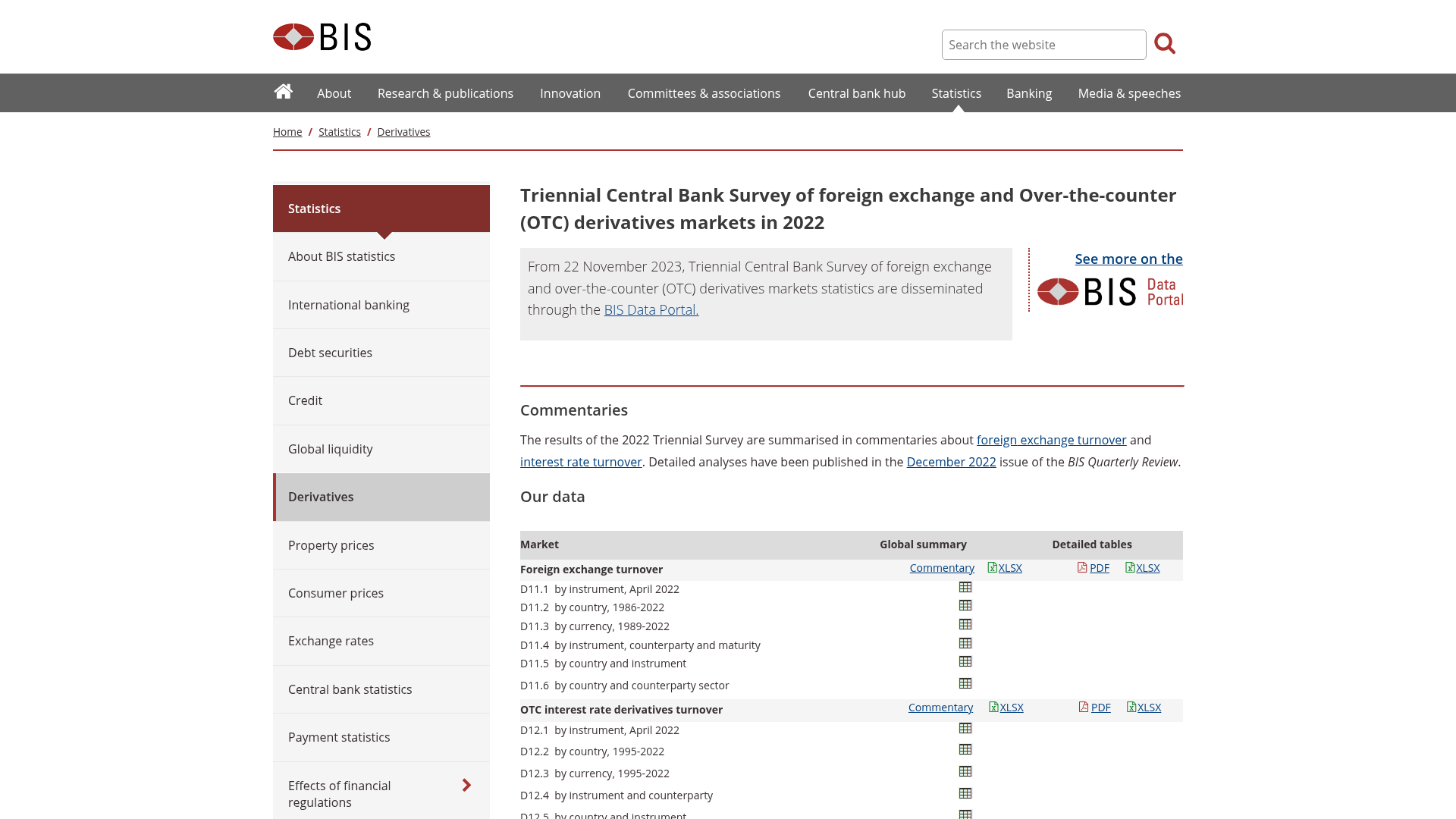
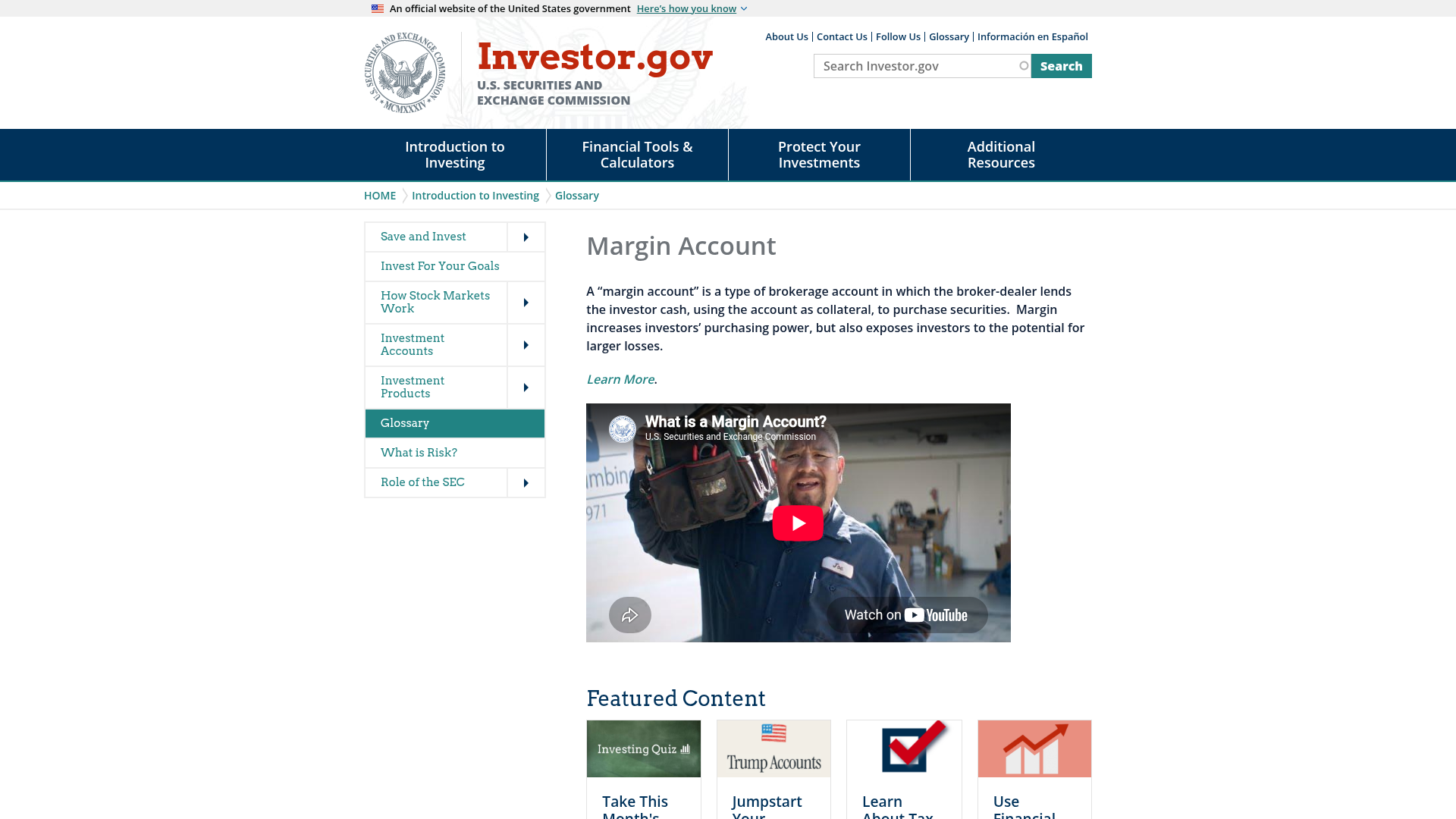
لقطات شاشة للصفحات الرسمية التي تستند إليها القواعد في هذا الدليل. افتحها بنفسك — فكلمات الجهة التنظيمية نفسها دائمًا ما تكون أفضل من ملخص لها.
الأسئلة المتكررة
بقلم The pipdojo.com desk
Forex curriculum team. نقدم تعليماً منظماً ومبسطاً في الفوركس باللغة الإنجليزية للأشخاص الذين يتعلمون من الصفر. الفهم أولاً، دائماً — وليس نصيحة مالية أبداً. الدورة التدريبية نفسها موجودة في الـ المناهج.
واصل التعلم
إلى أين يقود هذا الدليل لاحقاً
الأدلة الأقرب إلى هذا الدليل، بالترتيب الذي تبني عليه. كل منها قراءة كاملة بحد ذاتها، ولا يفترض أي منها أنك انتهيت من هذه الصفحة.
- بناء خطة إدارة المخاطر الأولى الخاصة بكخطة إدارة المخاطر هي خريطتك في عالم التداول، فهي تساعدك على حماية رأس مالك والتداول بثقة واتساق أكبر.
- أوامر الوقف المتحرك (Trailing Stops): كيف تتحرك وتحمي صفقاتك، خطوة بخطوةاكتشف الآليات الدقيقة لأمر الوقف المتحرك، من النقاط الثابتة (pips) إلى النسب المئوية المتغيرة، وكيف تؤمن هذه الأداة القوية صفقاتك…
- أوامر Bracket و OCO: استراتيجيتك المؤتمتة للخروج قبل الدخول.اكتشف كيف يمكنك تحديد أوامر وقف الخسارة وجني الأرباح مسبقًا في وقت واحد لإدارة المخاطر وتأمين الأرباح حتى قبل أن يبدأ التداول.
- حسابات المخاطرة والعائد: نسبة الفوز التي يتطلبها كل نسبة بصمت.اكتشف العلاقة التي لا تنفصم بين نسبة المخاطرة إلى العائد ونسبة الفوز لديك، وتعلّم الحسابات الأساسية لتحقيق ربحية تداول مستمرة.
- أوامر وقف السوق (Stop-Market) ووقف الحد (Stop-Limit): دليل المتداول للخروج الدقيق.نظرة فاحصة على كيفية عمل أوامر وقف السوق ووقف الحد، لمساعدتك في إدارة المخاطر وتأمين الأرباح في الأسواق المتقلبة بانضباط.