คู่มือ · 18 นาทีในการอ่าน · 2,871 words
คำสั่ง Bracket และ OCO: กลยุทธ์การออกคำสั่งอัตโนมัติก่อนเข้าเทรด
ค้นพบวิธีตั้งค่าคำสั่ง stop-loss และ take-profit ล่วงหน้าพร้อมกัน เพื่อบริหารความเสี่ยงและทำกำไร ก่อนที่การเทรดจะเริ่มต้นขึ้น

ประเด็นสำคัญ
- คำสั่ง Bracket จะวางคำสั่ง stop-loss และ take-profit โดยอัตโนมัติเมื่อคำสั่งเข้าเทรดของคุณถูกเติมเต็ม ทำหน้าที่เป็นแผนการบริหารการเทรดที่สมบูรณ์
- คำสั่ง One-Cancels-the-Other (OCO) คือคำสั่งแบบมีเงื่อนไขคู่หนึ่ง ซึ่งเมื่อคำสั่งใดคำสั่งหนึ่งถูกดำเนินการ อีกคำสั่งหนึ่งจะถูกยกเลิกโดยอัตโนมัติ มีประโยชน์สำหรับกลยุทธ์ breakout
- การแนบแผนการออกจากการเทรดของคุณก่อนเข้าเทรด ช่วยขจัดอคติทางอารมณ์และบังคับใช้การบริหารความเสี่ยงอย่างมีวินัย
- แม้จะมีประสิทธิภาพ แต่คำสั่งทั้งสองประเภทอาจได้รับผลกระทบจากความผันผวนของตลาดและ slippage ซึ่งต้องมีการกำหนดขนาดและทำความเข้าใจอย่างรอบคอบ
- คำสั่ง Bracket เหมาะอย่างยิ่งสำหรับการเทรดที่มีโครงสร้างและกำหนดความเสี่ยงไว้แล้ว ในขณะที่ OCOs ให้ความยืดหยุ่นสำหรับการตอบสนองต่อเหตุการณ์ในตลาดหรือความไม่แน่นอนของทิศทาง
ช่วงเวลาที่อันตรายที่สุดในการเทรดไม่ใช่การเข้าเทรด แต่เป็นความไม่แน่นอน
ลองจินตนาการว่าคุณกำลังขับรถ แต่คุณไม่ได้สนใจที่จะเรียนรู้ว่าเบรกอยู่ที่ไหน หรือมีน้ำมันเหลืออยู่เท่าไร คุณอาจจะขับไปได้ดี แต่จะเกิดอะไรขึ้นเมื่อคุณต้องการหยุด หรือเมื่อน้ำมันหมด? เทรดเดอร์มือใหม่จำนวนมากมุ่งเน้นอย่างมากว่า เมื่อไร ควรเข้าเทรด ใช้เวลาหลายชั่วโมงกับรูปแบบกราฟและอินดิเคเตอร์ แต่กลับละเลยโดยสิ้นเชิงว่า เมื่อไร และ อย่างไร ควรออกจากการเทรด การละเลยนี้เป็นสูตรสำเร็จของหายนะ เปลี่ยนการขาดทุนเล็กน้อยให้กลายเป็นการ drawdown ครั้งใหญ่ของบัญชี และล้างกำไรที่หามาอย่างยากลำบาก
เทรดเดอร์มืออาชีพเข้าใจดีว่า การเข้าเทรดที่ดีโดยไม่มีกลยุทธ์การออกที่แข็งแกร่ง ก็เหมือนกับการสร้างบ้านที่ไม่มีรากฐาน การเข้าเทรดอาจดูเหมือนเป็นส่วนที่น่าตื่นเต้นแต่งานจริง งานที่สำคัญที่สุด คือการบริหารความเสี่ยงและรักษากำไรของคุณ มันคือการมีแผนสำหรับทุกผลลัพธ์ที่เป็นไปได้ ก่อนที่ตลาดจะขยับแม้แต่นิดเดียวไม่ว่าจะเป็นไปในทางที่คุณต้องการหรือไม่ก็ตาม นี่ไม่ใช่แค่เรื่องของวินัย แต่เป็นเรื่องของการอยู่รอดในตลาด
บทความนี้จะพาคุณไปรู้จักกับสองเครื่องมืออันทรงพลังที่ช่วยให้คุณกำหนดกลยุทธ์การออกจากการเทรด ก่อน ที่คุณจะตัดสินใจเข้าเทรดด้วยซ้ำ: คำสั่ง Bracket และคำสั่ง One-Cancels-the-Other (OCO) ลองนึกภาพว่ามันเป็นแผนการบินที่คุณตั้งค่าไว้ล่วงหน้า เพื่อให้แน่ใจว่าคุณรู้ว่าจะลงจอดเมื่อใด ไม่ว่าจะเป็นที่ปลายทางที่ตั้งใจไว้หรือสนามบินฉุกเฉิน เครื่องมือเหล่านี้ช่วยให้คุณเทรดด้วยสติที่ปลอดโปร่ง ปราศจากความตื่นตระหนกหรือความโลภที่มักจะบดบังการตัดสินใจเมื่อมีเงินเป็นเดิมพัน โดยพื้นฐานแล้ว คุณกำลังสร้างตาข่ายนิรภัยของคุณก่อนที่คุณจะก้าวขึ้นสู่เชือกที่ตึงเครียด
สร้างตาข่ายนิรภัยอัตโนมัติของคุณ: ทำความเข้าใจคำสั่ง Bracket
คำสั่ง Bracket คือชุดคำสั่งสามคำสั่งที่ทำงานร่วมกัน: คำสั่งหลักเพื่อเปิดสถานะ และคำสั่งรองอีกสองคำสั่ง (stop-loss และ take-profit) ซึ่งจะถูกวางโดยอัตโนมัติเมื่อคำสั่งหลักของคุณถูกเติมเต็ม คำว่า 'bracket' หมายถึงวิธีที่คำสั่งรองทั้งสองนี้ 'โอบล้อม' สถานะที่เปิดอยู่ของคุณ โดยกำหนดทั้งการขาดทุนสูงสุดที่คุณยอมรับได้และระดับกำไรเป้าหมายของคุณ
มาทำความเข้าใจกัน: คุณตัดสินใจซื้อ EUR/USD จำนวน 1 lot ด้วยคำสั่ง Bracket คุณจะต้องระบุราคาเข้าเทรดของคุณ (หรือใช้คำสั่ง market order) ราคา stop-loss และราคา take-profit เมื่อคำสั่งซื้อ EUR/USD ของคุณดำเนินการ แพลตฟอร์มจะวางคำสั่ง sell stop-loss ทันทีที่ระดับความเสี่ยงที่คุณกำหนดไว้ล่วงหน้า และคำสั่ง sell limit ที่เป้าหมายกำไรของคุณ หากคำสั่งรองใดคำสั่งหนึ่งถูกเติมเต็ม อีกคำสั่งหนึ่งจะถูกยกเลิกโดยอัตโนมัติ ซึ่งหมายความว่าคุณไม่สามารถถูก stop out และ ทำกำไรในการเทรดเดียวกันได้ มันต้องเป็นอย่างใดอย่างหนึ่ง
พลังที่แท้จริงอยู่ที่ระบบอัตโนมัติ คุณไม่จำเป็นต้องนั่งเฝ้าหน้าจอ พร้อมที่จะกดปุ่มขายหากตลาดพลิกผัน แผนของคุณถูกวางไว้แล้ว นี่คือส่วนที่คู่มือส่วนใหญ่ข้ามไป: ความโล่งใจทางจิตใจที่สิ่งนี้มอบให้นั้นมหาศาล ช่วยให้คุณสามารถวางคำสั่งเทรด กำหนดความเสี่ยง แล้วเดินจากไป โดยเชื่อมั่นในระบบของคุณ ระดับของระบบอัตโนมัตินี้คือเหตุผลที่เทรดเดอร์ที่มีวินัยชื่นชอบเครื่องมือเหล่านี้
ตัวอย่างคำสั่ง Bracket แบบทีละขั้นตอน
สมมติว่าคุณกำลังดูคู่ GBP/JPY ซึ่งปัจจุบันซื้อขายอยู่ที่ประมาณ 185.00 คุณเชื่อว่าราคาจะสูงขึ้น แต่คุณต้องการบริหารความเสี่ยงอย่างรอบคอบ คุณตัดสินใจซื้อ 0.5 standard lots (50,000 หน่วย)
นี่คือวิธีที่คุณจะตั้งค่าคำสั่ง Bracket บนแพลตฟอร์มการเทรดหลายแห่ง:
- คำสั่งหลัก: การเข้าเทรดของคุณ คุณอาจวาง market order เพื่อซื้อ GBP/JPY ที่ราคาปัจจุบัน 185.00 หรือ limit order เพื่อซื้อหากราคาดึงกลับไปที่ 184.80
- คำสั่ง Stop-Loss: การขาดทุนสูงสุดที่คุณยอมรับได้ คุณตัดสินใจว่าจะไม่เสี่ยงเกิน 30 pips ดังนั้น สำหรับสถานะ Long ของคุณ stop-loss จะอยู่ที่ 184.70 (185.00 - 0.30)
- คำสั่ง Take-Profit: กำไรเป้าหมายของคุณ คุณตั้งเป้าหมายกำไรไว้ที่ 60 pips สำหรับสถานะ Long ของคุณ take-profit จะอยู่ที่ 185.60 (185.00 + 0.60)
เมื่อคำสั่งซื้อหลักของคุณที่ 185.00 ถูกเติมเต็ม แพลตฟอร์มจะวางคำสั่งใหม่สองคำสั่งทันที: sell stop ที่ 184.70 และ sell limit ที่ 185.60 หาก GBP/JPY แตะ 184.70 คำสั่ง stop-loss ของคุณจะทำงาน ปิดสถานะของคุณด้วยการขาดทุน 30 pips หากแตะ 185.60 คำสั่ง take-profit ของคุณจะทำงาน ปิดสถานะของคุณด้วยกำไร 60 pips ไม่ว่ากรณีใดก็ตาม อีกคำสั่งหนึ่งจะถูกยกเลิกโดยอัตโนมัติ แนวทางที่มีวินัยนี้หมายความว่าการเทรดของคุณมีวงจรชีวิตที่สมบูรณ์ซึ่งกำหนดไว้ตั้งแต่เริ่มต้น
ตัวอย่างการตั้งค่าคำสั่ง Bracket สำหรับ GBP/JPY
| ประเภทคำสั่ง | การดำเนินการ | ราคา (GBP/JPY) | หน่วย |
|---|---|---|---|
| คำสั่งหลัก | ซื้อ | 185.00 | 50,000 |
| Stop-Loss | ขาย | 184.70 | 50,000 |
| Take-Profit | ขาย | 185.60 | 50,000 |
ประโยชน์และการนำคำสั่ง Bracket ไปใช้จริง
ประโยชน์หลักของคำสั่ง Bracket คือการสร้างวินัยในการเทรด การกำหนดความเสี่ยงและผลตอบแทนล่วงหน้าก่อนเข้าเทรด จะช่วยป้องกันไม่ให้การตัดสินใจทางอารมณ์มาขัดขวางแผนการเทรดของคุณ สิ่งนี้สำคัญอย่างยิ่งในตลาดที่มีการเคลื่อนไหวรวดเร็ว ซึ่งความลังเลเพียงเล็กน้อยอาจหมายถึงความแตกต่างระหว่างการขาดทุนเล็กน้อยกับการขาดทุนจำนวนมากได้
ข้อดีที่สำคัญอีกประการคือระบบอัตโนมัติ คุณสามารถตั้งค่าการเทรดแล้วปล่อยให้ระบบทำงาน โดยรู้ว่าเงินทุนของคุณได้รับการปกป้องและเป้าหมายกำไรของคุณถูกกำหนดไว้แล้ว สิ่งนี้มีประโยชน์อย่างมากสำหรับเทรดเดอร์ที่ไม่สามารถเฝ้าติดตามตลาดได้ตลอดเวลา หรือผู้ที่มักจะลังเลและทบทวนการตัดสินใจของตนเองซ้ำๆ
อย่างไรก็ตาม มันไม่ใช่ยาวิเศษที่จะแก้ปัญหาได้ทุกอย่าง Slippage (การคลาดเคลื่อนของราคา) ยังคงเกิดขึ้นได้ โดยเฉพาะอย่างยิ่งในช่วงที่ตลาดมีความผันผวนสูง หรือมีข่าวสำคัญ ซึ่งหมายความว่าคำสั่ง Stop-Loss ของคุณอาจถูกดำเนินการที่ราคาที่แย่กว่าที่ตั้งใจไว้เล็กน้อย หรือคำสั่ง Take-Profit ของคุณอาจถูกดำเนินการที่ราคาที่ดีกว่า แม้ว่าแพลตฟอร์มอย่าง Pepperstone ซึ่งก่อตั้งขึ้นในปี 2010 มีสำนักงานใหญ่ในเมลเบิร์น ประเทศออสเตรเลีย และอยู่ภายใต้การกำกับดูแลของ FCA และ ASIC จะขึ้นชื่อเรื่องการดำเนินการคำสั่งที่รวดเร็ว แต่ไม่มีโบรกเกอร์รายใดสามารถกำจัด slippage ได้อย่างสมบูรณ์ ควรนำความเป็นไปได้นี้ไปพิจารณาในการคำนวณความเสี่ยงของคุณเสมอ
ทำความรู้จักกับคำสั่ง 'อย่างใดอย่างหนึ่ง': One-Cancels-the-Other (OCO)
ตอนนี้ เรามาพูดถึงคำสั่ง One-Cancels-the-Other หรือ OCO กันบ้าง ในขณะที่คำสั่ง Bracket คือการจัดการสถานะที่เปิดอยู่เพียงสถานะเดียว คำสั่ง OCO คือการเตรียมพร้อมสำหรับสถานการณ์ที่เป็นไปได้สองสถานการณ์ แต่ต้องการให้เกิดขึ้นเพียงสถานการณ์เดียวเท่านั้น ลองนึกภาพว่าเป็นคำสั่งแบบมีเงื่อนไขสองคำสั่งที่เชื่อมโยงกัน โดยหากคำสั่งใดคำสั่งหนึ่งถูกดำเนินการ อีกคำสั่งหนึ่งจะถูกยกเลิกทันที มันคือข้อเสนอแบบ 'อย่างใดอย่างหนึ่ง'
คำสั่ง OCO มักใช้เมื่อคุณคาดการณ์ว่าจะมีการเคลื่อนไหวครั้งใหญ่ แต่ไม่แน่ใจในทิศทาง ตัวอย่างเช่น ก่อนการประกาศข่าวเศรษฐกิจสำคัญ คุณอาจคาดการณ์ถึงความผันผวน แต่คุณไม่รู้ว่าคู่สกุลเงินจะพุ่งขึ้นหรือดิ่งลง คุณสามารถวางคำสั่ง OCO ที่ประกอบด้วยคำสั่ง Buy Stop เหนือราคาปัจจุบัน และคำสั่ง Sell Stop ใต้ราคาปัจจุบัน ระดับราคาใดที่ถูกกระตุ้นก่อน จะเปิดสถานะของคุณ และยกเลิกคำสั่งที่รอดำเนินการอีกคำสั่งหนึ่งพร้อมกัน สิ่งนี้ช่วยป้องกันไม่ให้คุณมีสถานะการเทรดที่ขัดแย้งกันสองสถานะในเวลาเดียวกัน หรือมีคำสั่งที่ซ้ำซ้อนยังคงทำงานอยู่
มันเป็นเครื่องมือที่ยอดเยี่ยมสำหรับกลยุทธ์การเทรดแบบ Breakout หากคุณเห็นราคาเคลื่อนไหวในกรอบ คุณสามารถตั้งค่า OCO เพื่อจับการเคลื่อนไหวเมื่อราคาทะลุแนวต้านขึ้นไป หรือทะลุแนวรับลงมา สิ่งนี้ช่วยให้คุณตอบสนองต่อการพัฒนาของตลาดได้อย่างรวดเร็ว โดยไม่ต้องเฝ้าหน้าจอรอการ Breakout
การรู้ความเสี่ยงสูงสุดและเป้าหมายกำไรล่วงหน้า ช่วยขจัดอารมณ์ส่วนใหญ่จากการเทรด ทำให้คุณดำเนินการตามแผนที่คำนวณไว้ แทนที่จะตอบสนองตามสถานการณ์เฉพาะหน้า
การตั้งค่า OCO: ตัวอย่างการนำไปใช้จริง
ลองพิจารณาคู่ EUR/USD ที่กำลังเคลื่อนไหวอยู่ในกรอบแคบๆ แถว 1.0850 ธนาคารกลางยุโรปกำลังจะประกาศการตัดสินใจเรื่องอัตราดอกเบี้ยครั้งสำคัญ และคุณคาดว่าจะมีการเคลื่อนไหวครั้งใหญ่ แต่ทิศทางยังไม่ชัดเจน คุณต้องการใช้ประโยชน์จากความผันผวน แต่หลีกเลี่ยงการคาดเดาทิศทาง
นี่คือตัวอย่างการตั้งค่าคำสั่ง OCO สำหรับสถานการณ์นี้:
- คำสั่งที่ 1 (Buy Stop): คุณตั้งคำสั่ง Buy Stop ที่ 1.0870 (สูงกว่าราคาปัจจุบัน 20 pip) โดยคาดการณ์การ Breakout ขาขึ้น หาก EUR/USD ไปถึง 1.0870 คำสั่งนี้จะถูกดำเนินการ เปิดสถานะ Long
- คำสั่งที่ 2 (Sell Stop): ในขณะเดียวกัน คุณตั้งคำสั่ง Sell Stop ที่ 1.0830 (ต่ำกว่าราคาปัจจุบัน 20 pip) โดยคาดการณ์การ Breakout ขาลง หาก EUR/USD ไปถึง 1.0830 คำสั่งนี้จะถูกดำเนินการ เปิดสถานะ Short
คำสั่งทั้งสองนี้เชื่อมโยงกันเป็นคู่ OCO หาก EUR/USD พุ่งขึ้นไปที่ 1.0870 คำสั่ง Buy Stop ของคุณจะถูกดำเนินการ และคำสั่ง Sell Stop ที่ 1.0830 จะถูกยกเลิกทันที หากราคาดิ่งลงไปที่ 1.0830 คำสั่ง Sell Stop ของคุณจะถูกดำเนินการ และคำสั่ง Buy Stop ที่ 1.0870 จะถูกยกเลิก ด้วยวิธีนี้ คุณจะสามารถเข้าสู่สถานะตามทิศทางที่ตลาดเลือก โดยไม่ต้องวางคำสั่งที่ขัดแย้งกัน
ตัวอย่างการตั้งค่าคำสั่ง OCO สำหรับเหตุการณ์ข่าว EUR/USD
| ประเภทคำสั่ง | การดำเนินการ | ราคา (EUR/USD) | เงื่อนไข |
|---|---|---|---|
| คำสั่งที่ 1 | Buy Stop | 1.0870 | หากราคาถึง, ให้ดำเนินการและยกเลิก Order 2 |
| Order 2 | Sell Stop | 1.0830 | หากราคาถึง, ให้ดำเนินการและยกเลิก Order 1 |
เวลาที่ควรเลือกใช้: Bracket Order เทียบกับ OCO Order
การทำความเข้าใจว่าเมื่อใดควรใช้ Bracket Order เทียบกับ OCO Order เป็นกุญแจสำคัญสู่การเทรดที่มีประสิทธิภาพ แม้ว่าทั้งสองจะเกี่ยวข้องกับการดำเนินการตามเงื่อนไขและการยกเลิก แต่ก็มีวัตถุประสงค์ที่แตกต่างกัน
ใช้ Bracket Order เมื่อ:
- คุณมีแนวคิดการเทรดที่ชัดเจนพร้อมระดับราคาเข้า (entry), จุดตัดขาดทุน (stop-loss) และจุดทำกำไร (take-profit) ที่กำหนดไว้
- คุณต้องการจัดการความเสี่ยงและล็อกกำไรโดยอัตโนมัติ หลังจาก ที่คุณเปิดสถานะแล้ว
- คุณต้องการขจัดอารมณ์ในการตัดสินใจออกจากการเทรดที่กำลังดำเนินอยู่
- คุณไม่สามารถเฝ้าติดตามการเทรดของคุณได้อย่างต่อเนื่องและต้องการโซลูชันแบบ 'ตั้งค่าแล้วลืม' สำหรับสถานะเดียว
ใช้ OCO Order เมื่อ:
- คุณคาดการณ์ความผันผวนของตลาดแต่ไม่แน่ใจในทิศทาง เช่น ก่อนการประกาศข่าวสำคัญ
- คุณกำลังเทรดกลยุทธ์ breakout จากช่วงการรวมตัวของราคา (consolidation range)
- คุณต้องการเตรียมพร้อมสำหรับสองสถานการณ์ตลาดที่แตกต่างกัน แต่ต้องการดำเนินการเพียงหนึ่งในนั้น
- คุณต้องการเริ่มการเทรดตามการเคลื่อนไหวของราคาที่เฉพาะเจาะจง แต่ไม่ต้องการให้การเข้าเทรดที่เป็นไปได้อีกทางหนึ่งยังคงทำงานอยู่หากคำสั่งแรกถูกเรียกใช้
ไม่มีคำสั่งใดที่ 'ดีกว่า' โดยเนื้อแท้; ทั้งสองเป็นเครื่องมือสำหรับงานที่แตกต่างกัน Bracket Order คือการจัดการวงจรชีวิตของการเทรดที่กำลังดำเนินอยู่ ในขณะที่ OCO Order คือการเตรียมตำแหน่งสำหรับการเทรด เริ่มต้น โดยอิงจากการยืนยันของตลาด
ข้อผิดพลาดทั่วไปและเคล็ดลับมืออาชีพ
แม้จะมีเครื่องมืออันทรงพลังเหล่านี้ แต่ก็ยังสามารถเกิดข้อผิดพลาดได้ ข้อผิดพลาดทั่วไปอย่างหนึ่งคือการตั้งระดับ stop-loss และ take-profit ใกล้กับราคาเข้ามากเกินไป โดยเฉพาะอย่างยิ่งกับ Bracket Order สิ่งนี้อาจนำไปสู่ 'สัญญาณรบกวน' ในตลาดที่กระตุ้น stop-loss ของคุณก่อนเวลาอันควร ก่อนที่การเทรดจะมีโอกาสดำเนินไปในทิศทางที่คุณต้องการ การตั้งเป้าหมายที่ไกลเกินไปอาจทำให้พลาดโอกาสหากตลาดกลับตัวก่อนที่จะถึงเป้าหมายที่คุณตั้งไว้สูง การหาสมดุลที่เหมาะสมต้องอาศัยการฝึกฝนและความเข้าใจในความผันผวนของตลาด
สำหรับ OCO Order ข้อผิดพลาดทั่วไปคือ 'false breakout' (การทะลุหลอก) ราคาอาจแตะ buy stop ของคุณเพียงชั่วครู่ กระตุ้นคำสั่งของคุณ จากนั้นก็กลับตัวอย่างรวดเร็วและเคลื่อนที่ไปในทิศทางตรงกันข้าม จากนั้นคุณก็จะติดอยู่ในสถานะที่กำลังสวนทางกับคุณทันที และอีกด้านหนึ่งของ OCO ของคุณก็จะถูกยกเลิก นี่คือเหตุผลที่มักจะฉลาดกว่าที่จะรวม OCO เข้ากับการยืนยันรูปแบบอื่น ๆ เช่น อาจรอให้แท่งเทียนปิดเหนือหรือใต้ระดับ breakout แทนที่จะเป็นการพุ่งขึ้นอย่างรวดเร็วเพียงอย่างเดียว
ควรทำความเข้าใจนโยบายการดำเนินการคำสั่งของโบรกเกอร์ของคุณเสมอ โบรกเกอร์บางราย เช่น OANDA ซึ่งก่อตั้งในปี 1996 และอยู่ภายใต้การกำกับดูแลของ FCA และ CFTC/NFA เป็นที่รู้จักกันดีในเรื่องของสเปรดที่แข่งขันได้และความเร็วในการดำเนินการ แต่แม้กับโบรกเกอร์ที่ดีที่สุด สภาวะตลาดที่รุนแรงก็อาจส่งผลต่อการดำเนินการได้ ฝึกตั้งคำสั่งเหล่านี้บนบัญชีทดลองก่อน ทำความคุ้นเคยกับวิธีการทำงานและวิธีที่แพลตฟอร์มที่คุณเลือกจัดการคำสั่งเหล่านี้ ก่อนที่จะเสี่ยงด้วยเงินทุนจริง มันเหมือนกับการซ้อมละครที่ซับซ้อน; คุณต้องการให้ทุกอย่างถูกต้องก่อนคืนวันแสดงจริง
การค้นหาแพลตฟอร์มที่เหมาะสมสำหรับกลยุทธ์อัตโนมัติของคุณ
เมื่อคุณตัดสินใจใช้กลยุทธ์การออกจากการเทรดแบบอัตโนมัติ เช่น Bracket Order หรือ OCO Order แพลตฟอร์มการเทรดของคุณไม่ได้เป็นเพียงหน้าต่างสู่ตลาดเท่านั้น แต่ยังเป็นพื้นที่ทำงานที่เครื่องมือสำคัญเหล่านี้อาศัยอยู่ ไม่ใช่ทุกโบรกเกอร์หรือแพลตฟอร์มของพวกเขาจะถูกสร้างขึ้นมาเพื่อรองรับประเภทคำสั่งขั้นสูงเหล่านี้โดยตรง บางแพลตฟอร์มรวมคำสั่งเหล่านี้ไว้ในตัว ให้การตั้งค่าที่ตรงไปตรงมา ในขณะที่บางแพลตฟอร์มอาจต้องใช้ความพยายามมากขึ้น อาจผ่านสคริปต์ที่กำหนดเองหรือ Expert Advisor (EA) หากคุณใช้ MetaTrader 4 (MT4) หรือ MetaTrader 5 (MT5) แนวคิดหลักคือการค้นหาแพลตฟอร์มที่ทำให้การตั้งค่าตาข่ายนิรภัยของคุณเป็นเรื่องง่ายและไม่ซับซ้อน
โบรกเกอร์อย่าง Pepperstone โฆษณาอย่างชัดเจนถึงการสนับสนุนแพลตฟอร์มเช่น MT4, MT5 และ TradingView โดยมักจะให้แหล่งข้อมูลเกี่ยวกับวิธีการใช้คำสั่งเหล่านี้ ในทำนองเดียวกัน OANDA ซึ่งเป็นที่รู้จักจากแพลตฟอร์มที่ใช้งานง่าย มักจะมอบประสบการณ์ที่ชัดเจนในการจัดการคำสั่ง FOREX.com เน้นย้ำถึง "แพลตฟอร์มและแอปพลิเคชันการเทรด forex ออนไลน์ที่ได้รับรางวัล" ซึ่งบ่งชี้ถึงการมุ่งเน้นที่เครื่องมือที่แข็งแกร่งสำหรับผู้ใช้ การมีข้อความดังกล่าวในคำอธิบายของโบรกเกอร์เป็นตัวบ่งชี้ที่ดีว่าพวกเขามุ่งเน้นไปที่ฟังก์ชันการทำงานของแพลตฟอร์มสำหรับการจัดการการเทรด
ขั้นตอนแรกของคุณหลังจากระบุโบรกเกอร์ที่มีศักยภาพคือตรงไปที่บัญชีทดลองของพวกเขา นี่คือการทดลองขับแบบไร้ความเสี่ยงของคุณ ใช้เวลา 15 ถึง 30 นาทีในการลองตั้งค่า Bracket Order หรือ OCO มองหาความชัดเจน: มีเมนูแบบเลื่อนลงที่เรียบง่ายหรือไม่? มันช่วยให้คุณกำหนดระดับ stop-loss และ take-profit เป็น pip หรือเป็นราคาคงที่พร้อมกับราคาเข้าของคุณหรือไม่? คุณสามารถแก้ไขได้ง่าย ๆ เมื่อวางคำสั่งแล้วหรือไม่? ตัวอย่างเช่น หากคุณกำลังวางแผนการเทรด EUR/GBP และคุณต้องการขายที่ 0.8650 โดยมี stop ที่ 0.8675 (ความเสี่ยง 25 pips) และ take-profit ที่ 0.8600 (รางวัล 50 pips) แพลตฟอร์มควรอนุญาตให้คุณป้อนค่าทั้งสามนี้พร้อมกัน โดยเฉพาะอย่างยิ่งจากหน้าต่างคำสั่งเดียว หากคุณพบว่าตัวเองต้องดาวน์โหลดเครื่องมือจากภายนอกเพียงเพื่อสร้าง Bracket Order พื้นฐาน นั่นอาจเป็นสัญญาณเตือน
จุดยืนที่แน่วแน่ของผมคือความสะดวกสบายและความชัดเจนในสภาพแวดล้อมการเทรดของคุณส่งผลโดยตรงต่อความสามารถในการยึดมั่นในแผนของคุณ หากแพลตฟอร์มของคุณทำให้การนำกลยุทธ์ที่กำหนดไว้ล่วงหน้าไปใช้เป็นเรื่องยาก คุณก็มีแนวโน้มที่จะลดขั้นตอนเมื่ออารมณ์พุ่งสูงขึ้น คุณต้องการโบรกเกอร์ที่มีเครื่องมือที่รู้สึกเหมือนเป็นส่วนขยายของจิตใจที่มีระเบียบวินัยของคุณ ไม่ใช่สนามอุปสรรค
ข้อควรระวังที่สำคัญคือ: แม้ว่าโบรกเกอร์จะรองรับคำสั่งเหล่านี้อย่างเต็มที่ กฎการดำเนินการของพวกเขาอาจแตกต่างกันเล็กน้อยขึ้นอยู่กับสภาวะตลาด ตัวอย่างเช่น คำสั่ง stop-loss ที่วางเป็นส่วนหนึ่งของ Bracket Order อาจอยู่ภายใต้ slippage ซึ่งหมายความว่าอาจถูกเติมเต็มที่ราคาที่แย่กว่าระดับที่คุณระบุไว้ โดยเฉพาะอย่างยิ่งในตลาดที่เคลื่อนไหวเร็วหรือในช่วงเหตุการณ์ข่าว แม้ว่าสิ่งนี้จะไม่ใช่เรื่องเฉพาะของ Bracket Order แต่ก็เป็นสิ่งที่คุณควรระวัง ควรอ่านข้อกำหนดและเงื่อนไขของโบรกเกอร์ของคุณเกี่ยวกับการดำเนินการคำสั่งเสมอ โดยเฉพาะอย่างยิ่งเกี่ยวกับ stop-loss และ limit order เพื่อทำความเข้าใจความแตกต่างเหล่านี้ โบรกเกอร์ที่ดีจะโปร่งใสเกี่ยวกับ slippage ที่อาจเกิดขึ้นและนโยบายการดำเนินการ ช่วยให้คุณจัดการความคาดหวังและวางแผนได้อย่างเหมาะสม
ข้อได้เปรียบที่มองไม่เห็น: การควบคุมจิตใจในการเทรดของคุณ
นอกเหนือจากประโยชน์ที่ชัดเจนของการบริหารความเสี่ยงแล้ว Bracket Order และ OCO Order ยังมอบข้อได้เปรียบทางจิตวิทยาที่ทรงพลังและมักถูกมองข้าม ลองจินตนาการถึงจิตใจในการเทรดของคุณเหมือนกัปตันเรือ ในทะเลที่สงบ การนำทางเป็นเรื่องง่าย แต่เมื่อพายุพัดกระหน่ำ – เหตุการณ์ข่าวที่ไม่คาดคิดหรือราคาที่พุ่งขึ้นอย่างกะทันหัน – อารมณ์ของคุณจะกลายเป็นพายุนั้น ความกลัวอาจกระตุ้นให้คุณปิดการเทรดเร็วเกินไป พลาดกำไร หรือยึดติดกับสถานะที่ขาดทุน ความโลภอาจผลักดันให้คุณลบ take-profit ออก ไล่ตามเป้าหมายที่ไม่สมจริง เพียงเพื่อเห็นตลาดกลับตัว
นี่คือจุดที่ระบบอัตโนมัติเข้ามาเป็นนักบินผู้ช่วยที่แน่วแน่ของคุณ ด้วยการกำหนดกลยุทธ์การออกของคุณ ก่อน ที่คุณจะเข้าสู่การเทรด คุณจะตัดสินใจอย่างมีเหตุผลและเป็นกลางเมื่อจิตใจของคุณสงบและชัดเจน เมื่อการเทรดทำงานแล้ว "เมฆพายุ" ทางอารมณ์เหล่านั้นอาจยังคงก่อตัวขึ้น แต่คำสั่งอัตโนมัติของคุณได้ถูกตั้งค่าไว้แล้วและทำงานอย่างเงียบ ๆ พวกมันไม่มีความกลัวหรือความโลภ; พวกมันเพียงแค่ดำเนินการตามแผนที่คุณกำหนดไว้ล่วงหน้า สิ่งนี้ช่วยขจัดแรงกดดันอย่างรุนแรงในการตัดสินใจที่สำคัญภายใต้ความเครียด ซึ่งเป็นข้อผิดพลาดทั่วไป ตามที่ผลงานของ Dr. Daniel Kahneman ชี้ให้เห็น อคติทางปัญญาของเรามักนำไปสู่การตัดสินใจที่ไม่มีเหตุผลภายใต้ความไม่แน่นอน คำสั่งอัตโนมัติจะตอบโต้แนวโน้มของมนุษย์นี้โดยตรงโดยการขจัดภาระการตัดสินใจในทันที
ลองพิจารณาสถานการณ์: คุณซื้อ AUD/CAD ที่ 0.9000 ด้วย Bracket Order สำหรับ stop-loss ที่ 0.8970 (ต่ำกว่า 30 pips) และ take-profit ที่ 0.9060 (สูงกว่า 60 pips) หลายชั่วโมงต่อมา ตลาดเคลื่อนไหวสวนทางกับคุณไปที่ 0.8980 และคุณรู้สึกกังวล หากไม่มี Bracket Order คุณอาจลังเล สงสัย และอาจปิดด้วยตนเองเพื่อขาดทุนเล็กน้อย เพียงเพื่อจะเห็นมันกลับตัวและไปถึง take-profit เดิมของคุณ หรือหากมันตกลงไปอีก คุณอาจหยุดนิ่ง ปล่อยให้การขาดทุนของคุณเพิ่มขึ้นเกินกว่าระดับความเสี่ยงที่คุณยอมรับได้ เมื่อ Bracket Order ทำงานอยู่ stop-loss ของคุณที่ 0.8970 ก็พร้อมทำงาน คุณยอมรับความเสี่ยง 30 pips นั้นแล้ว การต่อสู้ทางอารมณ์ลดลงอย่างมากเนื่องจากการตัดสินใจได้ถูกทำไปแล้ว และระบบจะบังคับใช้มัน
จุดยืนที่แข็งแกร่งของผมคือการทำให้การออกจากการเทรดของคุณเป็นระบบอัตโนมัติเป็นหนึ่งในวิธีที่มีประสิทธิภาพที่สุดในการสร้างกรอบความคิดในการเทรดที่ยืดหยุ่น มันแยกการดำเนินการตามแผนของคุณออกจากกระแสอารมณ์ที่ผันผวนของคุณ มันเปลี่ยนการตอบสนองทางอารมณ์แบบโต้ตอบให้เป็นกระบวนการเชิงรุกและมีเหตุผล ทำให้ตัวตนที่มีเหตุผลของคุณสามารถตัดสินใจที่สำคัญ ก่อน ช่วงเวลาที่ตึงเครียด
อย่างไรก็ตาม ข้อควรระวังที่แท้จริงคือเครื่องมือเหล่านี้ไม่ได้มาแทนที่ความจำเป็นในการเรียนรู้และปรับตัวอย่างต่อเนื่อง การพึ่งพามากเกินไปอาจนำไปสู่ความประมาท คำสั่งอัตโนมัติไม่ได้หมายความว่าการวิเคราะห์เริ่มต้นของคุณสมบูรณ์แบบ หรือสภาวะตลาดจะไม่เปลี่ยนแปลงโดยพื้นฐาน คุณยังคงต้องทบทวนการเทรดของคุณ วิเคราะห์ผลลัพธ์ และปรับปรุงกลยุทธ์ของคุณ ตัวอย่างเช่น หาก Bracket Order ของคุณโดน stop-loss อย่างสม่ำเสมอแต่แทบไม่ถึง take-profit เลย อาจบ่งชี้ถึงปัญหาเกี่ยวกับเกณฑ์การเข้าหรือการตั้งค่าความเสี่ยง-ผลตอบแทนของคุณ การจัดสรรเวลา 10-15 นาทีหลังจากการเทรดของคุณเพื่อทบทวนประสิทธิภาพของการออกจากการเทรดอัตโนมัติ จะให้ข้อมูลเชิงลึกอันมีค่าสำหรับการปรับปรุงการเทรดในอนาคต ระบบอัตโนมัติจัดการ "อย่างไร" แต่คุณยังคงรับผิดชอบ "อะไร" และ "ทำไม"
วินัยในการวางแผนการออกจากการเทรดของคุณ
สารหลักในที่นี้ไม่ใช่แค่การทำความเข้าใจ Bracket Order หรือ OCO Order เท่านั้น แต่เป็นการปลูกฝังวินัยในการวางแผนการออกจากการเทรด ก่อน ที่คุณจะเข้าสู่การเทรดใด ๆ การปฏิบัติพื้นฐานนี้คือสิ่งที่แยกเทรดเดอร์ที่สม่ำเสมอออกจากผู้ที่ประสบปัญหา ด้วยการทราบความเสี่ยงสูงสุดและเป้าหมายกำไรของคุณล่วงหน้า คุณจะขจัดอารมณ์ส่วนใหญ่ออกจากการเทรด คุณไม่ได้หวังว่าตลาดจะเคลื่อนไหวในทิศทางที่คุณต้องการ แต่คุณกำลังดำเนินการตามแผนที่คำนวณไว้
หลักการนี้ใช้ได้ไม่ว่าคุณจะเทรด forex, ดัชนี หรือสินค้าโภคภัณฑ์ ตลาดไม่สนใจความหวังหรือความกลัวของคุณ แต่จะตอบสนองต่อ price action หน้าที่ของคุณในฐานะเทรดเดอร์คือการตอบสนองต่อ price action นั้นอย่างมีโครงสร้างและสม่ำเสมอ เครื่องมืออย่าง Bracket Order และ OCO Order มีค่าอย่างยิ่งในการสร้างโครงสร้างนั้นและรักษาความสม่ำเสมอนั้น ทำให้สิ่งเหล่านี้เป็นส่วนสำคัญของกิจวัตรการเทรดของคุณ และดูว่าคุณเข้าถึงตลาดได้อย่างสงบและมีประสิทธิภาพมากขึ้นเพียงใด
อ่านแหล่งข้อมูลหลัก
ตรวจสอบได้ที่หน่วยงานกำกับดูแล ไม่ใช่ที่เรา
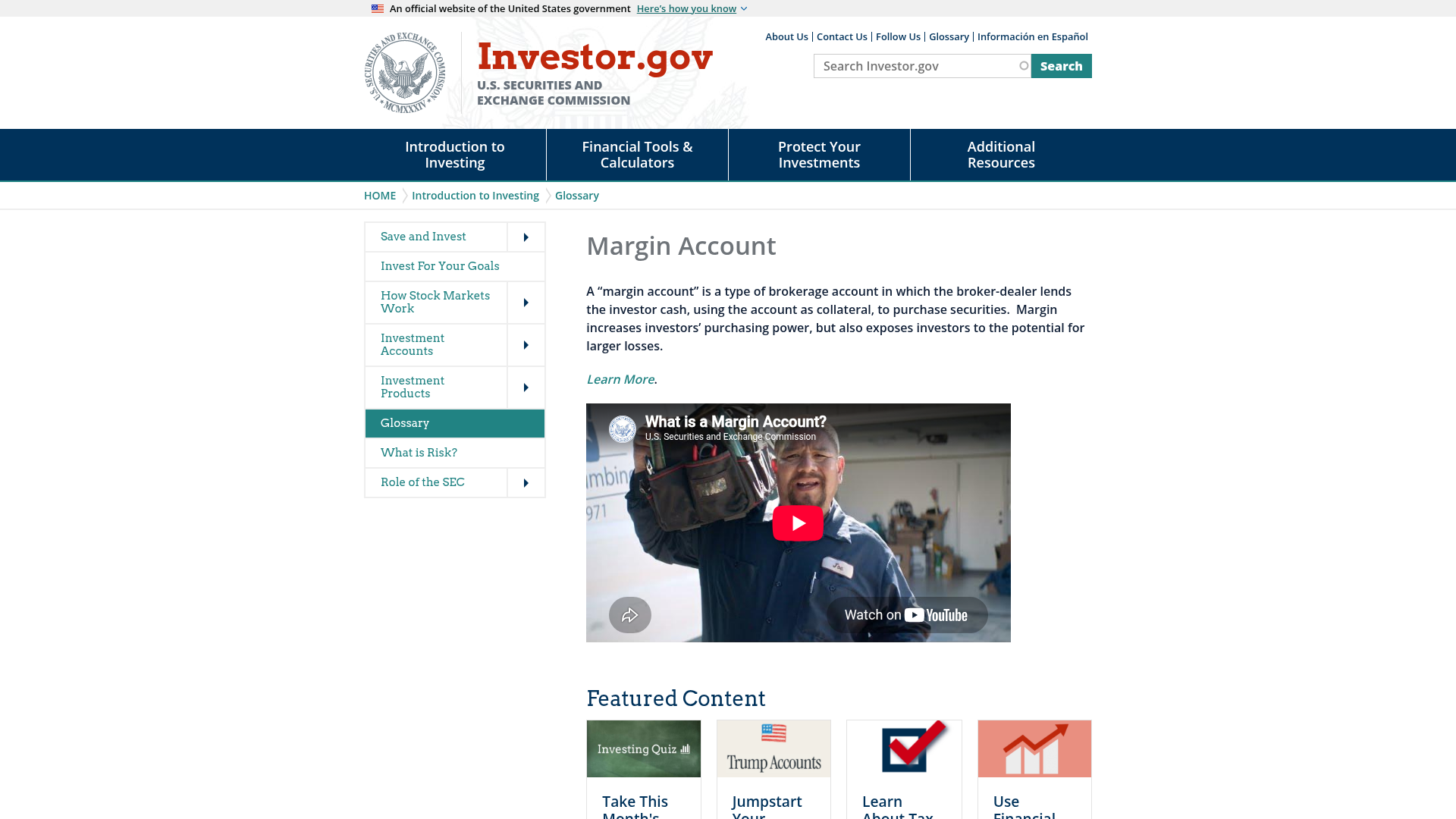
ภาพหน้าจอของหน้าเว็บทางการที่มาของกฎระเบียบในคู่มือนี้ เปิดดูด้วยตัวคุณเอง — คำพูดของหน่วยงานกำกับดูแลย่อมดีกว่าสรุปเสมอ
คำถามที่พบบ่อย
แหล่งที่มา
ที่มา
- ESMA — CFD leverage limits for retail clientsesma.europa.eu
- FCA — Contract for difference productsfca.org.uk
- CFTC — Forex trading basics for consumerscftc.gov
- Financial Conduct Authority — Financial Services Registerregister.fca.org.uk
เขียนโดย Daniel Okafor
ผู้เขียนหลักสูตรเราเขียนบทเรียน forex ที่มีโครงสร้างและเข้าใจง่ายสำหรับผู้เริ่มต้น เน้นความเข้าใจเป็นอันดับแรกเสมอ — และไม่ใช่คำแนะนำทางการเงิน เนื้อหาหลักสูตรอยู่ใน หลักสูตร.
เรียนรู้ต่อไป
เส้นทางต่อไป
คู่มือที่เกี่ยวข้องกับหน้านี้มากที่สุด เรียงตามลำดับที่ต่อยอดจากหน้านี้ แต่ละคู่มือเป็นเนื้อหาที่สมบูรณ์ในตัวเอง และไม่มีคู่มือใดที่ถือว่าคุณอ่านหน้านี้จบแล้ว
- การไล่ตามการเคลื่อนไหวของราคา: สิ่งที่ต้องทำในสิบวินาทีหลังจากที่คุณสังเกตเห็นเมื่อตลาดมีการเปลี่ยนแปลงอย่างกะทันหัน การกระทำไม่กี่อย่างถัดไปของคุณจะเป็นตัวกำหนดว่าคุณจะทำกำไรหรือเพียงแค่เฝ้าดู…
- การควบคุมระยะเวลาในการเทรด: คู่มือการหมดอายุของคำสั่งที่รอดำเนินการเรียนรู้วิธีการตั้งค่าการหมดอายุของคำสั่งแบบ Good-Till-Cancelled, Day และแบบกำหนดเอง…
- Stop-loss และ take-profit: เชือกนิรภัยสองเส้นของคุณเรียนรู้ว่าคำสั่ง stop-loss และ take-profit ทำหน้าที่เป็นเครื่องมือบริหารความเสี่ยงที่สำคัญอย่างไร…
- คำสั่ง Stop-Market และ Stop-Limit: คู่มือสำหรับเทรดเดอร์ในการออกจากการเทรดอย่างแม่นยำเจาะลึกว่าคำสั่ง Stop-Market และ Stop-Limit ทำงานอย่างไร…
- ความลังเลในการเข้าเทรด: วิธีแก้ไขปัญหา 'คลิกค้าง' ที่ใช้งานได้จริงเรียนรู้ที่จะเอาชนะความลังเลในการเทรด ด้วยการสร้างกฎการเข้าเทรดที่ชัดเจน การจัดการความเสี่ยง…