คู่มือ · 8 นาทีในการอ่าน
การสร้างแผนบริหารความเสี่ยงฉบับแรกของคุณ
แผนบริหารความเสี่ยงคือแผนที่สำหรับการเทรดของคุณ ช่วยให้คุณปกป้องเงินทุนและเทรดได้อย่างมั่นใจและสม่ำเสมอมากขึ้น

ประเด็นสำคัญ
- การบริหารความเสี่ยงช่วยปกป้องเงินทุนของคุณ ทำให้คุณสามารถเทรดต่อไปได้แม้จะขาดทุน
- การกำหนดขนาด Position เป็นสิ่งสำคัญ: อย่าเสี่ยงเกินเปอร์เซ็นต์เล็กน้อยของบัญชีของคุณในการเทรดครั้งเดียว
- ใช้คำสั่ง Stop-loss เพื่อกำหนดการขาดทุนสูงสุดของคุณ และคำสั่ง Take-profit เพื่อรักษาผลกำไร
- แผนของคุณไม่ใช่แค่เรื่องตัวเลขเท่านั้น แต่ยังรวมถึงการจัดการอารมณ์และการมีวินัยด้วย
- ทบทวนและปรับแผนของคุณอย่างสม่ำเสมอเมื่อคุณเรียนรู้และสภาวะตลาดเปลี่ยนแปลงไป
ทำไมแผนบริหารความเสี่ยงจึงเป็นเพื่อนที่ดีที่สุดของคุณ
การเทรดมีความเสี่ยง นั่นเป็นข้อเท็จจริงของตลาด แต่คุณเป็นคนตัดสินใจว่าจะรับความเสี่ยงมากน้อยแค่ไหน แผนบริหารความเสี่ยงไม่ใช่เรื่องของการหลีกเลี่ยงการขาดทุนโดยสิ้นเชิง ซึ่งเป็นไปไม่ได้ แต่เป็นการทำให้แน่ใจว่าเมื่อเกิดการขาดทุน มันจะเล็กน้อยและสามารถจัดการได้ ปกป้องเงินทุนการเทรดของคุณเพื่อให้คุณสามารถเทรดต่อไปได้ในวันหน้า ลองคิดดูแบบนี้: เมื่อคุณขับรถ คุณยอมรับความเสี่ยงในระดับหนึ่ง แต่คุณคาดเข็มขัดนิรภัย ปฏิบัติตามจำกัดความเร็ว และดูแลรักษารถของคุณ สิ่งเหล่านี้คือเครื่องมือบริหารความเสี่ยงในการขับขี่ของคุณ หากไม่มีสิ่งเหล่านี้ แม้แต่ความผิดพลาดเล็กน้อยก็อาจนำไปสู่ปัญหาใหญ่ได้
ในการเทรด แผนบริหารความเสี่ยงคือเข็มขัดนิรภัยและจำกัดความเร็วของคุณ ช่วยให้คุณปลอดภัยบนเส้นทางทางการเงิน เป็นเรื่องของการสร้างนิสัยที่จะทำให้คุณอยู่ในตลาดได้ในระยะยาว แทนที่จะถูกกีดกันออกไปจากการเทรดที่ผิดพลาดเพียงหนึ่งหรือสองครั้ง เป้าหมายของคุณไม่ใช่การทำกำไรมหาศาลในการเทรดทุกครั้ง แต่เป็นการตัดสินใจอย่างชาญฉลาดอย่างสม่ำเสมอที่ทำให้บัญชีของคุณเติบโตขึ้นเรื่อย ๆ แม้จะมีอุปสรรคที่หลีกเลี่ยงไม่ได้ก็ตาม
การทำความเข้าใจความเสี่ยงและผลตอบแทนในการเทรด
ก่อนที่คุณจะคิดถึงการเข้าเทรด คุณต้องทำความเข้าใจความสัมพันธ์ระหว่างความเสี่ยงและผลตอบแทน ความเสี่ยงคือจำนวนเงินที่คุณอาจสูญเสียหากการเทรดไม่เป็นไปตามที่คุณคาดหวัง ผลตอบแทนคือจำนวนเงินที่คุณคาดว่าจะได้รับหากการเทรดเป็นไปตามที่คุณคาดหวัง แผนบริหารความเสี่ยงที่ดีเริ่มต้นด้วยการหาจุดสมดุลนี้สำหรับการเทรดทุกครั้งที่คุณพิจารณา
สมมติว่าคุณกำลังพิจารณาการเทรดที่เป็นไปได้ จากการวิเคราะห์ของคุณ คุณตัดสินใจว่าหากราคาวิ่งสวนทางคุณไป 50 pips คุณจะปิดการเทรดเพื่อจำกัดการขาดทุน 50 pips นั้นคือความเสี่ยงของคุณ ทีนี้ คุณยังเชื่อว่าราคาอาจวิ่งไปในทิศทางที่คุณต้องการได้ 150 pips ก่อนที่จะถึงแนวต้านสำคัญ นั่นคือผลตอบแทนที่เป็นไปได้ของคุณ ในตัวอย่างนี้ คุณกำลังเสี่ยง 50 pips เพื่อให้ได้กำไร 150 pips ซึ่งทำให้คุณมี อัตราส่วนความเสี่ยงต่อผลตอบแทน (risk-reward ratio) ที่ 1:3 นี่หมายความว่าสำหรับความเสี่ยงทุกหน่วยที่คุณรับ คุณกำลังตั้งเป้าหมายสำหรับผลตอบแทนสามหน่วย เทรดเดอร์ที่ประสบความสำเร็จส่วนใหญ่ตั้งเป้าหมายสำหรับอัตราส่วนความเสี่ยงต่อผลตอบแทนอย่างน้อย 1:2 หรือสูงกว่า กลยุทธ์นี้หมายความว่าคุณไม่จำเป็นต้องถูกต้องทุกครั้งเพื่อทำกำไร หากคุณเสี่ยง $100 เพื่อทำ $300 คุณอาจขาดทุนสองครั้งและยังคงเสมอตัวในการเทรดครั้งที่สาม การกำหนดทั้งความเสี่ยงและผลตอบแทนของคุณก่อนที่คุณจะเปิดการเทรดช่วยให้คุณตัดสินใจได้อย่างเป็นกลาง
การกำหนดขนาด Position: หัวใจของการปกป้องเงินทุน
นี่อาจเป็นส่วนที่สำคัญที่สุดของแผนบริหารความเสี่ยงของคุณ การกำหนดขนาด Position หมายถึงการตัดสินใจว่าจะใช้เงินเท่าไหร่ หรือ "lot" จำนวนเท่าไหร่ในการเทรดแต่ละครั้ง กฎทองในที่นี้คือ ห้ามเสี่ยงเกินเปอร์เซ็นต์เล็กน้อยของเงินทุนการเทรดทั้งหมดของคุณในการเทรดครั้งเดียว เทรดเดอร์ที่มีประสบการณ์หลายคนแนะนำให้เสี่ยงไม่เกิน 1% ถึง 2% ของยอดเงินในบัญชีต่อการเทรดหนึ่งครั้ง มาใช้ 1% เป็นตัวอย่างกัน
ลองจินตนาการว่าคุณมีบัญชีเทรด $5,000 หากคุณปฏิบัติตามกฎ 1% คุณจะเสี่ยงไม่เกิน $50 ในการเทรดแต่ละครั้ง ($5,000 * 0.01 = $50) ทีนี้ สิ่งนี้จะเปลี่ยนเป็นจำนวน lot ที่คุณเทรดได้อย่างไร? มันขึ้นอยู่กับสามสิ่ง: ระยะห่างของ Stop-loss ของคุณ มูลค่าของแต่ละ pip สำหรับคู่สกุลเงินที่คุณกำลังเทรด และสกุลเงินในบัญชีของคุณ ในการคำนวณขนาด Position ของคุณ ก่อนอื่นคุณต้องหาค่าเงินดอลลาร์ของ Stop-loss สำหรับ Standard lot เดียว ตัวอย่างเช่น หากคุณกำลังเทรด EUR/USD และคุณตัดสินใจว่า Stop-loss ของคุณจะอยู่ที่ 50 pips และแต่ละ pip สำหรับ Standard lot (100,000 units) โดยทั่วไปคือ $10 ดังนั้น Stop-loss 50 pips หมายความว่าคุณกำลังเสี่ยง $500 ต่อ Standard lot
หากความเสี่ยงสูงสุดของคุณคือ $50 คุณไม่สามารถเทรด Standard lot ในสถานการณ์นี้ได้ คุณจะต้องเทรด Mini lot (10,000 units) ซึ่งแต่ละ pip มีค่า $1 หมายความว่า Stop-loss 50 pips เสี่ยง $50 หรือหากโบรกเกอร์ของคุณเสนอ Micro lot (1,000 units) คุณสามารถเทรด 5 Micro lot (50 pips * $0.10 ต่อ pip * 5 Micro lot = $25) โบรกเกอร์ที่มีชื่อเสียงหลายแห่ง รวมถึง IC Markets และ XM เสนอประเภทบัญชีที่หลากหลายที่อนุญาตให้ใช้ขนาด lot ที่แตกต่างกัน ตั้งแต่ Standard ไปจนถึง Micro ช่วยให้คุณจัดการขนาด Position ของคุณได้อย่างแม่นยำ การทราบความเสี่ยงสูงสุดต่อการเทรดแต่ละครั้งช่วยให้คุณสามารถคำนวณขนาด Position ที่เหมาะสม เพื่อที่คุณจะไม่เสี่ยงมากเกินไปแม้ว่าแนวคิดการเทรดของคุณจะแข็งแกร่งก็ตาม วิธีการที่เป็นระบบนี้ช่วยให้มั่นใจว่าแม้คุณจะมีการเทรดที่ขาดทุนหลายครั้ง บัญชีของคุณก็จะไม่ได้รับความเสียหายอย่างรุนแรง
การใช้คำสั่ง Stop-loss และ Take-profit อย่างมีประสิทธิภาพ
เมื่อคุณได้คำนวณความเสี่ยงและผลตอบแทนสำหรับการเทรด และตัดสินใจเลือกขนาด Position ได้แล้ว ขั้นตอนต่อไปที่ใช้งานได้จริงคือการนำไปใช้โดยใช้คำสั่ง Stop-loss และ Take-profit สิ่งเหล่านี้เป็นเครื่องมือสำคัญที่ช่วยให้การบริหารความเสี่ยงของคุณเป็นไปโดยอัตโนมัติ และกำจัดอารมณ์ในการตัดสินใจเมื่อการเทรดเริ่มขึ้น คำสั่ง Stop-loss จะปิดการเทรดของคุณโดยอัตโนมัติหากราคาวิ่งสวนทางคุณไปถึงจุดที่กำหนด เพื่อจำกัดการขาดทุนของคุณ คำสั่ง Take-profit จะปิดการเทรดของคุณโดยอัตโนมัติเมื่อราคาถึงเป้าหมายของคุณ เพื่อรักษาผลกำไรของคุณ
การวางคำสั่งเหล่านี้อย่างถูกต้องต้องใช้การพิจารณาอย่างรอบคอบ Stop-loss ของคุณไม่ควรวางไว้ที่ใดก็ได้ ควรอยู่ที่จุดที่แนวคิดการเทรดดั้งเดิมของคุณไม่ถูกต้อง ตัวอย่างเช่น หากคุณกำลังซื้อเพราะคุณเชื่อว่าราคาจะเด้งกลับจากแนวรับ Stop-loss ของคุณอาจจะอยู่ต่ำกว่าแนวรับนั้นเล็กน้อย ในทำนองเดียวกัน เป้าหมาย Take-profit ของคุณควรอยู่บนพื้นฐานของการวิเคราะห์ของคุณว่าราคาจะไปที่ใด โดยพิจารณาจากแนวต้าน จุดสูงสุดก่อนหน้า หรือตัวชี้วัดทางเทคนิคอื่นๆ คุณยังสามารถสำรวจตัวเลือกขั้นสูงเพิ่มเติม เช่น Trailing stop ซึ่งจะเลื่อน Stop-loss ของคุณสูงขึ้นเมื่อราคาวิ่งไปในทิศทางที่คุณต้องการ ช่วยปกป้องผลกำไร โบรกเกอร์หลายแห่ง เช่น OANDA, FOREX.com และ FxPro ได้รวมประเภทคำสั่งเหล่านี้เข้ากับแพลตฟอร์มการเทรดของตนโดยตรง ทำให้ใช้งานง่าย ตั้งคำสั่ง Stop-loss และ Take-profit ของคุณทันทีที่คุณเข้าเทรดเสมอ – อย่ารอช้า เพราะตลาดสามารถเคลื่อนไหวได้อย่างรวดเร็วมาก การปฏิบัตินี้ช่วยขจัดอารมณ์ออกจากกระบวนการตัดสินใจ
ด้านอารมณ์ของการเทรด: วินัยและความอดทน
แม้จะมีแผนที่ดีที่สุดบนกระดาษ การเทรดก็อาจเป็นเรื่องยากเพราะอารมณ์มักจะเข้ามาขัดขวาง ความกลัวและความโลภเป็นแรงผลักดันที่ทรงพลัง ความกลัวสามารถทำให้คุณปิดการเทรดที่ดีเร็วเกินไป พลาดโอกาสทำกำไร หรือลังเลที่จะเข้าเทรดที่เข้ากับแผนของคุณ ความโลภสามารถทำให้คุณถือการเทรดที่ขาดทุนนานเกินไป โดยหวังว่ามันจะกลับตัว หรือทำให้คุณรับความเสี่ยงมากเกินไปหลังจากช่วงที่ทำกำไรได้ต่อเนื่อง การตอบสนองทางอารมณ์เหล่านี้สามารถบ่อนทำลายแผนที่สร้างขึ้นมาอย่างรอบคอบที่สุดได้
แผนบริหารความเสี่ยงของคุณทำหน้าที่เป็นเกราะป้องกันอารมณ์เหล่านี้ โดยการตั้งระดับ Stop-loss และ Take-profit ก่อนการเทรด คุณกำลังตัดสินใจอย่างมีเหตุผลในขณะที่จิตใจของคุณปลอดโปร่ง เมื่อการเทรดเริ่มขึ้น งานของคุณคือการยึดมั่นในแผน ซึ่งหมายถึง: อย่าเลื่อน Stop-loss ของคุณออกไปไกลขึ้นโดยหวังว่าการเทรดที่ขาดทุนจะฟื้นตัว (เป็นข้อผิดพลาดที่พบบ่อย) อย่าตื่นเต้นมากเกินไปหลังจากช่วงที่ทำกำไรได้ต่อเนื่องและเพิ่มขนาด Position เกินกว่ากฎของคุณ หลีกเลี่ยง 'การเทรดแก้แค้น' หลังจากขาดทุน ซึ่งคุณพยายามทำเงินคืนอย่างรวดเร็วโดยการเข้าเทรดที่หุนหันพลันแล่นและมีความเสี่ยงสูง วินัยประเภทนี้สร้างขึ้นจากการฝึกฝนและประสบการณ์ จำไว้ว่าความสม่ำเสมอในการปฏิบัติตามแผนของคุณมีความสำคัญมากกว่าผลลัพธ์ของการเทรดเพียงครั้งเดียว
การทบทวนและปรับแผนของคุณ
แผนบริหารความเสี่ยงไม่ใช่สิ่งที่คุณสร้างขึ้นมาครั้งเดียวแล้วลืมไป เป็นเอกสารที่มีชีวิตที่ต้องได้รับการทบทวนและปรับปรุงอย่างสม่ำเสมอ เมื่อคุณได้รับประสบการณ์มากขึ้น เมื่อยอดเงินในบัญชีของคุณเปลี่ยนแปลง หรือเมื่อสภาวะตลาดเปลี่ยนไป แผนของคุณอาจต้องได้รับการปรับแก้ ตลาดมีการเปลี่ยนแปลงอยู่เสมอ และความเข้าใจของคุณเกี่ยวกับตลาดก็จะเติบโตขึ้นตามกาลเวลา
ใช้เวลา อาจจะรายสัปดาห์หรือรายเดือน เพื่อย้อนดูการเทรดของคุณ คุณปฏิบัติตามกฎความเสี่ยงของคุณหรือไม่? การวาง Stop-loss ของคุณมีประสิทธิภาพหรือไม่? เป้าหมาย Take-profit ของคุณสมจริงหรือไม่? คุณยึดมั่นในการกำหนดขนาด Position ของคุณหรือไม่? เก็บ Trading journal เพื่อบันทึกรายละเอียดเหล่านี้: จุดเข้าและออก เหตุผลในการเทรด อารมณ์ที่รู้สึก และว่าคุณปฏิบัติตามแผนของคุณหรือไม่ Journal นี้จะกลายเป็นเครื่องมือที่มีค่าสำหรับการระบุรูปแบบในการเทรดของคุณ และทำความเข้าใจว่าแผนของคุณอาจต้องปรับปรุงตรงไหน ตัวอย่างเช่น หากคุณพบว่า Stop-loss ของคุณถูกชนอย่างสม่ำเสมอก่อนที่ตลาดจะกลับตัวไปในทิศทางที่คุณต้องการ อาจเป็นไปได้ว่าการวาง Stop-loss ของคุณแคบเกินไป หรือการวิเคราะห์ระดับสำคัญของคุณต้องได้รับการปรับปรุง อย่ากลัวที่จะทำการปรับเปลี่ยนแผนของคุณเล็กน้อยอย่างระมัดระวัง โดยอิงจากผลตอบรับจริงจากการเทรดของคุณ นี่คือวิธีที่คุณจะเติบโตในฐานะเทรดเดอร์และปรับตัวเข้ากับตลาด
การสร้างความยืดหยุ่นในการเทรดของคุณ
การสร้างแผนบริหารความเสี่ยงฉบับแรกของคุณเป็นขั้นตอนพื้นฐานในการเป็นเทรดเดอร์ที่ประสบความสำเร็จและยั่งยืน ไม่ใช่แค่เรื่องของกฎและตัวเลขเท่านั้น แต่เป็นการสร้างกรอบการทำงานที่สนับสนุนเป้าหมายการเทรดระยะยาวของคุณและปกป้องสุขภาพทางอารมณ์ของคุณ เริ่มต้นง่ายๆ ทำความเข้าใจหลักการของความเสี่ยง-ผลตอบแทนและการกำหนดขนาด Position และใช้เครื่องมืออย่างคำสั่ง Stop-loss และ Take-profit อย่างสม่ำเสมอ
จำไว้ว่า เทรดเดอร์ทุกคน ไม่ว่าจะเก่งแค่ไหน ก็ต้องพบกับการขาดทุน ความแตกต่างระหว่างผู้ที่ประสบความสำเร็จและผู้ที่ไม่สำเร็จมักจะอยู่ที่วิธีการจัดการการขาดทุนเหล่านั้น แผนบริหารความเสี่ยงที่แข็งแกร่งช่วยให้มั่นใจว่าการเทรดที่ขาดทุนเพียงไม่กี่ครั้งจะไม่ทำให้บัญชีหรือความมั่นใจของคุณหมดไป ช่วยให้คุณเรียนรู้จากความผิดพลาดโดยไม่มีผลกระทบทางการเงินที่ร้ายแรง ดังนั้น ใช้เวลาในการสร้างแผนของคุณ ยึดมั่นในแผนด้วยวินัย และดูว่ามันช่วยให้คุณสร้างประสบการณ์การเทรดที่ยืดหยุ่นและให้ผลตอบแทนที่คุ้มค่ามากขึ้นได้อย่างไร
อ่านแหล่งข้อมูลหลัก
ตรวจสอบได้ที่หน่วยงานกำกับดูแล ไม่ใช่ที่เรา
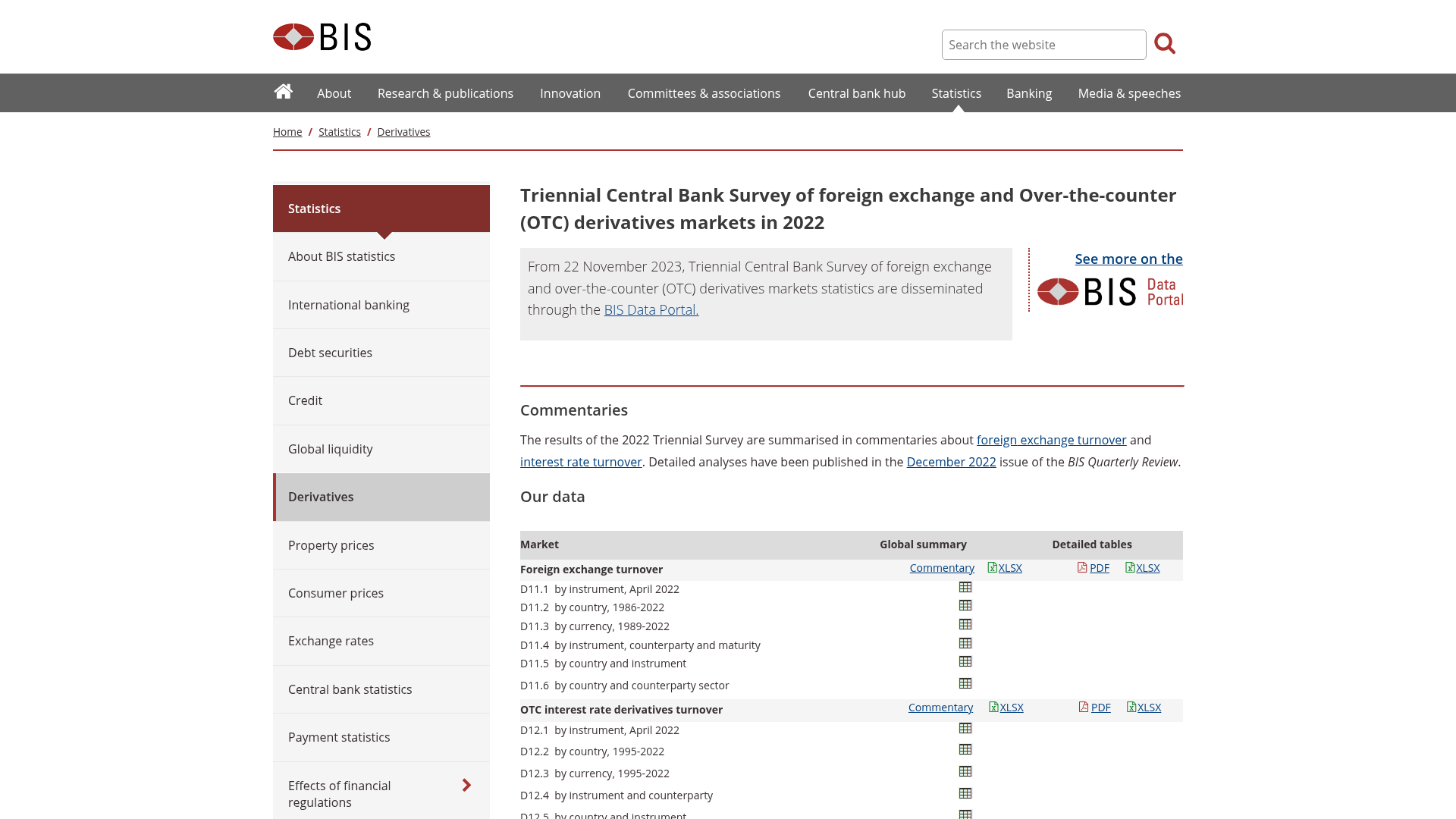
ภาพหน้าจอของหน้าเว็บทางการที่มาของกฎระเบียบในคู่มือนี้ เปิดดูด้วยตัวคุณเอง — คำพูดของหน่วยงานกำกับดูแลย่อมดีกว่าสรุปเสมอ
คำถามที่พบบ่อย
เขียนโดย The pipdojo.com desk
Forex curriculum teamเราเขียนบทเรียน forex ที่มีโครงสร้างและเข้าใจง่ายสำหรับผู้เริ่มต้น เน้นความเข้าใจเป็นอันดับแรกเสมอ — และไม่ใช่คำแนะนำทางการเงิน เนื้อหาหลักสูตรอยู่ใน หลักสูตร.
เรียนรู้ต่อไป
เส้นทางต่อไป
คู่มือที่เกี่ยวข้องกับหน้านี้มากที่สุด เรียงตามลำดับที่ต่อยอดจากหน้านี้ แต่ละคู่มือเป็นเนื้อหาที่สมบูรณ์ในตัวเอง และไม่มีคู่มือใดที่ถือว่าคุณอ่านหน้านี้จบแล้ว
- **Stop-loss และ take-profit**: เชือกนิรภัยสองเส้นของคุณเรียนรู้วิธีที่คำสั่ง **stop-loss และ take-profit** ทำหน้าที่เป็นเครื่องมือบริหารความเสี่ยงที่จำเป็น…
- การสร้างใหม่หลังจากพอร์ตเทรดล้าง: เส้นทางที่ต้องระมัดระวังเมื่อบัญชีเทรดของคุณเหลือศูนย์ มันรู้สึกเหมือนโดนชกท้อง…
- **Position sizing** ทำให้ง่าย (พร้อมตัวอย่างที่ทำสำเร็จแล้ว)เรียนรู้วิธีคำนวณขนาดการเทรดที่เหมาะสมสำหรับบัญชี Forex ของคุณ เพื่อบริหารความเสี่ยงได้อย่างมีประสิทธิภาพและปกป้องเงินทุนของคุณ…
- Recency Bias: เมื่อการเทรดครั้งล่าสุดของคุณกำหนดการเทรดครั้งต่อไปค้นพบว่าอิทธิพลที่หลอกลวงของผลลัพธ์การเทรดล่าสุดสามารถบ่อนทำลายกลยุทธ์ของคุณอย่างเงียบๆ…
- แผนการฝึกฝนสิบสองเดือนสำหรับเทรดเดอร์ที่มีงานประจำค้นพบแผนงานที่มีโครงสร้างตลอดทั้งปีที่ออกแบบมาสำหรับมืออาชีพที่มีงานยุ่ง…