Hướng dẫn · 27 phút đọc · 2,245 words
Tiền tệ cơ sở và Tiền tệ định giá: Hiểu cặp EUR/USD từ trái sang phải
Giải mã các cặp tiền tệ như EUR/USD bằng cách tìm hiểu cách đọc tỷ giá hối đoái, xác định tiền tệ cơ sở và tiền tệ định giá, cũng như nắm vững spread của nhà môi giới.

Các điểm chính
- Mỗi cặp tiền tệ, chẳng hạn như EUR/USD, đều có một tiền tệ 'cơ sở' (đứng trước) và một tiền tệ 'định giá' (đứng sau).
- Tỷ giá hối đoái luôn cho biết một đơn vị tiền tệ cơ sở có giá trị bao nhiêu tính theo tiền tệ định giá.
- Khi bạn giao dịch một cặp tiền tệ, bạn luôn mua hoặc bán tiền tệ cơ sở; tiền tệ định giá là phương tiện trao đổi.
- Giá bid là giá bạn nhận được khi bán tiền tệ cơ sở, và giá ask là giá bạn phải trả để mua tiền tệ cơ sở; sự khác biệt giữa chúng là spread.
- Việc tính toán giá trị pip là rất quan trọng để quản lý rủi ro và hiểu lợi nhuận/thua lỗ tiềm năng cho các kích thước giao dịch khác nhau.
- Quy ước xác định thứ tự của các cặp tiền tệ chính, thường đặt đồng tiền có ưu thế hơn hoặc có ý nghĩa lịch sử hơn lên trước.
Cái Nhìn Đầu Tiên: EUR/USD Trên Màn Hình Của Bạn
Hãy tưởng tượng bạn đang nhìn vào một màn hình giao dịch. Giữa vô số con số và biểu đồ, bạn bắt gặp dòng chữ "EUR/USD 1.0850". Dòng chữ và con số đó thực sự nói lên điều gì? Đối với nhiều nhà giao dịch mới bắt đầu, nó trông giống như một mã bí ẩn. Nhưng thực ra, nó là một thẻ giá đơn giản, giống như thẻ giá trên một ổ bánh mì ở cửa hàng tạp hóa. Nó cho bạn biết giá trị của một đồng tiền khi được đo lường so với một đồng tiền khác. Sự kết hợp này, EUR/USD, là một cặp tiền tệ, và nó là đơn vị giao dịch cơ bản trong thị trường ngoại hối. Mỗi khi bạn xem xét một giao dịch, bạn đang nhìn vào một trong những cặp này.
Hiểu cách đọc các cặp tiền tệ này là bước đầu tiên trong giao dịch tiền tệ. Đó không phải là việc ghi nhớ các con số, mà là nắm bắt mối quan hệ giữa hai đồng tiền được trình bày. Phía bên trái và phía bên phải của dấu gạch chéo đó có những vai trò riêng biệt, những vai trò quyết định bạn đang mua hay bán gì và giá di chuyển như thế nào. Khi bạn học cách giải thích cấu trúc cơ bản này, phần còn lại của thị trường sẽ trở nên dễ hiểu hơn rất nhiều. Nó giống như học đọc bản đồ trước khi bạn lái xe; bạn cần biết các ký hiệu có ý nghĩa gì để đến được nơi bạn muốn.
Tiền Tệ Cơ Sở Và Tiền Tệ Định Giá: Một Mối Quan Hệ Giao Dịch
Mỗi cặp tiền tệ bao gồm hai đồng tiền. Đồng tiền đầu tiên được liệt kê trong cặp luôn được gọi là tiền tệ cơ sở. Đồng tiền thứ hai được gọi là tiền tệ định giá. Hãy hình dung thế này: tiền tệ cơ sở là mặt hàng bạn muốn mua hoặc bán, và tiền tệ định giá là số tiền bạn dùng để thực hiện việc mua hoặc bán đó. Ví dụ, trong cặp EUR/USD, đồng Euro (EUR) là tiền tệ cơ sở, và đồng Đô la Mỹ (USD) là tiền tệ định giá.
Khi bạn thấy giá của EUR/USD, về cơ bản bạn đang hỏi, "Cần bao nhiêu Đô la Mỹ để mua một Euro?" Hoặc, nếu bạn đang bán, "Tôi sẽ nhận được bao nhiêu Đô la Mỹ khi bán một Euro?" Giá trị của tiền tệ cơ sở luôn được thể hiện bằng tiền tệ định giá. Mối quan hệ này là cố định: bạn luôn giao dịch với một đơn vị của tiền tệ cơ sở. Khái niệm này đơn giản nhưng mang tính nền tảng, và việc hiểu sai có thể dẫn đến nhầm lẫn nghiêm trọng về hướng giao dịch của bạn. Bạn luôn giao dịch trên tiền tệ cơ sở.
Giải Mã Tỷ Giá Hối Đoái: Thẻ Giá Của Bạn
Hãy quay lại ví dụ của chúng ta: EUR/USD 1.0850. Với sự hiểu biết của chúng ta về tiền tệ cơ sở và tiền tệ định giá, giờ đây chúng ta có thể đọc điều này như một chuyên gia. Nó có nghĩa là 1 Euro (tiền tệ cơ sở) có giá trị bằng 1.0850 Đô la Mỹ (tiền tệ định giá). Vì vậy, nếu bạn muốn mua 1 Euro, bạn sẽ cần chi 1.0850 Đô la Mỹ. Nếu bạn bán 1 Euro, bạn sẽ nhận được 1.0850 Đô la Mỹ.
Tỷ giá hối đoái này biến động liên tục suốt cả ngày giao dịch khi những người tham gia thị trường mua và bán. Khi tỷ giá EUR/USD di chuyển từ 1.0850 lên 1.0860, điều đó có nghĩa là đồng Euro đã mạnh lên so với đồng Đô la Mỹ. Giờ đây, cần nhiều Đô la Mỹ hơn (1.0860) để mua cùng 1 Euro đó. Nếu tỷ giá giảm xuống 1.0840, đồng Euro đã suy yếu, có nghĩa là 1 Euro giờ đây mua được ít Đô la Mỹ hơn. Luôn nhớ rằng con số đi kèm với cặp tiền tệ cho bạn biết giá trị của một đơn vị tiền tệ cơ sở. Đó là thẻ giá cho đồng tiền đầu tiên, được thanh toán bằng đồng tiền thứ hai.
Phí Của Nhà Môi Giới: Giá Bid, Giá Ask Và Spread
Trong thế giới giao dịch thực tế, bạn hiếm khi thấy một mức giá duy nhất như 1.0850. Thay vào đó, bạn sẽ thấy hai mức giá: giá bid và giá ask. Đối với EUR/USD, điều này có thể trông giống như 1.0848 / 1.0852. Con số đầu tiên, 1.0848, là giá bid. Đây là mức giá mà bạn có thể bán tiền tệ cơ sở (EUR). Con số thứ hai, 1.0852, là giá ask (đôi khi được gọi là giá chào bán). Đây là mức giá mà bạn có thể mua tiền tệ cơ sở (EUR).
Sự khác biệt giữa giá ask và giá bid được gọi là spread. Trong ví dụ của chúng ta, spread là 0.0004, hay 4 pip. Đây là cách các nhà môi giới kiếm tiền; đó là chi phí giao dịch của họ. Khi bạn thực hiện một giao dịch, bạn luôn mua ở giá ask cao hơn và bán ở giá bid thấp hơn. Điều này có nghĩa là ngay khi bạn mở một giao dịch, bạn sẽ ngay lập tức bị lỗ một khoản bằng với spread. Đó là một chi phí nhỏ nhưng đáng kể mà bạn phải tính đến trong chiến lược giao dịch của mình. Spread rộng hơn thường có nghĩa là các cặp tiền tệ kém thanh khoản hơn hoặc trong thời điểm biến động cao.
Hiểu về spread là rất quan trọng. Nếu bạn mua EUR/USD ở mức 1.0852 và sau đó ngay lập tức cố gắng bán nó, bạn sẽ phải bán ở mức 1.0848. Bạn sẽ mất 4 pip chỉ riêng trong giao dịch đó. Đây là lý do tại sao bạn cần thị trường di chuyển đủ theo hướng có lợi cho bạn để bù đắp spread trước khi bạn có thể nghĩ đến việc kiếm lợi nhuận. Luôn kiểm tra spread hiện tại trước khi đặt lệnh, đặc biệt trong các sự kiện tin tức quan trọng khi spread có thể mở rộng đáng kể.
Giám Sát Quy Định Đối Với Các Nhà Môi Giới Giao Dịch Được Chọn
| Tên Nhà Môi Giới | Năm Thành Lập | Cơ quan quản lý chính (Ví dụ) |
|---|---|---|
| OANDA | 1996 | FCA (Anh), CFTC/NFA (Mỹ) |
| FOREX.com | 2001 | CFTC/NFA (Mỹ), FCA (Anh) |
| Pepperstone | 2010 | FCA (Anh), ASIC (Úc) |
| IC Markets | 2007 | ASIC (Úc), CySEC (Síp) |
| XM | 2009 | CySEC (Síp), ASIC (Úc) |
| eToro | 2007 | FCA (Anh), CySEC (Síp) |
Tính toán giá trị vị thế của bạn: Pip và giá trị của nó
Một pip (percentage in point) là đơn vị thay đổi giá nhỏ nhất trong một cặp tiền tệ. Đối với hầu hết các cặp, một pip là chữ số thập phân thứ tư (0.0001). Ví dụ, nếu EUR/USD di chuyển từ 1.0850 lên 1.0851, đó là mức tăng 1 pip. Đối với các cặp có liên quan đến đồng Yên Nhật, một pip thường là chữ số thập phân thứ hai (0.01). Mặc dù định nghĩa về pip rất đơn giản, nhưng việc hiểu giá trị tiền tệ của nó là rất quan trọng để quản lý rủi ro và tính toán lợi nhuận hoặc thua lỗ tiềm năng của bạn. Giá trị của một pip phụ thuộc vào quy mô giao dịch của bạn và cặp tiền tệ bạn đang giao dịch.
Hãy cùng tính toán giá trị pip cho EUR/USD. Nếu bạn giao dịch một standard lot (lô tiêu chuẩn), tương đương 100.000 đơn vị tiền tệ cơ sở, và EUR/USD di chuyển 1 pip (0.0001), thì:
100.000 (đơn vị) * 0.0001 (kích thước pip) = $10.00. Như vậy, đối với một standard lot của EUR/USD, mỗi lần di chuyển 1 pip có giá trị $10.00. Phép tính này rất quan trọng vì nó cho bạn biết chính xác số tiền bạn có thể kiếm được hoặc mất đi cho mỗi pip mà thị trường di chuyển. Nếu không có điều này, bạn đang giao dịch một cách mù quáng, không nhận thức được mức độ rủi ro thực sự của mình. Đây là phần mà hầu hết các hướng dẫn bỏ qua, thường cho rằng bạn đã biết mảnh ghép quan trọng này. Hiểu rõ điều này sẽ giúp bạn đặt các mục tiêu lợi nhuận và mức dừng lỗ (stop-loss) thực tế.
Đối với các nhà giao dịch sử dụng quy mô vị thế nhỏ hơn, giá trị pip sẽ giảm tỷ lệ thuận. Một mini lot là 10.000 đơn vị tiền tệ cơ sở, và một micro lot là 1.000 đơn vị. Việc nắm rõ các giá trị này cho phép bạn điều chỉnh quy mô giao dịch để phù hợp với mức độ chấp nhận rủi ro của mình, đảm bảo bạn không cam kết quá nhiều vốn vào một giao dịch duy nhất. Hầu hết các nền tảng giao dịch sẽ tính toán điều này cho bạn, nhưng việc hiểu rõ toán học cơ bản sẽ giúp bạn xác minh các con số và thực sự nắm bắt được mức độ rủi ro của mình.
Bạn luôn giao dịch trên tiền tệ cơ sở; giá trị của nó được tỷ giá hối đoái thể hiện bằng tiền tệ định giá.
Giá trị Pip tiêu chuẩn cho EUR/USD
Giá trị tiền tệ của một pip không cố định trên tất cả các cặp tiền tệ hoặc loại tài khoản, nhưng đối với các quy mô giao dịch phổ biến trong EUR/USD, nó khá nhất quán. Các giá trị này rất quan trọng để thiết lập các mức dừng lỗ (stop-loss) và chốt lời (take-profit) một cách hiệu quả. Một biến động nhỏ theo pip có thể đại diện cho một khoản tiền đáng kể, đặc biệt với các quy mô giao dịch lớn hơn. Bảng này cung cấp một tài liệu tham khảo nhanh về giá trị của một pip khi giao dịch EUR/USD, giả sử tài khoản của bạn được định danh bằng USD. Nếu tài khoản của bạn bằng một loại tiền tệ khác, các giá trị này sẽ cần được chuyển đổi. Ví dụ, nếu tài khoản của bạn bằng EUR, bạn sẽ chia giá trị pip bằng USD cho tỷ giá hối đoái EUR/USD hiện tại để tìm giá trị của nó bằng Euro.
Giá trị tiền tệ của một pip cho các quy mô giao dịch EUR/USD khác nhau
| Quy mô giao dịch (Đơn vị tiền tệ cơ sở) | Loại Kích Thước Lot | Giá Trị Mỗi Pip (tính bằng USD) |
|---|---|---|
| 100.000 đơn vị | Lot Tiêu Chuẩn | $10.00 |
| 10.000 đơn vị | Mini Lot | $1.00 |
| 1.000 đơn vị | Micro Lot | $0.10 |
Tại sao lại là EUR/USD mà không phải USD/EUR? Sức mạnh của quy ước
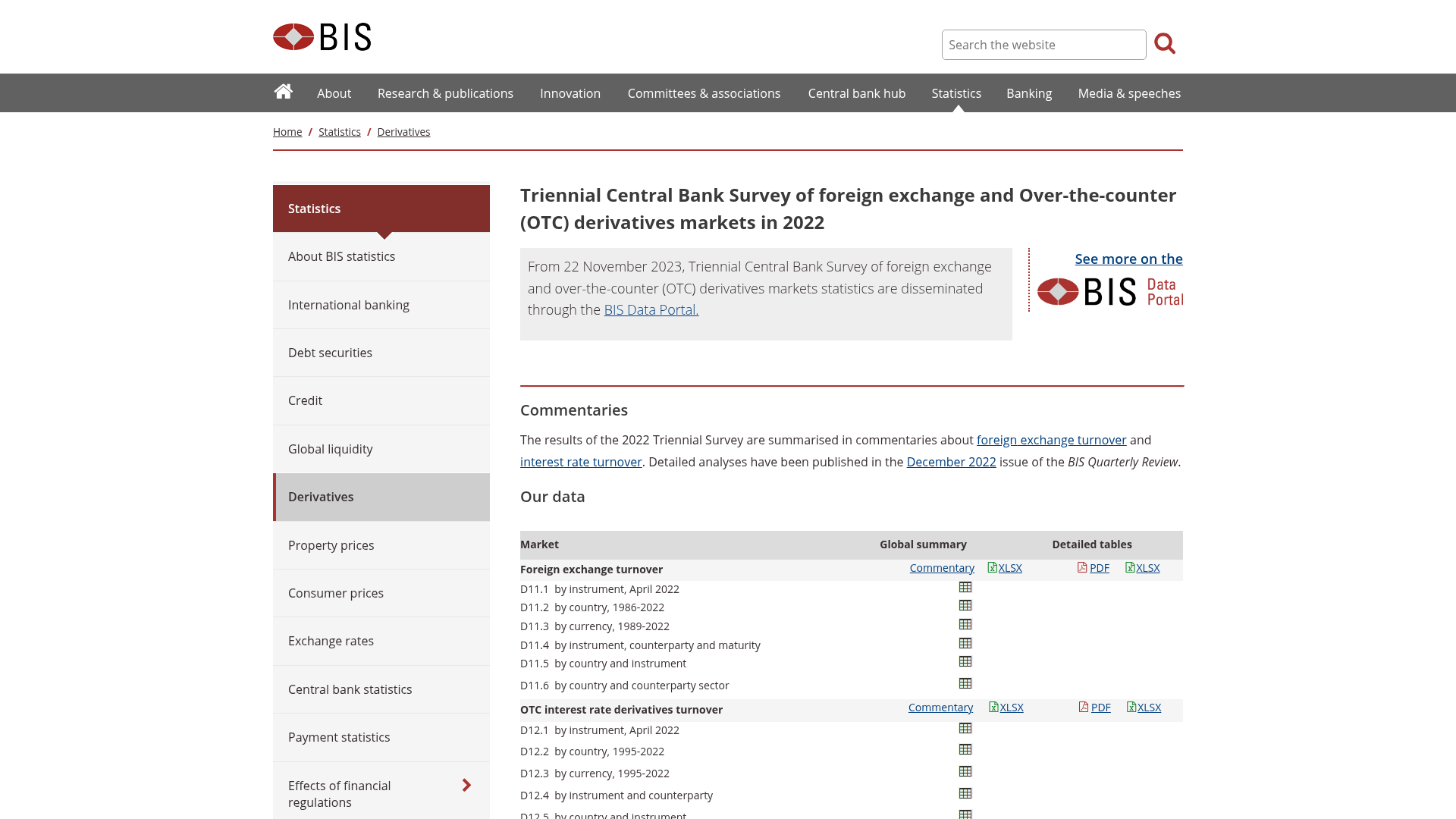
Bạn có thể thắc mắc tại sao hầu như luôn là EUR/USD mà không phải USD/EUR. Mặc dù cặp USD/EUR có thể tồn tại, nhưng quy ước thị trường quy định cách niêm yết các cặp tiền tệ tiêu chuẩn. Quy ước này không phải là ngẫu nhiên; nó thường phản ánh mối quan hệ lịch sử, sức mạnh tương đối hoặc sự thống trị của các loại tiền tệ, và tính thanh khoản. Đồng Euro (EUR) thường được coi là tiền tệ cơ sở (base currency) so với hầu hết các loại tiền tệ chính khác, đặc biệt là đồng Đô la Mỹ, do vị thế toàn cầu quan trọng của nó. Thứ tự này cũng bị ảnh hưởng bởi khối lượng giao dịch, trong đó EUR/USD luôn nằm trong số các cặp tiền tệ được giao dịch nhiều nhất trên toàn cầu. Khảo sát ba năm một lần về doanh số FX của các Ngân hàng Trung ương do Ngân hàng Thanh toán Quốc tế (BIS) thực hiện thường xuyên nhấn mạnh khối lượng khổng lồ trong cặp tiền này, củng cố vị trí đã được thiết lập của nó.
Quy ước này tạo ra một ngôn ngữ chung cho các nhà giao dịch. Hãy tưởng tượng sự hỗn loạn nếu mỗi sàn môi giới hoặc nền tảng quyết định thứ tự riêng của mình. Bằng cách tuân thủ một tiêu chuẩn, mọi người đều đọc thị trường theo cùng một cách, giảm thiểu sự nhầm lẫn và tạo điều kiện cho giao dịch hiệu quả. Điều đó cũng có nghĩa là khi bạn xem xét các nguồn khác nhau, bạn có thể so sánh giá trực tiếp mà không cần phải đảo ngược cặp tiền. Sự tiêu chuẩn hóa này là một yêu cầu thực tế giúp thị trường ngoại hối toàn cầu hoạt động trơn tru. Hãy luôn tuân thủ quy ước đã được thiết lập; cố gắng giao dịch một cặp tiền không theo tiêu chuẩn có thể dẫn đến các vấn đề về định giá và khớp lệnh do tính thanh khoản thấp hơn.
Đặt Lệnh Giao Dịch: Từ Báo Giá Đến Lệnh
Hãy cùng xem xét một tình huống thực tế. Bạn đã phân tích thị trường và tin rằng nền kinh tế Châu Âu sẽ hoạt động tốt hơn nền kinh tế Mỹ trong những tuần tới. Điều này cho thấy đồng Euro có thể mạnh lên so với đồng Đô la Mỹ. Vì vậy, bạn quyết định mua EUR/USD. Bạn kiểm tra nền tảng giao dịch của mình và thấy báo giá: EUR/USD 1.0850 / 1.0854.
Vì bạn muốn mua tiền tệ cơ sở (EUR), bạn sẽ thực hiện giao dịch của mình tại giá ask (giá chào bán), là 1.0854. Điều này có nghĩa là bạn đang mua 1 Euro với giá 1.0854 Đô la Mỹ. Bạn đặt một lệnh cho, chẳng hạn, một mini lot (10.000 đơn vị). Nền tảng của bạn xác nhận bạn đang mua 10.000 Euro với giá 1.0854. Hy vọng của bạn là tỷ giá EUR/USD sẽ tăng, có thể lên 1.0900. Nếu điều đó xảy ra, bạn có thể bán lại 10.000 Euro của mình với giá 1.0900 Đô la Mỹ mỗi Euro, tạo ra lợi nhuận 46 pip (1.0900 - 1.0854 = 0.0046). Với $1 cho mỗi pip đối với một mini lot, đó là khoản lợi nhuận $46 (trừ bất kỳ khoản phí nào khác).
Nếu phân tích của bạn cho thấy nền kinh tế Mỹ sẽ vượt trội, dẫn đến đồng Euro yếu hơn, bạn sẽ bán EUR/USD. Trong trường hợp đó, bạn sẽ thực hiện giao dịch của mình tại giá bid (giá chào mua), 1.0850. Bạn sẽ bán 1 Euro với giá 1.0850 Đô la Mỹ. Kỳ vọng của bạn sẽ là tỷ giá giảm, có thể xuống 1.0800, cho phép bạn mua lại Euro với giá rẻ hơn, thu lợi nhuận từ sự suy giảm của nó. Hãy luôn nhớ rằng mua có nghĩa là bạn kỳ vọng tiền tệ cơ sở sẽ tăng, và bán có nghĩa là bạn kỳ vọng nó sẽ giảm, so với tiền tệ định giá.
Ngoài các cặp tiền chính: Hiểu về các cặp tiền chéo
Không phải tất cả các cặp tiền tệ đều bao gồm đồng Đô la Mỹ. Chúng được gọi là các cặp tiền chéo (cross currency pairs), hoặc đơn giản là 'crosses.' Ví dụ bao gồm EUR/JPY (Euro so với Yên Nhật) hoặc GBP/AUD (Bảng Anh so với Đô la Úc). Mặc dù đồng Đô la Mỹ không được hiển thị rõ ràng, nhưng nó vẫn đóng một vai trò gián tiếp, thầm lặng trong cách các cặp tiền này thường được định giá và giao dịch bởi các tổ chức tài chính. Khi bạn giao dịch EUR/JPY, sàn môi giới của bạn có thể nội bộ thực hiện điều này bằng cách trước tiên chuyển đổi Euro của bạn sang Đô la Mỹ, sau đó chuyển đổi số Đô la Mỹ đó sang Yên Nhật, hoặc ngược lại, với tốc độ cực nhanh. Điều này diễn ra mà bạn không bao giờ nhìn thấy bước trung gian liên quan đến USD.
Các nguyên tắc về tiền tệ cơ sở và tiền tệ định giá tương tự cũng được áp dụng ở đây. Trong EUR/JPY, đồng Euro (EUR) là tiền tệ cơ sở, và đồng Yên Nhật (JPY) là tiền tệ định giá. Tỷ giá cho bạn biết bạn cần bao nhiêu Yên Nhật để mua một Euro. Cơ chế của giá bid/ask và giá trị pip vẫn nhất quán, mặc dù việc tính toán giá trị pip cho các cặp tiền chéo có thể phức tạp hơn một chút nếu không có loại tiền tệ nào trong cặp là loại tiền tệ của tài khoản của bạn. Tuy nhiên, ý tưởng cốt lõi vẫn là: loại tiền tệ đầu tiên là thứ bạn đang mua hoặc bán, và loại thứ hai là thanh toán. Giao dịch các cặp tiền chéo cho phép đa dạng hóa rộng hơn và khả năng tận dụng các mối quan hệ kinh tế độc đáo giữa các quốc gia mà không liên quan trực tiếp đến USD.
Ảnh hưởng của chu kỳ tin tức: Thúc đẩy biến động tiền tệ
Tỷ giá hối đoái, và do đó là giá trị của tiền tệ cơ sở của bạn so với tiền tệ định giá, liên tục phản ứng với một loạt các tin tức kinh tế và sự kiện địa chính trị. Các công bố dữ liệu kinh tế quan trọng, chẳng hạn như quyết định lãi suất từ các ngân hàng trung ương (như Ngân hàng Trung ương Châu Âu hoặc Cục Dự trữ Liên bang), báo cáo lạm phát và số liệu việc làm (như báo cáo Tình hình Việc làm của Cục Thống kê Lao động Hoa Kỳ), có thể gây ra những thay đổi đáng kể. Khi Ngân hàng Trung ương Châu Âu (ECB) gợi ý về việc tăng lãi suất, điều này thường làm cho đồng Euro trở nên hấp dẫn hơn đối với các nhà đầu tư, làm tăng nhu cầu đối với EUR và có khả năng khiến EUR/USD tăng giá.
Nếu Cục Dự trữ Liên bang Hoa Kỳ báo hiệu một nền kinh tế mạnh mẽ và khả năng tăng lãi suất, đồng Đô la Mỹ có thể mạnh lên, khiến EUR/USD giảm giá khi nhiều người tìm cách nắm giữ USD. Hiểu được các yếu tố thúc đẩy này là một khía cạnh quan trọng của phân tích cơ bản. Không chỉ đơn thuần là đọc các con số; bạn cần hiểu tại sao những con số đó lại thay đổi. Kiến thức này giúp bạn dự đoán các biến động thị trường tiềm năng và đưa ra các quyết định sáng suốt hơn về việc nên mua hay bán tiền tệ cơ sở đã chọn của mình. Hãy luôn theo dõi lịch kinh tế; các thông báo quan trọng thường là chất xúc tác cho những biến động giá lớn nhất.
Các Bước Tiếp Theo Của Bạn: Xây Dựng Kỹ Năng Nền Tảng
Nắm vững các khái niệm về tiền tệ cơ sở và tiền tệ định giá, hiểu về spread bid/ask, và biết cách tính giá trị pip không chỉ là những bài tập lý thuyết. Đây là những nguyên tắc nền tảng mà tất cả các giao dịch tiền tệ thành công đều được xây dựng dựa trên đó. Nếu không nắm vững những kiến thức cơ bản này, bạn sẽ liên tục cảm thấy bối rối khi xem biểu đồ hoặc cố gắng quản lý một giao dịch. Hãy bắt đầu bằng cách thực hành với một tài khoản demo, nơi bạn có thể áp dụng các khái niệm này mà không cần mạo hiểm tiền thật. Hãy chú ý kỹ cách giá bid và ask di chuyển, cách spread mở rộng trong các sự kiện tin tức, và cách lợi nhuận và thua lỗ giả định của bạn tích lũy dựa trên các biến động pip. Hãy nhớ rằng, sự nhất quán và kỷ luật quan trọng hơn những quyết định vội vàng, thiếu thông tin. Thị trường ngoại hối rộng lớn và năng động, nhưng cơ chế cốt lõi của nó lại rất logic. Hãy dành thời gian, tập trung vào việc hiểu kỹ một khái niệm trước khi chuyển sang khái niệm tiếp theo. Cách tiếp cận có phương pháp đó sẽ giúp bạn tốt hơn nhiều so với việc theo đuổi lợi nhuận nhanh chóng dựa trên phỏng đoán. Hãy tiếp tục học hỏi, tiếp tục thực hành, và xây dựng nền tảng vững chắc đó. Thành công giao dịch trong tương lai của bạn phụ thuộc vào điều đó.
Đọc nguồn chính
Hãy kiểm tra tại cơ quan quản lý, không phải ở chúng tôi
Ảnh chụp màn hình các trang chính thức đằng sau các quy tắc trong hướng dẫn này. Tự mình mở chúng ra — lời lẽ của cơ quan quản lý luôn đáng tin cậy hơn bất kỳ bản tóm tắt nào.
Thường gặp
Nguồn
Điều này đến từ đâu
Viết bởi Daniel Okafor
Tác giả Chương trình Giảng dạy. Chúng tôi biên soạn tài liệu giáo dục forex có cấu trúc, bằng tiếng Anh đơn giản dành cho người học từ đầu. Luôn ưu tiên sự hiểu biết trước tiên — và không bao giờ là lời khuyên tài chính. Khóa học này nằm trong chương trình học.
Tiếp tục học
Hướng dẫn này sẽ dẫn đến đâu tiếp theo
Các hướng dẫn gần nhất với hướng dẫn này, theo thứ tự chúng được xây dựng dựa trên nó. Mỗi hướng dẫn là một tài liệu đọc đầy đủ riêng biệt, và không hướng dẫn nào giả định bạn đã hoàn thành trang này.
- Các Cặp Tiền Tệ Chính, Phụ và Chéo: Hiểu Rõ Các Nhãn Của Cặp Tiền TệHiểu rõ các loại cặp tiền tệ khác nhau là điều cần thiết đối với mọi nhà giao dịch forex, ảnh hưởng trực tiếp đến rủi ro, thanh…
- Giải Mã Các Cặp Tiền Tệ: Mở Vị Thế Mua (Long) và Bán (Short) trong ForexHiểu cách mua và bán các cặp tiền tệ là nền tảng của giao dịch forex, giúp bạn kiếm lợi nhuận từ cả tỷ giá hối đoái tăng và giảm.
- Hai Mươi Từ Đầu Tiên Của Bạn: Bài Kiểm Tra Từ Vựng ForexTrước khi bạn thực hiện một giao dịch nào, việc nắm vững các thuật ngữ forex cơ bản này là rất quan trọng để tư duy rõ ràng và đưa…
- Giải Mã Chi Phí Thực Tế: Chuyển Đổi Chênh Lệch Pip Thành Tiền Giao Dịch Của BạnHiểu giá trị tiền tệ thực của một chênh lệch pip là rất quan trọng, biến các con số trừu tượng thành chi phí hữu hình cho các giao…
- Tại Sao Các Cặp Tiền Tệ Yên Nhật Lại Biến Động Theo Bước 0.01 và Điều Đó Ảnh Hưởng Đến Giá Trị Pip Của Bạn Như Thế NàoHiểu cách định giá khác thường của các cặp tiền tệ Yên Nhật là rất quan trọng để quản lý rủi ro chính xác và tính toán lợi…