คู่มือ · 13 นาทีในการอ่าน · 2,477 words
การสร้างพอร์ตเทรดขึ้นใหม่หลังจากล้างพอร์ต: เส้นทางที่รอบคอบสู่ความก้าวหน้า
เมื่อบัญชีเทรดของคุณเป็นศูนย์ ความรู้สึกนั้นเหมือนโดนชกเข้าที่ท้องอย่างจัง คู่มือนี้จะนำเสนอวิธีการที่แม่นยำและเป็นขั้นเป็นตอน เพื่อช่วยให้คุณสร้างเงินทุนและความมั่นใจขึ้นมาใหม่อย่างรอบคอบ โดยไม่ทำผิดพลาดซ้ำรอยเดิม
ประเด็นสำคัญ
- การล้างพอร์ตคือข้อมูลหนึ่งจุด ไม่ใช่จุดจบของอาชีพ จงวิเคราะห์การขาดทุนอย่างเป็นระบบเพื่อดึงบทเรียนออกมา
- ประเมินกลยุทธ์การเทรดของคุณใหม่ ด้วยขนาด Position ที่เล็กลง และจำกัดความเสี่ยงอย่างเข้มงวดตั้งแต่วันแรก
- อย่าไล่ตามการขาดทุนที่ผ่านมาด้วยการเทรดที่ใหญ่ขึ้น การสร้างเงินทุนขึ้นใหม่เป็นกระบวนการที่ช้าและมีวินัย
- พิจารณาบัญชี micro หรือ mini กับโบรกเกอร์ที่อยู่ภายใต้การกำกับดูแล เพื่อทดสอบกลยุทธ์ใหม่ๆ ด้วยความเสี่ยงที่น้อยที่สุด
- ความยืดหยุ่นทางอารมณ์มีความสำคัญพอๆ กับทักษะทางเทคนิค จงจัดการสิ่งกระตุ้นทางจิตวิทยาเพื่อป้องกันการ overtrading
- ยอมรับความผิดพลาดในอดีตของคุณ และยึดมั่นในแผนการเทรดที่แข็งแกร่งและการจดบันทึก (journaling) ต่อไป
ความเจ็บปวดที่แทงใจ: เมื่อบัญชีเป็นศูนย์
ช่วงเวลาที่น่าสะอิดสะเอียน เมื่อคุณล็อกอินเข้าสู่แพลตฟอร์มการเทรดของคุณ แล้วเห็นยอดเงินคงเหลือเป็นศูนย์ หรือที่แย่กว่านั้นคือตัวเลขติดลบ มันเป็นความรู้สึกที่เทรดเดอร์หลายคนรู้จัก แต่มีน้อยคนที่จะพูดถึงอย่างเปิดเผย ความรู้สึกจุกในท้อง ความเสียใจที่ถาโถมเข้ามา หรือแม้แต่ความโกรธตัวเองหรือตลาดที่เกิดขึ้นชั่วขณะ มันอาจรู้สึกเหมือนความล้มเหลวโดยสิ้นเชิง เป็นสัญญาณว่าคุณไม่เหมาะกับเกมนี้เลย
แต่ขอให้ผมบอกอะไรที่สำคัญกับคุณทันทีว่า การล้างพอร์ตไม่ได้หมายความว่าอาชีพการเทรดของคุณจะจบลง มันหมายความว่าคุณเพิ่งจ่ายค่าบทเรียนที่แพงและเจ็บปวดมาก ความล้มเหลวที่แท้จริงไม่ใช่การเสียเงิน แต่มันคือการล้มเหลวที่จะเรียนรู้จากประสบการณ์และกลับมาแข็งแกร่งขึ้น เทรดเดอร์ผู้มีประสบการณ์ส่วนใหญ่ หากพวกเขามีความซื่อสัตย์ ก็จะมีเรื่องราวเกี่ยวกับการล้างพอร์ตในช่วงเริ่มต้นอาชีพของพวกเขา มันเป็นพิธีกรรมสำหรับบางคน เป็นครูที่เข้มงวดสำหรับทุกคน
นี่ไม่ใช่การทำให้คุณรู้สึกอับอาย แต่มันคือการยอมรับความจริงของสิ่งที่เกิดขึ้น และที่สำคัญคือ การหาวิธีว่าจะทำอย่างไรต่อไป ความรู้สึกสิ้นหวังในตอนแรกนั้นเป็นเรื่องธรรมชาติ แต่มันเป็นเพียงแขกชั่วคราว งานของคุณตอนนี้คือการเปลี่ยนอารมณ์ดิบๆ นั้นให้เป็นแผนการฟื้นตัวที่ชัดเจนและนำไปปฏิบัติได้ เราจะมาดูกันว่าคุณจะลุกขึ้น ปัดฝุ่น และเริ่มเทรดใหม่อีกครั้งได้อย่างไร แต่คราวนี้ ด้วยแนวทางที่ฉลาดขึ้นและมีวินัยมากขึ้น
หยุดการขาดทุน: ทำไมบัญชีของคุณถึงล้างพอร์ต
ก่อนที่คุณจะคิดถึงการนำเงินเข้าสู่ตลาดอีกครั้ง คุณต้องเข้าใจอย่างถ่องแท้ว่าทำไมบัญชีเดิมของคุณถึงหายไป นี่คือส่วนที่คู่มือส่วนใหญ่ข้ามไป โดยมุ่งเน้นแต่ 'กลยุทธ์ใหม่ๆ' เท่านั้น หากปราศจากการทบทวนตัวเองอย่างลึกซึ้ง คุณกำลังสร้างบ้านใหม่บนรากฐานที่สั่นคลอน พักจากกราฟจริงๆ สักพัก สัปดาห์หนึ่ง เดือนหนึ่ง หรือนานเท่าที่จำเป็นเพื่อที่จะได้มุมมองใหม่ๆ
เริ่มจดบันทึกใหม่ หรือเอกสารง่ายๆ และเขียนทุกการเทรดที่คุณจำได้ที่นำไปสู่การล้างพอร์ต จุดเข้าของคุณคืออะไร? จุดออกของคุณคืออะไร? คุณใช้ stop-loss หรือไม่? ขนาด Position ของคุณเท่าไหร่? ที่สำคัญกว่านั้น อารมณ์ของคุณเป็นอย่างไร? คุณกำลังไล่ตามการเทรดอยู่หรือไม่? คุณกำลังพยายามทำกำไรคืนจากการขาดทุนครั้งก่อนหรือไม่? นี่คือการตรวจสอบทางนิติวิทยาศาสตร์ของคุณ มองหารูปแบบ
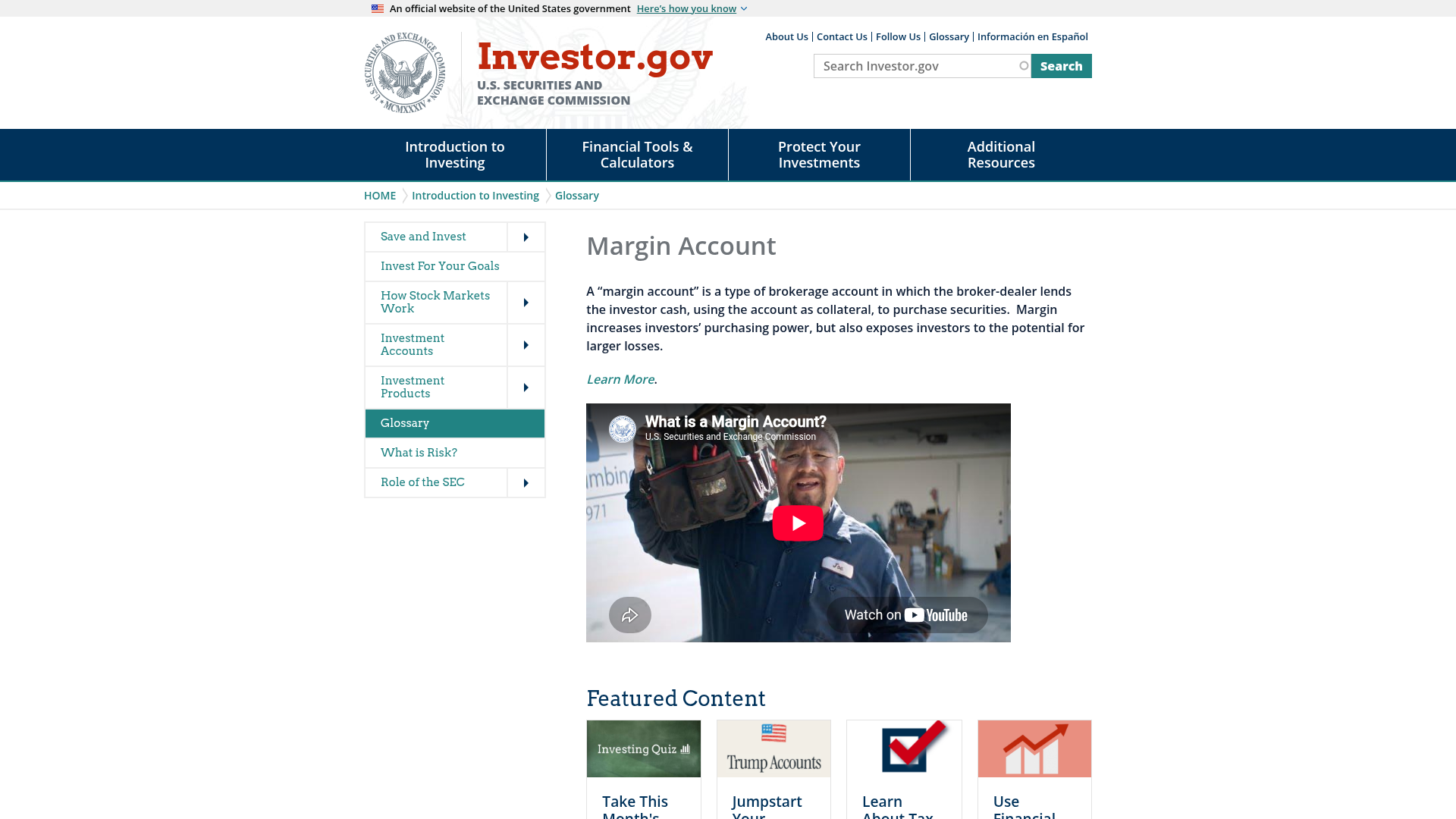
สาเหตุทั่วไปได้แก่ การใช้ leverage มากเกินไป (overleveraging) ซึ่งการเคลื่อนไหวเล็กน้อยที่สวนทางกับคุณก็สามารถล้างเงินทุนจำนวนมากได้ การขาดคำสั่ง stop-loss โดยสิ้นเชิง ทำให้การขาดทุนเล็กน้อยกลายเป็นหายนะ การเทรดด้วยอารมณ์ เช่น การเทรดแก้แค้นหลังจากขาดทุน หรือความมั่นใจมากเกินไปหลังจากชนะ และการไม่มีแผนการเทรดที่ชัดเจน ตัวอย่างเช่น การยืมเงินมาเทรด หรือที่เรียกว่า 'margin trading' จะขยายทั้งกำไรและขาดทุนอย่างมีนัยสำคัญ Investor.gov มีภาพรวมที่เป็นประโยชน์เกี่ยวกับวิธีการทำงานของ margin และความเสี่ยงที่เกี่ยวข้อง เทรดเดอร์รายย่อยจำนวนมาก โดยเฉพาะในตลาด CFD และ forex ใช้ leverage ที่อาจถูกจำกัดไว้ที่ 1:30 สำหรับลูกค้ารายย่อยภายใต้การแทรกแซงของ ESMA แต่แม้แต่ 1:30 ก็อาจมากเกินไปหากไม่ได้รับการจัดการอย่างระมัดระวัง
คุณมีแผนการเทรดหรือไม่? คุณยึดมั่นในมันหรือไม่? หรือคุณกำลังด้นสด ทำตามความรู้สึก? ซื่อสัตย์กับตัวเองอย่างที่สุด นี่ไม่ใช่เรื่องของการตำหนิ แต่มันคือการระบุจุดอ่อนเฉพาะที่ต้องได้รับการแก้ไข หากไม่มีขั้นตอนนี้ เงินทุนใหม่ใดๆ ที่คุณนำเข้าสู่ตลาดก็เป็นเพียงการเสียสละอีกครั้งที่รอจะเกิดขึ้น
ก้าวเล็กๆ สู่ข้างหน้า: บัญชี Micro และความเสี่ยงที่น้อยที่สุด
เมื่อคุณได้ทำการประเมินตนเองอย่างซื่อสัตย์แล้ว ก็ถึงเวลาที่จะพิจารณาการกลับเข้าสู่ตลาดอีกครั้ง แต่ด้วยแนวทางที่แตกต่างไปอย่างสิ้นเชิง ลืมเรื่องการไล่ตามการขาดทุนเมื่อวานไปได้เลย เป้าหมายของคุณตอนนี้คือการทำกำไรเล็กน้อยอย่างสม่ำเสมอ และที่สำคัญกว่านั้นคือการ เรียนรู้ อย่างต่อเนื่อง นี่คือจุดที่บัญชี micro เปล่งประกาย micro lot (0.01 standard lots) ในการเทรด forex หมายความว่าการเคลื่อนไหวของ pip แต่ละครั้งมักจะมีมูลค่าเพียง 10 เซ็นต์ บางครั้งอาจถึง 1 เซ็นต์ ขึ้นอยู่กับคู่สกุลเงินและรายละเอียดของโบรกเกอร์ของคุณ mini lot (0.1 standard lots) มักจะหมายถึง 1 ดอลลาร์ต่อ pip
ขนาดที่เล็กนี้คือเพื่อนที่ดีที่สุดคนใหม่ของคุณ มันช่วยให้คุณสามารถใช้กลยุทธ์ที่ปรับปรุงแล้วของคุณในสภาพแวดล้อมตลาดจริงด้วยเงินจริง แต่มีความเสี่ยงทางการเงินที่น้อยมาก จนการตัดสินใจทางอารมณ์มีโอกาสเข้าครอบงำน้อยลงมาก คุณสามารถทดสอบแนวคิดใหม่ๆ ฝึกฝนการเข้าและออกอย่างมีวินัย และซึมซับกฎการบริหารความเสี่ยงของคุณได้อย่างแท้จริง โดยปราศจากแรงกดดันอันหนักหน่วงจากการขาดทุนจำนวนมาก นี่คือการสร้างนิสัยที่ดี ทีละการเทรดเล็กๆ ทีละครั้ง โบรกเกอร์ที่มีชื่อเสียงหลายแห่ง เช่น Pepperstone และ IC Markets เสนอบัญชีที่อนุญาตให้เทรด micro lot ได้ ทำให้คุณสามารถเริ่มต้นด้วยเงินฝากที่น้อยมาก บางทีอาจจะแค่ $50 ถึง $100
ลองจินตนาการถึงการเสี่ยงเพียง $1 หรือ $2 ในการเทรด คุณยังคงรู้สึกถึงจังหวะของตลาด เห็นการเคลื่อนไหวของราคาจริง และสัมผัสกับจิตวิทยาของการเทรดจริง แต่การขาดทุนที่อาจเกิดขึ้นจะไม่ทำลายเงินทุนหรือกรอบความคิดของคุณ การกลับเข้าสู่ตลาดอย่างรอบคอบและเป็นระบบนี้ เป็นสะพานเชื่อมจากการวิเคราะห์ไปสู่การปฏิบัติ ช่วยให้คุณฟื้นความมั่นใจทีละขั้นตอน
ขนาด Lot ใน Forex และผลกระทบต่อมูลค่า Pip และ Margin
| ประเภท Lot | หน่วย | มูลค่า Pip โดยทั่วไป (USD/JPY) | Margin โดยประมาณสำหรับ leverage 1:100 |
|---|---|---|---|
| Standard Lot | 100,000 | $10.00 | $1,000 |
| Mini Lot | 10,000 | $1.00 | $100 |
| Micro Lot | 1,000 | $0.10 | $10 |
การเลือกสนามแห่งใหม่ของคุณ: การเลือกโบรกเกอร์เพื่อการสร้างตัวใหม่
การเลือกโบรกเกอร์ที่เหมาะสมนั้นสำคัญเสมอ แต่จะยิ่งสำคัญมากขึ้นเมื่อคุณกำลังสร้างตัวใหม่ คุณต้องการพันธมิตรที่คุณไว้ใจได้ ซึ่งจะไม่เพิ่มความยุ่งยากหรือความเสี่ยงที่ไม่จำเป็นให้กับภารกิจที่ท้าทายอยู่แล้วของคุณ สิ่งแรกที่คุณต้องใช้เป็นตัวกรองคือการกำกับดูแล ควรเลือกโบรกเกอร์ที่อยู่ภายใต้การกำกับดูแลของหน่วยงานระดับสูง เช่น Financial Conduct Authority (FCA) ในสหราชอาณาจักร, Australian Securities and Investments Commission (ASIC), Cyprus Securities and Exchange Commission (CySEC) หรือ Commodity Futures Trading Commission (CFTC)/National Futures Association (NFA) ในสหรัฐอเมริกา หน่วยงานกำกับดูแลเหล่านี้กำหนดกฎระเบียบที่เข้มงวดเกี่ยวกับการแยกเงินทุนของลูกค้า, ข้อกำหนดด้านเงินทุน และความโปร่งใส
อย่าเพิ่งเชื่อคำพูดของโบรกเกอร์ ควรตรวจสอบข้อมูลที่โบรกเกอร์กล่าวอ้างกับเว็บไซต์ทางการของหน่วยงานกำกับดูแลเสมอ ตัวอย่างเช่น FCA มี 'Financial Services Register' ที่คุณสามารถตรวจสอบการอนุญาตของบริษัทได้ ในทำนองเดียวกัน ASIC ก็มี 'Professional registers' สำหรับตรวจสอบนิติบุคคลที่อยู่ภายใต้การกำกับดูแลในออสเตรเลีย หากโบรกเกอร์ไม่ได้อยู่ในรายชื่อของหน่วยงานกำกับดูแลที่มีชื่อเสียง ให้หลีกเลี่ยงทันที มีตัวเลือกที่ถูกต้องตามกฎหมายมากมายเกินกว่าที่จะเสี่ยงเงินของคุณกับหน่วยงานที่ไม่ได้รับการกำกับดูแล
นอกเหนือจากการกำกับดูแลแล้ว ให้มองหาคุณสมบัติที่สนับสนุนแนวทางการเทรดที่มีวินัยและใช้เงินทุนน้อย สเปรดที่แคบเป็นสิ่งสำคัญอย่างยิ่งเมื่อคุณเทรดด้วยปริมาณน้อย เนื่องจากสเปรดที่กว้างจะกัดกินกำไรเล็กน้อยของคุณได้เร็วกว่า การดำเนินการคำสั่งที่รวดเร็วก็สำคัญเช่นกัน โบรกเกอร์ที่ได้รับการตรวจสอบหลายแห่ง เช่น Pepperstone, IC Markets, OANDA และ XM นำเสนอสเปรดที่แข่งขันได้และแพลตฟอร์มที่น่าเชื่อถืออย่าง MT4 หรือ MT5 ซึ่งเหมาะสำหรับการเริ่มต้นด้วยเงินทุนน้อย บางราย เช่น OANDA เป็นโบรกเกอร์ชั้นนำมานานกว่า 25 ปี ซึ่งแสดงให้เห็นถึงประวัติที่ยาวนาน ตรวจสอบแหล่งข้อมูลการเรียนรู้และการสนับสนุนลูกค้าของพวกเขา; โบรกเกอร์ที่ดีจะเสนอมากกว่าแค่แพลตฟอร์ม
การเรียนรู้การบริหารความเสี่ยงอีกครั้ง: กฎทองข้อใหม่ของคุณ
นี่คือหัวใจสำคัญของการเทรดที่ประสบความสำเร็จและยั่งยืน โดยเฉพาะอย่างยิ่งหลังจากที่คุณเคยผิดพลาดมาแล้ว หากคุณจะจดจำสิ่งหนึ่งจากคู่มือนี้ นั่นคือ: การบริหารความเสี่ยงไม่ใช่ทางเลือก แต่เป็นหน้าที่หลักของคุณ กฎทองข้อใหม่ของคุณควรจะเป็น: อย่าเสี่ยงเงินทุนในบัญชีของคุณเกิน 1% ต่อการเทรดหนึ่งครั้งเด็ดขาด ไม่มีข้อยกเว้น มันอาจจะฟังดูระมัดระวังเกินไป แต่สิ่งนี้คือความแตกต่างระหว่างการอยู่รอดเพื่อเทรดต่อไปในวันข้างหน้ากับการล้างพอร์ตอีกครั้ง
ลองมาดูในมุมมองนี้ หากคุณมีบัญชี $500, 1% คือ $5 ซึ่งหมายความว่าการขาดทุนที่อาจเกิดขึ้นจากการเทรดแต่ละครั้งไม่ควรเกิน $5 ในการคำนวณขนาด position (ขนาดการซื้อขาย) คุณจะต้องทราบระยะ stop-loss เป็น pips ตัวอย่างเช่น หากคุณกำลังเทรด EUR/USD ในบัญชี micro ที่ 1 pip มีค่าเท่ากับ $0.10 และคุณตัดสินใจตั้ง stop-loss ที่ 50 pips ความเสี่ยงสำหรับการเทรดนั้นจะเท่ากับ 50 pips * $0.10/pip = $5 ซึ่งตรงกับขีดจำกัดความเสี่ยง 1% ของคุณอย่างสมบูรณ์แบบ หาก stop-loss ของคุณแคบลง เช่น 25 pips คุณสามารถเพิ่มขนาด micro lot ของคุณเป็นสองเท่า (0.02 standard lots) เพื่อยังคงเสี่ยงที่ $5 ได้
ควรใช้คำสั่ง stop-loss เสมอ กำหนดให้เป็นกฎเหล็ก stop-loss คือกรมธรรม์ประกันภัยของคุณ ทางออกฉุกเฉินของคุณ หากไม่มีสิ่งนี้ ความผันผวนเล็กน้อยของตลาดอาจกลายเป็นการขาดทุนที่ควบคุมไม่ได้ คุณอาจพบว่าบัญชีที่เคยล้างพอร์ตไปก่อนหน้านี้เกิดจากการไม่ใช้ stop-loss เลย หรือตั้งไว้ห่างเกินไป ซึ่งเท่ากับว่าคุณเสี่ยงเงินทุนเกินกว่า 1% อย่างมาก แนวทางที่มีวินัยนี้หมายความว่าคุณสามารถรับมือกับการขาดทุนติดต่อกันได้—อาจจะถึง 10 หรือ 20 ครั้งติดต่อกัน—โดยไม่ทำให้บัญชีของคุณหมดไป มันเปิดโอกาสให้คุณผิดพลาดและเรียนรู้ ซึ่งเป็นสิ่งที่มีค่าอย่างยิ่ง
การคำนวณขนาด Position (ขนาดการซื้อขาย) โดยอิงจากกฎความเสี่ยง 1%
| ขนาดบัญชี | จำนวนเงินเสี่ยง 1% | ตัวอย่างการเทรด (EUR/USD, 50-pip SL) | ขนาด Position (Micro Lots) |
|---|---|---|---|
| $100 | $1.00 | 50 pips คูณ $0.02 ต่อ pip | 0.002 |
| $200 | $2.00 | 50 pips คูณ $0.04 ต่อ pip | 0.004 |
| $500 | $5.00 | 50 pips x $0.10 ต่อ pip | 0.01 |
| $1,000 | $10.00 | 50 pips คูณ $0.20 ต่อ pip | 0.02 |
บัญชีที่ล้างพอร์ตของคุณไม่ใช่ป้ายหลุมศพสำหรับอาชีพการเทรดของคุณ แต่มันคือบทเรียนที่เจ็บปวดและมีราคาแพง ซึ่งให้ข้อมูลที่แม่นยำที่คุณต้องการ เพื่อสร้างแนวทางที่แข็งแกร่งและมีวินัยมากขึ้น
เกมทางจิตใจ: การควบคุมเทรดเดอร์ภายใน
การเทรดไม่ได้เป็นเพียงเรื่องของกราฟและตัวเลขเท่านั้น แต่ยังเกี่ยวข้องกับจิตวิทยาของมนุษย์ โดยเฉพาะจิตใจของคุณเอง อารมณ์ของคุณอาจเป็นศัตรูตัวฉกาจที่นำไปสู่ความผิดพลาดครั้งใหญ่ที่ทำให้พอร์ตของคุณเสียหายมาก่อน ความกลัวที่จะพลาดโอกาส (FOMO) ผลักดันให้คุณเข้าเทรดในสถานการณ์ที่ไม่ควร ความโลภทำให้คุณถือครองการเทรดที่ได้กำไรนานเกินไป จนกลายเป็นการขาดทุน ความโกรธหลังจากการขาดทุนนำไปสู่ 'การเทรดแก้แค้น' ซึ่งคุณพยายามบังคับตลาดให้คืนสิ่งที่เสียไป มักจะส่งผลให้ขาดทุนมากขึ้นไปอีก ความมั่นใจมากเกินไปหลังจากชนะไม่กี่ครั้งอาจทำให้คุณละทิ้งกฎและรับความเสี่ยงมากเกินไป
การตระหนักรู้ถึงสิ่งกระตุ้นทางอารมณ์เหล่านี้คือครึ่งหนึ่งของชัยชนะ ก่อนการเทรดทุกครั้ง ให้หยุดคิดอย่างมีสติ ถามตัวเองว่า: 'ตอนนี้ฉันรู้สึกเครียด โกรธ หรือตื่นเต้นมากเกินไปหรือไม่?' หากคำตอบไม่ใช่ความรู้สึกสงบและมีเหตุผล ให้ถอยห่างจากหน้าจอ ไปเดินเล่น ดื่มน้ำ ทำอะไรก็ได้ที่ไม่ใช่การเทรด พอร์ตของคุณจะขอบคุณคุณ นี่คือการฝึกฝนการตระหนักรู้ในตนเองและวินัย
พัฒนารายการตรวจสอบก่อนการเทรด การตั้งค่าของคุณถูกต้องตามกฎของคุณหรือไม่? อัตราส่วนความเสี่ยงต่อผลตอบแทนของคุณเหมาะสมหรือไม่? คุณได้ตั้ง stop-loss และ take-profit แล้วหรือยัง? ดำเนินการต่อก็ต่อเมื่อตรวจสอบครบทุกข้อแล้วเท่านั้น หากคุณรู้สึกท่วมท้น ให้พิจารณาหยุดพักจากการเทรดในตลาดโดยสิ้นเชิง แม้แต่การหยุดพักเพียงวันเดียวก็สามารถปรับสภาพจิตใจของคุณได้ โปรดจำไว้ว่า ตลาดจะยังคงอยู่ที่นั่นเสมอในวันพรุ่งนี้ อย่างไรก็ตาม เงินทุนของคุณอาจไม่อยู่หากคุณปล่อยให้อารมณ์ชี้นำการกระทำของคุณ
รากฐาน: การปรับปรุงกลยุทธ์และการทดสอบย้อนหลัง
พอร์ตที่เสียหายมักจะชี้ให้เห็นถึงข้อบกพร่องพื้นฐานในกลยุทธ์การเทรดของคุณ หรืออาจจะไม่มีกลยุทธ์เลยก็ได้ ตอนนี้เป็นเวลาที่จะสร้างหรือปรับปรุงกลยุทธ์ที่ชัดเจนและเรียบง่ายที่คุณเข้าใจอย่างถ่องแท้ ลืมอินดิเคเตอร์ที่ซับซ้อนและกรอบเวลาหลายๆ อย่างไปก่อน มุ่งเน้นไปที่รูปแบบหรือการตั้งค่าหนึ่งหรือสองอย่างที่เหมาะกับคุณ อาจจะเป็นการตัดกันของเส้นค่าเฉลี่ยเคลื่อนที่ (moving average crossover) การเด้งกลับจากแนวรับ/แนวต้าน (support/resistance bounce) หรือรูปแบบแท่งเทียน (candlestick pattern)
เมื่อคุณมีสมมติฐานสำหรับกลยุทธ์แล้ว อย่ารีบร้อนที่จะเทรดจริง ขั้นแรก ให้ทำการ backtest อย่างละเอียดโดยใช้ข้อมูลย้อนหลัง แพลตฟอร์มหลายแห่ง รวมถึง MT4 และ MT5 ที่มีให้บริการกับโบรกเกอร์อย่าง Pepperstone, IC Markets และ XM มีความสามารถในการ backtesting ในตัว ตรวจสอบการเทรดในอดีตนับร้อยครั้ง โดยบันทึกจุดเข้า จุดออก stop-loss และเป้าหมายกำไรอย่างละเอียด สิ่งนี้ช่วยให้คุณเข้าใจอัตราการชนะที่แท้จริงของกลยุทธ์และอัตราส่วนความเสี่ยงต่อผลตอบแทนโดยเฉลี่ยจากข้อมูลจำนวนมาก
หลังจาก backtesting แล้ว ให้ย้ายไปทดสอบแบบ forward testing บนบัญชี demo ปฏิบัติต่อบัญชี demo นี้ราวกับว่าเป็นเงินจริง อย่าเข้าเทรดอย่างประมาท ปฏิบัติตามกฎของคุณอย่างเคร่งครัด ขั้นตอนนี้ช่วยให้คุณปรับตัวเข้ากับสภาวะตลาดจริงและยืนยันว่ากลยุทธ์ของคุณยังคงใช้ได้ผลเมื่ออารมณ์ยังคงเป็นปัจจัย แม้จะเป็นการจำลองก็ตาม หลังจากที่ทำกำไรได้อย่างสม่ำเสมอบนบัญชี demo เป็นเวลาหลายสัปดาห์หรือหลายเดือนเท่านั้น คุณจึงควรพิจารณานำไปใช้กับบัญชี micro จริงของคุณ เป้าหมายไม่ใช่การหากลยุทธ์ 'จอกศักดิ์สิทธิ์' แต่เป็นการหากลยุทธ์ที่คุณสามารถดำเนินการได้อย่างสม่ำเสมอ แม้ว่าจะไม่สมบูรณ์แบบก็ตาม
การเพิ่มขนาด: เมื่อไหร่และอย่างไรที่จะเพิ่มขนาดการเทรด
ความปรารถนาที่จะเพิ่มขนาดการเทรดอย่างรวดเร็วหลังจากเห็นความสำเร็จเบื้องต้นอาจเป็นเรื่องที่ยากจะต้านทาน 'ฉันกลับมาแล้ว! ฉันสามารถกู้คืนการขาดทุนเหล่านั้นได้แล้ว!' ความคิดแบบนี้คือกับดัก และเป็นสิ่งที่มักจะนำไปสู่การเสียหายของพอร์ตครั้งที่สอง กุญแจสำคัญในการเพิ่มขนาดการเทรดของคุณคือ ความสม่ำเสมอ ไม่ใช่แค่การชนะติดต่อกัน คุณต้องแสดงให้เห็นถึงความสามารถในการทำกำไรอย่างต่อเนื่องเป็นระยะเวลานาน—คิดเป็นหลายเดือน ไม่ใช่แค่ไม่กี่สัปดาห์ ซึ่งหมายถึงการพิสูจน์ว่าคุณสามารถปฏิบัติตามกฎการบริหารความเสี่ยง ดำเนินการตามกลยุทธ์ และจัดการอารมณ์ของคุณได้ในสภาวะตลาดที่หลากหลาย
เมื่อคุณ ตัดสินใจ ที่จะเพิ่มขนาดสถานะการเทรด ให้ทำอย่างค่อยเป็นค่อยไป หากคุณเทรด 0.01 micro lots อย่าเพิ่งกระโดดไปที่ 0.1 mini lots ทันที อาจจะเพิ่มเป็น 0.02 หรือ 0.03 micro lots รักษากฎความเสี่ยง 1% ของคุณเมื่อเทียบกับยอดเงินในบัญชีที่เพิ่มขึ้น เมื่อบัญชีของคุณเติบโตขึ้น จำนวนเงินดอลลาร์ที่แน่นอนของความเสี่ยง 1% ของคุณก็จะเพิ่มขึ้นด้วย ทำให้สามารถเปิดสถานะที่ใหญ่ขึ้นได้โดยไม่ต้องเพิ่มความเสี่ยงสัมพัทธ์ของคุณจริงๆ การเติบโตแบบทบต้นอย่างช้าๆ นี้คือวิธีสร้างความมั่งคั่งที่แท้จริงในการเทรด ไม่ใช่ผ่านการเดิมพันที่ดุดันและมีความเสี่ยงสูง ตัวอย่างเช่น หากบัญชี $500 ของคุณเติบโตอย่างสม่ำเสมอเป็น $750 ภายในสามเดือน ขีดจำกัดความเสี่ยง 1% ของคุณจะอนุญาตให้เทรดได้ $7.50 ต่อการเทรด แทนที่จะเป็น $5 ทำให้คุณมีพื้นที่มากขึ้นเล็กน้อยในการเทรดสถานะที่ใหญ่ขึ้นในขณะที่ยังคงความปลอดภัย
โปรดจำไว้ว่า สิ่งสำคัญอันดับแรกของคุณคือการรักษาวงเงินลงทุน ตามมาด้วยการทำกำไรเล็กน้อยอย่างสม่ำเสมอ ปล่อยให้กำไรของคุณทบต้นไปตามธรรมชาติ ความอดทนนี้จะถูกทดสอบ แต่มันคือบททดสอบที่คุณต้องผ่านเพื่อที่จะเป็นเทรดเดอร์ที่แข็งแกร่ง
นอกเหนือกราฟ: บันทึกการเทรดของคุณ
หากคุณยังไม่ได้บันทึกการเทรดอย่างละเอียดก่อนหน้านี้ ให้เริ่มทำทันที นี่ไม่ใช่แค่บันทึกการเทรดทั่วไปของคุณ แต่เป็นเครื่องมือที่มีค่าที่สุดสำหรับการพัฒนาอย่างต่อเนื่อง สำหรับการเทรดทุกครั้งที่คุณทำ ไม่ว่าจะเป็นกำไรหรือขาดทุน ให้บันทึกข้อมูลต่อไปนี้:
- วันและเวลา: คุณเข้าและออกเมื่อใด?
- เครื่องมือ: คุณเทรดคู่สกุลเงิน หุ้น หรือสินค้าโภคภัณฑ์ใด?
- ราคาเข้า/ออก: ราคาที่แน่นอน
- ขนาดสถานะ: จำนวน lots/หน่วยเท่าไหร่?
- Stop-Loss/Take-Profit: ตั้งไว้ที่ใด?
- เหตุผล: ทำไมคุณถึงเข้าเทรดนี้? คุณเห็นเงื่อนไขหรือรูปแบบเฉพาะใดบ้าง?
- สภาวะอารมณ์: คุณรู้สึกอย่างไรก่อน ระหว่าง และหลังการเทรด? คุณมั่นใจ กลัว หรือใจร้อนหรือไม่?
- ผลลัพธ์: กำไรหรือขาดทุนเป็น pips และดอลลาร์
- บทเรียนที่ได้เรียนรู้: คุณน่าจะทำอะไรได้ดีกว่านี้? การเทรดนี้สอนอะไรคุณบ้าง?
ตรวจสอบบันทึกของคุณเป็นประจำ อาจจะสัปดาห์ละครั้งหรือเมื่อสิ้นสุดวันเทรด มองหารูปแบบที่เกิดขึ้นซ้ำๆ ในความผิดพลาดและความสำเร็จของคุณ คุณทำผิดพลาดในการเข้าเทรดคู่สกุลเงินใดคู่หนึ่งอย่างสม่ำเสมอหรือไม่? คุณมักจะปิดการเทรดที่ได้กำไรเร็วเกินไปเมื่อคุณเหนื่อยหรือไม่? คุณเทรดมากเกินไปในวันจันทร์หรือไม่? บันทึกของคุณจะเปิดเผยข้อมูลเชิงลึกเหล่านี้ ทำให้คุณสามารถปรับแต่งกลยุทธ์และที่สำคัญกว่านั้นคือจิตวิทยาการเทรดของคุณ การวิเคราะห์ตนเองอย่างละเอียดนี้คือจุดที่คุณจะพบความได้เปรียบของคุณ โดยระบุได้อย่างแม่นยำว่าอะไรที่ได้ผลสำหรับ คุณ และอะไรที่ไม่ได้ผล
ระยะยาว: ความอดทนและความมุ่งมั่น
การเทรดคือการวิ่งมาราธอน ไม่ใช่การวิ่งระยะสั้น แนวคิดที่ว่าจะรวยเร็วเป็นภาพลวงตาที่อันตราย ซึ่งทำให้เทรดเดอร์จำนวนนับไม่ถ้วนต้องสูญเสียเงินทุนและความฝันไป การฟื้นตัวหลังจากบัญชีล้าง (blown account) จะทดสอบความอดทน วินัย และความมุ่งมั่นของคุณอย่างที่ไม่เคยมีมาก่อน จะมีบางวันที่ตลาดดูเหมือนจะสวนทางกับคุณ การขาดทุนเล็กน้อยสะสม และเส้นทางข้างหน้าดูเชื่องช้า
นี่คือช่วงเวลาที่คุณต้องยึดมั่นในกฎใหม่ของคุณ ยึดมั่นในกฎความเสี่ยง 1% ของคุณ บันทึก Trading Journal ของคุณอย่างสม่ำเสมอ ต้านทานความอยากที่จะเบี่ยงเบนไปจากแผนที่คุณสร้างขึ้นมาอย่างรอบคอบ ทุกชัยชนะเล็กๆ น้อยๆ ทุกการเทรดที่ประสบความสำเร็จที่คุณทำตามกฎ ถือเป็นชัยชนะ ชัยชนะเล็กๆ เหล่านี้จะสะสมเพิ่มพูน ไม่ใช่แค่ด้านการเงิน แต่ยังรวมถึงด้านจิตใจด้วย พวกมันจะสร้างความมั่นใจ เสริมสร้างนิสัยที่ดี และค่อยๆ ฟื้นฟูเงินทุนของคุณอย่างช้าๆ แต่แน่นอน
การเทรดให้ประสบความสำเร็จคือเรื่องของความยืดหยุ่น การเรียนรู้อย่างต่อเนื่อง และวินัยที่ไม่คลอนแคลน บัญชีที่ล้าง (blown account) เป็นครูที่เข้มงวด แต่ก็เป็นโอกาสอันยอดเยี่ยมในการเปลี่ยนแนวทางการเทรดของคุณจากการพนันที่ประมาทไปสู่การรับความเสี่ยงที่คำนวณมาอย่างดี ยอมรับกระบวนการนี้ มุ่งเน้นที่ความสม่ำเสมอมากกว่าผลตอบแทนที่หวือหวา และเข้าใจว่าความสำเร็จที่แท้จริงในการเทรดนั้นมาจากผู้ที่มีความอดทนและมุ่งมั่น ตอนนี้ จงกลับไปสร้างใหม่ ทีละการเทรดอย่างระมัดระวัง
อ่านแหล่งข้อมูลหลัก
ตรวจสอบได้ที่หน่วยงานกำกับดูแล ไม่ใช่ที่เรา
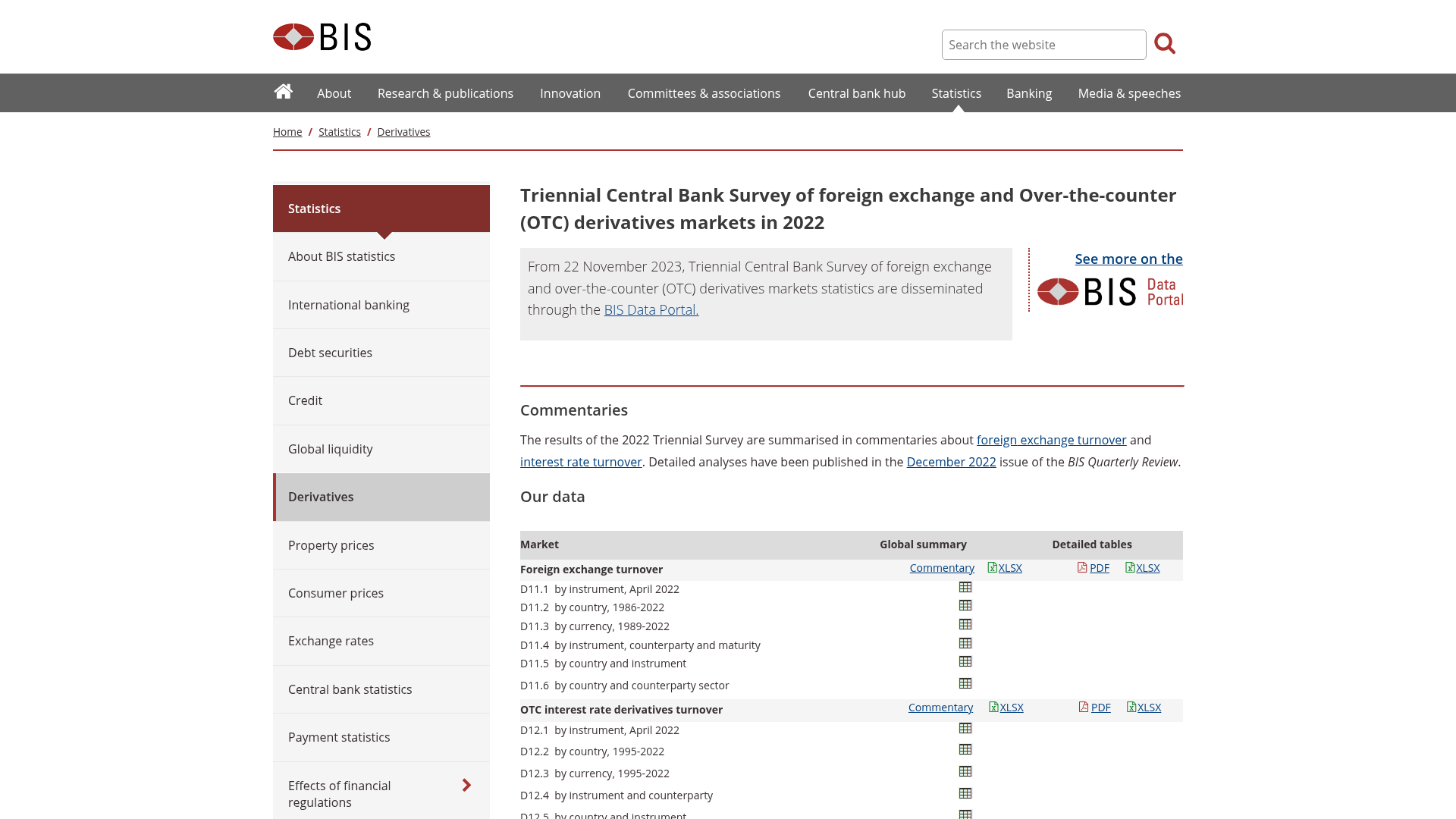
ภาพหน้าจอของหน้าเว็บทางการที่มาของกฎระเบียบในคู่มือนี้ เปิดดูด้วยตัวคุณเอง — คำพูดของหน่วยงานกำกับดูแลย่อมดีกว่าสรุปเสมอ
คำถามที่พบบ่อย
แหล่งที่มา
ที่มา
- ESMA — CFD leverage limits for retail clientsesma.europa.eu
- CFTC — Forex trading basics for consumerscftc.gov
- Investor.gov — Margin: borrowing money to pay for stocksinvestor.gov
- FCA — Financial Services Registerregister.fca.org.uk
- ASIC — Professional registersasic.gov.au
เขียนโดย Daniel Okafor
ผู้เขียนหลักสูตรเราเขียนบทเรียน forex ที่มีโครงสร้างและเข้าใจง่ายสำหรับผู้เริ่มต้น เน้นความเข้าใจเป็นอันดับแรกเสมอ — และไม่ใช่คำแนะนำทางการเงิน เนื้อหาหลักสูตรอยู่ใน หลักสูตร.
เรียนรู้ต่อไป
เส้นทางต่อไป
คู่มือที่เกี่ยวข้องกับหน้านี้มากที่สุด เรียงตามลำดับที่ต่อยอดจากหน้านี้ แต่ละคู่มือเป็นเนื้อหาที่สมบูรณ์ในตัวเอง และไม่มีคู่มือใดที่ถือว่าคุณอ่านหน้านี้จบแล้ว
- แผนการฝึกฝน 12 เดือนสำหรับเทรดเดอร์ที่มีงานประจำค้นพบแผนการที่จัดโครงสร้างอย่างเป็นระบบตลอดทั้งปี ซึ่งออกแบบมาสำหรับมืออาชีพที่มีงานยุ่ง…
- จากบัญชี Demo สู่บัญชีจริง: สี่ขั้นตอนที่ค่อยเป็นค่อยไปสู่การเทรดจริงการเปลี่ยนจากการใช้บัญชี Demo (demo account) ไปสู่การเทรดด้วยเงินจริงนั้นต้องใช้วิธีการที่มีโครงสร้างเพื่อบริหารความเสี่ยง (risk…
- Overtrading: สามสัญญาณเตือนและมาตรการรับมือรายสัปดาห์ของคุณค้นพบรูปแบบอันแยบยลของ Overtrading ทำความเข้าใจต้นทุนที่แท้จริง…
- การสร้างแผนบริหารความเสี่ยง (Risk Management Plan) ฉบับแรกของคุณแผนบริหารความเสี่ยง (risk management plan) คือแผนที่สำหรับการเทรดของคุณ…
- การเทรด Forex ครั้งแรกของคุณ: ควรเริ่มต้นด้วยขนาดที่เล็กแค่ไหน?ค้นพบความสำคัญอย่างยิ่งยวดของการเริ่มต้นด้วยขนาดการเทรดที่เล็กที่สุดเท่าที่จะเป็นไปได้…