Panduan · 10 menit baca · 2,140 words
Aritmetika Risk-Reward: Win Rate yang Diam-Diam Dituntut Setiap Rasio
Temukan hubungan tak terpisahkan antara rasio risk-reward dan win rate Anda, serta pelajari aritmetika penting untuk profitabilitas trading yang konsisten.

Poin-poin penting
- Rasio risk-reward pilihan Anda secara matematis menentukan win rate minimum yang dibutuhkan untuk mencapai titik impas.
- Trade dengan rasio risk-reward yang lebih tinggi (misalnya, 1:3) membutuhkan win rate yang lebih rendah, namun seringkali lebih sulit dieksekusi dan membawa beban psikologis yang signifikan.
- Biaya transaksi seperti spread, komisi, dan slippage secara signifikan mengurangi risk-reward *efektif* Anda, seringkali mengubah profit teoretis menjadi kerugian riil.
- Strategi dengan win rate rendah membutuhkan disiplin emosional yang kuat, karena kerugian beruntun dapat menyebabkan demotivasi.
- Selalu hitung risk-reward aktual Anda setelah memperhitungkan semua biaya trading, bukan hanya titik entry dan exit teoretis.
- Leverage memperbesar dampak finansial dari keputusan risk-reward Anda, menuntut penentuan ukuran posisi yang presisi.
Harmoni Tersembunyi antara Risiko dan Imbal Hasil
Bayangkan dua trader, berdampingan, menganalisis grafik pasar yang sama. Sarah, seorang pendatang baru, dengan cermat merencanakan entry-nya, menetapkan stop-loss yang ketat, dan menempatkan take-profit yang jauh, membidik rasio risk-reward 1:3 yang fantastis. Dia bermimpi mendapatkan kemenangan besar tersebut. Di seberang ruangan, David, seorang profesional berpengalaman, mengambil pendekatan yang berbeda. Trade-nya sering menargetkan risk-reward yang lebih moderat, yaitu 1:1.5. Di atas kertas, strategi Sarah tampak lebih unggul; mengapa mengambil risiko satu dolar untuk menghasilkan satu dolar setengah jika Anda bisa mengambil risiko satu untuk menghasilkan tiga?
Namun, setelah beberapa bulan, Sarah mendapati saldo akunnya stagnan atau bahkan menyusut, meskipun ada kemenangan 'besar' sesekali. David, di sisi lain, melihat ekuitasnya tumbuh dengan stabil. Apa rahasianya? Ini bukan tentang rasio mana yang secara inheren 'lebih baik', melainkan tentang memahami pakta matematis yang tak terucapkan antara rasio risk-reward dan win rate Anda. Setiap kali Anda menetapkan stop-loss dan take-profit, Anda tidak hanya mendefinisikan potensi keuntungan atau kerugian; Anda juga secara diam-diam menyatakan frekuensi kemenangan minimum yang Anda butuhkan hanya untuk mencapai titik impas. Aritmetika yang sering terabaikan ini adalah landasan dari profitabilitas trading yang konsisten, menuntut kedua angka ini bekerja secara harmonis.
Memahami Risk-Reward: Apa Artinya Sebenarnya
Pada intinya, rasio risk-reward adalah perbandingan sederhana: berapa banyak modal yang bersedia Anda pertaruhkan untuk sebuah trade, berbanding berapa banyak yang Anda harapkan untuk diperoleh dari trade yang sama. Bayangkan seperti ini: jika Anda mempertaruhkan $100 untuk berpotensi menghasilkan $200, Anda memiliki rasio risk-reward 1:2. Jika Anda mempertaruhkan $100 untuk menghasilkan $50, itu adalah risk-reward 2:1, atau lebih umum dinyatakan sebagai 0.5:1. Angka pertama selalu mewakili risiko Anda, angka kedua adalah potensi imbal hasil Anda.
Untuk menghitungnya pada trade tertentu, Anda hanya membutuhkan tiga harga: harga entry Anda, harga stop-loss Anda, dan harga take-profit Anda. Jarak antara entry dan stop-loss Anda adalah 'risiko' Anda dalam pip atau poin. Jarak antara entry dan take-profit Anda adalah 'imbal hasil' Anda. Bagi imbal hasil dengan risiko, dan itulah rasio Anda. Misalnya, jika Anda membeli EUR/USD di 1.0750, menempatkan stop Anda di 1.0730 (risiko 20 pip) dan target Anda di 1.0810 (imbal hasil 60 pip), risk-reward Anda adalah 60/20 = 3, atau 1:3. Ini adalah langkah fundamental yang tidak dapat dinegosiasikan dalam perencanaan trade yang baik, memberikan Anda gambaran jelas tentang apa yang ingin Anda capai dengan setiap posisi.
Kebenaran Tentang Win Rate Anda: Lebih Dari Sekadar Angka
Win rate Anda hanyalah persentase trade Anda yang ditutup dengan profit. Jika Anda melakukan 100 trade dan 55 di antaranya menghasilkan uang, win rate Anda adalah 55%. Kedengarannya cukup mudah, bukan? Namun di sinilah banyak trader tersandung: mereka sering mengejar win rate yang tinggi, percaya bahwa itu adalah satu-satunya penentu keberhasilan. Mereka mungkin membuka trade, melihatnya menghasilkan profit dalam jumlah kecil, lalu menutupnya dengan cepat, hanya untuk "mengamankan kemenangan." Ini dapat secara artifisial meningkatkan win rate mereka tanpa harus mengembangkan akun mereka secara signifikan.
Win rate yang tinggi terasa menyenangkan; secara psikologis memuaskan untuk lebih sering benar daripada salah. Namun, itu tidak memberi tahu Anda apa pun tentang ukuran kemenangan tersebut dibandingkan dengan ukuran kerugian Anda. Anda bisa memiliki win rate 90%, tetapi jika 10 trade yang rugi masing-masing sepuluh kali lebih besar dari 90 trade yang menang, Anda masih akan kehilangan uang secara keseluruhan. Inilah mengapa melihat win rate secara terpisah adalah praktik yang menipu yang dapat menyebabkan frustrasi dan kebingungan, pada akhirnya menghambat kemajuan Anda sebagai trader. Itu hanya setengah dari persamaan.
Mitra Diam: Tuntutan Win Rate pada Risk-Reward Anda
Sebuah konsep inti yang sering terabaikan dalam edukasi trading adalah ini: rasio risk-reward pilihan Anda secara diam-diam menentukan win rate minimum yang dibutuhkan untuk mencapai titik impas. Kedua metrik ini bukanlah variabel independen yang bisa Anda sesuaikan secara terpisah; keduanya adalah dua sisi dari mata uang yang sama untuk profitabilitas jangka panjang. Mengabaikan hubungan krusial ini berarti Anda pada dasarnya terbang buta, berharap yang terbaik tanpa memahami mekanisme dasar strategi Anda.
Anggap saja ini sebagai tindakan penyeimbangan. Jika Anda membidik kemenangan besar relatif terhadap risiko Anda (rasio risk-reward tinggi seperti 1:3 atau 1:4), Anda tidak perlu sering menang. Anda bisa lebih sering salah, karena beberapa kemenangan Anda akan menutupi banyak kerugian kecil. Jika potensi profit Anda kecil dibandingkan dengan risiko Anda (rasio risk-reward rendah seperti 1:1 atau 0.5:1), Anda harus memenangkan persentase trade yang sangat tinggi hanya untuk tetap bertahan. Aritmetika fundamental ini mendasari setiap strategi trading, dan menginternalisasikannya akan mengubah cara Anda mendekati keputusan trading, menggerakkan Anda dari tebak-tebakan menuju probabilitas yang terhitung.
Persamaan Titik Impas: Win Rate Berapa yang Anda Butuhkan?
Mari kita bahas angka-angka yang mengikat kedua konsep ini. Formula untuk mengetahui win rate titik impas yang Anda butuhkan cukup sederhana: Required Win Rate = 1 / (1 + Risk-Reward Ratio). Misalnya, jika risk-reward Anda adalah 1:1 (artinya Anda mempertaruhkan $1 untuk menghasilkan $1), perhitungannya adalah 1 / (1 + 1) = 1/2 = 0.50, atau 50%. Ini berarti Anda perlu memenangkan setidaknya setengah dari trade Anda hanya untuk menutupi kerugian Anda. Angka ini bahkan belum memperhitungkan biaya transaksi, yang akan kita bahas nanti.
Sekarang, pertimbangkan rasio risk-reward yang lebih tinggi, katakanlah 1:3. Perhitungan Anda menjadi 1 / (1 + 3) = 1/4 = 0.25, atau 25%. Ini berarti jika Anda secara konsisten menargetkan trade di mana Anda berpotensi menghasilkan tiga kali lipat dari yang Anda risikokan, Anda hanya perlu memenangkan 25% dari trade Anda untuk mencapai titik impas. Itu adalah perbedaan signifikan dalam persyaratan win rate. Inilah mengapa beberapa sistem trading bisa profitabel dengan win rate yang tampaknya rendah. Kuncinya adalah konsistensi dalam manajemen trade Anda dan menerima realitas matematis dari sistem Anda. Ini adalah bagian yang dilewati oleh sebagian besar panduan, hanya berfokus pada 'rasio besar' yang glamor tanpa menjelaskan win rate yang mutlak harus Anda capai.
Win Rate Minimum yang Dibutuhkan untuk Titik Impas (Sebelum Biaya)
| Rasio Risiko-Imbalan | Tingkat Kemenangan yang Dibutuhkan (%) |
|---|---|
| 1:0.5 (atau 2:1) | 66.7% |
| 1:0.75 | 57.1% |
| 1:1 | 50.0% |
| 1:1.5 | 40.0% |
| 1:2 | 33.3% |
| 1:2.5 | 28.6% |
| 1:3 | 25.0% |
| 1:4 | 20.0% |
| 1:5 | 16.7% |
Wawasan krusialnya adalah bahwa rasio risk-reward pilihan Anda secara diam-diam menentukan win rate minimum yang Anda butuhkan hanya untuk mencapai titik impas, menjadikan kedua metrik ini mitra tak terpisahkan dalam profitabilitas.
Jebakan Mengejar Rasio Risiko-Imbalan Tinggi
Banyak trader baru, melihat bahwa rasio risiko-imbalan 1:5 hanya membutuhkan tingkat kemenangan 16.7% untuk mencapai titik impas (break even), langsung mengincar trade semacam itu. Pemikiran mereka seringkali terdengar seperti, 'Jika saya hanya perlu memenangkan satu dari enam trade, itu kedengarannya mudah!' Pada kenyataannya, mencapai trade dengan rasio risiko-imbalan tinggi secara konsisten datang dengan tantangan praktis dan psikologis yang signifikan. Untuk mengamankan rasio 1:5, Anda biasanya perlu melakukan salah satu dari dua hal: entah menetapkan stop-loss yang sangat ketat relatif terhadap titik masuk Anda, yang membuat trade Anda sangat rentan terhadap noise pasar acak dan whipsaw, atau menempatkan target take-profit yang sangat jauh, yang berarti Anda perlu menunggu lebih lama agar pasar bergerak sesuai keinginan Anda, menanggung drawdown sementara yang lebih besar, dan menerima bahwa lebih sedikit trade yang pada akhirnya akan mencapai target penuh mereka.
Dampak psikologis dari tingkat kemenangan yang rendah juga sangat besar. Bayangkan melakukan lima, enam, atau bahkan sepuluh trade yang merugi berturut-turut sebelum akhirnya mendapatkan pemenang. Bahkan jika satu pemenang itu secara matematis menutupi semua kerugian sebelumnya dan lebih, kerugian berulang tersebut bisa sangat demotivasi. Ketegangan mental ini dapat membuat trader mempertanyakan strategi mereka yang telah diteliti dengan baik, menyebabkan ketidaksabaran, atau bahkan menyebabkan mereka menyimpang dari rencana yang telah disusun dengan cermat demi mengejar 'kemenangan cepat'. Dibutuhkan disiplin yang luar biasa, ketahanan emosional, dan keyakinan yang kuat serta tak tergoyahkan pada sistem yang telah Anda uji untuk tetap berpegang pada strategi dengan tingkat kemenangan yang rendah. Hambatan psikologis ini adalah aspek kritis yang sering diabaikan banyak orang ketika mereka pertama kali melihat angka-angka menarik dari rasio risiko-imbalan tinggi di atas kertas, dan inilah mengapa bagi banyak orang, tingkat kemenangan yang lebih rendah dan lebih sering secara psikologis lebih mudah dikelola.
Pajak Tersembunyi: Biaya Transaksi dan Slippage
Semua perhitungan yang telah kita bahas sejauh ini mengasumsikan eksekusi sempurna dan tanpa biaya. Di dunia nyata, hal itu tidaklah demikian. Setiap trade yang Anda lakukan menimbulkan biaya, terutama melalui bid-ask spread dan, untuk beberapa jenis akun atau aset, komisi. Biaya-biaya ini secara langsung mengurangi potensi imbalan Anda atau meningkatkan risiko efektif Anda, secara diam-diam mengikis rasio risiko-imbalan teoretis Anda.
Pertimbangkan sebuah trade pada EUR/USD dengan spread 1 pip. Jika Anda menargetkan profit 20 pip dengan stop loss 10 pip (rasio risiko-imbalan 1:2), spread 1 pip itu secara langsung berarti profit efektif Anda adalah 19 pip, dan kerugian efektif Anda adalah 11 pip. Rasio risiko-imbalan aktual Anda sekarang adalah 19:11, atau sekitar 1:1.73, bukan 1:2. Ini mungkin terlihat seperti perbedaan kecil, tetapi selama ratusan atau ribuan trade, dampaknya akan terakumulasi secara signifikan. Mengabaikan biaya-biaya ini adalah kesalahan umum yang dapat mengubah strategi yang secara teoretis menguntungkan menjadi strategi yang merugikan. Dalam praktiknya, desk akan selalu memperhitungkan ini, bahkan jika Anda tidak melakukannya. Ini adalah elemen lain dari 'dunia nyata' yang sering tidak ada dalam panduan yang disederhanakan.
Dampak Spread 1 Pip pada Rasio Risiko-Imbalan Efektif
| R:R Target | Risiko (Pip) | Imbalan (Pip) | R:R Efektif (dengan spread 1 pip) |
|---|---|---|---|
| 1:1 | 10 | 10 | 1:0.81 (atau 11:9) |
| 1:1.5 | 10 | 15 | 1:1.27 (atau 11:14) |
| 1:2 | 10 | 20 | 1:1.73 (atau 11:19) |
| 1:2.5 | 10 | 25 | 1:2.18 (atau 11:24) |
| 1:3 | 10 | 30 | 1:2.64 (atau 11:29) |
| 1:0.5 (atau 2:1) | 10 | 5 | 1:0.36 (atau 11:4) |
Pentingnya Pilihan Broker dan Kualitas Eksekusi
Dampak dari spread tidaklah statis; ia sangat bervariasi antara broker dan bahkan dalam broker yang sama tergantung pada kondisi pasar. Beberapa broker, seperti Pepperstone (didirikan tahun 2010, kantor pusat di Melbourne) atau IC Markets (didirikan tahun 2007, kantor pusat di Sydney), sering dipuji karena menawarkan spread yang sangat ketat, terutama pada pasangan mata uang utama, terkadang serendah 0.0 pip untuk akun raw spread mereka, meskipun ini seringkali disertai dengan komisi kecil per lot. Broker lain, seperti XM (didirikan tahun 2009, kantor pusat di Limassol), mungkin menawarkan spread yang lebih lebar tetapi mengiklankan perdagangan bebas komisi. Sangat penting untuk memahami struktur biaya penuh dari broker pilihan Anda.
Selain spread yang diiklankan, kualitas eksekusi juga memainkan peran penting. Slippage – perbedaan antara harga yang Anda minta dan harga eksekusi sebenarnya – dapat lebih jauh mengikis risk-reward efektif Anda, terutama selama peristiwa berita yang volatil. Misalnya, jika Anda memiliki order stop-loss yang ketat di 1.0730, tetapi selama pergerakan pasar yang cepat, order Anda dieksekusi di 1.0728, Anda baru saja kehilangan tambahan 2 pip. Ini secara langsung memengaruhi komponen risiko Anda. Memilih broker terkemuka yang diatur oleh badan-badan seperti FCA, ASIC, atau CySEC dan dikenal karena eksekusi yang andal, seperti mereka yang berkantor pusat di pusat keuangan mapan seperti London atau Melbourne, membantu mengurangi beberapa masalah ini. Anda dapat memverifikasi status regulasi suatu perusahaan di daftar publik, seperti daftar Financial Conduct Authority di UK.
Membangun Rencana Perdagangan yang Realistis: Menyatukan Semuanya
Bagaimana Anda secara efektif menerapkan pengetahuan fundamental tentang risk-reward, win rate, dan biaya ini ke dalam perdagangan Anda sendiri? Bersikaplah sangat realistis tentang win rate yang Anda harapkan. Sebagian besar trader yang konsisten berhasil tidak membanggakan win rate yang fantastis 80% atau 90%. Banyak yang beroperasi secara menguntungkan dalam kisaran yang lebih moderat yaitu 40% hingga 60%, menggabungkan ini dengan manajemen risiko yang sangat baik dan pendekatan yang konsisten terhadap risk-reward mereka.
Selanjutnya, tentukan rentang risk-reward target yang benar-benar sesuai dengan kepribadian, gaya perdagangan, dan setup khas Anda. Jika kerugian yang sering terjadi menguras emosi dan Anda kesulitan untuk tetap berpegang pada rencana setelah beberapa perdagangan yang merugi, maka strategi yang membutuhkan win rate 25% kemungkinan besar tidak akan berkelanjutan. Namun, jika Anda sabar, disiplin, dan nyaman dengan banyak kerugian kecil demi keuntungan yang lebih besar dan jarang, pendekatan risk-reward yang tinggi mungkin sangat cocok dengan temperamen Anda. Kesadaran diri dan kejujuran dalam menilai kekuatan dan kelemahan Anda sendiri adalah kunci.
Yang terpenting, ketika Anda melakukan backtest atau forward-test strategi apa pun, Anda harus menyertakan biaya transaksi yang realistis. Jangan hanya melihat titik masuk dan keluar teoritis pada grafik yang bersih. Kurangi spread rata-rata Anda dan komisi apa pun dari perdagangan yang menguntungkan, dan tambahkan ke perdagangan yang merugi untuk mendapatkan gambaran yang jauh lebih akurat tentang risk-reward efektif Anda yang sebenarnya dan win rate riil yang dibutuhkan untuk profitabilitas. Misalnya, jika Anda memperdagangkan pasangan mata uang utama seperti EUR/USD dengan spread rata-rata tipikal 0.8 pip dan komisi Anda pada lot standar adalah $7 round turn, angka-angka konkret ini harus diintegrasikan ke dalam perhitungan Anda. Tanpa melakukan ini dengan cermat, strategi Anda mungkin tampak fantastis pada data historis, tetapi kemudian dengan cepat berantakan dan memberikan hasil yang mengecewakan dalam perdagangan langsung, di mana biaya dunia nyata menggerogoti margin Anda. Rencana perdagangan Anda perlu memperhitungkan aritmatika ini, bukan hanya sinyal masuk dan keluar subjektif yang Anda rasakan.
*Leverage*: Memperbesar Keuntungan, Menuntut Presisi
Leverage tidak mengubah aritmatika fundamental risk-reward atau win rate yang dibutuhkan untuk strategi tertentu, tetapi secara dramatis memperbesar dampak angka-angka tersebut pada akun perdagangan Anda. Jika Anda berdagang dengan leverage 1:30, seperti yang sering dibatasi untuk klien ritel di bawah intervensi ESMA, itu berarti pergerakan kecil yang merugikan Anda memiliki efek yang jauh lebih besar pada modal Anda. Demikian pula, pergerakan positif juga diperbesar. Ini seperti mengeraskan volume pada perdagangan Anda, membuat keberhasilan dan kegagalan terdengar jauh lebih keras.
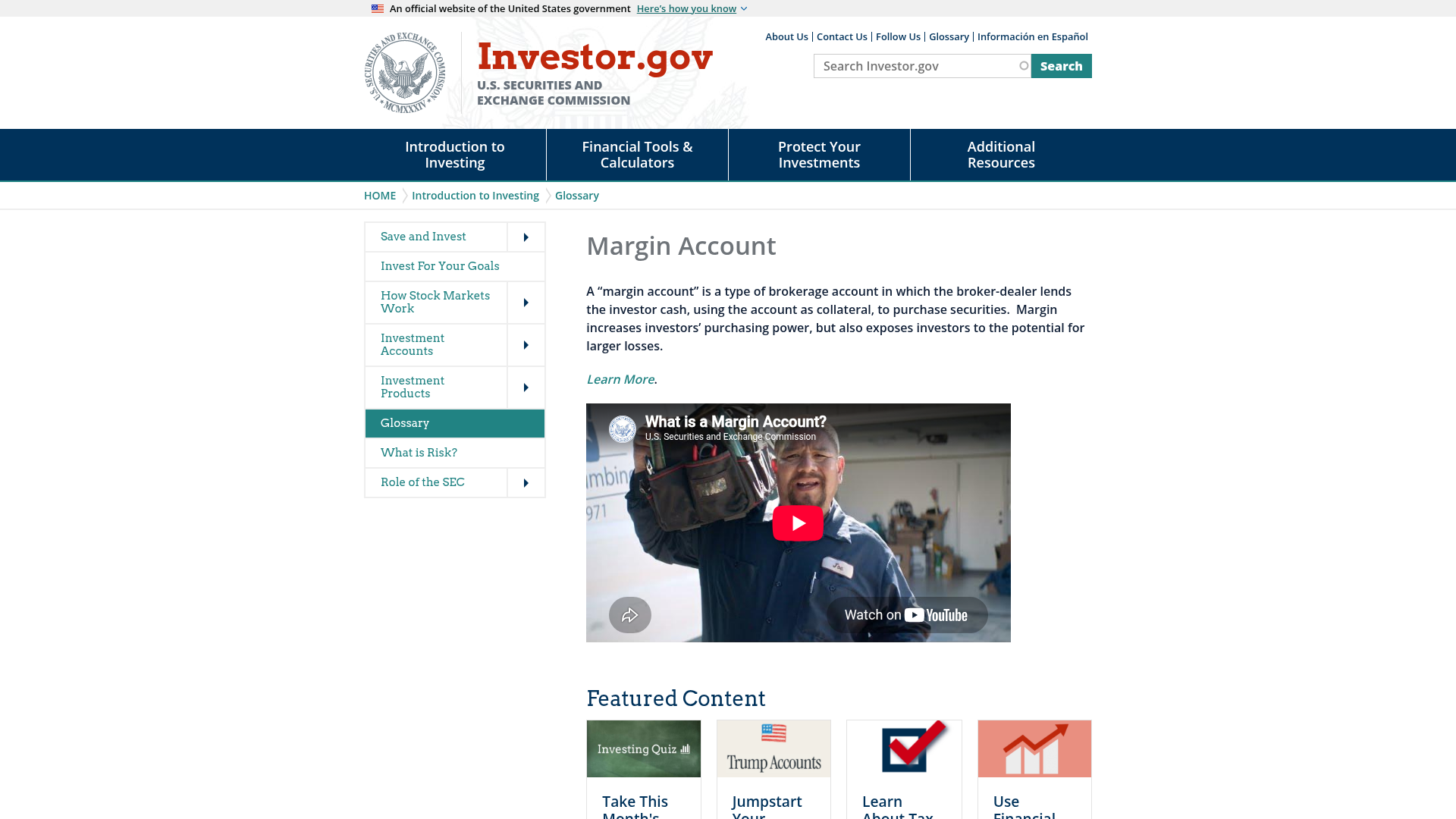
Apa yang diminta oleh leverage adalah kepatuhan yang lebih ketat terhadap rencana risk-reward Anda dan penentuan ukuran posisi yang cermat. Risiko 1% pada perdagangan dengan leverage 1:100 masih merupakan risiko 1% dari ekuitas akun Anda. Masalah muncul ketika trader menggunakan leverage untuk membuka posisi yang terlalu besar relatif terhadap ukuran akun mereka, secara efektif membuat titik stop-loss mereka mewakili persentase modal yang jauh lebih besar dari yang dimaksudkan. Ini menyebabkan bahkan drawdown kecil yang secara statistik normal menjadi bencana finansial, memaksa mereka keluar dari pasar. Selalu hitung ukuran posisi Anda berdasarkan risiko dolar tetap per perdagangan Anda, bukan hanya pada leverage yang tersedia. CFTC menawarkan panduan konsumen yang berharga tentang dasar-dasar perdagangan forex, menekankan penggunaan leverage yang bertanggung jawab. Memahami persyaratan margin, seperti yang dijelaskan oleh Investor.gov, juga sangat penting.
Baca sumber utama
Periksa di regulator, bukan pada kami
Tangkapan layar halaman resmi di balik aturan dalam panduan ini. Buka sendiri — kata-kata regulator sendiri selalu lebih baik daripada ringkasannya.
Sering ditanyakan
Sumber
Dari mana ini berasal
- ESMA — CFD leverage limits for retail clientsesma.europa.eu
- CFTC — Forex trading basics for consumerscftc.gov
- Financial Conduct Authority — Financial Services Registerregister.fca.org.uk
- Investor.gov — Margin: borrowing money to pay for stocksinvestor.gov
Ditulis oleh Elena Marsh
Instruktur Utama. Kami menulis edukasi forex yang terstruktur, dalam bahasa Inggris sederhana untuk orang yang belajar dari awal. Pemahaman dulu, selalu — dan tidak pernah nasihat keuangan. Kursus itu sendiri ada di kurikulum.
Terus belajar
Ke mana panduan ini mengarah selanjutnya
Panduan yang paling dekat dengan ini, sesuai urutan pembangunannya. Masing-masing adalah bacaan lengkap tersendiri, dan tidak ada yang berasumsi Anda telah menyelesaikan halaman ini.
- Menghitung Tingkat Kemenangan Titik Impas Trading Anda: Panduan untuk Setiap Kelipatan RTingkat kemenangan seorang trader bukan hanya tentang menjadi benar; itu adalah bagian penting dari teka-teki trading Anda, yang…
- Matematika yang Tak Kenal Ampun: Mengapa Kerugian 50% Menuntut Keuntungan 100% untuk PulihKehilangan separuh modal trading Anda tidak berarti Anda hanya membutuhkan keuntungan 50% lagi; jalur pemulihan secara matematis…
- Menguasai Akun $500 Anda: Penjelasan Mendalam tentang Ukuran PosisiTemukan langkah-langkah penting untuk menghitung ukuran posisi yang tepat untuk akun trading $500, melindungi modal Anda, dan…
- Profit Factor: Apa yang Sebenarnya Dikatakannya kepada Anda (dan Apa yang Diam-diam Disembunyikannya)Metrik profit factor menawarkan pandangan cepat tentang kesehatan sistem trading Anda, tetapi mengandalkannya saja dapat menutupi…
- Akun Minimal yang Layak: Ketika Penentuan Ukuran Posisi yang Masuk Akal Mencapai BatasnyaBanyak trader pemula meremehkan modal yang dibutuhkan untuk secara konsisten menerapkan manajemen risiko yang baik, seringkali…