Panduan · 13 menit baca · 2,696 words
Matematika yang Tak Kenal Ampun: Mengapa Kerugian 50% Membutuhkan Keuntungan 100% untuk Pulih
Kehilangan separuh modal trading Anda tidak berarti Anda hanya membutuhkan keuntungan 50% lagi; jalan menuju pemulihan secara matematis lebih curam dan seringkali mengejutkan bagi banyak trader.

Poin-poin penting
- Kerugian 50% membutuhkan keuntungan 100% dari basis modal baru yang lebih kecil untuk mencapai titik impas, bukan hanya 50% lagi.
- Persentase keuntungan yang dibutuhkan untuk pulih meningkat secara tidak proporsional seiring kerugian semakin dalam, membuat pemulihan semakin sulit secara eksponensial.
- Ukuran posisi yang efektif (position sizing) (misalnya, merisikokan 1-2% per trade) dan stop loss yang disiplin sangat penting untuk menghindari drawdown yang dalam.
- Leverage memperbesar baik keuntungan maupun kerugian, membuat pelestarian modal dan manajemen risiko yang cermat menjadi semakin vital.
- Keputusan emosional, terutama 'revenge trading' setelah kerugian, seringkali menyebabkan erosi modal lebih lanjut dan lubang yang lebih dalam.
- Memprioritaskan keuntungan kecil yang konsisten dan menghindari kerugian besar lebih berkelanjutan daripada mengejar keuntungan besar yang jarang terjadi.
Matematika yang Tak Kenal Ampun dari Kehilangan Separuh Modal Anda
Bayangkan Anda memulai perjalanan trading Anda dengan $10.000. Setelah beberapa trade yang tidak menguntungkan, saldo akun Anda turun menjadi $5.000. Anda telah kehilangan separuh modal Anda. Insting Anda mungkin berpikir, "Oke, saya hanya perlu menghasilkan 50% sekarang untuk kembali ke titik impas." Ini terasa logis, bukan? Lagipula, keuntungan 50% ditambah kerugian 50% terdengar seperti impas.
Inilah kenyataan pahitnya: intuisi itu sangat menyesatkan. Untuk pulih dari kerugian 50%, Anda tidak membutuhkan keuntungan 50%. Anda sebenarnya perlu menggandakan uang Anda yang tersisa, mencapai keuntungan 100%, hanya untuk kembali ke titik awal Anda. Asimetri ini, realitas matematis yang tak kenal ampun ini, adalah salah satu konsep terpenting yang harus dipahami oleh setiap trader, namun seringkali terabaikan sampai terlambat. Ini membuat trading menjadi menantang, dan seringkali, sangat sulit.
Konsep ini bukan tentang algoritma kompleks atau market timing tingkat lanjut; ini adalah aritmetika fundamental yang menentukan skala upaya pemulihan Anda. Jika Anda tidak memahami prinsip ini, Anda mungkin secara serius meremehkan risiko sebenarnya dari drawdown yang signifikan, atau lebih buruk lagi, mengambil risiko berlebihan dalam upaya putus asa untuk "impas", sehingga menggali lubang yang lebih dalam. Ini adalah bagian pengetahuan dasar yang membantu membentuk pendekatan trading yang berkelanjutan dan realistis.
Memahami Angka-angkanya: Mengapa 50% Tidak Sama dengan 50%
Mari kita telusuri angka-angka pastinya dengan contoh yang jelas. Anda memulai dengan $10.000 di akun trading Anda. Kerugian 50% berarti Anda telah kehilangan $5.000, yang menyisakan Anda dengan $5.000. Sekarang, untuk kembali ke $10.000 awal Anda, Anda perlu mendapatkan keuntungan $5.000. Berapa persentase $5.000 dari modal saat ini Anda, yaitu $5.000? Ini tepat 100%. Seratus persen. Bukan lima puluh. Basis dari mana Anda menghitung persentase keuntungan Anda telah menyusut secara signifikan, membuat target pemulihan menjadi persentase yang jauh lebih besar dari basis yang lebih kecil itu.
Prinsip ini berlaku untuk setiap persentase kerugian, bukan hanya 50%. Kerugian 10% membutuhkan keuntungan 11,11% untuk pulih. Kerugian 20% membutuhkan keuntungan 25%. Kerugian 75%? Itu menuntut keuntungan 300% yang mengejutkan. Semakin dalam lubangnya, semakin sulit secara eksponensial untuk keluar. Di sinilah banyak calon trader tersandung, berasumsi bahwa kehilangan persentase kecil mudah dibalikkan dengan keuntungan kecil yang setara. Matematika tidak bekerja seperti itu, dan mengabaikan kebenaran ini bisa sangat merugikan.
Realitas matematis ini mendasari seluruh filosofi pelestarian modal. Trader berpengalaman tahu bahwa melindungi modal dari drawdown yang signifikan jauh lebih penting, dan pada akhirnya lebih mudah, daripada mencoba menghasilkan keuntungan besar untuk pulih darinya. Ini berarti setiap trade, setiap ukuran posisi (position size), dan setiap parameter risiko perlu dilihat melalui lensa seberapa banyak yang Anda berisiko kehilangan, dan apa yang akan dibutuhkan kerugian spesifik itu dalam hal keuntungan di masa depan.
Tangga Pemulihan: Apa yang Dibutuhkan untuk Mencapai Titik Impas
Untuk menggambarkan tantangan yang semakin meningkat, pertimbangkan berbagai persentase kerugian dan keuntungan yang sesuai yang dibutuhkan. Ini bukan pendakian linier; ini adalah lereng yang semakin curam, di mana setiap poin persentase tambahan yang hilang menuntut persentase keuntungan yang lebih besar lagi hanya untuk kembali ke titik awal Anda. Kerugian kecil 1% hanya membutuhkan keuntungan 1,01% untuk pulih. Itu terasa sepenuhnya dapat dikelola. Namun, seiring kerugian terakumulasi, "persentase pemulihan" tumbuh secara tidak proporsional, dengan cepat menjadi rintangan yang signifikan.
Kesenjangan yang melebar antara persentase kerugian dan pemulihan ini adalah pembunuh modal yang senyap. Apa yang terlihat seperti drawdown 20% yang dapat dikelola dapat tiba-tiba terasa seperti tugas yang mustahil ketika Anda menyadari bahwa Anda membutuhkan pengembalian 25% hanya untuk kembali ke titik awal. Ini adalah bagian yang dilewati sebagian besar panduan trading, yang malah berfokus pada titik masuk dan keluar, tanpa secara memadai membahas aritmetika penting dari manajemen modal. Tanpa pemahaman fundamental ini, bahkan strategi trading yang baik dapat runtuh di bawah beban berat kerugian yang terakumulasi, meskipun analisisnya solid.
Tabel yang menyertai dengan jelas menjabarkan hubungan ini. Ini berfungsi sebagai pengingat yang jelas bahwa meskipun kerugian 10% mungkin terlihat kecil, membiarkannya menjadi kerugian 30% mengubah permainan pemulihan sepenuhnya. Anda beralih dari membutuhkan keuntungan yang relatif sederhana 11,11% menjadi 42,86% yang substansial. Ini bukan hanya angka abstrak; ini mewakili persentase pengembalian aktual yang perlu Anda hasilkan dari modal Anda yang tersisa, dan kenyataan pahit betapa sulitnya itu.
Persentase Keuntungan yang Dibutuhkan untuk Pulih dari Berbagai Kerugian
| Persentase Kerugian | Modal Tersisa | Keuntungan yang Dibutuhkan (sebagai % dari modal tersisa) |
|---|---|---|
| 1% | 99% | 1.01% |
| 5% | 95% | 5.26% |
| 10% | 90% | 11.11% |
| 20% | 80% | 25.00% |
| 30% | 70% | 42.86% |
| 40% | 60% | 66.67% |
| 50% | 50% | 100.00% |
| 60% | 40% | 150.00% |
| 70% | 30% | 233.33% |
| 80% | 20% | 400.00% |
| 90% | 10% | 900.00% |
Leverage: Pedang Bermata Dua untuk Pemulihan
Leverage, yang sering dipasarkan sebagai cara untuk memperbesar keuntungan, juga secara dramatis memperbesar kerugian, membuat tantangan pemulihan menjadi semakin berat. Ketika Anda berdagang dengan leverage, Anda pada dasarnya menggunakan dana pinjaman untuk mengendalikan posisi yang lebih besar dari yang diizinkan oleh modal riil Anda. Misalnya, dengan leverage 1:30, akun $1.000 dapat mengendalikan posisi $30.000. Ini adalah pengaturan umum dalam perdagangan forex ritel; banyak broker seperti Pepperstone, IC Markets, dan XM menawarkan tingkat leverage yang bervariasi, meskipun sering kali dibatasi untuk klien ritel di yurisdiksi tertentu, seperti pada 1:30 di bawah intervensi ESMA di Eropa.
Meskipun leverage dapat membuat pergerakan pasar kecil diterjemahkan menjadi keuntungan persentase yang signifikan pada modal Anda, ia bekerja persis sama secara terbalik. Pergerakan harga yang tampaknya kecil melawan posisi leverage Anda dapat dengan cepat menghapus sebagian besar modal awal Anda. Jika akun $1.000 itu mengalami kerugian 50% karena perdagangan leverage, Anda akan tersisa dengan $500. Sekarang, $500 itu perlu menghasilkan pengembalian 100% (keuntungan $500) hanya untuk kembali ke titik impas. Alat yang menjanjikan keuntungan lebih cepat justru dapat mempercepat Anda ke lubang pemulihan yang lebih dalam, membuat pendakian matematis menjadi lebih curam.
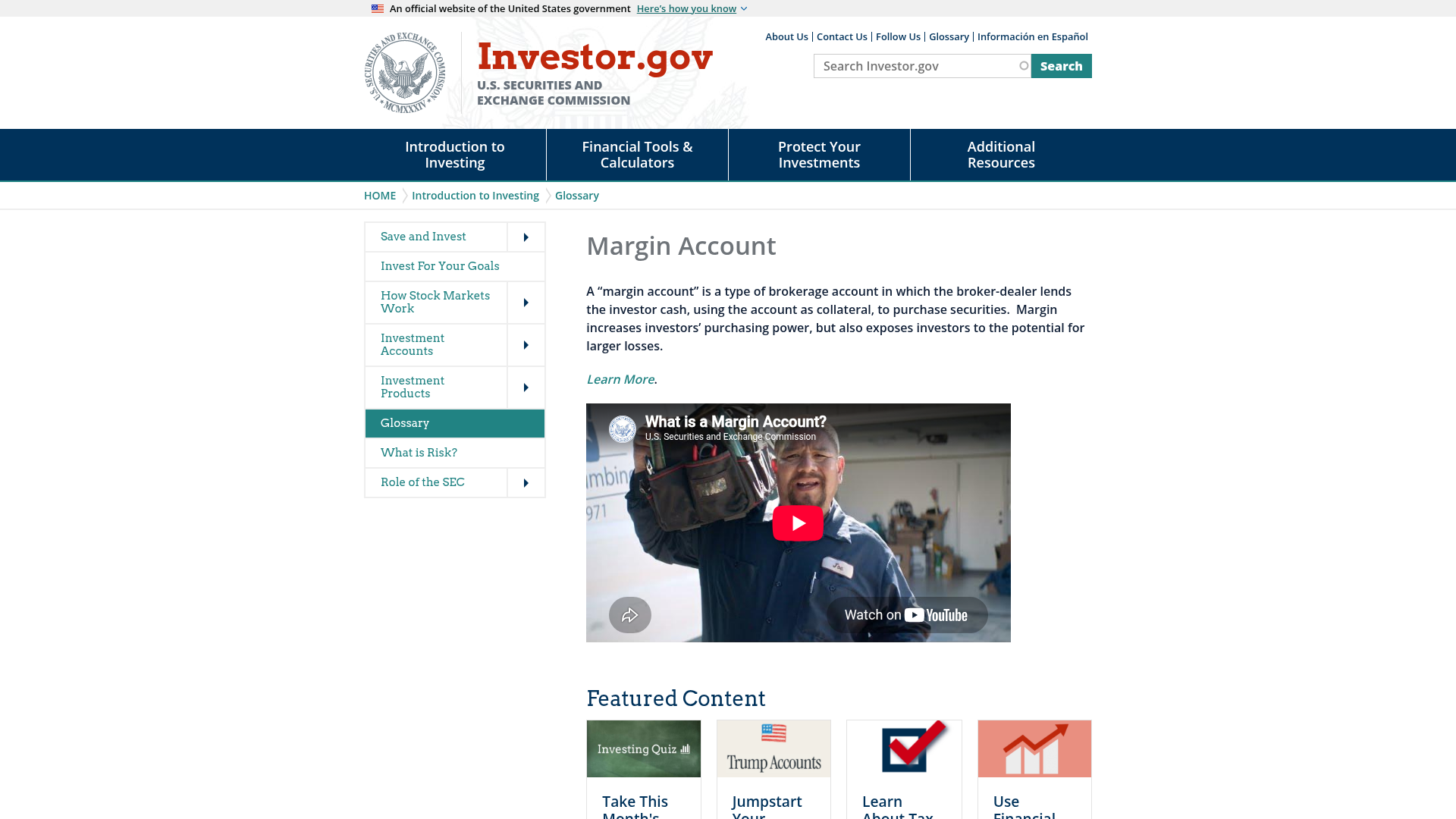
Efek amplifikasi ini berarti bahwa para trader yang menggunakan leverage harus lebih teliti dalam manajemen risiko mereka. Asimetri matematis kerugian berlaku dengan kekuatan lebih besar di sini. Pergerakan harga 2% melawan posisi yang dileverage 1:50 secara efektif dapat diterjemahkan menjadi kerugian 100% dari modal yang dialokasikan untuk perdagangan spesifik itu, yang berarti margin call atau stop-out. Memahami hubungan ini bukan tentang menghindari leverage sepenuhnya, melainkan tentang menggunakannya secara bertanggung jawab, mengakui kekuatannya untuk membangun dan menghancurkan modal dengan cepat. Anda dapat menemukan detail lebih lanjut tentang margin dan leverage di situs seperti Investor.gov, yang menjelaskan margin trading dalam konteks saham, sebuah prinsip yang berlaku untuk produk-produk leverage.
Penentuan Ukuran Posisi (Position Sizing): Garis Pertahanan Pertama Anda
Mengingat matematika kerugian yang tidak kenal ampun, alat paling ampuh dalam persenjataan Anda bukanlah indikator kompleks atau strategi perdagangan rahasia, melainkan penentuan ukuran posisi yang disiplin. Ini berarti secara sadar memutuskan dengan tepat berapa banyak modal Anda yang akan dipertaruhkan pada setiap perdagangan. Aturan praktis umum, yang dianjurkan oleh banyak trader berpengalaman dan pendidik keuangan, adalah tidak mengambil risiko lebih dari 1-2% dari total modal trading Anda pada setiap perdagangan. Ini bukan saran; ini adalah batas kritis untuk kelangsungan hidup jangka panjang di pasar.
Mari kita ilustrasikan dengan contoh: jika Anda memiliki akun $10.000 dan Anda mematuhi aturan risiko 1% yang ketat, ini berarti jika stop loss Anda tercapai pada suatu perdagangan, Anda hanya kehilangan $100. Untuk kehilangan 50% dari akun Anda ($5.000), Anda perlu mengalami 50 perdagangan yang merugi secara berurutan, masing-masing mencapai stop loss Anda. Meskipun menantang, ini memberikan landasan yang jauh lebih panjang bagi strategi Anda untuk berjalan dan beradaptasi, dibandingkan dengan mengambil risiko, katakanlah, 10% atau 20% per perdagangan, di mana hanya beberapa keputusan buruk dapat menjadi bencana finansial.
Alternatifnya, mengambil risiko terlalu banyak per perdagangan, adalah jalur cepat menuju penipisan akun. Bayangkan mengambil risiko 10% per perdagangan. Setelah hanya lima perdagangan yang merugi, Anda telah kehilangan sekitar 40% dari modal Anda, dan sekarang Anda membutuhkan keuntungan substansial 66.67% hanya untuk pulih. Mengambil risiko terlalu banyak per perdagangan terbukti lebih buruk daripada hanya memiliki tingkat kemenangan yang buruk; ini secara praktis menjamin bahwa bahkan strategi perdagangan dengan sedikit keunggulan statistik pada akhirnya akan gagal karena matematika pemulihan menjadi tidak teratasi. Pendekatan konkret terhadap batas risiko ini fundamental untuk menjaga modal dan memungkinkan pertumbuhan yang konsisten, jangka panjang.
Semakin dalam lubangnya, semakin sulit secara eksponensial untuk keluar. Di sinilah banyak calon trader tersandung.
Menetapkan Stop Loss yang Cerdas: Melindungi Modal Utama Anda
Stop loss adalah polis asuransi Anda yang sangat diperlukan dalam trading. Ini adalah perintah yang telah ditetapkan sebelumnya yang secara otomatis menutup perdagangan ketika harga bergerak melawan Anda sebesar jumlah yang ditentukan dan telah ditetapkan, sehingga membatasi potensi kerugian finansial Anda. Banyak trader baru memandang stop loss sebagai gangguan, berharap pasar akan secara ajaib berbalik, atau mereka menempatkannya terlalu jauh, secara efektif membuatnya tidak berguna. Pemikiran yang penuh harapan ini adalah jebakan berbahaya, yang secara langsung berkontribusi pada drawdown yang membutuhkan pemulihan yang mustahil.
Tujuan sebenarnya dari stop loss bukan hanya untuk membatasi kerugian pada satu perdagangan, tetapi untuk secara fundamental melindungi total modal trading Anda dari matematika pemulihan yang brutal. Stop loss yang dikelola dengan ketat, ketika dikombinasikan dengan ukuran posisi yang tepat, memastikan bahwa bahkan serangkaian perdagangan yang merugi tidak akan mendorong akun Anda ke dalam lubang yang dalam dan sulit untuk melarikan diri. Ini adalah langkah manajemen risiko proaktif, mengakui bahwa Anda tidak dapat memprediksi setiap pergerakan pasar, tetapi Anda dapat sepenuhnya mengendalikan eksposur maksimum Anda terhadap risiko penurunan. Kuncinya adalah menempatkannya berdasarkan analisis teknis yang kuat atau parameter risiko yang telah ditentukan, bukan harapan emosional atau level harga arbitrer.
Misalnya, jika Anda memperdagangkan pasangan EUR/USD dan analisis teknis Anda menunjukkan level support kunci di 1.0850, dan Anda memasuki posisi long pada 1.0900, menempatkan stop loss Anda tepat di bawah support tersebut di 1.0845 masuk akal secara logis. Ini mendefinisikan risiko maksimum Anda untuk perdagangan spesifik itu. Tanpa itu, penurunan mendadak dan tak terduga ke 1.0700 akan menimbulkan kerugian yang jauh lebih besar, berpotensi merusak akun, menuntut keuntungan persentase yang jauh lebih tinggi untuk pulih. Financial Conduct Authority (FCA) dan regulator terkemuka lainnya sering menyoroti pentingnya memahami dan menggunakan alat manajemen risiko seperti stop loss dengan cermat, terutama dengan produk leverage kompleks seperti CFD.
Tantangan Efek Berantai: Ketika Kerugian Kecil Menumpuk
Satu hal untuk memahami bahwa satu kerugian 50% membutuhkan keuntungan 100% untuk pemulihan. Hal lain, wawasan yang sama pentingnya, adalah memahami betapa mudahnya kerugian kecil yang berurutan dapat mengikis modal hingga pada titik di mana pemulihan menjadi sangat sulit. Bayangkan skenario hipotetis di mana Anda memulai dengan akun $10.000, dan Anda mengalami empat kerugian berurutan: pertama 10%, lalu 10% lagi dari modal yang tersisa, dan seterusnya. Efek kumulatif dari kerugian yang tampaknya kecil ini jauh lebih merusak daripada yang terlihat pertama kali, karena basis yang menyusut.
Mari kita uraikan dampaknya. Setelah kerugian 10% pertama Anda, saldo akun Anda adalah $9.000. Sekarang, kerugian 10% kedua bukanlah $1.000 lagi dari modal awal Anda; itu adalah $900 (10% dari $9.000), menyisakan Anda dengan $8.100. Kerugian 10% ketiga kemudian mengambil $810 lagi, menurunkan saldo Anda menjadi $7.290. Dan kerugian 10% keempat berarti $729 lagi hilang, menyisakan Anda dengan $6.561. Secara total, empat kerugian "kecil" 10% telah menghasilkan drawdown signifikan 34.39% dari modal awal Anda. Untuk pulih dari saldo baru $6.561 ini kembali ke $10.000 awal Anda, Anda sekarang membutuhkan keuntungan sekitar 52.4%.
Contoh nyata ini dengan jelas menunjukkan mengapa kerugian kecil yang konsisten, jika tidak dikelola dengan baik, dapat menyebabkan lubang yang dalam yang sama seperti kerugian tunggal yang dahsyat. Ini menyoroti pentingnya tidak hanya membatasi risiko perdagangan individu, tetapi juga memantau drawdown keseluruhan akun Anda dengan cermat. Ketika Anda menemukan diri Anda turun 20-30%, mengambil jeda strategis, mengevaluasi kembali strategi trading Anda, atau secara drastis mengurangi ukuran posisi Anda menjadi langkah yang perlu dan bijaksana. Mengabaikan efek berantai ini adalah resep untuk mengakhiri karier trading Anda secara prematur dan bisa menjadi pelajaran yang sangat mahal.
Dampak Kerugian 10% Berurutan pada Akun $10.000
| Nomor Perdagangan | Saldo Akun (Awal) | Jumlah Kerugian (10%) | Saldo Akun (Akhir) | Kerugian Kumulatif (%) | Keuntungan yang Dibutuhkan untuk Pulih ke $10k (%) |
|---|---|---|---|---|---|
| Awal | $10,000.00 | N/A | $10,000.00 | 0.00% | 0.00% |
| Kerugian ke-1 | $10,000.00 | $1,000.00 | $9,000.00 | 10.00% | 11.11% |
| Kerugian ke-2 | $9,000.00 | $900.00 | $8,100.00 | 19.00% | 23.46% |
| Kerugian ke-3 | $8,100.00 | $810.00 | $7,290.00 | 27.10% | 37.17% |
| Kerugian ke-4 | $7,290.00 | $729.00 | $6,561.00 | 34.39% | 52.41% |
Beban Emosional: Melawan Dorongan untuk "Mengambil Kembali"
Di luar angka-angka mentah dan kompleksitas matematis, dampak psikologis dari kerugian trading yang signifikan sangat mendalam dan sering diremehkan. Ketika akun Anda mengalami penurunan, terutama sebesar 20% atau lebih, respons emosional yang kuat yang umumnya dikenal sebagai "revenge trading" sering kali muncul. Dorongan intens untuk "mengambilnya kembali" dengan cepat, untuk menebus kerugian yang ada, dapat mengesampingkan semua prinsip manajemen risiko rasional yang telah Anda terapkan dengan cermat. Hal ini sering kali mengarah pada pengambilan posisi yang lebih besar dan tidak bijaksana, mengejar pasar yang terlalu volatil, atau meninggalkan strategi trading yang terbukti demi permainan berisiko tinggi, probabilitas rendah.
Jebakan emosional ini bisa dibilang lebih berbahaya daripada asimetri matematis itu sendiri, tepatnya karena secara aktif mendorong perilaku yang memperburuk masalah, daripada menguranginya. Anda mungkin menemukan diri Anda merisikokan 5% atau bahkan 10% pada satu trade, yakin bahwa kemenangan besar adalah satu-satunya jalan keluar segera, tepat ketika Anda seharusnya mengurangi risiko Anda. Meskipun broker seperti FxPro dan AvaTrade menawarkan platform dan alat canggih, mereka tidak dapat melindungi Anda dari reaksi emosional Anda sendiri terhadap pergerakan pasar yang merugikan. Disiplin trading sejati pada akhirnya adalah pertarungan internal, yang diperjuangkan dalam pikiran Anda sendiri.
Mengenali kerentanan emosional bawaan ini adalah langkah krusial yang tidak dapat ditawar dalam mencegah kerusakan modal lebih lanjut. Ketika Anda menemukan diri Anda terobsesi dengan kerugian masa lalu, merasakan frustrasi yang intens, atau membuat keputusan impulsif yang menyimpang dari rencana Anda, itu adalah sinyal yang jelas dan tak terbantahkan untuk menjauh dari grafik. Istirahat singkat yang disengaja, bahkan hanya beberapa jam atau satu atau dua hari, dapat bekerja dengan sangat baik dalam membantu mengatur ulang perspektif Anda dan memungkinkan pengambilan keputusan rasional untuk kembali. Melestarikan modal mental Anda sama pentingnya dengan melestarikan modal finansial Anda, terutama saat menghadapi drawdown yang menantang.
Membangun Penyangga: Mengapa Konsistensi Mengalahkan Kemenangan Besar
Memahami matematika pemulihan yang sebenarnya secara fundamental menggeser fokus Anda dari mengejar keuntungan besar yang jarang terjadi menjadi memprioritaskan keuntungan yang konsisten dan lebih kecil dan, yang terpenting, menghindari kerugian besar yang merusak. Seorang trader yang secara konsisten menghasilkan 2-3% yang moderat per bulan dan dengan cermat membatasi drawdown maksimum mereka hingga 5-7% yang dapat dikelola, seiring waktu, akan secara signifikan mengungguli trader yang sesekali mencapai kemenangan spektakuler 50% tetapi juga menderita kerugian 30% yang menghancurkan. Trader yang konsisten menjaga basis modal mereka sebagian besar tetap utuh, memungkinkan kekuatan besar compounding untuk bekerja untuk mereka, bukan melawan mereka.
Di sinilah tepatnya konsep "rasio risiko-imbalan" berperan dan menjadi sangat diperlukan. Untuk setiap trade yang Anda pertimbangkan untuk diambil, Anda harus secara ketat menargetkan potensi keuntungan yang setidaknya dua atau tiga kali lebih besar dari potensi kerugian maksimum Anda. Misalnya, jika Anda merisikokan $100 pada suatu trade (ditentukan oleh stop loss Anda), Anda harus menargetkan keuntungan $200-$300. Pendekatan cerdas ini tidak menjamin setiap trade akan menjadi pemenang, tetapi itu berarti bahkan dengan tingkat kemenangan di bawah 50%, Anda masih bisa profit dan, yang lebih penting, tetap profit karena trade kemenangan Anda lebih dari cukup untuk menutupi trade kerugian Anda.
Fokus pada pembangunan penyangga modal pelindung berarti memperlakukan modal trading Anda seperti sumber daya berharga yang terbatas, bukan tiket lotre. Ini tentang menerima kebenaran yang tak terbantahkan bahwa kerugian adalah bagian yang melekat dan tak terhindarkan dari permainan trading, tetapi memastikan kerugian tersebut tetap kecil, dapat diprediksi, dan dapat dikelola. Pola pikir disiplin ini, dikombinasikan dengan kepatuhan ketat pada aturan manajemen risiko yang telah Anda tetapkan, adalah satu-satunya jalur yang benar-benar berkelanjutan menuju kesuksesan jangka panjang di pasar yang volatil. Ini tidak glamor, dan tidak akan memberi Anda kekayaan instan, tetapi tidak dapat disangkal efektif.
Jalan Panjang Kembali: Ekspektasi Realistis untuk Pemulihan
Jika, terlepas dari upaya terbaik Anda dan manajemen risiko yang cermat, Anda sayangnya menemukan diri Anda dalam drawdown yang signifikan, menetapkan ekspektasi realistis untuk pemulihan adalah sangat penting. Ini hampir pasti akan membutuhkan lebih banyak waktu, lebih banyak trade, dan disiplin yang jauh lebih besar daripada yang mungkin Anda antisipasi pada awalnya. Keputusasaan adalah musuh trading yang baik dan hampir selalu menghasilkan keputusan yang buruk dan impulsif. Sebaliknya, secara sadar pilihlah untuk memperlakukan fase pemulihan sebagai awal yang baru, mungkin bahkan mengurangi ukuran posisi Anda lebih lanjut untuk dengan sabar membangun kepercayaan diri dan memungkinkan kurva ekuitas Anda stabil secara bertahap.
Pertimbangkan untuk mengadopsi pendekatan pemulihan yang disiplin dan bertahap: jika Anda saat ini mengalami penurunan 30% dan secara matematis membutuhkan keuntungan 42.86% untuk mencapai titik impas, menargetkan itu dalam satu atau dua trade agresif tidak hanya ceroboh tetapi sangat tidak mungkin. Sebaliknya, tetapkan tujuan yang lebih kecil dan lebih dapat dicapai. Misalnya, mungkin menargetkan keuntungan konsisten 5% per bulan. Dengan tingkat yang hati-hati itu, akan tetap membutuhkan waktu sekitar 7-8 bulan trading yang konsisten dan profit untuk pulih dari drawdown 30%, dengan asumsi semua berjalan lancar. Ini mungkin terlihat sangat lambat, tetapi ini adalah jalur yang jauh lebih berkelanjutan, tidak terlalu membebani emosi, dan pada akhirnya lebih sukses daripada mencoba lari cepat keluar dari lubang finansial.
Periode pemulihan ini membutuhkan kesadaran diri yang tinggi, kesabaran yang tak tergoyahkan, dan kepatuhan ketat pada rencana trading Anda yang telah ditentukan dengan baik. Ini adalah, dalam banyak hal, ujian mendalam terhadap ketahanan Anda sebagai seorang trader. Ingatlah bahwa banyak trader yang sangat sukses telah menghadapi drawdown signifikan sepanjang karier mereka dan pulih, bukan melalui tindakan agresif, putus asa, atau impulsif, tetapi melalui langkah-langkah yang disiplin, terukur, dan strategis. Tujuan utamanya adalah untuk bertahan cukup lama untuk terus belajar, beradaptasi, dan akhirnya berkembang, selalu menghormati matematika fundamental yang tak kenal ampun dari pelestarian modal.
Baca sumber utama
Periksa di regulator, bukan pada kami
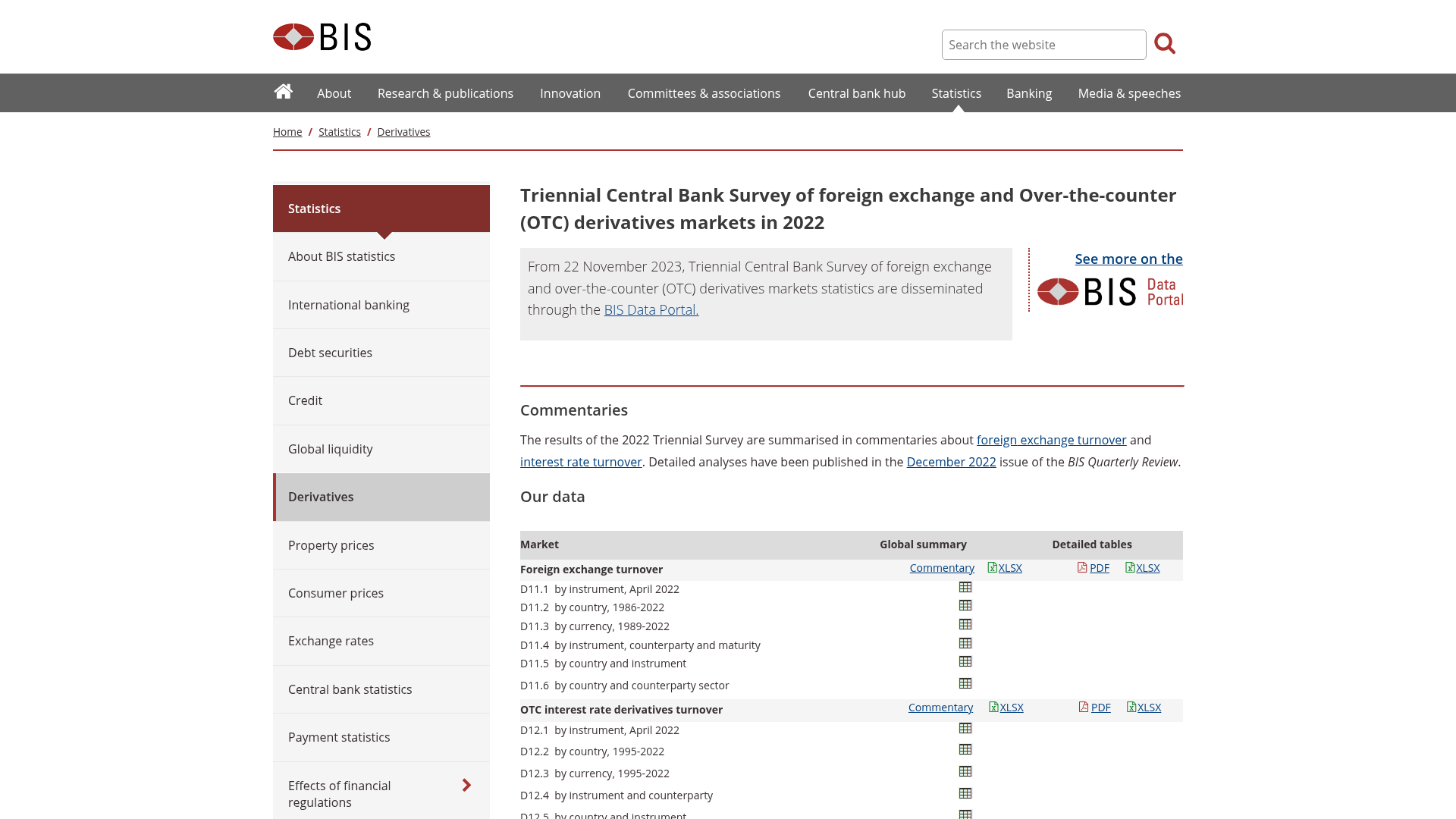
Tangkapan layar halaman resmi di balik aturan dalam panduan ini. Buka sendiri — kata-kata regulator sendiri selalu lebih baik daripada ringkasannya.
Sering ditanyakan
Sumber
Dari mana ini berasal
Ditulis oleh Sofia Reyes
Tutor Risiko & Psikologi. Kami menulis edukasi forex yang terstruktur, dalam bahasa Inggris sederhana untuk orang yang belajar dari awal. Pemahaman dulu, selalu — dan tidak pernah nasihat keuangan. Kursus itu sendiri ada di kurikulum.
Terus belajar
Ke mana panduan ini mengarah selanjutnya
Panduan yang paling dekat dengan ini, sesuai urutan pembangunannya. Masing-masing adalah bacaan lengkap tersendiri, dan tidak ada yang berasumsi Anda telah menyelesaikan halaman ini.
- Biaya Tersembunyi dari Risiko Satu Persen dalam Lima Puluh PerdaganganMemahami bagaimana risiko tetap 1% per perdagangan dapat secara dramatis mengubah kesehatan akun Anda selama 50 transaksi sangat…
- Persimpangan Tak Terlihat: *Ukuran Persentase* (Percentage Sizing) vs. *Lot Tetap* (Fixed Lots) dalam TradingMemahami bagaimana metode penentuan *ukuran perdagangan* Anda – baik yang tetap maupun berbasis persentase – menentukan bentuk…
- Seperti Apa Pengembalian Tahunan yang Realistis bagi *Trader Forex Ritel*Lupakan sensasi; temukan seperti apa pengembalian tahunan yang benar-benar dapat dicapai bagi *trader ritel* dan bagaimana…
- Aritmetika Risiko-Imbalan: Tingkat Kemenangan yang Diam-Diam Dituntut Setiap RasioTemukan hubungan yang tak terpisahkan antara rasio risiko-imbalan dan tingkat kemenangan Anda, dan pelajari aritmetika penting…
- Menguasai Akun $500 Anda: Panduan Mendetail *Ukuran Posisi* (Position Sizing)Temukan langkah-langkah penting untuk menghitung *ukuran posisi* yang tepat untuk akun trading $500, menjaga modal Anda dan…