Panduan · 12 menit baca · 2,591 words
Akun Minimum yang Layak: Ketika Penentuan Ukuran Posisi yang Bijaksana Mencapai Batasnya
Banyak calon trader meremehkan modal yang dibutuhkan untuk secara konsisten menerapkan manajemen risiko yang baik, seringkali menemui jalan buntu di mana penentuan ukuran posisi yang bijaksana tidak lagi berfungsi.

Poin-poin penting
- Merisikokan 1% dari akun yang sangat kecil seringkali berarti stop loss yang sangat ketat, membuat trading yang bijaksana menjadi sulit.
- Biaya transaksi seperti spread, komisi, dan slippage berdampak tidak proporsional pada akun kecil, mengonsumsi porsi yang lebih besar dari anggaran risiko.
- Batas leverage regulasi (misalnya, ESMA 1:30) membutuhkan margin yang signifikan bahkan untuk micro lot, mengikat modal bagi akun kecil.
- Akun minimum yang realistis untuk satu perdagangan micro lot dengan risiko 1% dan stop 20 pip adalah sekitar $217, tidak termasuk margin.
- Akun dengan modal kurang menumbuhkan pola pikir kelangkaan, mengarah pada trading emosional dan pengambilan keputusan yang buruk.
- Demo trading, copy trading, dan tantangan perusahaan prop menawarkan alternatif praktis untuk pembelajaran dan pertumbuhan tanpa merisikokan modal pribadi yang berlebihan.
Impian Akun Mikro £100
Bayangkan Anda membuka akun trading hanya dengan £100. Anda pernah mendengar cerita, melihat iklan tentang memulai dengan modal minimal. Anda membuka akun mikro dengan broker seperti Pepperstone, yang didirikan pada tahun 2010 dan berkantor pusat di Melbourne, Australia, dikenal karena spread-nya yang ketat. Platform dimuat, grafik berkedip, dan Anda siap untuk trading EUR/USD. Tujuan Anda sederhana: hanya menghasilkan beberapa pound sehari. Namun tak lama kemudian, Anda menemui kendala. Risiko 1% per perdagangan yang telah Anda rencanakan dengan cermat, sebuah landasan trading yang bertanggung jawab, tampaknya mustahil untuk diterapkan secara berarti. Ini bukan masalah teoretis; ini adalah hambatan yang sangat nyata yang dihadapi oleh trader baru yang berharap untuk mengembangkan sejumlah kecil uang menjadi sesuatu yang substansial.
Banyak trader baru, yang didorong oleh antusiasme dan mungkin sedikit ketidaksabaran, memulai dengan akun yang terlalu kecil untuk aspirasi mereka. Mereka telah membaca tentang manajemen risiko, tentang melindungi modal, tetapi penerapan praktis aturan-aturan ini dengan dana terbatas bisa menjadi kenyataan yang mengejutkan. Ketika saldo akun Anda kecil, bahkan ukuran perdagangan terkecil yang dapat dicapai dapat mewakili jumlah risiko yang tidak proporsional, memaksa Anda untuk memilih antara melindungi modal Anda atau berpartisipasi di pasar sama sekali. Dilema ini adalah sabotase senyap bagi banyak perjalanan trading bahkan sebelum mereka benar-benar dimulai. Kita akan memeriksa dengan tepat mengapa ini terjadi dan angka-angka praktis apa yang menunjukkan tantangan tersebut.
Risiko per Perdagangan: Matematika Tak Tergoyahkan dari Aturan Emas
Inti dari trading yang berkelanjutan terletak pada konsep risiko per perdagangan. Pedoman yang diterima secara universal, yang diajarkan oleh hampir setiap trader berpengalaman dan manajer risiko institusional, adalah merisikokan tidak lebih dari 1% hingga 2% dari total modal trading Anda pada setiap perdagangan tunggal. Aturan ini dirancang untuk melindungi akun Anda dari drawdown yang menghancurkan, memungkinkan Anda untuk bertahan dari rentetan kerugian yang melekat dalam setiap upaya probabilistik seperti trading. Untuk akun dengan £10.000, merisikokan 1% berarti Anda siap kehilangan £100 pada perdagangan tersebut. Itu adalah jumlah yang nyaman untuk dikelola, memungkinkan fleksibilitas dalam penempatan stop-loss dan ukuran perdagangan Anda.
Namun, terapkan aturan 1% yang sama pada akun hipotetis £100 kita. Risiko 1% pada £100 hanyalah £1. Jumlah kecil ini harus menutupi potensi kerugian jika perdagangan Anda bergerak melawan Anda hingga level stop-loss yang telah Anda tentukan sebelumnya. Tiba-tiba, perhitungannya menjadi sangat membatasi. Bisakah Anda membuka perdagangan yang, jika salah, hanya merugikan Anda £1? Dalam banyak skenario dunia nyata, jawabannya adalah "tidak" yang tegas. Ketidaksesuaian mendasar antara prinsip manajemen risiko standar dan tingkat modal yang kecil inilah yang membuat sistem mulai goyah. Idenya bukan untuk mengecilkan akun kecil, tetapi untuk menjelaskan batasan mekanis yang seringkali tidak diperiksa.
Mendefinisikan Stop Loss yang Bijaksana: Lebih dari Sekadar Angka
Stop loss bukan sekadar angka arbitrer; itu adalah level harga yang dipilih secara strategis di mana Anda mengakui ide perdagangan Anda salah dan keluar untuk membatasi kerugian. Stop loss yang bijaksana mempertimbangkan struktur pasar, volatilitas, dan level teknis utama. Jika Anda trading EUR/USD, dan Anda mengidentifikasi level support di 1.0850, Anda mungkin menempatkan stop loss Anda tepat di bawahnya, mungkin di 1.0840. Perbedaan 10 pip ini mewakili risiko per unit Anda. Jika Anda mengabaikan realitas pasar ini dan menempatkan stop loss Anda terlalu dekat, katakanlah 2 pip jauhnya hanya untuk menyesuaikan anggaran risiko kecil Anda, Anda hampir menjamin perdagangan Anda akan terhenti sebelum waktunya oleh noise pasar normal, bahkan jika bias arah Anda benar. Ini sering disebut "getting wicked out."
Pasar tidak peduli dengan ukuran akun Anda atau persentase risiko yang Anda inginkan. Ini bergerak sesuai dengan penawaran, permintaan, berita, dan aktivitas algoritmik. Mata uang seperti EUR/USD atau GBP/JPY memiliki rentang harian rata-rata yang dapat dengan mudah mencapai 50-100 pip atau lebih. Jika Anda trading pasangan mata uang yang volatil seperti GBP/JPY, yang mungkin berayun 150 pip dalam satu hari, stop loss 10 pip secara efektif adalah bunuh diri. Anda membutuhkan stop loss yang memberi ruang bagi perdagangan Anda untuk bernapas dan menghadapi fluktuasi kecil. Untuk banyak pasangan mata uang populer, stop loss minimum yang realistis, memperhitungkan volatilitas harian rata-rata dan level teknis umum, mungkin berada dalam kisaran 15 hingga 30 pip, atau bahkan lebih untuk timeframe yang lebih besar.
Unit Perdagangan Minimum: Micro Lot dan Batasannya
Untuk memahami bagaimana ukuran akun memengaruhi penentuan ukuran posisi, Anda perlu tahu tentang ukuran lot. Dalam trading forex, mata uang diperdagangkan dalam unit-unit spesifik yang disebut lot. Satu lot standar adalah 100.000 unit mata uang dasar. Satu mini lot adalah 10.000 unit, dan satu micro lot adalah 1.000 unit. Sebagian besar broker ritel, seperti IC Markets (didirikan pada tahun 2007, kantor pusat di Sydney), yang menawarkan trading dalam mata uang, saham, dan CFD, memungkinkan trading dalam micro lot (0.01 lot standar). Ini berarti Anda dapat trading 1.000 unit mata uang dasar.
Mari kita lihat ini dari perspektif yang berbeda. Jika Anda trading EUR/USD, dan Anda membuka posisi 0.01 lot, Anda mengendalikan €1.000. Untuk sebagian besar pasangan mata uang, pergerakan satu pip dalam micro lot biasanya berarti keuntungan atau kerugian sebesar $0.10 (atau €0.10 jika EUR adalah mata uang kuotasi). $0.10 per pip ini adalah peningkatan terkecil yang dapat diukur untuk keuntungan atau kerugian Anda. Sekarang, gabungkan ini dengan diskusi kita sebelumnya tentang risiko per perdagangan dan level stop-loss.
Pertimbangkan akun £100 kita. Jika Anda merisikokan 1% (£1) pada perdagangan, dan micro lot (0.01) berharga $0.10 per pip, stop loss Anda hanya bisa berjarak 10 pip (£1 / $0.10 per pip = 10 pip). Jika akun Anda dalam GBP dan Anda trading EUR/USD, nilai konversi itu penting, tetapi untuk kesederhanaan, mari kita asumsikan paritas kasar atau perbedaan yang dapat diabaikan untuk saat ini. Seperti yang kita bahas, stop loss 10 pip seringkali terlalu ketat untuk efektif pada pasangan mata uang seperti EUR/USD, apalagi yang lebih volatil. Di sinilah batasan praktis mulai terasa berat.
Ukuran Lot Forex dan Nilai per Pip (Akun USD)
| Jenis Lot | Unit Mata Uang Dasar | Nilai per Pip (EUR/USD) |
|---|---|---|
| Lot Standar | 100,000 | $10.00 |
| Lot Mini | 10,000 | $1.00 |
| Lot Mikro | 1,000 | $0.10 |
Di Balik Pip: Spread, Komisi, dan Slippage
Trading tidaklah gratis. Di luar pergerakan pip murni, Anda perlu memperhitungkan biaya transaksi. Setiap transaksi dikenakan spread, yaitu selisih antara harga bid dan ask. Beberapa broker, seperti Pepperstone atau IC Markets, menawarkan spread mentah (raw spread) ditambah komisi, sementara yang lain mungkin menawarkan spread yang lebih lebar tanpa komisi terpisah. Untuk pasangan mata uang populer seperti EUR/USD, spread bisa berkisar antara 0.5 hingga 1.5 pip. Jika Anda membayar 1 pip dalam spread, dan stop loss Anda adalah 10 pip, maka 10% dari risiko Anda sudah hilang hanya untuk masuk ke dalam transaksi.
Banyak broker, termasuk XM (didirikan tahun 2009, kantor pusat di Limassol, Siprus), yang mempromosikan bonus dan promosi, juga menerapkan komisi per lot yang diperdagangkan. Untuk akun ECN, komisi tipikal mungkin sebesar $3.50 per lot standar per sisi, yang berarti $7.00 untuk transaksi pulang-pergi (round turn). Untuk lot mikro (0.01 lot standar), ini berarti $0.07 per transaksi pulang-pergi. Meskipun ini terlihat kecil, namun tetap mengikis anggaran risiko Anda yang sudah sangat kecil, yaitu £1. Ketika Anda berurusan dengan angka sekecil itu, setiap pecahan sen sangat berarti.
Lalu ada slippage. Ini terjadi ketika order Anda dieksekusi pada harga yang berbeda dari yang Anda minta, seringkali selama pasar bergerak cepat atau saat ada peristiwa berita penting. Jika stop loss Anda ditetapkan pada 1.0840, tetapi karena volatilitas pasar, order Anda terisi pada 1.0838, Anda telah mengalami kerugian tambahan sebesar 2 pip. Dengan toleransi risiko £1 dan stop 10 pip, slippage tambahan 2 pip mewakili peningkatan 20% dalam kerugian yang Anda harapkan, yang secara instan mengacaukan manajemen risiko Anda. Ini adalah bagian yang dilewati oleh sebagian besar panduan, namun dalam praktiknya, slippage yang tidak terduga adalah faktor nyata. Untuk akun kecil, slippage kecil sekalipun dapat menyebabkan kerugian yang tidak proporsional.
Trading dengan modal yang tidak memadai seringkali mengarah pada keputusan irasional, di mana setiap kerugian kecil terasa diperbesar, menyebabkan kepanikan dan meninggalkan strategi Anda.
Tangan Besi Regulasi: Batasan Leverage
Leverage memungkinkan Anda untuk mengendalikan posisi yang lebih besar dengan jumlah modal yang lebih kecil. Rasio leverage 1:30 berarti bahwa untuk setiap £1 di akun Anda, Anda dapat mengendalikan mata uang senilai £30. Ini terdengar sangat kuat, dan memang demikian, tetapi regulasi telah secara signifikan membatasi ketersediaannya untuk trader ritel di banyak yurisdiksi. Misalnya, di bawah intervensi ESMA (European Securities and Markets Authority), yang mulai berlaku pada tahun 2018, leverage untuk klien ritel yang memperdagangkan pasangan mata uang utama dibatasi pada 1:30. FCA (Financial Conduct Authority) di Inggris memberlakukan batasan serupa untuk broker di bawah pengawasannya, seperti FxPro (didirikan tahun 2006, kantor pusat di London).
Meskipun leverage tinggi bisa berbahaya jika disalahgunakan, batasan leverage yang lebih rendah membuat akun kecil lebih sulit untuk membuka posisi lot mikro sekalipun tanpa mengikat sebagian besar modal mereka sebagai margin. Jika Anda ingin membuka 0.01 lot (1.000 unit) EUR/USD, dan EUR/USD diperdagangkan pada 1.0800, Anda mengendalikan mata uang senilai €1.080. Dengan leverage 1:30, Anda membutuhkan €1.080 / 30 = €36 sebagai margin. Jika akun Anda dalam GBP, ini sekitar £31. Jika Anda hanya memiliki £100 di akun Anda, satu transaksi lot mikro ini menggunakan 31% dari modal Anda hanya untuk margin. Ini bukan risiko; ini adalah jaminan.
Masalah muncul ketika Anda memperhitungkan risiko Anda. Jika Anda menggunakan £31 sebagai margin untuk sebuah transaksi, dan risiko per transaksi Anda adalah £1, Anda pada dasarnya mengikat sebagian besar modal Anda yang tidak secara langsung terpapar pada kerugian langsung, tetapi tidak tersedia untuk transaksi lain atau untuk menyerap drawdown. Ini mengurangi modal efektif yang dapat Anda gunakan untuk peluang baru. Beberapa broker yang beroperasi di bawah regulasi yang kurang ketat, misalnya, yang diatur oleh FSA (Seychelles) seperti IC Markets atau Exness, mungkin menawarkan leverage yang lebih tinggi, terkadang 1:500 atau bahkan lebih tinggi. Namun, mengejar leverage yang sangat tinggi seringkali berarti beroperasi dengan perlindungan regulasi yang lebih sedikit, sebuah kompromi yang harus sangat disadari oleh trader dengan akun kecil.
Perhitungan "Modal Minimum yang Dapat Diperdagangkan"
Mari kita gabungkan elemen-elemen ini untuk mencari tahu ukuran akun minimum yang realistis untuk trading yang masuk akal. Kita memerlukan target risiko per transaksi, jarak stop loss yang praktis, dan unit transaksi terkecil yang tersedia.
Asumsi:
- Risiko per transaksi: 1% dari saldo akun
- Stop loss minimum yang masuk akal: 20 pip (untuk pasangan mata uang utama seperti EUR/USD)
- Unit transaksi terkecil: 0.01 lot (lot mikro), bernilai $0.10 per pip
- Biaya transaksi: 1 pip spread + komisi $0.07 (pulang-pergi)
Perhitungan Biaya Pip Termasuk Biaya-biaya Lain:
- Total biaya pip untuk kerugian (stop loss + spread): 20 pip + 1 pip = 21 pip
- Kerugian dalam USD untuk 0.01 lot: 21 pip * $0.10/pip = $2.10
- Tambahkan komisi: $2.10 + $0.07 = $2.17
Ini berarti, jika Anda membuka transaksi 0.01 lot dengan stop 20 pip dan 1 pip spread serta komisi, Anda berpotensi kehilangan $2.17 jika stop Anda tersentuh.
Sekarang, untuk menerapkan aturan risiko 1% kami, kerugian $2.17 ini harus mewakili 1% dari total modal akun Anda.
- Jika $2.17 = 1% dari Modal Akun, maka Modal Akun = $2.17 / 0.01 = $217.
Oleh karena itu, ukuran akun minimum sekitar $217 (atau sekitar £175-£180, tergantung nilai tukar) diperlukan hanya untuk mengeksekusi satu transaksi lot mikro dengan stop loss 20 pip yang masuk akal sambil mempertahankan aturan risiko 1%, dengan asumsi spread dan komisi rata-rata. Perhitungan ini menunjukkan bahwa akun £100 awal kita sudah berada di bawah ambang batas fungsional ini. Jika Anda mencoba trading dengan modal kurang dari ini, Anda secara efektif dipaksa untuk melanggar setidaknya satu aturan fundamental: entah mengambil risiko lebih dari 1% per transaksi, menggunakan stop loss yang terlalu ketat, atau memperdagangkan ukuran lot yang lebih kecil dari lot mikro (yang sebagian besar broker tidak menawarkannya). Semakin kecil akun Anda di bawah ambang batas ini, semakin terganggu penentuan ukuran posisi Anda.
Modal Akun Minimum untuk Trading Lot Mikro yang Bijaksana (EUR/USD)
| Parameter | Nilai |
|---|---|
| Risiko per transaksi | 1% dari akun |
| Stop Loss (Pip) | 20 pip |
| Spread (Pip) | 1 pip |
| Komisi (Dua Arah untuk 0.01 lot) | $0.07 |
| Total Biaya Pip (0.01 lot) | $0.10 per pip |
| Total Potensi Kerugian per Transaksi | $2.17 |
| Modal Akun Minimum yang Dibutuhkan (USD) | $217 |
Beban Psikologis Akibat Keterbatasan Modal
Meskipun Anda berhasil masuk ke pasar dengan akun yang sangat kecil, beban psikologisnya bisa sangat besar. Trading dengan modal yang tidak memadai seringkali menyebabkan keputusan yang tidak rasional. Setiap kerugian kecil terasa diperbesar, memicu kepanikan. Tekanan untuk "mengembalikan" kerugian menjadi sangat besar, yang mengarah pada overtrading, revenge trading, dan mengabaikan strategi Anda. Anda mungkin mendapati diri Anda mengambil risiko 5% atau 10% per transaksi, berharap mendapatkan kemenangan cepat untuk mengembangkan akun Anda, tetapi justru Anda menghabiskannya dalam beberapa transaksi yang buruk.
Ini bukan hanya tentang angka finansial; ini tentang pola pikir Anda. Ketika setiap pip terasa seperti persentase signifikan dari modal Anda yang tersisa, menjadi sangat sulit untuk trading secara objektif. Ketakutan akan kerugian mendominasi, membuat Anda menutup transaksi yang profit terlalu cepat atau mempertahankan transaksi yang rugi terlalu lama, berharap adanya pembalikan. Rollercoaster emosional ini adalah konsekuensi langsung dari pola pikir kelangkaan yang dipaksakan oleh akun yang kekurangan modal. Ini hampir seperti mencoba lari maraton dengan perut kosong; Anda mungkin bisa memulai, tetapi tidak akan bertahan lama.
Trader profesional beroperasi dengan modal yang memungkinkan mereka menerima kerugian tanpa gentar, karena mengetahui bahwa serangkaian kerugian adalah bagian normal dari permainan. Mereka memiliki bantalan finansial untuk tetap berpegang pada rencana mereka selama periode yang tidak menguntungkan. Tanpa bantalan ini, Anda berjuang dalam dua pertempuran sekaligus: pasar dan saraf Anda yang tegang. Ini adalah pertempuran yang hanya sedikit orang bisa menangkan.
Alternatif untuk Memulai dengan Modal Kecil
Jadi, jika akun sebesar £100 seringkali terlalu kecil untuk trading live yang efektif, pilihan apa yang dimiliki para calon trader? Rekomendasi terbaik adalah selalu menabung lebih banyak modal. Targetkan setidaknya £500, idealnya £1.000 atau lebih, sebelum trading live. Ini memberi Anda lebih banyak ruang gerak untuk penentuan ukuran posisi yang masuk akal. Namun, saat Anda menabung, ada alternatif yang produktif.
Pertama, demo trading sangatlah penting. Sebagian besar broker, mulai dari OANDA (didirikan 1996, kantor pusat New York, terpilih sebagai Broker Forex Paling Populer dan Terbaik oleh TradingView pada tahun 2021) hingga FOREX.com (didirikan 2001, kantor pusat New Jersey, broker forex #1 di AS), menawarkan akun demo gratis. Ini memungkinkan Anda untuk melatih strategi Anda, memahami mekanisme pasar, dan menyempurnakan ukuran posisi Anda tanpa mempertaruhkan sepeser pun uang sungguhan. Perlakukan akun demo Anda seperti akun sungguhan, terapkan semua aturan manajemen risiko Anda.
Kedua, platform copy trading atau social trading, seperti eToro (didirikan 2007, kantor pusat Tel Aviv), memungkinkan Anda untuk secara otomatis meniru transaksi trader berpengalaman. Ini bisa menjadi cara untuk berpartisipasi di pasar dengan modal yang lebih kecil, karena platform secara otomatis menyesuaikan transaksi yang disalin dengan ukuran akun Anda. Namun, ini tidak tanpa risiko, karena kinerja masa lalu bukanlah jaminan hasil di masa depan, dan Anda tetap mengekspos modal Anda pada fluktuasi pasar. Ini adalah cara untuk belajar dengan mengamati, tetapi bukan pengganti untuk mengembangkan keterampilan Anda sendiri.
Ketiga, pertimbangkan prop firm challenges. Beberapa perusahaan trading proprietary menawarkan tantangan di mana Anda membayar biaya, trading di akun simulasi dengan modal mereka, dan jika Anda memenuhi target profit dan aturan risiko tertentu, Anda akan didanai dengan modal sungguhan. Meskipun ini membutuhkan disiplin dan keterampilan, ini menyajikan jalan untuk trading dalam jumlah besar tanpa memerlukan modal pribadi untuk margin. Ini seringkali lebih baik daripada mencoba menghasilkan sesuatu dari ketiadaan dengan dana kecil Anda sendiri.
Membangun Modal Trading Anda Secara Strategis
Jalan menuju trading yang sukses dengan akun kecil bukanlah tentang pertumbuhan ajaib; ini tentang manajemen modal yang strategis dan pengembangan keterampilan yang konsisten. Jika Anda benar-benar hanya memiliki £100 untuk trading, anggaplah itu sebagai anggaran belajar, bukan dana investasi. Secara realistis, dengan jumlah sekecil itu, tujuan Anda seharusnya adalah untuk bertahan, belajar, dan mengidentifikasi strategi yang menguntungkan, daripada menghasilkan pendapatan yang signifikan.
Pendekatan yang masuk akal adalah membangun modal Anda di luar trading. Fokus pada pendapatan utama Anda, pangkas pengeluaran, dan menabung dengan rajin. Setiap tambahan £100 yang Anda masukkan ke akun trading Anda membuat penentuan ukuran posisi lebih mudah, tidak terlalu stres, dan lebih selaras dengan manajemen risiko profesional. Anggap akun trading Anda sebagai sebuah bisnis, dan bisnis membutuhkan modal awal yang memadai untuk beroperasi secara efisien dan menyerap kemunduran awal.
Ingat, pasar akan selalu ada. Tidak perlu terburu-buru untuk "cepat kaya" dengan dana yang tidak memadai. Kesabaran, edukasi, dan kapitalisasi yang tepat adalah alat yang jauh lebih ampuh daripada leverage tinggi dengan modal pas-pasan. Dengan memahami batasan mekanis yang dibahas di sini, Anda dapat mendekati trading dengan perspektif yang lebih jelas dan realistis, menyiapkan diri Anda untuk kelangsungan hidup jangka panjang dan potensi pertumbuhan. Akun Anda mungkin terasa kecil sekarang, tetapi dengan tabungan yang disiplin dan penerapan strategis dari apa yang telah Anda pelajari, tidak harus tetap seperti itu.
Baca sumber utama
Periksa di regulator, bukan pada kami
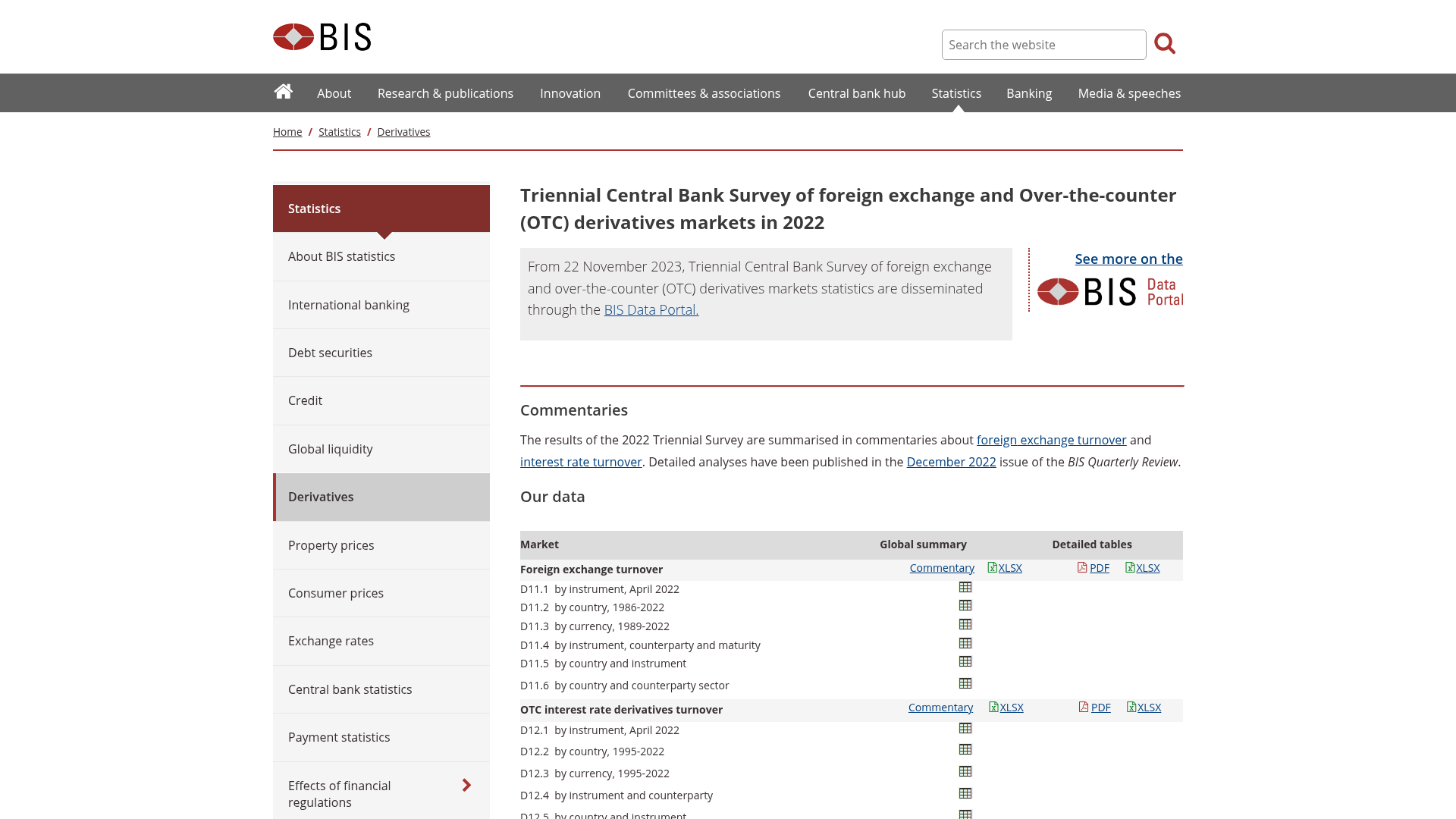
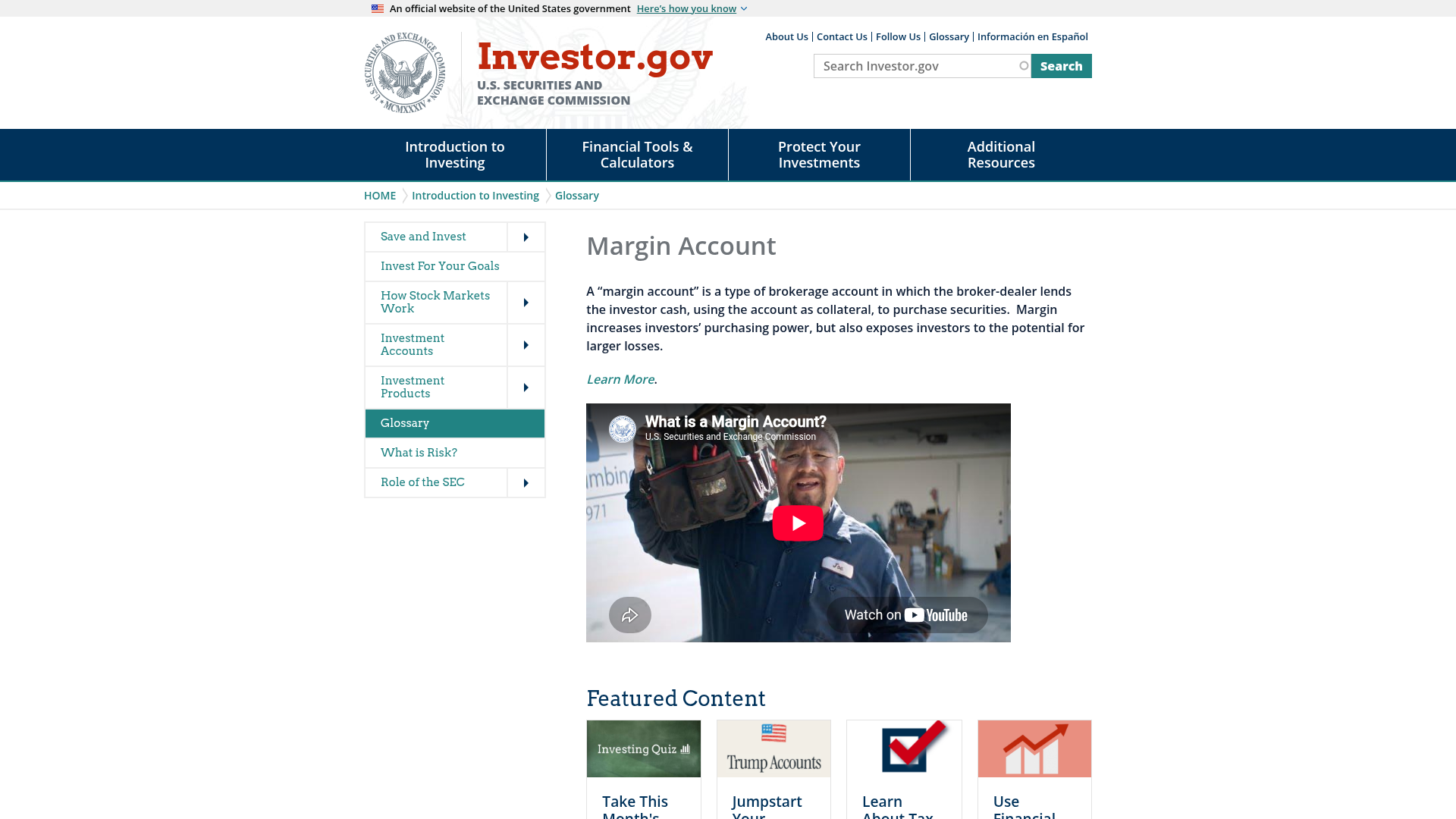
Tangkapan layar halaman resmi di balik aturan dalam panduan ini. Buka sendiri — kata-kata regulator sendiri selalu lebih baik daripada ringkasannya.
Sering ditanyakan
Sumber
Dari mana ini berasal
Ditulis oleh Sofia Reyes
Tutor Risiko & Psikologi. Kami menulis edukasi forex yang terstruktur, dalam bahasa Inggris sederhana untuk orang yang belajar dari awal. Pemahaman dulu, selalu — dan tidak pernah nasihat keuangan. Kursus itu sendiri ada di kurikulum.
Terus belajar
Ke mana panduan ini mengarah selanjutnya
Panduan yang paling dekat dengan ini, sesuai urutan pembangunannya. Masing-masing adalah bacaan lengkap tersendiri, dan tidak ada yang berasumsi Anda telah menyelesaikan halaman ini.
- Dari Demo ke Live: Empat Langkah Bertahap menuju Trading SesungguhnyaTransisi dari akun demo ke trading uang sungguhan memerlukan pendekatan terstruktur untuk mengelola risiko dan menguasai tuntutan…
- Menguasai Akun $500 Anda: Panduan Mendetail Penentuan Ukuran PosisiTemukan langkah-langkah penting untuk menghitung ukuran posisi yang tepat untuk akun trading $500, melindungi modal Anda dan…
- Penentuan ukuran posisi menjadi mudah (dengan contoh yang dikerjakan)Pelajari cara menghitung ukuran perdagangan yang tepat untuk akun forex Anda guna mengelola risiko secara efektif dan melindungi…
- Aritmetika Risiko-Imbalan: Tingkat Kemenangan yang Diam-diam Dituntut Setiap RasioTemukan hubungan tak terpisahkan antara rasio risiko-imbalan dan tingkat kemenangan Anda, serta pelajari aritmetika penting untuk…
- Ukuran Lot Forex Dijelaskan: Standard, Mini, dan MicroMemahami ukuran lot adalah fundamental untuk mengelola risiko dalam trading forex; pelajari bagaimana lot standard, mini, dan micro…