Guide · 13 min read · 3,460 words
Recency Bias: When Your Last Trade Dictates Your Next One
Discover how the deceptive influence of recent trading outcomes can silently sabotage your strategy and lead to costly, irrational decisions in the markets.

Key takeaways
- Recency bias causes traders to overemphasize recent wins or losses, leading to overconfidence or excessive caution.
- It directly impacts risk management, often resulting in inconsistent position sizing and ill-advised stop-loss adjustments.
- Markets do not possess 'memory'; past price action, while informative, is not a guarantee of future movements.
- A strong trading plan, along with diligent journaling and objective performance review, is the primary antidote to this bias.
- Leverage amplifies the psychological effects of recency bias, making disciplined risk control even more vital.
- Regular breaks from trading and focusing on long-term statistical probabilities help re-calibrate perspective.
The Ghost in the Machine: How Your Last Trade Haunts the Next
Imagine you've just closed a string of three successful trades, each hitting its profit target with satisfying precision. Your account balance looks healthy, your confidence is soaring, and you feel like you've finally cracked the market's code. What do you do next? For many traders, the immediate, almost instinctual response is to scale up, take on more risk, or pursue the next opportunity with a sense of invincibility. Now, consider a week filled with frustrating losses. Each stop-loss triggered feels like a personal affront, chipping away at your capital and resolve. When a seemingly good setup appears, you hesitate, shrink your position size, or perhaps skip it entirely, paralyzed by the fear of another setback.
This isn't about being a good or bad trader; it's about being human. This phenomenon, where recent events disproportionately influence our judgments and decisions about the future, is known as recency bias. In trading, it's particularly insidious because the markets offer constant, immediate feedback. A big win today feels like proof your system is flawless, while a losing streak can make a perfectly sound strategy seem broken. The danger isn't the win or the loss itself, but how these recent outcomes subtly, yet powerfully, steer your subsequent actions, often derailing a well-thought-out trading plan.
Think of it like driving a car, but instead of looking at the road ahead and using all your mirrors, you're constantly glancing only at the last ten feet of pavement you've covered. You might get by for a bit, but eventually, you're going to miss something crucial further down the road. Recency bias narrows your trading perspective, making you reactive rather than strategic. It's a quiet saboteur, undermining discipline one trade at a time.
Why Our Brains Love the Latest News More
Our brains are wired for efficiency, and one way they achieve this is by taking shortcuts. When faced with uncertainty, we tend to rely on information that's most readily available or recent in our memory. This isn't a flaw; it's an evolutionary adaptation that often served us well in simpler, more immediate environments. However, in the complex, probabilistic world of financial markets, this shortcut becomes a significant liability.
When you score a big win, your brain releases dopamine, a feel-good chemical. This reinforces the behavior, making you associate that recent success with your current trading approach. You might unconsciously attribute the win to your 'skill' rather than a confluence of market conditions or pure chance. This can lead to overconfidence, a feeling that your 'hot hand' is unstoppable, causing you to deviate from your established risk management rules.
On the flip side, a series of losses triggers stress hormones, putting your brain into a defensive mode. The memory of recent losses becomes prominent, making you overly cautious, fearful, and hesitant. This can lead to missed opportunities, or even worse, 'revenge trading' where you try to aggressively win back what you've lost, often taking on excessive risk without proper analysis. The intensity of these emotional responses makes the most recent outcomes feel like the most accurate predictors of what's coming next, even when logic suggests otherwise.
The Silent Erosion of Risk Management
The most damaging impact of recency bias is its insidious effect on your risk management. A solid trading strategy is built on consistent, repeatable risk parameters. Recency bias tempts you to abandon these. After a strong winning streak, traders often increase their position size, thinking, 'I'm on a roll, I can afford to risk more.' This is a classic trap: risking more when confidence is high but objective conditions haven't changed. If the market then turns, these larger positions lead to disproportionately larger losses, wiping out several small wins in one fell swoop.
Similarly, a losing streak can lead to shrinking position sizes even for high-probability setups, out of fear. Or, in a desperate attempt to recover losses quickly, a trader might widen stop-losses, or even worse, remove them entirely, clinging to a losing trade in the hope of a reversal. This is the part most guides skip: it's not just about having a stop-loss, it's about the discipline to stick to it and not move it based on the emotional pressure of recent trades. This inconsistent application of risk rules is a recipe for long-term failure.
Consider the two scenarios below. Trader A sticks to their risk rules, while Trader B lets recent outcomes dictate their risk, reducing it after losses and increasing after wins. Over 10 trades, Trader B's emotional adjustments lead to a significantly worse outcome, despite having the same number of wins and losses as Trader A.
The Mirage of Market Memory
Markets, unlike people, have no memory. The price action from last week, yesterday, or even five minutes ago, does not inherently dictate what will happen next. While historical data is invaluable for identifying patterns, understanding market structure, and backtesting strategies, mistaking recent patterns for infallible predictions is a form of recency bias. Just because a certain setup worked beautifully three times in a row doesn't mean it's guaranteed to work on the fourth. The underlying dynamics, participant behavior, and external factors are constantly shifting.
Professional traders understand that while patterns repeat, they rarely do so identically. The market is a complex, adaptive system. What worked last month might not work this month because the economic situation, geopolitical tensions, or even the sentiment of large institutional players has changed. Distinguishing between genuine shifts in market conditions that warrant a strategic adjustment and the psychological pull of recency bias is critical. A strategy that performed well for the past year should be reviewed periodically for its continued relevance, not abandoned after two bad trades, nor blindly followed after two good ones.
One common pitfall is the belief that 'the market always corrects' after a strong move, simply because it has done so recently. While corrections are a natural part of market cycles, there's no guarantee of when or how much they will occur, based solely on the last instance. Relying on such a recent memory can lead to premature entries against strong trends or holding onto losing positions for too long, expecting an immediate bounce that might never materialize.
Data vs. Emotion: A Practical Showdown
The most powerful weapon against recency bias is objective data. Instead of reacting to your last trade, you need to react to the statistical probabilities revealed by a significant sample of trades. This means meticulously tracking your trading performance in a journal. A good trading journal doesn't just record wins and losses; it captures the entry and exit points, the reasons for the trade, market conditions, and your emotional state at the time. This detailed record allows you to step back and analyze your strategy's true edge over dozens or hundreds of trades, rather than being swayed by the outcome of the last two or three.
Backtesting is another invaluable tool. By applying your strategy to historical data, you can see how it would have performed across various market cycles, not just the recent ones. This gives you a statistical understanding of your strategy's win rate, average profit, average loss, and maximum drawdown. When you know, for example, that your strategy typically has a 60% win rate and can endure a sequence of 5-7 losing trades, a current losing streak of three trades doesn't feel like the end of the world. It's just a normal fluctuation within the expected parameters of your strategy's performance.
This kind of data-driven perspective helps you depersonalize your trades. A loss isn't a reflection of your inadequacy; it's a statistical event within a larger probabilistic framework. A win isn't a sign of your genius; it's another data point confirming your edge. This detachment is vital for consistent execution. Without it, you're constantly chasing emotions, making it impossible to apply a consistent methodology.
Building the Anti-Bias Shield: Your Trading Plan
A detailed trading plan acts as your personal anti-bias shield. It’s a pre-defined set of rules that dictates your actions before you even consider opening a position. This plan should cover everything from market selection and analysis methods to entry and exit criteria, position sizing, and risk per trade. The critical element is that these rules are established before the emotional charge of a live trade takes hold. When you have a plan, your job isn't to decide what to do next; it's simply to execute what you've already decided.
For instance, your plan might state: "Risk no more than 1% of total account equity per trade." This rule doesn't change whether you've just had a massive win or a crushing loss. If you start doubling your risk after a win, or halving it after a loss, you're not following your plan – you're letting recency bias take the wheel. The plan removes the need for spontaneous, emotionally charged decisions, which are the primary breeding ground for bias.
In practice, this means writing down your plan and reviewing it regularly, especially before your trading session. It's a living document that can be refined over time, but never on the fly during active trading. Any adjustments to the plan should come from a calm, objective review of your long-term performance data, not from the immediate impact of your last few trades. This structured approach forces you to confront your biases and adhere to a rational framework, making your trading far more resilient against the fickle winds of market sentiment.
Recency bias is a quiet saboteur, undermining discipline one trade at a time by making us reactive rather than strategic.
Leverage: The Amplification Lens for Bias
Leverage is a powerful tool in trading, allowing you to control a large position with a relatively small amount of capital. However, it's also a magnifying glass for recency bias. When you're using high leverage, the financial impact of each trade is significantly amplified, which in turn intensifies the emotional response. A small price movement can lead to substantial percentage gains or losses on your account equity, making recent outcomes feel even more impactful.
Consider a trader using 1:30 leverage, a common cap for retail clients under ESMA intervention in Europe. A small win with a highly leveraged position can create a surge of overconfidence, leading them to apply even more leverage or take on larger positions on their next trade, mistakenly believing their 'edge' has increased. The subsequent trade, if it goes against them, can result in a rapid and substantial loss, putting their account in jeopardy. On the other hand, a few leveraged losses in a row can quickly erode capital, leading to margin calls and forcing panic decisions, such as closing trades prematurely or over-trading to 'get back to even'.
Brokers like Pepperstone, IC Markets, and OANDA offer varying leverage options depending on regulation and asset class. While high leverage might seem appealing for potential gains, it demands an even stricter adherence to risk management rules to mitigate the amplified emotional swings caused by recency bias. Understanding that leverage magnifies both profits and losses, and therefore also magnifies the psychological pressure, is the first step toward managing it responsibly.
Tools of the Trade: Using Broker Platforms Wisely
Modern trading platforms, offered by brokers like XM, AvaTrade, and FOREX.com, come packed with features designed to enhance your trading experience. However, some of these, if used without awareness, can inadvertently feed recency bias. For example, platforms that highlight 'top traders' or display community sentiment can create a fear of missing out (FOMO) or pressure to follow recent successes, leading you away from your own well-researched strategy.
While social trading features, as seen on platforms like eToro, can be beneficial for learning and diversifying, blindly following others' recent winning trades without understanding their underlying strategy and risk profile is a form of recency bias. Just because someone else had a profitable trade last week doesn't mean their next trade will be, or that their strategy aligns with your risk tolerance or capital.
The key is to use these powerful tools for information gathering and efficient execution within the framework of your established trading plan, not as a substitute for independent analysis. Configure your charts and indicators to provide objective data, not emotional cues. Use features like one-click trading for quick execution after your analysis is complete, not for impulse trades driven by recent market moves. A platform like TradingView, often integrated with brokers like Pepperstone, offers extensive customization, allowing you to build a workspace that supports disciplined decision-making rather than reactive trading.
Key Information for Selected Trading Brokers
| Broker Name | Founded Year | Headquarters City | Primary Regulators |
|---|---|---|---|
| XM | 2009 | Limassol, Cyprus | CySEC, ASIC, IFSC |
| AvaTrade | 2006 | Dublin, Ireland | Central Bank of Ireland, ASIC, FSCA |
| FOREX.com | 2001 | New Jersey, USA | CFTC/NFA, FCA, ASIC |
| OANDA | 1996 | New York, USA | FCA, CFTC/NFA, ASIC |
| Pepperstone | 2010 | Melbourne, Australia | FCA, ASIC, CySEC |
The Power of Perspective: Stepping Away to See Clearly
One of the simplest yet most effective ways to combat recency bias is also one of the hardest to implement: stepping away. After a significant win or loss, or even just after a few hours of intense trading, take a break. Walk away from the screen. Go for a walk. Do something completely unrelated to trading. This allows your emotional state to normalize and gives your brain a chance to reset. It helps you regain perspective, moving your focus from the immediate outcome of the last trade to the broader context of your trading strategy and long-term goals.
Many traders fall into the trap of continuous monitoring, believing they need to be glued to the charts to catch every opportunity. This constant immersion makes it almost impossible to escape the psychological pull of recent price action. By taking regular breaks—whether it's an hour after a trade, a day after a difficult session, or even a full weekend away from the markets—you create mental space. This space is where objective analysis can re-emerge, free from the lingering emotional residue of your last trade. In practice, the desk will ask twice: are you really sure you want to trade again right now, or should you take five?
When you return, you're more likely to approach the next trade with a clear head, adhering to your plan and evaluating the setup based on its merits, not on whether your last trade was a winner or a loser. This deliberate disengagement is not laziness; it's a strategic move to preserve your mental capital and ensure that your decisions are driven by logic and probability, not by the fleeting echoes of recent market events.
Position Sizing: The Amplifier of Recent Emotions
One of the most direct ways recency bias can creep into your trading, often with silent but significant consequences, is through your position sizing. Imagine you’ve just nailed three profitable trades in a row. You feel good, maybe even a little invincible. The temptation to "lean into" this feeling and increase your trade size for the next entry is powerful. Your brain whispers, "You're on a roll, this is your moment to make serious money!" But what happens if that next trade, the one you’ve just super-sized, turns out to be a loser? That single loss, now amplified, can wipe out a good chunk of your recent gains, or worse, put you in a deeper hole than if you’d stuck to your plan. Consider the opposite scenario. You've had a tough week, a string of stop-outs, and your confidence is feeling a bit bruised. When a perfectly valid setup, one that aligns precisely with your proven strategy, flashes on your screen, what’s your first instinct? Often, it's to hesitate. You might reduce your position size significantly, or even talk yourself out of the trade entirely. If that trade then goes on to hit its profit target, you're left with a double sting: not only did you experience the emotional weight of your earlier losses, but you also missed out on recovering some of that capital because fear prompted you to under-capitalize a winning setup. This isn't disciplined risk management; it's emotional reaction, driven by the most recent outcomes. A cornerstone of sound trading is consistent risk per trade. Many successful traders aim to risk a fixed percentage of their account equity on each individual trade – typically between 0.5% and 2%. This means that as your account grows, your position size naturally increases, and as it shrinks, your position size decreases. It’s a mathematical adjustment, not an emotional one. For instance, if you start with a $10,000 account and risk 1% per trade, you’re risking $100. If your account grows to $11,000, your 1% risk means you’re now risking $110. This scaling is automatic and objective. Diverging from this fixed percentage based on recent performance is where recency bias takes hold, turning a systematic approach into a gamble. As you can see, a disciplined trader always knows exactly how much they are risking relative to their capital. The emotional trader, however, exposes significantly more capital when feeling confident, making themselves vulnerable to larger drawdowns, or deprives themselves of potential profits when feeling hesitant. This isn't about being conservative or aggressive; it's about being consistent. Firms like OANDA or FxPro offer detailed account metrics that can help you track your actual risk per trade over time, helping you identify if your sizing is truly consistent or if emotions are subtly influencing your decisions. Stick to your rule, not your gut feeling about the last trade.
The Impact of Emotionally-Driven Position Sizing on Capital at Risk
| Trading Scenario | Account Equity | Disciplined Risk (1% of equity) | Emotional Risk (after big win, 2% of equity) | Emotional Risk (after big loss, 0.5% of equity) |
|---|---|---|---|---|
| Start of Trading | $10,000 | $100 | $200 | $50 |
| After a +$500 Win | $10,500 | $105 | $210 | $52.50 |
| After a -$200 Loss | $10,300 | $103 | $206 | $51.50 |
The Unseen Costs: Opportunity Loss and Mental Capital
Recency bias often leaves a trail of obvious financial damage, like larger-than-planned losses from over-sizing or missed profit targets from under-sizing. But it also incurs unseen, perhaps even more damaging, costs: opportunity loss and the depletion of your mental capital. These aren't line items on your broker statement, but they profoundly affect your long-term consistency and well-being as a trader. Let's talk about opportunity loss first. After a string of losing trades, even if your trading plan signals a high-probability setup, the sting of recent failures can make you freeze. You might rationalize, "I'll sit this one out, just to be safe," or "The market feels choppy after my losses." This isn't risk management; it's fear-driven paralysis. When that 'skipped' trade goes on to hit its profit target, you've not only missed out on the financial gain, but you've also reinforced a negative pattern: allowing emotion to override a rational decision based on your strategy. You're essentially paying a "fear tax" on your potential profits. After a string of easy wins, feeling unstoppable, you might jump into a trade that barely meets your criteria, or even outright violates a rule, just because you feel 'lucky' or 'in the flow'. When this marginal trade inevitably turns against you, that’s another form of opportunity loss – the opportunity to preserve capital for genuinely good setups. Beyond the direct financial impact, there's the unseen drain on your mental capital. Every time you make an emotionally charged decision – whether it's over-sizing a winning trade or hesitating on a valid one – you expend psychological energy. This constant internal battle, fighting against your primal urges to chase or hide, is exhausting. Think of your mental capital as a finite resource, much like your trading capital. The more you draw on it with impulsive, biased decisions, the faster it depletes. This depletion can manifest as fatigue, irritability, a shorter temper, or a general feeling of being overwhelmed. When your mental capital is low, your ability to stick to your plan, analyze the market objectively, and manage trades effectively diminishes significantly. This often leads to rash, desperate actions like revenge trading – trying to immediately recoup losses – or abandoning a perfectly sound strategy because you're too worn out to trust it. To protect this invaluable resource, consider simple, practical measures. Implement a "daily loss limit" not just as a financial stop, but as a psychological off-switch for the day. For example, some traders decide that if they hit a 2% drawdown for the day, they simply close their platforms like eToro or Plus500, and walk away, no matter the time. This isn't about giving up; it's about preserving your mental clarity for tomorrow. Similarly, a "daily profit target" can prevent overtrading when you're feeling on top of the world. It sets a boundary, a clear signal to step back and allow your mind to reset. Protecting your mental capital is just as vital as protecting your financial capital, for without it, sustained success in trading becomes an incredibly difficult, if not impossible, endeavor.
Cultivating True Trading Resilience
Overcoming recency bias isn't a one-time fix; it's an ongoing process of self-awareness, discipline, and commitment to your trading plan. It's about training your mind to prioritize the long-term probabilities and your established edge over the short-term emotional highs and lows that come with each individual trade. By consistently reviewing your trading journal, sticking to your risk management rules, and understanding that every trade is just one small data point in a much larger series, you build true trading resilience.
Remember, your goal isn't to win every trade, but to execute your profitable strategy consistently over time. Focus on the process: did you follow your plan? Did you manage your risk appropriately? If the answer is yes, then the outcome of any single trade, whether a win or a loss, is merely a consequence of playing the probabilities. The market doesn't care about your feelings, and neither should your trading decisions. Cultivate the mindset of a casino owner who knows the house edge will eventually prevail, despite individual table wins or losses, and your trading will transform. Stay vigilant, stay disciplined, and let your well-tested plan, not your last trade, be your guide.
Read the primary source
Check it at the regulator, not at us
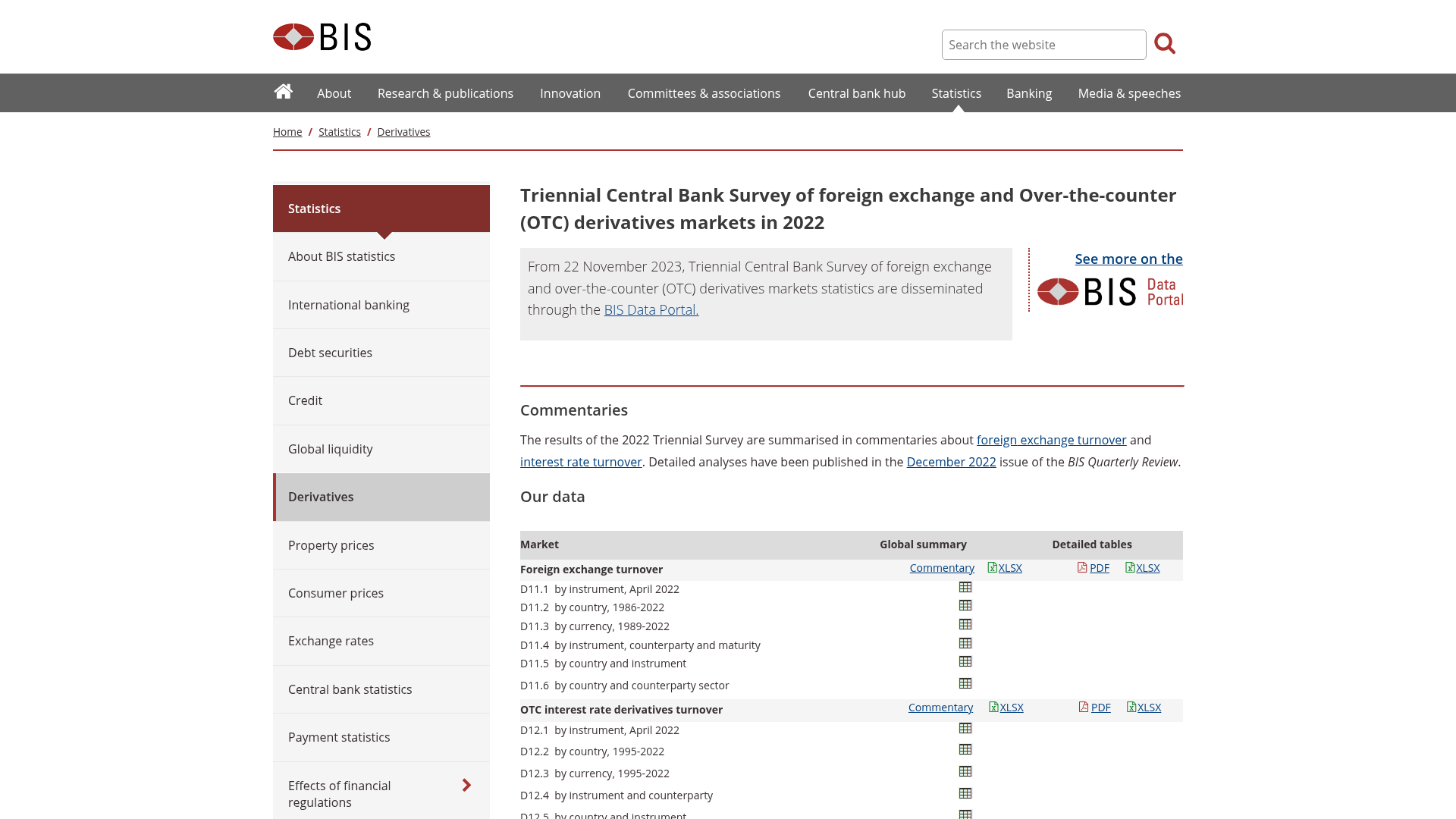
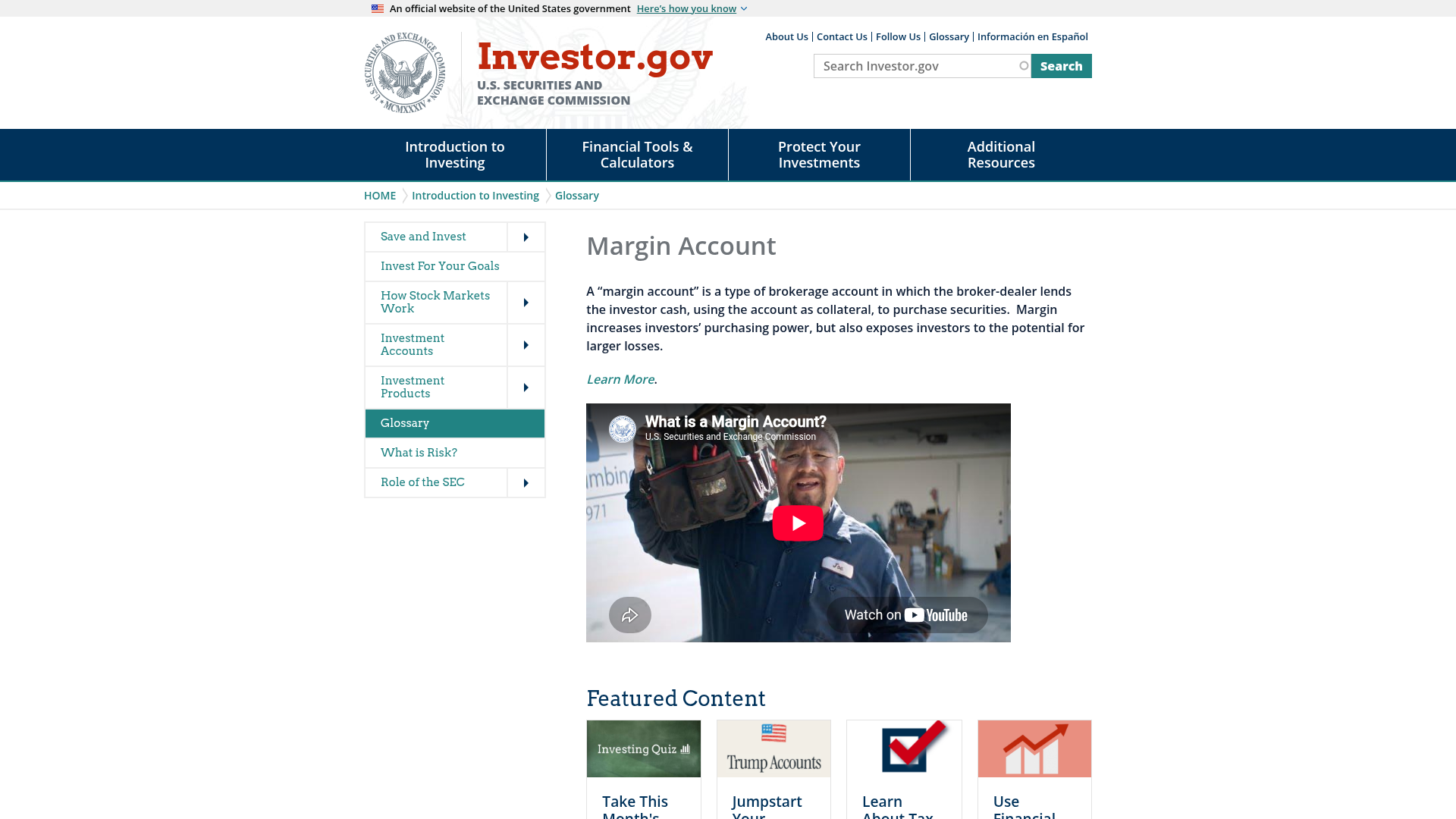
Screenshots of the official pages behind the rules in this guide. Open them yourself — the regulator’s own words always beat a summary of them.
Frequently asked
Sources
Where this came from
Written by Elena Marsh
Lead Instructor. We write structured, plain-English forex education for people learning from scratch. Understanding first, always — and never financial advice. The course itself lives in the curriculum.
Keep learning
Where this guide leads next
The guides closest to this one, in the order they build on it. Each is a full read on its own, and none of them assume you finished this page.
- Loss Aversion: Why Traders Cling to Losers and Cut WinnersDiscover how the deep-seated psychological tendency of loss aversion subtly shapes trading decisions, often causing you to close…
- The Quiet Whisper of Danger: Working through Winning Streaks in TradingA string of profitable trades can subtly erode discipline, leaving even experienced traders vulnerable to self-sabotage and…
- Your Trading Account Is Not Your Self-WorthTrading success hinges not on flawless market calls, but on rigorously separating your personal identity and self-esteem from the…
- Holding On: Conquering Sunk Costs in Your Active TradesDiscover how the hidden trap of sunk-cost thinking affects your trading decisions and learn practical strategies to protect your…
- From Idea to Execution: Crafting a Solid Trading PlanA brilliant trading idea is just a thought; transforming it into a clear, actionable plan is where successful traders build their…