دليل · 12 دقيقة قراءة · 2,154 words
لحظة ما بعد النقر: رحلة تداولك من الداخل
تلك اللحظة الفاصلة بين النقر على "شراء" ورؤية مركزك مفتوحاً هي عبارة عن سلسلة من العمليات المعقدة. افهم ما يحدث حقاً لأمرك.
أهم النقاط
- تداولك ليس فورياً؛ إنه رحلة بيانات متعددة الخطوات من جهازك إلى مزودي السيولة والعودة.
- يستخدم الوسطاء نماذج تنفيذ مختلفة—صانع السوق (Market Maker)، المعالجة المباشرة (STP)، شبكة الاتصالات الإلكترونية (ECN)—يؤثر كل منها على السعر والسرعة والشفافية.
- الانزلاق السعري (slippage) وإعادة التسعير (requotes) هي حقائق سوقية شائعة حيث يختلف السعر المتوقع عن السعر المنفذ، خاصة خلال فترات التقلب.
- الكمون (latency)، وهو سرعة نقل البيانات، عامل حاسم يؤثر على جودة التنفيذ، ويدفع الوسطاء للاستثمار في بنية تحتية متقدمة.
- بالإضافة إلى الـ spreads، تشمل تكاليف التداول الحقيقية العمولات ورسوم swap الليلية، والتي يمكن أن تؤثر بشكل كبير على الربحية.
- تضخم الرافعة المالية (leverage) الأرباح والخسائر على حد سواء، مما يتطلب إدارة دقيقة للمخاطر، مع تحديد الهيئات التنظيمية قيوداً صارمة مثل 1:30 من ESMA للمتداولين الأفراد.
الرحلة الصامتة: الخطوة الأولى لأمرك
تخيل أنك على منصة التداول الخاصة بك – MetaTrader 4، MetaTrader 5، أو ربما TradingView – وتلاحظ إعداداً يعجبك لزوج EUR/USD. بقرار حازم، تنقر على "شراء". في تلك اللحظة بالذات، تبدأ سلسلة من الأحداث. تقوم منصتك بتغليف تعليماتك: شراء EUR/USD، هذه الكمية، بسعر السوق. تغادر حزمة البيانات هذه جهازك فوراً، وتنتقل عبر مزود خدمة الإنترنت الخاص بك، وتشق طريقها إلى خوادم وسيطك. هذا الجزء الأولي، الذي يبدو فورياً، يدور حول كمون الشبكة (network latency). سرعة الضوء، على الرغم من كونها سريعة، ليست لا نهائية، والمسافة التي تقطعها بياناتك تُحدث تأخيرات طفيفة. بالنسبة لمعظم المتداولين الأفراد، قد لا تبدو بضع مللي ثانية هنا أو هناك مهمة، ولكن في الأسواق سريعة الحركة أو عند صدور الأخبار، يمكن أن تعني هذه التأخيرات الجزئية الفرق بين الحصول على السعر الذي تريده وتجربة انحراف طفيف. إنها ليست سحراً بقدر ما هي سباق تتابع رقمي مُحسّن للغاية.
نظام وسيطك: مركز إدارة الأوامر
بمجرد وصول أمرك إلى مركز بيانات وسيطك – ربما في London، أو New York، أو Amsterdam، اعتماداً على مكان وجود خوادمهم – يتم استقباله بواسطة نظام إدارة الأوامر (OMS) المتطور الخاص بهم. تم تصميم هذا النظام لمعالجة الطلبات الواردة بسرعة مذهلة. أولاً، يقوم بإجراء سلسلة من الفحوصات السريعة: هل حسابك صالح؟ هل لديك هامش متاح كافٍ لتغطية الصفقة؟ هل الأداة التي تحاول تداولها نشطة وصالحة حالياً؟ هذه عمليات تحقق آلية وشبه فورية، مثل حارس رقمي يضمن أن كل شيء على ما يرام قبل أن يتمكن تداولك من المضي قدماً. إذا فشل أي فحص، فقد يتم رفض أمرك على الفور، وغالباً ما يكون ذلك برسالة واضحة على منصتك. إذا كان كل شيء يبدو جيداً، يقوم نظام OMS بتسجيل أمرك، وتعيين معرف فريد له، وإعداده للمرحلة الحاسمة التالية: العثور على سعر مطابق من السوق الأوسع. لقد استثمر وسطاء مثل Pepperstone و IC Markets، المعروفين بسرعتهم في التنفيذ، بكثافة في هذه الأنظمة الأساسية لتقليل تأخيرات المعالجة.
العثور على تطابق: البحث عن السيولة
لا يقوم وسيطك عادةً بإنشاء أسعار السوق بنفسه؛ بل يربطك بشبكة من "مزودي السيولة" (LPs). فكر في هؤلاء الـ LPs كمؤسسات مالية كبيرة – بنوك رئيسية، صناديق تحوط، وغيرهم من اللاعبين الرئيسيين في السوق – الذين يقدمون باستمرار أسعاراً للشراء (bid) والبيع (ask) لمختلف الأدوات المالية. عندما يتم التحقق من صحة أمرك بواسطة نظام OMS الخاص بوسيطك، يتم إرساله فوراً إلى مزودي السيولة هؤلاء. الهدف هو العثور على أفضل سعر متاح لتنفيذ أمرك المحدد. لأمر "شراء"، يبحث النظام عن أقل سعر "Ask" من مختلف مزودي السيولة. لأمر "بيع"، يبحث عن أعلى سعر "Bid". الفرق بين أفضل سعر "bid" وأفضل سعر "ask" هو الـ "spread"، وهذا البحث عن أضيق spread مستمر. كلما زاد عدد مزودي السيولة لدى الوسيط، وكلما كان مجمع أوامرهم الجماعي أعمق، زادت فرص الحصول على سعر جيد، خاصة لأحجام التداول الأكبر.
كيف يتم تنفيذ الأوامر: صانع السوق (Market Maker) مقابل المعالجة المباشرة (STP) مقابل شبكة الاتصالات الإلكترونية (ECN)
تعتمد هذه المرحلة الحاسمة بالكامل على نموذج تنفيذ وسيطك. توجد عموماً ثلاث طرق رئيسية يتم بها تنفيذ أمرك: صانع السوق (Market Maker): في هذا النموذج، غالباً ما يعمل وسيطك كطرف مقابل لصفقتك. يقومون بتسعير أسعار الـ bid والـ ask ويهدفون إلى الربح من الـ spread. بينما يمكن أن يؤدي هذا إلى تضارب مصالح متصور، فإن صناع السوق المنظمين ملزمون بتقديم تسعير عادل. غالباً ما تكون الميزة هي التنفيذات المضمونة وأحياناً الـ spreads الثابتة، ولكن قد لا تكون الأسعار دائماً الأفضل على الإطلاق المتاحة في السوق الأوسع. المعالجة المباشرة (STP): باستخدام STP، يقوم وسيطك بتوجيه أمرك مباشرة إلى أحد مزودي السيولة لديهم للتنفيذ. الوسيط ليس الطرف المقابل؛ بل يعمل ببساطة كوسيط. يقومون عادةً بإضافة هامش ربح صغير إلى spread مزود السيولة أو يفرضون عمولة على الصفقة. يقدم هذا النموذج عموماً تسعيراً أكثر شفافية. شبكة الاتصالات الإلكترونية (ECN): يجمع نموذج ECN الأسعار من مزودي سيولة متعددين وغيرهم من المشاركين في السوق في شبكة إلكترونية واحدة. يدخل أمرك هذه الشبكة ويتم مطابقته مع أفضل سعر bid أو offer متاح. تقدم حسابات ECN عادةً spreads خام ضيقة جداً، ولكنك ستدفع عمولة لكل lot يتم تداوله. يرى العديد من المتداولين أن ECN هو الأكثر شفافية، حيث إنه يعكس عن كثب سوق ما بين البنوك. كل نموذج له مقايضاته من حيث السرعة والتكلفة وشفافية الأسعار. يساعدك فهم النموذج الذي يستخدمه وسيطك (تحقق من سياسة التنفيذ على موقعه الإلكتروني) على توقع كيفية التعامل مع أوامرك.
مقارنة نماذج تنفيذ وسطاء التجزئة الشائعة
| النموذج | الطرف المقابل | نوع السبريد | العمولة | السرعة النموذجية | الشفافية |
|---|---|---|---|---|---|
| صانع السوق | الوسيط | متغير/ثابت (أوسع) | لا | سريع (داخلي) | متوسطة |
| STP (المعالجة المباشرة) | مزود السيولة الخارجي | متغير (مع إضافة هامش) | أحياناً | سريع (موجه) | عالية |
| ECN (شبكة الاتصالات الإلكترونية) | المشاركون الآخرون في السوق/مزودي السيولة | متغير (خام، ضيق) | نعم | سريع جداً (شبكة) | عالية جداً |
السعر الذي تتوقعه مقابل السعر الذي تحصل عليه: الانزلاق السعري وإعادة التسعير
(stop limit orders) (التي تصبح أوامر حد بمجرد الوصول إلى سعر الوقف)، والتي تضمن السعر ولكن لا تضمن التنفيذ. أما أوامر السوق، فتضمن التنفيذ ولكن لا تضمن السعر. هذا هو الجزء الذي تتجاهله معظم الأدلة، حيث تركز غالباً على التنفيذ النظري فقط. عملياً، الانزلاق السعري هو زائر دائم، ويجب عليك أخذه في الحسبان.
تتم العملية المعقدة بأكملها، من نقرتك إلى مركزك المفتوح، تحت إشراف دقيق من الهيئات التنظيمية المالية.
كل جزء من الثانية مهم: دور زمن الاستجابة (الكمون)
السرعة عامل أداء أساسي في التداول، وليست مجرد رفاهية. وهنا يأتي دور "الكمون" (latency) – وهو التأخير الزمني الضئيل في نقل البيانات من محطة التداول الخاصة بك إلى خوادم الوسيط، ثم إلى مزودي السيولة لديهم، وأخيراً إليك. شركات التداول عالي التردد تنفق ثروات على التجميع المشترك (co-location)، حيث تضع خوادمها فعلياً بجانب محركات مطابقة الصفقات في البورصات للحصول على ميزات بمقدار أجزاء من الثانية. كمتداول تجزئة، أنت لا تنافس على هذا المستوى، لكن وسيطك لا يزال يستثمر بكثافة في بنية تحتية منخفضة الكمون. غالباً ما تستضيف هذه الشركات خوادمها في مراكز بيانات ذات مواقع استراتيجية قريبة من المراكز المالية الرئيسية، مستخدمة اتصالات ألياف بصرية مخصصة لتقليل وقت انتقال أمرك. على سبيل المثال، الوسيط الذي يمتلك خوادم في لندن سيكون لديه كمون أقل لمزودي السيولة الأوروبيين مقارنة بوسيط لديه خوادم في أستراليا. تلعب أجهزة الخادم الفعالة، والبرمجيات المحسّنة، وهندسة الشبكة المصممة جيداً، دوراً في تقليل هذا التأخير. التنفيذ الأسرع يعني أن أمرك يصل إلى السوق بشكل أسرع، مما يقلل من فرصة حدوث فروقات في الأسعار بسبب تحركات السوق.
تفكيك التكاليف: السبريد، والعمولات، والمقايضات (Swaps)
بينما تمر صفقتك عبر أنظمة مختلفة، فإنها تتكبد أيضاً تكاليف. لا يعمل أي وسيط كجمعية خيرية. هذه التكاليف هي كيفية استمرارهم في العمل وتمويل بنيتهم التحتية المتطورة. السبريد (Spreads): هذه هي التكلفة الأكثر شيوعاً والأكثر وضوحاً في كثير من الأحيان. إنه الفرق بين سعر العرض (bid) وسعر الطلب (ask) لأداة مالية. عندما تفتح مركزاً، تبدأ على الفور في وضع سلبي طفيف، لتغطية السبريد. يتنافس الوسطاء مثل OANDA و FOREX.com بشدة على تقديم سبريد ضيق، خاصة على أزواج العملات الرئيسية. العمولات (Commissions): بعض أنواع الحسابات، خاصة حسابات ECN أو حسابات السبريد الخام (raw spread) التي يقدمها وسطاء مثل IC Markets أو FxPro، ستفرض عمولة منفصلة لكل lot (أو لكل جانب من الـ lot) بالإضافة إلى سبريد خام ضيق جداً. غالباً ما يتم تحديد ذلك بمبلغ بالدولار لكل عقد قياسي (standard lot) (بقيمة اسمية 100,000 دولار أمريكي) للصفقة المكتملة (round turn) (فتح وإغلاق الصفقة). على سبيل المثال، قد تكون العمولة الشائعة 3.50 دولار أمريكي لكل عقد قياسي لكل جانب، مما يعني 7.00 دولار أمريكي للصفقة المكتملة. رسوم المقايضة (Swap) (أو التبييت): إذا احتفظت بمركز مفتوح لليلة واحدة، فسوف تدفع أو تتلقى رسوم مقايضة. هذا هو فرق سعر الفائدة بين العملتين في الزوج، ويتم تعديله بواسطة الوسيط. يمكنك العثور على هذه الأسعار مدرجة على موقع الوسيط الخاص بك أو مباشرة داخل منصة التداول الخاصة بك. الاحتفاظ ببعض المراكز لفترات طويلة يمكن أن يجعل هذه الرسوم عاملاً مهماً في ربحيتك الإجمالية.
تكاليف العمولة التوضيحية لحساب ECN
| حجم الصفقة (Lots) | القيمة الاسمية (USD) | العمولة (لكل جانب، 3.50 دولار أمريكي/lot) | إجمالي عمولة الصفقة المكتملة (round turn) |
|---|---|---|---|
| 0.1 (مايكرو لوت) | 10,000 | $0.35 | $0.70 |
| 1 (لوت قياسي) | 100,000 | $3.50 | $7.00 |
| 10 (عقود قياسية) | 1,000,000 | $35.00 | $70.00 |
قوة الرافعة المالية: إدارة رأس مالك
أحد الجوانب الأكثر جاذبية، ولكنها قد تكون خطيرة، في تداول الفوركس و CFD هو "الرافعة المالية" (leverage). تسمح لك بالتحكم في مركز أكبر بكثير بمبلغ صغير نسبياً من رأس مالك الخاص، يُعرف باسم "الهامش" (margin). على سبيل المثال، مع رافعة مالية 1:30، يمكنك فتح مركز بقيمة 30,000 دولار أمريكي في السوق عن طريق تخصيص 1,000 دولار أمريكي فقط من أموالك الخاصة كهامش. يمكن لهذا التضخيم أن يعزز أرباحك بشكل كبير إذا تحرك السوق لصالحك، ولكنه يضخم خسائرك بنفس القدر إذا تحرك ضدك. لقد طبق المنظمون، حرصاً منهم على حماية متداولي التجزئة، قيوداً صارمة على الرافعة المالية. على سبيل المثال، بموجب تدخل ESMA، يقتصر عملاء التجزئة الذين يتداولون مع وسطاء مرخصين في الاتحاد الأوروبي (مثل أولئك الذين تنظمهم CySEC، كـ XM أو AvaTrade لكياناتهم في الاتحاد الأوروبي) على رافعة مالية 1:30 لأزواج العملات الرئيسية. قد يكون لدى الولايات القضائية الأخرى قواعد مختلفة؛ قد يقدم بعض الوسطاء المرخصين خارج الحدود، مثل Exness من خلال كياناتها المرخصة من FSCA أو FSA (سيشل)، رافعة مالية أعلى. من الضروري أن تفهم أن هامشك يعمل كضمان أداء؛ إذا انخفض رصيد حسابك إلى ما دون نسبة معينة من الهامش المطلوب، فسوف تتلقى "نداء الهامش" (margin call)، مما يطالبك بإيداع المزيد من الأموال أو مواجهة التصفية التلقائية لمراكزك لمنع حسابك من الدخول في رصيد سلبي.
أوامر الإغلاق المبرمجة مسبقاً: وقف الخسارة وجني الأرباح
قبل أو فور فتح مركزك التجاري، يطبق المتداولون الأذكياء أدوات حاسمة لإدارة المخاطر: أوامر "Stop Loss" (وقف الخسارة) و "Take Profit" (جني الأرباح). هذه ليست مجرد اقتراحات؛ إنها تعليمات صريحة تُعطى لوسيطك. يخبر أمر Stop Loss وسيطك بإغلاق صفقتك تلقائيًا إذا تحرك السعر ضدك ووصل إلى مستوى محدد مسبقًا. هذه شبكة الأمان الخاصة بك، المصممة للحد من الخسائر المحتملة في أي صفقة واحدة. يوجه أمر Take Profit وسيطك لإغلاق صفقتك تلقائيًا إذا تحرك السعر لصالحك ووصل إلى هدف ربح محدد. يساعدك هذا على تأمين الأرباح دون الحاجة إلى مراقبة السوق باستمرار. عادةً ما يتم الاحتفاظ بهذه الأوامر على خادم وسيطك، وليس على منصة التداول المحلية الخاصة بك. هذا يعني أنها تظل نشطة حتى إذا انقطع اتصالك بالإنترنت أو تعطل جهاز الكمبيوتر الخاص بك. ومع ذلك، من المهم أن تتذكر أنه في ظل ظروف شديدة التقلب، قد يتعرض أمر Stop Loss، وخاصة أمر السوق (market stop)، للانزلاق السعري (slippage)، مما يعني أنه قد يتم تنفيذه بسعر أسوأ قليلاً مما حددته. معرفة هذا يساعدك على وضعها بشكل واقعي.
من يراقب المراقبين: التنظيم وأموالك
تتم العملية المعقدة بأكملها، من نقرتك إلى مركزك المفتوح، تحت العين الساهرة للمنظمين الماليين. الوسطاء ذوو السمعة الطيبة مرخصون ويخضعون لتدقيق منتظم من قبل سلطات مثل Financial Conduct Authority (FCA) في المملكة المتحدة، و Australian Securities and Investments Commission (ASIC)، و Cyprus Securities and Exchange Commission (CySEC)، أو US Commodity Futures Trading Commission (CFTC)/National Futures Association (NFA) في الولايات المتحدة. على سبيل المثال، تعمل OANDA تحت إشراف FCA و CFTC/NFA، بينما تحمل Pepperstone تراخيص من ASIC و FCA و CySEC. هذه اللوائح ليست مجرد عقبات بيروقراطية؛ بل هي مصممة لحمايتك أنت، المتداول بالتجزئة. غالبًا ما تتضمن التفويضات الرئيسية ما يلي: فصل أموال العملاء (Client Fund Segregation): يجب الاحتفاظ بأموالك في حسابات بنكية منفصلة عن أموال التشغيل الخاصة بالوسيط. هذا يمنع الوسيط من استخدام رأس مالك لنفقات أعماله ويحميه في حال إفلاس الوسيط. كفاية رأس المال (Capital Adequacy): يجب على الوسطاء الاحتفاظ بمستوى معين من رأس المال لضمان الاستقرار المالي. الشفافية (Transparency): يطالب المنظمون بالكشف الواضح عن الرسوم والمخاطر وسياسات التنفيذ. تسوية النزاعات (Dispute Resolution): توفير سبل للعملاء لحل الشكاوى. تحقق دائمًا من الوضع التنظيمي للوسيط مباشرةً على السجل الرسمي للمنظم، مثل سجل الخدمات المالية (Financial Services Register) التابع لـ FCA. التداول مع كيان غير منظم، بغض النظر عن مدى جاذبية عروضه، يتركك بدون أي تعويض قانوني إذا ساءت الأمور. عمليًا، غالبًا ما يعود الاختيار الفعلي إلى الموازنة بين هذه العوامل وأسلوب تداولك وبيئتك التنظيمية المحلية.
اتخاذ خيارات مستنيرة: دورك في العملية
اللحظة التي تنقر فيها على "شراء" (Buy) هي أكثر تعقيدًا بكثير من مجرد الضغط على زر. إنها تبدأ سلسلة معقدة وسريعة من الأحداث، تحكمها التكنولوجيا وديناميكيات السوق والرقابة التنظيمية. فهم هذه الآليات الأساسية — من سرعة اتصالك بالإنترنت إلى نموذج تنفيذ وسيطك، وتعقيدات الانزلاق السعري (slippage)، والدرع الواقي للتنظيم — لا يزيل الغموض عن العملية فحسب؛ بل يمكّنك. إنه يساعدك على اختيار وسيط يتوافق مع أسلوب تداولك وتحملك للمخاطر، وإدارة توقعاتك بشأن تنفيذ الأسعار، واستخدام أدوات إدارة المخاطر بفعالية. لا تنجرف فقط بالإعلانات؛ بدلًا من ذلك، ركز على شفافية الوسيط، وإحصائيات التنفيذ المثبتة لديه، والأهم من ذلك، وضعه التنظيمي القوي. نجاحك كمتداول لا يتعلق بالاستراتيجية فقط؛ بل يتعلق أيضًا بفهم "بنية" السوق الذي تعمل ضمنه.
اقرأ المصدر الأساسي
تحقق من ذلك لدى الجهة التنظيمية، وليس لدينا
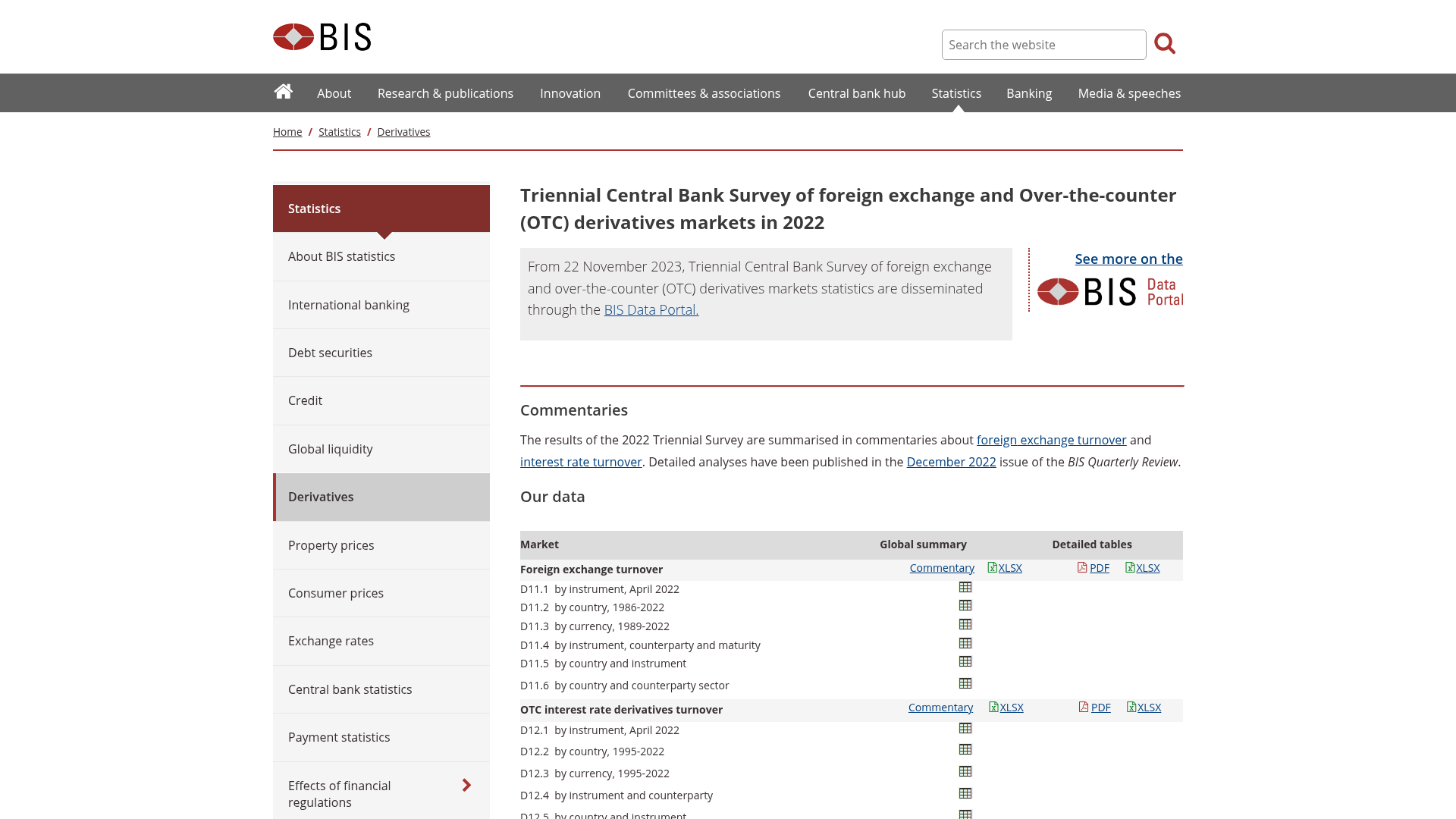
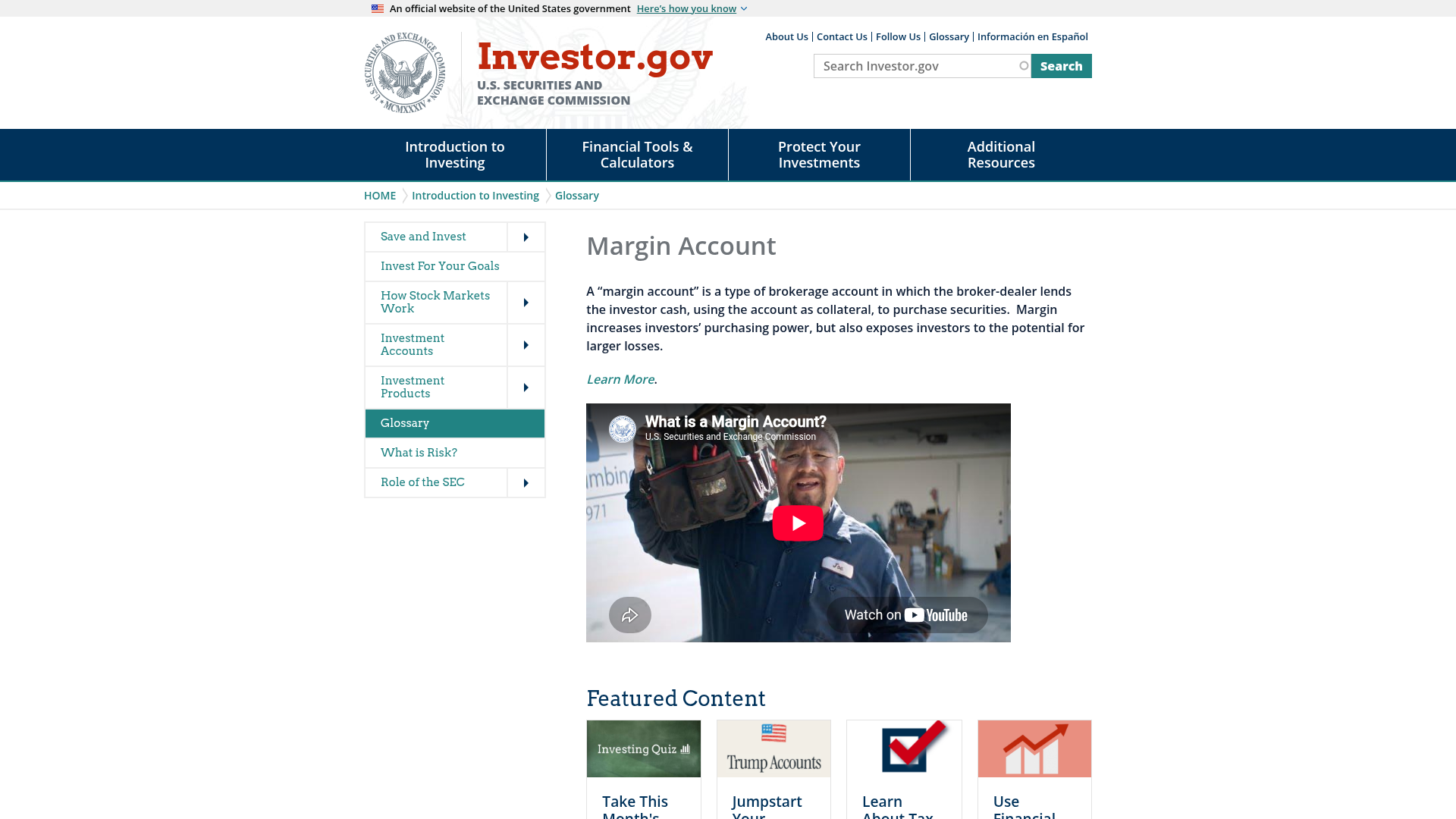
لقطات شاشة للصفحات الرسمية التي تستند إليها القواعد في هذا الدليل. افتحها بنفسك — فكلمات الجهة التنظيمية نفسها دائمًا ما تكون أفضل من ملخص لها.
الأسئلة المتكررة
المصادر
من أين جاء هذا
- ESMA — CFD leverage limits for retail clientsesma.europa.eu
- FCA — Contract for difference productsfca.org.uk
- BIS — Foreign exchange market structurebis.org
- Investor.gov — Margin: borrowing money to pay for stocksinvestor.gov
- FCA — Financial Services Registerregister.fca.org.uk
بقلم Sofia Reyes
مدرس إدارة المخاطر وعلم النفس. نقدم تعليماً منظماً ومبسطاً في الفوركس باللغة الإنجليزية للأشخاص الذين يتعلمون من الصفر. الفهم أولاً، دائماً — وليس نصيحة مالية أبداً. الدورة التدريبية نفسها موجودة في الـ المناهج.
واصل التعلم
إلى أين يقود هذا الدليل لاحقاً
الأدلة الأقرب إلى هذا الدليل، بالترتيب الذي تبني عليه. كل منها قراءة كاملة بحد ذاتها، ولا يفترض أي منها أنك انتهيت من هذه الصفحة.
- لماذا قد يتم تنفيذ أمر السوق الخاص بك بسعر لم تره قطاكتشف الآليات الخفية وراء تنفيذ أوامر السوق، من ديناميكيات دفتر الأوامر إلى نماذج الوسطاء، موضحًا لماذا قد يختلف سعر التنفيذ الخاص…
- تفعيل أوامر الوقف باستمرار: مشكلة مهارة، حركة سوق، أم سلوك وسيط؟اكتشف لماذا قد يتم تفعيل أوامر Stop Loss الخاصة بك قبل الأوان، وتعلّم استراتيجيات عملية لحماية رأس مالك بفعالية.
- عندما يتم تفعيل أمر وقف الخسارة الخاص بك: كيف يمكن لاتساع فروق الأسعار أن يفاجئكيعتقد العديد من المتداولين خطأً أن أمر وقف الخسارة الخاص بهم آمن حتى يصل السعر المعروض إليه، ولكن اتساعًا مفاجئًا في فارق سعر العرض…
- فك شفرة شاشة الأسعار: دليلك لأسعار التداولتعلم كيفية قراءة أسعار العرض والطلب، وفروق الأسعار (spreads)، وعمق السوق بثقة ودون ارتباك، مما يساعدك على اتخاذ قرارات تداول أوضح.
- فك شفرة أزواج العملات: اتخاذ مراكز الشراء والبيع في سوق الفوركسيُعد فهم كيفية شراء وبيع أزواج العملات أمرًا أساسيًا في تداول الفوركس، فهو يتيح لك تحقيق الربح من ارتفاع وانخفاض أسعار الصرف.