دليل · 14 دقيقة قراءة · 2,453 words
أوامر الوقف تتفعل باستمرار: هل هي مشكلة مهارة، أم ديناميكيات سوق، أم سلوك وسيط؟
اكتشف لماذا قد تتفعل أوامر وقف الخسارة لديك قبل الأوان، وتعلّم استراتيجيات عملية لحماية رأس مالك بفعالية.

أهم النقاط
- غالبًا ما يكون تفعيل أوامر وقف الخسارة المبكر نتيجة لاحتياجات سيولة السوق، وليس دائمًا تلاعبًا مباشرًا من الوسيط.
- يمكن أن يساعد فهم الفرق بين وسطاء صانع السوق ووسطاء شبكة الاتصالات الإلكترونية/المعالجة المباشرة في توضيح كيفية التعامل مع أوامرك.
- غالبًا ما يتسبب السبريد والانزلاق السعري، خاصة خلال فترات التقلب، في تفعيل أوامر الوقف بأسعار غير مواتية.
- يمكن أن يؤدي وضع أوامر وقف الخسارة بناءً على مؤشرات التقلب مثل Average True Range (ATR) إلى تحسين فعاليتها.
- تساهم التحيزات العاطفية، مثل وضع أوامر الوقف ضيقة جدًا بسبب الخوف، بشكل كبير في الخروج المبكر من الصفقات.
- تعد إدارة المخاطر الفعالة، وخاصة تحجيم المراكز، أكثر أهمية من وضع وقف الخسارة
اللحظة الصادمة: عندما يتم تفعيل أمر الوقف الخاص بك، ثم ينعكس السوق
تخيل هذا السيناريو: لقد خططت لصفقة بعناية، وحددت نقطة دخولك، ووضعت أمر وقف الخسارة بالضبط حيث تعتقد أنه يجب أن يكون. تشعر بالثقة. ثم يتحرك السوق، ويضرب أمر الوقف الخاص بك، ويكاد ينعكس على الفور، متجهاً مباشرة في الاتجاه الذي توقعته في الأصل. الإحباط حقيقي، ومؤلم. ويتركك تتساءل: هل كان تحليلي خاطئًا؟ هل السوق يستهدفني؟ أو، الأسوأ من ذلك، هل تمكن وسيطي بطريقة ما من 'رؤية' أمر الوقف الخاص بي واستهدفه؟
هذا السيناريو الشائع يجعل العديد من المتداولين الجدد يشككون في كل شيء. يبدو وكأنه فخ، هجوم شخصي على حسابك التجاري. يبدو أن السوق يمتلك حاسة سادسة لمكان وجود أوامر الحماية الخاصة بك، فقط ليخطفها قبل أن يواصل طريقه بسعادة. هذا يكفي لجعل أي شخص يرفع يديه يأسًا.
ولكن قبل أن تلقي اللوم على القوى الخارجية بالكامل، دعنا نكشف طبقات ما يحدث. على الرغم من الإحباط، غالبًا ما تكون هناك أسباب منطقية جدًا، وإن كانت محبطة أحيانًا، وراء 'مطاردات الوقف' هذه. إنها ليست دائمًا انتقامًا شخصيًا؛ بل هي مزيج من آليات السوق، وعلم النفس البشري، وأحيانًا، طريقة عمل بعض المشاركين في السوق. فهم هذه العوامل هو الخطوة الأولى نحو حماية أفضل لرأس مالك.
أوامر وقف الخسارة: شبكة أمانك الأساسية، ولكن مع بعض التفاصيل الدقيقة
في جوهرها، أمر وقف الخسارة هو تعليمات بسيطة لوسيطك لإغلاق مركز خاسر بمجرد وصول سعر السوق إلى مستوى محدد. إنه مصمم للحد من خسارتك المحتملة في الصفقة، ويعمل كوثيقة تأمين لك. عندما يتم لمس هذا السعر، يتحول أمر وقف الخسارة الخاص بك عادةً إلى أمر سوق، مما يعني أنه سيتم تنفيذه بأفضل سعر متاح في تلك اللحظة.
هنا تبدأ 'التفاصيل الدقيقة'. نظرًا لأنه يصبح أمر سوق، فإنه لا يضمن التنفيذ عند سعر الوقف المحدد الخاص بك بالضبط. في الأسواق سريعة الحركة، أو خلال فترات السيولة المنخفضة، قد 'يقفز' السعر متجاوزًا مستوى الوقف الخاص بك، مما يؤدي إلى الانزلاق السعري. هذا يعني أنه يمكن تنفيذ صفقتك بسعر أسوأ مما كنت تنوي، مما يزيد خسارتك عما حسبته. فكر في الأمر وكأنك تحاول إيقاف سيارة على الجليد – تضغط على الفرامل، لكنها لا تزال تنزلق لمسافة أبعد قليلاً.
يضع العديد من المتداولين أوامر الوقف الخاصة بهم أسفل قاع حديث أو فوق قمة حديثة، مفترضين أن هذه مناطق 'آمنة'. المشكلة هي، إذا كنت تفكر بهذه الطريقة، فإن عددًا لا يحصى من المتداولين الآخرين يفعلون ذلك أيضًا. يؤدي هذا إلى إنشاء تجمعات لأوامر وقف الخسارة عند مستويات فنية معروفة. هذه التجمعات، كما سنستكشف، هي بالضبط ما يمكن أن يجذب انتباه كبار المشاركين في السوق.
الأيادي الخفية للسوق: السيولة ومطاردة الأوامر
يعالج سوق الصرف الأجنبي الشاسع تريليونات الدولارات يوميًا، كما يظهر مسح البنوك المركزية الثلاثي لمعدل دوران العملات الأجنبية الصادر عن بنك التسويات الدولية (BIS). هذا الحجم الهائل لا يتدفق فحسب؛ بل يتم تسهيله عن طريق السيولة. تحتاج المؤسسات الكبيرة – البنوك، صناديق التحوط، صناديق الثروة السيادية – إلى تجمعات عميقة من السيولة لتنفيذ أوامرها الضخمة دون تحريك السوق بشكل كبير ضد مصالحها. إذا أرادوا شراء مليار يورو، فإنهم يحتاجون إلى أوامر بيع بقيمة مليار يورو متاحة.
أين يجد هؤلاء اللاعبون الكبار تلك السيولة؟ غالبًا، في المناطق التي يضع فيها متداولو التجزئة أوامر وقف الخسارة الخاصة بهم. عندما تقترب الأسعار من مستويات فنية واضحة (مثل القمم أو القيعان الحديثة)، يحدث تراكم طبيعي لأوامر وقف الخسارة. بالنسبة لمؤسسة كبيرة تتطلع إلى الدخول في مركز أو الخروج من كتلة كبيرة، فإن دفع السعر إلى ما بعد هذه المستويات مباشرة يؤدي إلى سلسلة من أوامر السوق الأصغر. وهذا يوفر السيولة الدقيقة التي يحتاجونها.
هذا ليس بالضرورة مؤامرة شريرة ضد صفقتك المحددة. إنها وظيفة طبيعية لكيفية عمل الأسواق. يسعى اللاعبون الكبار ببساطة إلى مسار المقاومة الأقل لتنفيذ أوامرهم. إذا صادف هذا المسار كثافة في أوامر وقف الخسارة، فسيستخدمونه. هدفهم هو التنفيذ الفعال، وأمر وقف الخسارة الخاص بك، بالاشتراك مع آلاف الأوامر الأخرى، يساهم في تلك الكفاءة.
نموذج عمل وسيطك: كيف يؤثر على أوامرك
إن نوع الوسيط الذي تختاره يمكن أن يؤثر على كيفية التعامل مع أوامر وقف الخسارة وتنفيذها. بشكل عام، يندرج وسطاء الفوركس بالتجزئة عادةً ضمن فئتين رئيسيتين: وسطاء صانعي السوق (Market Makers) ووسطاء شبكة الاتصالات الإلكترونية/المعالجة المباشرة (ECN/STP). لكل منهم نموذج عمل مختلف، وبالتالي علاقة مختلفة مع صفقاتك.
يتخذ وسطاء صانعي السوق (Market Makers) أساسًا الجانب الآخر من صفقتك. فإذا اشتريت زوج EUR/USD، فهم 'يبيعونه' لك من سجلاتهم الخاصة. هذا يعني أن خسارتك، نظريًا، هي ربحهم، والعكس صحيح. وبينما يُحظر على صانعي السوق (Market Makers) الخاضعين لتنظيم صارم، مثل أولئك تحت إشراف FCA أو ASIC، التلاعب المباشر بالأسعار لضرب أوامر وقف الخسارة، إلا أن احتمالية وجود تضارب في المصالح قائمة. قد تختلف أسعارهم أحيانًا بشكل طفيف عن سوق ما بين البنوك.
من ناحية أخرى، يقوم وسطاء ECN/STP بتوجيه أوامرك مباشرة إلى العديد من مزودي السيولة (البنوك والمؤسسات الكبيرة) ويأخذون عمولة صغيرة أو هامش ربح على السبريد (spread). يهدفون إلى التنفيذ السريع ولا يتخذون الجانب الآخر من صفقتك. حافزهم هو حجم تداولك، بغض النظر عما إذا كنت تربح أو تخسر. يقدمون عمومًا سبريد (spread) أضيق ولكن قد يفرضون عمولة على كل صفقة. فهم هذا التمييز أمر حيوي، لأنه يؤثر على مكان وجود الحوافز المحتملة.
بينما يعمل جميع الوسطاء المنظمين بموجب قواعد صارمة، فمن الجدير بالنظر كيف يتوافق نموذج الوسيط الخاص بك مع أسلوب تداولك، خاصة بالنسبة للأوامر الحساسة مثل أوامر وقف الخسارة. يفضل بعض المتداولين الشفافية والوصول المباشر إلى السوق الذي تعد به نماذج ECN/STP، معتقدين أنها تقلل من أي احتمال لوجود مصلحة معاكسة لصفقاتهم.
مقارنة بين خصائص وسطاء صانعي السوق (Market Maker) ووسطاء ECN/STP
| الميزة | وسيط صانع السوق (Market Maker) | وسيط ECN/STP |
|---|---|---|
| نموذج العمل | يتخذ الجانب المعاكس لصفقات العميل، ويحقق أرباحًا من خسائر العميل | يوجه الأوامر إلى مزودي السيولة، ويحقق أرباحًا من العمولات/الهوامش |
| السبريد (Spreads) | غالبًا ما يكون ثابتًا أو أوسع، ويمكن للوسيط التحكم فيه | عادةً ما يكون متغيرًا، وأضيق، ويعكس سوق ما بين البنوك |
| التنفيذ | قد تحدث إعادة تسعير (re-quotes)، واحتمال حدوث تأخيرات طفيفة | عادةً ما يكون أسرع، وصول مباشر للسوق، فرصة أقل لإعادة التسعير (re-quotes) |
| الشفافية | أقل شفافية، تسعير داخلي | أكثر شفافية، تسعير مباشر من السوق |
| تضارب المصالح المحتمل | احتمالية أعلى بسبب مراكز التداول المتعارضة | احتمالية أقل، الوسيط هو وسيط (طرف وسيط) |
| أمثلة (منظمة) | XM, OANDA | IC Markets, Pepperstone |
القتلة الصامتون: السبريد (Spreads)، الانزلاق السعري (Slippage)، وسرعة التنفيذ
حتى مع أكثر الوسطاء أمانة، يمكن أن يتم ضرب أوامر وقف الخسارة الخاصة بك قبل الأوان بسبب عوامل خارج نطاق التلاعب المباشر. يلعب السبريد (Spreads)، وهو الفرق بين سعر العرض والطلب، دورًا مهمًا. خلال فترات التقلبات العالية، مثل إعلانات الأخبار الرئيسية (فكر في تقرير وضع التوظيف الصادر عن مكتب إحصاءات العمل الأمريكي)، يمكن أن يتسع السبريد (spreads) بشكل كبير. قد يكون أمر وقف الخسارة الموضوع أسفل مستوى دعم بعيدًا عن السعر عند السبريد (spreads) العادية، ولكن اتساعًا مفاجئًا يمكن أن يدفع سعر الطلب للأعلى أو سعر العرض للأسفل بما يكفي لتشغيل أمرك.
الانزلاق السعري (Slippage) هو قاتل صامت آخر. كما نوقش سابقًا، عندما يتم تفعيل أمر وقف الخسارة الخاص بك، فإنه يصبح أمر سوق. إذا كان السوق يتحرك بسرعة كبيرة، فقد يختلف السعر الذي يتم عنده تنفيذ أمرك عن سعر الوقف المحدد. على سبيل المثال، إذا كان لديك أمر وقف بيع عند 1.0850، ولكن تدفقًا مفاجئًا للنشاط يدفع السعر مباشرة إلى 1.0840، فقد يتم تنفيذ أمرك عند 1.0840 أو حتى أقل. هذا شائع بشكل خاص في الأزواج ذات السيولة المنخفضة جدًا أو خلال الانهيارات السريعة. والنتيجة هي خسارة أكبر مما توقعت، حتى لو تم 'احترام' أمر الوقف الخاص بك من الناحية الفنية.
أخيرًا، سرعة التنفيذ مهمة. حتى المللي ثانية يمكن أن تحدث فرقًا في الظروف المتقلبة. يمكن للوسيط ذي البنية التحتية البطيئة للتنفيذ أن يزيد من مشكلة الانزلاق السعري (slippage). بينما يقدم معظم الوسطاء الحديثين تنفيذًا سريعًا، توجد اختلافات. يمكن لهذه العوامل مجتمعة أن تحول ما يبدو وكأنه أمر وقف موضوع بشكل مثالي إلى خروج مبكر، مما يتركك في حيرة من أمرك وخاسرًا. إنها حقيقة فنية للتداول، وليست دائمًا مؤامرة، ولكنها تتطلب وعيًا دقيقًا.
أمر وقف الخسارة الخاص بك ليس مجرد نقطة فنية؛ بل هو تعبير عن أقصى مخاطرة تقبلها، ويمكن للقرارات العاطفية أن تقوّضه بسهولة.
وضع أوامر وقف الخسارة بذكاء: التقلبات كدليلك
بدلاً من وضع أمر وقف الخسارة الخاص بك عند عدد عشوائي من الـ pips أو أسفل قاع تأرجح حديث، فكر في استخدام تقلبات السوق كدليل لك. لا يتحرك السوق بزيادات ثابتة؛ بل يتوسع وينكمش. أمر وقف الخسارة الثابت الذي يعمل في سوق هادئ سيتم تفعيله على الفور في سوق متقلب. هذا هو الجزء الذي تتجاهله معظم الأدلة، حيث تركز فقط على 'الدعم والمقاومة' دون مراعاة السياق.
مؤشر متوسط المدى الحقيقي (ATR) هو أداة ممتازة لذلك. يقيس ATR متوسط المدى بين أسعار الارتفاع والانخفاض خلال فترة محددة (عادة 14 فترة). إذا كان ATR لزوج EUR/USD هو 50 pip، فهذا يعني أن الزوج يتحرك عادة 50 pip من أعلى سعر إلى أدنى سعر كل يوم. يمكنك استخدام هذه المعلومات لوضع أمر وقف الخسارة الخاص بك بمضاعف من ATR بعيداً عن سعر دخولك أو مستوى فني رئيسي. على سبيل المثال، قد تضع أمر وقف الخسارة الخاص بك على بعد 1.5 أو 2 ضعف من ATR اليومي، مما يمنح صفقتك مجالاً للتنفس ضمن تقلبات السوق الطبيعية.
يساعدك هذا النهج على تكييف وضع أمر وقف الخسارة الخاص بك مع ظروف السوق الحالية. عندما تزداد التقلبات، سيكون أمر وقف الخسارة الخاص بك أوسع بطبيعة الحال، مما يعكس تحركات السوق الأكبر. وعندما تنخفض التقلبات، سيكون أمر وقف الخسارة الخاص بك أضيق، مما يقلل من مخاطرك. الأمر أشبه بتعديل حد سرعة سيارتك بناءً على ظروف الطريق الفعلية، بدلاً من الالتزام برقم ثابت بغض النظر عما إذا كان الطريق سريعاً سلساً أو طريقاً وعراً. هذا يجعل أمر وقف الخسارة الخاص بك أكثر مرونة في مواجهة ضوضاء السوق العشوائية.
مثال مبسط لحساب متوسط المدى الحقيقي (ATR)
| رقم الشمعة | الأعلى | الأدنى | الإغلاق | المدى الحقيقي (TR) | ATR (14 فترة) |
|---|---|---|---|---|---|
| 1 | 1.0920 | 1.0880 | 1.0900 | 0.0040 | غير متاح |
| 2 | 1.0930 | 1.0890 | 1.0920 | 0.0040 | غير متاح |
| 3 | 1.0950 | 1.0910 | 1.0940 | 0.0040 | غير متوفر |
| ... | ... | ... | ... | ... | غير متوفر |
| 14 | 1.1020 | 1.0980 | 1.1000 | 0.0040 | 0.0042 (42 نقطة) |
| 15 | 1.1050 | 1.1010 | 1.1040 | 0.0040 | 0.0041 (41 نقطة) |
العنصر البشري: عندما تكون أنت أسوأ عدو لنفسك
دعنا نكن صريحين: في بعض الأحيان، العقبة الأكبر أمام الإدارة الفعالة لأمر وقف الخسارة ليست السوق أو وسيطك، بل أنت نفسك. تلعب العواطف دوراً قوياً في قرارات التداول، مما يؤدي غالباً إلى وضع أمر وقف الخسارة بشكل غير مثالي. الخوف، على سبيل المثال، يمكن أن يدفعك إلى وضع أمر وقف الخسارة قريباً جداً، مما ينهي صفقتك مبكراً عند أول إشارة لتراجع السعر. قد تعتقد أنك تتصرف بحذر، لكنك في الواقع تخنق صفقتك وتزيد من احتمالات الخروج المبكر.
على الجانب الآخر، يمكن أن يدفعك الجشع أو الثقة المفرطة إلى وضع أمر وقف الخسارة بعيداً جداً، أو ما هو أسوأ من ذلك، تحريكه لمسافة أبعد عندما تسير الصفقة ضدك. العملية الفكرية الكلاسيكية التي تقول 'سأصمد قليلاً بعد، لا بد أن ينعكس السعر' غالباً ما تؤدي إلى خسائر أكبر بكثير مما كان مخططاً له في البداية. هذا الصراع العاطفي يشوه تقييمك المنطقي للمخاطر ويقوض خطة التداول الخاصة بك بأكملها.
إدراك هذه المزالق النفسية هو نصف المعركة. أمر وقف الخسارة الخاص بك ليس مجرد نقطة فنية؛ بل هو إعلان عن أقصى مخاطرة مقبولة لديك. إذا كانت عواطفك هي التي تملي أين يتم رسم هذا الخط، فأنت تهيئ نفسك للفشل. خطة تداول محددة جيداً تتضمن قواعد موضوعية لوقف الخسارة، وتُطبق باستمرار، هي أفضل دفاع لك ضد قراراتك المتهورة.
ما وراء الخط الثابت: استراتيجيات وقف الخسارة البديلة
في حين أن وقف الخسارة الثابت والصارم يعد حجر الزاوية في إدارة المخاطر، إلا أنه ليس النهج الوحيد المتاح. اعتمادًا على أسلوب تداولك وظروف السوق، قد تفكر في استراتيجيات بديلة توفر مرونة أكبر أو تناسب سيناريوهات محددة بشكل أفضل. أحد البدائل الشائعة هو وقف الخسارة المتحرك (trailing stop). فبدلاً من السعر الثابت، يتحرك وقف الخسارة المتحرك مع مركزك كلما أصبح مربحًا، محافظًا على مسافة محددة مسبقًا (بالـ pips أو بالنسبة المئوية) من سعر السوق الحالي. يتيح لك هذا تثبيت الأرباح مع تحرك السوق لصالحك، دون الحاجة إلى تعديل وقف الخسارة يدويًا.nnيتضمن نهج آخر وقف الخسارة الزمني (time-based stops). هنا، تقرر الخروج من الصفقة إذا لم تتحرك مسافة معينة لصالحك بعد فترة محددة (على سبيل المثال، 4 ساعات أو يوم تداول كامل). يعالج هذا النهج الحالات التي تتباطأ فيها الصفقة، مما يقيد رأس المال دون تحقيق تقدم. إذا لم يؤكد السوق فرضيتك، فقد يكون الوقت قد حان للتنحي جانبًا، حتى لو لم يتم ضرب وقف الخسارة السعري الخاص بك.nnأخيرًا، تضع وقف الخسارة المبني على الهيكل (structure-based stops) نقاط الوقف عند نقاط هيكلية منطقية في السوق، مثل مستويات الدعم/المقاومة الهامة، أو نقاط المحور (pivot points)، أو أسفل المتوسطات المتحركة الرئيسية. غالبًا ما يتم دمج هذه الاستراتيجيات مع مقاييس تعتمد على التقلبات لضمان وجود هامش كافٍ. في حين أن هذه الاستراتيجيات البديلة توفر المرونة، إلا أنها لا تزال تتطلب الانضباط والفهم الواضح لتحمل المخاطر لديك. الهدف دائمًا هو إدارة المخاطر، وليس تجنب تكبد الخسائر تمامًا.
إدارة المخاطر: الصورة الأكبر
في حين أن تحسين تحديد مستوى وقف الخسارة أمر مهم، إلا أنه مجرد جزء واحد من لغز أكبر بكثير: إدارة المخاطر الفعالة. حتى أفضل استراتيجية لوقف الخسارة لن تنقذ الحساب إذا تم تجاهل حجم المركز (position sizing). إن مخاطرتك لكل صفقة، والتي يتم التعبير عنها عادة كنسبة مئوية من إجمالي رأس مالك التجاري (على سبيل المثال، 1% أو 2%)، هي بلا شك أكثر أهمية من عدد الـ pips الدقيق الذي تم وضع وقف الخسارة عنده.nnفكر في هذا: إذا خاطرت بـ 10% من حسابك في صفقة واحدة وتم ضرب وقف الخسارة الخاص بك، فقد خسرت جزءًا كبيرًا من رأس مالك. لاسترداد هذه الخسارة البالغة 10% فقط، ستحتاج إلى تحقيق ربح يزيد عن 10% على رأس مالك المتبقي. ومع ذلك، إذا خاطرت بـ 1% فقط لكل صفقة، فإن سلسلة من الخسائر ستكون أسهل بكثير في إدارتها. هذا هو الحساب البسيط لتراكم الخسائر مقابل تراكم الأرباح. فالخسارة الأصغر تتطلب نسبة مئوية أصغر من الربح للتعافي.nnفكر في وقف الخسارة الخاص بك كحزام أمان – فهو يحميك أثناء الاصطدام. ولكن تحديد حجم المركز يشبه القيادة بأمان في المقام الأول، والحفاظ على مركبتك، والوعي بظروف الطريق. كلاهما حاسم، ولكن أحدهما يمنع الاصطدام، بينما الآخر يخفف من تأثيره. التركيز فقط على تحديد مستوى وقف الخسارة دون تحديد حجم المركز المناسب يشبه وجود وسادة هوائية ولكن القيادة معصوب العينين. يضمن النهج المتكامل للمخاطر أنه حتى عندما يتم ضرب مستويات وقف الخسارة الخاصة بك، يمكن لحسابك امتصاص التأثير والاستمرار في التداول يومًا آخر.
اختر شريك التداول بحكمة: اختيار الوسيط مهم
إن اختيار وسيطك ليس قرارًا تافهًا؛ فهو يؤثر بشكل مباشر على تجربتك في التداول، بما في ذلك كيفية التعامل مع أوامر وقف الخسارة الخاصة بك. أعطِ الأولوية للوسطاء الذين تنظمهم سلطات مرموقة مثل هيئة السلوك المالي (FCA) في المملكة المتحدة، أو ASIC في أستراليا، أو هيئة الأوراق المالية والبورصات القبرصية (CySEC). تفرض هذه الجهات التنظيمية قواعد صارمة على الوسطاء فيما يتعلق بفصل أموال العملاء، وممارسات التنفيذ العادلة، والشفافية.nnعلى سبيل المثال، تشتهر Pepperstone (التي تنظمها FCA، ASIC، CySEC، وغيرها) و IC Markets (التي تنظمها ASIC، CySEC، FSA) بـ spreads التنافسية والتنفيذ. كما أن XM (التي تنظمها CySEC، ASIC، IFSC، DFSA) و OANDA (التي تنظمها FCA، CFTC/NFA، ASIC، IIROC، MAS) من اللاعبين الرئيسيين الذين يتمتعون برقابة تنظيمية قوية. بينما توفر اللوائح الحماية، تحقق دائمًا من ترخيص الوسيط على الموقع الرسمي للجهة التنظيمية المعنية – مثل سجل الخدمات المالية التابع لـ FCA أو السجلات المهنية لـ ASIC. يمكن لهذه الخطوة البسيطة أن تنقذك من الوقوع ضحية لكيانات غير منظمة أو احتيالية. تحقق دائمًا من قوائم التحذير الخاصة بالجهة التنظيمية للشركات غير المصرح بها أيضًا، كما توفرها FCA.nnبالإضافة إلى التنظيم، ضع في اعتبارك متوسط spreads للزوج الذي تتداوله، وسرعة تنفيذ الوسيط، وسياسته بشأن slippage. ينشر العديد من الوسطاء متوسط spreads وإحصائيات التنفيذ لديهم. سيكون الوسيط ذو السمعة الطيبة شفافًا بشأن هذه الأرقام. طرح أسئلة مباشرة حول نموذج التنفيذ الخاص بهم وكيفية معالجة أوامر وقف الخسارة، خاصة خلال فترات التقلب، يمكن أن يمنحك رؤى قيمة. وسيطك هو شريكك في التداول، لذا اختر واحدًا يقدر الشفافية واللعب النظيف.
المضي قدمًا: التكيف، التعلم، وحماية رأس مالك
قد يكون تعرض مستويات وقف الخسارة الخاصة بك للضرب باستمرار أمرًا محبطًا للغاية، ولكنه عقبة شائعة لمعظم المتداولين. نادرًا ما يكون ذلك علامة على عدم الكفاءة، وغالبًا ما يشير إلى الحاجة إلى فهم أعمق لآليات السوق وتعديل نهجك. بدلاً من رؤية هذه الأحداث كإخفاقات، انظر إليها كفرص للتعلم. كل خروج مبكر، على الرغم من كونه مؤلمًا، يوفر بيانات قيمة حول سلوك السوق، وتحيزاتك النفسية، وفعالية استراتيجية وقف الخسارة الخاصة بك.nnالهدف ليس عدم تفعيل وقف الخسارة أبدًا؛ فهذا توقع غير واقعي في سوق ديناميكي. الهدف هو وضع مستويات وقف الخسارة بذكاء، وإدارة مخاطرتك لكل صفقة بدقة، واختيار وسيط موثوق يتوافق مع مبادئ التداول الخاصة بك. قم بتقييم طرق تحديد وقف الخسارة باستمرار، وراجع صفقاتك، وعدّل استراتيجيتك مع تغير ظروف السوق. سوق الفوركس دائم الحركة، وكذلك يجب أن يكون تعلمك. كن صبورًا، وكن منضبطًا، وسيشكرك رأس مالك على ذلك.
اقرأ المصدر الأساسي
تحقق من ذلك لدى الجهة التنظيمية، وليس لدينا
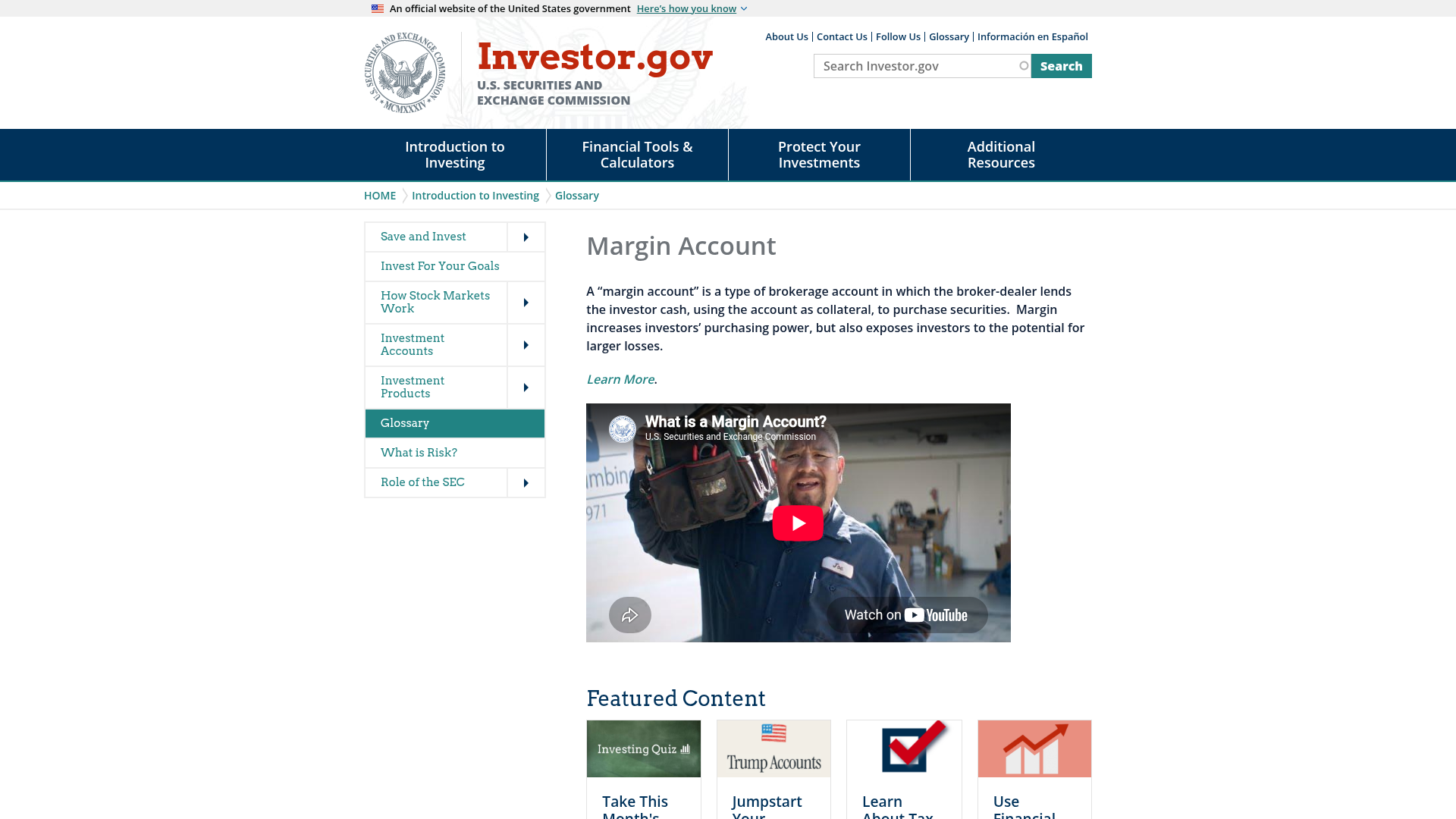
لقطات شاشة للصفحات الرسمية التي تستند إليها القواعد في هذا الدليل. افتحها بنفسك — فكلمات الجهة التنظيمية نفسها دائمًا ما تكون أفضل من ملخص لها.
الأسئلة المتكررة
المصادر
من أين جاء هذا
- ESMA — CFD leverage limits for retail clientsesma.europa.eu
- FCA — Contract for difference productsfca.org.uk
- BIS Triennial Central Bank Survey of FX turnoverbis.org
- US Bureau of Labor Statistics — Employment Situationbls.gov
- Financial Conduct Authority — Financial Services Registerregister.fca.org.uk
- ASIC — Professional registersasic.gov.au
بقلم Elena Marsh
مدرب رئيسي. نقدم تعليماً منظماً ومبسطاً في الفوركس باللغة الإنجليزية للأشخاص الذين يتعلمون من الصفر. الفهم أولاً، دائماً — وليس نصيحة مالية أبداً. الدورة التدريبية نفسها موجودة في الـ المناهج.
واصل التعلم
إلى أين يقود هذا الدليل لاحقاً
الأدلة الأقرب إلى هذا الدليل، بالترتيب الذي تبني عليه. كل منها قراءة كاملة بحد ذاتها، ولا يفترض أي منها أنك انتهيت من هذه الصفحة.
- أوامر Stop-Market و Stop-Limit: دليل المتداول للخروج الدقيقنظرة متعمقة على كيفية عمل أوامر Stop-Market و Stop-Limit، لمساعدتك في إدارة المخاطر وتأمين الأرباح في الأسواق المتقلبة بانضباط.
- اللحظة التي تلي نقرك: رحلة صفقتك من الداخلذلك الجزء من الثانية بين الضغط على 'شراء' ورؤية مركزك مفتوحًا، هو عبارة عن مجموعة من العمليات المعقدة. افهم ما يحدث حقًا لأمرك.
- عندما يتم تفعيل وقف الخسارة الخاص بك: كيف يمكن لاتساع السبريد أن يفاجئكيعتقد العديد من المتداولين خطأً أن وقف الخسارة الخاص بهم آمن حتى يصل السعر المعروض إليه، ولكن اتساعًا مفاجئًا في سبريد العرض والطلب…
- لماذا قد يتم تنفيذ أمر السوق الخاص بك بسعر لم تره قطاكتشف الآليات الخفية وراء تنفيذ أوامر السوق، بدءًا من ديناميكيات دفتر الأوامر (order book) وصولًا إلى نماذج عمل الوسطاء، موضحًا…
- كشف التكلفة الحقيقية: تحويل سبريد النقاط (Pip Spreads) إلى دولارات تداولكيُعد فهم القيمة النقدية الحقيقية لسبريد النقطة (pip spread) أمرًا بالغ الأهمية، فهو يحول الأرقام المجردة إلى التكلفة الملموسة…