دليل · 14 دقيقة قراءة · 2,806 words
مطاردة حركة السوق: ماذا تفعل في الثواني العشر بعد ملاحظتها
عندما يتحرك السوق فجأة، تحدد خطواتك القليلة التالية ما إذا كنت ستحقق ربحًا أم ستكتفي بالمراقبة؛ يرشدك هذا الدليل إلى كيفية التصرف بسرعة وتفكير.

أهم النقاط
- قد تكلفك ردود الفعل الفورية الكثير؛ توقف لحظة للتفكير بوضوح وخذ نفسًا عميقًا.
- تحقق من محفز الحركة — سواء كان خبرًا أو عاملًا فنيًا — قبل وضع الصفقة.
- افهم سرعة تنفيذ وسيطك واحتمال حدوث slippage.
- يمكن لأنواع الأوامر المحددة مسبقًا مثل OCO أتمتة عمليات الدخول والخروج السريعة.
- حدد دائمًا أمر وقف الخسارة وحجم مركزك قبل الدخول في صفقة سريعة.
- ليست كل حركة مفاجئة فرصة تداول؛ أحيانًا أفضل صفقة هي عدم التداول.
الصدمة المفاجئة: شعور
يحدث الأمر بسرعة. بينما تراقب الرسوم البيانية، ربما تحتسي قهوتك، وفجأة بام. تنفجر شمعة، صعودًا أو هبوطًا، مغطية ما بدا وكأنه ساعات من الحركة في طرفة عين. يتسارع نبضك. يصرخ ذلك الصوت الصغير بداخلك، “ادخل! إنك تفوت الفرصة!” هذه ليست حركة بطيئة؛ إنها تحول مفاجئ لا يمكن إنكاره. ربما يكون تقرير الوظائف غير الزراعية قد صدر للتو، أو ربما قال محافظ بنك مركزي شيئًا غير متوقع. مهما كان المحفز، فإن السوق يتحرك، ويتحرك الآن.
في تلك الثواني العشر الأولى بعد أن تلاحظ، يغمر دماغك بالاندفاعات. هل يجب أن تشتري؟ هل يجب أن تبيع؟ هل فات الأوان؟ إغراء النقر ببساطة على زر الشراء أو البيع، على أمل اللحاق بذيل الحركة، شديد. لكن الاستسلام لذلك الاندفاع دون لحظة من التفكير الواضح هو طريق سريع للندم. الأمر لا يتعلق بأن تكون الأول؛ بل يتعلق بأن تكون ذكيًا. تلك الثواني القليلة بعد الصدمة الأولية ذات قيمة لا تصدق. إنها تمثل نافذة حرجة، وقفة صغيرة حيث يمكنك الاختيار بين إجراء مدروس ومقامرة يائسة.
الثانية الأولى: توقف، تنفس، تحقق
عندما يرتفع السوق أو يهبط فجأة، يشعر معظم الناس برغبة في التصرف فورًا، خوفًا من التخلف عن الركب. قاوم هذه الرغبة. يجب أن يكون أول إجراء لك، ضمن نافذة العشر ثوانٍ تلك، هو أخذ نفس عميق. نفس حرفي. هذه ليست نصيحة روحية؛ إنها حيلة فسيولوجية لتهدئة جهازك العصبي بما يكفي للسماح للفكر العقلاني بالظهور من خلال الإثارة. بدونها، أنت مجرد تتفاعل، لا تتداول.
بعد هذا النفس السريع، خصص الثواني القليلة التالية للتحقق من ماذا حدث للتو. لا تكتفِ برؤية ارتفاع في السعر؛ اسأل لماذا. هل هناك إعلان اقتصادي رئيسي مستحق، أو واحد حدث للتو؟ ابحث عن عناوين الأخبار، تحقق من تقويمك الاقتصادي، أو ألقِ نظرة على خلاصات الأخبار المالية الموثوقة. غالبًا ما يكون للحركة المشروعة التي يحركها الخبر محفز واضح. إذا لم تتمكن من تحديد سبب في غضون ثوانٍ قليلة، فتعامل مع الحركة بشك. قد تكون ضوضاء سوق، أو سحب سيولة مؤقت، أو حتى خطأ
فهم
يحدد السبب وراء تحركات السوق المفاجئة كيفية تعاملك معها. بشكل عام، هناك فئتان رئيسيتان لهذه التحركات السريعة: التحركات المدفوعة بالأحداث والاختراقات الفنية. التحركات المدفوعة بالأحداث هي تلك التي تنجم عن إصدارات البيانات الاقتصادية المجدولة، أو خطابات البنوك المركزية، أو الأخبار الجيوسياسية. فكر مثلاً في تقرير الوظائف غير الزراعية الأمريكي الشهري، أو قرار سعر الفائدة الصادر عن البنك المركزي الأوروبي. تضخ هذه الأحداث معلومات جديدة في السوق، مما يؤدي غالباً إلى تقلبات فورية وكبيرة حيث يقوم المشاركون بتعديل توقعاتهم.
أما الاختراقات الفنية، فتحدث عندما يتجاوز السعر مستوى مهماً على الرسم البياني، مثل خط دعم أو مقاومة قوي، أو خط اتجاه، أو حافة نمط تجميع. السبب هنا ليس عنواناً إخبارياً، بل هو نتيجة العمل الجماعي للمتداولين الذين يتصرفون بناءً على مستوى محدد مسبقاً. على سبيل المثال، قد يكون زوج عملات عالقاً بين 1.0800 و 1.0850 لأيام، ثم فجأة، وبدون أي أخبار رئيسية، يندفع بقوة فوق 1.0850. يصبح الاختراق نفسه هو المحفز لمزيد من الشراء، حيث يتم تفعيل أوامر وقف الخسارة فوق هذا المستوى وينضم مشترون جدد. معرفة نوع المحفز يساعدك على التنبؤ بالاستمرارية المحتملة وتعديل مخاطرك.
المحفزات الشائعة لتحركات السوق المفاجئة
| الفئة | مثال على الحدث | التأثير الفوري النموذجي | المدة المتوقعة للتقلب الأولي |
|---|---|---|---|
| مدفوع بالأحداث | بيانات الوظائف غير الزراعية (NFP) | ارتفاع/انخفاض كبير، تقلبات عالية، فروقات سعرية واسعة | 5-30 دقيقة |
| مدفوع بالأحداث | قرار سعر الفائدة (ECB) | حركة اتجاهية حادة، انعكاسات محتملة | 15-60 دقيقة |
| مدفوع بالأحداث | صدمة جيوسياسية | غير متوقع، فجوات سعرية كبيرة، اتجاه مستمر | من ساعات إلى أيام |
| كسر فني | اختراق المقاومة | دفعة اتجاهية قوية، غالبًا مع زيادة في حجم التداول | 1-4 ساعات |
| كسر فني | كسر خط الاتجاه | تحول في معنويات السوق، انعكاس محتمل للاتجاه | 30 minutes to 2 hours |
تقييم الزخم: هل هو مستدام؟
بمجرد أن تتكون لديك فكرة عن سبب تحرك السوق، فإن الخطوة التالية في تلك الثواني العشر الحاسمة هي التقييم السريع لما إذا كان الزخم يبدو حقيقيًا ومستدامًا. قد تكون شمعة واحدة كبيرة مجرد حالة شاذة. ما تريده هو رؤية استمرارية. هل الشمعة الثانية قوية أيضًا في نفس الاتجاه؟ هل الشمعة الحالية لا تزال تتحرك بقوة، أم أنها بدأت بالفعل في التراجع؟ ابحث عن الشموع الممتلئة ذات الذيول الصغيرة (wicks)، والتي تشير إلى قناعة من المشترين أو البائعين.
معلومة رئيسية أخرى، إذا كانت منصتك توفرها، هي حجم التداول. بالنسبة للأسهم أو العقود الآجلة، فإن الاختراق القوي المصحوب بحجم تداول كبير يعد إشارة أكثر إقناعًا بكثير من اختراق بحجم تداول ضعيف. في حين أن تداول العملات الفورية (spot forex) لا يمتلك رقمًا مركزيًا لحجم التداول في البورصة، فإن بعض المنصات توفر حجم التذبذب (tick volume)، والذي يمكن أن يكون بمثابة مؤشر للنشاط. يشير الارتفاع المفاجئ في حجم التذبذب المصاحب لحركة السعر إلى مشاركة العديد من المتداولين، مما يضفي وزنًا أكبر على الاتجاه. إذا كانت الحركة تتلاشى أو تنعكس في غضون ثوانٍ، فقد تكون ما نسميه "fakeout" أو "head fake"، وهي مصممة لاصطياد المتداولين المتهورين. لا تقع في فخها.
دور وسيطك في التنفيذ السريع
حتى مع التحليل المثالي، فإن قدرتك على الاستفادة من تحركات السوق السريعة تعتمد بشكل كبير على قدرات الوسيط الخاص بك في تنفيذ الصفقات. هذا هو الجزء الذي تتجاهله معظم الأدلة، مفترضة أن جميع الوسطاء متساوون. لكنهم ليسوا كذلك. عندما تتحرك الأسعار بسرعة، يصبح أمران بالغا الأهمية: سرعة التنفيذ (execution speed) واحتمال الانزلاق السعري (slippage). تشير سرعة التنفيذ إلى مدى سرعة معالجة طلبك وتنفيذه بمجرد الضغط على زر التداول، وغالبًا ما تُقاس بالمللي ثانية. يحدث الانزلاق السعري (slippage) عندما يتم تنفيذ طلبك بسعر مختلف عن السعر الذي كنت تقصده، وعادة ما يكون ذلك بسبب التغيرات السريعة في الأسعار خلال الفترة الزمنية التي يستغرقها طلبك للوصول إلى السوق.
يشتهر الوسطاء مثل Pepperstone و IC Markets و OANDA بتقديم تنفيذ سريع، وغالبًا ما يهدفون إلى تنفيذ الصفقات في أقل من 50 مللي ثانية. تساعد هذه السرعة في تقليل الانزلاق السعري (slippage)، على الرغم من أنه لا يمكن التخلص منه تمامًا في سوق متقلب. يعمل بعض الوسطاء وفق نموذج شبكة الاتصالات الإلكترونية (ECN)، حيث يوجهون طلبك مباشرة إلى مزودي السيولة، مما قد يعني فروقات أسعار (spreads) أضيق وتنفيذًا أسرع. قد يعمل آخرون كصناع سوق (market makers)، حيث يأخذون الطرف المقابل لصفقتك، مما قد يؤدي أحيانًا إلى تنفيذ صفقات أقل ملاءمة خلال ذروة التقلبات. من الأهمية بمكان أن تفهم نموذج الوسيط الخاص بك وتداعياته على كيفية التعامل مع أوامرك عندما يكون السوق في أوج نشاطه. تحقق من شروط وأحكام الوسيط الخاص بك لمعرفة سياسة التنفيذ لديه.
ميزات تنفيذ الوسطاء في الأسواق السريعة
| نوع الوسيط | نموذج التنفيذ | سلوك السبريد (spread) النموذجي في التقلبات | احتمالية الانزلاق السعري (slippage) (التقلبات العالية) |
|---|---|---|---|
| وسطاء شبكة الاتصالات الإلكترونية/المعالجة المباشرة (ECN/STP) (مثل IC Markets, Pepperstone) | وصول مباشر إلى مزودي السيولة | متغير، قد يتسع ولكنه غالبًا ما يتعافى بسرعة | أقل، ولكنه لا يزال محتملاً |
| صانع السوق (Market Maker) (مثل بعض الوسطاء الإقليميين الأصغر) | يدمج الصفقات داخليًا، يأخذ الطرف المقابل | يمكن أن يتسع بشكل كبير، أقل قابلية للتنبؤ | أعلى، قد يكون أقل ملاءمة |
| هجين (Hybrid) (مثل OANDA) | مزيج من السيولة الداخلية والخارجية | تنافسي بشكل عام، اتساع مُدار | معتدل، يعتمد على الأصل المحدد |
ضربات استباقية: استخدام أنواع الأوامر المتقدمة
لا يعني رد الفعل السريع النقر الأعمى على 'شراء' أو 'بيع'. فالمتداولون الأذكياء يستعدون للتحركات المفاجئة بوضع خطة، وباستخدام أنواع الأوامر المتقدمة لتنفيذ تلك الخطة بدقة. إحدى أقوى الأدوات في ترسانتك هي أمر 'واحد يلغي الآخر' (OCO). يتيح لك هذا الإعداد وضع أمرين مشروطين في وقت واحد: أمر دخول معلق (مثل أمر شراء وقف فوق مستوى المقاومة) وأمر وقف الخسارة (stop loss) وأمر جني الأرباح (take profit) المقابل له. إذا تم تنفيذ أحد الأمرين، يتم إلغاء الآخر تلقائيًا.
تخيل أنك تراقب سوقًا محدد النطاق وتتوقع حدوث اختراق. يمكنك وضع أمر شراء وقف فوق مستوى المقاومة مباشرة، مع أمر وقف خسارة (stop loss) مرفق أسفل ذلك المستوى، وأمر جني أرباح مستهدف أعلى من ذلك. وفي الوقت نفسه، يمكنك وضع أمر بيع وقف أسفل مستوى الدعم مباشرة، مع أمر وقف خسارة (stop loss) خاص به وهدف. عندما يخترق السعر في اتجاه واحد، يتم تفعيل الصفقة المناسبة، ويتم إلغاء الجانب الآخر. هذا يزيل الحاجة إلى الحسابات الذهنية السريعة والنقرات المحمومة في تلك الثواني العشر. لقد قمت بالفعل بالتفكير. الأمر يتعلق بأن تكون استباقيًا، وليس مجرد رد فعل.
قد تبدو الثواني العشر بعد ملاحظة تحول في السوق ضبابية، لكنها حاسمة في التمييز بين صفقة مدروسة ومقامرة يحدوها الأمل.
أهمية أمر وقف الخسارة (Stop Loss): شبكة الأمان الخاصة بك
هذه نقطة غير قابلة للتفاوض: لا تلاحق أبدًا حركة مفاجئة بدون أمر وقف خسارة (stop loss) محدد مسبقًا. يمكن أن يجعلك حماس السوق السريع تشعر بأنك لا تُقهر، مقتنعًا بأن السعر سيتحرك فقط في صالحك. هذا الفخ العاطفي هو أحد أكثر الأسباب شيوعًا التي تؤدي إلى تصفير المتداولين لحساباتهم. يمكن أن تنعكس الحركة المفاجئة بنفس السرعة، مما يمحو المكاسب ويستنزف رأس مالك بعمق. أمر وقف الخسارة (stop loss) هو شبكة الأمان الخاصة بك، فهو يحد من خسائرك المحتملة إذا لم يتصرف السوق كما تتوقع.
يجب ألا يكون تحديد مكان وضع أمر وقف الخسارة (stop loss) تخمينًا عشوائيًا. يجب أن يستند إلى المنطق. بالنسبة لصفقة الاختراق، قد يوضع أمر وقف الخسارة (stop loss) الخاص بك أسفل مستوى المقاومة المخترق مباشرة (الذي يعمل الآن كدعم)، أو فوق مستوى الدعم المخترق مباشرة (الذي يعمل الآن كمقاومة). بالنسبة للتحركات المدفوعة بالأخبار، يمكنك استخدام نسبة مئوية من متوسط المدى الحقيقي (ATR) لتعيين وقف متحرك، أو ببساطة وضعه عند سعر يتم فيه إبطال فكرة تداولك الأولية بشكل قاطع. إن التحديد الدقيق للمكان ليس بنفس أهمية وجوده. حتى لو كان ذلك يعني أن مركزك أصغر لاستيعاب وقف أوسع، فإن الحماية هي الأولوية دائمًا. هذا أحد تلك الدروس التي تبدو واضحة ولكن من الصعب جدًا تطبيقها في خضم اللحظة.
حجم المركز والمخاطرة: لا تراهن بكل ما تملك
بمجرد أن تقرر الدخول في صفقة بناءً على حركة سريعة وتضع أمر وقف الخسارة الخاص بك، فإن الخطوة الحاسمة التالية في نافذة العشر ثوانٍ هذه هي تحديد حجم مركزك. هذا هو المكان الذي يرتكب فيه العديد من المتداولين خطأً فادحًا، حيث يسمحون لإغراء الأرباح السريعة بالتغلب على إدارة المخاطر السليمة. القاعدة بسيطة: لا تخاطر أبدًا بأكثر من نسبة مئوية صغيرة ومحددة مسبقًا من حساب التداول الخاص بك في أي صفقة واحدة، وعادة ما تكون من 1% إلى 2%. وهذا يعني أنه إذا كان لديك حساب بقيمة 10,000 دولار، فلن تخاطر بأكثر من 100 إلى 200 دولار لكل صفقة.لتحديد حجم مركزك، تحتاج إلى معرفة مسافة وقف الخسارة بالـ pips وقيمة الـ pip الواحدة لزوج العملات الذي تتداوله. إذا كان وقف الخسارة الخاص بك 20 pips وكنت على استعداد للمخاطرة بمبلغ 100 دولار، فإن كل pip يمكن أن تكون قيمتها 5 دولارات. إذا كنت تتداول EUR/USD، وكان اللوت القياسي الواحد يساوي 10 دولارات لكل pip، فستكون تتداول 0.5 لوت قياسي. قد يبدو هذا الكثير من الحسابات في عشر ثوانٍ، ولكن هذا هو سبب التخطيط المسبق. إن استخدام الرافعة المالية المفرطة يمكن أن يضخم الخسائر بنفس سهولة تضخيمه للمكاسب. على سبيل المثال، تحدد الهيئات التنظيمية مثل ESMA الرافعة المالية لعملاء التجزئة عند 1:30 لأزواج العملات الرئيسية، وذلك تحديدًا لمنع المخاطرة المفرطة، كما هو مفصل على موقع ESMA الإلكتروني. احترم هذه الحدود، والأهم من ذلك، احترم رأس مالك الخاص.
متى تلتزم الحياد: ليست كل حركة تخصك
ربما يكون هذا هو الدرس الأصعب الذي يتعلمه أي متداول: أحيانًا، أفضل حركة هي عدم القيام بأي حركة على الإطلاق. إذا فاتك الاندفاع الأولي، أو إذا تحرك السعر بشكل كبير بالفعل قبل أن يتسنى لك الوقت للتحقق من المحفز وتحديد معاييرك، فقد تكون فرصة الدخول منخفض المخاطر قد ضاعت. مطاردة حركة استنفدت زخمها غالبًا ما يعني الدخول بالقرب من القمة أو القاع للدفعة الأولية، مما يزيد من مخاطر الارتداد الفوري. لقد جنى المال السهل أولئك الذين كانوا أسرع أو لديهم تخطيط مسبق أفضل.إذا أصبح السوق فجأة متقلبًا للغاية، أو إذا كانت التقلبات شديدة لدرجة أن السبريد يتسع بشكل كبير، فإن التنحي جانبًا يعد استراتيجية صالحة وحكيمة في كثير من الأحيان. وبالمثل، إذا كنت لا تزال لا تستطيع تحديد
تأكيد القناعة: قراءة دفتر الأوامر
بعد أن ترى الارتفاع الأولي في السعر وتفكر في 'السبب' وراءه، تتضمن الخطوة الفورية التالية في تلك الثواني العشر الحاسمة النظر بعمق أكبر من مجرد الشمعة اليابانية نفسها. تحتاج إلى تقييم سريع ما إذا كانت هناك قناعة حقيقية وراء هذه الحركة، مما يعني وجود مشترين أو بائعين حقيقيين يدخلون بأحجام كبيرة. هذا هو المكان الذي يصبح فيه دفتر الأوامر، الذي يسمى أحيانًا بيانات المستوى الثاني (Level 2 data)، صديقك. فكر في الأمر وكأنك تنظر تحت غطاء السوق.يعرض لك دفتر الأوامر قائمة بأوامر الشراء الحالية (العروض) وأوامر البيع (الطلبات) بأسعار مختلفة، بالإضافة إلى كمية الأسهم أو العقود المنتظرة عند كل مستوى. العروض هي ما يرغب الناس في دفعه، والطلبات هي ما يرغب الناس في البيع به. الفرق بين أعلى عرض شراء وأدنى طلب بيع هو السبريد. عندما يقوم سهم أو زوج عملات بحركة سريعة، فأنت تريد أن ترى ما إذا كانت العروض والطلبات تتغير بطريقة تدعم هذه الحركة.على سبيل المثال، إذا ارتفع سهم فجأة، فمن الناحية المثالية، سترغب في رؤية اهتمام شراء قوي، مما يعني ظهور عدد جيد من عروض الشراء الكبيرة أسفل السعر الحالي مباشرة، وربما تضاؤل جانب الطلبات مع تنفيذ تلك الأوامر. إذا رأيت السعر يقفز ولكن عروض الشراء ضعيفة جدًا، أو كانت هناك أوامر بيع ضخمة تلوح في الأفق فوق السعر مباشرة، فهذه علامة تحذير. إنه مثل سيارة تحاول التسارع ولكن لديها محرك صغير جدًا وتل شديد الانحدار أمامها.بالاقتران مع دفتر الأوامر، انتبه جيدًا لحجم التداول. حجم التداول هو ببساطة عدد الأسهم أو العقود المتداولة. غالبًا ما تكون حركة السعر المفاجئة بحجم تداول منخفض جدًا مشكوكًا فيها؛ قد تكون 'خداعًا' أو مجرد خلل مؤقت. ولكن حركة السعر القوية المصحوبة بارتفاع كبير في حجم التداول تخبرك أن العديد من المشاركين يوافقون على الاتجاه. إنها تشير إلى مشاركة واسعة النطاق واعتقاد مشترك في مستوى السعر الجديد. فكر في باب يتم دفعه: إذا دفعه شخص واحد فقط، فقد ينفتح قليلاً. إذا دفعه عشرون شخصًا، فسوف ينفتح على مصراعيه. على سبيل المثال، إذا شهد سهم مثل AAPL، الذي يتداول عادة ملايين الأسهم في الساعة، قفزة بخمسين سنتًا في السعر على 10,000 سهم فقط تم تداولها في دقيقة واحدة، فهذا أقل إقناعًا من نفس القفزة بخمسين سنتًا على 500,000 سهم تم تداولها. هذا الأخير يظهر قوة حقيقية.في تلك الثواني العشر، أنت لا تحاول القيام بتحليل عميق. أنت تقوم بمسح سريع. ابحث عن عدم التوازن: إذا كان السعر يتحرك صعودًا، فهل هناك عدد أكبر بكثير من عروض الشراء مقارنة بطلبات البيع القريبة؟ هل مؤشر حجم التداول يومض باللون الأحمر (للبيع) أو الأخضر (للشراء) بأرقام كبيرة؟ يساعد هذا التقييم السريع في تأكيد ما إذا كان الارتفاع الأولي له قوة حقيقية وراءه، أو ما إذا كان مجرد ضوضاء قد تنعكس بسرعة.
مثال: لقطة من دفتر أوامر مبسط
| السعر (دولار أمريكي) | حجم العرض (أسهم) | حجم الطلب (أسهم) |
|---|---|---|
| 10.07 | 5000 | |
| 10.08 | 7500 | |
| 10.09 | 12000 | |
| 10.10 | ||
| 10.11 | 6000 | |
| 10.12 | 8000 | |
| 10.13 | 4500 |
المراجعة الذهنية: ترويض الاندفاع
بعيدًا عن الرسوم البيانية والبيانات، يكمن أحد أهم التحديات في تلك الثواني العشر بعد رصد حركة سوق سريعة، في إدارة عقلك الخاص. أدمغتنا مبرمجة للاستجابة الفورية في المواقف التي تبدو ملحة، مما يؤدي غالبًا إلى استجابة "الكر والفر". في التداول، يمكن أن يتجلى هذا في رغبة قوية في الدخول دون تفكير، مدفوعة بالخوف من فوات الفرصة – وهو ما يسميه المتداولون غالبًا FOMO. يمكن لهذه الدفعة أن تتجاوز التحليل الدقيق وتؤدي إلى قرارات متسرعة ومؤسفة. إدراك هذا الاندفاع العاطفي هو الخطوة الأولى. ذلك الشعور في أحشائك، وتسارع نبضات القلب، والفكرة القائلة: "يجب أن أدخل الآن وإلا سأفوت الفرصة!" – هذه إشارتك للتوقف، حتى ولو لجزء من الثانية. هناك تقنية بسيطة وفعالة أسميها "قاعدة الأنفاس الثلاثة". قبل أن تفكر حتى في لمس الفأرة، خذ ثلاثة أنفاس بطيئة وعميقة. هذا ليس للتأمل؛ بل هو لقطع ذلك الانعكاس العاطفي الفوري ومنح عقلك المنطقي فرصة للمشاركة. إنه إجراء جسدي صغير يمكن أن يخلق مساحة كافية للوضوح. إلى جانب التنفس، طوّر قائمة مراجعة ذهنية سريعة. هذه ليست عملية طويلة ومملة؛ بل هي سلسلة من الأسئلة السريعة التي تطرحها على نفسك. على سبيل المثال: "هل تتوافق هذه الحركة مع إعداد قمت ببحثه وممارسته؟" "هل حددت نقطة دخول وخروج واضحة، بما في ذلك أمر وقف الخسارة الخاص بي؟" "هل المكافأة المحتملة تستحق المخاطرة التي أتحملها، وفقًا لخطتي التجارية؟" إذا لم تكن مستعدًا لهذا النوع من الحركة، أو إذا لم تتمكن من الإجابة على هذه الأسئلة بسرعة، فهذه إشارة قوية للتراجع. تذكر، غالبًا ما يكون عدم الدخول في صفقة قرارًا مربحًا. فكر في الأمر بهذه الطريقة: رجل الإطفاء الذي يندفع إلى مبنى محترق يتوقف مع ذلك للتحقق من معداته وإجراء فحص سلامة ذهني، حتى في حالات الطوارئ. إنهم لا يندفعون بشكل أعمى. كمتداول، أنت مستجيب الطوارئ الخاص بك. إن وجود روتين محدد مسبقًا، حتى روتين صغير، يساعدك على الحفاظ على الانضباط عندما يكون الأدرينالين مرتفعًا. أنت تدرب عقلك على التفاعل بشكل بناء، وليس فقط غريزيًا. التداول لعبة طويلة الأمد، وحركة واحدة فائتة، مهما بدت مثيرة، ليست أبدًا الفرصة الأخيرة. حماية رأس مالك وسلامك النفسي أهم دائمًا من اللحاق بكل تأرجح.
مراجعة ما بعد الصفقة: التعلم من الاندفاع
سواء كانت صفقتك السريعة رابحة أم خاسرة، فإن الثواني العشر بعد ملاحظة حركة السوق، والصفقة اللاحقة، تقدم تجربة تعليمية قيمة. بمجرد إغلاق الصفقة، أو حتى بعد تراجع التقلبات الفورية، خذ لحظة لمراجعة ما حدث. هذا لا يتعلق بإلقاء اللوم على نفسك؛ بل يتعلق ببناء الذاكرة العضلية وتحسين عمليتك. اسأل نفسك أسئلة محددة: ما هو المحفز للحركة؟ ما مدى سرعة ودقة تحديدك لها؟ هل نفذ وسيطك الصفقة كما هو متوقع، أم كان هناك slippage كبير؟ هل تم وضع أمر وقف الخسارة الخاص بك بشكل منطقي، وهل صمد، أم تم تفعيله قبل الأوان؟ هل أدرت حجم مركزك بشكل صحيح بناءً على تحمل المخاطر لديك؟ بمراجعة هذه النقاط، تحوّل كل حدث سوق سريع إلى لحظة تعليمية. يساعدك هذا التفكير المنهجي على تحسين وقت استجابتك، واتخاذ قراراتك، وانضباطك العام للتقلبات السوقية المفاجئة التالية. احتفظ بمفكرة تداول لهذه الرؤى.
اقرأ المصدر الأساسي
تحقق من ذلك لدى الجهة التنظيمية، وليس لدينا
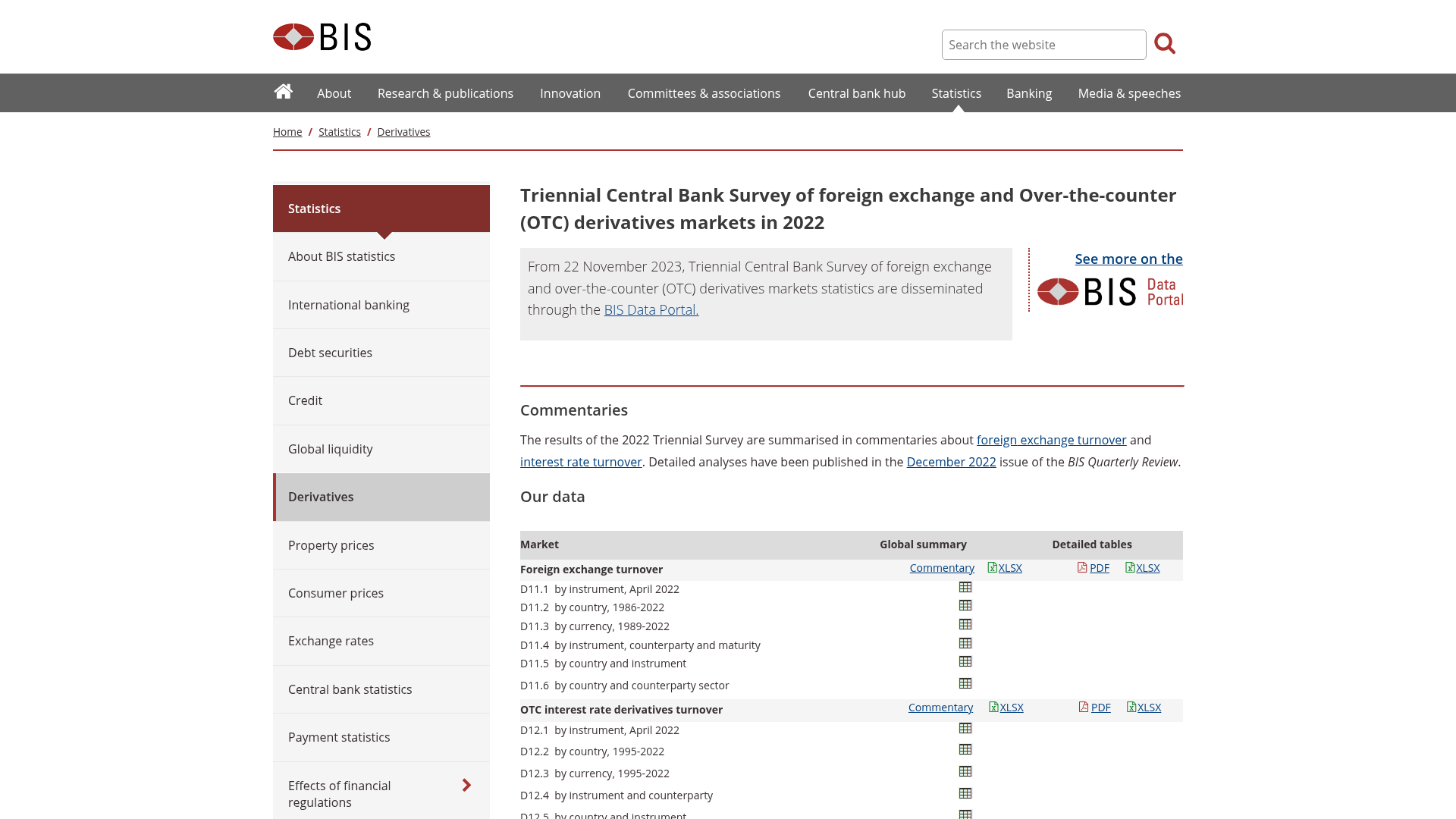
لقطات شاشة للصفحات الرسمية التي تستند إليها القواعد في هذا الدليل. افتحها بنفسك — فكلمات الجهة التنظيمية نفسها دائمًا ما تكون أفضل من ملخص لها.
الأسئلة المتكررة
المصادر
من أين جاء هذا
بقلم Sofia Reyes
مدرس المخاطر وعلم النفس. نقدم تعليماً منظماً ومبسطاً في الفوركس باللغة الإنجليزية للأشخاص الذين يتعلمون من الصفر. الفهم أولاً، دائماً — وليس نصيحة مالية أبداً. الدورة التدريبية نفسها موجودة في الـ المناهج.
واصل التعلم
إلى أين يقود هذا الدليل لاحقاً
الأدلة الأقرب إلى هذا الدليل، بالترتيب الذي تبني عليه. كل منها قراءة كاملة بحد ذاتها، ولا يفترض أي منها أنك انتهيت من هذه الصفحة.
- طقس الستين ثانية: روتينك قبل الطلب لتعزيز الثقة في التداولقبل أن تنقر على "شراء" أو "بيع"، خذ لحظة لتمرير قائمة مراجعة سريعة ومنضبطة يمكن أن تمنع الأخطاء المكلفة وتثبت تداولك.
- أوامر Bracket و OCO: استراتيجيتك التلقائية للخروج قبل الدخولاكتشف كيف يمكنك ضبط أوامر وقف الخسارة وجني الأرباح مسبقًا في وقت واحد لإدارة المخاطر وتأمين الأرباح قبل بدء الصفقة.
- لماذا قد يتم تنفيذ أمر السوق الخاص بك بسعر لم تره قط؟اكتشف الآليات الخفية وراء تنفيذ أمر السوق، من ديناميكيات دفتر الأوامر إلى نماذج الوسطاء، موضحًا لماذا يمكن أن يختلف سعر التنفيذ…
- التردد عند الدخول: حل عملي للنقرة المتجمدةتعلم كيفية التغلب على تردد التداول من خلال بناء قواعد دخول واضحة، وإدارة المخاطر، والثقة في عمليتك من أجل تنفيذ واثق.
- شمعة الابتلاع: آلياتها لا سحرهاتعلم الآليات الواضحة لـ نماذج الشموع الابتلاعية الصعودية والهبوطية، وكيفية دمجها في استراتيجية تداولك.