คู่มือ · 14 นาทีในการอ่าน · 2,806 words
การไล่ตามการเคลื่อนไหวของตลาด: สิ่งที่ควรทำในสิบวินาทีหลังจากที่คุณสังเกตเห็น
เมื่อตลาดมีการเปลี่ยนแปลงอย่างกะทันหัน การกระทำไม่กี่อย่างถัดไปของคุณจะเป็นตัวกำหนดว่าคุณจะได้กำไรหรือเพียงแค่เฝ้าดู คู่มือนี้จะแสดงให้คุณเห็นถึงวิธีการตอบสนองอย่างรวดเร็วและรอบคอบ

ประเด็นสำคัญ
- การตอบสนองทันทีอาจทำให้คุณเสียโอกาส หยุดพักเพื่อความชัดเจนและหายใจเข้าลึกๆ
- ตรวจสอบตัวกระตุ้นของการเคลื่อนไหว ไม่ว่าจะเป็นข่าวหรือปัจจัยทางเทคนิค ก่อนที่จะเปิดสถานะ
- ทำความเข้าใจความเร็วในการดำเนินการคำสั่งของโบรกเกอร์ของคุณ และโอกาสที่จะเกิด slippage
- ประเภทคำสั่งที่ตั้งไว้ล่วงหน้า เช่น OCO สามารถช่วยให้การเข้าและออกสถานะเป็นไปอย่างรวดเร็วโดยอัตโนมัติ
- กำหนด stop loss ของคุณเสมอ และขนาดของสถานะ ก่อนเข้าเทรดที่รวดเร็ว
- ไม่ใช่ทุกการเคลื่อนไหวที่กะทันหันจะเป็นโอกาสในการเทรด บางครั้งการไม่เทรดเลยคือการเทรดที่ดีที่สุด
การกระตุกอย่างกะทันหัน: ความรู้สึกที่ว่า "ต้องเข้าแล้ว!"
มันเกิดขึ้นเร็วมาก คุณกำลังเฝ้าดูกราฟ อาจจะจิบกาแฟอยู่ แล้วจู่ๆ ก็ ปัง แท่งเทียนพุ่งขึ้นหรือลงอย่างรุนแรง ครอบคลุมการเคลื่อนไหวที่ดูเหมือนหลายชั่วโมงในพริบตา ชีพจรของคุณเต้นเร็วขึ้น เสียงเล็กๆ ในใจของคุณตะโกนว่า “เข้าเลย! คุณกำลังพลาดโอกาส!” นี่ไม่ใช่การเคลื่อนไหวที่ค่อยเป็นค่อยไป แต่มันคือการเปลี่ยนแปลงที่กะทันหันและปฏิเสธไม่ได้ อาจเป็นข่าวการประกาศตัวเลข Non-Farm Payrolls หรือผู้ว่าการธนาคารกลางเพิ่งกล่าวอะไรบางอย่างที่คาดไม่ถึง ไม่ว่าอะไรจะเป็นตัวกระตุ้น ตลาดกำลังเคลื่อนไหว และมันกำลังเคลื่อนไหว เดี๋ยวนี้
ในสิบวินาทีแรกหลังจากที่คุณสังเกตเห็น สมองของคุณจะเต็มไปด้วยแรงกระตุ้น คุณควรซื้อ? คุณควรขาย? มันสายเกินไปแล้วหรือยัง? การล่อใจให้คลิกปุ่มซื้อหรือขาย โดยหวังว่าจะคว้าส่วนท้ายของการเคลื่อนไหวให้ได้นั้นรุนแรงมาก แต่การยอมจำนนต่อแรงกระตุ้นนั้นโดยปราศจากการคิดอย่างรอบคอบแม้เพียงชั่วขณะ คือเส้นทางที่รวดเร็วไปสู่ความเสียใจ นี่ไม่ใช่เรื่องของการเป็นคนแรก แต่เป็นเรื่องของการเป็นคนฉลาด ไม่กี่วินาทีหลังจากที่เกิดการกระตุกครั้งแรกนั้นมีค่าอย่างเหลือเชื่อ มันแสดงถึงช่วงเวลาที่สำคัญ เป็นการหยุดพักเล็กๆ ที่คุณสามารถเลือกระหว่างการกระทำที่ผ่านการคิดมาอย่างดีกับการเสี่ยงโชคที่สิ้นหวัง
วินาทีแรก: หยุด หายใจ ตรวจสอบ
เมื่อตลาดพุ่งขึ้นหรือร่วงลงอย่างกะทันหัน คนส่วนใหญ่จะรู้สึกอยากดำเนินการทันที กังวลว่าจะพลาดโอกาส จงต้านทานแรงกระตุ้นนั้น การกระทำแรกสุดของคุณภายในกรอบเวลาสิบวินาทีนั้น ควรเป็นการหายใจเข้าลึกๆ หายใจเข้าลึกๆ จริงๆ นี่ไม่ใช่คำแนะนำทางจิตวิญญาณ แต่มันคือกลวิธีทางสรีรวิทยาที่จะช่วยให้ระบบประสาทของคุณสงบลงมากพอที่จะช่วยให้ความคิดอย่างมีเหตุผลสามารถแทรกผ่านความตื่นเต้นเข้ามาได้ หากไม่มีสิ่งนี้ คุณก็แค่กำลังตอบสนอง ไม่ใช่กำลังเทรด
หลังจากหายใจเข้าลึกๆ อย่างรวดเร็วแล้ว ให้ใช้เวลาไม่กี่วินาทีถัดไปเพื่อตรวจสอบว่า เกิดอะไรขึ้น อย่าเพียงแค่เห็นราคาพุ่งขึ้น แต่จงถามว่า ทำไม มีการประกาศเศรษฐกิจที่สำคัญที่กำลังจะมาถึง หรือเพิ่งเกิดขึ้นหรือไม่? มองหาหัวข้อข่าว ตรวจสอบปฏิทินเศรษฐกิจของคุณ หรือดูข่าวสารทางการเงินที่น่าเชื่อถือ การเคลื่อนไหวที่ขับเคลื่อนด้วยข่าวสารที่ถูกต้องมักจะมีตัวกระตุ้นที่ชัดเจน หากคุณไม่สามารถระบุเหตุผลได้ภายในไม่กี่วินาที ให้สงสัยในการเคลื่อนไหวนั้น มันอาจเป็นสัญญาณรบกวนของตลาด การดึงสภาพคล่องชั่วคราว หรือแม้แต่ข้อผิดพลาดจาก 'fat finger' (การกดผิด) การกระทำโดยไม่เข้าใจ 'ทำไม' ก็เหมือนกับการวิ่งเข้าไปในห้องมืดโดยไม่รู้ว่ามีอะไรอยู่ข้างใน
ทำความเข้าใจ 'ทำไม': การขับเคลื่อนด้วยเหตุการณ์ vs. การทะลุทางเทคนิค
เหตุผลเบื้องหลังการเปลี่ยนแปลงของตลาดอย่างกะทันหันจะเป็นตัวกำหนดว่าคุณควรจะรับมือกับมันอย่างไร โดยทั่วไปแล้ว การเคลื่อนไหวที่รวดเร็วเหล่านี้แบ่งออกเป็นสองประเภทใหญ่ๆ คือ การขับเคลื่อนด้วยเหตุการณ์ (event-driven) และการทะลุทางเทคนิค (technical breaks) การเคลื่อนไหวที่ขับเคลื่อนด้วยเหตุการณ์คือสิ่งที่เกิดจากการประกาศข้อมูลเศรษฐกิจตามกำหนดการ การกล่าวสุนทรพจน์ของธนาคารกลาง หรือข่าวสารทางภูมิรัฐศาสตร์ ลองนึกถึงรายงานตัวเลข Non-Farm Payrolls ของสหรัฐฯ ประจำเดือน หรือการตัดสินใจเรื่องอัตราดอกเบี้ยจากธนาคารกลางยุโรป เหตุการณ์เหล่านี้จะนำข้อมูลใหม่เข้าสู่ตลาด ซึ่งมักจะก่อให้เกิดความผันผวนอย่างรวดเร็วและมีนัยสำคัญ เนื่องจากผู้เข้าร่วมตลาดปรับเปลี่ยนความคาดหวังของตน
ในทางกลับกัน การทะลุทางเทคนิค (technical breaks) เกิดขึ้นเมื่อการเคลื่อนไหวของราคาทะลุผ่านระดับสำคัญบนกราฟ ไม่ว่าจะเป็นแนวรับหรือแนวต้านที่แข็งแกร่ง เส้นแนวโน้ม หรือขอบของรูปแบบการรวมตัว 'ทำไม' ในที่นี้ไม่ใช่หัวข้อข่าว แต่เป็นการกระทำร่วมกันของเทรดเดอร์ที่ตอบสนองต่อระดับที่กำหนดไว้ล่วงหน้า ตัวอย่างเช่น คู่สกุลเงินอาจติดอยู่ในช่วง 1.0800 ถึง 1.0850 มาหลายวัน แล้วจู่ๆ โดยไม่มีข่าวสำคัญใดๆ ก็พุ่งทะลุ 1.0850 ขึ้นไปอย่างเด็ดขาด การทะลุนั้นเองกลายเป็นตัวกระตุ้นให้เกิดการซื้อเพิ่มเติม เนื่องจากคำสั่ง stop-loss ที่อยู่เหนือระดับนั้นถูกกระตุ้นและผู้ซื้อรายใหม่เข้ามาในตลาด การทราบประเภทของตัวกระตุ้นจะช่วยให้คุณคาดการณ์การเคลื่อนไหวต่อเนื่องที่อาจเกิดขึ้น และปรับความเสี่ยงของคุณได้
ตัวกระตุ้นทั่วไปสำหรับการเคลื่อนไหวของตลาดอย่างกะทันหัน
| หมวดหมู่ | ตัวอย่างเหตุการณ์ | ผลกระทบทันทีโดยทั่วไป | ระยะเวลาที่คาดการณ์ของความผันผวนเริ่มต้น |
|---|---|---|---|
| ขับเคลื่อนด้วยเหตุการณ์ | ตัวเลขการจ้างงานนอกภาคเกษตร (NFP) | ราคาพุ่ง/ร่วงแรง, ความผันผวนสูง, spreads กว้าง | 5-30 นาที |
| ขับเคลื่อนด้วยเหตุการณ์ | การตัดสินใจเรื่องอัตราดอกเบี้ย (ECB) | ราคาเคลื่อนที่ในทิศทางเดียวอย่างรวดเร็ว, มีโอกาสกลับตัว | 15-60 นาที |
| ขับเคลื่อนด้วยเหตุการณ์ | เหตุการณ์ความไม่สงบทางภูมิรัฐศาสตร์ | คาดเดาไม่ได้, เกิด gaps ขนาดใหญ่, แนวโน้มต่อเนื่อง | หลายชั่วโมงถึงหลายวัน |
| การทะลุแนวรับ/แนวต้านทางเทคนิค | การทะลุแนวต้าน | ราคาพุ่งแรงในทิศทางเดียว, มักมาพร้อมปริมาณการซื้อขายที่เพิ่มขึ้น | 1-4 ชั่วโมง |
| การทะลุแนวรับ/แนวต้านทางเทคนิค | การทะลุเส้นแนวโน้ม | การเปลี่ยนแปลงของความเชื่อมั่นในตลาด, มีโอกาสที่แนวโน้มจะกลับตัว | 30 นาทีถึง 2 ชั่วโมง |
การประเมินโมเมนตัม: มันยั่งยืนหรือไม่?
เมื่อคุณเข้าใจแล้วว่า ทำไม ตลาดถึงกำลังเคลื่อนไหว ขั้นตอนต่อไปในช่วงเวลา 10 วินาทีที่สำคัญนั้นคือการประเมินอย่างรวดเร็วว่าโมเมนตัมที่เกิดขึ้นนั้นเป็นของจริงและยั่งยืนหรือไม่ แท่งเทียนขนาดใหญ่เพียงแท่งเดียวอาจเป็นเพียงความผิดปกติ คุณต้องการเห็น การเคลื่อนไหวต่อเนื่อง แท่งเทียนแท่งที่สองยังคงแข็งแกร่งในทิศทางเดียวกันหรือไม่? แท่งเทียนปัจจุบันยังคงเคลื่อนไหวอย่างรุนแรง หรือเริ่มที่จะถอยกลับแล้ว? มองหาแท่งเทียนที่มีลำตัวเต็มและมีไส้เทียนสั้นๆ ซึ่งบ่งบอกถึงความเชื่อมั่นจากผู้ซื้อหรือผู้ขาย
ข้อมูลสำคัญอีกอย่างหนึ่ง หากแพลตฟอร์มของคุณมีให้คือ volume (ปริมาณการซื้อขาย) สำหรับหุ้นหรือฟิวเจอร์ส การทะลุแนวต้านที่แข็งแกร่งพร้อม volume ที่สูงเป็นสัญญาณที่น่าเชื่อถือมากกว่าการทะลุแนวต้านด้วย volume ที่เบาบาง แม้ว่าตลาด spot forex จะไม่มีตัวเลข volume จากการแลกเปลี่ยนแบบรวมศูนย์ แต่บางแพลตฟอร์มก็มี tick volume ซึ่งสามารถใช้เป็นตัวแทนของกิจกรรมได้ การเพิ่มขึ้นอย่างกะทันหันของ tick volume ที่มาพร้อมกับการเคลื่อนไหวของราคาบ่งชี้ว่ามีผู้เข้าร่วมจำนวนมากเข้ามาเกี่ยวข้อง ทำให้ทิศทางการเคลื่อนไหวมีน้ำหนักมากขึ้น หากการเคลื่อนไหวนั้นกำลังจางหายไปหรือกลับตัวภายในไม่กี่วินาที นั่นอาจเป็นสิ่งที่เราเรียกว่า "fakeout" หรือ "head fake" ซึ่งออกแบบมาเพื่อดักจับเทรดเดอร์ที่ใจร้อน อย่าหลงกลมันเด็ดขาด
บทบาทของโบรกเกอร์ของคุณในการดำเนินการคำสั่งอย่างรวดเร็ว
แม้จะวิเคราะห์ได้สมบูรณ์แบบแค่ไหน ความสามารถของคุณในการคว้าโอกาสจากตลาดที่เคลื่อนไหวอย่างรวดเร็วก็ขึ้นอยู่กับความสามารถในการส่งคำสั่ง (execution capabilities) ของโบรกเกอร์ของคุณเป็นอย่างมาก นี่คือส่วนที่คู่มือส่วนใหญ่ข้ามไป โดยคิดว่าโบรกเกอร์ทุกรายเหมือนกันหมด แต่ความจริงแล้วไม่เป็นเช่นนั้น เมื่อราคาเคลื่อนไหวอย่างรวดเร็ว มีสองสิ่งที่สำคัญอย่างยิ่งยวดคือ ความเร็วในการส่งคำสั่ง (execution speed) และโอกาสที่จะเกิด slippage ความเร็วในการส่งคำสั่ง หมายถึงความรวดเร็วในการประมวลผลและจับคู่คำสั่งของคุณเมื่อคุณกดปุ่ม ซึ่งมักจะวัดเป็นมิลลิวินาที Slippage เกิดขึ้นเมื่อคำสั่งของคุณถูกจับคู่ที่ราคาแตกต่างจากราคาที่คุณตั้งใจไว้ โดยปกติแล้วเกิดจากการเปลี่ยนแปลงราคาอย่างรวดเร็วในช่วงเวลาที่คำสั่งของคุณเดินทางไปถึงตลาด
โบรกเกอร์อย่าง Pepperstone, IC Markets และ OANDA เป็นที่รู้จักในด้านการส่งคำสั่งที่รวดเร็ว โดยมักจะตั้งเป้าหมายให้คำสั่งถูกจับคู่ภายใน 50 มิลลิวินาที ความเร็วนี้ช่วยลด slippage ได้ แม้ว่าจะไม่สามารถกำจัดออกไปได้ทั้งหมดในตลาดที่มีความผันผวน โบรกเกอร์บางรายดำเนินการในรูปแบบ ECN (Electronic Communication Network) โดยส่งคำสั่งของคุณไปยังผู้ให้บริการสภาพคล่องโดยตรง ซึ่งอาจหมายถึง spreads ที่แคบลงและการจับคู่คำสั่งที่เร็วขึ้น โบรกเกอร์รายอื่นอาจดำเนินการในฐานะ market makers โดยรับอีกด้านหนึ่งของการเทรดของคุณ ซึ่งบางครั้งอาจนำไปสู่การจับคู่คำสั่งที่ไม่เอื้ออำนวยในช่วงที่มีความผันผวนสูงสุด การทำความเข้าใจรูปแบบการดำเนินงานของโบรกเกอร์ของคุณและผลกระทบต่อการจัดการคำสั่งของคุณเมื่อตลาดเคลื่อนไหวอย่างรวดเร็วนั้นเป็นสิ่งสำคัญอย่างยิ่ง ตรวจสอบข้อกำหนดและเงื่อนไขของโบรกเกอร์ของคุณสำหรับนโยบายการส่งคำสั่งของพวกเขา
คุณสมบัติการส่งคำสั่งของโบรกเกอร์ในตลาดที่เคลื่อนไหวรวดเร็ว
| ประเภทโบรกเกอร์ | รูปแบบการส่งคำสั่ง | พฤติกรรม spreads ทั่วไปในช่วงความผันผวน | โอกาสเกิด slippage (ความผันผวนสูง) |
|---|---|---|---|
| โบรกเกอร์ ECN/STP (เช่น IC Markets, Pepperstone) | เข้าถึงผู้ให้บริการสภาพคล่องโดยตรง | ผันแปรได้ อาจกว้างขึ้นแต่โดยทั่วไปจะกลับมาแคบลงอย่างรวดเร็ว | ต่ำกว่า แต่ก็ยังเป็นไปได้ |
| Market Maker (เช่น โบรกเกอร์ท้องถิ่นขนาดเล็กบางราย) | จัดการคำสั่งภายใน รับอีกด้านหนึ่งของการเทรด | อาจกว้างขึ้นอย่างมีนัยสำคัญ คาดเดาได้ยากกว่า | สูงกว่า อาจไม่เอื้ออำนวย |
| Hybrid (เช่น OANDA) | ผสมผสานสภาพคล่องภายในและภายนอก | โดยทั่วไปมีการแข่งขันสูง มีการจัดการการขยายตัวของ spreads | ปานกลาง ขึ้นอยู่กับสินทรัพย์เฉพาะ |
การโจมตีเชิงรุก: การใช้ประเภทคำสั่งขั้นสูง
การตอบสนองอย่างรวดเร็วไม่ได้หมายถึงการคลิก 'buy' หรือ 'sell' อย่างสุ่มสี่สุ่มห้า เทรดเดอร์ที่ชาญฉลาดเตรียมพร้อมสำหรับการเคลื่อนไหวอย่างกะทันหันโดยมีแผน และใช้ประเภทคำสั่งขั้นสูงเพื่อดำเนินการตามแผนนั้นอย่างแม่นยำ หนึ่งในเครื่องมือที่ทรงพลังที่สุดในคลังแสงของคุณคือคำสั่ง One-Cancels-the-Other (OCO) การตั้งค่านี้ช่วยให้คุณสามารถวางคำสั่งที่ขึ้นต่อกันสองคำสั่งพร้อมกันได้: คำสั่งเข้าซื้อที่รอดำเนินการ (เช่น buy stop เหนือแนวต้าน) และคำสั่ง stop loss และ take profit ที่สอดคล้องกัน หากคำสั่งหนึ่งถูกจับคู่ อีกคำสั่งหนึ่งจะถูกยกเลิกโดยอัตโนมัติ
ลองจินตนาการว่าคุณกำลังเฝ้าดูตลาดที่เคลื่อนไหวในกรอบ และคุณคาดว่าจะเกิด breakout คุณสามารถวางคำสั่ง buy stop เหนือระดับแนวต้านเล็กน้อย โดยมี stop loss แนบอยู่ต่ำกว่าระดับนั้น และคำสั่ง take profit ที่สูงขึ้นไปอีก ในขณะเดียวกัน คุณสามารถวางคำสั่ง sell stop ต่ำกว่าแนวรับเล็กน้อย โดยมี stop loss และเป้าหมายของตัวเอง เมื่อราคาทะลุไปในทิศทางใดทิศทางหนึ่ง การเทรดที่เหมาะสมจะถูกเปิดใช้งาน และอีกด้านหนึ่งจะถูกยกเลิก สิ่งนี้ช่วยลดความจำเป็นในการคำนวณในใจอย่างรวดเร็วและการคลิกอย่างเร่งรีบในสิบวินาทีเหล่านั้น คุณได้คิดไว้ล่วงหน้าแล้ว มันเกี่ยวกับการเป็นเชิงรุก ไม่ใช่แค่การตอบสนอง
สิบวินาทีหลังจากที่คุณสังเกตเห็นการเปลี่ยนแปลงของตลาดอาจรู้สึกเหมือนผ่านไปอย่างรวดเร็ว แต่มีความสำคัญอย่างยิ่งในการแยกแยะระหว่างการเทรดที่ผ่านการคิดมาอย่างดีกับการเสี่ยงโชคที่ไร้แผน
ความจำเป็นของ Stop Loss: ตาข่ายนิรภัยของคุณ
นี่คือจุดที่ไม่มีการต่อรอง: ห้ามไล่ตามการเคลื่อนไหวอย่างกะทันหันโดยไม่มี stop loss ที่กำหนดไว้ล่วงหน้าเด็ดขาด ความตื่นเต้นของตลาดที่เคลื่อนไหวอย่างรวดเร็วสามารถทำให้คุณรู้สึกอยู่ยงคงกระพัน มั่นใจว่าราคาจะเคลื่อนไหวไปในทิศทางที่คุณต้องการเท่านั้น กับดักทางอารมณ์นี้เป็นหนึ่งในสาเหตุที่พบบ่อยที่สุดที่ทำให้เทรดเดอร์ล้างพอร์ต การเคลื่อนไหวอย่างกะทันหันสามารถพลิกกลับได้อย่างรวดเร็วเช่นกัน ทำให้กำไรหายไปและกัดกินเงินทุนของคุณอย่างหนัก Stop loss คือตาข่ายนิรภัยของคุณ ซึ่งจำกัดความเสี่ยงขาลงของคุณหากตลาดไม่เป็นไปตามที่คุณคาดหวัง
การตัดสินใจว่าจะวาง stop loss ไว้ที่ใดไม่ควรเป็นการเดาสุ่ม ควรอยู่บนพื้นฐานของตรรกะ สำหรับการเทรด breakout, stop loss ของคุณอาจอยู่ต่ำกว่าระดับแนวต้านที่ถูกทะลุ (ซึ่งตอนนี้ทำหน้าที่เป็นแนวรับ) หรือสูงกว่าแนวรับที่ถูกทะลุ (ซึ่งตอนนี้ทำหน้าที่เป็นแนวต้าน) สำหรับการเคลื่อนไหวที่ขับเคลื่อนด้วยข่าว คุณอาจใช้เปอร์เซ็นต์ของ average true range (ATR) เพื่อตั้งค่า stop แบบไดนามิก หรือเพียงแค่วางไว้ที่ราคาที่แนวคิดการเทรดเริ่มต้นของคุณถูกทำให้เป็นโมฆะอย่างชัดเจน ตำแหน่งที่แน่นอนไม่สำคัญเท่ากับการ มีมัน แม้ว่าจะหมายความว่าขนาด position ของคุณเล็กลงเพื่อรองรับ stop ที่กว้างขึ้น การป้องกันก็ยังคงเป็นสิ่งสำคัญอันดับแรกเสมอ นี่เป็นหนึ่งในบทเรียนที่ดูเหมือนชัดเจน แต่ยากอย่างเหลือเชื่อที่จะนำไปใช้ในช่วงเวลาที่ตึงเครียด
การกำหนดขนาด Position และความเสี่ยง: อย่าทุ่มหมดหน้าตัก
เมื่อคุณตัดสินใจที่จะเข้าเทรดตามการเคลื่อนไหวของราคาที่รวดเร็วและตั้ง stop loss ไว้แล้ว ขั้นตอนสำคัญถัดไปภายในกรอบเวลาสิบวินาทีนั้นคือการกำหนดขนาด position (position size) ของคุณ นี่คือจุดที่เทรดเดอร์หลายคนทำผิดพลาดอย่างร้ายแรง โดยปล่อยให้ความเย้ายวนของผลกำไรที่รวดเร็วมาบดบังการบริหารความเสี่ยงที่ดี หลักการง่ายๆ คือ: อย่าเสี่ยงเงินเกินเปอร์เซ็นต์เล็กน้อยที่กำหนดไว้ล่วงหน้าของบัญชีเทรดของคุณในการเทรดแต่ละครั้ง โดยปกติแล้วจะอยู่ที่ 1% ถึง 2% ซึ่งหมายความว่าหากคุณมีบัญชี $10,000 คุณจะเสี่ยงไม่เกิน $100 ถึง $200 ต่อการเทรดหนึ่งครั้งในการคำนวณขนาด position ของคุณ คุณจำเป็นต้องทราบระยะ stop loss ของคุณในหน่วย pips และมูลค่าของหนึ่ง pip สำหรับคู่สกุลเงินที่คุณกำลังเทรด หาก stop loss ของคุณคือ 20 pips และคุณยินดีที่จะเสี่ยง $100 แสดงว่าแต่ละ pip มีมูลค่า $5 หากคุณกำลังเทรด EUR/USD และหนึ่ง standard lot มีมูลค่า $10 ต่อ pip คุณก็จะเทรดที่ 0.5 standard lots สิ่งนี้อาจดูเหมือนเป็นการคำนวณที่ยุ่งยากสำหรับสิบวินาที แต่เป็นเหตุผลที่คุณต้องวางแผนล่วงหน้า การใช้ leverage มากเกินไปสามารถขยายผลขาดทุนได้ง่ายพอๆ กับที่มันขยายผลกำไร หน่วยงานกำกับดูแลอย่าง ESMA ได้จำกัด leverage สำหรับลูกค้ารายย่อยไว้ที่ 1:30 สำหรับคู่สกุลเงินหลัก เพื่อป้องกันการรับความเสี่ยงที่มากเกินไป ตามที่ระบุไว้ในเว็บไซต์ของ ESMA จงเคารพขีดจำกัดเหล่านี้ และที่สำคัญกว่านั้นคือ เคารพเงินทุนของคุณเอง
เมื่อไหร่ที่ควรอยู่เฉยๆ: ไม่ใช่ทุกการเคลื่อนไหวที่เราต้องเข้าไปร่วม
นี่อาจเป็นบทเรียนที่ยากที่สุดสำหรับเทรดเดอร์ทุกคนที่จะเรียนรู้: บางครั้ง การเคลื่อนไหวที่ดีที่สุดคือการไม่เคลื่อนไหวเลย หากคุณพลาดการพุ่งขึ้นครั้งแรก หากราคาได้เคลื่อนไหวไปมากแล้วก่อนที่คุณจะมีเวลาตรวจสอบปัจจัยกระตุ้นและตั้งค่าพารามิเตอร์ของคุณ โอกาสในการเข้าเทรดที่มีความเสี่ยงต่ำอาจหายไป การไล่ตามการเคลื่อนไหวที่ได้ดำเนินไปแล้ว มักจะหมายถึงการเข้าเทรดใกล้จุดสูงสุดหรือต่ำสุดของการพุ่งขึ้นครั้งแรก ซึ่งเพิ่มความเสี่ยงที่คุณจะเจอการกลับตัวทันที เงินง่ายๆ ได้ถูกทำไปแล้วโดยผู้ที่เร็วกว่าหรือมีการวางแผนล่วงหน้าที่ดีกว่าหากตลาดเกิดความผันผวนมากเกินไปอย่างกะทันหัน หรือหากความผันผวนรุนแรงถึงขั้นที่ spreads ถ่างกว้างขึ้นอย่างมาก การถอยออกมาอยู่เฉยๆ เป็นกลยุทธ์ที่ถูกต้องและมักจะฉลาด ในทำนองเดียวกัน หากคุณยังไม่สามารถระบุ "เหตุผล" เบื้องหลังการเคลื่อนไหวได้อย่างชัดเจน หรือหากคุณรู้สึกไม่แน่ใจเกี่ยวกับการตั้งค่าของคุณ การรอคอยโอกาสที่ชัดเจนกว่าย่อมดีกว่าเสมอ จะมีโอกาสเทรดครั้งต่อไป เสมอ ไม่ใช่ทุกการเปลี่ยนแปลงของตลาดอย่างกะทันหันที่ต้องมีการมีส่วนร่วมของคุณ โปรดจำไว้ว่า ความกลัวที่จะพลาดโอกาส (FOMO) เป็นพลังที่ทรงพลังและทำลายล้างในการเทรด อย่าปล่อยให้มันกดดันคุณให้ตัดสินใจผิดพลาด
ยืนยันความเชื่อมั่น: การอ่าน Order Book
หลังจากที่คุณเห็นการเคลื่อนไหวของราคาที่พุ่งขึ้นอย่างรวดเร็วในช่วงแรก และพิจารณา 'เหตุผล' เบื้องหลังแล้ว ขั้นตอนถัดไปทันทีภายในสิบวินาทีที่สำคัญนั้นคือการมองให้ลึกกว่าแค่แท่งเทียน คุณต้องประเมินอย่างรวดเร็วว่ามีการยืนยันที่แท้จริงเบื้องหลังการเคลื่อนไหวหรือไม่ นั่นคือมีผู้ซื้อหรือผู้ขายจริงเข้ามาด้วยขนาดที่มีนัยสำคัญ นี่คือจุดที่ order book หรือบางครั้งเรียกว่า Level 2 data จะกลายเป็นเพื่อนของคุณ ลองนึกภาพว่ามันคือการมองเข้าไปใต้ฝากระโปรงของตลาด Order book จะแสดงรายการคำสั่งซื้อ (bids) และคำสั่งขาย (asks) ที่ราคาต่างๆ พร้อมกับปริมาณหุ้นหรือสัญญาที่รออยู่ที่แต่ละระดับ Bids คือราคาที่ผู้คนยินดีจะจ่าย ส่วน asks คือราคาที่ผู้คนยินดีจะขาย ความแตกต่างระหว่าง bid สูงสุดและ ask ต่ำสุดคือ spread เมื่อหุ้นหรือคู่สกุลเงินมีการเคลื่อนไหวอย่างรวดเร็ว คุณต้องการดูว่า bids และ asks มีการเปลี่ยนแปลงในลักษณะที่สนับสนุนการเคลื่อนไหวนั้นหรือไม่ ตัวอย่างเช่น หากหุ้นพุ่งขึ้นอย่างกะทันหัน คุณควรจะเห็นความสนใจในการซื้อที่แข็งแกร่ง นั่นหมายถึงมี bids จำนวนมากปรากฏอยู่ใต้ราคาปัจจุบัน และอาจจะเห็นฝั่ง ask บางลงเมื่อคำสั่งเหล่านั้นถูกเติมเต็ม หากคุณเห็นราคาพุ่งขึ้นแต่ bids บางมาก หรือมีคำสั่ง ask ขนาดใหญ่รออยู่เหนือราคาเล็กน้อย นั่นคือสัญญาณเตือน มันเหมือนกับรถที่พยายามเร่งความเร็วแต่มีเครื่องยนต์เล็กนิดเดียวและมีเนินสูงชันอยู่ข้างหน้าควบคู่ไปกับ order book ให้ความสนใจกับ volume อย่างใกล้ชิด Volume คือจำนวนหุ้นหรือสัญญาที่มีการซื้อขาย การเคลื่อนไหวของราคาอย่างกะทันหันด้วย volume ที่ต่ำมากมักจะเป็นที่น่าสงสัย; มันอาจเป็น 'fake out' หรือเป็นเพียงข้อผิดพลาดชั่วคราว แต่การเคลื่อนไหวของราคาที่แข็งแกร่งพร้อมกับ volume ที่พุ่งสูงขึ้นอย่างมีนัยสำคัญบอกคุณว่าผู้เข้าร่วมตลาดจำนวนมากเห็นด้วยกับทิศทางนั้น มันบ่งชี้ถึงการมีส่วนร่วมในวงกว้างและความเชื่อร่วมกันในระดับราคาใหม่ ลองนึกภาพประตูที่ถูกผลักเปิด: หากมีเพียงคนเดียวที่ผลัก มันอาจจะแง้มเปิดเล็กน้อย แต่ถ้ามีคนยี่สิบคนผลัก มันก็จะเปิดกว้าง ตัวอย่างเช่น หากหุ้นอย่าง AAPL ซึ่งปกติมีการซื้อขายหลายล้านหุ้นต่อชั่วโมง มีการกระโดดขึ้น 50-cent ในราคาด้วยหุ้นเพียง 10,000 หุ้นที่ซื้อขายในหนึ่งนาที นั่นดูน่าเชื่อถือน้อยกว่าการกระโดดขึ้น 50-cent เท่ากันด้วยหุ้น 500,000 หุ้นที่ซื้อขาย การเคลื่อนไหวหลังแสดงให้เห็นถึงพลังที่แท้จริงภายในสิบวินาทีนั้น คุณไม่ได้พยายามที่จะเจาะลึก คุณกำลังทำการสแกนอย่างรวดเร็ว มองหาความไม่สมดุล: หากราคากำลังขยับขึ้น มี bids มากกว่า asks อย่างมีนัยสำคัญในบริเวณใกล้เคียงหรือไม่? ตัวแสดง volume กระพริบเป็นสีแดง (สำหรับขาย) หรือสีเขียว (สำหรับซื้อ) พร้อมตัวเลขจำนวนมากหรือไม่? การประเมินอย่างรวดเร็วนี้ช่วยยืนยันว่าการพุ่งขึ้นครั้งแรกนั้นมีพลังที่แท้จริงอยู่เบื้องหลัง หรือเป็นเพียงสัญญาณรบกวนที่อาจกลับตัวได้อย่างรวดเร็ว
ตัวอย่าง: ภาพรวมของ Order Book แบบง่าย
| ราคา (USD) | ขนาด Bid (หุ้น) | ขนาด Ask (หุ้น) |
|---|---|---|
| 10.07 | 5000 | |
| 10.08 | 7500 | |
| 10.09 | 12000 | |
| 10.10 | ||
| 10.11 | 6000 | |
| 10.12 | 8000 | |
| 10.13 | 4500 |
การตรวจสอบสภาพจิตใจ: จัดการกับแรงกระตุ้น
นอกเหนือจากกราฟและข้อมูลแล้ว หนึ่งในความท้าทายที่สำคัญที่สุดในช่วงสิบวินาทีหลังจากที่คุณเห็นการเคลื่อนไหวของตลาดอย่างรวดเร็วคือการจัดการความคิดของตัวเอง สมองของเราถูกออกแบบมาให้ตอบสนองทันทีในสถานการณ์ที่รู้สึกเร่งด่วน ซึ่งมักนำไปสู่ปฏิกิริยา 'สู้หรือหนี' ในการเทรด สิ่งนี้อาจแสดงออกมาในรูปของความปรารถนาอย่างแรงกล้าที่จะเข้าเทรดโดยไม่คิด ซึ่งเกิดจากความกลัวที่จะพลาดโอกาส – ที่เทรดเดอร์มักเรียกว่า FOMO แรงกระตุ้นนี้สามารถบดบังการวิเคราะห์อย่างรอบคอบ และนำไปสู่การตัดสินใจที่เร่งรีบและน่าเสียใจได้ การตระหนักถึงอารมณ์ที่พลุ่งพล่านนั้นคือขั้นตอนแรก ความรู้สึกในใจที่เต้นระรัว ความคิดที่ว่า 'ฉัน ต้อง เข้าเดี๋ยวนี้ ไม่งั้นจะพลาด!' – นั่นคือสัญญาณให้คุณหยุดชั่วคราว แม้เพียงเสี้ยววินาที เทคนิคที่เรียบง่ายแต่มีประสิทธิภาพคือสิ่งที่ผมเรียกว่า 'กฎสามลมหายใจ' ก่อนที่คุณจะแตะเมาส์ด้วยซ้ำ ให้หายใจเข้าลึกๆ ช้าๆ สามครั้ง นี่ไม่ใช่การทำสมาธิ แต่เป็นการขัดจังหวะปฏิกิริยาทางอารมณ์ทันที และเปิดโอกาสให้สมองส่วนเหตุผลของคุณได้ทำงาน มันเป็นการกระทำทางกายภาพเล็กๆ ที่สามารถสร้างพื้นที่เพียงพอสำหรับความชัดเจน นอกจากการหายใจแล้ว ให้พัฒนารายการตรวจสอบทางจิตใจอย่างรวดเร็ว นี่ไม่ใช่กระบวนการที่ยืดเยื้อ แต่เป็นชุดคำถามที่คุณถามตัวเองอย่างรวดเร็ว ตัวอย่างเช่น: 'การเคลื่อนไหวนี้สอดคล้องกับการตั้งค่าที่ฉันได้ศึกษาและฝึกฝนมาหรือไม่?' 'ฉันได้ระบุจุดเข้าและจุดออกที่ชัดเจน รวมถึง stop loss แล้วหรือยัง?' 'ผลตอบแทนที่เป็นไปได้คุ้มค่ากับความเสี่ยงที่ฉันกำลังรับตามแผนการเทรดของฉันหรือไม่?' หากคุณยังไม่ได้เตรียมพร้อมสำหรับการเคลื่อนไหวประเภทนี้ หรือหากคุณไม่สามารถตอบคำถามเหล่านี้ได้อย่างรวดเร็ว นั่นเป็นสัญญาณที่ชัดเจนให้ถอยออกมา โปรดจำไว้ว่า การเทรดที่ไม่เกิดขึ้นมักเป็นการตัดสินใจที่ทำกำไร ลองคิดดูแบบนี้: นักดับเพลิงที่รีบเข้าไปในอาคารที่กำลังลุกไหม้ยังคงหยุดเพื่อตรวจสอบอุปกรณ์และทบทวนการตรวจสอบความปลอดภัยทางจิตใจ แม้ในสถานการณ์ฉุกเฉิน พวกเขาไม่ได้บุกเข้าไปอย่างสุ่มสี่สุ่มห้า ในฐานะเทรดเดอร์ คุณคือผู้ตอบสนองสถานการณ์ฉุกเฉินของตัวเอง การมีกิจวัตรที่กำหนดไว้ล่วงหน้า แม้จะเป็นกิจวัตรเล็กๆ ก็ช่วยให้คุณรักษาวินัยได้เมื่ออะดรีนาลีนพลุ่งพล่าน คุณกำลังฝึกสมองให้ตอบสนองอย่างสร้างสรรค์ ไม่ใช่แค่ตามสัญชาตญาณ การเทรดเป็นการเล่นระยะยาว และการพลาดโอกาสเพียงครั้งเดียว ไม่ว่าจะดูน่าตื่นเต้นแค่ไหน ก็ไม่ใช่โอกาสสุดท้ายเสมอไป การปกป้องเงินทุนและความสงบทางจิตใจของคุณสำคัญกว่าการจับทุกการเคลื่อนไหวเสมอ
การทบทวนหลังเทรด: เรียนรู้จากความเร่งรีบ
ไม่ว่าการเทรดที่ตอบสนองอย่างรวดเร็วของคุณจะชนะหรือแพ้ สิบวินาทีหลังจากที่คุณสังเกตเห็นการเคลื่อนไหวของตลาด และการเทรดที่ตามมา ล้วนมอบประสบการณ์การเรียนรู้ที่มีคุณค่า ทันทีที่ปิดการเทรด หรือแม้แต่หลังจากความผันผวนในทันทีลดลง ให้ใช้เวลาสักครู่เพื่อทบทวนสิ่งที่เกิดขึ้น นี่ไม่ใช่การตำหนิตัวเอง แต่เป็นการสร้างความคุ้นชินและปรับปรุงกระบวนการของคุณ ถามคำถามเฉพาะเจาะจงกับตัวเอง: อะไรคือตัวกระตุ้นให้เกิดการเคลื่อนไหวนี้? คุณระบุมันได้เร็วและแม่นยำแค่ไหน? โบรกเกอร์ของคุณดำเนินการเทรดตามที่คาดไว้หรือไม่ หรือมี slippage อย่างมีนัยสำคัญ? stop loss ของคุณถูกวางอย่างมีเหตุผลหรือไม่ และมันทนทานต่อแรงกดดัน หรือถูกแตะก่อนเวลาอันควร? คุณจัดการขนาด position ได้ถูกต้องตามระดับความเสี่ยงที่คุณรับได้หรือไม่? ด้วยการทบทวนประเด็นเหล่านี้ คุณจะเปลี่ยนเหตุการณ์ตลาดที่รวดเร็วแต่ละครั้งให้เป็นบทเรียน การสะท้อนคิดอย่างเป็นระบบนี้ช่วยให้คุณปรับปรุงเวลาตอบสนอง การตัดสินใจ และวินัยโดยรวมสำหรับการเปลี่ยนแปลงของตลาดอย่างกะทันหันครั้งต่อไป เก็บ trading journal สำหรับข้อมูลเชิงลึกเหล่านี้
อ่านแหล่งข้อมูลหลัก
ตรวจสอบได้ที่หน่วยงานกำกับดูแล ไม่ใช่ที่เรา
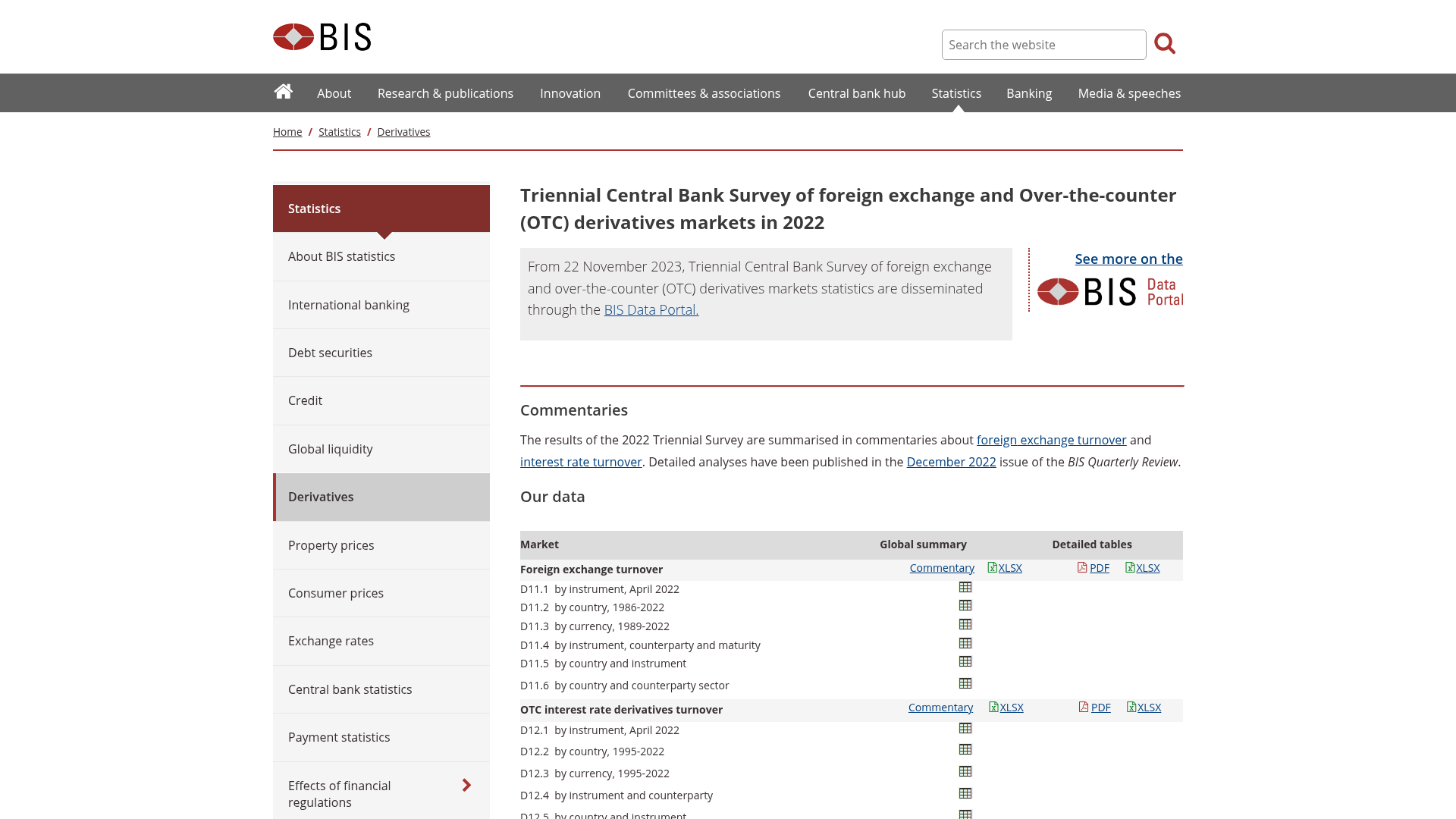
ภาพหน้าจอของหน้าเว็บทางการที่มาของกฎระเบียบในคู่มือนี้ เปิดดูด้วยตัวคุณเอง — คำพูดของหน่วยงานกำกับดูแลย่อมดีกว่าสรุปเสมอ
คำถามที่พบบ่อย
แหล่งที่มา
ที่มา
เขียนโดย Sofia Reyes
ผู้สอนด้านความเสี่ยงและจิตวิทยาเราเขียนบทเรียน forex ที่มีโครงสร้างและเข้าใจง่ายสำหรับผู้เริ่มต้น เน้นความเข้าใจเป็นอันดับแรกเสมอ — และไม่ใช่คำแนะนำทางการเงิน เนื้อหาหลักสูตรอยู่ใน หลักสูตร.
เรียนรู้ต่อไป
เส้นทางต่อไป
คู่มือที่เกี่ยวข้องกับหน้านี้มากที่สุด เรียงตามลำดับที่ต่อยอดจากหน้านี้ แต่ละคู่มือเป็นเนื้อหาที่สมบูรณ์ในตัวเอง และไม่มีคู่มือใดที่ถือว่าคุณอ่านหน้านี้จบแล้ว
- พิธีกรรมหกสิบวินาที: กิจวัตรก่อนส่งคำสั่งเพื่อความมั่นใจในการเทรดของคุณก่อนที่คุณจะคลิก 'ซื้อ' หรือ 'ขาย' ใช้เวลาสักครู่เพื่อตรวจสอบรายการอย่างรวดเร็วและมีวินัย…
- คำสั่ง Bracket และ OCO: กลยุทธ์การออกอัตโนมัติของคุณก่อนเข้าเทรดค้นพบวิธีตั้งค่าคำสั่ง stop-loss และ take-profit…
- ทำไมคำสั่ง Market Order ของคุณอาจถูกเติมเต็มในราคาที่คุณไม่เคยเห็นค้นพบกลไกที่ซ่อนอยู่เบื้องหลังการดำเนินการคำสั่ง market order ตั้งแต่พลวัตของ order book ไปจนถึงโมเดลของโบรกเกอร์…
- ความลังเลในการเข้าเทรด: วิธีแก้ปัญหาการคลิกที่หยุดนิ่งอย่างเป็นรูปธรรมเรียนรู้วิธีเอาชนะความลังเลในการเทรดด้วยการสร้างกฎการเข้าเทรดที่ชัดเจน การจัดการความเสี่ยง…
- แท่งเทียน Engulfing: กลไกที่จับต้องได้ ไม่ใช่เรื่องลี้ลับเรียนรู้กลไกที่เข้าใจง่ายของรูปแบบแท่งเทียน Engulfing ขาขึ้นและขาลง…