Panduan · 12 menit baca · 2,233 words
Forward Testing di Akun Demo: Strategi Cerdas untuk Mempercepat Pembelajaran Anda
Jangan biarkan trading demo Anda berlarut-larut; temukan cara mensimulasikan kondisi pasar nyata dan memadatkan praktik berbulan-bulan menjadi hitungan minggu, tanpa mempertaruhkan satu dolar pun.
Poin-poin penting
- Trading demo tradisional seringkali gagal mempersiapkan trader untuk psikologi pasar nyata dan realitas eksekusi.
- Forward testing terstruktur memadatkan pembelajaran dengan secara aktif mencari peristiwa volatilitas tinggi dan memanfaatkan tumpang tindih sesi pasar.
- Berlatih pada kerangka waktu mikro secara signifikan meningkatkan jumlah setup trading dan mempercepat siklus umpan balik dalam periode yang lebih singkat.
- Jurnal trading yang rajin sangat penting untuk mengidentifikasi pola, mengoreksi kesalahan, dan dengan cepat mempercepat pengembangan keterampilan.
- Pilih akun demo yang secara akurat mencerminkan spread nyata, eksekusi, dan slippage untuk menghindari ekspektasi yang tidak realistis.
- Transisi ke trading nyata harus menjadi proses bertahap, dimulai dengan micro lot untuk mengelola risiko psikologis secara efektif.
Jebakan Senyap dari Trading Demo Tanpa Akhir
Bayangkan seorang pengemudi baru, belajar parkir paralel. Mereka berlatih berbulan-bulan di lahan kosong, dengan sempurna masuk ke tempat parkir tanpa hambatan sedikit pun. Namun, ketika mereka akhirnya menghadapi jalanan yang ramai, dengan klakson berbunyi, pengemudi yang tidak sabar di belakang mereka, dan tempat sempit yang terbuka, kepanikan melanda. Praktik sempurna mereka lenyap, digantikan oleh keraguan dan kecemasan. Ini adalah jebakan umum yang senyap, tempat banyak trader pemula terjebak dengan akun demo. Mereka menghabiskan waktu berminggu-minggu, terkadang berbulan-bulan, mengeksekusi 'trade' 'sempurna' tanpa mempertaruhkan sepeser pun, dengan rajin mengikuti aturan mereka dan seringkali melihat keuntungan konsisten di atas kertas. Ini dapat membangun rasa aman yang palsu, meyakinkan mereka bahwa mereka telah menguasai pasar. Namun, saat mereka beralih ke akun nyata, pasar sesungguhnya – dengan beban emosionalnya, ketakutan akan kerugian, dan realitas slippage yang tidak terduga – terasa sama sekali asing. Kepercayaan diri awal itu dengan cepat runtuh, seringkali menyebabkan kesalahan mahal karena kebiasaan disiplin hancur di bawah tekanan. Bukan berarti trading demo itu buruk; ini penting untuk mempelajari mekanisme sebuah platform dan menguji strategi. Masalah utamanya terletak pada bagaimana hal itu sering didekati: secara pasif, tanpa strategi yang jelas untuk mempercepat kurva pembelajaran atau benar-benar mensimulasikan tekanan mental dari uang sungguhan. Kita membutuhkan cara yang lebih baik untuk menjembatani kesenjangan antara praktik teoretis dan kinerja praktis, dan di sinilah forward testing terstruktur berperan.
Mengapa Sebagian Besar Akun Demo Terasa Seperti Treadmill
Cara umum orang menggunakan akun demo adalah hanya untuk 'mencoba' suatu strategi atau melihat apakah mereka bisa menghasilkan uang. Mereka membuka grafik, menunggu sinyal, menempatkan trade, lalu menunggu lagi, terkadang berjam-jam atau bahkan berhari-hari. Pengamatan pasif ini bisa terasa sangat lambat dan tidak produktif. Pikirkanlah: jika strategi pilihan Anda hanya memberikan satu atau dua setup bagus seminggu pada grafik harian, Anda membutuhkan waktu setahun atau lebih untuk mengumpulkan umpan balik senilai 50-100 trade. Itu adalah proses yang panjang dan berlarut-larut untuk pengembangan keterampilan. Pasar tidak selalu bergerak dengan cara yang menghasilkan peluang instan untuk pendekatan spesifik Anda; Anda mungkin menghabiskan berhari-hari menatap pergerakan sideways, menunggu breakout yang tidak pernah datang, atau menunggu indikator Anda selaras. Penantian pasif ini tidak membangun keterampilan cepat atau mempertajam pengambilan keputusan Anda. Tidak ada urgensi, tidak ada konsekuensi nyata karena melewatkan trade, dan tentu saja tidak ada rasa sakit emosional dari trade yang merugi. Otak Anda tidak mendaftarkan tingkat kepentingan atau komitmen yang sama seperti halnya dengan uang sungguhan yang dipertaruhkan. Karena hal ini, sangat mudah untuk mengembangkan kebiasaan malas – position sizing yang buruk, kriteria masuk yang ceroboh, atau mengabaikan stop loss Anda – hanya karena 'ini bukan uang sungguhan'. Ini bukan praktik yang produktif; ini hanya membuang-buang waktu, dan seringkali menyebabkan frustrasi dan kemajuan yang tertunda.
Forward Testing Bukan Backtesting: Perbedaan Krusial
Untuk memahami teknik spesifik dalam mempercepat praktik demo Anda, mari kita klarifikasi beberapa istilah fundamental yang sering dicampuradukkan oleh trader baru. Banyak yang percaya 'forward testing' dan 'backtesting' dapat dipertukarkan, tetapi keduanya memiliki tujuan yang sangat berbeda. Backtesting melibatkan penerapan strategi trading Anda yang dirancang dengan cermat pada data harga historis. Perangkat lunak khusus seringkali memungkinkan Anda kembali bertahun-tahun ke belakang, menjalankan strategi Anda terhadap pergerakan pasar di masa lalu untuk melihat bagaimana kinerjanya seharusnya. Ini adalah alat yang sangat baik untuk dengan cepat memvalidasi apakah suatu konsep memiliki keunggulan statistik atas sampel besar trade di masa lalu, membangun kepercayaan pada logika dasarnya. Anda benar-benar dapat menjalankan data bertahun-tahun dalam hitungan menit. Namun ada kendalanya: backtesting ada di lingkungan yang steril dan sempurna. Ini tidak memperhitungkan masalah eksekusi dunia nyata seperti slippage, lonjakan berita mendadak, platform freeze, atau, yang terpenting, reaksi emosional Anda sendiri terhadap pergerakan harga nyata. Ini adalah latihan teoretis. Forward testing berarti menerapkan strategi Anda pada kondisi pasar nyata di akun demo. Anda trading secara real-time, menerima price feed nyata, mengalami spread real-time, dan menghadapi kecepatan aksi pasar yang sebenarnya, terkadang lambat dan membuat frustrasi – hanya saja tanpa uang sungguhan yang dipertaruhkan. Ini tentang membangun memori otot praktis untuk entry, exit, dan manajemen risiko dalam kondisi yang meniru kondisi nyata sedekat mungkin, tetapi dengan pendekatan yang disengaja dan dipercepat untuk memadatkan kurva pembelajaran.
Trading Berita: Memadatkan Volatilitas menjadi Berjam-jam
Salah satu cara tercepat dan paling efektif untuk menyuntikkan volatilitas dan peluang ke dalam praktik demo Anda adalah dengan aktif trading di sekitar rilis berita ekonomi berdampak tinggi. Alih-alih menunggu berhari-hari agar kondisi pasar selaras dengan strategi Anda, Anda dapat secara efektif memadatkan pergerakan pasar yang biasa selama berjam-jam atau bahkan berhari-hari menjadi beberapa menit yang intens. Anggap saja seperti latihan high-intensity interval training (HIIT) untuk otak trading Anda. Anda mengidentifikasi rilis data penting – seperti laporan US Non-Farm Payrolls (NFP), angka Consumer Price Index (CPI), atau keputusan suku bunga dari bank sentral utama seperti ECB atau Bank of England – dan merencanakan trade Anda secara spesifik untuk momen-momen tersebut. Peristiwa-peristiwa ini seringkali memicu ayunan harga yang tajam dan menentukan, menyediakan titik entry dan exit yang jelas untuk jenis strategi breakout atau momentum tertentu. Anda tidak mencoba memprediksi hasil berita itu sendiri; melainkan, Anda berlatih bagaimana bereaksi terhadap peningkatan volatilitas yang tiba-tiba, mengelola risiko Anda dengan cepat, dan mengeksekusi pesanan Anda di bawah tekanan. Platform seperti ForexFactory atau Investing.com menyediakan kalender ekonomi berkode warna yang sangat baik, mengategorikan berita berdasarkan tingkat dampaknya yang diharapkan. Fokus terutama pada peristiwa 'folder merah', yang menunjukkan potensi dampak pasar tertinggi. Sebagai contoh, US Bureau of Labor Statistics merilis laporan Employment Situation-nya, termasuk NFP, pada hari Jumat pertama setiap bulan pukul 12:30 GMT, dan peristiwa ini biasanya menyebabkan pergerakan pasangan mata uang yang signifikan setidaknya selama 30 menit, seringkali jauh lebih lama. Dengan mendedikasikan waktu demo terfokus Anda di sekitar periode yang dapat diprediksi ini, Anda bisa mendapatkan sejumlah besar aksi pasar 'nyata' dan praktik pengambilan keputusan dalam jendela waktu yang sangat singkat.
Rilis Berita Ekonomi Berdampak Tinggi Mendatang (Contoh)
| Tanggal | Waktu (GMT) | Mata Uang | Peristiwa | Dampak yang Diharapkan |
|---|---|---|---|---|
| 4 Okt | 12:30 | USD | Non-Farm Payrolls | Tinggi |
| 10 Okt | 08:00 | EUR | Notulen Rapat Kebijakan Moneter ECB | Sedang |
| 16 Okt | 02:00 | AUD | Notulen Rapat RBA | Sedang |
| 24 Okt | 14:00 | CAD | Keputusan Suku Bunga Bank of Canada | Tinggi |
Cara umum orang menggunakan akun demo adalah hanya untuk 'mencoba' suatu strategi atau melihat apakah mereka bisa menghasilkan uang, namun pendekatan pasif ini seringkali terasa seperti treadmill.
Memanfaatkan Tumpang Tindih Sesi untuk Latihan Intensif
adalah dengan fokus strategis pada tumpang tindih sesi pasar. Pasar valuta asing dikenal beroperasi 24 jam sehari, lima hari seminggu, bergerak dari satu pusat keuangan utama ke pusat keuangan berikutnya. Namun, tidak semua jam memiliki kualitas yang sama dalam hal likuiditas dan volatilitas. Aktivitas trading, dan dengan demikian peluang, melonjak ketika pusat-pusat keuangan utama buka secara bersamaan. Tiga sesi utama adalah Asia (didominasi oleh Tokyo), Eropa (London), dan Amerika Utara (New York). Ketika sesi London dan New York tumpang tindih, misalnya, Anda biasanya akan melihat volume trading tertinggi, spread paling ketat, dan pergerakan harga paling signifikan, terutama untuk pasangan mata uang yang banyak diperdagangkan seperti EUR/USD atau GBP/USD. Tumpang tindih ini, umumnya dari pukul 8 pagi hingga 12 siang Waktu Bagian Timur (1 siang hingga 5 sore GMT), adalah jendela utama untuk strategi aktif. Daripada menunggu setup secara pasif sepanjang hari, Anda dapat mendedikasikan waktu demo terfokus Anda untuk periode aktivitas tinggi ini. Anda akan menemukan lebih banyak setup, aksi harga yang lebih cepat, dan seringkali tren yang lebih jelas, memungkinkan Anda untuk mengeksekusi lebih banyak trading dan mengumpulkan data yang lebih signifikan secara statistik tentang strategi Anda dalam waktu yang lebih singkat. Penting juga untuk memahami karakteristik khas setiap sesi – misalnya, sesi Asia seringkali lebih tenang dengan rentang yang lebih ketat dan pergerakan yang kurang dramatis, sementara sesi London dan New York dikenal karena dinamisme dan breakout mereka. Menyesuaikan strategi latihan Anda dengan periode-periode spesifik ini akan memaksimalkan waktu belajar efektif Anda.
Sesi Perdagangan Forex Utama dan Tumpang Tindih Puncaknya (GMT)
| Sesi | Buka (GMT) | Tutup (GMT) | Karakteristik |
|---|---|---|---|
| Sydney | 22:00 | 07:00 | Pertama buka, volatilitas lebih rendah |
| Tokyo | 00:00 | 09:00 | Volatilitas sedang, fokus pada mata uang Asia |
| London | 08:00 | 17:00 | Volatilitas tinggi, sesi tersibuk |
| New York | 13:00 | 22:00 | Volatilitas tinggi, tumpang tindih kuat dengan London |
Timeframe Mikro: Mendapatkan Lebih Banyak "Peluang Latihan" Setiap Hari
Jika Anda biasanya berlatih menggunakan grafik 1-jam atau 4-jam, Anda secara tidak langsung membatasi peluang harian Anda untuk melakukan eksekusi dan belajar. Untuk benar-benar mempercepat forward testing Anda, pertimbangkan untuk sementara beralih ke timeframe mikro seperti grafik 1-menit atau 5-menit. Pada timeframe yang lebih kecil ini, pergerakan harga (price action) berlangsung jauh lebih cepat, memberikan gambaran dinamika pasar yang lebih ringkas. Apa yang mungkin membutuhkan waktu berjam-jam atau bahkan sehari penuh untuk terjadi pada grafik per jam, dapat terselesaikan dalam hitungan menit pada grafik 1-menit. Ini tidak berarti menganjurkan live scalping sebagai gaya trading utama Anda, yang merupakan disiplin yang menuntut fokus dan eksekusi luar biasa. Sebaliknya, ini adalah tentang secara drastis meningkatkan 'peluang latihan' Anda – yaitu jumlah waktu Anda berlatih mengidentifikasi setup, mengelola trade, dan mengeksekusi strategi Anda sesuai dengan aturan Anda. Anda akan melihat lebih banyak sinyal, lebih banyak entri, lebih banyak exit, dan lebih banyak stop-out dalam satu sesi latihan yang terfokus. Loop umpan balik yang cepat ini memungkinkan Anda untuk dengan cepat mengidentifikasi kekurangan dalam strategi atau eksekusi Anda, lalu mengulang dan menyempurnakan pendekatan Anda lebih cepat daripada menunggu timeframe yang lebih lambat. Namun, perlu diketahui bahwa timeframe yang lebih kecil secara inheren lebih 'berisik' (noisy) dan rentan terhadap lebih banyak sinyal palsu, yang berarti manajemen risiko Anda harus sangat disiplin. Pada akun live, pendekatan ini membutuhkan spread yang sangat ketat dan eksekusi secepat kilat, yang hanya dapat disediakan secara konsisten oleh beberapa broker top-tier. Namun, untuk latihan demo, ini adalah alat yang sangat ampuh untuk memadatkan pengalaman. Misalnya, broker seperti Pepperstone dan IC Markets, yang dikenal dengan spread kompetitif dan eksekusi cepat, menawarkan lingkungan yang sangat baik untuk berlatih pada timeframe mikro, bahkan pada akun demo.
Jurnal Trading Anda: Akselerator untuk Pembelajaran
Kebanyakan panduan melewatkan bagian ini, padahal ini bisa dibilang komponen paling krusial untuk meningkatkan trading Anda dengan cepat. Tanpa jurnal trading yang teliti, semua latihan yang dipercepat di dunia tidak akan membuat Anda menjadi trader yang lebih baik; Anda hanya akan mengulangi kesalahan yang sama lebih cepat, dengan frekuensi yang lebih tinggi. Jurnal adalah buku catatan laboratorium pribadi Anda, perekam penerbangan Anda. Untuk setiap trade yang Anda lakukan di akun demo, catat semuanya: tanggal dan waktu, pasangan mata uang, timeframe yang Anda gunakan untuk trading, harga entry yang tepat, di mana Anda menempatkan stop loss, target take profit Anda, alasan rinci Anda untuk masuk (berdasarkan aturan strategi Anda secara eksplisit), dan yang terpenting, kondisi emosional Anda sebelum, selama, dan setelah trade. Sertakan screenshot grafik Anda saat entry dan exit untuk memberikan konteks visual. Setelah trade ditutup, tinjau secara menyeluruh. Apakah Anda mengikuti rencana Anda dengan tepat? Apa yang berhasil, dan mengapa? Apa yang salah, dan mengapa? Jujurlah pada diri sendiri tanpa kompromi. Jangan hanya mengabaikan trade yang rugi; trade-trade tersebut adalah guru terbaik Anda, mengungkapkan kelemahan dalam strategi atau eksekusi Anda di bawah tekanan. Proses peninjauan yang disiplin dan berulang inilah tempat pembelajaran yang nyata dan mendalam terjadi. Ini memaksa Anda untuk menghadapi asumsi Anda, mengidentifikasi kesalahan yang berulang, dan menemukan pola dalam perilaku Anda sendiri yang mungkin Anda lewatkan. Lingkaran umpan balik ini mengubah latihan mentah menjadi pengembangan keterampilan yang nyata. Lakukan ini dengan tekun, dan Anda akan belajar lebih banyak dalam sebulan dibandingkan banyak trader dalam setahun trading demo yang santai dan tanpa arah.
Memilih 'Sandbox' Anda: Fitur-fitur Akun Demo yang Baik
Tidak semua akun demo diciptakan sama, dan memilih yang tepat adalah kunci untuk forward testing yang dipercepat dan efektif. Untuk mendapatkan latihan paling realistis, Anda memerlukan lingkungan demo yang sangat menyerupai kondisi trading riil. Pertama, cari broker dengan cermat yang menawarkan spread pasar 'nyata' di akun demo mereka. Beberapa broker, sayangnya, menyediakan spread yang sangat ketat secara artifisial di demo, yang menetapkan ekspektasi yang sama sekali tidak realistis untuk trading live, mengarah pada kejutan yang tidak menyenangkan di kemudian hari. Jangan ragu untuk bertanya tentang ini secara eksplisit atau meneliti ketentuan layanan mereka. Kedua, pastikan akun demo menyediakan kecepatan eksekusi yang realistis dan mensimulasikan potensi slippage. Meskipun simulasi sempurna dari friksi pasar live tidak mungkin, demo yang baik akan memberi Anda gambaran seberapa cepat order Anda terisi, terutama selama periode volatil seperti rilis berita atau tumpang tindih sesi. Broker seperti OANDA dan FOREX.com, dengan sejarah panjang dan infrastruktur ekstensif mereka, seringkali menyediakan pengalaman demo yang sangat andal dan realistis. Ketiga, pastikan platform demo identik dalam segala hal dengan platform live. Anda ingin berlatih dengan alat, fitur charting, dan jenis order yang persis sama yang akan Anda gunakan saat beralih ke uang sungguhan, membangun keakraban dan kepercayaan diri. Terakhir, cari akun demo yang tidak kedaluwarsa terlalu cepat, atau yang dapat diperbarui dengan mudah tanpa kerumitan. Anda berkomitmen pada rutinitas latihan yang terstruktur dan intensif, dan Anda tidak ingin kemajuan Anda terganggu oleh akun yang kedaluwarsa. Akun demo yang andal dan realistis adalah medan perang latihan Anda; pilihlah dengan bijak untuk menghindari kejutan yang tidak menyenangkan saat Anda pasti beralih ke trading live.
Saat Roda Latihan Dilepas: Beralih ke Trading Live
Jadi, Anda telah melakukan forward testing dengan tekun, mencatat setiap trade dengan disiplin, dan kini Anda merasa benar-benar yakin dengan strategi Anda dan kemampuan Anda untuk mengeksekusinya. Bagaimana Anda tahu kapan benar-benar waktu untuk beralih dari lingkungan demo yang dipercepat ke akun live? Keputusan ini bukan tentang mencapai target profit tertentu yang sewenang-wenang di demo, yang bisa menyesatkan karena kurangnya tekanan emosional. Sebaliknya, ini tentang mencapai eksekusi strategi yang konsisten dan disiplin serta mempertahankan kontrol emosional yang tak tergoyahkan. Tanyakan pada diri Anda: Apakah Anda secara konsisten mengikuti aturan Anda, bahkan ketika trade tidak sesuai dengan Anda untuk suatu periode? Apakah Anda telah mengelola risiko Anda dengan tepat pada setiap trade, menetapkan stop loss dan menghormatinya? Bisakah Anda menangani serangkaian kerugian tanpa menyimpang dari rencana Anda, mengejar trade, atau memperbesar ukuran posisi Anda? Jika jawaban untuk pertanyaan-pertanyaan ini adalah 'ya' yang percaya diri dan jujur, maka kemungkinan besar Anda siap. Saat Anda beralih, mulailah dengan sangat kecil. Pikirkan 'micro lot' – trading dengan ukuran posisi sekecil mungkin (0.01 lot standar, yang seringkali berarti hanya 10 sen per pip untuk pasangan mata uang utama). Ini memungkinkan Anda untuk mengalami dampak emosional dari uang sungguhan dan perbedaan halus dalam eksekusi tanpa mempertaruhkan seluruh modal Anda. Ini adalah langkah terakhir yang bertahap dalam menjembatani kesenjangan dari latihan terstruktur ke kinerja aktual, memudahkan Anda menghadapi tekanan psikologis trading live tanpa membebani modal atau kepercayaan diri Anda. Ingat, tujuan dari latihan demo yang dipercepat ini adalah untuk membangun kebiasaan yang kuat dan berulang serta membuktikan keunggulan strategi Anda, bukan untuk cepat kaya. Bawa kebiasaan disiplin tersebut ke trading live Anda, dan perjalanan Anda akan jauh lebih lancar dan berkelanjutan.
Baca sumber utama
Periksa di regulator, bukan pada kami
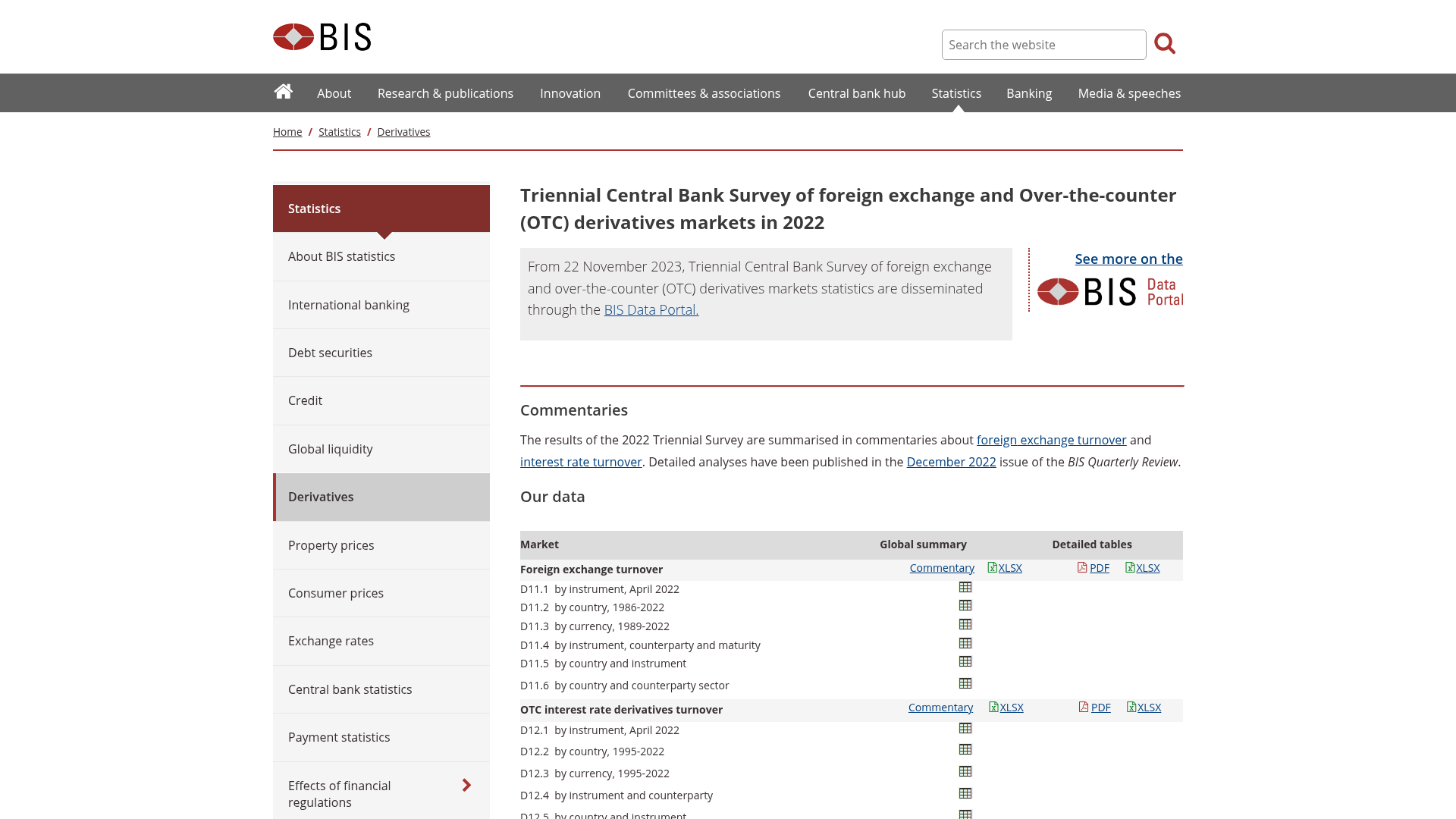
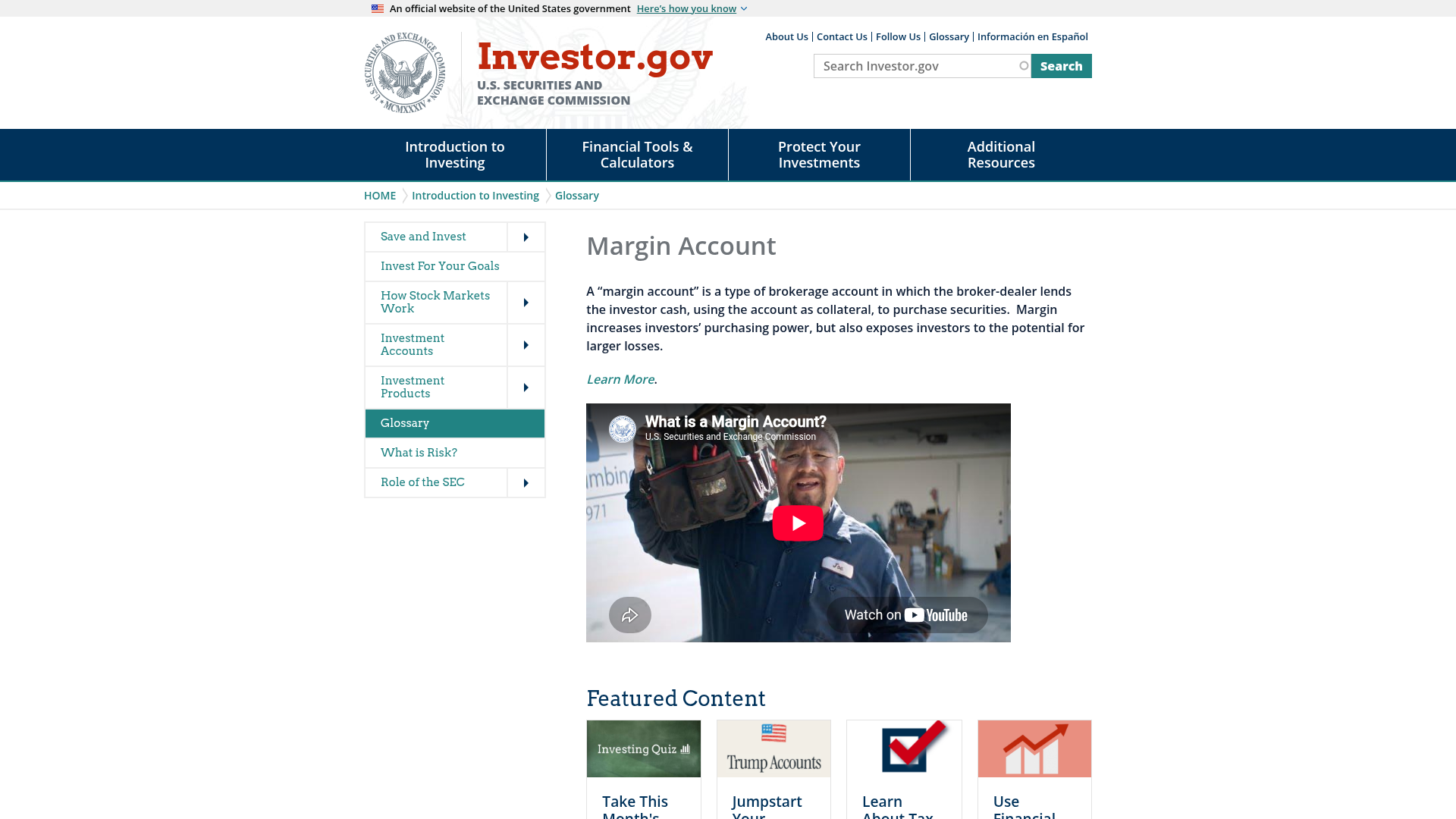
Tangkapan layar halaman resmi di balik aturan dalam panduan ini. Buka sendiri — kata-kata regulator sendiri selalu lebih baik daripada ringkasannya.
Sering ditanyakan
Sumber
Dari mana ini berasal
Ditulis oleh Sofia Reyes
Tutor Risiko & Psikologi. Kami menulis edukasi forex yang terstruktur, dalam bahasa Inggris sederhana untuk orang yang belajar dari awal. Pemahaman dulu, selalu — dan tidak pernah nasihat keuangan. Kursus itu sendiri ada di kurikulum.
Terus belajar
Ke mana panduan ini mengarah selanjutnya
Panduan yang paling dekat dengan ini, sesuai urutan pembangunannya. Masing-masing adalah bacaan lengkap tersendiri, dan tidak ada yang berasumsi Anda telah menyelesaikan halaman ini.
- Apakah Setup Trading Anda Hanya Bersinar pada Jam-jam Tertentu? Begini Cara MengetahuinyaBanyak trader menemukan strategi mereka bekerja dengan cemerlang di waktu tertentu, tetapi gagal di waktu lain; ritme pasar, bukan…
- Trading Lebih Cerdas, Bukan Lebih Lama: Menetapkan Batas Waktu Layar untuk Hasil yang Lebih BaikTemukan bagaimana manajemen waktu di depan layar yang presisi dan disiplin dapat mengubah kinerja trading Anda dan melindungi…
- Trading Forex Langsung Pertama Anda: Seberapa Kecil Seharusnya Ukurannya?Temukan pentingnya krusial untuk memulai dengan ukuran trade sekecil mungkin guna melindungi modal Anda dan mempercepat…
- Keraguan Saat Entry: Solusi Praktis untuk 'Click' yang TerhentiPelajari cara mengatasi keraguan dalam trading dengan membangun aturan entry yang jelas, mengelola risiko, dan memercayai proses…
- Jam Pasar Forex: Mengapa 24/5 dan Apa Artinya Bagi AndaTemukan kekuatan global di balik aksi pasar forex yang tanpa henti di hari kerja, pahami jeda akhir pekannya, dan pelajari cara…