Guía · 12 min de lectura · 2,233 words
Pruebas de Avance en Demo: Estrategias Inteligentes para Acelerar tu Aprendizaje
No dejes que el trading en demo se alargue; descubre cómo simular condiciones de mercado reales y condensar meses de práctica en semanas, sin arriesgar un solo dólar.
Conclusiones clave
- El trading tradicional en demo a menudo no logra preparar a los traders para la psicología del mercado real y las realidades de la ejecución.
- Las pruebas de avance estructuradas comprimen el aprendizaje buscando activamente eventos de alta volatilidad y aprovechando las superposiciones de sesiones de mercado.
- Practicar en marcos temporales pequeños aumenta significativamente el número de oportunidades de trading y acelera los ciclos de retroalimentación en un período más corto.
- Un diario de trading diligente es esencial para identificar patrones, corregir errores y acelerar rápidamente el desarrollo de habilidades.
- Elige cuentas demo que reflejen con precisión los spreads reales, la ejecución y el slippage para evitar expectativas poco realistas.
- La transición al trading real debe ser un proceso gradual, comenzando con micro lotes para gestionar el riesgo psicológico de manera efectiva.
La Trampa Silenciosa del Trading en Demo Interminable
Imagina a un nuevo conductor aprendiendo a estacionar en paralelo. Practica durante meses en un estacionamiento vacío, deslizándose sin problemas en los espacios sin un solo contratiempo. Pero cuando finalmente sale a una calle concurrida, con bocinas sonando, conductores impacientes detrás de ellos y un lugar estrecho abriéndose, el pánico se apodera. Su práctica perfecta se desvanece, reemplazada por la vacilación y la ansiedad. Esta es una trampa común y silenciosa en la que muchos traders aspirantes caen con las cuentas demo. Pasan semanas, a veces meses, ejecutando operaciones 'perfectas' sin arriesgar un centavo, siguiendo diligentemente sus reglas y a menudo viendo ganancias consistentes en papel. Esto puede generar una falsa sensación de seguridad, convenciéndolos de que han dominado el mercado. Sin embargo, en el momento en que cambian a una cuenta real, el mercado real – con su costo emocional, el miedo a la pérdida y la realidad impredecible del slippage – se siente completamente ajeno. Esa confianza inicial se desvanece rápidamente, lo que a menudo lleva a errores costosos a medida que los hábitos disciplinados se rompen bajo presión. No es que el trading en demo sea malo; es esencial para aprender la mecánica de una plataforma y probar una estrategia. El problema central radica en cómo a menudo se aborda: pasivamente, sin una estrategia clara para acelerar la curva de aprendizaje o simular verdaderamente la presión mental del dinero real. Necesitamos una mejor manera de cerrar esa brecha entre la práctica teórica y el rendimiento práctico, y ahí es precisamente donde entran en juego las pruebas de avance estructuradas.
Por Qué la Mayoría de las Cuentas Demo se Sienten Como una Cinta de Correr
La forma típica en que la gente usa una cuenta demo es simplemente para 'probar' una estrategia o ver si pueden ganar algo de dinero. Abren un gráfico, esperan una señal, colocan una operación y luego vuelven a esperar, a veces durante horas o incluso días. Esta observación pasiva puede sentirse increíblemente lenta e improductiva. Piénsalo: si tu estrategia preferida solo te da una o dos buenas configuraciones a la semana en un gráfico diario, estás hablando de un año o más para recopilar el valor de feedback de solo 50-100 operaciones. Ese es un proceso largo y tedioso para el desarrollo de habilidades. El mercado no siempre se mueve de una manera que genere oportunidades inmediatas para tu enfoque específico; podrías pasar días mirando una acción lateral, esperando una ruptura que nunca llega, o que tus indicadores se alineen. Esta espera pasiva no desarrolla habilidades rápidas ni agudiza tu toma de decisiones. No hay urgencia, ninguna consecuencia real por perder una operación, y ciertamente ningún dolor emocional por una perdedora. Tu cerebro no registra el mismo nivel de importancia o compromiso que lo haría con dinero real en juego. Debido a esto, es notablemente fácil desarrollar hábitos perezosos – un tamaño de posición deficiente, criterios de entrada descuidados o descuidar tu stop loss – simplemente porque 'no es dinero real de todos modos'. Esto no es una práctica productiva; es solo pasar el tiempo, y a menudo lleva a la frustración y al progreso retrasado.
El Forward Testing no es Backtesting: Una Distinción Crucial
Para entender las técnicas específicas para acelerar tu práctica en demo, aclaremos algunos términos fundamentales que los nuevos traders a menudo confunden. Muchos creen que 'forward testing' y 'backtesting' son intercambiables, pero sirven para propósitos muy diferentes. El backtesting implica aplicar tu estrategia de trading cuidadosamente diseñada a datos históricos de precios. El software especializado a menudo te permite retroceder años en el tiempo, ejecutando tu estrategia contra movimientos pasados del mercado para ver cómo habría funcionado. Es una excelente herramienta para validar rápidamente si un concepto tiene una ventaja estadística sobre una gran muestra de operaciones pasadas, construyendo confianza en su lógica subyacente. Literalmente puedes ejecutar años de datos en minutos. Pero hay una trampa: el backtesting existe en un entorno estéril y perfecto. No tiene en cuenta problemas de ejecución del mundo real como el slippage, picos repentinos de noticias, congelamientos de la plataforma o, crucialmente, tus propias reacciones emocionales a la acción del precio en vivo. Es un ejercicio teórico. El forward testing significa aplicar tu estrategia a condiciones de mercado reales en una cuenta demo. Operas en tiempo real, recibiendo feeds de precios reales, experimentando spreads en tiempo real y lidiando con el ritmo real, a veces lento y frustrante, de la acción del mercado – simplemente sin dinero real en juego. Se trata de construir memoria muscular práctica para entradas, salidas y gestión de riesgos bajo condiciones que imitan la realidad lo más fielmente posible, pero con un enfoque deliberado y acelerado para comprimir la curva de aprendizaje.
Trading de Noticias: Comprimiendo la Volatilidad en Horas
Una de las formas más rápidas y efectivas de inyectar volatilidad y oportunidades en tu práctica en demo es operando activamente en torno a los comunicados de noticias económicas de alto impacto. En lugar de esperar días a que las condiciones del mercado se alineen con tu estrategia, puedes comprimir eficazmente horas o incluso días de movimiento típico del mercado en unos pocos minutos intensos. Piensa en ello como un entrenamiento de alta intensidad por intervalos (HIIT) para tu cerebro de trading. Identificas comunicados de datos clave – como el informe de Nóminas No Agrícolas de EE. UU. (NFP), las cifras del Índice de Precios al Consumidor (IPC), o las decisiones sobre tasas de interés de los principales bancos centrales como el BCE o el Banco de Inglaterra – y planificas tus operaciones específicamente para esos momentos. Estos eventos a menudo desencadenan oscilaciones de precios bruscas y decisivas, proporcionando puntos claros de entrada y salida para ciertos tipos de estrategias de breakout o de momentum. No estás intentando predecir el resultado de la noticia en sí; más bien, estás practicando cómo reaccionar al aumento repentino de la volatilidad, gestionar tu riesgo rápidamente y ejecutar tus órdenes bajo presión. Plataformas como ForexFactory o Investing.com proporcionan excelentes calendarios económicos codificados por colores, categorizando las noticias por su nivel de impacto esperado. Concéntrate principalmente en los eventos de 'carpeta roja', que indican el mayor impacto potencial en el mercado. Por ejemplo, la Oficina de Estadísticas Laborales de EE. UU. publica su informe de Situación del Empleo, incluyendo el NFP, el primer viernes de cada mes a las 12:30 GMT, y este evento típicamente causa un movimiento significativo en los pares de divisas durante al menos 30 minutos, a menudo mucho más. Al dedicar tu tiempo de demo enfocado en torno a estos períodos predecibles, puedes obtener una enorme cantidad de acción de mercado 'real' y práctica en la toma de decisiones en una ventana de tiempo muy corta.
Próximos Comunicados de Noticias Económicas de Alto Impacto (Ejemplo)
| Fecha | Hora (GMT) | Divisa | Evento | Impacto Esperado |
|---|---|---|---|---|
| 4 de Octubre | 12:30 | USD | Nóminas no agrícolas | Alto |
| 10 de Octubre | 08:00 | EUR | Actas de la reunión de política monetaria del BCE | Medio |
| 16 de Octubre | 02:00 | AUD | Actas de la reunión del RBA | Medio |
| 24 de Octubre | 14:00 | CAD | Decisión sobre tipos de interés del Banco de Canadá | Alto |
La forma típica en que la gente usa una cuenta demo es simplemente para 'probar' una estrategia o ver si pueden ganar algo de dinero, pero este enfoque pasivo a menudo se siente como una cinta de correr.
Aprovechando los Solapamientos de Sesiones para una Práctica Intensiva
Otra manera eficaz de incorporar más oportunidades de trading en tu agenda de práctica en demo y escapar del efecto de la rutina es centrarse estratégicamente en los solapamientos de las sesiones de mercado. El mercado de divisas es conocido por operar 24 horas al día, cinco días a la semana, moviéndose de un centro financiero importante a otro. Sin embargo, no todas las horas son iguales en términos de liquidez y volatilidad. La actividad de trading, y por ende la oportunidad, se dispara cuando los principales centros financieros están abiertos simultáneamente. Las tres sesiones principales son la asiática (dominada por Tokio), la europea (Londres) y la norteamericana (Nueva York). Cuando las sesiones de Londres y Nueva York se solapan, por ejemplo, normalmente se observan los mayores volúmenes de trading, los spreads más ajustados y los movimientos de precios más significativos, especialmente para pares muy negociados como el EUR/USD o el GBP/USD. Este solapamiento, generalmente de 8 AM a 12 PM hora del Este (1 PM a 5 PM GMT), es una ventana de oportunidad ideal para estrategias activas. En lugar de esperar pasivamente todo el día por una configuración, puedes dedicar tu tiempo de práctica en demo de forma concentrada a estos períodos de alta actividad. Encontrarás más configuraciones, una acción del precio más rápida y a menudo tendencias más claras, lo que te permitirá ejecutar más operaciones y recopilar datos estadísticamente más significativos sobre tu estrategia en un período más corto. También es importante comprender las características típicas de cada sesión; por ejemplo, la sesión asiática suele ser más tranquila, con rangos más ajustados y movimientos menos drásticos, mientras que las sesiones de Londres y Nueva York son conocidas por su dinamismo y sus rupturas (breakouts). Adaptar tu estrategia de práctica a estos períodos específicos maximizará tu tiempo de aprendizaje efectivo.
Sesiones Principales de Trading de Forex y Solapamientos de Pico (GMT)
| Sesión | Apertura (GMT) | Cierre (GMT) | Características |
|---|---|---|---|
| Sídney | 22:00 | 07:00 | Primera en abrir, menor volatilidad |
| Tokio | 00:00 | 09:00 | Volatilidad moderada, enfoque en divisas asiáticas |
| Londres | 08:00 | 17:00 | Alta volatilidad, la sesión más activa |
| Nueva York | 13:00 | 22:00 | Alta volatilidad, fuerte solapamiento con Londres |
Marcos temporales micro: Más "oportunidades de bateo" cada día
Si normalmente practica con gráficos de 1 hora o 4 horas, está limitando intrínsecamente sus oportunidades diarias para ejecutar y aprender. Para acelerar realmente su forward testing (prueba hacia adelante), considere pasar temporalmente a marcos temporales micro, como los gráficos de 1 minuto o 5 minutos. En estos marcos temporales más pequeños, la acción del precio se desarrolla mucho más rápidamente, ofreciendo una visión comprimida de la dinámica del mercado. Lo que podría tardar horas o incluso un día completo en desarrollarse en un gráfico horario, podría resolverse en minutos en un gráfico de 1 minuto. Esto no se trata necesariamente de abogar por el scalping en vivo como su estilo de trading principal, que es una disciplina exigente que requiere un enfoque y una ejecución excepcionales. En cambio, se trata de aumentar drásticamente sus 'oportunidades de bateo' – la cantidad de veces que practica la identificación de configuraciones, la gestión de operaciones y la ejecución de su estrategia de acuerdo con sus reglas. Verá más señales, más entradas, más salidas y más stop-outs (cierres por stop-loss) dentro de una única sesión de práctica enfocada. Este ciclo de retroalimentación rápido le permite identificar rápidamente fallos en su estrategia o ejecución, y luego iterar y refinar su enfoque más rápido que esperando marcos temporales más lentos. Solo tenga en cuenta que los marcos temporales más pequeños son intrínsecamente más 'ruidosos' y propensos a más señales falsas, lo que significa que su gestión de riesgo debe ser extremadamente disciplinada. En una cuenta real, este enfoque requiere spreads muy ajustados y una ejecución ultrarrápida, que solo unos pocos brokers de primer nivel pueden proporcionar de manera consistente. Para la práctica en cuenta demo, sin embargo, es una herramienta increíblemente potente para comprimir la experiencia. Por ejemplo, brokers como Pepperstone e IC Markets, conocidos por sus spreads competitivos y ejecución rápida, ofrecen excelentes entornos para practicar en marcos temporales micro, incluso en cuentas demo.
Tu Diario de Trading: El Acelerador del Aprendizaje
La mayoría de las guías omiten esta parte, sin embargo, es, sin duda, el componente más crítico para mejorar rápidamente tu trading. Sin un diario de trading diligente, toda la práctica acelerada del mundo no te convertirá en un mejor trader; simplemente repetirás los mismos errores más rápido y con mayor frecuencia. Un diario es tu cuaderno de laboratorio personal, tu caja negra. Para cada operación que realices en demo, registra todo: la fecha y hora, el par de divisas, el timeframe en el que operaste, tu precio de entrada exacto, dónde colocaste tu stop loss, tu objetivo de take profit, tu razonamiento detallado para entrar (basado explícitamente en las reglas de tu estrategia) y, lo que es crucial, tu estado emocional antes, durante y después de la operación. Incluye capturas de pantalla de tus gráficos en la entrada y salida para proporcionar contexto visual. Una vez cerrada la operación, revísala a fondo. ¿Seguiste tu plan con precisión? ¿Qué salió bien y por qué? ¿Qué salió mal y por qué? Sé brutalmente honesto contigo mismo. No pases por alto las operaciones perdedoras; esas son tus mejores maestras, revelando debilidades en tu estrategia o ejecución bajo estrés. Este proceso de revisión disciplinado e iterativo es donde ocurre el aprendizaje real y profundo. Te obliga a confrontar tus suposiciones, identificar errores recurrentes y detectar patrones en tu propio comportamiento que de otro modo podrías pasar por alto. Este bucle de retroalimentación transforma la práctica bruta en un desarrollo de habilidades genuino. Haz esto con diligencia y aprenderás más en un mes de lo que muchos traders aprenden en un año de trading en demo casual y sin dirección.
Eligiendo tu Campo de Pruebas: Características de una Buena Cuenta Demo
No todas las cuentas demo son iguales, y elegir la correcta es clave para un forward testing acelerado y efectivo. Para obtener la práctica más realista, necesitas un entorno demo que imite de cerca las condiciones reales de trading. Primero, busca rigurosamente brokers que ofrezcan spreads de mercado 'reales' en sus cuentas demo. Algunos brokers, desafortunadamente, ofrecen spreads artificialmente ajustados en demo, lo que crea expectativas completamente irrealistas para el trading en vivo, llevando a sorpresas desagradables más adelante. No dudes en preguntar explícitamente sobre esto o en examinar sus términos de servicio. Segundo, asegúrate de que la cuenta demo proporcione una velocidad de ejecución realista y simule el slippage potencial. Aunque una simulación perfecta de la fricción del mercado en vivo es imposible, una buena demo te dará una idea de cuán rápido se ejecutan tus órdenes, especialmente durante períodos volátiles como comunicados de prensa o solapamientos de sesiones. Brokers como OANDA y FOREX.com, con sus largas trayectorias y extensa infraestructura, a menudo proporcionan experiencias demo muy fiables y realistas. Tercero, asegúrate de que la plataforma demo sea idéntica en todos los aspectos a la plataforma en vivo. Quieres practicar con las herramientas exactas, las características de gráficos y los tipos de órdenes que usarás cuando hagas la transición a dinero real, construyendo familiaridad y confianza. Finalmente, busca una cuenta demo que no caduque demasiado rápido, o una que pueda renovarse fácilmente sin complicaciones. Te estás comprometiendo a una rutina de práctica estructurada e intensiva, y no quieres que tu progreso se vea interrumpido por una cuenta que caduca. Una cuenta demo fiable y realista es tu campo de batalla de práctica; elígela sabiamente para evitar sorpresas desagradables cuando, inevitablemente, cambies al trading en vivo.
Cuando se Quitan las Ruedas de Apoyo: Pasando al Trading en Vivo
Así que, has realizado forward testing diligentemente, has registrado cada operación con disciplina, y ahora te sientes genuinamente seguro de tu estrategia y de tu capacidad para ejecutarla. ¿Cómo sabes cuándo es realmente el momento de pasar del entorno demo acelerado a una cuenta en vivo? La decisión no se trata de alcanzar un objetivo de ganancias específico y arbitrario en demo, lo cual puede ser engañoso debido a la falta de presión emocional. En cambio, se trata de lograr una ejecución consistente y disciplinada de tu estrategia y de mantener un control emocional inquebrantable. Pregúntate: ¿Has seguido consistentemente tus reglas, incluso cuando las operaciones fueron en tu contra durante un período? ¿Has gestionado tu riesgo adecuadamente en cada operación, estableciendo stop losses y respetándolos? ¿Puedes manejar una serie de pérdidas sin desviarte de tu plan, perseguir operaciones o sobredimensionar tus posiciones? Si la respuesta a estas preguntas es un 'sí' seguro y honesto, entonces es probable que estés listo. Cuando hagas la transición, empieza increíblemente pequeño. Piensa en 'micro lotes' – operando con los tamaños de posición más pequeños posibles (0.01 lotes estándar, lo que a menudo se traduce en solo 10 centavos por pip para los pares principales). Esto te permite experimentar el impacto emocional del dinero real y las sutiles diferencias en la ejecución sin arriesgar todo tu capital. Es el paso final y gradual para cerrar la brecha entre la práctica estructurada y el rendimiento real, introduciéndote en las presiones psicológicas del trading en vivo sin abrumar tu capital o tu confianza. Recuerda, el objetivo de esta práctica demo acelerada era construir hábitos sólidos y repetibles y demostrar la ventaja de tu estrategia, no enriquecerse rápidamente. Lleva esos hábitos disciplinados a tu trading en vivo, y tu camino será mucho más suave y sostenible.
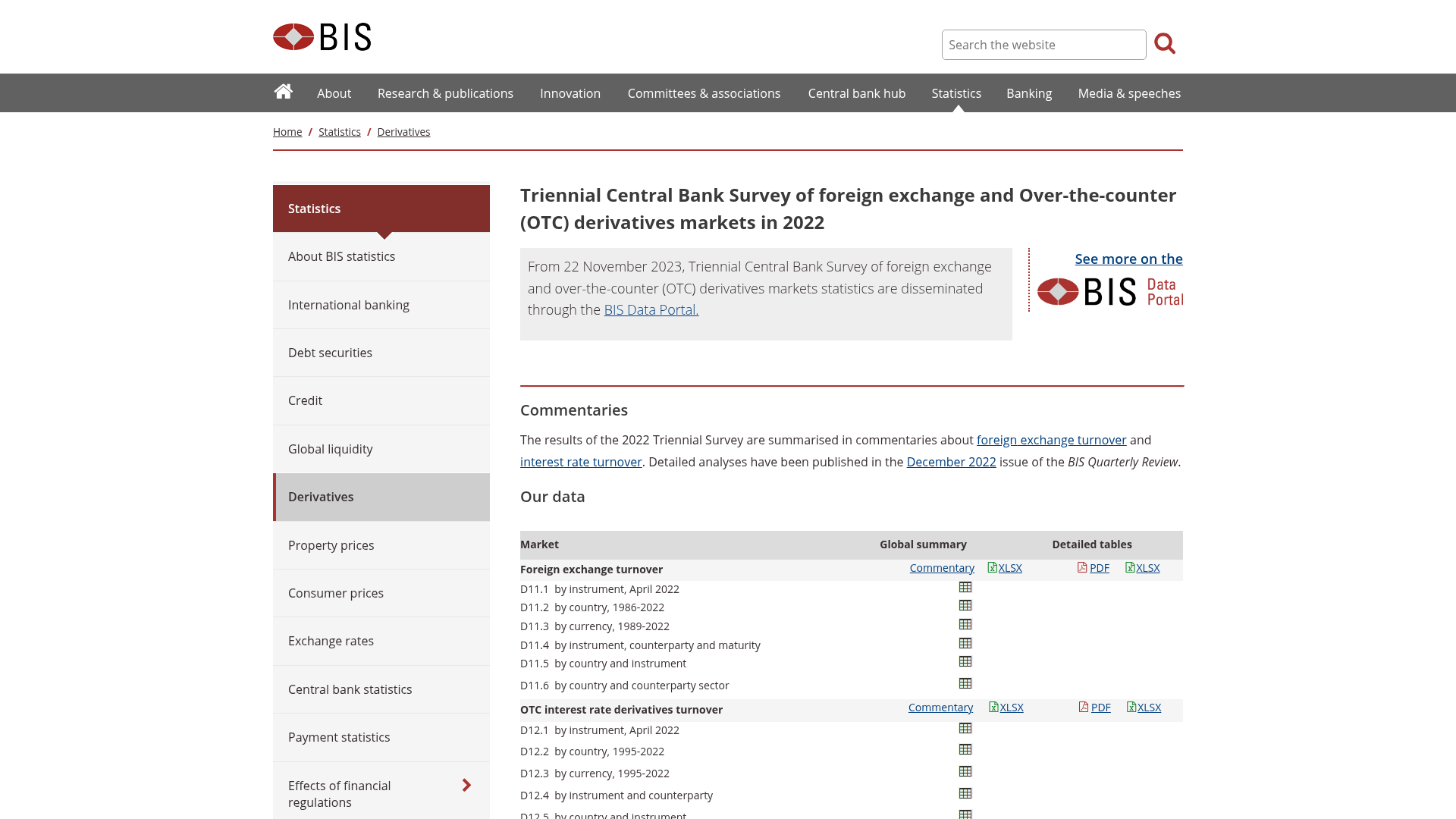
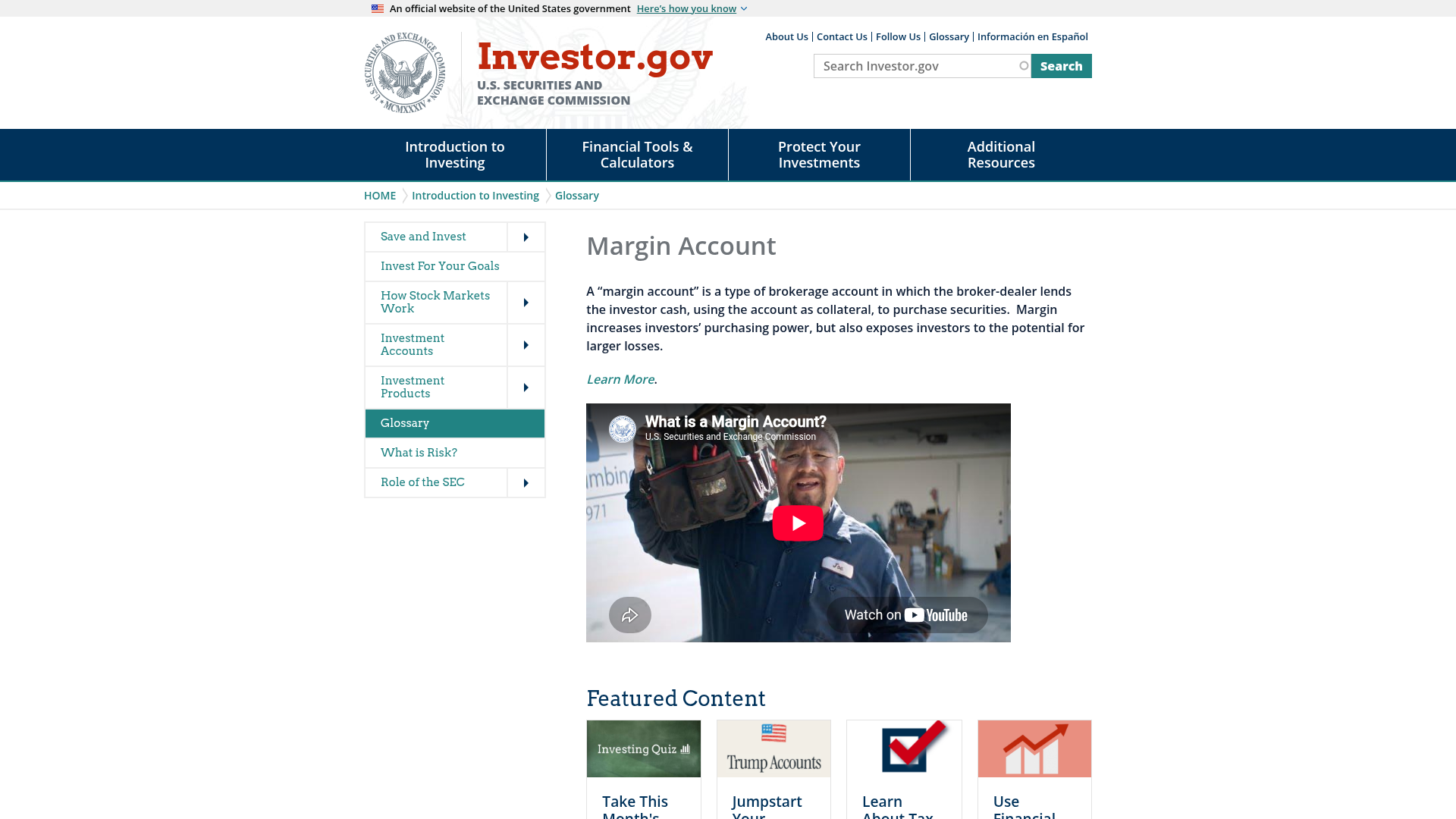
Lea la fuente primaria
Compruébelo con el regulador, no con nosotros
Capturas de pantalla de las páginas oficiales que respaldan las reglas de esta guía. Ábralas usted mismo — las palabras del regulador siempre superan a un resumen.
Preguntas frecuentes
Fuentes
De dónde viene esto
Escrito por Sofia Reyes
Tutor de Riesgo y Psicología. Escribimos formación estructurada y en lenguaje sencillo sobre forex para personas que aprenden desde cero. Primero la comprensión, siempre — y nunca asesoramiento financiero. El curso en sí reside en el plan de estudios.
Sigue aprendiendo
A dónde lleva esta guía después
Las guías relacionadas, en el orden en que se construyen a partir de esta. Cada una es una lectura completa por sí misma, y ninguna asume que ya hayas terminado esta página.
- ¿Tu Configuración de Trading Solo Brilla en Ciertas Horas? Aquí te Explicamos Cómo SaberloMuchos traders encuentran que sus estrategias funcionan de manera brillante a veces, pero fracasan en otras; el ritmo del mercado…
- Operar de Forma Más Inteligente, No Más Larga: Estableciendo Límites de Tiempo de Pantalla para Mejores ResultadosDescubra cómo una gestión precisa y disciplinada del tiempo de pantalla puede transformar su rendimiento de trading y proteger su…
- Su Primer Trade de Forex en Vivo: ¿Qué Tan Pequeño Debería Ser Realmente?Descubra la importancia crucial de empezar con el tamaño de operación más pequeño posible para proteger su capital y acelerar su…
- Dudas al Entrar: Una Solución Práctica para el Clic CongeladoAprenda a superar la indecisión en el trading construyendo reglas de entrada claras, gestionando el riesgo y confiando en su…
- Horario del Mercado Forex: Por Qué Es 24/5 y Qué Significa Para UstedDescubra las fuerzas globales detrás de la acción ininterrumpida del mercado forex durante la semana, comprenda su pausa de fin de…