Panduan · 10 menit baca · 2,895 words
Dua Puluh Kata Pertamamu: Tes Mandiri Kosakata Forex
Sebelum Anda melakukan satu pun transaksi, menguasai istilah-istilah dasar forex ini sangat penting untuk berpikir jernih dan mengambil keputusan dengan percaya diri, mempersiapkan Anda untuk meraih kesuksesan.

Poin-poin penting
- Perdagangan forex sangat bergantung pada terminologi khusus; menguasainya akan memperjelas pemahaman dan komunikasi pasar.
- Pasangan mata uang selalu melibatkan dua mata uang, dengan mata uang dasar yang dikutip terhadap mata uang lawan (kuotasi).
- Spread, perbedaan antara harga bid dan ask, adalah biaya langsung Anda untuk memasuki transaksi.
- Pip mengukur pergerakan harga terkecil, sementara lot menentukan ukuran transaksi Anda.
- Leverage dapat secara signifikan memperbesar potensi keuntungan dan kerugian, menuntut manajemen risiko yang ketat.
- Order stop loss dan take profit adalah alat yang sangat diperlukan untuk mengotomatiskan kontrol risiko dan mengamankan keuntungan.
Lebih Dari Sekadar Nilai Tukar: Mengapa Kata-Kata Itu Penting
Bayangkan Anda sedang mencoba mempelajari olahraga baru, misalnya, bola basket. Anda tidak akan melangkah ke lapangan tanpa mengetahui apa itu "dribble", atau apa arti "foul", bukan? Perdagangan forex tidak berbeda. Ia memiliki bahasanya sendiri, seperangkat istilah khusus yang menjelaskan cara kerja pasar, bagaimana Anda berpartisipasi, dan bagaimana Anda mengelola uang Anda. Mencoba bertransaksi tanpa pemahaman yang kuat tentang kosakata ini ibarat bermain bola basket tanpa memahami aturannya.
Banyak trader baru langsung melihat grafik atau bahkan lebih buruk lagi, melakukan transaksi, tanpa benar-benar memahami kata-kata yang digunakan untuk menggambarkan apa yang sedang terjadi. Ini bukan hanya tentang terdengar pintar; ini tentang kejelasan. Ketika Anda mendengar tentang "pip" atau "leverage" atau "margin call", Anda perlu tahu persis apa artinya, tanpa ragu. Salah menafsirkan bahkan satu istilah kunci saja dapat menyebabkan kesalahan yang merugikan atau peluang yang terlewatkan.
Artikel ini bukan hanya tentang menghafal definisi. Ini tentang membangun pemahaman dasar, kerangka kerja mental yang akan membantu Anda menafsirkan berita pasar, memahami platform broker Anda, dan berkomunikasi secara efektif tentang keputusan trading Anda. Kami akan menguraikan dua puluh istilah penting, satu per satu, untuk memastikan Anda berbicara dalam bahasa forex sejak hari pertama. Anggap ini sebagai langkah pertama dan penting Anda di arena trading.
Dasar-Dasar: Pasangan Mata Uang dan Keluarganya
Pada intinya, forex, kependekan dari "foreign exchange" (valuta asing), hanyalah tindakan membeli satu mata uang dan secara bersamaan menjual mata uang lainnya. Anda selalu berurusan dengan Pasangan Mata Uang, yaitu bagaimana kedua mata uang ini disajikan. Sebagai contoh, EUR/USD berarti Anda melihat Euro versus Dolar AS. Mata uang pertama yang terdaftar, EUR dalam kasus ini, selalu menjadi Mata Uang Dasar, dan selalu setara dengan satu unit. Mata uang kedua, USD, adalah Mata Uang Kuotasi, dan nilainya memberi tahu Anda berapa banyak yang Anda butuhkan untuk membeli satu unit mata uang dasar.
Bayangkan seperti membeli bahan makanan. Jika sebuah apel berharga $1, apel adalah item dasar Anda (apa yang ingin Anda beli), dan dolar adalah kuotasi Anda (berapa yang Anda bayar). Dalam forex, jika EUR/USD adalah 1.08500, itu berarti 1 Euro berharga 1.08500 Dolar AS.
Pasangan mata uang terbagi dalam kategori berdasarkan likuiditas dan popularitasnya. Pasangan Mayor selalu menyertakan Dolar AS dan merupakan yang paling banyak diperdagangkan, seperti EUR/USD, GBP/USD, USD/JPY, dan USD/CHF. Mereka biasanya menawarkan spread terkecil dan likuiditas tertinggi. Pasangan Minor, juga dikenal sebagai Pasangan Silang, terdiri dari dua mata uang mayor tetapi tanpa Dolar AS, misalnya, EUR/GBP atau AUD/JPY. Ini masih cukup likuid tetapi seringkali memiliki spread yang sedikit lebih lebar daripada pasangan mayor.
Terakhir, Pasangan Eksotis menggabungkan mata uang mayor dengan mata uang dari ekonomi berkembang atau yang lebih kecil, seperti USD/MXN (Dolar AS/Peso Meksiko) atau GBP/TRY (Pound Inggris/Lira Turki). Pasangan-pasangan ini cenderung memiliki likuiditas yang jauh lebih rendah dan spread yang jauh lebih lebar, membuatnya lebih berisiko bagi pemula karena potensi pergerakan harga yang lebih besar dan biaya transaksi yang lebih tinggi. Selalu perhatikan likuiditas pasangan tersebut sebelum Anda terjun.
Berapa Harganya? Memahami Bid, Ask, dan Spread
Ketika Anda melihat pasangan mata uang di platform trading, Anda akan melihat dua harga: Harga Bid dan Harga Ask. Harga Bid adalah harga maksimum yang bersedia dibayar pembeli untuk mata uang dasar, atau dalam istilah yang lebih sederhana, harga di mana Anda dapat menjual mata uang dasar. Harga Ask (kadang-kadang disebut Harga Penawaran) adalah harga minimum yang bersedia diterima penjual untuk mata uang dasar, yaitu harga di mana Anda dapat membeli mata uang dasar.
Ini mungkin terasa sedikit berlawanan dengan intuisi pada awalnya. Ingat saja: Anda menjual pada bid, dan Anda membeli pada ask. Perbedaan antara kedua harga ini disebut Spread. Ini secara efektif adalah biaya untuk mengeksekusi transaksi Anda, biaya kecil yang diambil oleh broker Anda untuk memfasilitasi transaksi. Spread yang lebih kecil berarti biaya transaksi yang lebih rendah untuk Anda, yang selalu merupakan hal yang baik.
Untuk pasangan mayor seperti EUR/USD, spread mungkin sangat kecil, mungkin setengah pip atau satu pip. Untuk pasangan eksotis yang kurang likuid, bisa jadi banyak pip. Biaya ini bersifat instan; Anda membayarnya saat Anda membuka transaksi. Memahami spread adalah hal mendasar karena secara langsung memengaruhi profitabilitas Anda. Anda membutuhkan pasar untuk bergerak cukup menguntungkan Anda hanya untuk menutupi biaya awal ini sebelum Anda bahkan dapat mulai menghasilkan keuntungan.
Dalam praktiknya, saat membandingkan broker, melihat spread tipikal untuk pasangan yang ingin Anda perdagangkan adalah salah satu faktor paling penting. Seorang broker mungkin mengiklankan 'akun spread nol', tetapi seringkali ini datang dengan biaya komisi per transaksi, jadi biayanya hanya disajikan secara berbeda. Selalu hitung biaya transaksi total Anda. Ini adalah bagian yang dilewati sebagian besar panduan, hanya berfokus pada 'spread rendah' tanpa menyebutkan komisi atau biaya lain yang dapat bertambah dengan cepat.
Menghitung Keuntungan (dan Kerugian) Anda: Pip dan Lot
Pergerakan harga dalam forex diukur dalam Pip, yang merupakan singkatan dari "Point in Percentage" (Poin dalam Persentase). Untuk sebagian besar pasangan mata uang, satu pip adalah pergerakan pada posisi desimal keempat. Jadi, jika EUR/USD bergerak dari 1.08500 ke 1.08510, itu adalah pergerakan sebesar satu pip. Satu-satunya pengecualian umum adalah pasangan mata uang yang melibatkan Yen Jepang, di mana satu pip biasanya berada pada posisi desimal kedua. Jika USD/JPY bergerak dari 130.50 ke 130.51, itu juga satu pip. Unit kecil ini adalah cara kita mengukur perubahan terkecil dalam nilai tukar.
Mengetahui nilai satu pip sangat penting karena secara langsung menunjukkan berapa banyak uang yang Anda peroleh atau hilangkan untuk setiap unit pergerakan harga. Nilai satu pip bergantung pada pasangan mata uang, mata uang dasar akun Anda, dan yang terpenting, ukuran transaksi Anda, yang diukur dalam Lot.
Satu lot standar dalam forex mewakili 100.000 unit mata uang dasar. Jadi, jika Anda memperdagangkan satu lot standar EUR/USD, Anda membeli atau menjual 100.000 Euro. Satu mini lot adalah 10.000 unit, dan satu micro lot adalah 1.000 unit. Beberapa broker bahkan menawarkan nano lot (100 unit). Semakin besar ukuran lot Anda, semakin banyak nilai uang dari setiap pergerakan pip.
Sebagai contoh, jika Anda memperdagangkan satu lot standar EUR/USD, pergerakan satu pip biasanya bernilai $10 (dengan asumsi akun Anda dalam USD). Jika Anda memperdagangkan satu mini lot, nilainya adalah $1 per pip. Inilah mengapa mengelola ukuran lot Anda adalah cara utama untuk mengendalikan paparan risiko transaksi Anda. Pemula sering memulai dengan micro atau mini lot untuk menjaga risiko per-pip mereka tetap terkendali saat mereka belajar.
Memperbesar Pergerakan Anda: Leverage dan Margin
Sekarang, mari kita bahas salah satu konsep yang paling kuat dan sering disalahpahami dalam forex: Leverage. Bayangkan leverage sebagai kaca pembesar untuk modal trading Anda. Ini memungkinkan Anda untuk mengendalikan posisi yang jauh lebih besar di pasar dengan jumlah uang Anda sendiri yang relatif kecil. Broker menawarkan leverage dalam rasio, seperti 1:50, 1:100, atau bahkan lebih tinggi. Leverage 1:100 berarti untuk setiap $1 modal Anda sendiri, Anda dapat mengendalikan $100 di pasar.
Kedengarannya bagus, bukan? Dan memang bisa begitu, karena ini secara signifikan memperbesar potensi keuntungan Anda. Jika Anda melakukan transaksi yang menguntungkan dengan leverage 1:100, pengembalian modal yang Anda investasikan bisa 100 kali lebih besar daripada jika Anda bertransaksi tanpa leverage. Namun, dan ini adalah poin penting, leverage juga memperbesar potensi kerugian Anda dengan faktor yang sama. Pergerakan pasar kecil yang berlawanan dengan posisi Anda dapat menghapus modal trading Anda dengan sangat cepat. Inilah sebabnya mengapa badan pengatur seperti ESMA membatasi leverage untuk klien ritel pada 1:30 untuk pasangan mata uang mayor, mengakui risiko yang melekat.
Modal yang Anda setorkan untuk membuka posisi dengan leverage disebut Margin. Ini bukan biaya transaksi; melainkan, ini adalah deposit yang ditahan oleh broker Anda sebagai jaminan terhadap potensi kerugian. Jika Anda bertransaksi dengan leverage 1:100, dan Anda ingin membuka posisi 100.000 EUR/USD (satu lot standar), Anda akan membutuhkan $1.000 (1% dari nilai total) sebagai margin di akun Anda. Uang $1.000 ini masih milik Anda, tetapi ditahan sampai transaksi ditutup.
Jika transaksi Anda bergerak signifikan melawan Anda, dan ekuitas akun Anda turun di bawah persentase tertentu dari margin yang dibutuhkan, broker Anda akan mengeluarkan Margin Call. Ini adalah pemberitahuan bahwa Anda perlu menyetor dana lebih lanjut untuk mempertahankan posisi terbuka Anda, atau broker Anda akan mulai secara otomatis menutup transaksi Anda (dimulai dengan yang paling tidak menguntungkan) untuk mencegah akun Anda masuk ke saldo negatif. Margin call adalah tanda peringatan serius dan seringkali berarti manajemen risiko Anda kurang memadai. Anda seharusnya tidak pernah membiarkan akun Anda mencapai titik ini, karena likuidasi paksa dapat mengunci kerugian besar. Ini adalah pelajaran pahit yang banyak dipelajari trader baru dengan cara yang sulit. Saya sangat menyarankan untuk tidak menggunakan leverage tertinggi yang ditawarkan sampai Anda memiliki pemahaman yang kuat tentang teknik manajemen risiko.
Bagaimana leverage memengaruhi margin yang dibutuhkan dan daya beli untuk posisi $100.000
| Rasio Leverage | Margin yang Dibutuhkan untuk Posisi $100.000 | Daya Beli dengan Modal $1.000 |
|---|---|---|
| 1:10 | $10,000 | $10,000 |
| 1:30 (batasan ESMA) | $3,333.33 | $30,000 |
| 1:50 | $2,000 | $50,000 |
| 1:100 | $1,000 | $100,000 |
| 1:500 | $200 | $500,000 |
Jika Anda tidak bisa menjelaskan apa yang sedang Anda lakukan dalam beberapa kalimat yang jelas dan sederhana menggunakan kata-kata yang tepat, Anda mungkin belum cukup memahaminya untuk memperdagangkannya.
Mengenal Para Pelaku dalam Trading Forex: Broker
Dalam pasar forex, Anda tidak berdagang secara langsung dengan pasar antarbank global. Sebaliknya, Anda berinteraksi dengan sebuah Broker. Seorang broker forex bertindak sebagai perantara, menyediakan akses ke pasar, platform trading, dan kemampuan untuk mengeksekusi order beli dan jual Anda. Mereka adalah gerbang Anda menuju trading pasangan mata uang. Memilih broker yang tepat adalah keputusan besar, mungkin salah satu yang paling krusial yang akan Anda buat sebagai trader baru.
Broker yang terkemuka diatur oleh otoritas keuangan di yurisdiksi tempat mereka beroperasi. Sebagai contoh, sebuah broker mungkin diatur oleh Financial Conduct Authority (FCA) di Inggris, Australian Securities and Investments Commission (ASIC), atau Cyprus Securities and Exchange Commission (CySEC). Regulator-regulator ini memberlakukan aturan untuk melindungi trader, memastikan praktik yang adil, dan menjaga stabilitas keuangan. Selalu verifikasi status regulasi broker di situs web resmi regulator, seperti Financial Services Register milik FCA, sebelum menyetor dana apa pun. Pengecekan sederhana ini dapat menyelamatkan Anda dari penipuan.
Broker mendapatkan uang mereka terutama melalui spread yang mereka tawarkan atau melalui komisi yang dikenakan per trade. Mereka juga menyediakan berbagai layanan, termasuk berbagai jenis akun, sumber daya edukasi, dan dukungan pelanggan. Beberapa broker terkemuka dan teregulasi dengan baik antara lain OANDA, didirikan pada tahun 1996 dengan kantor pusat di New York dan diatur oleh badan seperti FCA dan CFTC/NFA, serta Pepperstone, didirikan pada tahun 2010 dari Melbourne, Australia, dengan regulator seperti ASIC dan FCA. Pilihan lain adalah XM, broker yang berkantor pusat di Siprus sejak tahun 2009, diatur oleh CySEC dan ASIC.
Saat mengevaluasi broker, selain regulasi, pertimbangkan stabilitas platform mereka, kecepatan eksekusi, responsivitas layanan pelanggan, dan jangkauan pasangan mata uang yang mereka tawarkan. Jangan hanya tergiur oleh promosi atau bonus yang menarik; fokuslah pada keandalan dan keamanan. Seorang broker adalah mitra Anda dalam trading, dan Anda membutuhkan yang dapat Anda percaya sepenuhnya. Pastikan mereka memiliki rekam jejak yang solid dan struktur biaya yang transparan.
Detail Penting untuk Broker Forex Pilihan
| Nama Broker | Tahun Didirikan | Lokasi Kantor Pusat | Otoritas Regulasi Utama |
|---|---|---|---|
| Pepperstone | 2010 | Melbourne, Australia | FCA, ASIC, CySEC |
| IC Markets | 2007 | Sydney, Australia | ASIC, CySEC, FSA (Seychelles) |
| OANDA | 1996 | New York, USA | FCA, CFTC/NFA, ASIC, IIROC, MAS |
| FOREX.com | 2001 | New Jersey, AS | CFTC/NFA, FCA, ASIC, CIRO, CIMA |
| eToro | 2007 | Tel Aviv, Israel | FCA, CySEC, ASIC, FinCEN |
Mengambil Posisi: Long atau Short
Setiap transaksi forex melibatkan aksi beli dan jual. Namun, ketika kita berbicara tentang "mengambil posisi" pada pasangan mata uang, kita menggunakan istilah Posisi Long dan Posisi Short. Istilah-istilah ini menjelaskan ekspektasi Anda terhadap arah pergerakan pasar.
Jika Anda meyakini mata uang dasar dalam suatu pasangan akan meningkat nilainya relatif terhadap mata uang kuotasi, Anda akan mengambil Posisi Long. Ini berarti Anda membeli mata uang dasar dan secara bersamaan menjual mata uang kuotasi. Misalnya, jika Anda melakukan long pada EUR/USD, Anda membeli Euro dengan Dolar AS, dengan harapan Euro akan menguat terhadap Dolar. Jika nilai tukar EUR/USD naik, posisi long Anda akan menjadi profitabel. Ini adalah skenario klasik "beli rendah, jual tinggi", namun diterapkan pada mata uang.
Jika Anda mengantisipasi bahwa mata uang dasar akan menurun nilainya terhadap mata uang kuotasi, Anda akan mengambil Posisi Short. Ini melibatkan penjualan mata uang dasar dan secara bersamaan pembelian mata uang kuotasi. Jika Anda melakukan short pada GBP/JPY, Anda menjual Pound Inggris dan membeli Yen Jepang, bertaruh bahwa Pound akan melemah terhadap Yen. Jika nilai tukar GBP/JPY turun, posisi short Anda akan menghasilkan keuntungan. Ini seringkali lebih sulit untuk dipahami oleh trader pemula, karena terasa seperti Anda menjual sesuatu yang tidak Anda miliki. Dalam forex, karena sifat pasangan mata uang, Anda selalu secara bersamaan membeli satu mata uang dan menjual mata uang lainnya.
Memahami kedua istilah ini sangat fundamental karena mereka menentukan pandangan pasar Anda dan arah transaksi Anda. Anda tidak hanya membeli mata uang; Anda mengambil pandangan yang pasti tentang mata uang mana yang akan berkinerja lebih baik dalam pasangan tersebut. Strategi trading Anda akan menentukan apakah Anda mencari peluang untuk melakukan long atau short pada pasangan tertentu.
Melindungi Modal Anda: Stop Loss dan Take Profit
Bahkan trader terbaik pun terkadang salah. Itulah mengapa manajemen risiko sangat penting, dan dua jenis order ini sangat diperlukan: Stop Loss dan Take Profit.
Order Stop Loss adalah instruksi kepada broker Anda untuk secara otomatis menutup posisi trading Anda jika harga bergerak berlawanan dengan Anda hingga ke level yang telah ditentukan. Ini adalah jaring pengaman Anda, yang dirancang untuk membatasi potensi kerugian Anda dalam sebuah trading. Sebagai contoh, jika Anda mengambil posisi long pada EUR/USD di 1.08500, Anda mungkin menempatkan stop loss di 1.08400. Jika harga turun ke 1.08400, posisi trading Anda akan otomatis ditutup, mencegah kerugian lebih lanjut. Menetapkan stop loss bukanlah pilihan; ini adalah komponen krusial dari setiap trading. Ini mendefinisikan kerugian maksimum yang dapat Anda terima sebelum Anda bahkan memasuki pasar.
Order Take Profit adalah kebalikannya: ini adalah instruksi untuk secara otomatis menutup posisi trading Anda setelah harga mencapai level keuntungan yang telah ditentukan. Jika Anda mengambil posisi long pada EUR/USD di 1.08500, Anda mungkin menetapkan take profit di 1.08700. Jika harga naik ke 1.08700, posisi trading Anda akan ditutup, dan keuntungan Anda akan diamankan. Ini mencegah Anda menjadi serakah dan mempertahankan posisi trading yang menguntungkan terlalu lama, hanya untuk melihat pasar berbalik arah dan menghapus keuntungan Anda.
Bersama-sama, order stop loss dan take profit memungkinkan Anda untuk mendefinisikan rasio risiko-terhadap-imbalan (risk-to-reward ratio) untuk setiap trading. Anda memutuskan berapa banyak yang bersedia Anda risikokan untuk berpotensi mendapatkan sejumlah tertentu. Pendekatan umum adalah menargetkan rasio risiko-terhadap-imbalan 1:2, yang berarti Anda merisikokan $1 untuk berpotensi menghasilkan $2. Order-order ini adalah alat yang ampuh untuk manajemen trading otomatis, memastikan keputusan emosional tidak mengesampingkan rencana trading Anda. Mereka melindungi modal Anda saat Anda salah dan mengunci keuntungan saat Anda benar, bahkan jika Anda tidak secara aktif memantau pasar.
Uji Diri Pertama Anda: Menerapkan Kata-kata
Anda baru saja mempelajari dua puluh istilah fundamental forex. Sekarang, mari kita lihat seberapa baik Anda memahaminya. Ini bukan ujian berjenjang, melainkan pemeriksaan cepat untuk membangun kepercayaan diri Anda dan mengidentifikasi area mana yang mungkin perlu ditinjau kembali. Bacalah skenario berikut dan coba jawab pertanyaan-pertanyaan menggunakan kosakata yang baru saja kita bahas.
Skenario 1: Anda sedang melihat pasangan mata uang GBP/USD. Harga Bid adalah 1.27500, dan harga Ask adalah 1.27501. Jika Anda yakin Pound Sterling akan menguat secara signifikan terhadap Dolar AS, posisi apa yang akan Anda ambil, dan berapa biaya transaksi langsung Anda dalam pips?
- Ide Kunci Jawaban: Anda akan mengambil Posisi Long pada GBP/USD, membeli Mata Uang Dasar (GBP). Spread-nya adalah 0.00001, atau 0.1 Pips.
Skenario 2: Broker Anda menawarkan Leverage 1:200. Anda ingin membuka posisi trading yang setara dengan 50.000 unit EUR/JPY. Berapa Margin yang Anda perlukan di akun Anda untuk posisi ini (dengan asumsi akun Anda dalam USD dan EUR/JPY adalah 165.00)?
- Ide Kunci Jawaban: Nilai 50.000 EUR adalah 50.000 * 165.00 = 8.250.000 JPY. Mengonversi ini ke USD (sekitar 1 USD = 150 JPY untuk penyederhanaan) adalah 8.250.000 / 150 = $55.000. Dengan leverage 1:200, margin yang Anda perlukan adalah $55.000 / 200 = $275.
Skenario 3: Anda telah memasuki posisi trading, dan pasar bergerak berlawanan dengan Anda. Tiba-tiba, Anda menerima notifikasi dari broker Anda. Notifikasi apakah ini, dan apa yang disinyalkannya tentang manajemen risiko Anda?
- Ide Kunci Jawaban: Ini kemungkinan besar adalah Margin Call. Ini menandakan bahwa ekuitas akun Anda telah turun terlalu rendah relatif terhadap margin yang dibutuhkan, menunjukkan bahwa Stop Loss Anda mungkin terlalu lebar atau tidak ada, atau Lot Size Anda terlalu besar untuk modal Anda. Ini adalah tanda jelas bahwa manajemen risiko Anda membutuhkan perhatian segera. Anda mungkin diminta untuk menyetor dana lebih banyak atau menghadapi penutupan otomatis posisi Anda.
Kembali dan tinjau istilah apa pun yang tidak langsung Anda pahami. Penilaian diri ini adalah kunci untuk memantapkan pemahaman Anda.
Melampaui Dasar-dasar: Melanjutkan Pembelajaran Anda
Menguasai dua puluh istilah pertama ini adalah awal yang luar biasa, tetapi ini hanyalah – sebuah awal. Pasar forex sangat luas dan dinamis, dipenuhi dengan lebih banyak konsep, strategi, dan alat untuk dijelajahi. Jangan berhenti di sini. Pembelajaran yang konsisten adalah karakteristik yang dimiliki oleh semua trader yang sukses.
Langkah selanjutnya adalah memperdalam pemahaman Anda tentang teknik manajemen risiko di luar hanya stop loss. Jelajahi konsep-konsep seperti position sizing, rasio risiko-terhadap-imbalan (risk-to-reward ratios), dan diversifikasi. Mulailah memahami analisis teknikal (chart patterns, indikator) dan analisis fundamental (rilis berita ekonomi, kebijakan bank sentral). Area-area ini akan memberikan konteks terhadap pergerakan harga yang Anda lihat dan membantu Anda mengembangkan keputusan trading yang terinformasi.
Buka akun demo dengan broker terkemuka, seperti OANDA atau Pepperstone. Akun-akun ini memungkinkan Anda untuk trading dengan uang virtual di lingkungan pasar real-time, menerapkan semua kosakata yang telah Anda pelajari tanpa merisikokan satu sen pun dari modal Anda sendiri. Latih pengaturan stop loss dan take profit, bereksperimen dengan berbagai lot size, dan amati bagaimana spread memengaruhi trading Anda. Aplikasi praktis ini akan memantapkan pengetahuan teoretis Anda dan membangun memori otot untuk trading yang bertanggung jawab.
Trader yang paling sukses adalah pembelajar abadi. Mereka terus-menerus menyempurnakan pemahaman mereka, beradaptasi dengan kondisi pasar baru, dan belajar dari pengalaman mereka. Teruslah membaca, teruslah berlatih, dan yang terpenting, tetaplah ingin tahu. Semakin Anda memahami bahasa dan mekanisme pasar, semakin percaya diri dan cakap Anda akan menjadi seorang trader.
Baca sumber utama
Periksa di regulator, bukan pada kami
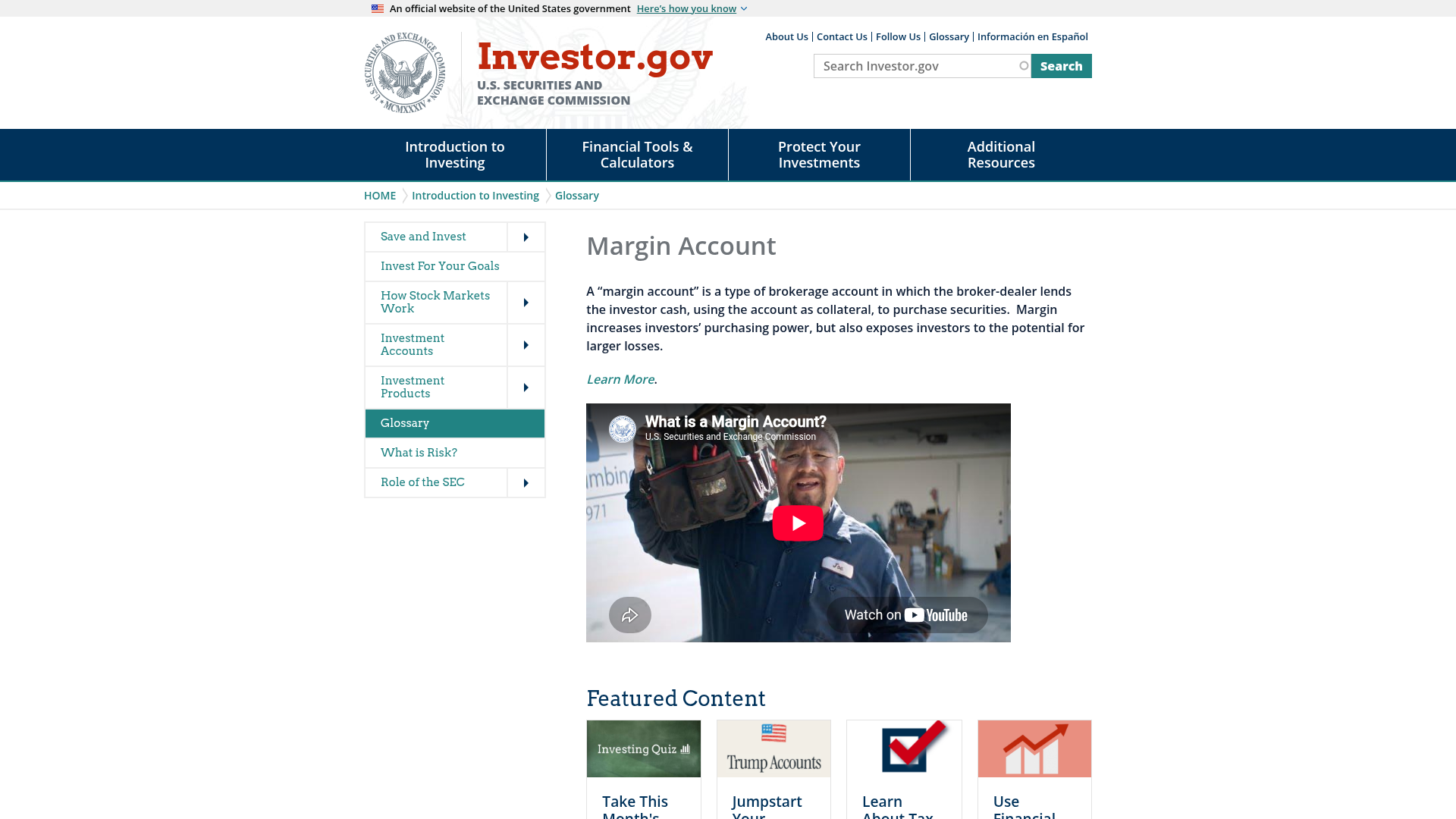
Tangkapan layar halaman resmi di balik aturan dalam panduan ini. Buka sendiri — kata-kata regulator sendiri selalu lebih baik daripada ringkasannya.
Sering ditanyakan
Sumber
Dari mana ini berasal
- ESMA — CFD leverage limits for retail clientsesma.europa.eu
- FCA — Contract for difference productsfca.org.uk
- CFTC — Forex trading basics for consumerscftc.gov
- Investor.gov — Margin: borrowing money to pay for stocksinvestor.gov
- Financial Conduct Authority — Financial Services Registerregister.fca.org.uk
Ditulis oleh Elena Marsh
Instruktur Utama. Kami menulis edukasi forex yang terstruktur, dalam bahasa Inggris sederhana untuk orang yang belajar dari awal. Pemahaman dulu, selalu — dan tidak pernah nasihat keuangan. Kursus itu sendiri ada di kurikulum.
Terus belajar
Ke mana panduan ini mengarah selanjutnya
Panduan yang paling dekat dengan ini, sesuai urutan pembangunannya. Masing-masing adalah bacaan lengkap tersendiri, dan tidak ada yang berasumsi Anda telah menyelesaikan halaman ini.
- Mata Uang Dasar dan Mata Uang Kutipan: Memahami EUR/USD dari Kiri ke KananSingkap misteri pasangan mata uang seperti EUR/USD dengan mempelajari cara membaca nilai tukar, mengidentifikasi mata uang dasar…
- Major, Minor, dan Cross: Memahami Label Pasangan Mata UangMemahami berbagai kategori pasangan mata uang sangat penting bagi setiap trader forex, karena secara langsung memengaruhi risiko…
- Mengungkap Rahasia Trading: Apa yang Perlu Diketahui Orang Terdekat Anda tentang Aktivitas Pasar AndaMenjelaskan trading pasar kepada keluarga yang khawatir berarti menembus jargon dan mitos, berfokus pada mekanisme, risiko, dan…
- Mengurai Pasangan Mata Uang: Mengambil Posisi Long dan Short dalam ForexMemahami cara membeli dan menjual pasangan mata uang adalah fundamental dalam trading forex, memungkinkan Anda meraih keuntungan…
- Mengungkap Biaya Sebenarnya: Mengubah Spread Pip Menjadi Dolar Trading AndaMemahami nilai moneter sebenarnya dari sebuah spread pip sangat penting, mengubah angka abstrak menjadi biaya nyata dari trading…