Panduan · 9 menit baca · 2,043 words
Menguraikan Pasangan Mata Uang: Posisi Long dan Short dalam Forex
Memahami cara membeli dan menjual pasangan mata uang adalah fundamental dalam trading forex, memungkinkan Anda untuk mengambil keuntungan dari kenaikan dan penurunan nilai tukar.
Poin-poin penting
- Posisi long dalam forex berarti membeli mata uang dasar dan menjual mata uang kuotasi, dengan harapan mata uang dasar akan menguat.
- Posisi short berarti menjual mata uang dasar dan membeli mata uang kuotasi, dengan harapan mata uang dasar akan melemah.
- Harga mata uang selalu dikutip dalam pasangan, mendefinisikan nilai satu mata uang relatif terhadap mata uang lainnya.
- Leverage memperbesar profit dan loss, menjadikan manajemen risiko, seperti order stop-loss, tidak dapat ditawar.
- Spread, selisih antara harga bid dan ask, adalah biaya transaksi utama dan dapat bervariasi secara signifikan.
- Selalu trading dengan broker yang teregulasi; verifikasi lisensi mereka dengan otoritas seperti FCA atau ASIC.
Tarian Fundamental: Menukarkan Satu Mata Uang dengan yang Lain
Bayangkan Anda berada di bandara internasional yang ramai, menukarkan mata uang asal Anda dengan mata uang lokal. Anda menyerahkan euro Anda dan menerima Dolar AS. Transaksi sederhana ini, yang diulang jutaan kali sehari secara global, adalah ide inti di balik trading forex. Namun, dalam dunia trading, Anda tidak hanya menukar; Anda membuat taruhan terukur tentang apakah satu mata uang akan menjadi lebih kuat atau lebih lemah dibandingkan mata uang lainnya. Setiap trading forex melibatkan dua mata uang: mata uang dasar (base currency) dan mata uang kuotasi (quote currency).
Ketika Anda melihat pasangan seperti EUR/USD, Euro (EUR) selalu menjadi mata uang dasar, dan Dolar AS (USD) adalah mata uang kuotasi. Harga yang Anda lihat, misalnya, 1.0850, berarti bahwa 1 Euro bernilai 1.0850 Dolar AS. Hubungan antara keduanya inilah yang Anda perdagangkan. Anda tidak hanya membeli atau menjual mata uang secara terpisah; Anda selalu secara bersamaan membeli satu dan menjual yang lain.
Tindakan simultan ini yang membuat forex unik dan, bagi sebagian orang, sedikit membingungkan pada awalnya. Ini tidak seperti membeli saham, di mana Anda hanya membeli saham sebuah perusahaan. Di sini, Anda terus-menerus mengevaluasi kekuatan relatif dua ekonomi nasional, kebijakan dua bank sentral, dan dua pasar geopolitik. Ini adalah perbandingan yang berkelanjutan dan dinamis. Memikirkannya sebagai tarian konstan, di mana satu pasangan melangkah maju dan yang lain mundur, dapat membantu menjaga semuanya tetap jelas. Tugas Anda sebagai trader adalah mengantisipasi pasangan mana yang akan memimpin.
Posisi Long: Bertaruh pada Kenaikan Mata Uang Dasar
Ketika Anda mengambil posisi 'long' pada pasangan mata uang seperti EUR/USD, Anda pada dasarnya membeli mata uang dasar (EUR) dan secara bersamaan menjual mata uang kuotasi (USD). Harapan Anda adalah bahwa Euro akan menguat relatif terhadap Dolar AS. Jika nilai Euro naik, yang berarti dibutuhkan lebih banyak Dolar AS untuk membeli satu Euro, trading Anda akan menjadi profit.
Mari kita asumsikan Anda memutuskan untuk mengambil posisi long pada EUR/USD pada harga 1.0850. Ini berarti Anda membeli Euro dengan nilai 1 Euro seharga 1.0850 Dolar AS. Jika, seiring waktu, berita ekonomi atau sentimen pasar mendorong harga EUR/USD naik ke 1.0900, posisi long Anda akan mendapatkan nilai. Anda kemudian dapat menjual Euro Anda kembali ke Dolar AS dengan nilai yang lebih tinggi ini, mengambil keuntungan dari selisihnya.
Posisi long sering dikaitkan dengan pandangan bullish (optimis) terhadap mata uang dasar. Trader mungkin mengambil posisi long jika mereka percaya European Central Bank (ECB) akan menaikkan suku bunga, atau jika data ekonomi Eropa, seperti pertumbuhan PDB atau angka ketenagakerjaan, menunjukkan kejutan positif. Sentimen positif ini membuat Euro lebih menarik, meningkatkan permintaan untuknya dan mendorong nilainya lebih tinggi terhadap mata uang lainnya. Ini seperti membeli saham di perusahaan yang Anda yakini akan berkinerja baik; Anda membeli sekarang, berharap untuk menjual dengan harga lebih tinggi nanti.
Contoh trading 'long' pada EUR/USD
| Tindakan | Mata Uang Dasar (EUR) | Mata Uang Kuotasi (USD) | Ekspektasi Pasar | Hasil pada 1.0900 |
|---|---|---|---|---|
| Ambil Posisi Long EUR/USD pada 1.0850 | Beli | Jual | EUR menguat | Keuntungan: (1.0900 - 1.0850) per EUR |
Melakukan Short: Bertaruh pada Penurunan Mata Uang Dasar
'Melakukan short' pada pasangan mata uang berarti bertaruh bahwa mata uang dasar akan melemah terhadap mata uang kuotasi. Sebagai contoh, saat melakukan short EUR/USD, Anda menjual mata uang dasar (EUR) sekaligus membeli mata uang kuotasi (USD). Tujuan Anda adalah agar nilai Euro turun, yang berarti nantinya Anda hanya membutuhkan Dolar AS lebih sedikit untuk membeli satu Euro.
Jika Anda membuka posisi short pada EUR/USD di 1.0850, Anda secara efektif meminjam Euro (atau lebih tepatnya, menjualnya tanpa memilikinya) dan menerima Dolar AS. Anda berharap harga turun, mungkin ke 1.0800. Pada harga yang lebih rendah ini, Anda dapat 'membeli kembali' Euro yang awalnya Anda 'jual' dengan Dolar AS yang lebih sedikit, sehingga menghasilkan keuntungan. Selisih antara harga jual awal Anda dan harga beli akhir Anda merupakan keuntungan Anda.
Para trader umumnya melakukan short ketika mereka memiliki pandangan bearish (tren turun) terhadap mata uang dasar. Data ekonomi yang lemah dari Zona Euro, sikap dovish (cenderung longgar) dari ECB, atau ketidakstabilan politik di Eropa dapat memicu hal ini. Misalnya, jika Federal Reserve AS mengisyaratkan kenaikan suku bunga sementara ECB tetap stabil, USD mungkin menjadi lebih menarik, mendorong trader untuk menjual EUR/USD. Meskipun short-selling mungkin terasa tidak intuitif bagi pemula, ini adalah alat yang ampuh, memungkinkan keuntungan dari penurunan pasar sama seperti dari kenaikan.
Contoh trade 'short' pada EUR/USD
| Tindakan | Mata Uang Dasar (EUR) | Mata Uang Kuotasi (USD) | Ekspektasi Pasar | Hasil di 1.0800 |
|---|---|---|---|---|
| Lakukan Short EUR/USD di 1.0850 | Jual | Beli | EUR melemah | Keuntungan: (1.0850 - 1.0800) per EUR |
Harga yang Anda Bayar: Memahami Bid, Ask, dan Spread
Ketika Anda melihat pasangan mata uang di platform trading Anda, Anda akan selalu melihat dua harga: harga 'bid' dan harga 'ask'. Harga bid adalah harga di mana Anda dapat menjual mata uang dasar (atau membeli mata uang kuotasi). Harga ask adalah harga di mana Anda dapat membeli mata uang dasar (atau menjual mata uang kuotasi). Bayangkan seperti Anda masuk ke tempat penukaran mata uang; mereka memiliki kurs di mana mereka akan membeli dari Anda dan kurs yang sedikit lebih tinggi di mana mereka akan menjual kepada Anda. Selisih antara kedua harga ini dikenal sebagai 'spread'.
Spread pada dasarnya adalah biaya untuk melakukan trade, mewakili kompensasi broker karena memfasilitasi transaksi Anda. Ini adalah cara market maker dan broker mendapatkan uang mereka. Untuk pasangan mata uang utama seperti EUR/USD atau GBP/USD, spread bisa sangat ketat, terkadang hanya 0.5 hingga 1.5 pip selama jam trading aktif. Untuk pasangan yang kurang sering diperdagangkan, yang dikenal sebagai 'pasangan eksotis', spread bisa jauh lebih lebar, mencerminkan likuiditas yang lebih rendah dan risiko yang lebih tinggi bagi broker.
Memahami spread sangat penting karena segera menempatkan Anda pada sedikit kerugian saat Anda memasuki trade. Untuk menghasilkan keuntungan, harga pasar harus bergerak cukup jauh sesuai keinginan Anda untuk menutupi spread terlebih dahulu. Spread yang lebih lebar berarti hambatan yang lebih besar untuk dilewati sebelum posisi Anda menjadi menguntungkan. Ini adalah bagian yang sering dilewatkan oleh sebagian besar panduan, padahal ini adalah biaya langsung yang Anda bayarkan pada setiap trade. Selalu periksa spread tipikal broker, terutama selama kondisi pasar yang berbeda, sebelum menginvestasikan modal Anda.
Trading dengan broker yang tidak teregulasi ibarat menyerahkan uang tunai Anda kepada orang asing di gang gelap; Anda tidak memiliki jaminan dan sangat sedikit jalan keluar jika terjadi masalah.
Pedang Bermata Dua: Leverage dalam Trading Forex
Salah satu fitur trading forex yang paling menarik, namun berbahaya, adalah leverage. Leverage memungkinkan Anda mengendalikan posisi besar di pasar dengan jumlah modal yang relatif kecil, yang dikenal sebagai margin. Sebagai contoh, dengan leverage 1:30, deposit $1,000 dapat memungkinkan Anda mengendalikan posisi senilai $30,000 di pasar. Pembesaran ini dapat secara signifikan meningkatkan potensi keuntungan Anda.
Namun, leverage adalah pedang bermata dua. Sama seperti memperbesar potensi keuntungan, ia juga memperbesar potensi kerugian. Jika trade dengan leverage bergerak melawan Anda, modal awal Anda yang kecil dapat ludes dengan sangat cepat. Inilah mengapa regulator di banyak yurisdiksi telah memberlakukan batasan. Misalnya, untuk klien ritel di bawah intervensi ESMA di Eropa, leverage untuk pasangan mata uang utama dibatasi pada 1:30, sementara untuk pasangan dan aset lainnya, bisa serendah 1:2. FCA, misalnya, merinci batasan-batasan ini dengan jelas di situs web mereka.
Jangan terpengaruh oleh broker yang menawarkan leverage sangat tinggi seperti 1:500 atau 1:1000 tanpa memahami implikasi penuhnya. Meskipun menggiurkan, leverage setinggi itu seringkali hanya tersedia melalui entitas yang kurang teregulasi atau untuk klien profesional yang memenuhi kriteria tertentu. Bagi pemula, memulai dengan leverage yang lebih rendah atau bahkan trading tanpanya (jika tersedia) adalah pendekatan yang jauh lebih aman sampai Anda memperoleh pengalaman yang cukup dan strategi trading yang konsisten. Broker Anda akan melikuidasi posisi Anda jika kerugian Anda melebihi margin Anda, sebuah proses yang disebut margin call, membuat Anda tidak memiliki apa-apa.
Menghitung Laba dan Rugi Anda: Pip demi Pip
Memahami cara menghitung laba atau rugi (P&L) Anda adalah hal yang mendasar. Dalam forex, pergerakan harga diukur dalam 'pip' (percentage in point). Untuk sebagian besar pasangan mata uang, satu pip adalah empat angka di belakang koma (misalnya, 0.0001). Untuk pasangan JPY, satu pip adalah dua angka di belakang koma (misalnya, 0.01). Nilai satu pip bergantung pada ukuran trade Anda.
Mari kita gunakan ukuran lot standar, yaitu 100.000 unit mata uang dasar. Untuk EUR/USD, jika Anda melakukan trade satu lot standar, pergerakan 1 pip biasanya bernilai $10. Jadi, jika Anda go long pada EUR/USD di 1.0850 dan menutup trade di 1.0900, itu berarti keuntungan 50 pip. Laba kotor Anda adalah 50 pip * $10/pip = $500. Dari jumlah ini, Anda akan mengurangi spread yang Anda bayar untuk masuk dan keluar dari trade.
Untuk mini lot (10.000 unit), 1 pip biasanya bernilai $1, dan untuk micro lot (1.000 unit), nilainya adalah $0.10. Selalu ketahui nilai pip Anda sebelum masuk ke dalam trade. Ini memungkinkan Anda untuk menilai risiko dan potensi keuntungan Anda secara akurat, membantu Anda menetapkan level stop-loss dan take-profit yang sesuai. Melakukan perhitungan ini di akun demo atau di atas kertas sampai menjadi kebiasaan adalah langkah yang cerdas.
Nilai Pip Umum Berdasarkan Ukuran Lot
| Ukuran Lot | Unit Dasar | Nilai Pip Kira-kira (USD untuk XXX/USD) |
|---|---|---|
| Lot Standar | 100.000 | $10.00 |
| Mini Lot | 10.000 | $1.00 |
| Micro Lot | 1.000 | $0.10 |
Kekuatan Pendorong Nilai Tukar: Apa yang Menggerakkan Pasar?
Harga mata uang tidak berfluktuasi secara acak; harga mata uang bereaksi terhadap interaksi kompleks berbagai faktor. Indikator ekonomi adalah pendorong utama. Pikirkan tentang laporan ketenagakerjaan, data inflasi, atau angka PDB. Misalnya, laporan pekerjaan yang lebih kuat dari perkiraan dari AS mungkin menandakan ekonomi yang sehat, berpotensi mendorong Federal Reserve untuk mempertimbangkan kenaikan suku bunga. Ini membuat Dolar AS lebih menarik, dan trader mungkin go long pada pasangan USD atau short pada pasangan di mana USD adalah quote currency (misalnya, short EUR/USD).
Perbedaan suku bunga adalah kekuatan lain yang signifikan. Jika bank sentral suatu negara menaikkan suku bunganya sementara negara lain mempertahankan suku bunga tetap, investor akan memindahkan uang mereka ke negara yang menawarkan imbal hasil lebih tinggi, meningkatkan permintaan mata uang tersebut. Peristiwa geopolitik juga memainkan peran penting. Ketidakstabilan politik, perang dagang, atau bahkan pemilihan umum besar dapat menciptakan ketidakpastian, mendorong investor untuk mencari mata uang 'safe-haven' seperti Dolar AS, Yen Jepang, atau Franc Swiss, menyebabkan mata uang tersebut menguat.
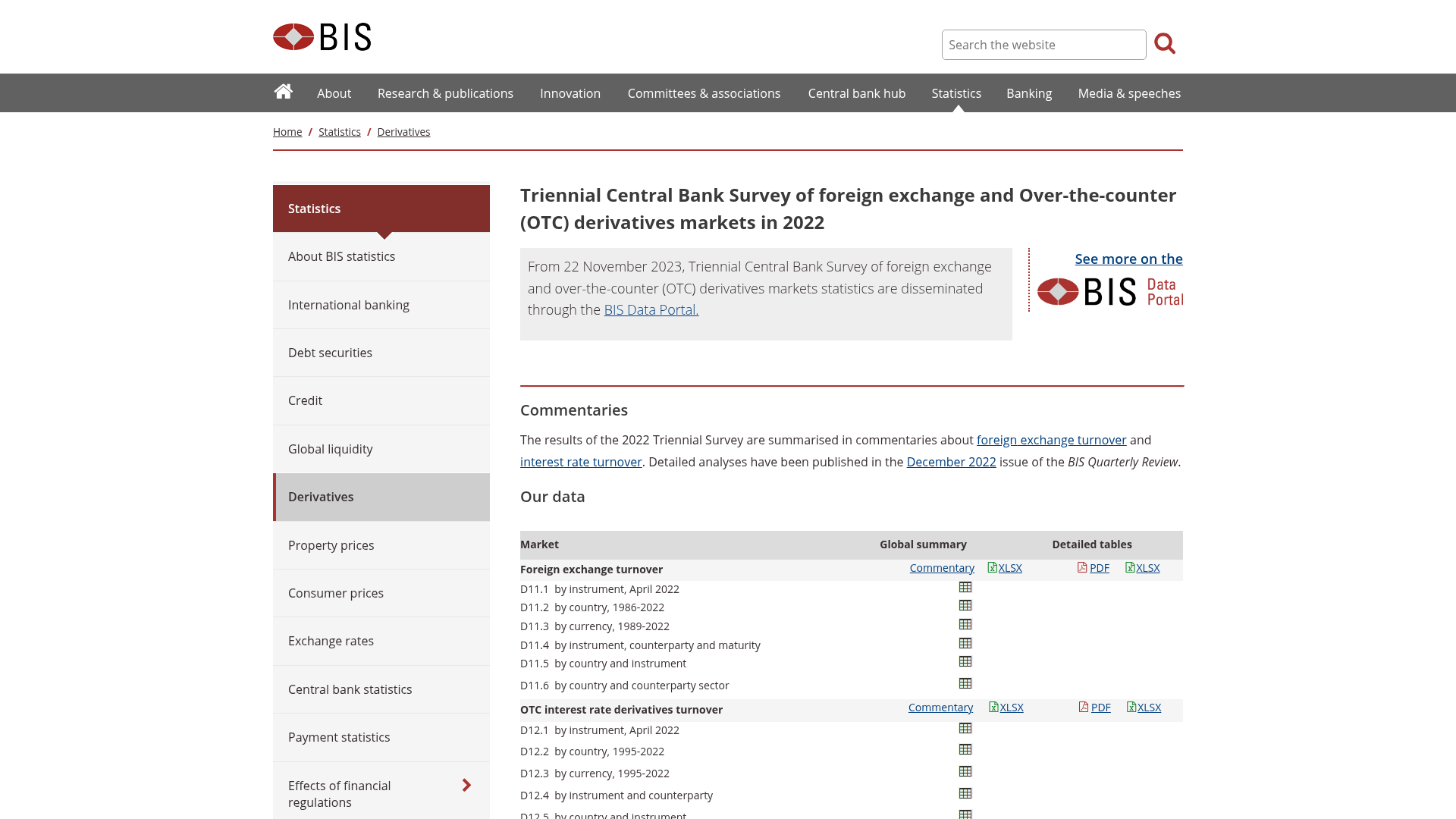
Meskipun ini mungkin terdengar rumit, Anda tidak perlu menjadi ekonom untuk melakukan trade forex. Namun, memiliki pemahaman umum tentang kekuatan-kekuatan ini membantu Anda membuat keputusan yang tepat daripada sekadar menebak. Tetap mengikuti kalender ekonomi dan berita utama adalah bagian inti dari rutinitas seorang trader forex. Survei Tiga Tahunan Bank Sentral BIS tentang omzet FX memberikan wawasan menarik tentang skala dan komposisi pergerakan global ini.
Pilihan Cerdas: Mengapa Regulasi Bukan Pilihan
Ketika Anda mempercayakan uang hasil jerih payah Anda kepada broker, status regulasi mereka harus menjadi prioritas utama Anda. Trading forex dengan broker yang tidak teregulasi sama seperti menyerahkan uang Anda kepada orang asing di gang gelap; Anda tidak memiliki jaminan dan sangat sedikit jalan keluar jika terjadi masalah. Broker terkemuka dilisensikan dan diawasi oleh otoritas keuangan, memberikan lapisan perlindungan untuk dana Anda dan memastikan praktik trading yang adil.
Carilah broker yang diatur oleh otoritas tingkat atas seperti Financial Conduct Authority (FCA) di Inggris, Australian Securities and Investments Commission (ASIC), Cyprus Securities and Exchange Commission (CySEC), atau Commodity Futures Trading Commission (CFTC) / National Futures Association (NFA) di AS. Regulator ini memberlakukan aturan ketat tentang cara broker beroperasi, termasuk persyaratan modal, segregasi dana klien, dan prosedur pengaduan. Misalnya, Pepperstone diatur oleh FCA dan ASIC, menawarkan ketenangan pikiran kepada kliennya.
Sebelum membuka akun, selalu verifikasi lisensi broker secara langsung di situs web regulator. Jangan hanya percaya pada apa yang diklaim broker di situs mereka sendiri; luangkan beberapa menit untuk menggunakan register resmi, seperti Financial Services Register milik FCA. Jika nomor lisensi yang diklaim broker tidak sesuai, atau jika mereka mengklaim diatur oleh entitas yang tidak dikenal, jauhi mereka. Ada banyak pilihan yang diatur dengan baik, jadi tidak perlu mengambil risiko yang tidak perlu dengan modal Anda. Perusahaan yang tidak teregulasi seringkali beroperasi dari lokasi offshore, membuat tindakan hukum menjadi sangat sulit jika Anda menjadi korban pelanggaran.
Mulai dari Kecil, Belajar dengan Stabil: Jalan Menuju Keyakinan
Trading, baik going long atau short, membutuhkan latihan dan disiplin. Ini bukan skema cepat kaya, dan siapa pun yang memberi tahu Anda sebaliknya berarti sedang menjual sesuatu. Untuk pemula, memulai dengan demo account adalah langkah pertama yang paling cerdas. Sebuah demo account memungkinkan Anda untuk trade dengan uang virtual di lingkungan pasar real-time, memberikan Anda pengalaman berharga tanpa mempertaruhkan modal Anda sendiri. Perlakukan demo account Anda dengan serius, seolah-olah itu uang sungguhan, untuk membangun kebiasaan baik.
Setelah Anda beralih ke live account, pertimbangkan untuk memulai dengan ukuran trade yang sangat kecil, seperti micro lot. Ini secara signifikan mengurangi eksposur finansial Anda saat Anda mendapatkan kepercayaan diri dan menyempurnakan strategi Anda. Banyak broker, termasuk XM dan IC Markets, menawarkan akun di mana Anda dapat trade micro lot. Pendekatan ini memungkinkan Anda untuk mengalami pasang surut emosional dari live trading dengan dampak minimal pada saldo bank Anda.
Ingat, konsistensi dan manajemen risiko jauh lebih penting daripada mencoba mendapatkan keuntungan besar di setiap trade. Fokuslah pada pelestarian modal Anda dan secara perlahan mengembangkan akun Anda. Belajar dari kesalahan Anda, tinjau trade Anda, dan teruslah mendidik diri sendiri. Pasar selalu mengajarkan, dan pendekatan yang sabar serta stabil akan melayani Anda jauh lebih baik daripada mengejar keuntungan cepat. Perjalanan trading Anda adalah maraton, bukan sprint.
Baca sumber utama
Periksa di regulator, bukan pada kami
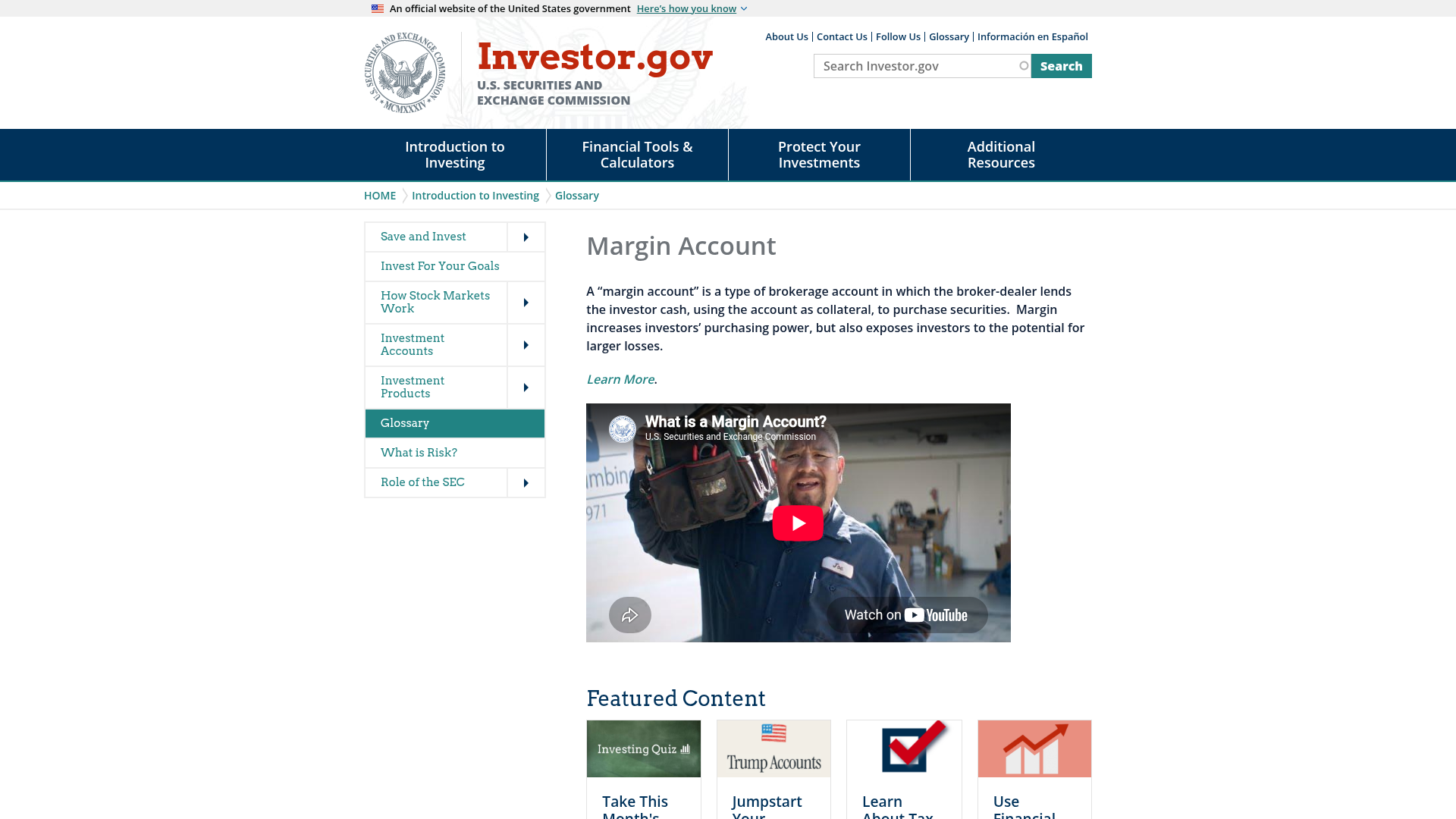
Tangkapan layar halaman resmi di balik aturan dalam panduan ini. Buka sendiri — kata-kata regulator sendiri selalu lebih baik daripada ringkasannya.
Sering ditanyakan
Sumber
Dari mana ini berasal
- ESMA — CFD leverage limits for retail clientsesma.europa.eu
- FCA — Contract for difference productsfca.org.uk
- BIS Triennial Central Bank Survey of FX turnoverbis.org
- CFTC — Forex trading basics for consumerscftc.gov
- Financial Conduct Authority — Financial Services Registerregister.fca.org.uk
Ditulis oleh Sofia Reyes
Tutor Risiko & Psikologi. Kami menulis edukasi forex yang terstruktur, dalam bahasa Inggris sederhana untuk orang yang belajar dari awal. Pemahaman dulu, selalu — dan tidak pernah nasihat keuangan. Kursus itu sendiri ada di kurikulum.
Terus belajar
Ke mana panduan ini mengarah selanjutnya
Panduan yang paling dekat dengan ini, sesuai urutan pembangunannya. Masing-masing adalah bacaan lengkap tersendiri, dan tidak ada yang berasumsi Anda telah menyelesaikan halaman ini.
- Mata Uang Dasar dan Mata Uang Kuotasi: Memahami EUR/USD dari Kiri ke KananMengurai misteri pasangan mata uang seperti EUR/USD dengan mempelajari cara membaca nilai tukar, mengidentifikasi mata uang dasar…
- Mengurai Misteri Perdagangan: Apa yang Sebenarnya Perlu Diketahui Orang Terkasih Anda Tentang Aktivitas Pasar AndaMenjelaskan perdagangan pasar kepada keluarga yang khawatir berarti menembus jargon dan mitos, berfokus pada mekanisme, risiko, dan…
- Dua Puluh Kata Pertama Anda: Uji Diri Kosakata ForexSebelum Anda melakukan satu perdagangan pun, menguasai istilah-istilah dasar forex ini sangat penting untuk berpikir jernih dan…
- Mayor, Minor, dan Cross: Memahami Label Pasangan Mata UangMemahami berbagai kategori pasangan mata uang sangat penting bagi setiap trader forex, secara langsung memengaruhi risiko…
- Seketika Setelah Anda Mengklik: Di Balik Perjalanan Perdagangan AndaDetik-detik antara menekan 'buy' dan melihat posisi Anda terbuka adalah serangkaian proses kompleks. Pahami apa yang sebenarnya…