Panduan · 25 menit baca · 2,084 words
Menggeser Stop Loss Anda: Cara Menghentikan Kebiasaan Trading yang Merugikan Ini
Banyak trader baru, bahkan beberapa yang berpengalaman, terjebak dalam kebiasaan menggeser stop loss mereka, mengubah risiko kecil yang terdefinisi menjadi kerugian besar yang menghancurkan dan mengancam modal akun.

Poin-poin penting
- Menggeser stop loss mengubah risiko yang terhitung dan dapat diterima menjadi risiko yang tidak terdefinisi, berpotensi bencana.
- Kebiasaan ini sering kali didorong oleh bias kognitif seperti aversi kerugian dan harapan akan pembalikan pasar.
- Perencanaan pra-trading yang ketat, termasuk penempatan stop loss yang tepat, adalah penangkal paling efektif untuk kebiasaan menggeser stop loss.
- Penentuan ukuran posisi sangat penting; jika stop loss terasa tidak tertahankan, posisi Anda terlalu besar untuk akun Anda.
- Rangkul kerugian kecil yang konsisten sebagai bagian tak terhindarkan dari trading, daripada mengejar keuntungan yang sulit diraih dengan memperlebar stop loss.
- Memanfaatkan teknologi seperti order OCO (One-Cancels-Other) dapat membantu menegakkan disiplin, tetapi perubahan sejati bersifat perilaku.
Kebodohan Trader Hantu: Ketika Stop Loss Menjadi Sekadar Saran
Bayangkan Anda sedang mengemudi, dan rambu 'batas kecepatan' tiba-tiba berubah menjadi kecepatan berapa pun yang Anda inginkan saat Anda menginjak pedal gas. Kedengarannya tidak masuk akal, bukan? Namun, inilah persisnya yang dilakukan banyak trader dengan order stop loss mereka. Mereka menempatkan stop loss, sebuah mekanisme keamanan yang krusial, hanya untuk memindahkannya lebih jauh dari titik masuk mereka saat pasar bergerak berlawanan arah, atau lebih buruk lagi, menghapusnya sepenuhnya.
Ini bukan hanya tentang 'menggeser' stop loss; ini tentang mengesampingkan keputusan manajemen risiko yang telah ditentukan sebelumnya di saat-saat genting. Stop loss bukan sekadar titik di grafik; itu adalah jumlah maksimum yang Anda putuskan bersedia untuk rugi pada suatu trade tertentu. Ini adalah jaring pengaman Anda. Ketika Anda menggesernya, Anda tidak hanya menyesuaikan sebuah angka; Anda secara fundamental mengubah profil risiko Anda untuk trade tersebut, sering kali mengubah luka goresan kertas yang bisa diatasi menjadi luka menganga.
Penempatan stop loss awal harus didasarkan pada analisis yang solid – mungkin level support kunci, moving average, atau indikator volatilitas. Ini mendefinisikan titik di mana ide trade awal Anda terbukti salah. Menggesernya menunjukkan Anda percaya analisis Anda cacat, namun Anda menolak menerima konsekuensinya. Konflik internal inilah letak bahaya sebenarnya, yang bermanifestasi sebagai kebiasaan yang secara sistematis dapat mengikis modal trading Anda.
Bisikan Harapan dan Raungan Ketakutan: Mengapa Kita Menggeser Stop Loss
Mengapa trader menyerah pada perilaku merugikan diri sendiri ini? Ini adalah koktail kuat dari psikologi manusia. Intinya ada dua emosi kuat: harapan dan ketakutan. Saat harga mendekati stop loss Anda, bisikan harapan mengatakan kepada Anda, 'Ini hanya penurunan sementara; ini akan berbalik.' Ini sering kali digabungkan dengan bias konfirmasi, di mana Anda mulai mencari setiap informasi yang mendukung ide trade awal Anda, mengabaikan sinyal yang bertentangan.
Kemudian ada raungan ketakutan – khususnya, aversi kerugian. Rasa sakit menyadari kerugian sering kali terasa lebih tajam daripada kesenangan dari keuntungan yang setara. Pikiran untuk mengambil kerugian kecil yang terdefinisi terasa mengerikan, jadi kita menghindarinya dengan memperlebar stop loss, menunda yang tak terhindarkan, dan berharap akan pembalikan. Kita takut salah, kita takut kehilangan potensi rebound, dan kita takut pukulan psikologis dari trade yang rugi.
Siklus setan ini berarti trader sering kali mengubah risiko 1% menjadi kerugian 5% atau bahkan 10%, semua karena mereka tidak bisa menghadapi kerugian kecil yang bisa diatasi saat pertama kali muncul. Ini tidak rasional; itu emosional, dan ini adalah kebiasaan yang dapat dengan cepat menghancurkan strategi trading yang seharusnya solid.
Pendarahan Lambat: Konsekuensi Keuangan dari Target yang Bergerak
Mari kita lihat ini dalam perspektif dengan angka. Bayangkan seorang trader dengan akun $10.000, secara konsisten merisikokan 1% per trade, yang berarti kerugian $100 jika stop loss mereka tersentuh. Ini adalah risiko yang dapat dikelola dan terhitung. Namun, jika mereka mulai menggeser stop loss mereka, gambaran berubah secara dramatis.
Pertimbangkan sebuah trade di mana risiko awal 1% adalah $100. Jika pasar bergerak berlawanan arah, dan mereka memperlebar stop loss mereka, memungkinkan kerugian berlipat ganda menjadi 2%, itu sekarang menjadi kerugian $200. Ini mungkin tidak terlihat banyak secara terpisah, tetapi apa yang terjadi selama beberapa trade? Efek kumulatifnya menghancurkan. Alih-alih serangkaian kerugian kecil yang terkendali, trader menghadapi beberapa kerugian besar yang tidak terkontrol yang dapat menghapus keuntungan trading selama berminggu-minggu atau berbulan-bulan.
Perilaku ini tidak hanya menggerogoti modal Anda; itu menghancurkan kemampuan Anda untuk pulih. Kerugian 10% membutuhkan keuntungan 11.1% untuk kembali ke titik impas. Kerugian 20% membutuhkan keuntungan 25%. Kerugian 50%? Itu menuntut keuntungan 100% hanya untuk kembali ke titik awal Anda. Menggeser stop loss mengubah situasi yang mudah dipulihkan menjadi tugas yang sangat berat, sering kali mengarah pada trade yang lebih besar, lebih putus asa untuk mencoba 'mengembalikan' apa yang hilang.
Dampak Menggeser Stop Loss pada Ekuitas Akun
| Risiko Awal (% dari akun) | Kerugian Aktual (% dari akun) | Keuntungan yang Dibutuhkan untuk Titik Impas (%) |
|---|---|---|
| 1% | 1% | 1.01% |
| 1% | 2% | 2.04% |
| 1% | 5% | 5.26% |
| 1% | 10% | 11.11% |
| 1% | 20% | 25.00% |
| 1% | 50% | 100.00% |
Sebelum Melakukan Perdagangan: Keharusan Stop Loss yang Tidak Dapat Diubah
Solusi untuk masalah menggeser stop loss dimulai jauh sebelum Anda bahkan berpikir untuk menempatkan order. Ini dimulai dengan perencanaan pra-perdagangan yang cermat. Sebuah stop loss harus ditempatkan berdasarkan kriteria objektif yang membatalkan ide perdagangan Anda, bukan berdasarkan jumlah pip yang sembarangan atau apa yang 'terasa' benar. Ini adalah bagian yang sering dilewatkan oleh sebagian besar panduan, yang lebih fokus pada apa itu stop, bukan mengapa ditempatkan di sana.
Sebelum Anda memasuki perdagangan apa pun, Anda harus menjawab pertanyaan-pertanyaan ini: Di mana titik masuk saya? Di mana target saya? Dan yang paling penting, di mana titik di mana hipotesis perdagangan saya secara definitif salah? Titik 'salah' ini adalah stop loss Anda. Ini mungkin di bawah level support kunci, di atas level resistance, atau mungkin berdasarkan average true range (ATR) dari instrumen tersebut. Setelah diidentifikasi, stop ini harus dianggap sakral.
Pendekatan yang disiplin ini memastikan bahwa rasio risiko-keuntungan Anda dihitung dengan kepastian mutlak. Jika stop Anda terus-menerus bergerak, maka risiko Anda tidak terdefinisi, dan pembicaraan tentang rasio risiko-keuntungan yang menguntungkan menjadi tidak berarti. Saat order Anda ditempatkan, stop loss Anda harus dimasukkan ke dalam sistem, tetap dan tidak dapat digerakkan, sebagai komitmen terhadap analisis awal dan strategi manajemen risiko Anda.
Menetapkan Stop Anda: Seni, Sains, dan Disiplin
Menempatkan stop loss secara efektif adalah perpaduan antara analisis teknikal dan akal sehat. Ini bukan tentang menebak; ini tentang mengidentifikasi titik-titik struktural pada grafik di mana, jika harga bergerak melampaui titik-titik tersebut, premis perdagangan Anda tidak lagi valid. Untuk perdagangan beli (long), ini mungkin tepat di bawah swing low terbaru atau zona support yang kuat. Untuk perdagangan jual (short), itu akan berada di atas swing high atau area resistance.
Banyak trader baru menggunakan stop pip tetap, mengatakan 'Saya akan selalu mengambil risiko 20 pip.' Meskipun sederhana, pendekatan ini mengabaikan volatilitas dan struktur pasar. Dua puluh pip mungkin sesuai untuk pasangan dengan volatilitas rendah seperti EUR/CHF dalam sesi yang tenang, tetapi sama sekali tidak memadai untuk GBP/JPY selama rilis berita besar. Stop yang didasarkan pada kelipatan Average True Range (ATR) bisa lebih dinamis, mempertimbangkan kondisi pasar saat ini.
Disiplin datang dari menghormati level-level logis ini. Jika harga menembus di bawah support yang Anda pilih, itu berarti support telah gagal, dan alasan Anda untuk melakukan posisi beli telah hilang. Mempertahankan perdagangan dengan menggeser stop Anda hanya akan membuat Anda terekspos pada kerugian lebih lanjut. Ini tentang membiarkan pasar memberi tahu Anda kapan Anda salah, daripada mencoba memaksanya untuk menjadi benar.
Strategi Penempatan Stop yang Umum dan Rasionalisasinya
| Strategi | Logika Penempatan | Manfaat |
|---|---|---|
| Di Bawah Swing Low/Di Atas Swing High | Tepat di bawah titik harga terendah signifikan terakhir untuk posisi long, atau di atas titik tertinggi signifikan terakhir untuk posisi short. | Menggunakan struktur pasar alami untuk menentukan titik invalidasi. |
| Zona Support/Resistance | Tepat di bawah level support utama untuk posisi long, atau di atas level resistance utama untuk posisi short. | Memanfaatkan area supply dan demand yang telah terbentuk. |
| Moving Average | Di bawah moving average utama (misalnya, 20 atau 50 EMA) untuk posisi long, atau di atas untuk posisi short. | Mengikuti tren dan membantu dalam lingkungan pasar yang dinamis. |
| Kelipatan Average True Range (ATR) | Harga entry dikurangi (ATR * faktor) untuk posisi long, Harga entry ditambah (ATR * faktor) untuk posisi short. | Menyesuaikan jarak stop dengan volatilitas pasar saat ini. |
Menggeser stop loss Anda tidak hanya mengubah sebuah angka; itu secara fundamental mengubah profil risiko Anda, sering kali mengubah luka goresan kertas yang bisa diatasi menjadi luka menganga yang mengancam modal akun.
Peran Broker: Alat untuk Penegakan (atau Godaan)
Platform trading Anda bisa menjadi pemicu kebiasaan buruk sekaligus alat untuk disiplin. Sebagian besar platform populer, seperti MetaTrader 4 dan MetaTrader 5, yang ditawarkan oleh broker seperti Pepperstone, XM, dan IC Markets, memungkinkan Anda untuk dengan mudah memodifikasi order stop loss setelah penempatan. Kemudahan modifikasi inilah yang seringkali menimbulkan godaan.
Namun, beberapa platform dan jenis order dapat membantu Anda dalam berdisiplin. Salah satu alat yang umum adalah order OCO (One-Cancels-Other). Order ini menghubungkan order stop loss dengan order take profit; jika salah satu dieksekusi, order lainnya akan secara otomatis dibatalkan. Meskipun order OCO tidak mencegah Anda untuk memperlebar atau menghapus stop secara manual, order ini memastikan bahwa risiko dan reward yang telah Anda tentukan selalu berpasangan sejak awal. Platform canggih, yang terkadang ditawarkan oleh broker seperti OANDA atau FOREX.com, mungkin menyediakan alat manajemen order yang lebih canggih untuk membantu trader tetap berpegang pada rencana mereka.
Pada akhirnya, teknologi bersifat netral. Teknologi menawarkan fleksibilitas, yang bisa disalahgunakan. Terserah Anda untuk memperlakukan stop loss Anda sebagai komitmen yang teguh. Antarmuka broker memfasilitasi perdagangan Anda, tetapi disiplin Anda harus memandu tindakan Anda di dalamnya.
Menentukan Ukuran Posisi dengan Benar: Pelindung Stop-Loss Terbaik
Mungkin alasan terbesar mengapa trader menyerah pada kebiasaan menggeser stop loss adalah ukuran posisi yang salah. Jika potensi kerugian dari stop Anda yang awal dan ditempatkan dengan benar membuat Anda merasa tidak nyaman, cemas, atau putus asa, posisi Anda terlalu besar untuk akun dan toleransi risiko Anda. Tekanan emosional yang dihasilkan oleh posisi yang terlalu besar mengesampingkan pengambilan keputusan rasional.
Pikirkanlah: jika merisikokan 1% dari akun Anda pada sebuah perdagangan terasa seperti Anda akan kehilangan rumah, maka 1% itu terlalu banyak untuk kondisi psikologis Anda saat ini. Anda seharusnya bisa melihat kerugian 1% itu dan mengabaikannya, mengetahui bahwa itu hanyalah sebagian kecil dari modal trading Anda, bagian dari biaya operasional. Jika Anda tidak bisa, Anda pada dasarnya telah menyiapkan diri untuk kegagalan, karena tekanan psikologis pasti akan membuat Anda menggeser stop tersebut.
Perhitungannya mudah: Ukuran Akun * % Risiko Per Perdagangan / (Harga Entry - Harga Stop) = Jumlah Unit. Misalnya, dengan akun $10.000, merisikokan 1% ($100), dan stop 50 pips (0.0050) dari entry Anda untuk perdagangan EUR/USD, Anda akan melakukan perdagangan sekitar 0.2 lot standar ($100 / 0.0050 = 20.000 unit atau 0.2 lot). Jika Anda menghitung ini dan kerugian yang dihasilkan pada stop asli Anda terasa terlalu besar, maka kurangi ukuran posisi Anda sampai tidak terasa besar lagi. Pendekatan terhitung ini adalah pertahanan terkuat Anda terhadap manajemen stop-loss yang emosional.
Membangun Kebiasaan Baru: Rencana Pemulihan Empat Langkah
Menghentikan kebiasaan menggeser stop loss adalah perubahan perilaku, mirip dengan menghentikan kebiasaan buruk lainnya. Ini membutuhkan usaha sadar dan pendekatan terstruktur. Berikut adalah rencana pemulihan empat langkah untuk membantu Anda mendapatkan kembali disiplin dan melindungi modal Anda:
Langkah 1: Akui dan Kuantifikasi Biayanya. Jujurlah pada diri sendiri tentang bagaimana kebiasaan ini telah merugikan akun Anda. Tinjau perdagangan Anda sebelumnya dan hitung berapa banyak lagi yang telah Anda rugikan dengan menggeser stop dibandingkan jika Anda mempertahankan stop asli Anda. Melihat dampak finansial yang konkret dapat menjadi motivator yang kuat.
Langkah 2: Komitmen pada Aturan 'Tidak Boleh Digeser' Selama 30 Hari. Ini adalah masa percobaan Anda. Selama sebulan ke depan, buatlah janji yang tak terpecahkan: setelah stop loss ditempatkan, stop loss tidak dapat digeser lebih jauh dari entry Anda, dihapus, atau diperlebar dalam keadaan apa pun. Anda hanya dapat memindahkannya ke breakeven atau untuk mengamankan keuntungan, tetapi tidak pernah untuk meningkatkan risiko Anda. Aturan ketat yang diberlakukan sendiri ini membantu membentuk kembali cara kerja otak Anda.
Langkah 3: Buat Jurnal Setiap Perdagangan, Secara Detail. Untuk setiap perdagangan, catat tidak hanya entry, stop, dan target Anda, tetapi juga mengapa Anda menempatkan stop Anda pada level spesifik tersebut. Alasan teknis apa yang membenarkannya? Berapa risiko maksimum yang dapat Anda terima dalam dolar? Tinjau jurnal ini secara teratur, terutama setelah perdagangan yang merugi, untuk memperkuat logika di balik penempatan stop awal Anda. Ini memperkuat pemikiran rasional di atas reaksi emosional.
Langkah 4: Tinjau Perdagangan yang Merugi dengan Objektif. Ketika stop tersentuh, tahan keinginan untuk segera melompat ke perdagangan lain atau menyalahkan pasar. Sebaliknya, tinjau perdagangan dengan tenang. Apakah analisis awal Anda cacat? Apakah penempatan stop Anda logis? Apakah pasar bergerak dengan cara yang tidak Anda antisipasi? Fokus di sini adalah pada peningkatan analisis dan perencanaan Anda, bukan pada mempertanyakan penempatan stop itu sendiri. Kerugian adalah konsekuensi dari ide perdagangan awal Anda yang salah, bukan karena stop terlalu ketat.
Kebenaran yang Sulit: Mengapa Kerugian Kecil Melindungi Keuntungan Besar
Trading adalah permainan probabilitas. Anda pasti akan mengalami kerugian dalam trading. Ini adalah fakta pasar yang tidak dapat disangkal. Tujuannya bukanlah untuk menghindari kerugian, karena itu tidak mungkin, melainkan untuk mengelola ukurannya. Pepatah lama, 'Potong kerugian Anda secepatnya dan biarkan keuntungan Anda berjalan,' bukanlah klise usang; itu adalah fondasi trading yang berkelanjutan. Ini tentang bertahan hidup.Setiap kali Anda membiarkan kerugian melewati stop loss yang Anda tetapkan, Anda tidak hanya kehilangan uang; Anda kehilangan peluang. Modal itu bisa saja dialokasikan untuk trading lain yang berpotensi menguntungkan. Yang lebih penting, Anda merusak modal psikologis Anda – kepercayaan diri dan disiplin Anda. Serangkaian kerugian kecil yang terkontrol jauh lebih tidak merusak kondisi mental dan akun Anda daripada satu kerugian besar yang tidak terkendali.Ketika stop loss Anda tersentuh, pasar hanya memberi tahu Anda bahwa hipotesis awal Anda salah pada tingkat harga tersebut. Terimalah dengan lapang dada. Ambil kerugian kecil itu, pelajari darinya, dan pertahankan modal Anda untuk peluang berikutnya. Pergeseran pola pikir ini mengubah trading yang merugi dari kegagalan pribadi menjadi biaya operasional yang sederhana, membuka jalan bagi konsistensi dan pertumbuhan jangka panjang.
Jalan Anda ke Depan: Dari Trading Reaktif menjadi Proaktif
Menghentikan kebiasaan menggeser stop loss Anda adalah salah satu langkah paling signifikan yang dapat Anda ambil untuk menjadi trader yang secara konsisten menguntungkan. Ini mengubah Anda dari trader yang reaktif dan emosional menjadi trader yang proaktif dan disiplin. Ini menuntut kejujuran, kesadaran diri, dan komitmen teguh terhadap rencana trading Anda.Fokuslah dengan cermat pada analisis pra-trading Anda, definisikan risiko Anda secara tepat, dan sesuaikan ukuran posisi Anda dengan benar. Rangkullah kerugian kecil sebagai bagian yang diharapkan dan dapat dikelola dari perjalanan trading Anda. Stop loss Anda bukanlah saran; itu adalah batas yang tidak dapat ditawar yang melindungi modal dan ketahanan mental Anda.Putuskan hari ini bahwa stop loss Anda adalah batas yang sakral. Itu adalah garis batas yang, setelah dilewati, berarti trading Anda telah berakhir. Dengan menghormati batas ini, Anda tidak hanya akan mempertahankan modal Anda tetapi juga menumbuhkan disiplin yang diperlukan untuk berkembang di dunia trading yang dinamis.
Baca sumber utama
Periksa di regulator, bukan pada kami
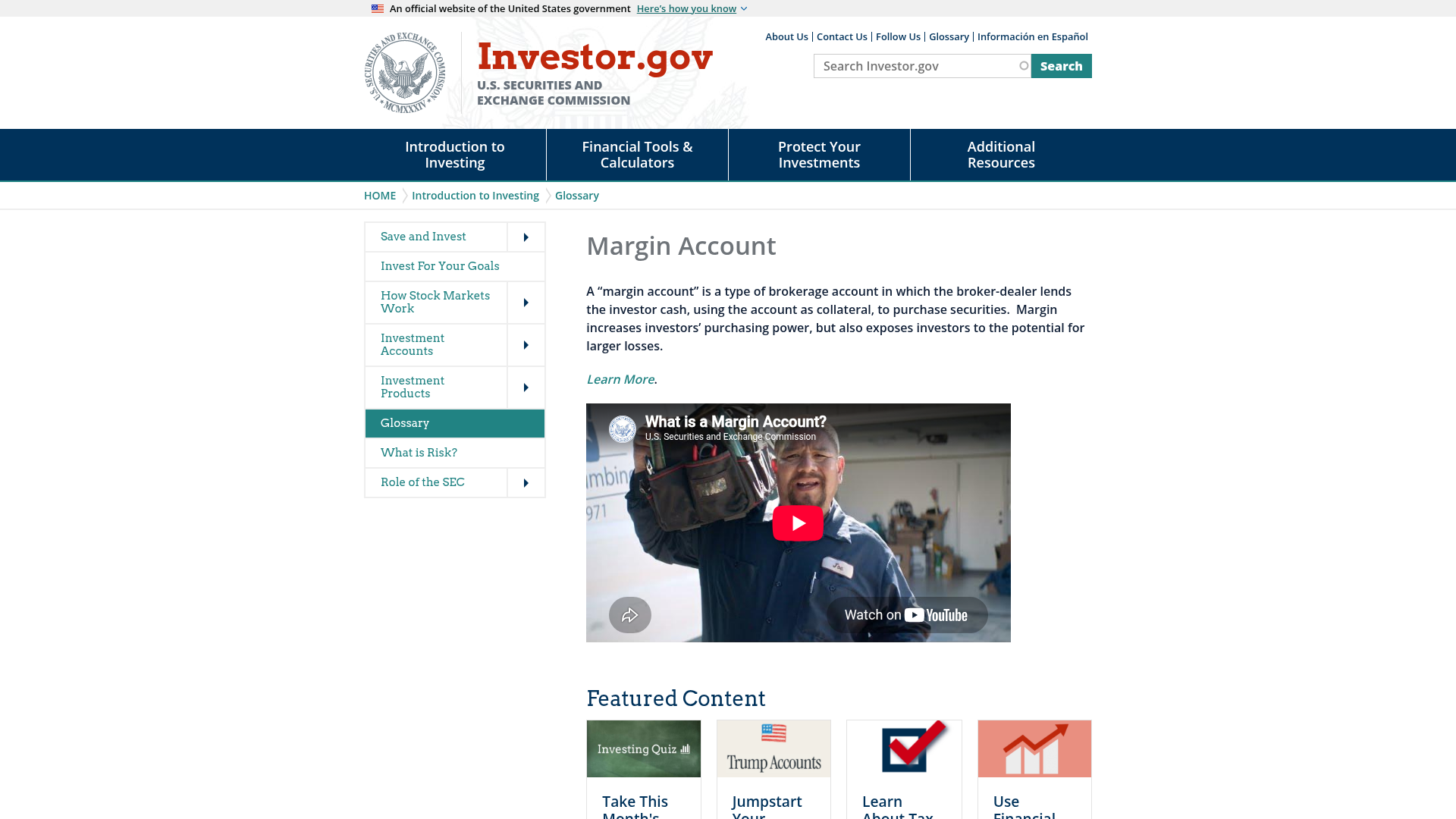
Tangkapan layar halaman resmi di balik aturan dalam panduan ini. Buka sendiri — kata-kata regulator sendiri selalu lebih baik daripada ringkasannya.
Sering ditanyakan
Sumber
Dari mana ini berasal
Ditulis oleh Elena Marsh
Instruktur Utama. Kami menulis edukasi forex yang terstruktur, dalam bahasa Inggris sederhana untuk orang yang belajar dari awal. Pemahaman dulu, selalu — dan tidak pernah nasihat keuangan. Kursus itu sendiri ada di kurikulum.
Terus belajar
Ke mana panduan ini mengarah selanjutnya
Panduan yang paling dekat dengan ini, sesuai urutan pembangunannya. Masing-masing adalah bacaan lengkap tersendiri, dan tidak ada yang berasumsi Anda telah menyelesaikan halaman ini.
- Aversi Kerugian: Mengapa Trader Bertahan pada Posisi Rugi dan Menutup Posisi UntungTemukan bagaimana kecenderungan psikologis aversi kerugian yang mendalam secara halus membentuk keputusan trading, seringkali…
- Bertahan: Menaklukkan Biaya Hangus (Sunk Costs) dalam Trading Aktif AndaTemukan bagaimana jebakan tersembunyi dari pemikiran biaya hangus (sunk-cost thinking) memengaruhi keputusan trading Anda dan…
- Akun Trading Anda Bukanlah Harga Diri AndaKeberhasilan trading tidak bergantung pada prediksi pasar yang sempurna, melainkan pada pemisahan ketat antara identitas pribadi…
- Matematika yang Tak Kenal Ampun: Mengapa Kerugian 50% Menuntut Keuntungan 100% untuk PulihKehilangan separuh modal trading Anda tidak berarti Anda hanya membutuhkan keuntungan 50% lagi; jalur pemulihan secara matematis…
- Stop-Loss Lebih Jauh, Ukuran Posisi Lebih Kecil: Pertukaran Krusial bagi TraderPelajari bagaimana penyesuaian jarak stop loss Anda secara langsung memengaruhi ukuran posisi Anda, memastikan manajemen risiko…