Panduan · 10 menit baca · 2,398 words
Bertahan: Mengatasi Biaya Hangus dalam Perdagangan Aktif Anda
Temukan bagaimana jebakan tersembunyi dari pemikiran biaya hangus memengaruhi keputusan perdagangan Anda dan pelajari strategi praktis untuk melindungi modal serta pola pikir Anda.

Poin-poin penting
- Biaya hangus adalah pengeluaran masa lalu yang seharusnya tidak memengaruhi keputusan perdagangan di masa depan.
- Keterikatan emosional, ketakutan akan penyesalan, dan harapan palsu adalah pendorong utama pemikiran biaya hangus dalam perdagangan.
- Mengembangkan strategi keluar yang jelas dan telah ditentukan sebelumnya serta mematuhinya dengan ketat adalah mekanisme pertahanan yang vital.
- Pencatatan jurnal rutin dan refleksi diri membantu para trader mengidentifikasi dan mengoreksi bias kognitif ini.
- Memotong perdagangan yang merugi membebaskan modal dan energi mental untuk peluang yang lebih menjanjikan.
- Fokus Anda seharusnya selalu pada potensi masa depan suatu perdagangan, bukan kinerja masa lalunya atau investasi Anda sebelumnya.
Ilusi Lebih Banyak: Mengapa Kita Berpegang Teguh pada Perdagangan yang Merugi
harga akan pulih, sehingga membenarkan semua rasa sakit dan modal yang sudah hangus di dalamnya. Ini adalah bagian yang dilewati sebagian besar panduan: ini bukan hanya tentang kehilangan uang, ini tentang pertarungan psikologis untuk mengakui bahwa Anda salah.
Mengidentifikasi Jebakan Biaya Hangus dalam Perdagangan Anda
, menambah posisi dalam upaya untuk menurunkan harga masuk rata-rata Anda? Meskipun averaging down dapat menjadi strategi yang valid dalam skenario tertentu yang terdefinisi dengan baik, melakukannya semata-mata untuk membenarkan perdagangan yang sedang merugi, tanpa analisis pasar yang baru dan meyakinkan, seringkali merupakan bentuk pemikiran biaya hangus yang sangat mahal. Ini seperti membuang-buang uang yang baik untuk hal yang buruk, berharap bahwa lebih banyak uang yang buruk secara ajaib akan membuatnya menjadi baik. Ingat, pasar tidak peduli dengan harga masuk Anda.
Psikologi di Balik Cengkeraman: Ketakutan, Harapan, dan Ego
Cengkeraman biaya hangus pada dasarnya bersifat psikologis, berakar pada campuran ketakutan, harapan, dan ego. Ketakutan akan penyesalan adalah pemain utama. Kita sangat takut akan perasaan menutup perdagangan yang merugi hanya untuk melihatnya segera berbalik dan menjadi menguntungkan. Skenario hipotetis ini, yang sering diperkuat oleh bukti anekdotal, dapat melumpuhkan seorang trader, membuat mereka memilih rasa sakit menahan daripada rasa sakit penyesalan potensial.
Lalu ada harapan, si optimis abadi, yang bisa menjadi pedang bermata dua dalam perdagangan. Meskipun optimisme sangat penting untuk ketekunan, harapan buta di tengah kerugian yang terus meningkat adalah berbahaya. Ini membisikkan janji-janji pemulihan, mendorong Anda untuk mengabaikan level stop-loss yang jelas dan parameter risiko yang sehat. Ini bukan kesabaran strategis; ini adalah pertaruhan yang didorong oleh keputusasaan, di mana peluang semakin menumpuk melawan Anda.
Akhirnya, ego memainkan peran yang signifikan, seringkali tidak terucapkan. Mengakui bahwa suatu perdagangan salah, terutama setelah analisis atau diskusi yang panjang, dapat terasa seperti kegagalan pribadi. Kita ingin menjadi benar. Harga diri kita dapat terjalin dengan keberhasilan perdagangan kita, membuat kita dengan keras kepala menahan posisi yang merugi untuk menghindari menghadapi gagasan bahwa penilaian awal kita cacat. Investasi emosional ini mengesampingkan pengambilan keputusan rasional, mengubah latihan finansial menjadi pertarungan pribadi melawan pasar.
Membangun Pertahanan Anda: Strategi Keluar yang Telah Ditentukan Sebelumnya
Antidote paling efektif untuk pemikiran biaya hangus adalah strategi keluar yang telah ditentukan sebelumnya. Ini berarti memutuskan sebelum Anda memasuki perdagangan kapan dan bagaimana Anda akan keluar, terlepas dari apakah itu keuntungan atau kerugian. Ini menghilangkan emosi dari proses pengambilan keputusan saat tekanan sedang tinggi. Tanpa rencana yang jelas, Anda berlayar tanpa kemudi, di bawah belas kasihan arus emosional.
Untuk perdagangan yang merugi, ini terutama berarti menetapkan order stop-loss. Stop-loss adalah instruksi kepada broker Anda untuk menutup posisi Anda secara otomatis jika harga mencapai level tertentu, membatasi potensi kerugian Anda. Sebagian besar broker terkemuka, seperti OANDA dan FOREX.com, menawarkan berbagai jenis order stop-loss. Anda harus menentukan level ini berdasarkan analisis awal dan toleransi risiko Anda, bukan pada apa yang Anda harapkan pasar mungkin lakukan.
Penting juga untuk menentukan target keuntungan Anda dan, yang terpenting, keluar berdasarkan waktu. Terkadang, suatu perdagangan tidak merugi, tetapi juga tidak bergerak ke mana-mana. Menahan perdagangan yang datar dan stagnan mengikat modal yang bisa digunakan di tempat lain. Jika perdagangan Anda belum bergerak seperti yang diharapkan dalam jangka waktu tertentu, mungkin sudah waktunya untuk keluar dan mengalokasikan kembali modal Anda. Misalnya, jika Anda mengharapkan breakout dalam waktu 48 jam dan itu belum terwujud, tutup posisi tersebut. Jangan jatuh ke dalam perangkap menahan perdagangan selama berminggu-minggu hanya karena Anda sudah mengalokasikan dua hari untuk itu.
Alat Praktis: Order Stop-Loss dan Rasio Risiko-Imbalan
Mengimplementasikan order stop-loss secara efektif membutuhkan pemahaman tentang cara menentukan ukuran posisi Anda. Pendekatan umum adalah tidak mengambil risiko lebih dari 1-2% dari total modal perdagangan Anda pada setiap perdagangan tunggal. Jika Anda memiliki akun sebesar $10.000 dan mengambil risiko 1%, itu berarti $100. Jika stop-loss Anda berjarak 20 pip, Anda akan menyesuaikan ukuran perdagangan Anda sehingga kerugian 20 pip sama dengan $100.
Banyak platform perdagangan, seperti MetaTrader 4 dan 5 (ditawarkan oleh broker seperti Pepperstone dan IC Markets) atau TradingView, memungkinkan Anda untuk dengan mudah menempatkan order stop-loss dan take-profit langsung saat Anda membuka posisi. Ini adalah fitur krusial yang membantu mengotomatiskan disiplin Anda. Setelah ditetapkan, lawan godaan untuk memindahkan stop-loss Anda lebih jauh dengan harapan akan terjadi pembalikan; ini menggagalkan seluruh tujuannya dan merupakan manifestasi klasik dari biaya hangus. Jika Anda sering memindahkan stop-loss Anda, Anda tidak mengelola risiko, Anda menunda hal yang tak terhindarkan.
Sama pentingnya adalah konsep rasio risiko-imbalan yang positif. Ini berarti bahwa untuk setiap dolar yang Anda risikokan dalam suatu perdagangan, Anda bertujuan untuk menghasilkan setidaknya dua atau tiga dolar. Rasio risiko-imbalan 1:2 atau 1:3 adalah titik awal yang baik. Jika potensi keuntungan Anda lebih kecil dari potensi kerugian Anda, perdagangan tersebut tidak layak diambil, terlepas dari berapa banyak yang telah Anda investasikan dalam analisis sebelumnya. Fokus pada potensi keuntungan di masa depan relatif terhadap potensi kerugian di masa depan, bukan pada apa yang telah Anda 'habiskan' untuk perdagangan tersebut. Tabel ini mengilustrasikan bagaimana rasio risiko-imbalan yang berbeda memengaruhi profitabilitas keseluruhan, dengan asumsi tingkat kemenangan 50%.
Dampak Rasio Risiko-Imbalan pada Profitabilitas Perdagangan
| Rasio Risiko-Imbalan | Tingkat Kemenangan | Hasil per 10 Perdagangan (Risiko 1 Unit) |
|---|---|---|
| 1:1 | 50% | 5 Kemenangan (+5 unit), 5 Kerugian (-5 unit) = 0 unit |
| 1:2 | 50% | 5 Kemenangan (+10 unit), 5 Kerugian (-5 unit) = +5 unit |
| 1:3 | 50% | 5 Kemenangan (+15 unit), 5 Kerugian (-5 unit) = +10 unit |
| 1:0.5 (negatif) | 50% | 5 Kemenangan (+2.5 unit), 5 Kerugian (-5 unit) = -2.5 unit |
Uang yang sudah Anda masukkan ke dalam perdagangan telah hilang, baik Anda menutup posisi sekarang atau menahannya lebih lama; satu-satunya keputusan Anda seharusnya tentang potensi masa depannya.
Kekuatan Jurnal Perdagangan dan Refleksi Diri
Salah satu alat yang paling kurang dimanfaatkan untuk mengatasi pemikiran biaya hangus adalah jurnal perdagangan. Ini lebih dari sekadar catatan perdagangan Anda; ini adalah catatan keputusan Anda, alasan Anda, dan kondisi emosional Anda. Untuk setiap perdagangan, dokumentasikan:
- Kriteria masuk Anda dan mengapa Anda mengambil perdagangan tersebut.
- Stop-loss dan target profit yang telah Anda tentukan sebelumnya.
- Kondisi emosional Anda sebelum, selama, dan setelah perdagangan.
- Setiap penyimpangan dari rencana Anda dan alasannya.
- Hasil sebenarnya dan apa yang Anda pelajari.
Meninjau jurnal Anda secara teratur, mungkin setiap minggu atau bulan, memungkinkan Anda mengidentifikasi pola perilaku yang berulang, terutama di mana pemikiran biaya hangus mungkin memengaruhi tindakan Anda. Anda mungkin menyadari, misalnya, bahwa Anda secara konsisten menggeser stop-loss Anda pada perdagangan pasangan mata uang atau komoditas tertentu, atau bahwa Anda mempertahankan posisi rugi lebih lama ketika Anda telah menginvestasikan lebih banyak waktu dalam analisis awal mereka. Catatan objektif ini bertindak sebagai cermin, menunjukkan kebenaran yang mungkin disembunyikan emosi Anda. Refleksi diri yang terstruktur ini menggerakkan Anda dari perdagangan reaktif ke pembelajaran proaktif.
Pemicu Emosional dan Respons Rasional terhadap Pemikiran Biaya Hangus
| Pemicu Emosional | Manifestasi Biaya Hangus | Penanggulangan Rasional |
|---|---|---|
| Ketakutan akan Penyesalan | Mempertahankan perdagangan yang merugi 'berjaga-jaga' jika berbalik arah | Patuhi stop-loss yang telah ditentukan sebelumnya; terima kerugian kecil untuk menghindari kerugian yang lebih besar. |
| Harapan yang Menggebu | Averaging down tanpa bukti pasar baru | Evaluasi ulang berdasarkan kondisi pasar saat ini, bukan investasi masa lalu; terima bahwa premis awal salah. |
| Ego/Merasa Benar | Menolak mengakui bahwa perdagangan salah | Fokus pada pelestarian modal, bukan untuk membuktikan sesuatu; pasar selalu benar. |
| Investasi Waktu | Mempertahankan perdagangan yang stagnan karena waktu analisis sebelumnya | Terapkan strategi keluar berdasarkan waktu; modal terikat, cari peluang yang lebih baik. |
| Terpaku pada Harga Masuk | Mengabaikan pergerakan harga saat ini untuk kembali ke titik impas | Fokus pada potensi masa depan; pasar tidak peduli dengan harga masuk Anda. |
Memangkas Kerugian Anda: Keputusan Tersulit, Paling Membebaskan
Memangkas kerugian bisa dibilang merupakan aspek paling menantang dalam psikologi trading, justru karena hal itu memaksa Anda menghadapi sunk cost (biaya hangus). Ini berarti mengakui Anda salah, menerima kerugian, dan melanjutkan. Namun, ini juga merupakan keputusan paling membebaskan yang bisa Anda buat. Ketika Anda menutup perdagangan yang merugi, Anda tidak hanya menghentikan kerugian; Anda membebaskan dua sumber daya yang sangat berharga: modal Anda dan energi mental Anda.
Modal tersebut, yang tadinya terperangkap dalam aset yang menurun, kini menjadi likuid dan tersedia untuk dialokasikan ke peluang baru yang berpotensi lebih menguntungkan. Ini adalah awal yang baru. Energi mental yang Anda habiskan untuk mengkhawatirkan perdagangan yang merugi, memeriksa perkembangannya, dan berharap pembalikan arah, kini terbebaskan. Anda dapat kembali fokus menganalisis pasar secara objektif, mengidentifikasi setup baru, dan melaksanakan strategi Anda dengan pikiran jernih. Inilah mengapa trader sukses sering berkata, "Kerugian pertama Anda adalah kerugian terbaik Anda."
Bayangkan seperti ini: jika Anda berada di kasino dan kartu blackjack Anda buruk, Anda tidak terus menambah chip hanya karena Anda sudah memasukkan sebagian. Anda memangkas kerugian dan menunggu giliran berikutnya. Prinsip yang sama berlaku untuk trading. Uang yang sudah Anda masukkan ke dalam perdagangan sudah hilang, baik Anda menutup posisi sekarang atau menahannya lebih lama; satu-satunya keputusan Anda seharusnya tentang potensi masa depannya, tanpa terbebani oleh komitmen masa lalu. Kerugian kecil yang disiplin adalah biaya berbisnis; kerugian besar yang didorong emosi adalah kegagalan disiplin.
Mengalokasikan Kembali Modal dan Memperbarui Fokus
Setelah Anda membuat keputusan sulit namun perlu untuk memangkas posisi yang merugi, langkah selanjutnya bukanlah langsung terjun ke perdagangan lain. Ini adalah untuk menarik napas, meninjau jurnal Anda, dan mempertimbangkan langkah Anda selanjutnya secara strategis. Tujuannya adalah untuk mengalokasikan kembali modal Anda ke peluang yang selaras dengan analisis pasar dan rencana trading Anda saat ini, bukan untuk mengejar keuntungan cepat demi menutup kerugian Anda baru-baru ini.
Di sinilah banyak trader tersandung. Mereka menutup satu perdagangan yang merugi hanya untuk segera membuka yang lain dalam upaya putus asa untuk 'kembali impas'. Perdagangan impulsif ini, yang didorong oleh rasa sakit yang tersisa dari sunk cost, adalah jalan yang berbahaya. Berikan diri Anda waktu untuk memproses perdagangan, memahami apa yang salah (atau benar, jika Anda keluar dari perdagangan yang menguntungkan yang kemudian bergerak lebih jauh), dan mengkalibrasi ulang. Misalnya, jika Anda baru saja menutup perdagangan short EUR/USD karena bergerak melawan Anda, jangan langsung membuka posisi long EUR/USD kecuali analisis Anda benar-benar mendukungnya. Pasar tidak berutang apa pun kepada Anda.
Ingatlah bahwa modal adalah sumber daya yang terbatas. Setiap dolar yang terikat dalam aset berkinerja buruk adalah dolar yang tidak bekerja untuk Anda di tempat lain. Dengan segera menutup perdagangan yang berkinerja buruk, Anda menjaga kecepatan modal, memastikan dana Anda selalu diposisikan untuk menangkap peluang terbaik yang tersedia. Pendekatan proaktif terhadap manajemen modal ini adalah ciri khas trading yang disiplin dan secara langsung menentang inersia yang disebabkan oleh pemikiran sunk-cost. Anda harus bersedia mengakui bahwa tesis awal Anda salah dan melanjutkan, mirip dengan bagaimana seorang manajer hedge fund akan menyeimbangkan kembali portofolio.
Pengamanan Regulasi dan Manajemen Risiko yang Bijaksana
Trader harus menjaga disiplin individu. Badan regulasi juga berperan dalam memitigasi risiko berlebihan, yang secara tidak langsung dapat membantu memerangi dampak sunk cost bagi trader ritel. Misalnya, di wilayah seperti Eropa, regulator keuangan seperti ESMA (European Securities and Markets Authority) telah menerapkan aturan tentang leverage CFD untuk klien ritel, dibatasi pada 1:30 untuk pasangan mata uang utama. Ini berarti bahwa untuk setiap €1 yang Anda setorkan, Anda dapat mengendalikan €30 mata uang. Intervensi ini, yang dicontoh oleh badan seperti FCA di Inggris, bertujuan untuk melindungi investor ritel dari penipisan modal yang cepat, yang sering terjadi ketika trader, yang terjebak dalam spiral sunk-cost, menggunakan leverage berlebihan untuk mencoba memulihkan kerugian. Anda dapat menemukan detail lebih lanjut tentang perlindungan ini melalui situs web ESMA dan FCA.
Memahami persyaratan margin, baik Anda memperdagangkan forex atau CFD lainnya, juga sangat penting. Broker seperti XM, AvaTrade, dan Plus500 beroperasi di bawah berbagai kerangka regulasi, dan kebijakan margin call mereka dirancang untuk mencegah akun Anda masuk ke saldo negatif. Namun, mengandalkan margin call untuk menutup posisi Anda adalah tanda bahwa Anda telah gagal mengelola risiko Anda. Ini berarti pasar telah mengambil sebagian besar modal Anda, dan keputusan dibuat untuk Anda, bukan oleh Anda.
Trader yang bertanggung jawab mengintegrasikan batasan regulasi ini ke dalam strategi manajemen risiko pribadi mereka, daripada melawannya. Seorang trader yang bijaksana akan sering menggunakan leverage jauh di bawah maksimum regulasi, memastikan bahwa bahkan jika perdagangan bergerak signifikan melawan mereka, akun mereka dapat menyerap kerugian tanpa tekanan yang tidak semestinya atau likuidasi paksa yang menyakitkan dari margin call. Regulasi diri proaktif ini adalah pertahanan terbaik terhadap kesalahan trading emosional, termasuk sunk-cost fallacy.
Merangkul Pola Pikir *Trader*: Fokus ke Depan
Perjalanan untuk menjadi trader yang secara konsisten menguntungkan bukanlah tentang menghindari kerugian sama sekali – itu tidak mungkin. Ini tentang mengelolanya secara efektif dan mencegah bias psikologis seperti pemikiran sunk-cost merusak kinerja keseluruhan Anda. Trader paling sukses tidak berlarut-larut dalam kesalahan masa lalu; mereka belajar darinya, menggabungkan pelajaran tersebut, dan bergerak maju dengan fokus yang diperbarui.
Rangkullah pola pikir di mana setiap perdagangan adalah peristiwa independen. Modal yang Anda alokasikan untuknya adalah investasi baru, dan potensi masa depannya harus dinilai murni berdasarkan kondisi pasar saat ini dan strategi Anda yang telah divalidasi, bukan pada apa yang Anda harapkan akan terjadi kemarin. Ini berarti menumbuhkan detasemen dari hasil perdagangan individu, melihatnya sebagai titik data dalam perjalanan trading Anda yang lebih luas daripada kemenangan atau kegagalan pribadi.
Biasakan menjauh dari layar Anda setelah menutup perdagangan yang merugi. Berjalan-jalanlah, minum kopi, lakukan sesuatu untuk memutus lingkaran umpan balik emosional. Pemisahan fisik dan mental ini memungkinkan Anda untuk mengatur ulang dan kembali ke grafik Anda dengan objektivitas. Ingat, trading adalah maraton, bukan lari cepat. Kesuksesan jangka panjang Anda tidak bergantung pada memenangkan setiap perdagangan, tetapi pada melindungi modal Anda, mengelola risiko Anda, dan membuat keputusan rasional secara konsisten dari waktu ke waktu. Pasar selalu menyajikan peluang baru; jangan biarkan bayangan perdagangan masa lalu membutakan Anda terhadapnya.
Baca sumber utama
Periksa di regulator, bukan pada kami
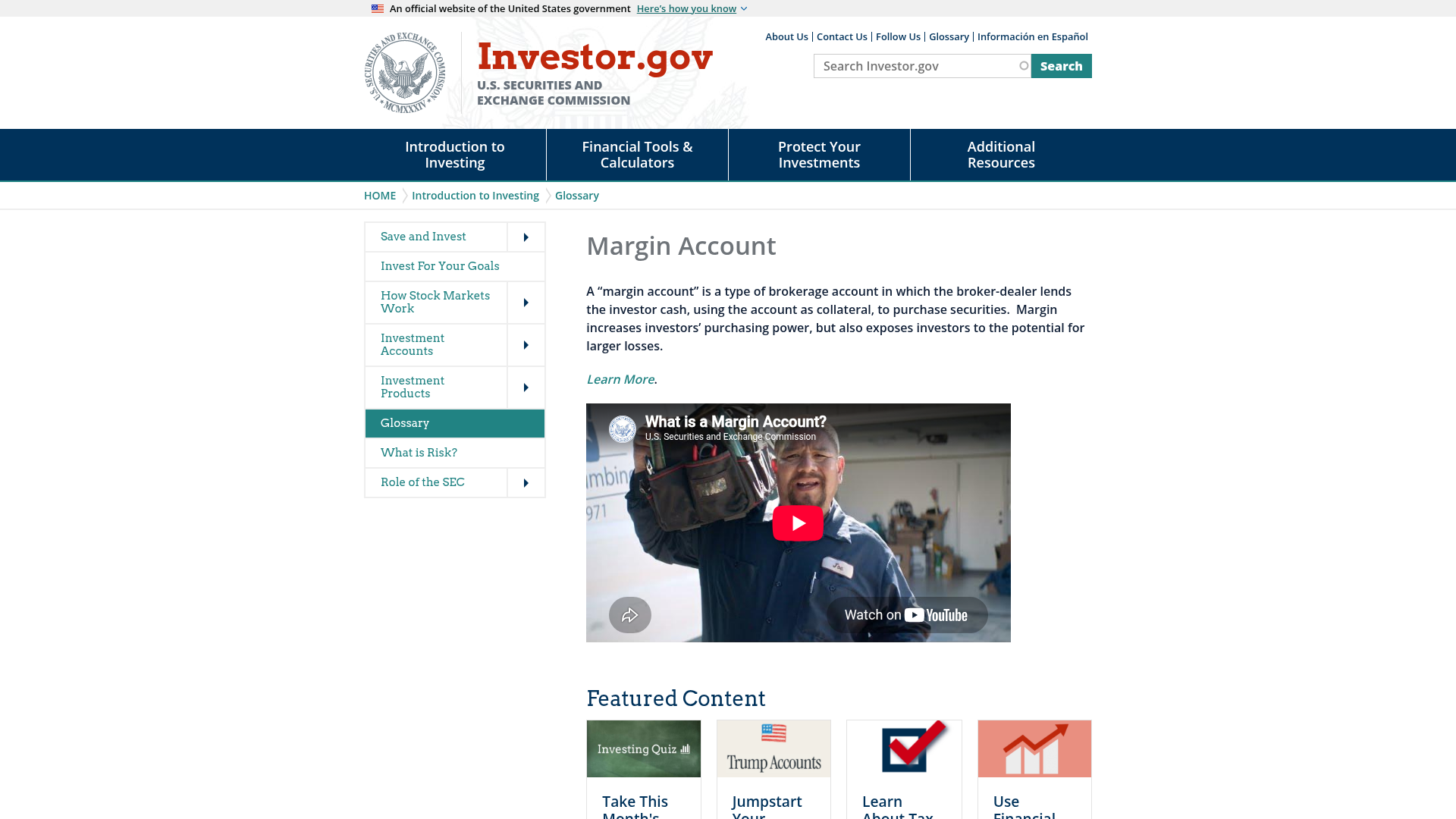
Tangkapan layar halaman resmi di balik aturan dalam panduan ini. Buka sendiri — kata-kata regulator sendiri selalu lebih baik daripada ringkasannya.
Sering ditanyakan
Sumber
Dari mana ini berasal
Ditulis oleh Daniel Okafor
Penulis Kurikulum. Kami menulis edukasi forex yang terstruktur, dalam bahasa Inggris sederhana untuk orang yang belajar dari awal. Pemahaman dulu, selalu — dan tidak pernah nasihat keuangan. Kursus itu sendiri ada di kurikulum.
Terus belajar
Ke mana panduan ini mengarah selanjutnya
Panduan yang paling dekat dengan ini, sesuai urutan pembangunannya. Masing-masing adalah bacaan lengkap tersendiri, dan tidak ada yang berasumsi Anda telah menyelesaikan halaman ini.
- Loss Aversion: Mengapa Trader Bertahan pada Posisi Rugi dan Menutup Posisi UntungTemukan bagaimana kecenderungan psikologis *loss aversion* yang mengakar kuat secara halus membentuk keputusan *trading*…
- Recency Bias: Ketika *Trade* Terakhir Anda Mendikte *Trade* Anda SelanjutnyaTemukan bagaimana pengaruh menipu dari hasil *trading* terbaru dapat secara diam-diam menyabotase strategi Anda dan mengarah pada…
- *Akun Trading* Anda Bukanlah Harga Diri AndaKeberhasilan *trading* tidak bergantung pada prediksi pasar yang sempurna, melainkan pada kemampuan Anda untuk memisahkan identitas…
- Overtrading: Tiga Tanda Peringatan dan Cara Penanggulangan Mingguan AndaTemukan pola *overtrading* yang berbahaya, pahami biaya sebenarnya, dan pelajari metode audit mingguan yang sederhana untuk…
- Menggeser Stop Loss Anda: Cara Menghentikan Kebiasaan *Trading* yang Merugikan IniBanyak *trader* baru, bahkan beberapa yang berpengalaman, terjebak dalam kebiasaan menggeser *stop loss* mereka, mengubah risiko…