Guía · 12 min de lectura · 2,243 words
El Costo Oculto de Arriesgar el Uno Por Ciento en Cincuenta Operaciones
Comprender cómo un riesgo fijo del 1% por operación puede alterar drásticamente la salud de su cuenta a lo largo de 50 transacciones es crucial para la supervivencia a largo plazo en el trading.

Conclusiones clave
- Un riesgo fijo del 1% por operación no es una cantidad fija en dólares; cambia dinámicamente con el saldo de su cuenta.
- Las pérdidas consecutivas utilizando un riesgo del 1% aceleran la erosión del capital, dificultando la recuperación debido a la disminución del tamaño de las posiciones.
- El costo real del trading se extiende más allá del riesgo del 1%, incluyendo spreads, comisiones y el posible slippage.
- El impacto psicológico de una cuenta de trading que disminuye, incluso con un riesgo cuidadoso del 1%, puede llevar a decisiones subóptimas.
- El ajuste dinámico del riesgo, en lugar de una adhesión rígida a un porcentaje fijo, suele ser una estrategia más resiliente.
- Incluso los traders exitosos experimentan drawdowns, destacando la importancia de comprender cómo se comporta el riesgo del 1% durante períodos adversos.
El atractivo de una regla simple: 'Arriesgar el Uno Por Ciento'
Muchos traders principiantes escuchan el consejo: 'Arriesgue solo el uno por ciento de su capital de trading por operación'. Suena tan sensato, una red de seguridad integrada en la esencia misma de su estrategia. Esta regla a menudo se presenta como el estándar de oro para la gestión monetaria, un axioma simple para mantenerse en el juego. La lógica parece innegable: al arriesgar solo una pequeña fracción de su cuenta, se protege de que una sola operación lo elimine. Teóricamente, podría sufrir muchas pérdidas antes de que su cuenta esté realmente en peligro.
Este consejo tiene buenas intenciones, diseñado para protegerlo de las trampas emocionales de arriesgar demasiado. Le impide tomar un riesgo enorme que podría terminar prematuramente con su carrera de trading. Por ejemplo, con una cuenta de $10,000, arriesgar el 1% significa que solo está poniendo $100 en juego para cualquier operación. Eso parece manejable, casi insignificante, especialmente en comparación con las ganancias potenciales. Es un pensamiento reconfortante, que sugiere un camino hacia una participación medida y consistente en los mercados. Pero como muchas reglas simples, su aparente facilidad puede enmascarar una realidad más compleja.
Si bien la regla del 1% proporciona una base para la preservación del capital, su implementación a lo largo de una serie de operaciones, particularmente una secuencia más larga como cincuenta, revela matices que a menudo se pasan por alto. La mecánica de cómo este porcentaje interactúa con un saldo de cuenta fluctuante es más profunda de lo que parece a primera vista. No se trata solo de los $100 iniciales; se trata de en qué se convierten esos $100 después de una serie de resultados, buenos o malos, y cómo eso afecta su capacidad para operar de manera efectiva.
Cómo funciona realmente el 'Uno Por Ciento' en la práctica
El detalle crucial sobre la 'regla del uno por ciento' es que, por lo general, se refiere al uno por ciento de su capital de trading actual. Esto no es el uno por ciento de su depósito inicial para siempre; es un cálculo dinámico que cambia con cada ganancia y cada pérdida. Si comienza con $10,000 y arriesga el 1%, está arriesgando $100. Pero si esa operación resulta en pérdida, su cuenta baja a $9,900. Su próximo cálculo de riesgo del 1% será entonces de $99. Esto podría parecer un ajuste menor, pero su efecto acumulativo a lo largo de muchas operaciones es significativo.
Esta naturaleza dinámica es tanto su fortaleza como su debilidad. Por un lado, reduce automáticamente su riesgo durante las rachas perdedoras, protegiéndolo de pérdidas mayores cuando su rendimiento es bajo. Por otro lado, también reduce sus ganancias potenciales durante los períodos de recuperación. Si su cuenta ha disminuido, incluso una operación exitosa con un nivel de riesgo del 1% generará menos beneficio absoluto de lo que habría generado en su saldo máximo. Esto significa que recuperarse de un drawdown puede sentirse como una batalla cuesta arriba, requiriendo más operaciones ganadoras o factores de beneficio más altos para volver al punto de partida.
Comprender esta verdad matemática es esencial. Muchos traders asumen erróneamente que el riesgo del 1% significa una cantidad fija en dólares, simplificando su gestión de riesgo hasta el punto de descuidar el impacto real de la capitalización de pérdidas y ganancias. El cálculo real debe actualizarse antes de cada operación, un hábito pequeño pero vital que asegura que siempre se adhiera a su tolerancia al riesgo declarada, basada en el valor más reciente de su cuenta.
El Efecto Compuesto de las Pérdidas Consecutivas
Consideremos lo que sucede durante una racha de pérdidas, algo que todo trader experimentará. Imagine comenzar con $10,000 y enfrentar diez pérdidas consecutivas, cada una arriesgando el 1% del saldo actual. Su cuenta no solo resta $100 cada vez. La cantidad que arriesga disminuye, pero también lo hace su capital. Esta es la parte que la mayoría de las guías omiten.
Inicialmente, su riesgo de $100 se siente cómodo. Pero a medida que el saldo de su cuenta disminuye, el valor absoluto en dólares de su riesgo del 1% también disminuye. Esto significa que para recuperarse, necesitará recuperar una cantidad menor en dólares por operación, pero esto representa un porcentaje mayor de su cuenta ahora más pequeña. La presión psicológica se intensifica porque cada operación subsiguiente, aunque sigue adhiriéndose a la regla del 1%, conlleva menos poder de fuego absoluto para ayudarle a salir del apuro. El camino hacia la recuperación se alarga, no se acorta.
Si bien este mecanismo limita las pérdidas máximas, también crea una situación en la que volver a su capital inicial requiere una ganancia porcentual desproporcionadamente mayor. Una pérdida del 10% requiere una ganancia del 11.11% para alcanzar el punto de equilibrio, por ejemplo. Cuando combina esto con la disminución de la cantidad de riesgo absoluto, verá cómo una serie de pequeñas pérdidas basadas en porcentajes puede llevar a un drawdown significativo y frustrante que se siente mucho más difícil de revertir de lo que sugeriría una simple suma aritmética.
Saldo de la Cuenta Después de 10 Pérdidas Consecutivas del 1% (Comenzando con $10,000)
| Número de Operación | Saldo Inicial | Monto de Riesgo del 1% | Pérdida | Saldo Final |
|---|---|---|---|---|
| 1 | 10,000.00 | 100.00 | 100.00 | 9,900.00 |
| 2 | 9,900.00 | 99.00 | 99.00 | 9,801.00 |
| 3 | 9,801.00 | 98.01 | 98.01 | 9,702.99 |
| 4 | 9,702.99 | 97.03 | 97.03 | 9,605.96 |
| 5 | 9,605.96 | 96.06 | 96.06 | 9,509.90 |
| 6 | 9,509.90 | 95.10 | 95.10 | 9,414.80 |
| 7 | 9,414.80 | 94.15 | 94.15 | 9,320.65 |
| 8 | 9,320.65 | 93.21 | 93.21 | 9,227.44 |
| 9 | 9,227.44 | 92.27 | 92.27 | 9,135.17 |
| 10 | 9,135.17 | 91.35 | 91.35 | 9,043.82 |
La Recuperación Esquiva: Por Qué las Ganancias Después de las Pérdidas se Sienten Diferentes
Después de sufrir una racha de pérdidas, una operación ganadora es un alivio bienvenido. Sin embargo, cuando se utiliza una regla de riesgo dinámico del 1%, incluso una operación ganadora bien ejecutada podría no sentirse tan impactante como se esperaría. Dado que su cantidad de riesgo se ha reducido junto con su cuenta, su beneficio de esa operación ganadora, asumiendo una relación riesgo-recompensa consistente, también será menor en términos absolutos.
Considere a nuestro trader de ejemplo cuya cuenta cayó de $10,000 a $9,043.82 después de diez pérdidas. Si su estrategia normalmente produce una relación riesgo-recompensa de 1:2, una operación ganadora sobre sus $10,000 originales habría generado $200. Pero ahora, con un riesgo del 1% de $90.44 (redondeado) sobre su saldo de $9,043.82, una ganancia de 1:2 solo aporta $180.88. Es una ganancia, sin duda, pero el camino de vuelta a los $10,000 iniciales es más empinado de lo que sería con un riesgo en dólares fijo.
Este fenómeno ilustra por qué los traders a menudo sienten que están 'nadando a contracorriente' o que la recuperación es dolorosamente lenta después de un drawdown, incluso si su tasa de éxito y su relación riesgo-recompensa se mantienen consistentes. La simple aritmética de los porcentajes juega en su contra en la recuperación, exigiendo más esfuerzo y paciencia para recuperar el terreno perdido. Destaca que el costo no es solo el dinero perdido, sino el tiempo y las operaciones necesarias para reconstruir su base de capital.
Costos de Transacción: El Drenaje Invisible de Su Capital
El cálculo del riesgo del 1% típicamente se enfoca puramente en el capital arriesgado por operación basándose en su stop loss. Sin embargo, el trading en el mundo real conlleva costos adicionales que silenciosamente erosionan su cuenta, a veces de manera significativa. Estos son principalmente los spreads, las comisiones y el slippage potencial. Los spreads son la diferencia entre el precio de compra y venta de un activo, esencialmente la tarifa del bróker por facilitar la operación. Las comisiones son cargos directos por operación, comunes en futuros o en algunas casas de bolsa, o para cuentas de forex con 'raw spread'.
Incluso con brókers que anuncian 'cero comisiones', como muchos proveedores de Contratos por Diferencia, el spread es donde obtienen sus ganancias. Un spread aparentemente pequeño de 0.7 pips en EUR/USD, por ejemplo, se acumula a lo largo de 50 operaciones. Para un lote estándar (100,000 unidades), eso es $7 por operación. ¿Cincuenta operaciones? Eso es $350. Esta cantidad sale directamente de su beneficio potencial o se suma a su pérdida, aumentando efectivamente el 'costo' real de cada operación más allá de su riesgo calculado del 1%.
El slippage, aunque menos predecible, ocurre cuando su orden se ejecuta a un precio diferente al previsto, generalmente debido a la volatilidad del mercado. Aunque no es una tarifa directa, puede ampliar su stop loss o reducir su beneficio, añadiendo otra capa de costo no cuantificado. Estos costos de transacción son constantes, independientemente de si gana o pierde, y reducen la ganancia neta en las operaciones ganadoras y profundizan el impacto de las operaciones perdedoras. No tener en cuenta estos factores en su gestión general del riesgo es un descuido común que afecta el rendimiento real de su riesgo del 1%.
El 'costo' de arriesgar el uno por ciento por operación a lo largo de cincuenta operaciones no es solo la suma de sus pérdidas y comisiones; también incluye el costo de oportunidad y el costo oculto para su mentalidad de trading.
El Costo Psicológico del Capital Menguante
Más allá de las matemáticas, ver cómo su cuenta se reduce, incluso de manera lenta y predecible debido a la regla del 1% durante un drawdown, conlleva un costo psicológico significativo. Todo trader se enfrenta a períodos en los que su estrategia rinde por debajo de lo esperado, resultando en una serie de pérdidas. Un saldo de cuenta en constante declive desanima naturalmente. Unos $10,000 iniciales podrían convertirse en $9,000, luego $8,500, y así sucesivamente.
Esta tensión emocional puede llevar a malas decisiones. Los traders podrían desviarse de su estrategia, perseguir operaciones, aumentar el riesgo por operación para 'recuperar' el dinero perdido más rápido, o abandonar por completo su enfoque disciplinado. El miedo a las pérdidas continuas puede causar dudas, llevándolos a perder oportunidades válidas o impulsándolos a tomar operaciones impulsivas y de baja probabilidad. La regla destinada a proteger el capital puede, irónicamente, contribuir a un estado mental que socava la disciplina.
Mantener el control emocional durante los drawdowns es, sin duda, una de las partes más difíciles del trading. Incluso si los números muestran parámetros de riesgo aceptables, un saldo de cuenta decreciente visible en una plataforma de trading puede desencadenar poderosamente la duda y la ansiedad. Este desgaste mental es un costo de trading muy real, a menudo no cuantificado, que la simple regla de 'arriesgar el 1%' no tiene en cuenta por sí misma.
Ajuste Dinámico del Riesgo: Un Enfoque Más Inteligente
La regla del 1% ofrece un buen punto de partida, pero el ajuste dinámico del riesgo proporciona un enfoque más sofisticado. Esto implica no solo recalcular su 1% basándose en su saldo actual, sino elegir activamente reducir su porcentaje de riesgo durante un rendimiento deficiente, o incluso aumentarlo ligeramente durante rachas excepcionales. Esto no se trata de perseguir pérdidas o de ser codicioso; se trata de alinear la exposición al riesgo con su ventaja actual y las condiciones del mercado.
Por ejemplo, después de tres pérdidas consecutivas, podría decidir reducir temporalmente su riesgo al 0.5% por operación hasta registrar dos ganancias consecutivas. Esto permite que su estrategia 'respire' y le da espacio para reevaluar sin incurrir en pérdidas adicionales significativas sobre una base de capital decreciente. Si su estrategia funciona excepcionalmente bien, podría aumentar cautelosamente su riesgo al 1.5% por un corto período, capitalizando un rendimiento sólido.
Este enfoque adaptativo exige una gestión más activa y autoconciencia. Sin embargo, ofrece un mayor control sobre el capital durante diferentes regímenes de mercado y fases de rendimiento personal. Va más allá de aplicar rígidamente un solo porcentaje a un marco de gestión de riesgos más matizado y receptivo, preservando mejor el capital en tiempos difíciles y acelerando el crecimiento en períodos favorables. Se trata de optimizar su riesgo, no solo de limitarlo.
Crecimiento Simulado de la Cuenta: Riesgo Fijo del 1% vs. Ajuste Dinámico del Riesgo (Escenarios Hipotéticos)
| Escenario | Saldo Inicial | Riesgo Fijo del 1% (50 operaciones) | Riesgo Dinámico (50 operaciones) | Resultado |
|---|---|---|---|---|
| Perdedor Consistente | $10,000 | $8,000 | $8,500 | El Dinámico conservó más capital |
| Trader de Punto de Equilibrio | $10,000 | $9,800 | $10,100 | Dinámico ligeramente mejor debido a la mejora de las ganancias |
| Ganador Constante | $10,000 | $12,000 | $12,500 | El dinámico aceleró ligeramente el crecimiento |
Los drawdowns son inevitables: Preparándose para lo peor
Ninguna estrategia de trading, por sólida que sea, ganará siempre. Los drawdowns, períodos en los que el capital de la cuenta disminuye desde un pico anterior, son una parte inherente del trading. Los traders profesionales a menudo anticipan y planifican drawdowns significativos, a veces tan profundos como el 20% o el 30% de su capital, incluso con una gestión de riesgo conservadora. La regla del 1% ayuda a gestionar la tasa del drawdown, pero no lo previene. El desafío radica en comprender cómo se comporta su regla del 1% durante estos períodos prolongados.
Si se enfrenta a una racha de 20 operaciones perdedoras (lo cual es posible, incluso para estrategias con una tasa de acierto del 50% debido a la varianza), su cuenta se verá significativamente afectada, incluso con un riesgo del 1%. Para una cuenta de $10,000, después de 20 pérdidas, estaría viendo aproximadamente $8,179. Eso es un drawdown de más del 18%. Aunque sigue siendo considerable, imagine arriesgar el 2% o el 3%. La erosión del capital sería mucho más severa. Esto muestra la naturaleza protectora de la regla del 1%, pero también destaca sus limitaciones cuando se enfrenta a condiciones adversas prolongadas.
Prepararse para los drawdowns significa tener un plan de trading sólido que incluya reglas para detener el trading o reducir significativamente el riesgo cuando se alcanza un cierto umbral de drawdown. Significa comprender que el 'costo' del riesgo del 1% no es solo la pérdida monetaria, sino también la fortaleza mental necesaria para seguir ejecutando su estrategia cuando su cuenta se está reduciendo visiblemente. Esta previsión es un aspecto crítico para sobrevivir y prosperar a largo plazo.
El Costo Verdadero: Oportunidad y Mentalidad
El 'costo' de arriesgar un uno por ciento por operación durante cincuenta operaciones incluye más que la suma de sus pérdidas y las tarifas de transacción. También cubre el costo de oportunidad y el costo para su mentalidad de trading. El costo de oportunidad se refiere a las ganancias potenciales que pierde. Si las pérdidas acumuladas del 1% colocan su cuenta en un drawdown profundo, el valor absoluto en dólares de sus operaciones ganadoras será menor. Esto significa un crecimiento de la cuenta más lento que si tuviera más capital disponible, lo que podría retrasar los objetivos financieros o limitar su capacidad para escalar el trading.
El esfuerzo mental constante requerido para mantener la disciplina, recalcular el riesgo y superar los drawdowns es un costo significativo, a menudo no reconocido. El trading es exigente. Lidiar constantemente con una cuenta que se reduce, incluso si se gestiona con la regla del 1%, puede llevar al agotamiento. El estrés puede afectar otras áreas de su vida, dificultando la concentración y el rendimiento óptimo. Esta fatiga mental puede ser más perjudicial que cualquier pérdida monetaria individual.
En última instancia, la regla del 1% actúa como una salvaguarda, no como un acelerador de crecimiento. Su principal beneficio es la longevidad. Sin embargo, la longevidad tiene un precio: un crecimiento más lento durante las rachas ganadoras y una recuperación a veces frustrantemente lenta de los drawdowns. Comprender estos costos ocultos le permite refinar su enfoque, quizás incorporando una gestión de riesgo dinámica o ajustando las expectativas sobre el crecimiento de la cuenta. Conocer la regla no es suficiente; debe comprender sus implicaciones en su camino.
Dimensionando sus Posiciones: Más Allá del Porcentaje
Saber que quiere arriesgar el 1% de su cuenta es solo el primer paso; la aplicación práctica implica dimensionar correctamente su posición para cada operación. Este cálculo vincula su riesgo de capital del 1% directamente con su nivel de stop-loss elegido. Por ejemplo, si tiene una cuenta de $10,000 y quiere arriesgar el 1% ($100), y su estrategia de trading dicta un stop-loss de 20 pips en EUR/USD, necesita calcular el tamaño de lote correcto.
En EUR/USD, un lote estándar (100,000 unidades) significa que un movimiento de 1 pip es típicamente de $10. Si su stop loss es de 20 pips, arriesgar un lote estándar significaría una pérdida de $200 (20 pips * $10/pip). Esto es el doble de su riesgo permitido de $100. Por lo tanto, necesitaría operar medio lote estándar, o 0.5 lotes (50,000 unidades), lo que significaría una pérdida de $100 (20 pips * $5/pip). Esto asegura que su capital real en riesgo se alinee con su regla del 1%.
Este dimensionamiento preciso de la posición es crítico. Muchos brokers, como Pepperstone o XM, ofrecen tamaños de lote fraccionados (mini y micro lotes), lo que hace factible ajustar su posición a su tolerancia al riesgo y stop-loss exactos. Sin este paso, su regla del 1% es meramente un concepto teórico en lugar de una herramienta práctica. Es el puente entre la gestión de riesgo abstracta y el acto concreto de colocar una operación en el mercado.
Lea la fuente primaria
Compruébelo con el regulador, no con nosotros
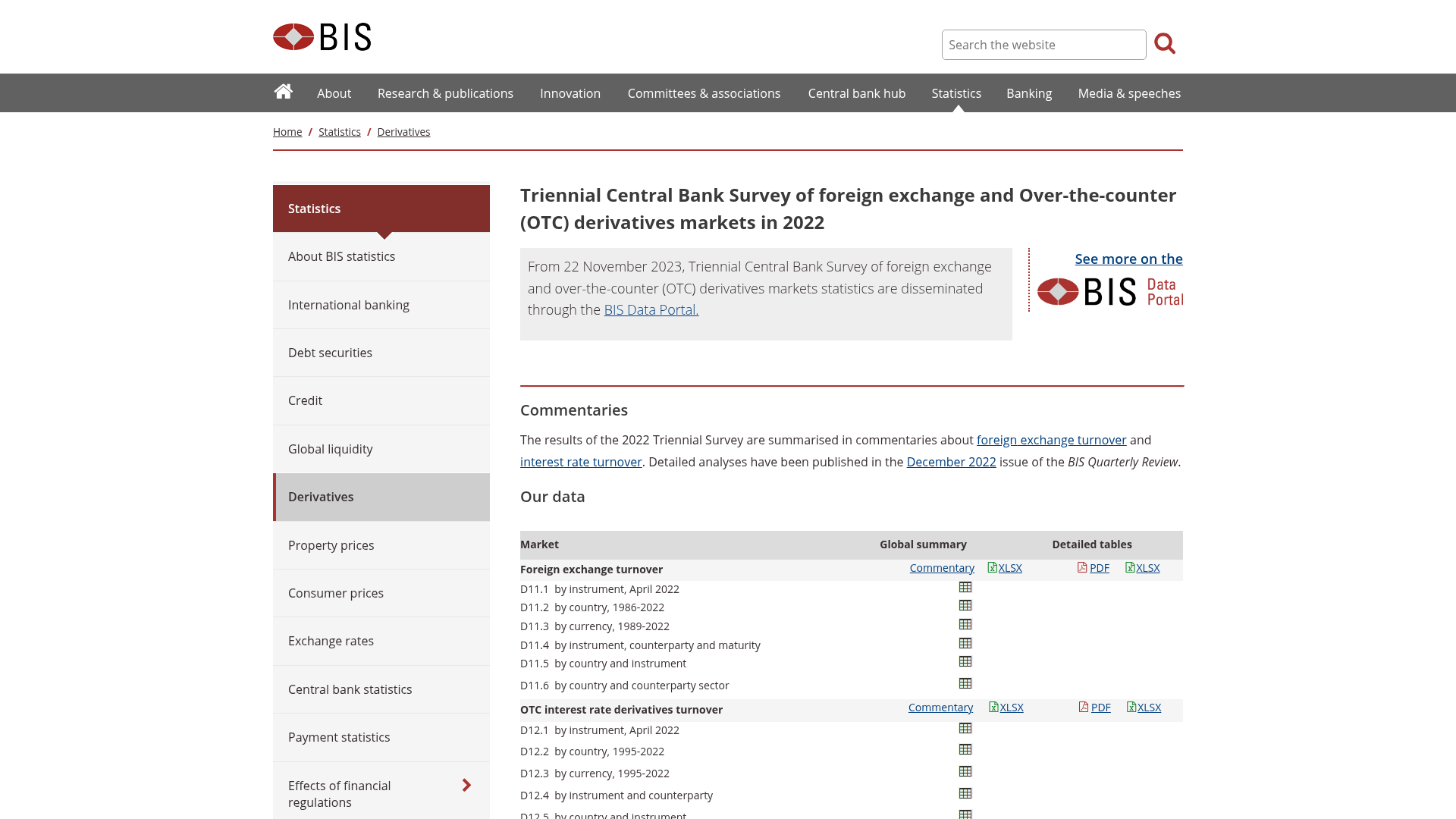
Capturas de pantalla de las páginas oficiales que respaldan las reglas de esta guía. Ábralas usted mismo — las palabras del regulador siempre superan a un resumen.
Preguntas frecuentes
Fuentes
De dónde viene esto
Escrito por Elena Marsh
Instructor Principal. Escribimos formación estructurada y en lenguaje sencillo sobre forex para personas que aprenden desde cero. Primero la comprensión, siempre — y nunca asesoramiento financiero. El curso en sí reside en el plan de estudios.
Sigue aprendiendo
A dónde lleva esta guía después
Las guías relacionadas, en el orden en que se construyen a partir de esta. Cada una es una lectura completa por sí misma, y ninguna asume que ya hayas terminado esta página.
- Las matemáticas implacables: Por qué una pérdida del 50% exige una ganancia del 100% para recuperarsePerder la mitad de su capital de *trading* no significa que solo necesite una ganancia adicional del 50%; el camino hacia la…
- La bifurcación invisible en el camino: Dimensionamiento porcentual vs. lotes fijos en el *trading*Comprender cómo su método de dimensionamiento de operaciones –ya sea fijo o basado en porcentaje– dicta la forma a largo plazo del…
- Arriesgar un porcentaje: Por qué su elección entre capital y saldo importaMuchos *traders* basan erróneamente su riesgo en el saldo de la cuenta, lo que lleva a cambios involuntarios y a menudo…
- Sesgo de actualidad: Cuando su última operación dicta la siguienteDescubra cómo la influencia engañosa de los resultados recientes de las operaciones puede sabotear silenciosamente su estrategia y…
- Aritmética riesgo-recompensa: La tasa de aciertos que cada ratio exige silenciosamenteDescubra el vínculo inseparable entre su relación riesgo-recompensa y su tasa de aciertos, y aprenda la aritmética esencial para…