Guía · 11 min de lectura · 2,135 words
Operar Cansado: Una Autoevaluación Crucial Antes de la Apertura del Mercado
No permita que el cansancio le robe su ventaja; aprenda la autoevaluación vital previa al mercado para proteger su capital y tomar decisiones más precisas.
Conclusiones clave
- Operar mientras se está fatigado aumenta significativamente el riesgo de cometer errores costosos, emitir juicios erróneos y tomar decisiones emocionales.
- Una autoevaluación física y mental disciplinada antes de cada sesión de trading es tan vital como cualquier análisis de mercado.
- Priorizar un sueño de calidad, una nutrición constante, una hidratación adecuada y pausas regulares de pantalla construye una resiliencia crucial para el trading.
- Reconocer las señales de alarma personales de agotamiento mental y físico ayuda a prevenir el overtrading impulsivo y el destructivo revenge trading.
- Adoptar una rutina estructurada previa al mercado puede mejorar drásticamente la consistencia en el trading, preservar el capital y prolongar su carrera.
La Amenaza Silenciosa para su Ventaja en el Trading
Imagine esto: son las 8:00 AM en Londres, el mercado está vibrante y usted está frente a sus gráficos. Aparece una configuración familiar, que sugiere una entrada rápida en el EUR/USD. Pero su mente se siente confusa, con el cansancio persistente de una noche en vela. Usted ejecuta la operación, solo para darse cuenta minutos después de que interpretó mal un indicador clave o, peor aún, que introdujo un tamaño de lote incorrecto. Ese único error evitable, nacido del cansancio, puede anular horas de planificación meticulosa y borrar las ganancias de un día. No se trata de ser lo suficientemente 'inteligente'; se trata de ser lo suficientemente agudo, de forma consistente. La fatiga es una amenaza silenciosa e insidiosa, a menudo subestimada, pero que ataca directamente su capacidad para tomar decisiones racionales, oportunas y disciplinadas. Un cerebro cansado lucha agudamente con la concentración, el control de los impulsos y el pensamiento crítico, todas ellas habilidades fundamentales para un trading rentable. Muchos traders aspirantes dedican incontables horas al análisis de mercado, a los indicadores técnicos y al desarrollo de estrategias, pero a menudo descuidan el instrumento más importante de toda su operación: ellos mismos. Esta es la parte que la mayoría de las guías omiten, centrándose en las fuerzas externas del mercado en lugar de la preparación interna. Su estado mental y físico sienta las bases para cada operación que considere.
El Sistema de Alerta Temprana de su Cuerpo
Su estado físico actúa como un sofisticado sistema de alerta temprana para su preparación mental. Ignorarlo es como intentar conducir un coche de alto rendimiento con una luz de 'revisar motor' parpadeando: se arriesga a una avería. Síntomas como dolores de cabeza leves, visión borrosa después de un tiempo prolongado frente a la pantalla, tensión muscular persistente en el cuello y los hombros, o simplemente sentirse con los párpados pesados, no son inconvenientes menores; son señales de alarma explícitas de su cuerpo. Estas manifestaciones físicas no solo le incomodan; degradan activamente sus funciones cognitivas. Por ejemplo, la fatiga visual puede dificultar cada vez más la detección de patrones sutiles en los gráficos, la lectura precisa de números pequeños o la diferenciación entre formaciones de velas similares. Un dolor persistente en la parte baja de la espalda puede convertirse en una distracción constante, desviando su atención del intrincado baile de la acción del precio hacia su malestar. Piense en usted mismo como un atleta preparándose para una competición importante. Usted no saldría al campo con una rodilla palpitante o un malestar estomacal, esperando un rendimiento máximo. El trading, especialmente en mercados volátiles, exige un nivel similar de preparación física y comodidad, dadas las intensas demandas visuales y mentales que le impone. Ignorar estas señales significa que está operando en su contra incluso antes de colocar una orden.
La Niebla del Juicio Deteriorado
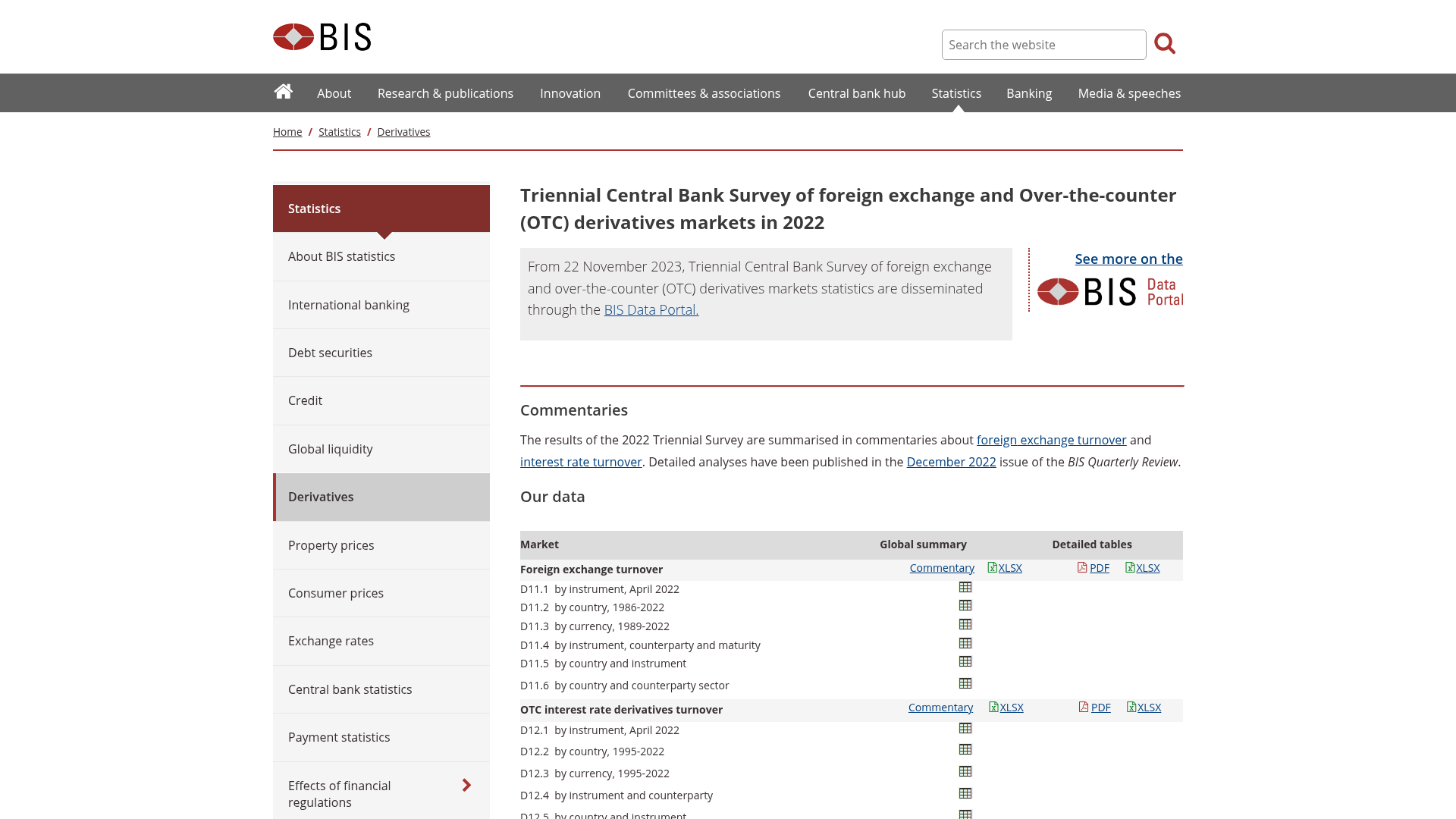
Más allá de la mera incomodidad física, la fatiga introduce una profunda niebla mental que puede socavar sistemáticamente sus decisiones de trading. Esta niebla nubla su juicio, ralentiza significativamente su tiempo de reacción y deteriora su capacidad para procesar información compleja de forma rápida y precisa. Podría encontrarse mirando un sofisticado gráfico de velas japonesas, comprendiendo componentes individuales como los precios de apertura y cierre, pero sin lograr sintetizarlos en un contexto de mercado general coherente o una dirección de tendencia clara. No se trata solo de tomar decisiones más lentas; se trata de tomar malas decisiones. El cansancio le hace mucho más susceptible a los sesgos cognitivos comunes. Podría caer presa del sesgo de confirmación, buscando activamente puntos de datos que apoyen una idea de operación preconcebida mientras ignora la evidencia contradictoria. O podría sucumbir al exceso de confianza, entrando en operaciones con tamaños mayores de lo justificado, desestimando claras señales de riesgo creciente. La urgencia de "simplemente hacer esta operación" a pesar de sentirse completamente agotado es una trampa común y, a menudo, costosa. La Encuesta Trienal de Bancos Centrales sobre el volumen de negocios de divisas del Banco de Pagos Internacionales (BIS) destaca constantemente la inmensa velocidad y liquidez de los mercados de divisas globales, enfatizando la necesidad crítica de una toma de decisiones rápida y precisa. Cuando su mente está nublada por la fatiga, esa precisión necesaria se desploma, convirtiendo oportunidades potenciales en pérdidas probables.
La Base del Trader: El Sueño de Calidad
Si el éxito en el trading es un edificio, entonces el sueño de calidad es su cimiento inquebrantable. Es durante el sueño cuando su cerebro realiza un mantenimiento esencial: consolidar nueva información, reparar vías neuronales y recargar sus reservas de energía química y eléctrica. Un sueño constante y de calidad –típicamente de 7 a 9 horas para la mayoría de los adultos, según lo recomendado por innumerables organizaciones de salud– no es solo un lujo; es un requisito previo no negociable para un rendimiento sostenido en el trading. Los patrones de sueño irregulares, caracterizados por noches tardías y mañanas tempranas, alteran gravemente su ritmo circadiano natural. Esta alteración desequilibra su concentración, estado de ánimo e incluso el equilibrio hormonal, lo que provoca irritabilidad y una agudeza mental disminuida durante las horas de mercado. No se trata meramente de la cantidad de sueño, sino de su calidad reparadora. Hábitos simples y efectivos pueden marcar una gran diferencia: evite las pantallas (ordenadores, teléfonos, tabletas) durante al menos una hora antes de acostarse, mantenga un ambiente para dormir fresco, oscuro y tranquilo, y procure una hora constante para acostarse y levantarse, incluso los fines de semana. Muchos traders, particularmente aquellos involucrados en mercados nocturnos o que manejan múltiples zonas horarias, encuentran esto desafiante. Sin embargo, priorizar el sueño debe ser una prioridad tan alta como sus entradas de operaciones y la gestión de riesgos. El saldo de su cuenta a largo plazo reflejará profundamente este compromiso.
Alimentando su Rendimiento: Nutrición e Hidratación
El adagio "eres lo que comes" encierra una profunda verdad para los traders. Lo que consume impacta directamente en su agudeza mental, niveles de energía y estabilidad emocional a lo largo de la jornada de trading. Un donut azucarado o una bebida con mucha cafeína pueden ofrecer un breve pico de energía inmediato, pero casi invariablemente le seguirá una caída precipitada, dejándole lento, irritable y desenfocado precisamente cuando necesita estar más agudo. La energía sostenida y constante proviene de comidas equilibradas y ricas en nutrientes: piense en cereales integrales, proteínas magras, grasas saludables y una abundancia de frutas y verduras. Estos proporcionan una liberación constante de glucosa, alimentando su cerebro de manera uniforme. Las comidas pesadas y grasas desvían una energía significativa a la digestión, a menudo dejándole con una sensación de letargo. Igualmente crítica es la hidratación. Incluso una deshidratación leve, a menudo imperceptible, puede causar dolores de cabeza, reducir el estado de alerta y deteriorar significativamente la función cognitiva. Convierta en un hábito tener una botella de agua o un vaso de agua al alcance de la mano y beber de él regularmente durante toda su sesión de trading. Considere las infusiones de hierbas sin azúcar como alternativa. Piense en su cerebro como un motor de alto rendimiento; requiere el combustible correcto y de alta calidad, y una refrigeración adecuada para funcionar de manera óptima y eficiente. Descuidar estas necesidades biológicas fundamentales significa que está privando deliberadamente a su cerebro de lo que necesita para rendir al máximo.
Proteger su energía física y mental es tan fundamental e indispensable como comprender la compleja mecánica del mercado.
El Agotamiento Digital: Gestionando el Tiempo de Pantalla
El trading moderno a menudo implica fijar la vista intensamente en múltiples pantallas durante muchas horas, una práctica que resulta profundamente agotadora tanto para sus recursos físicos como mentales. La luz azul emitida por los monitores de ordenador y los dispositivos móviles puede alterar su ciclo natural de sueño, especialmente si opera hasta altas horas de la noche. La estimulación visual constante, el parpadeo rápido de los datos y los detalles intrincados en los gráficos también pueden provocar una fatiga visual significativa, dolores de cabeza persistentes y un agotamiento mental generalizado. Para contrarrestar este desgaste digital, es fundamental incorporar descansos regulares y estructurados. Cada 30-45 minutos, levántese, aléjese de su escritorio, mire por una ventana un objeto distante durante unos minutos o realice algunos estiramientos sencillos. Estas breves pausas permiten que sus ojos descansen, que su postura se restablezca y que su mente se desconecte momentáneamente de la intensidad del mercado. Considere usar gafas con filtro de luz azul o activar funciones de software integradas (como 'Night Light' en Windows o 'Night Shift' en macOS) que ajustan la temperatura del color de la pantalla a medida que avanza el día. No se trata de desconectarse por completo de sus herramientas, sino de ser inteligente e intencional en cómo interactúa con su entorno digital. Incluso un descanso de cinco minutos cada hora puede reducir significativamente la tensión acumulada durante una jornada completa de trading, ayudándole a mantener la concentración y la claridad durante períodos mucho más largos.
Su Lista de Verificación Mental Pre-Mercado
Antes incluso de considerar abrir su plataforma de trading o revisar su lista de seguimiento, implemente una autoevaluación rápida pero exhaustiva. Esto no se trata de ser excesivamente cauteloso o paranoico; se trata de ser rigurosamente proactivo en la protección de su capital y su capacidad de toma de decisiones. Hágase preguntas específicas y objetivas sobre su estado físico y mental. ¿Se siente realmente descansado y alerta? ¿Su mente está libre de distracciones externas o cargas emocionales de las operaciones de ayer o de su vida personal? ¿Hay alguna molestia física persistente que compita por su atención? Este chequeo disciplinado y rutinario le ayuda a evaluar objetivamente su preparación para interactuar con las complejidades del mercado. Si se siente menos que óptimo –quizás un poco confuso, irritable o inusualmente cansado–, entonces considere seriamente reducir su riesgo, disminuir su volumen de trading o incluso abstenerse de operar en la sesión por completo. Siempre es mucho mejor perder una operación potencial que ejecutar una perdedora debido a un juicio deteriorado y una concentración comprometida. La autoevaluación constante fomenta la disciplina y la autoconciencia, pilares fundamentales del trading exitoso.
Una lista de verificación pre-mercado para evaluar su preparación para operar.
| Categoría de Autoevaluación | Pregunta para Hacerse | Calificación (1-5, 5=Excelente) | Notas/Acción si la Calificación es Baja |
|---|---|---|---|
| Energía Física | ¿He dormido al menos 7-8 horas ininterrumpidas? | Si es 1-2, reduzca el tamaño de la posición en un 50% u opere solo en configuraciones de alta convicción. | |
| Claridad Mental | ¿Mi mente está libre de niebla mental, estrés o distracciones personales? | Si es 1-2, dedique 15 minutos a meditar o a revisar operaciones rentables pasadas para reenfocarse. | |
| Estado Emocional | ¿Estoy tranquilo, paciente y libre de ira, ansiedad o euforia? | Si es 1-2, evite operar pares volátiles o tómese un descanso más largo antes de comenzar. | |
| Agudeza Visual | ¿Mis ojos están cómodos y puedo discernir claramente todos los detalles del gráfico? | Si es 1-2, aplique la regla 20-20-20, ajuste el brillo de la pantalla o use filtros de luz azul. | |
| Preparación para el Mercado | ¿He revisado los eventos noticiosos clave y comprendido la volatilidad probable del día? | Si 1-2, dedique tiempo adicional a los calendarios económicos (p. ej., los comunicados H.10 de la Reserva Federal). |
Cuándo Dar por Terminada la Jornada y Alejarse
Dominar la disciplina de saber cuándo detenerse en el trading es una habilidad que a menudo solo se perfecciona a través de una experiencia dolorosa y evitable. No espere a cometer un error significativo y costoso para darse cuenta de que está demasiado fatigado, distraído o emocionalmente comprometido para continuar. En su lugar, busque activamente estas señales de alarma específicas durante su sesión de trading: errores tipográficos frecuentes al introducir los detalles de las órdenes, perder repetidamente configuraciones de trading claras que normalmente vería, perseguir pérdidas con posiciones cada vez más grandes (el temido "revenge trading" o trading de venganza), o sentir un repentino aumento de irritación o ansiedad irracional. Estas son señales inequívocas de que su capacidad de toma de decisiones está gravemente comprometida y de que está operando en condiciones de riesgo elevado. Se necesita una inmensa autoconciencia y una disciplina férrea para alejarse de las pantallas, especialmente cuando el mercado parece presentar abundantes oportunidades. Sin embargo, operar cuando su estado físico o mental está comprometido es similar a apostar; está confiando en la pura suerte y la esperanza en lugar de en una habilidad calculada y un análisis sólido. Los traders más exitosos entienden que preservar el capital es fundamentalmente más importante que intentar capturar cada movimiento del mercado. Recuerde esta simple verdad: el mercado siempre estará ahí mañana, a menudo presentando oportunidades más claras y seguras cuando esté completamente descansado y concentrado. Es mejor proteger su cuenta hoy que lamentarlo mañana.
Señales de alarma comunes que indican que es hora de dejar de operar.
| Señal de Alarma | Descripción | Acción Inmediata | Solución a Largo Plazo |
|---|---|---|---|
| Errores Repetidos | Múltiples errores tipográficos en las órdenes, tamaños de lote incorrectos, identificación errónea de patrones. | Cierre todas las posiciones abiertas, apague las plataformas, aléjese durante al menos una hora. | Asegure un sueño adecuado, utilice plantillas/preajustes de órdenes, verifique las entradas dos veces. |
| Trading Emocional | Sentir ira después de una pérdida, euforia después de una ganancia, perseguir la acción del precio. | Tome un descanso de meditación de 30 minutos, revise su plan de trading, registre sus emociones en un diario. | Practique la atención plena, defina límites de riesgo estrictos, utilice un diario de trading para el seguimiento emocional. |
| Pérdida de Concentración | Mirar fijamente los gráficos, perder señales claras, dificultad para concentrarse. | Implemente la regla 20-20-20, dé un paseo corto o escuche música relajante. | Optimice el sueño, gestione el tiempo de pantalla, asegure una nutrición e hidratación adecuadas. |
| Aumento del Riesgo | Aumentar involuntariamente los tamaños de las posiciones, ampliar los stop-loss, abandonar la estrategia. | Revise inmediatamente su plan de gestión de riesgos; si está comprometido, cese de operar. | Vuelva a comprometerse con su plan de trading escrito, considere usar herramientas externas de gestión de riesgos. |
Construyendo un Manual de Resistencia para el Trading
La rentabilidad sostenida en el trading no se trata únicamente de un conocimiento sofisticado del mercado o de algoritmos complejos; se trata profundamente de la resistencia mental y física. Construir esta resistencia es un proyecto a largo plazo y continuo, no una solución puntual. Incorporar ejercicio físico regular a tu rutina, incluso algo tan simple como una caminata rápida de 30 minutos al día, mejora significativamente el flujo sanguíneo al cerebro, potencia la función cognitiva y reduce eficazmente las hormonas del estrés. Las prácticas de mindfulness, como sesiones cortas de meditación o ejercicios de respiración profunda, pueden mejorar drásticamente la concentración, potenciar la regulación emocional y cultivar una sensación de calma en medio de la volatilidad del mercado. Establecer límites claros y firmes entre tus actividades de trading y tu vida personal es absolutamente vital. Evita la tentación de revisar constantemente gráficos o noticias del mercado fuera de tus horas de trading dedicadas. Esta separación disciplinada ayuda a prevenir el agotamiento mental, permitiendo que tu mente se desconecte, se relaje y se recargue verdaderamente, asegurando que abordes cada nueva sesión con renovado vigor. Piensa en ello como entrenar para una maratón, no para un sprint: el autocuidado constante y la atención al bienestar no son lujos, sino necesidades operativas fundamentales para una carrera de trading larga, resiliente y, en última instancia, exitosa.
Herramientas y hábitos para mantener la concentración
Los entornos de trading modernos ofrecen una variedad de herramientas y prácticas que pueden apoyar y mejorar activamente tu concentración, especialmente cuando luchas contra los efectos insidiosos de la fatiga. Un diario de trading bien llevado es, sin duda, la más potente de estas herramientas. Más allá de simplemente registrar tus entradas, salidas y cifras de ganancias/pérdidas, dedica secciones a anotar tu estado mental y físico antes y durante cada sesión de trading. Con el tiempo, revisar estas anotaciones te permitirá identificar patrones claros que vinculan tus niveles de energía y estado emocional con los resultados de tus operaciones. ¿Cometías sistemáticamente más errores los días en que reportabas haber dormido mal? Esta retroalimentación empírica es inestimable. Muchos brókeres, como Pepperstone e IC Markets, ofrecen herramientas de análisis de rendimiento dentro de sus plataformas. Estas herramientas a menudo pueden mostrarte cómo tu tasa de victorias, el beneficio promedio por operación o el drawdown cambian según factores como la hora del día o el día de la semana, lo que puede revelar indirectamente períodos en los que tu concentración podría estar disminuyendo naturalmente. Establecer límites diarios estrictos y realistas tanto para pérdidas como para ganancias proporciona barreras estructurales. Estos límites te animan a retirarte cuando las condiciones del mercado ya no son favorables o cuando has alcanzado tu objetivo diario, evitando que te fuerces a cometer errores inducidos por la fatiga.
El juego a largo plazo: consistencia sobre intensidad
El trading, en su esencia, es una maratón que exige resistencia, disciplina y un rendimiento constante a largo plazo. El objetivo principal nunca es hacer una fortuna colosal en un solo día intenso, sino aplicar consistentemente una estrategia sólida y bien investigada durante semanas, meses y muchos años. Esta consistencia sostenida es absolutamente imposible sin un compromiso igualmente constante con el autocuidado y el bienestar personal. Proteger tu energía física y mental es tan fundamental e indispensable como comprender mecánicas complejas del mercado como la oferta y la demanda, los soportes y resistencias, o los comunicados económicos fundamentales. Al priorizar tu salud física y mental, no solo estás mejorando tu bienestar general; estás invirtiendo directamente en la longevidad, la resiliencia y la rentabilidad final de tu carrera de trading. Asume el compromiso consciente y deliberado de presentarte en tu mejor estado, completamente descansado, concentrado y emocionalmente equilibrado, cada vez que el mercado abra para tus instrumentos elegidos. Tu yo futuro, y tu cuenta de trading, se beneficiarán profundamente de esta dedicación.
Lea la fuente primaria
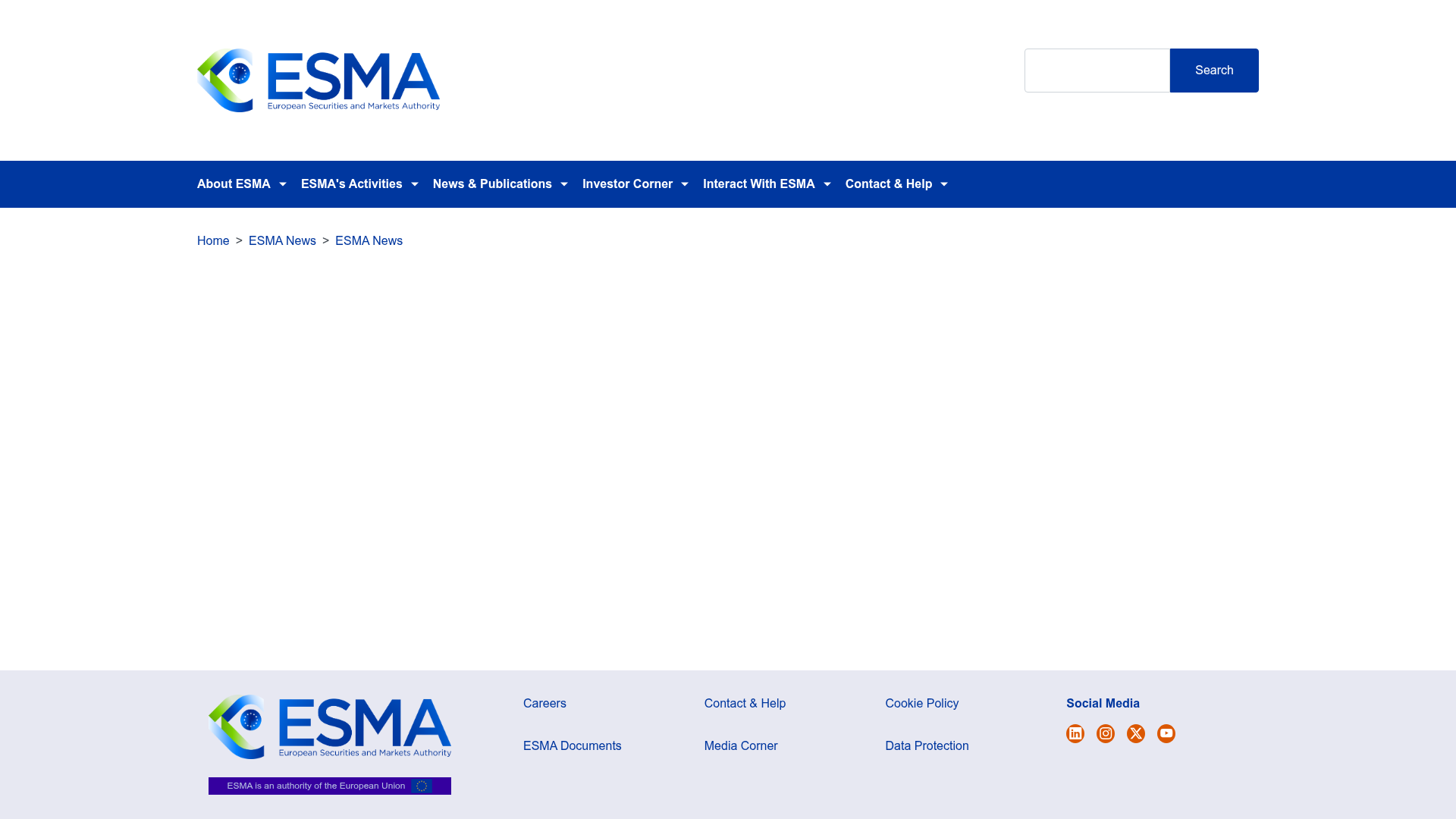
Compruébelo con el regulador, no con nosotros
Capturas de pantalla de las páginas oficiales que respaldan las reglas de esta guía. Ábralas usted mismo — las palabras del regulador siempre superan a un resumen.
Preguntas frecuentes
Fuentes
De dónde viene esto
Escrito por Daniel Okafor
Autor del Contenido Educativo. Escribimos formación estructurada y en lenguaje sencillo sobre forex para personas que aprenden desde cero. Primero la comprensión, siempre — y nunca asesoramiento financiero. El curso en sí reside en el plan de estudios.
Sigue aprendiendo
A dónde lleva esta guía después
Las guías relacionadas, en el orden en que se construyen a partir de esta. Cada una es una lectura completa por sí misma, y ninguna asume que ya hayas terminado esta página.
- Operar de forma más inteligente, no más tiempo: Establecer límites de tiempo de pantalla para mejores resultadosDescubre cómo una gestión precisa y disciplinada del tiempo de pantalla puede transformar tu rendimiento en el trading y proteger…
- Sobreoperación: Tres Señales de Alerta y Su Contramedida SemanalDescubra los patrones insidiosos de la sobreoperación, comprenda sus verdaderos costos y aprenda un método de auditoría semanal…
- Su Cuenta de Trading No Es Su AutoestimaEl éxito en el trading no depende de predicciones de mercado impecables, sino de separar rigurosamente su identidad personal y…
- Sesgo de Actualidad: Cuando Su Última Operación Dicta la SiguienteDescubra cómo la influencia engañosa de los resultados de trading recientes puede sabotear silenciosamente su estrategia y llevar a…
- Horario del Mercado Forex: Por Qué Opera 24/5 y Qué Significa Eso para UstedDescubra las fuerzas globales detrás de la acción ininterrumpida entre semana del mercado forex, comprenda su pausa de fin de…