Guía · 10 min de lectura · 2,435 words
Tu Cuenta de Trading No Es Tu Autoestima
El éxito en el trading no depende de predicciones de mercado impecables, sino de separar rigurosamente tu identidad personal y tu autoestima de las fluctuaciones diarias de tu capital.

Conclusiones clave
- Trata tu capital de trading como una herramienta de trabajo, nunca como un reflejo de tu inteligencia o valor.
- Implementa una gestión de riesgo estricta basada en porcentajes para desvincular automáticamente la emoción del tamaño de la posición.
- Un diario de trading detallado es tu revisor de rendimiento objetivo, que guía la mejora sin juicios personales.
- Concéntrate intensamente en la consistencia de tu proceso de trading, comprendiendo que los resultados de las operaciones individuales son probabilísticos.
- Desarrolla una estrategia psicológica para manejar los drawdowns inevitables, viéndolos como ocurrencias estadísticas.
- Aléjate regularmente de los mercados para prevenir el agotamiento emocional y mantener una toma de decisiones objetiva.
El Costo Humano de las Fluctuaciones del Mercado
Imagina esto: acabas de ver cómo tu posición abierta, una que investigaste durante horas, se mueve fuertemente en tu contra. Los números en tu pantalla se tiñen de rojo. Tu estómago se contrae, un frío pavor se extiende, y una vocecita susurra: 'Eres un idiota. Lo arruinaste.' Esto no es solo cuestión de dinero; se trata de competencia, previsión y control. Para muchos traders nuevos, una pérdida no es solo una pérdida de capital; se siente como un fracaso personal, un ataque directo a su inteligencia o incluso a su valor como persona. Esta es la trampa insidiosa que debemos evitar.
Piensa en una carpintera experta. Si una pieza de madera se parte, ella no cuestiona de repente toda su identidad. Identifica el problema –tal vez la veta era débil o la hoja de la sierra estaba desafilada– y se ajusta para el siguiente corte. Sus herramientas están separadas de su habilidad; el resultado de un corte no es un veredicto sobre toda su carrera. Tu capital de trading y tu P&L son solo herramientas, solo un corte.
Al mercado no le importan tus sentimientos, tus esperanzas o tu creencia en una operación. Simplemente es. Cuando vinculamos nuestro valor personal a sus movimientos, le damos a un sistema indiferente demasiado poder sobre nuestro bienestar emocional. Esta conexión envenena la toma de decisiones, convirtiendo el análisis racional en una apuesta desesperada. Es un ciclo vicioso que agota tanto el capital como el espíritu. Romper este ciclo es fundamental para convertirte en un trader consistente.
Tu Capital Es una Herramienta, No Tu Boleta de Calificaciones
Tu cuenta de trading no es una cuenta bancaria para gastos personales. Es una cuenta de negocios, un pool de capital para una empresa específica y de alto riesgo. Su propósito es ser desplegado, tomar riesgos calculados y generar rendimientos. Fundamentalmente, también existe para absorber pérdidas. Confundir este capital con tus ahorros personales o usarlo como barómetro de tu autoestima es un error común y, a menudo, costoso.
Contrasta una cuenta de ahorros, que representa seguridad, con una cuenta de trading, que representa oportunidad y riesgo inherente. Cuando inicias un pequeño negocio, inviertes capital inicial. Si una línea de productos no se vende, no te sientes instantáneamente como un fracaso total como ser humano. Analizas el mercado, ajustas el producto o reasignas capital. Lo ves como una decisión de negocio, no como una acusación personal. El trading no es diferente. Tu capital es el combustible de tu motor de trading. A veces el motor se detiene, a veces ronronea. Ninguno de los dos refleja tu valía como conductor, sino más bien las condiciones actuales y la mecánica del vehículo.
Para aplicar esto de manera práctica, debes separar mentalmente este dinero. Si no puedes permitirte perderlo sin que afecte tu vida diaria, te cause una angustia emocional significativa o te obligue a vender otros activos valiosos, entonces no es capital de riesgo. Es demasiado importante para estar en el mercado. En el momento en que colocas dinero que 'necesitas' en una cuenta de trading, ya has difuminado la línea entre capital y autoestima, preparándote para una montaña rusa emocional.
Las Duras Matemáticas del Riesgo: Estableciendo Límites
Aquí es donde muchos traders aspirantes tropiezan, no porque no entiendan el riesgo, sino porque no lo internalizan. La forma más sencilla y efectiva de separar tu autoestima del saldo de tu cuenta es gestionar el riesgo de manera tan estricta que ninguna operación individual, ni siquiera una serie corta de operaciones, pueda impactar materialmente tu vida o tu confianza en tu sistema.
La regla cardinal es nunca arriesgar más del 1-2% de tu capital total de trading en una sola operación. Esto no es un consejo arbitrario; es un escudo matemático frío y duro contra la devastación emocional. Veamos un ejemplo: Supongamos que tienes una cuenta de $10,000. Un riesgo del 1% significa que estás preparado para perder $100 en esa operación. Si abres una posición EUR/USD y tu stop-loss está a 20 pips de distancia, y cada pip de un lote estándar vale $10, arriesgarías $200 por lote estándar. Para arriesgar solo $100, operarías con un lote estándar de 0.5. Esto te obliga a pensar en el tamaño de la posición en relación con tu capital y tu stop-loss, no en cuánto quieres ganar o cuánto ‘mereces’ ganar.
Recuerda el apalancamiento (leverage). Mientras que brokers como Pepperstone, IC Markets y XM ofrecen diferentes niveles de apalancamiento a nivel global, para clientes minoristas en regiones como la UE, a menudo está limitado a 1:30 para los pares de divisas principales bajo la intervención de ESMA, como detalla la FCA. Este límite existe precisamente para protegerte de sobreextender tu capital. Si usas un apalancamiento de 1:30 con ese riesgo de $100, estás controlando $3,000 en valor de divisa con solo $100 de tu margen. Magnifica las ganancias, pero también las pérdidas. Cíñete a tu regla del 1% independientemente del apalancamiento disponible. Esta disciplina asegura que incluso una racha de pérdidas no te arruinará, protegiendo tanto tu capital como tu confianza.
Riesgo máximo en dólares por operación al 1% y 2% del capital total de trading.
| Tamaño de la Cuenta | 1% de Riesgo por Operación | 2% de Riesgo por Operación |
|---|---|---|
| $1,000 | $10 | $20 |
| $5,000 | $50 | $100 |
| $10,000 | $100 | $200 |
| $25,000 | $250 | $500 |
| $50,000 | $500 | $1,000 |
El Diario de Trading: Tu Espejo Imparcial
Cuando pierdes una operación, la inclinación natural de tu mente suele ser culparte a ti mismo o al mercado. Un diario de trading actúa como un tercero objetivo, separando el resultado bruto de tu interpretación personal. Te transforma de un reaccionador emocional a un analista basado en datos.
Esto es lo que debes registrar:
- Puntos de Entrada y Salida: Precios exactos, hora y fecha de cada operación. Esto proporciona datos precisos para su revisión posterior.
- Razón de la Operación: ¿Qué confluencia específica de factores, según tu estrategia, te llevó a realizar esta operación? ¿Se cumplieron tus criterios? Esto te ayuda a ser consecuente con tu plan.
- Métricas de Riesgo: Tamaño de la posición, stop-loss inicial y niveles de take-profit. ¿Te adheriste a tu regla del 1-2%?
- Estado Emocional: ¿Cómo te sentiste antes, durante y después de la operación? ¿Estabas confiado, ansioso, codicioso o temeroso? Esto es fundamental para desarrollar la autoconciencia e identificar los desencadenantes emocionales.
- Análisis: ¿Por qué funcionó? ¿Por qué falló? ¿Qué se podría haber hecho diferente según tu plan? ¿Te perdiste una señal? ¿El mercado simplemente no se comportó como se esperaba, incluso con un análisis correcto?
Al obligarte a anotar el proceso detrás de cada operación, desvías el enfoque del resultado binario de ganar/perder. Estás evaluando tu toma de decisiones, no tu valor intrínseco. Si seguiste tu plan a la perfección pero perdiste, no es un fracaso; es un resultado estadístico esperado dentro de un sistema probabilístico. Si ignoraste tu plan y ganaste, eso es un 'éxito' peligroso que necesita corrección. Piensa en un chef que sigue meticulosamente una receta. Si un plato no sale del todo bien, revisa los pasos de la receta: ¿midió correctamente? ¿La temperatura del horno era la adecuada? No se declara inmediatamente un cocinero terrible. Ajusta el proceso. Tu diario es tu libro de recetas y tu registro de cocina, guiando una mejora constante y sin emociones.
Tu cuenta de trading no es un marcador de tu inteligencia; es un pool de capital para un riesgo calculado, y sus fluctuaciones son puntos de datos, no juicios.
El Proceso por encima de las P&L: La Mentalidad a Largo Plazo
Operar de forma rentable a lo largo del tiempo consiste en ejecutar un proceso sólido y repetible con disciplina, no en ganar cada operación individual. Muchos traders principiantes se obsesionan con el resultado de cada operación individual, preocupándose por cada dólar. Este microenfoque es agotador y contraproducente, convirtiendo cada fluctuación del mercado en un triunfo o una tragedia personal.
Entonces, ¿qué significa realmente un 'proceso'? Es un conjunto de acciones claramente definido que sigues de forma consistente:
- Análisis de Mercado: ¿Cómo identificas oportunidades? Esto podría implicar patrones gráficos específicos, comunicados de noticias económicas como el informe de Situación del Empleo de la Oficina de Estadísticas Laborales de EE. UU., o la correlación con los datos H.10 de la Reserva Federal. Tu método de análisis debe ser consistente.
- Configuración de la Operación (Trade Setup): Criterios de entrada claros y objetivos. Colocación específica del stop-loss basada en la estructura del mercado o la volatilidad. Objetivos de beneficio definidos basados en ratios de riesgo-recompensa.
- Gestión del Riesgo: Adherirse a tu regla del 1-2% sin excepción. Esto es innegociable.
- Gestión de la Operación (Trade Management): ¿Cómo ajustas los stops a medida que avanza la operación? ¿Cuándo tomas ganancias parciales? Estas reglas previenen la toma de decisiones emocionales a mitad de la operación.
- Revisión Post-Operación: Usar tu diario para evaluar el proceso, no solo el resultado. ¿Seguiste tus pasos? ¿Dónde hubo desviaciones?
Un jugador de baloncesto profesional practica tiros libres durante horas. A veces falla en un partido. Pero no deja de practicar su técnica por un solo fallo. Confía en el proceso. Tu objetivo no es predecir el próximo movimiento del mercado a la perfección; eso es imposible. Tu objetivo es aplicar tu metodología probada de forma consistente, permitiendo que las probabilidades se manifiesten en una gran muestra de operaciones. Esta es la parte que la mayoría de las guías omiten: el trabajo diario de la adherencia, incluso cuando parece inútil. Intentar "forzar" una operación para que sea rentable, o abandonar tu sistema después de dos pérdidas, es un camino garantizado hacia la frustración y la ruina financiera. Confiar en tu proceso, incluso a través de rachas perdedoras, es muy superior a perseguir cada nuevo indicador brillante o romper tus propias reglas por desesperación.
Gestionando el Drawdown Inevitable
Las rachas perdedoras, o drawdowns, son una certeza estadística en el trading. No son una señal de incompetencia personal; son una característica de la probabilidad. Tu resiliencia emocional en estos períodos es un factor determinante crítico para tu supervivencia a largo plazo. Antes incluso de realizar tu primera operación, acepta que tendrás días perdedores, semanas perdedoras e incluso meses perdedores. Planifica para ellos. Así como una empresa tiene fondos de contingencia para tiempos difíciles, tú necesitas reservas mentales y financieras para los drawdowns.
Esto no se trata de ser pesimista; se trata de ser realista. Incluso una estrategia altamente rentable con una tasa de éxito del 60% experimentará rachas perdedoras. Así es como funciona la aleatoriedad. Imagina lanzar una moneda; aunque sea 50/50, podrías obtener cinco cruces seguidas. No significa que la moneda esté sesgada; es solo una secuencia. Comprender esto ayuda a despersonalizar la experiencia de un drawdown. Es la forma en que el mercado pone a prueba tu disciplina, no tu inteligencia. La clave es gestionar estos períodos con un compromiso inquebrantable con tus reglas de riesgo y tu proceso.
Consideremos el impacto de las pérdidas en el saldo de tu cuenta, asumiendo una cuenta inicial de $10,000 y un riesgo consistente del 1% por operación. Esto demuestra cuán manejables son los drawdowns cuando el riesgo se controla adecuadamente.
Impacto de pérdidas sucesivas del 1% en una cuenta de trading de $10,000.
| Número de Pérdidas Consecutivas del 1% | Saldo de la Cuenta Después de la Pérdida | Drawdown % Total desde el Inicio |
|---|---|---|
| 0 | $10,000.00 | 0.00% |
| 1 | $9,900.00 | 1.00% |
| 2 | $9,801.00 | 1.99% |
| 3 | $9,702.99 | 2.97% |
| 4 | $9,605.96 | 3.94% |
| 5 | $9,509.90 | 4.90% |
| 10 | $9,043.82 | 9.56% |
| 20 | $8,179.07 | 18.21% |
Trampas psicológicas: La seducción de la esperanza y el miedo
Nuestros cerebros están programados para la supervivencia, no para un trading óptimo. Esto da lugar a sesgos psicológicos que pueden desviar incluso las mejores estrategias. Reconocerlos es el primer paso para gestionarlos, ayudándole a separar aún más sus emociones personales de sus decisiones de trading.
Sesgo de confirmación: Ha comprado un par de divisas y ahora solo ve noticias y análisis que respaldan su visión alcista, ignorando cualquier cosa que la contradiga. Esto es como leer únicamente reseñas que alaban un producto que ya ha comprado. Para contrarrestarlo, busque activamente puntos de vista opuestos para sus operaciones. Oblíguese a considerar escenarios en los que su operación salga mal.
Aversión a la pérdida: El dolor de una pérdida se siente a menudo el doble de intensamente que el placer de una ganancia equivalente. Esto hace que los traders mantengan posiciones perdedoras durante demasiado tiempo, esperando que se recuperen (lo que a menudo lleva a pérdidas mayores), y que cierren posiciones ganadoras demasiado rápido, temiendo que el beneficio se evapore. ¿El antídoto? Cíñase a sus niveles predefinidos de stop-loss y take-profit sin dudarlo. Deje que el plan dicte la acción, no sus sentimientos.
Falacia del costo hundido: Ha invertido tiempo, esfuerzo y dinero en una operación, por lo que se siente obligado a mantenerla, incluso cuando el mercado le indica que es una mala idea.
Tomarse un Respiro: Cuándo Pulsar el Botón de Pausa
El trading es exigente mentalmente. Al igual que un atleta necesita días de descanso, un trader necesita saber cuándo alejarse de la pantalla. Esto no es pereza; es un componente crítico del rendimiento sostenido y el bienestar emocional. Continuar operando cuando estás fatigado mentalmente o comprometido emocionalmente casi siempre conducirá a malas decisiones y mayores pérdidas, reforzando el bucle de retroalimentación negativo entre el saldo de tu cuenta y tu autopercepción.
Aquí tienes algunas señales de que necesitas un descanso:
- Sentirte frustrado, enojado o excesivamente ansioso después de las operaciones, independientemente del resultado.
- Revisar los gráficos obsesivamente, incluso fuera de tus horas de trading planificadas.
- Realizar operaciones fuera de tu plan establecido o aumentar el riesgo irracionalmente.
- Un drawdown significativo que está afectando tu sueño, tus relaciones o tu estado de ánimo general.
- El mercado simplemente no está ofreciendo oportunidades claras según tu estrategia, y estás forzando operaciones.
Consejos prácticos para tomar un respiro:
- Establece Límites Diarios: No solo límites monetarios, sino también límites de tiempo. "Operaré durante 4 horas, luego me detendré, independientemente de los resultados." Esto crea límites.
- Descansos Programados: Tómate uno o dos días completos a la semana lejos de los gráficos. Realiza actividades completamente ajenas al trading.
- Stop-Loss para tu Psique: Si alcanzas un cierto número de pérdidas consecutivas, o una cantidad de drawdown diario/semanal predeterminada, simplemente cierra todo y aléjate por el día. Esto no es rendirse; es proteger tu capital y tu estado mental de daños mayores. Piensa en un cirujano. No pueden operar durante 24 horas seguidas. Necesitan descansos, sueño y claridad mental para realizar procedimientos complejos. El trading requiere la misma atención concentrada. Forzar la situación a través del agotamiento o la angustia emocional solo conduce a errores y a un enredo más profundo de tu valía con tus P&L.
La Ventaja del Mentor: Perspectiva Externa
El trading puede ser una actividad solitaria, lo que facilita perderse en tus propios pensamientos y sesgos personales. Una perspectiva externa de un mentor experimentado o una comunidad de trading de apoyo puede ser increíblemente valiosa para mantener la objetividad y el equilibrio emocional. Ofrecen un espejo que no está nublado por tus esperanzas o miedos inmediatos respecto a una operación.
Cómo ayuda un mentor:
- Retroalimentación Objetiva: Pueden revisar tu diario de operaciones sin apego emocional, señalando patrones que podrías pasar por alto o sesgos que no estás viendo.
- Responsabilidad: Saber que discutirás tu rendimiento con alguien puede fomentar una adherencia más estricta a tu plan y a tus reglas de riesgo.
- Apoyo Emocional: Han pasado por drawdowns y luchas emocionales ellos mismos y pueden ofrecer empatía y orientación, recordándote que estas experiencias son normales.
- Perspectiva: Pueden recordarte que las operaciones perdedoras son parte del juego, evitando que las vincules a tu autoestima. Te ayudan a ver el panorama general.
Si buscas una comunidad, busca foros en línea de buena reputación o grupos de trading locales. Plataformas como TradingView (mencionado por brókeres como Pepperstone) a menudo tienen comunidades activas. Ten cuidado con los grupos que prometen rendimientos garantizados o que impulsan señales específicas. Concéntrate en comunidades que discuten el proceso, la gestión de riesgo y la psicología. En la práctica, encontrar un mentor genuino es difícil. Muchas personas ofrecen mentoría por una tarifa, pero carecen de experiencia real en trading o de habilidad pedagógica. Sé extremadamente exigente. Pregunta por su enfoque de trading, su filosofía sobre el riesgo y su metodología de enseñanza. Un buen mentor te enseña cómo pescar, no solo te da el pescado. Guían tu autodescubrimiento, en lugar de darte respuestas.
Lea la fuente primaria
Compruébelo con el regulador, no con nosotros
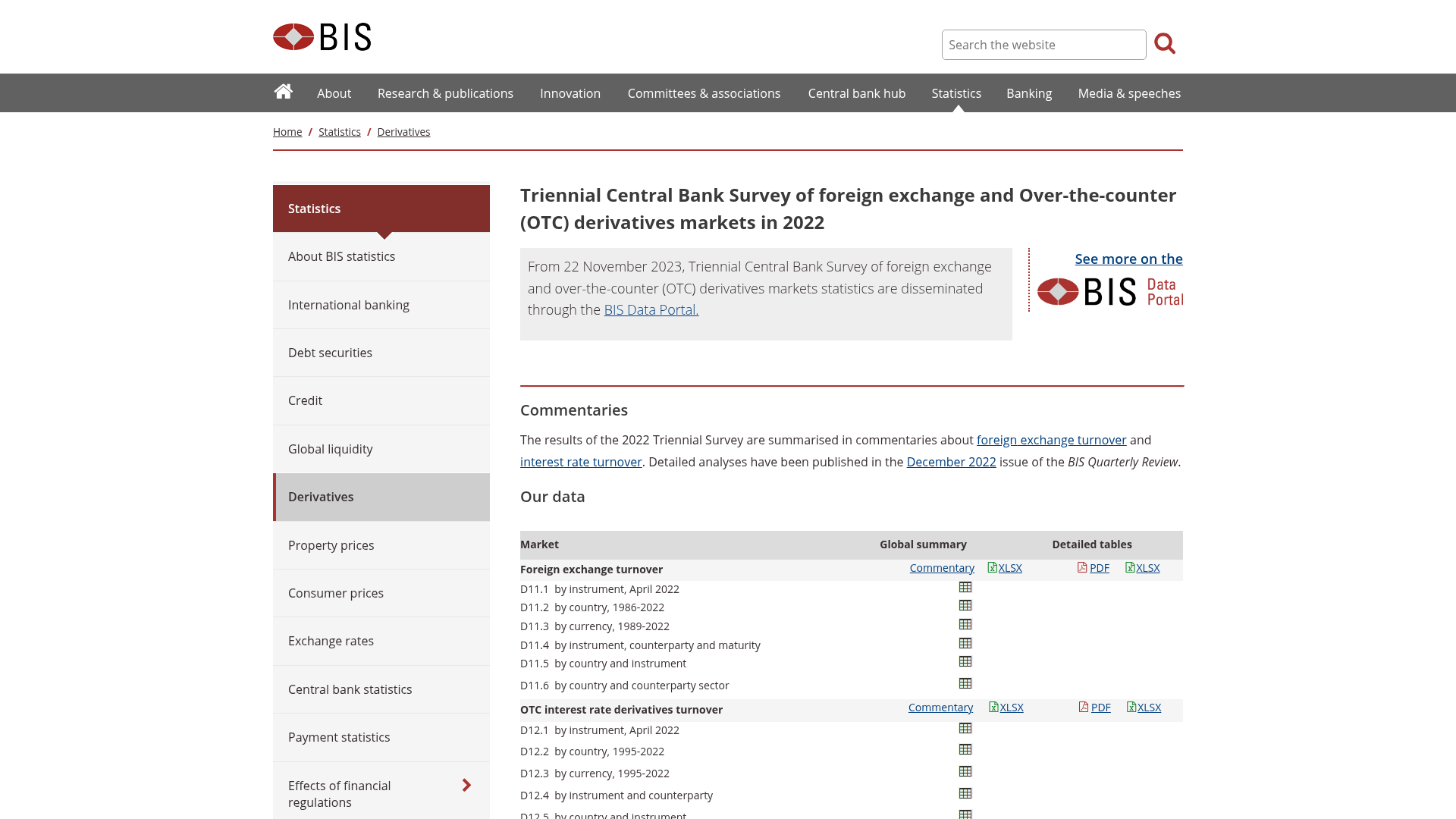
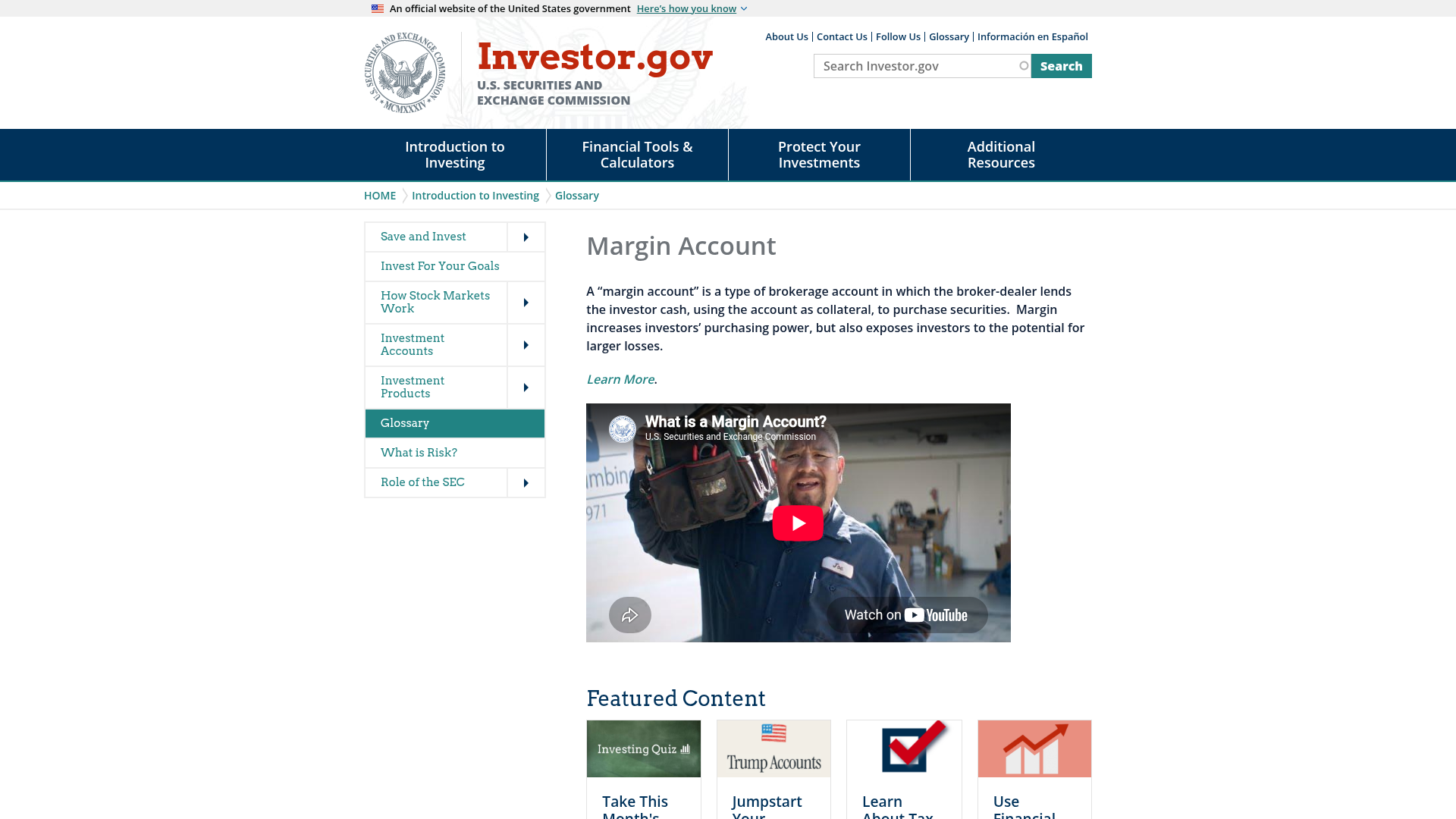
Capturas de pantalla de las páginas oficiales que respaldan las reglas de esta guía. Ábralas usted mismo — las palabras del regulador siempre superan a un resumen.
Preguntas frecuentes
Fuentes
De dónde viene esto
Escrito por Sofia Reyes
Tutor de Riesgo y Psicología. Escribimos formación estructurada y en lenguaje sencillo sobre forex para personas que aprenden desde cero. Primero la comprensión, siempre — y nunca asesoramiento financiero. El curso en sí reside en el plan de estudios.
Sigue aprendiendo
A dónde lleva esta guía después
Las guías relacionadas, en el orden en que se construyen a partir de esta. Cada una es una lectura completa por sí misma, y ninguna asume que ya hayas terminado esta página.
- Sesgo de Recencia: Cuando tu Última Operación Dicta la SiguienteDescubre cómo la influencia engañosa de los resultados recientes de trading puede sabotear silenciosamente tu estrategia y conducir…
- Aversión a la Pérdida: Por qué los Traders se Aferran a las Perdedoras y Cortan las GanadorasDescubra cómo la arraigada tendencia psicológica de la aversión a la pérdida influye sutilmente en las decisiones de trading, a…
- Aferrarse: Superando los Costes Hundidos en sus Operaciones ActivasDescubra cómo la trampa oculta del pensamiento de coste hundido afecta a sus decisiones de trading y aprenda estrategias prácticas…
- Su Tasa de Aciertos y las Rachas de Pérdidas que Debe EsperarComprenda la fría matemática detrás de las rachas de pérdidas inevitables en el trading, calcule sus drawdowns esperados y…
- Operar Cansado: Una Autoevaluación Crucial Antes de la Apertura del MercadoNo permita que la fatiga le robe su ventaja; aprenda la autoevaluación pre-mercado vital para proteger el capital y tomar…