دليل · 15 دقيقة قراءة · 3,170 words
التداول في خضم العاصفة: التعامل مع سلاسل الخسارة دون تدمير نظامك بالكامل
يمكن لسلاسل الخسارة أن تهز حتى المتداولين المخضرمين. تعلم كيف تشخص المشكلات بشكل منهجي وتجري تعديلات دقيقة، لا تغييرات شاملة، على نهجك في التداول.

أهم النقاط
- سلاسل الخسارة جزء طبيعي من التداول؛ والمبالغة في رد الفعل بتدمير نظامك بالكامل غالبًا ما تكون ذات نتائج عكسية.
- حالك النفسي هو المتغير الأول والأهم الذي يجب تقييمه أثناء فترة الـ drawdown.
- مراجعة البيانات المنهجية، مع التركيز على الصفقات الأخيرة وظروف السوق، تحدد المشكلات بفعالية أكبر من المشاعر الغريزية.
- التعديلات الصغيرة والقابلة للاختبار على المخاطر أو فلاتر الدخول أو إدارة الخروج عادة ما تكون أفضل من الإصلاحات الشاملة للنظام.
- سجل التداول المفصل لا غنى عنه للتحليل الموضوعي وتحديد الأسباب الحقيقية للأداء الضعيف.
- لا تفكر في إعادة بناء النظام بالكامل إلا إذا تغيرت أساسيات السوق أو ميزتك التنافسية (edge) بشكل واضح ودائم.
الـ drawdown الحتمي
تخيل هذا: كنت تتداول بشكل جيد لأسابيع، وربما لأشهر. منحنى حقوق الملكية الخاصة بك كان في صعود مطرد، وتشعر بثقة هادئة في طريقتك. ثم، فجأة، تحدث الصدمة. صفقة تسير ضدك. ثم أخرى. ثم أخرى. رأس المال الذي عملت بجد لتنميته يبدأ في التقلص، صفقة مؤلمة تلو الأخرى. هذه ليست مجرد خسارة معزولة؛ إنها سلسلة منها، تستنزف حسابك، وبشكل أكثر خبثًا، ثقتك بنفسك.هذا السيناريو ليس فشلاً شخصيًا؛ إنه حقيقة لا مفر منها في التداول. كل متداول، من المبتدئ الأكثر حداثة إلى مدير صناديق التحوط الأكثر خبرة، يمر بسلاسل خسارة. إنها طريقة السوق لاختبار عزيمتك، انضباطك، وقابلية نظامك للتكيف. رد الفعل الفوري، شبه الغريزي، للكثيرين هو الذعر. نبدأ في التشكيك في كل شيء: استراتيجيتنا، تحليلنا للسوق، وحتى مدى ملاءمتنا للتداول نفسه.لكن هنا نقطة حاسمة، غالبًا ما تُغفل في خضم اللحظة: سلسلة الخسائر لا تعني تلقائيًا أن نظام التداول الخاص بك قد تعطل بالكامل. فكر في الأمر هكذا: إذا أصابت سيارتك إطارًا مثقوبًا، فإنك لا تبيع السيارة على الفور وتشتري واحدة جديدة. أنت تشخص المشكلة المحددة، تصلحها، وتعود إلى الطريق. يجب التعامل مع التداول بنفس المنطق المدروس. هدفك ليس إعادة بناء
سيكولوجية التراجع
قبل أن نفكر حتى في لمس أي إعداد واحد في منصة التداول الخاصة بك أو مراجعة إعداد صفقة، يجب علينا أن نتناول القوة الأكثر تأثيرًا وتدميرًا في كثير من الأحيان خلال سلسلة الخسائر: وهي نفسيتك. عندما تتراكم الخسائر، يمكن أن يغمر عقلك مزيج من المشاعر: الخوف، الغضب، الإحباط، وحتى شعور عميق بالظلم. هذه ليست مجرد مشاعر غير مريحة؛ بل إنها تضعف وظائفك الإدراكية بشكل فعال، مما يجعل اتخاذ القرارات العقلانية صعبًا للغاية. من الشائع أن نرى المتداولين، وهم تحت تأثير هذه المشاعر، يتخذون خيارات غير عقلانية. قد يوسعون أوامر وقف الخسارة (stops)، أو يطاردون الصفقات بأحجام مراكز أكبر من المعتاد "لاستعادة" ما خسروه، أو يغيرون الاستراتيجيات تمامًا بشكل مفاجئ. الرغبة في "فعل شيء" يمكن أن تكون طاغية، ولكن غالبًا ما يكون أفضل "شيء" تفعله أولاً هو لا شيء على الإطلاق، على الأقل ليس باستخدام حساب التداول الحقيقي الخاص بك. محاولة إصلاح مشكلة فنية بينما حالتك العاطفية مضطربة تشبه محاولة إجراء جراحة بأيدٍ مرتعشة. غالبًا ما يعمي هذا الاضطراب العاطفي المتداولين عن السبب الحقيقي لأدائهم الضعيف. يفترضون أن النظام معيب لأنهم يشعرون بأنهم معيبون. هذا هو الجزء الذي تتجاهله معظم الأدلة، حيث تركز فورًا على الحلول الفنية. ومع ذلك، إذا لم يكن ذهنك صافيًا، فإن أي تحليل فني تقوم به سيتلوث بالتحيز. ستبحث بشكل انتقائي عن البيانات التي تؤكد مخاوفك أو رغبتك في ربح سريع، بدلاً من تقييم الحقائق بموضوعية.
مقاومة دافع "زر إعادة الضبط"
خلال سلسلة من الخسائر، يكون الإغراء بالتخلي عن كل شيء والبدء من جديد هائلاً. يمنحك شعوراً بالبدء من جديد، وكأنك تفتح صفحة بيضاء. قد يخطر ببالك: 'من الواضح أن هذا النظام لم يعد فعالاً. أحتاج إلى نظام جديد.' لكن عقلية 'إعادة الضبط' المندفعة هذه تُعد من أكثر الأخطاء الشائعة التي يقع فيها المتداولون الطموحون، وغالباً ما تؤدي إلى دورة مدمّرة تُعرف بـ 'القفز بين الأنظمة'. عندما تتخلى عن نظام تداول قبل الأوان، فإنك تفقد جميع البيانات والخبرات القيّمة التي جمعتها. تتجاهل الدروس المستفادة، سواء كانت إيجابية أو سلبية. والأهم من ذلك، أنك تعيد ضبط عداد بناء الثقة الإحصائية. كل نظام جديد يتطلب فترة من الاختبار والتداول الفعلي لفهم دقائقه ونقاط قوته وضعفه في مختلف ظروف السوق. إذا كنت تتنقل باستمرار من نهج إلى آخر، فلن تكتسب أبداً عمق الفهم اللازم لتتداول بأي نظام بشكل مربح. فكّر في الوقت والجهد الذي استثمرته بالفعل في تطوير أو تعلّم نظامك الحالي. لقد قمت باختباره رجعياً (backtested)، وربما اختبرته مستقبلياً (forward-tested)، وتداولته بشكل مباشر في السوق. هذا الاستثمار يمثل شكلاً من أشكال رأس المال، تماماً كالأموال الموجودة في حسابك. التخلي عن كل ذلك بسبب انتكاسة مؤقتة هو بمثابة إعلان بأن هذا الاستثمار لا قيمة له. غالباً ما يظل المنطق الأساسي للنظام سليماً، لكن تغيراً طفيفاً في ديناميكيات السوق أو تحولاً بسيطاً في طريقة تنفيذك قد أفقده توازنه. بدلاً من الهدم الكامل، سيكون نهجنا دقيقاً كالجراحة. نهدف إلى تحديد المكونات أو المتغيرات المحددة التي لا تحقق الأداء المطلوب وتعديل تلك فقط، مع الحفاظ على سلامة الهيكل العام للنظام. هذا لا يوفر عليك وقتاً وجهداً هائلين فحسب، بل يمنع أيضاً الدورة المحبطة للشعور بأنك تبدأ باستمرار من نقطة الصفر.
خط دفاعك الأول: سجل التداول
إذا كان قسم علم النفس يدور حول تهيئة عقلك بشكل صحيح، فإن هذا القسم يتعلق بجمع المواد الخام للتحليل الموضوعي. مفكرة التداول الخاصة بك ليست مجرد فكرة جيدة؛ بل هي خط دفاعك الأول والمطلق ضد التحيزات المعرفية واتخاذ القرارات غير المنطقية خلال سلسلة من الخسائر. بدون سجلات مفصلة ودقيقة، فإن محاولة تشخيص ما حدث خطأ يشبه محققاً يحاول حل جريمة بدون أي دليل. أبعد من مجرد تسجيل نقاط الدخول والخروج، يجب أن تسجل مفكرة التداول السياق الكامل لكل صفقة. وهذا يشمل: إعداد الصفقة: لماذا دخلت هذه الصفقة؟ وما هي المعايير المحددة التي تم استيفاؤها؟ سياق السوق: ماذا كان يفعل السوق الأوسع؟ هل كان في اتجاه، أم في نطاق، أم متقلباً، أم هادئاً؟ وهل كانت هناك أحداث إخبارية رئيسية وشيكة؟ الحالة العاطفية: كيف شعرت قبل الصفقة وأثناءها وبعدها؟ هل كنت متوتراً، واثقاً، متسرعاً؟ إدارة المخاطر: ما هو حجم المخاطرة المخطط لها (من حيث رأس المال ومضاعفات R)؟ وأين كانت أهداف وقف الخسارة وجني الأرباح الخاصة بك؟ تحليل النتائج: هل اتبعت خطتك؟ إذا لم يكن كذلك، فلماذا؟ وما هو الربح أو الخسارة الفعليان؟ إن انضباط التدوين في المفكرة يجبرك على مواجهة أفعالك بموضوعية. فهو ينشئ سجلاً تاريخياً يمكنك مراجعته بموضوعية، دون الشحنة العاطفية للصفقة الحية. عندما تضرب سلسلة من الخسائر، تصبح مفكرتك قاعدة بيانات لا تقدر بثمن. يمكنك تصفية ومراجعة صفقاتك الخاسرة الأخيرة بسرعة، والبحث عن أنماط مشتركة قد لا تكون واضحة بشكل منفصل. هل تخالف القواعد؟ هل تتداول خلال أوقات محددة أصبحت غير مواتية الآن؟ هل يتم تفعيل وقف الخسارة الخاص بك بشكل متكرر جداً في ظروف سوق معينة؟ عادة ما تكون الإجابات مخفية في بياناتك الخاصة.
نماذج من إدخالات يوميات تداول مفصلة
| Date/Time | Symbol | الاتجاه | ملاحظات الإعداد | سياق السوق | المخاطرة (R) | النتيجة (R) | المشاعر | هل هناك انحرافات؟ |
|---|---|---|---|---|---|---|---|---|
| 2024-05-10 10:15 | EURUSD | شراء | اختراق فوق مستوى المقاومة، على الرسم البياني لفترة 15 دقيقة | هدوء قبل بيانات NFP | 1R | -1R | واثق | احتفظت بالصفقة لفترة طويلة بعد فشل الدفعة الأولية |
| 2024-05-10 14:30 | GBPJPY | بيع | قمة مزدوجة، على الرسم البياني لفترة ساعة واحدة | تقلبات عالية | 1R | -1R | قلق | الدخول كان متأخراً، لاحقت السعر بعد الاختراق |
| 2024-05-13 09:00 | XAUUSD | شراء | ارتداد من مستوى دعم، على الرسم البياني 30 دقيقة | حركة جانبية، تقلبات منخفضة | 1R | -1R | إحباط | لا، اتبعت الخطة لكنها لم تنجح |
| 2024-05-13 11:45 | USDCHF | بيع | استمرارية الاتجاه، على الرسم البياني 4 ساعات | اتجاه صعودي قوي | 1R | -1R | انزعاج | تجاهلت الاتجاه الأوسع على إطار زمني أصغر |
تشخيص المشكلة: اعزلها، لا تفترض
بذهن صافٍ ومدخلات سجل تداولاتك بين يديك، حان الوقت لتكون جراحًا دقيقًا لا فريق هدم. المبدأ الأساسي لحل سلسلة الخسائر دون تدمير نظامك هو عزل المتغير. بدلاً من افتراض أن نهجك بالكامل معيب، قسّم عملية تداولك إلى مكونات مميزة وقابلة للإدارة. تخيل نظام تداولك كسلسلة، حيث تمثل كل حلقة مرحلة مختلفة:
- اختيار السوق: ما هي الأدوات المالية التي تتداولها؟ (على سبيل المثال، EUR/USD، الذهب، عقود الفروقات لمؤشر S&P 500)
- التحليل/تحديد الميزة: كيف تجد فرص التداول؟ (على سبيل المثال، تتبع الاتجاه، العودة للمتوسط، التحليل الأساسي)
- معايير الدخول: ما هي الشروط الدقيقة التي تدفعك للدخول في صفقة؟ (على سبيل المثال، نموذج الشموع اليابانية، تقاطع المؤشرات، تأكيد حركة السعر)
- إدارة المخاطر: كيف تحدد حجم مراكزك وتضع أوامر وقف الخسارة؟
- إدارة الصفقة: كيف تتعامل مع الصفقة بمجرد تفعيلها؟ (على سبيل المثال، زيادة/تقليل حجم المركز، وقف الخسارة المتحرك)
- معايير الخروج: كيف تحدد متى تغلق الصفقة، سواء للربح أو الخسارة؟ خلال سلسلة الخسائر، قد تكون واحدة أو اثنتان من هذه الحلقات ضعيفة أو مكسورة، لكن نادرًا ما تكون السلسلة بأكملها. يجب أن تساعدك مراجعة سجل تداولاتك في تحديد أي منطقة هي الأكثر إشكالية. هل دخولك للصفقات غير موفق باستمرار، مما يؤدي إلى Drawdowns فورية؟ هل يتم ضرب أوامر وقف الخسارة الخاصة بك بشكل متكرر بسبب ضوضاء السوق؟ هل تفشل في تحقيق الأرباح بسبب الخروج المبكر من الصفقات؟ أو ربما، هل السوق الذي تتداول فيه ببساطة لا يتناسب مع استراتيجيتك في الوقت الحالي؟ يمنعك هذا النهج المنهجي من الإفراط في التصحيح. إذا قمت بتغيير معايير الدخول و إدارة المخاطر و استراتيجية الخروج الخاصة بك بشكل أعمى وفي وقت واحد، فلن تكون لديك أي فكرة عن أي تغيير، إن وجد، ساعد أو أعاق. لن تتعلم شيئًا، وستعود إلى نقطة البداية، محاولًا أساسًا نظامًا جديدًا دون أن تدرك ذلك. اعزل، اختبر، راقب. هذا هو الشعار.
رد الفعل الفوري، شبه الغريزي، للكثيرين خلال سلسلة خسائر هو الذعر، لكن محاولة إصلاح مشكلة فنية بينما حالتك العاطفية متأثرة تشبه محاولة إجراء عملية جراحية بأيدٍ مرتعشة.
التعمق: مراجعة مقاييس الأداء
بمجرد أن يكون لديك شك حول المكون الذي قد يكون فاشلاً، حان الوقت لتكون محددًا بشأن مقاييس أدائك. تسمح لك بيانات سجل تداولاتك بحساب ومقارنة الإحصائيات الرئيسية لصفقاتك الخاسرة الأخيرة مقابل متوسطاتك على المدى الطويل. توفر هذه المقارنة الكمية دليلاً لا يمكن إنكاره على مكان تعرض النظام للضغط. ركز على مقاييس مثل: نسبة الصفقات الرابحة (Win Rate): النسبة المئوية للصفقات التي تُغلق بربح. هل انخفضت هذه النسبة بشكل ملحوظ؟ قد تشير نسبة الصفقات الرابحة المنخفضة إلى مشاكل في معايير الدخول أو اختيار الصفقات. متوسط الربح لكل صفقة رابحة (APW) مقابل متوسط الخسارة لكل صفقة خاسرة (ALL): من الناحية المثالية، يجب أن يكون متوسط الربح لكل صفقة رابحة أكبر بشكل ملحوظ من متوسط الخسارة لكل صفقة خاسرة. إذا تضخم متوسط خسارتك لكل صفقة خاسرة (ALL)، أو تقلص متوسط ربحك لكل صفقة رابحة (APW)، فقد يشير ذلك إلى مشاكل في وضع أوامر وقف الخسارة، أو أهداف الربح، أو إدارة الصفقات. عامل الربح (Profit Factor): إجمالي الربح الإجمالي / إجمالي الخسارة الإجمالية. تشير القيمة التي تزيد عن 1.0 إلى الربحية. الانخفاض إلى ما دون 1.0 خلال سلسلة من التداولات هو علامة حمراء واضحة. نسبة المخاطرة إلى المكافأة (Risk-to-Reward Ratio) (R): هذا هو مقدار ما تخاطر به مقابل كل وحدة من الأرباح المحتملة. إذا كنت تخاطر بوحدة واحدة باستمرار لتحقيق وحدتين، فإن لديك نسبة R تبلغ 1:2. تتبع 'مضاعفات R' الفعلية الخاصة بك (مضاعف وحدة المخاطرة الأولية التي ربحتها أو خسرتها) لكل صفقة أمر قوي للغاية. تشير سلسلة من صفقات -1R إلى أن أوامر وقف الخسارة الخاصة بك يتم ضربها دون الوصول إلى أهداف الربح. لنقل أن نظامك النموذجي لديه نسبة صفقات رابحة (Win Rate) تبلغ 45% ومتوسط ربح قدره 1.5R لكل صفقة رابحة، مع متوسط خسارة قدره -1R. إذا أظهرت صفقاتك العشر الأخيرة نسبة صفقات رابحة (Win Rate) تبلغ 20% وقفز متوسط خسارتك إلى -1.5R، فهذه إشارة واضحة. أنت تربح بشكل أقل، وعندما تخسر، فإنك تخسر أكثر. هذا النوع من البيانات الموضوعية يمنع التشويه العاطفي للواقع.
مقاييس الأداء: مقارنة الفترات العادية مقابل فترات سلسلة الخسائر
| المقياس | الأداء الطبيعي (آخر 50 صفقة) | سلسلة الخسائر (آخر 10 صفقات) |
|---|---|---|
| معدل الصفقات الرابحة | 55% | 20% |
| متوسط الربح (R) | +1.8R | +1.5R |
| متوسط الخسارة (R) | -1R | -1.2R |
| عامل الربح | 1.35 | 0.45 |
| أقصى خسائر متتالية | 4 | 7 |
هل تغير السوق؟ العوامل الخارجية
في بعض الأحيان، لا تكمن المشكلة بالكامل في نظامك أو طريقة تنفيذك؛ بل في البيئة التي تعمل فيها. الأسواق ديناميكية، وتغير خصائصها باستمرار. قد تواجه الاستراتيجية التي ازدهرت في سوق اتجاهي صعوبة، أو حتى تفشل، عندما يدخل هذا السوق فجأة في مرحلة تجميع طويلة أو يصبح متقلبًا بشكل استثنائي. هذا تمييز حاسم يجب إجراؤه. ضع في اعتبارك هذه العوامل الخارجية: التقلب: هل زاد أو نقص متوسط النطاق اليومي للأداة التي اخترتها بشكل ملحوظ؟ يمكن أن يؤدي التقلب العالي إلى تفعيل أوامر وقف الخسارة (stop-outs) بشكل متكرر في استراتيجيات وقف الخسارة الضيقة، بينما قد يعني التقلب المنخفض عدم الوصول إلى الأهداف. الاتجاه مقابل النطاق: هل السوق يتجه بوضوح، أم أنه تحول إلى حركة متذبذبة جانبية؟ أنظمة تتبع الاتجاه تؤدي أداءً ضعيفًا في الأسواق النطاقية، وستتعرض الأنظمة المحددة بنطاق لـ whipsaw في الاتجاهات القوية. الأخبار الاقتصادية: هل هناك إصدارات اقتصادية مهمة (مثل تقرير وضع التوظيف من مكتب إحصاءات العمل الأمريكي أو إعلانات أسعار الفائدة للبنك المركزي الأوروبي) تسبب ارتفاعات كبيرة غير متوقعة تبطل إعداداتك الفنية؟ يمكنك العثور على هذه الإصدارات البياناتية على مواقع الويب الرسمية للحكومات والبنوك المركزية. السيولة: هل كان هناك انخفاض ملحوظ في السيولة لأداتك؟ يمكن أن تؤدي الأسواق الأقل سيولة إلى سبريد أوسع و slippage أكبر، خاصة أثناء الدخول والخروج. أحد الأخطاء الشائعة التي يرتكبها المتداولون هو إلقاء اللوم على نظامهم بينما في الواقع، توقف السوق ببساطة عن العمل وفقًا للقواعد التي صمم نظامهم من أجلها. غالبًا ما يتضمن نظام التداول فلاتر لظروف السوق المختلفة. إذا لم يكن نظامك كذلك، أو إذا تحولت الظروف إلى ما يتجاوز معاييره التاريخية، فإن 'المشكلة' ليست عيبًا في منطقك الأساسي بل عدم تطابق مع البيئة الحالية. غالبًا ما يتطلب هذا تعديلًا مؤقتًا بدلاً من إصلاح شامل دائم. على سبيل المثال، إذا كنت متداول اتجاه والسوق يتذبذب ضمن نطاق، فقد يكون التعديل المعقول هو تقليل حجم المركز أو ببساطة التنحي جانبًا حتى يعود الاتجاه الواضح.
تطبيق التعديلات المستهدفة
بمجرد أن تحدد المتغير وتعريف ما إذا كانت المشكلة تتعلق بتنفيذ داخلي، أو عيب في النظام، أو تحول في السوق الخارجي، فقد حان وقت العمل. لكن تذكر مبدأنا الأساسي: تعديلات صغيرة ومستهدفة، وليست إصلاحات شاملة. الهدف هو إجراء أصغر تغيير ممكن يعالج المشكلة، مما يتيح لك اختبار تأثيره بسرعة. فيما يلي أمثلة لتعديلات دقيقة قد تفكر فيها، اعتمادًا على تشخيصك: إذا كانت أوامر وقف الخسارة الخاصة بك يتم تفعيلها كثيرًا بسبب ضوضاء السوق: وسع مسافة وقف الخسارة الخاصة بك قليلًا. غير تأكيد دخولك ليتطلب حركة سعر أقوى أو إشارة من إطار زمني أعلى. تجنب التداول خلال إصدارات الأخبار ذات التأثير العالي أو الساعات المتقلبة المحددة. إذا تقلص متوسط ربحك لكل صفقة رابحة أو كنت لا تصل إلى أهدافك: اضبط هدف الربح الخاص بك ليكون أكثر واقعية لتقلبات السوق الحالية. فكر في استراتيجية جني الأرباح الجزئي لتأمين الأرباح مبكرًا. راجع اختيارك للسوق: هل الأداة التي تتداولها لا تزال مناسبة لأهداف ربحك؟ إذا انخفض معدل ربحك بشكل كبير: شدد معايير دخولك: اطلب المزيد من التقاء الإشارات. أضف فلترًا: على سبيل المثال، تداول فقط في اتجاه الاتجاه على الإطار الزمني الأعلى. قلل تكرار التداول: انتظر فقط الإعدادات ذات الاحتمالية الأعلى. إذا كنت تتخذ قرارات عاطفية: طبق فترة تهدئة إلزامية بعد كل خسارة قبل وضع صفقة أخرى. قلل حجم مركزك بشكل كبير (على سبيل المثال، إلى 0.5R أو حتى 0.25R لكل صفقة) لخفض الضغط النفسي. من الضروري إجراء تعديل واحد فقط في كل مرة. إذا غيرت عدة متغيرات في نفس الوقت، وتحسن أداؤك (أو ساء)، فلن تعرف أي تغيير محدد كان مسؤولاً. يضمن هذا النهج التكراري والعلمي أن تتعلم من كل تعديل وتبني نظامًا أكثر مرونة.
دور إدارة المخاطر في التعافي
إدارة المخاطر الفعالة ليست مجرد حماية لرأس مالك؛ بل هي أداة استراتيجية للتعافي خلال فترة خسائر متتالية. عندما تكون في فترة drawdown (تراجع في رأس المال)، فإن الحفاظ على رأس المال هو الأولوية القصوى، ليس فقط للبقاء ماليًا، بل للحفاظ على رأس مالك النفسي — إيمانك بنفسك وبنظامك. محاولة 'استعادة' الخسائر بسرعة عن طريق زيادة المخاطر هو خطأ كلاسيكي كارثي. تدرك الهيئات التنظيمية مثل ESMA (هيئة الأوراق المالية والأسواق الأوروبية) المخاطر الكامنة، خاصة بالنسبة للمتداولين الأفراد. على سبيل المثال، حددت تدخلات ESMA الـ leverage المتاح للعملاء الأفراد بحد أقصى 1:30 لأزواج العملات الرئيسية لدى الوسطاء المنظمين الذين يعملون تحت إشرافها، مثل Pepperstone (المرخصة من FCA, ASIC, CySEC), XM (CySEC, ASIC), و FxPro (FCA, CySEC). هذا التحديد، على الرغم من أنه يُنظر إليه أحيانًا على أنه مقيد، مصمم لمنع المتداولين الأفراد من المبالغة في استخدام الـ leverage وتصفية حساباتهم بحركات أسعار سلبية صغيرة. حتى مع هذه الحدود، من السهل جدًا تحمل مخاطر كبيرة جدًا. خلال فترة الخسائر المتتالية، يجب أن يكون تركيزك الأساسي على تقليل المخاطر لكل صفقة. إذا كانت مخاطرتك القياسية هي 1% من حسابك لكل صفقة، ففكر في تقليلها إلى 0.5% أو حتى 0.25%. هذا يحقق عدة أمور: 1. إطالة القدرة على البقاء: يمنحك الوقت. مع خسائر أصغر، يتقلص حسابك ببطء أكبر، مما يمنحك المزيد من الصفقات لاختبار التعديلات وإيجاد طريقك. 2. تقليل الضغط النفسي: الخسائر الأصغر تؤلم أقل، مما يسمح لك بتنفيذ الصفقات بعقل أوضح، متحررًا من الخوف الشديد من خسارة 'كبيرة' مرة أخرى. 3. تسهيل التحليل الموضوعي: عندما تكون المخاطر أقل، من المرجح أن تلتزم بخطتك وتجمع بيانات نظيفة في دفتر يومياتك، وهو أمر بالغ الأهمية للتشخيص. بمجرد تحديد المشكلة وتصحيحها، وبعد أن ترى بعض الصفقات الرابحة، يمكنك بعد ذلك التفكير في زيادة مخاطرتك ببطء إلى مستوياتها الطبيعية. يجب أن تكون هذه الزيادة تدريجية ومرتبطة بأداء إيجابي ثابت، وليس مجرد فوزين. يجب أن يكون تعافيك ماراثونًا، لا سباق سرعة. سيسألك قسم الدعم مرتين إذا اتصلت بهم لطلب leverage أعلى أثناء فترة drawdown — فهم يعلمون أن هذه عادة ما تكون فكرة سيئة.
متى يكون إصلاح النظام الشامل *مبررًا*
لقد أكدنا على تجنب 'زر إعادة الضبط' لمعظم فترات الخسائر المتتالية، ولكن هناك ظروف نادرة ومحددة حيث يكون إصلاح النظام الأساسي مبررًا. يجب ألا يُتخذ هذا القرار أبدًا بخفة أو باندفاع؛ فهو يتطلب أدلة موضوعية وهامة على أن ميزتك التداولية قد تلاشت بشكل دائم. يكون إعادة بناء النظام بالكامل مبررًا عندما: 1. تغير هيكل السوق الأساسي: تكون الديناميكيات الأساسية للسوق الذي تتداول فيه قد تغيرت جذريًا، مما يجعل استراتيجيتك قديمة. تشمل الأمثلة اللوائح الجديدة (مثل حدود الـ leverage من ESMA التي غيرت تداول الفوركس للأفراد بشكل جذري)، أو التطورات التكنولوجية التي تغير سلوك السوق، أو دخول مشاركين جدد ومهيمنين في السوق. هذا ليس مجرد تحول مؤقت في التقلبات، بل هو تغيير دائم في كيفية عمل السوق. 2. اختفاء ميزتك الرياضية: بعد تحليل دقيق لمئات الصفقات على مدى فترة طويلة، تجد أن الميزة الإحصائية الأساسية لنظامك (مثل نسبة الفوز، عامل الربح، متوسط R) قد انخفضت إلى ما دون عتبات الربحية، ولا يمكن لأي تعديلات طفيفة استعادتها. هذا لا يتعلق بفترة drawdown صغيرة، بل بتآكل مستمر لا يمكن إنكاره للربحية عبر ظروف السوق المتنوعة. 3. عدم صلاحية الافتراضات الأساسية: لم تعد الافتراضات الأساسية التي بنيت عليها استراتيجيتك صحيحة. على سبيل المثال، إذا كانت استراتيجيتك تعتمد على ارتداد متوسط ثابت في سهم معين، ولكن سلوك هذا السهم قد تحول بشكل دائم إلى اتجاه قوي ومستمر بسبب تطورات صناعية جديدة، فإن افتراضك الأساسي قد انهار. إن اتخاذ قرار بإجراء إصلاح شامل هو قرار صعب ومؤلم. يعني ذلك الاعتراف بأن شهورًا أو سنوات من العمل على نهج معين قد تحتاج إلى التخلي عنها. ومع ذلك، فإن التمسك بنظام ثبت فشله هو طريق مؤكد لتدمير رأس المال. المفتاح هو أن هذا القرار يجب أن يستند إلى أدلة إحصائية قاطعة وفهم واضح لتطور السوق، وليس على اليأس العاطفي الناتج عن فترة خسائر متتالية. إنه الاستثناء، وليس القاعدة.
المضي قدمًا بثقة
إن النجاح في تجاوز فترة الخسائر المتتالية لا يقتصر على إنقاذ رأس مالك؛ بل يتعلق ببناء المرونة والثقة على المدى الطويل. بمجرد تحديد المشكلات، وإجراء تعديلاتك المستهدفة، ورؤية النتائج الإيجابية الأولية، فإن المهمة لم تنته بعد. الخطوة الأخيرة هي إعادة بناء ثقتك بشكل منهجي وتأكيد التزامك بعمليتك المحسنة. ابدأ صغيرًا. لا تعد فورًا إلى حجم مركزك الكامل أو تكرار صفقاتك. استمر في المخاطرة المخفضة بينما تثبت لنفسك أن تعديلاتك تعمل. ركز بشدة على تنفيذ صفقاتك بشكل مثالي وفقًا لخطتك المحدثة. احتفل بالانتصارات الصغيرة – ليس فقط الصفقات المربحة، بل الصفقات التي اتبعت فيها قواعدك، وأدرت عواطفك، والتزمت بعمليتك، بغض النظر عن النتيجة. هذا يعيد تأسيس المسارات العصبية الإيجابية ويعيد بناء الثقة في قدراتك الخاصة. احتفظ بدفتر يوميات تداولك بدقة. إن عملية توثيق صفقاتك، حتى الصغيرة والناجحة منها، تعزز العادات الجيدة وتوفر بيانات مستمرة للمراجعة. راجع أداءك بانتظام، ليس فقط عندما تسوء الأمور، بل كجزء قياسي من روتينك. يساعدك هذا النهج الاستباقي على اكتشاف المشكلات المحتملة قبل أن تتطور إلى فترات خسائر متتالية كاملة. تذكر أن التداول مهارة تتحسن بالممارسة المتسقة والمنضبطة والتحليل الذاتي. تعامل مع كل فترة خسائر متتالية كفرصة للتعلم، واختبار ضغط لنظامك وعزيمتك. احتضن العملية، ثق بنظامك المحسن، واستمر في صقل مهارتك.
اقرأ المصدر الأساسي
تحقق من ذلك لدى الجهة التنظيمية، وليس لدينا
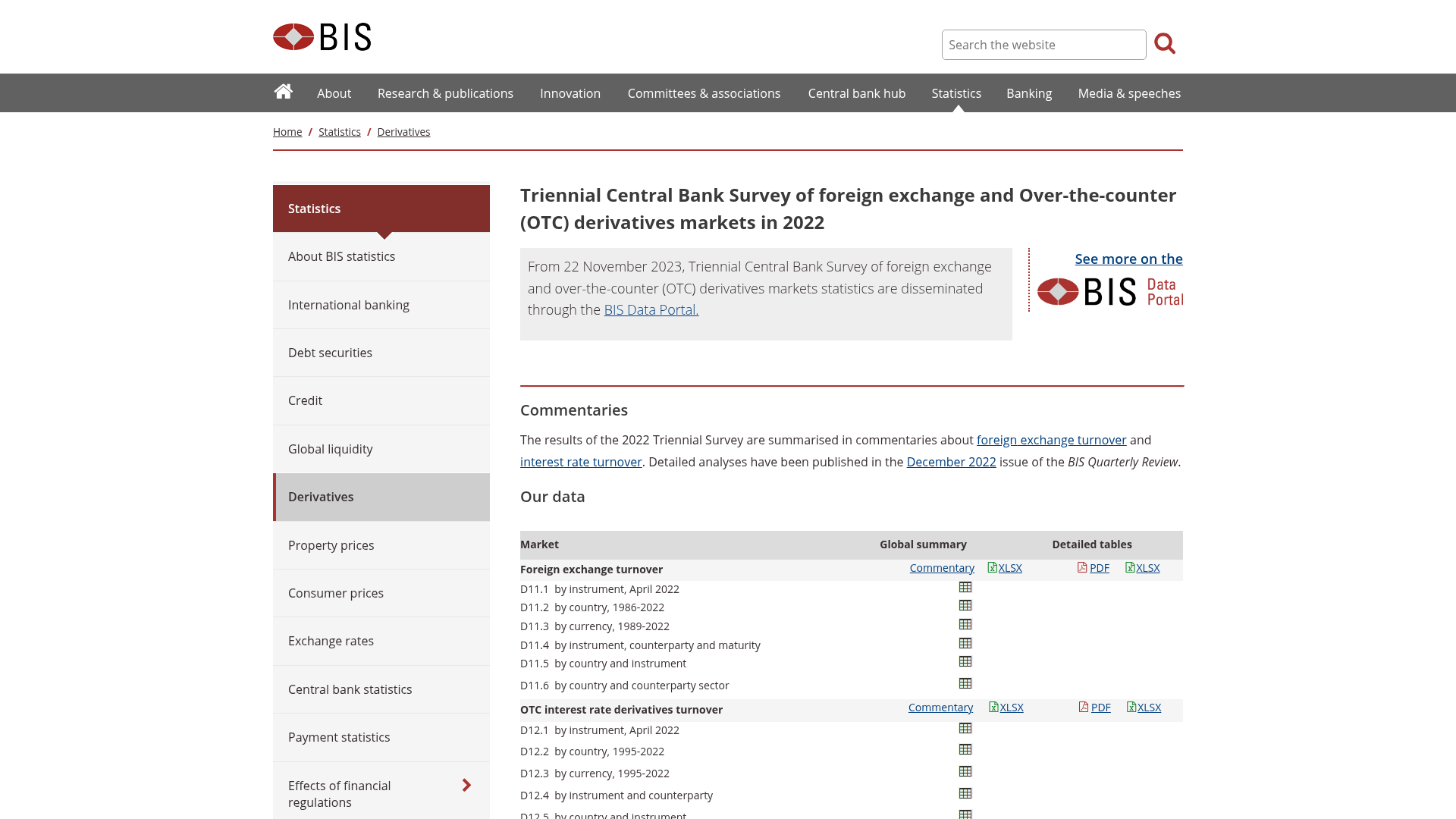
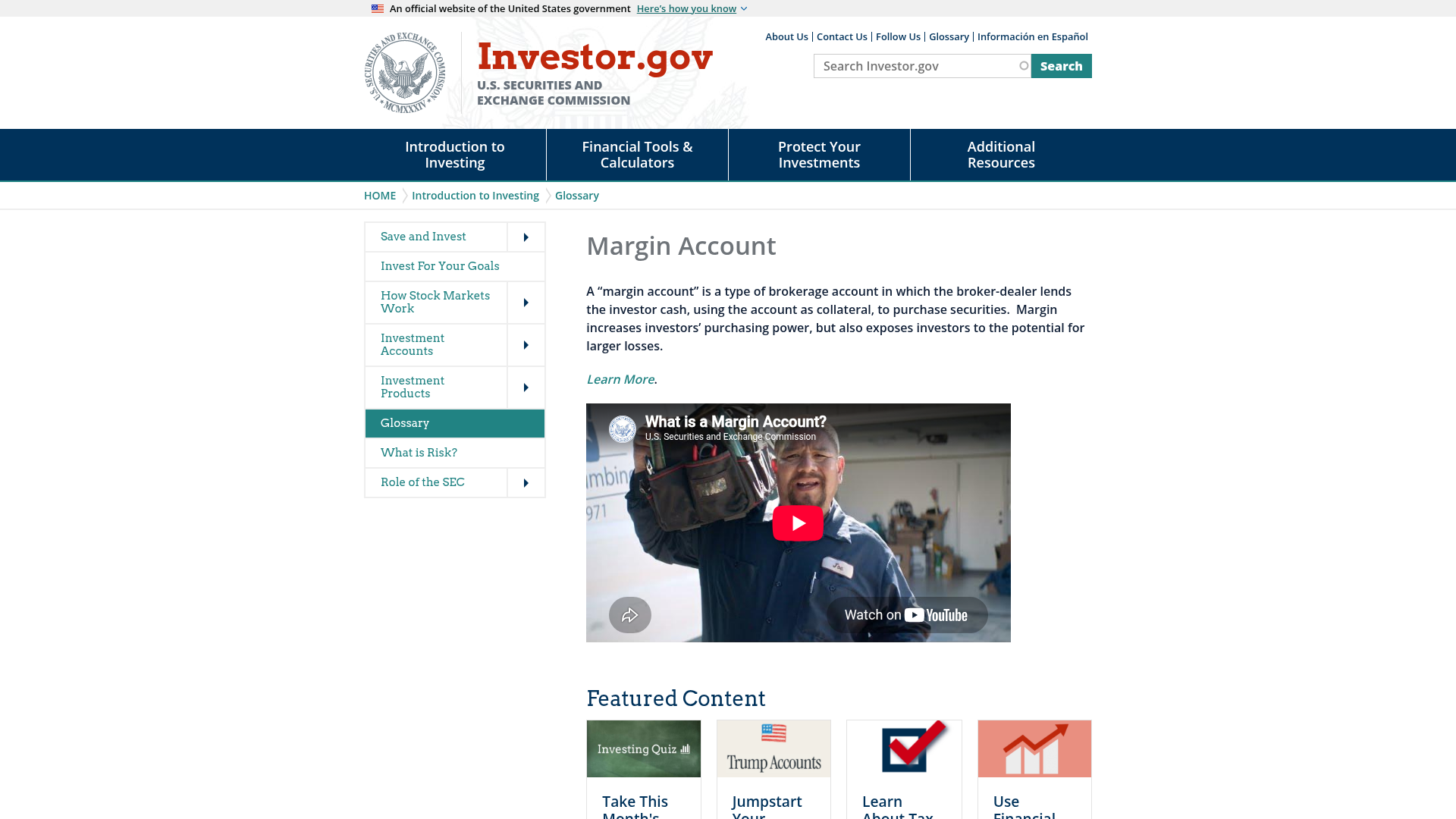
لقطات شاشة للصفحات الرسمية التي تستند إليها القواعد في هذا الدليل. افتحها بنفسك — فكلمات الجهة التنظيمية نفسها دائمًا ما تكون أفضل من ملخص لها.
الأسئلة المتكررة
المصادر
من أين جاء هذا
- ESMA — CFD leverage limits for retail clientsesma.europa.eu
- FCA — Contract for difference productsfca.org.uk
- US Bureau of Labor Statistics — Employment Situationbls.gov
- ECB euro reference ratesecb.europa.eu
- Investor.gov — Margin: borrowing money to pay for stocksinvestor.gov
بقلم Elena Marsh
المدرب الرئيسي. نقدم تعليماً منظماً ومبسطاً في الفوركس باللغة الإنجليزية للأشخاص الذين يتعلمون من الصفر. الفهم أولاً، دائماً — وليس نصيحة مالية أبداً. الدورة التدريبية نفسها موجودة في الـ المناهج.
واصل التعلم
إلى أين يقود هذا الدليل لاحقاً
الأدلة الأقرب إلى هذا الدليل، بالترتيب الذي تبني عليه. كل منها قراءة كاملة بحد ذاتها، ولا يفترض أي منها أنك انتهيت من هذه الصفحة.
- استراتيجية في حالة ركود: التمييز بين نظام تداول متوقف عن العمل ونظام تالفتعرف على كيفية التمييز بين استراتيجية تداول تمر بفترة drawdown مؤقتة أو توقفت عن العمل بشكل أساسي، مما يحمي رأس مالك…
- إعادة البناء بعد تصفية حساب تداول: مسار حذر إلى الأمامعندما يصل حساب تداولك إلى الصفر، تشعر وكأنها لكمة في المعدة؛ يوضح هذا الدليل طريقة دقيقة وخطوة بخطوة لإعادة بناء حسابك…
- تحيز الحداثة: عندما تحدد صفقتك الأخيرة صفقتك التاليةاكتشف كيف يمكن للتأثير الخادع لنتائج التداول الأخيرة أن يقوّض استراتيجيتك بصمت ويؤدي إلى قرارات مكلفة وغير عقلانية في السوق.
- معدل نجاحك وسلاسل الخسارة التي يجب أن تتوقعهاافهم الحسابات الصارمة وراء سلاسل الخسارة التي لا مفر منها في التداول، واحسب تراجعاتك المتوقعة، وابنِ المرونة اللازمة لإدارة ذلك.
- قراءة منحنى رأس مالك: اكتشاف الانحراف المبكرمنحنى رأس مال المتداول هو أكثر من مجرد رسم بياني للأداء؛ إنه أداة تشخيصية تكشف عن تحولات دقيقة في ميزتك التداولية قبل وقت طويل من…