دليل · 10 دقيقة قراءة · 2,140 words
حسابات المخاطرة مقابل المكافأة: نسبة الفوز التي يتطلبها كل معدل بصمت
اكتشف العلاقة الوثيقة بين نسبة المخاطرة إلى المكافأة ونسبة الفوز لديك، وتعلّم الحسابات الأساسية لتحقيق ربحية تداول مستمرة.

أهم النقاط
- تحدد نسبة المخاطرة إلى المكافأة التي تختارها رياضياً الحد الأدنى لنسبة الفوز المطلوبة لتحقيق نقطة التعادل.
- الصفقات ذات نسب المخاطرة إلى المكافأة العالية (مثل 1:3) تتطلب نسب فوز أقل، ولكنها غالباً ما تكون أصعب في التنفيذ وتحمل أعباء نفسية كبيرة.
- تكاليف المعاملات مثل الـ spreads والعمولات والـ slippage تقلل بشكل كبير من نسبة المخاطرة إلى المكافأة *الفعلية* لديك، مما يحوّل الأرباح النظرية في كثير من الأحيان إلى خسائر حقيقية.
- الاستراتيجيات ذات نسب الفوز المنخفضة تتطلب انضباطاً عاطفياً قوياً، لأن الخسائر المتتالية يمكن أن تكون محبطة.
- احسب دائماً نسبة المخاطرة إلى المكافأة الفعلية لديك بعد احتساب جميع تكاليف التداول، وليس فقط نقاط الدخول والخروج النظرية.
- الـ leverage يضخم التأثير المالي لقراراتك المتعلقة بالمخاطرة والمكافأة، مما يتطلب تحديد حجم مركز دقيق.
التناغم الخفي بين المخاطرة والعائد
تخيّل متداولين اثنين، جنباً إلى جنب، يحللان نفس الرسم البياني للسوق. سارة، وهي متداولة مبتدئة، تخطط لدخولها بدقة، وتضع أمر وقف خسارة (stop-loss) محكماً، وتعيّن أمر جني أرباح (take-profit) بعيداً، مستهدفة نسبة مخاطرة إلى مكافأة رائعة تبلغ 1:3. إنها تحلم بتحقيق تلك الأرباح الكبيرة. في الجهة المقابلة، يتخذ ديفيد، وهو محترف متمرس، نهجاً مختلفاً. غالباً ما تستهدف صفقاته نسبة مخاطرة إلى مكافأة أكثر تواضعاً تبلغ 1:1.5. على الورق، تبدو استراتيجية سارة متفوقة؛ لماذا تخاطر بدولار لتربح دولاراً ونصف الدولار بينما يمكنك المخاطرة بدولار واحد لتربح ثلاثة؟
ومع ذلك، بعد بضعة أشهر، تجد سارة أن رصيد حسابها راكد أو حتى يتضاءل، على الرغم من تلك الأرباح
فهم نسبة المخاطرة إلى المكافأة: ما تعنيه حقاً
في جوهرها، نسبة المخاطرة إلى المكافأة هي مقارنة بسيطة: كم رأس مال أنت مستعد للمخاطرة به في صفقة ما، مقابل كم تأمل أن تربح من نفس الصفقة. فكر في الأمر بهذه الطريقة: إذا كنت تخاطر بمبلغ 100 دولار لربح 200 دولار محتملة، فإن لديك نسبة مخاطرة إلى مكافأة 1:2. وإذا كنت تخاطر بمبلغ 100 دولار لربح 50 دولارًا، فهذه نسبة مخاطرة إلى مكافأة 2:1، أو يتم التعبير عنها بشكل أكثر شيوعًا على أنها 0.5:1. يمثل الرقم الأول دائمًا مخاطرتك، والثاني مكافأتك المحتملة.
لحسابها لأي صفقة معينة، تحتاج فقط إلى ثلاثة أسعار: سعر دخولك، وسعر وقف الخسارة الخاص بك، وسعر جني الأرباح الخاص بك. المسافة بين سعر دخولك ووقف الخسارة هي "مخاطرتك" بالنقاط (pips). المسافة بين سعر دخولك وجني الأرباح هي "مكافأتك". اقسم المكافأة على المخاطرة، وستحصل على نسبتك. على سبيل المثال، إذا اشتريت EUR/USD عند 1.0750، ووضعت وقف الخسارة عند 1.0730 (مخاطرة 20 نقطة/pip) وهدفك عند 1.0810 (مكافأة 60 نقطة/pip)، فإن نسبة المخاطرة إلى المكافأة لديك هي 60/20 = 3، أو 1:3. إنها خطوة أساسية وغير قابلة للتفاوض في التخطيط السليم للصفقات، وتمنحك صورة واضحة لما تسعى لتحقيقه مع كل مركز.
الحقيقة حول نسبة الفوز لديك: أكثر من مجرد رقم
Your win rate is simply the percentage of your trades that close in profit. If you take 100 trades and 55 of them make money, your win rate is 55%. Seems straightforward enough, right? But here’s where many traders get tripped up: they often chase a high win rate, believing it’s the sole determinant of success. They might open a trade, see it go into profit by a small amount, and then close it quickly, just to "bank a win." This can artificially inflate their win rate without necessarily growing their account in a meaningful way.
A high win rate feels good; it’s psychologically rewarding to be right more often than wrong. However, it tells you nothing about the size of those wins versus the size of your losses. You could have a 90% win rate, but if your 10 losing trades are each ten times larger than your 90 winning trades, you're still losing money overall. This is why looking at win rate in isolation is a deceptive practice that can lead to frustration and confusion, ultimately hindering your progress as a trader. It's only half the equation.
الشريك الصامت: متطلبات نسبة الفوز على نسبة المخاطرة إلى المكافأة لديك
مفهوم أساسي غالباً ما يتم التغاضي عنه في تعليم التداول هو هذا: نسبة المخاطرة إلى المكافأة التي تختارها تفرض بصمت الحد الأدنى لنسبة الفوز المطلوبة لتحقيق نقطة التعادل. هذان المقياسان ليسا متغيرين مستقلين يمكنك تعديلهما بمعزل عن بعضهما البعض؛ إنهما وجهان لعملة واحدة لتحقيق الربحية على المدى الطويل. تجاهل هذه العلاقة الحاسمة يعني أنك تسير بشكل أساسي على غير هدى، وتأمل في الأفضل دون فهم الآليات الأساسية لاستراتيجيتك.
فكر في الأمر كتوازن. إذا كنت تستهدف أرباحاً كبيرة مقارنة بمخاطرك (نسبة مخاطرة إلى مكافأة عالية مثل 1:3 أو 1:4)، فلن تحتاج إلى الفوز بنفس القدر من المرات. يمكنك تحمل أن تكون مخطئاً بشكل متكرر، لأن أرباحك القليلة ستغطي العديد من الخسائر الصغيرة. إذا كان ربحك المحتمل صغيراً مقارنة بمخاطرتك (نسبة مخاطرة إلى مكافأة منخفضة مثل 1:1 أو 0.5:1)، فيجب عليك بالتأكيد الفوز بنسبة عالية جداً من صفقاتك لمجرد البقاء واقفا على قدميك. هذه الحسابات الأساسية تدعم كل استراتيجية تداول، واستيعابها يحول طريقة تعاملك مع قرارات التداول، وينقلك من التخمين إلى الاحتمالية المحسوبة.
معادلة نقطة التعادل: ما هي نسبة الفوز التي تحتاجها؟
دعنا ننتقل إلى الأرقام التي تربط هذين المفهومين معاً. الصيغة لحساب نسبة الفوز المطلوبة لتحقيق نقطة التعادل بسيطة للغاية: نسبة الفوز المطلوبة = 1 / (1 + نسبة المخاطرة إلى المكافأة). على سبيل المثال، إذا كانت نسبة المخاطرة إلى المكافأة لديك 1:1 (مما يعني أنك تخاطر بـ 1 دولار لتربح 1 دولار)، فإن الحساب هو 1 / (1 + 1) = 1/2 = 0.50، أو 50%. هذا يعني أنك تحتاج إلى الفوز بنصف صفقاتك على الأقل لمجرد تغطية خسائرك. هذا الرقم لا يأخذ في الاعتبار تكاليف المعاملات بعد، والتي سنناقشها لاحقاً.
الآن، لننظر إلى نسبة مخاطرة إلى مكافأة أعلى، ولتكن 1:3. يصبح حسابك 1 / (1 + 3) = 1/4 = 0.25، أو 25%. هذا يعني أنه إذا كنت تستهدف باستمرار صفقات حيث يمكنك تحقيق ربح يعادل ثلاثة أضعاف ما تخاطر به، فأنت تحتاج فقط إلى الفوز بـ 25% من صفقاتك لتحقيق نقطة التعادل. هذا فرق كبير في متطلبات نسبة الفوز. هذا هو السبب في أن بعض أنظمة التداول يمكن أن تكون مربحة بنسبة فوز تبدو منخفضة. المفتاح هو الاتساق في إدارة صفقاتك وقبول الواقع الرياضي لنظامك. هذا هو الجزء الذي تتجاهله معظم الأدلة، حيث تركز فقط على
الحد الأدنى لنسبة الفوز المطلوبة لتحقيق نقطة التعادل (قبل التكاليف)
| نسبة المخاطرة/العائد | معدل الصفقات الرابحة (%) |
|---|---|
| 1:0.5 (أو 2:1) | 66.7% |
| 1:0.75 | 57.1% |
| 1:1 | 50.0% |
| 1:1.5 | 40.0% |
| 1:2 | 33.3% |
| 1:2.5 | 28.6% |
| 1:3 | 25.0% |
| 1:4 | 20.0% |
| 1:5 | 16.7% |
الفهم الجوهري هو أن نسبة المخاطرة إلى المكافأة التي تختارها تفرض بصمت الحد الأدنى لنسبة الفوز التي تحتاجها لمجرد تغطية التكاليف، مما يجعل هذين المقياسين شريكين لا ينفصلان في تحقيق الربحية.
فخ مطاردة نسب المخاطرة/العائد المرتفعة
يرى العديد من المتداولين الجدد أن نسبة المخاطرة/العائد 1:5 تتطلب معدل صفقات رابحة 16.7% فقط لتحقيق نقطة التعادل، فيسعون فوراً لمثل هذه الصفقات. غالباً ما يكون تفكيرهم على النحو التالي: 'إذا كنت بحاجة للفوز بصفقة واحدة فقط من كل ست صفقات، فهذا يبدو سهلاً!' في الواقع، يأتي تحقيق صفقات ذات نسب مخاطرة/عائد مرتفعة باستمرار مع تحديات عملية ونفسية كبيرة. لتأمين نسبة 1:5، تحتاج عادةً إلى القيام بأحد أمرين: إما تحديد وقف خسارة ضيق جداً مقارنة بنقطة دخولك، مما يجعل صفقتك عرضة بشكل كبير لضوضاء السوق العشوائية وتقلبات whipsaws، أو وضع هدف جني أرباح بعيد جداً، مما يعني أنك ستحتاج إلى الانتظار لفترة أطول حتى يتحرك السوق لصالحك، وتحمل تراجعات مؤقتة أكبر، وقبول أن عدداً أقل من الصفقات سيصل في النهاية إلى هدفه الكامل.إن التكلفة النفسية لمعدل الصفقات الرابحة المنخفض كبيرة أيضاً. تخيل أن تخسر خمس، ست، أو حتى عشر صفقات متتالية قبل أن تحقق صفقة رابحة أخيراً. حتى لو غطت تلك الصفقة الرابحة حسابياً جميع الخسائر السابقة وأكثر، فإن تلك الخسائر المتكررة يمكن أن تكون محبطة للغاية. يمكن أن يؤدي هذا الإجهاد الذهني إلى جعل المتداولين يشككون في استراتيجيتهم التي بحثوها جيداً، أو يؤدي إلى نفاد الصبر، أو حتى يتسبب في انحرافهم عن خططهم الموضوعة بعناية سعياً وراء 'ربح سريع'. يتطلب الأمر انضباطاً هائلاً، ومرونة عاطفية، وإيماناً قوياً لا يتزعزع بنظامك المجرب للالتزام باستراتيجية ذات معدل صفقات رابحة منخفض. هذه العقبة النفسية هي جانب حاسم يغفله الكثيرون عندما ينظرون لأول مرة إلى الأرقام الجذابة لنسبة المخاطرة/العائد المرتفعة على الورق، ولهذا السبب، يجد الكثيرون أن معدل صفقات رابحة أقل وأكثر تكراراً أسهل نفسياً للإدارة.
الضريبة الخفية: تكاليف المعاملات والانزلاق السعري
تفترض جميع الحسابات التي ناقشناها حتى الآن تنفيذاً مثالياً وتكاليفاً صفرية. في العالم الحقيقي، الأمر ليس كذلك ببساطة. كل صفقة تقوم بها تتكبد تكاليف، بشكل أساسي من خلال السبريد بين سعر العرض والطلب، وبالنسبة لبعض أنواع الحسابات أو الأصول، العمولات. هذه التكاليف تقلل مباشرة من مكافأتك المحتملة أو تزيد من مخاطرتك الفعلية، مستنزفة بصمت نسبة المخاطرة/العائد النظرية الخاصة بك.لنفترض صفقة على زوج EUR/USD بسبريد نقطة واحدة. إذا كنت تستهدف ربحاً قدره 20 نقطة مع وقف خسارة عند 10 نقاط (بنسبة مخاطرة/عائد 1:2)، فإن سبريد النقطة الواحدة هذا يعني فوراً أن ربحك الفعلي هو 19 نقطة، وخسارتك الفعلية هي 11 نقطة. أصبحت نسبة المخاطرة/العائد الفعلية لديك الآن 19:11، أو حوالي 1:1.73، وليست 1:2. قد يبدو هذا فرقاً صغيراً، ولكن على مدى مئات أو آلاف الصفقات، فإنه يتراكم بشكل كبير. تجاهل هذه التكاليف خطأ شائع يمكن أن يحول استراتيجية مربحة نظرياً إلى استراتيجية خاسرة. عملياً، سيقوم الوسيط دائماً بأخذ هذه التكاليف في الاعتبار، حتى لو لم تفعل أنت. هذا عنصر آخر من 'العالم الحقيقي' غالباً ما يكون غائباً عن الأدلة المبسطة.
تأثير سبريد نقطة واحدة على نسبة المخاطرة/العائد الفعلية
| نسبة المخاطرة إلى المكافأة المستهدفة | المخاطرة (بالنقاط) | المكافأة (بالنقاط) | نسبة المخاطرة إلى المكافأة الفعلية (مع spread بنقطة واحدة) |
|---|---|---|---|
| 1:1 | 10 | 10 | 1:0.81 (أو 11:9) |
| 1:1.5 | 10 | 15 | 1:1.27 (أو 11:14) |
| 1:2 | 10 | 20 | 1:1.73 (أو 11:19) |
| 1:2.5 | 10 | 25 | 1:2.18 (أو 11:24) |
| 1:3 | 10 | 30 | 1:2.64 (أو 11:29) |
| 1:0.5 (أو 2:1) | 10 | 5 | 1:0.36 (أو 11:4) |
أهمية اختيار الوسيط وجودة التنفيذ
إن تأثير فروق الأسعار (spreads) ليس ثابتًا؛ بل يختلف بشكل كبير بين الوسطاء وحتى داخل الوسيط نفسه اعتمادًا على ظروف السوق. غالبًا ما يُشيد ببعض الوسطاء، مثل Pepperstone (تأسست عام 2010، مقرها ملبورن) أو IC Markets (تأسست عام 2007، مقرها سيدني)، لتقديمهم فروق أسعار (spreads) ضيقة جدًا، خاصة على أزواج العملات الرئيسية، تصل أحيانًا إلى 0.0 pip لحسابات الـ raw spread الخاصة بهم، على الرغم من أن هذه الحسابات غالبًا ما تأتي بعمولة صغيرة لكل lot. قد يقدم وسطاء آخرون، مثل XM (تأسست عام 2009، مقرها ليماسول)، فروق أسعار أوسع (wider spreads) لكنهم يعلنون عن تداول بدون عمولة (commission-free trading). من الضروري فهم هيكل التكلفة الكامل للوسيط الذي تختاره.
إلى جانب الـ spread المعلن عنه، تلعب جودة التنفيذ أيضًا دورًا مهمًا. يمكن أن يؤدي الانزلاق السعري (slippage) – وهو الفرق بين السعر الذي طلبته وسعر التنفيذ الفعلي – إلى تآكل نسبة المخاطرة إلى المكافأة الفعالة لديك، خاصة خلال أحداث الأخبار المتقلبة. على سبيل المثال، إذا كان لديك أمر وقف خسارة (stop-loss) محكم عند 1.0730، ولكن خلال حركة سوق سريعة، تم تنفيذ طلبك عند 1.0728، فقد خسرت للتو 2 pip إضافيين. هذا يؤثر بشكل مباشر على مكون المخاطرة لديك. يساعد اختيار وسيط ذي سمعة جيدة ومنظم من قبل هيئات مثل FCA أو ASIC أو CySEC، ومعروف بتنفيذه الموثوق، مثل الوسطاء الذين تتخذ مقارهم في مراكز مالية راسخة مثل لندن أو ملبورن، في التخفيف من بعض هذه المشكلات. يمكنك التحقق من الوضع التنظيمي للشركة في السجلات العامة، مثل سجل هيئة السلوك المالي (Financial Conduct Authority) في المملكة المتحدة.
بناء خطة تداول واقعية: تجميع كل العناصر معًا
كيف يمكنك تطبيق هذه المعرفة الأساسية حول نسبة المخاطرة إلى المكافأة، ومعدل الربح، والتكاليف بفعالية على تداولك الخاص؟ كن واقعيًا للغاية بشأن معدل الربح المتوقع لديك. لا يتباهى معظم المتداولين الناجحين باستمرار بمعدلات ربح فلكية تتراوح بين 80% أو 90%. يعمل الكثيرون بربحية ضمن نطاق أكثر تواضعًا يتراوح بين 40% إلى 60%، مقترنين ذلك بإدارة مخاطر ممتازة ونهج ثابت لنسبة المخاطرة إلى المكافأة لديهم.
بعد ذلك، حدد نطاقًا مستهدفًا لنسبة المخاطرة إلى المكافأة يتوافق حقًا مع شخصيتك، وأسلوب تداولك، وإعداداتك النموذجية. إذا كانت الخسائر المتكررة تستنزفك عاطفيًا وتكافح للالتزام بخطة بعد عدة صفقات خاسرة، فمن المرجح أن تكون استراتيجية تتطلب معدل ربح بنسبة 25% غير مستدامة. أما إذا كنت صبورًا ومنضبطًا ومرتاحًا للعديد من الخسائر الصغيرة سعيًا وراء أرباح أكبر وأقل تكرارًا، فقد يناسب نهج المخاطرة إلى المكافأة العالية مزاجك تمامًا. الوعي الذاتي والصدق في تقييم نقاط قوتك وضعفك هما المفتاح.
الأهم من ذلك، عندما تقوم باختبار رجعي (backtest) أو اختبار أمامي (forward-test) لأي استراتيجية، يجب عليك تضمين تكاليف المعاملات الواقعية. لا تنظر فقط إلى نقاط الدخول والخروج النظرية على مخطط نظيف. اطرح متوسط الـ spread وأي عمولة من الصفقات الرابحة، وأضفها إلى الصفقات الخاسرة للحصول على صورة أكثر دقة لنسبة المخاطرة إلى المكافأة الفعالة الحقيقية لديك ومعدل الربح الحقيقي اللازم لتحقيق الربحية. على سبيل المثال، إذا كنت تتداول زوج عملات رئيسي مثل EUR/USD بمتوسط spread نموذجي قدره 0.8 pip وعمولتك على الـ lot القياسي هي 7 دولارات ذهابًا وإيابًا، فيجب دمج هذه الأرقام الملموسة في حساباتك. بدون القيام بذلك بجدية، قد تبدو استراتيجيتك رائعة على البيانات التاريخية، ولكنها سرعان ما تتهاوى وتقدم نتائج مخيبة للآمال في التداول المباشر، حيث تلتهم التكاليف الواقعية هوامش ربحك. يجب أن تأخذ خطة تداولك في الاعتبار هذه الحسابات، وليس فقط إشارات الدخول والخروج الذاتية التي تدركها.
الرافعة المالية: تضخيم الأرباح، وتتطلب دقة
لا تغير الرافعة المالية الحساب الأساسي لنسبة المخاطرة إلى المكافأة أو معدل الربح المطلوب لاستراتيجية معينة، لكنها تضخم بشكل كبير تأثير تلك الأرقام على حساب التداول الخاص بك. إذا تداولت برافعة مالية 1:30، كما هو غالبًا ما يتم تحديده للعملاء الأفراد بموجب تدخل ESMA، فهذا يعني أن حركة صغيرة ضدك لها تأثير أكبر بكثير على رأس مالك. وبالمثل، يتم تضخيم الحركة الإيجابية أيضًا. إنه مثل رفع مستوى الصوت في تداولك، مما يجعل كلاً من النجاحات والإخفاقات تبدو أعلى بكثير.
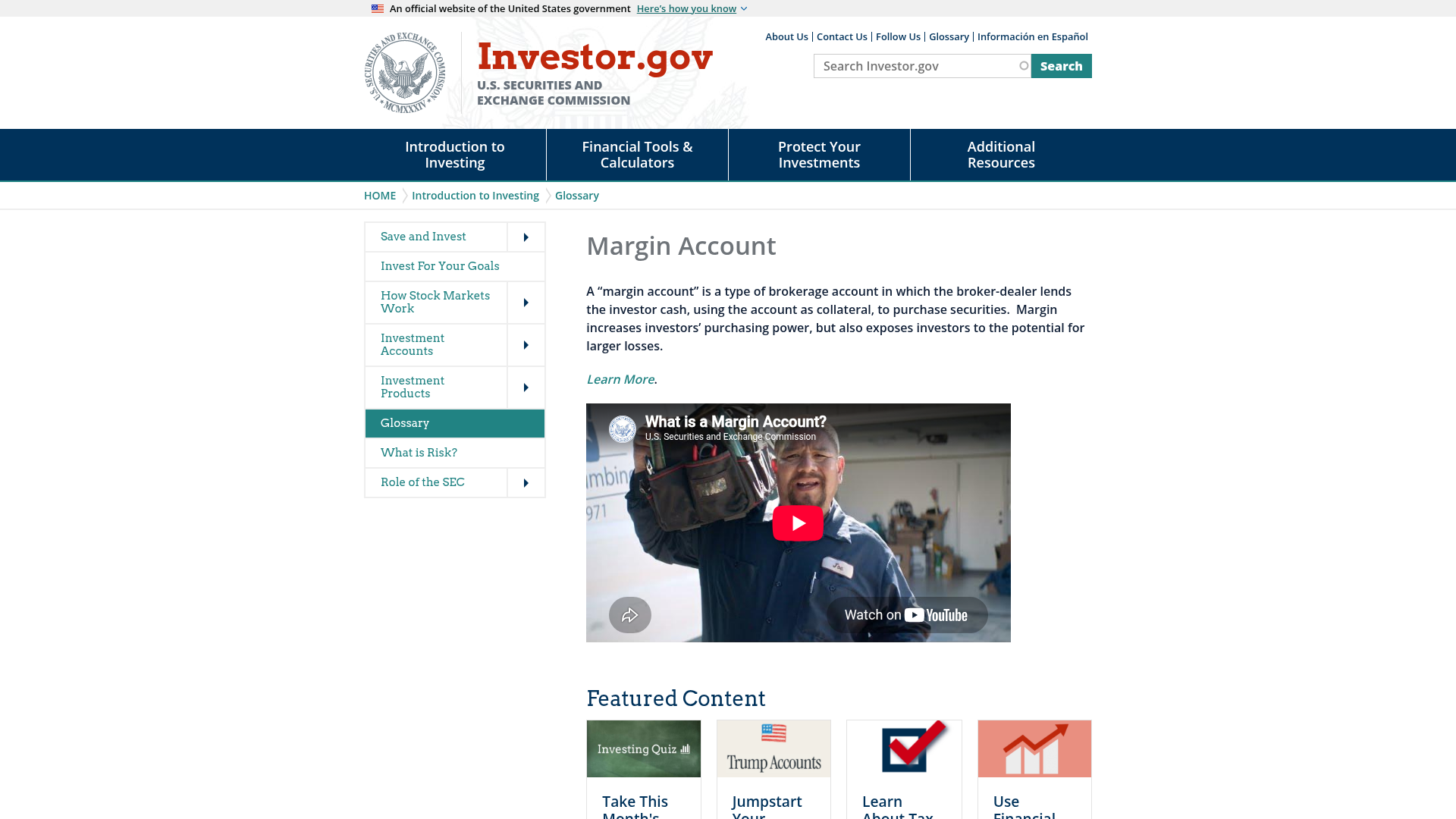
ما تتطلبه الرافعة المالية هو التزام أكثر صرامة بخطة المخاطرة إلى المكافأة الخاصة بك وتحديد حجم المركز (position sizing) بدقة. مخاطرة بنسبة 1% في صفقة برافعة مالية 1:100 لا تزال تمثل مخاطرة بنسبة 1% من رصيد حسابك. تنشأ المشكلة عندما يستخدم المتداولون الرافعة المالية لفتح مراكز كبيرة جدًا مقارنة بحجم حسابهم، مما يجعل نقطة وقف الخسارة (stop-loss) تمثل نسبة أكبر بكثير من رأس مالهم مما كان مقصودًا. هذا يتسبب في أن تتحول حتى الـ drawdowns الصغيرة والطبيعية إحصائيًا إلى كوارث مالية، مما يجبرهم على الخروج من السوق. احسب دائمًا حجم مركزك بناءً على مخاطرتك الثابتة بالدولار لكل صفقة، وليس فقط بناءً على الرافعة المالية المتاحة. تقدم CFTC إرشادات قيمة للمستهلكين حول أساسيات تداول الفوركس، مؤكدة على الاستخدام المسؤول للرافعة المالية. فهم متطلبات الهامش (margin requirements)، كما هو مفصل بواسطة Investor.gov، أمر حيوي أيضًا.
اقرأ المصدر الأساسي
تحقق من ذلك لدى الجهة التنظيمية، وليس لدينا
لقطات شاشة للصفحات الرسمية التي تستند إليها القواعد في هذا الدليل. افتحها بنفسك — فكلمات الجهة التنظيمية نفسها دائمًا ما تكون أفضل من ملخص لها.
الأسئلة المتكررة
المصادر
من أين جاء هذا
- ESMA — CFD leverage limits for retail clientsesma.europa.eu
- CFTC — Forex trading basics for consumerscftc.gov
- Financial Conduct Authority — Financial Services Registerregister.fca.org.uk
- Investor.gov — Margin: borrowing money to pay for stocksinvestor.gov
بقلم Elena Marsh
المدرب الرئيسي. نقدم تعليماً منظماً ومبسطاً في الفوركس باللغة الإنجليزية للأشخاص الذين يتعلمون من الصفر. الفهم أولاً، دائماً — وليس نصيحة مالية أبداً. الدورة التدريبية نفسها موجودة في الـ المناهج.
واصل التعلم
إلى أين يقود هذا الدليل لاحقاً
الأدلة الأقرب إلى هذا الدليل، بالترتيب الذي تبني عليه. كل منها قراءة كاملة بحد ذاتها، ولا يفترض أي منها أنك انتهيت من هذه الصفحة.
- حساب نسبة فوز نقطة التعادل في تداولاتك: دليل لكل مضاعف Rنسبة فوز المتداول ليست مجرد مسألة أن تكون على صواب؛ بل هي جزء حاسم من أحجية تداولك، تحدد مدى تكرار صوابك لمجرد…
- الرياضيات القاسية: لماذا تتطلب خسارة 50% ربحًا بنسبة 100% للتعافيخسارة نصف رأس مالك التجاري لا تعني أنك تحتاج فقط إلى ربح آخر بنسبة 50%؛ فالمسار إلى التعافي أكثر حدة من الناحية الرياضية وغالبًا ما…
- إتقان حسابك البالغ 500 دولار: شرح مفصل لتحديد حجم المركزاكتشف الخطوات الأساسية لحساب أحجام المراكز الدقيقة لحساب تداول بقيمة 500 دولار، مما يحمي رأس مالك ويعزز النمو…
- عامل الربح: ما يخبرك به حقًا (وما يخفيه بهدوء)يقدم مقياس عامل الربح نظرة سريعة على صحة نظام تداولك، ولكن الاعتماد عليه وحده يمكن أن يخفي عيوب الأداء الحرجة ويؤدي…
- الحساب الأدنى القابل للحياة: عندما يصل تحديد حجم المركز المعقول إلى حده الأقصىيقلل العديد من المتداولين الطموحين من تقدير رأس المال المطلوب لتطبيق إدارة مخاطر سليمة باستمرار، وغالبًا ما يصلون إلى نقطة حيث…