دليل · 25 دقيقة قراءة · 2,405 words
تصميم حد خسارة يومي تلتزم به حقاً بحلول الساعة 3 مساءً
اكتشف كيف تبني حدًا يوميًا للخسارة في التداول يحمي رأس مالك ونفسيتك، مصممًا ليصمد بقوة حتى تحت ضغوط السوق الشديدة.

أهم النقاط
- حد الخسارة اليومي الفعال حقًا هو أكثر من مجرد رقم؛ إنه حماية نفسية وعملية متعددة الطبقات.
- يجب أن يكون حد الخسارة الخاص بك ديناميكيًا، ويسترشد برأس مالك الإجمالي، وعتبة الألم الشخصية لديك، وأداء التداول الأخير.
- قاعدة 1%، على الرغم من شعبيتها، تحتاج إلى تكييف دقيق للتداول اليومي بسبب الآثار المركبة وتكرار الصفقات.
- يتطلب تطبيق حدك إجراءات فنية محددة وخطة عمل واضحة لما بعد تجاوز الحد، وليس مجرد قوة إرادة.
- مراجعة حدك وتعديله بشكل دوري أمر بالغ الأهمية؛ إنه جزء حي من خطة التداول الخاصة بك، وليس قاعدة ثابتة.
- الجهل بتحملك الفعلي لأقصى تراجع (drawdown) هو مأزق شائع يقوض فعالية حد الخسارة.
اللحظة التي تصل فيها إلى نقطة الانهيار
إنها الساعة 2:47 مساءً. السوق لا يرحم، يجردك من مكاسبك المبكرة ثم أكثر. أنت في حالة خسارة لليوم، ليس قليلاً، بل بشكل كبير. ترى فرصة (setup)، حركة ارتداد واضحة (bounce play)، وإصبعك يحوم فوق زر الشراء. قد تكون هذه هي الصفقة الوحيدة التي تعيدك إلى نقطة التعادل (breakeven)، وربما حتى إلى الربح. لكنك تتذكر حينها: لقد تجاوزت بالفعل حد الخسارة اليومي المعلن. يبدأ الصراع الداخلي. الأمر لا يتعلق بالمال فقط؛ بل يتعلق باحترامك لقواعدك الخاصة، التي ولدت من خبرة اكتسبتها بصعوبة.
يعرف معظم المتداولين أنهم بحاجة إلى حد خسارة يومي. يبدو الأمر بسيطًا: اختر رقمًا، وإذا وصلت إليه، تتوقف. لكن الواقع أكثر تعقيدًا بكثير. لماذا تنهار الكثير من النوايا الحسنة عندما يصبح السوق صعبًا؟ لأن رقمًا بسيطًا، مكتوبًا على ملاحظة لاصقة، لا يأخذ في الاعتبار العبء العاطفي للخسائر، أو إغراء 'صفقة واحدة أخرى'، أو الإرهاق النفسي الذي يتراكم. أنت بحاجة إلى حد مصمم ليس فقط لصباح يوم اثنين هادئ، بل لظهيرة يوم جمعة فوضوية عندما يصرخ كل جزء من كيانك للاستمرار في التداول.
هذا المقال ليس عن إخبارك بأنك بحاجة إلى حد – أنت تعرف ذلك بالفعل. إنه عن إظهار كيف تبني حدًا يتمتع بالقدرة على الصمود، حدًا يعمل كقاطع دائرة (circuit breaker) حقيقي لتداولك، يحمي رأس مالك وسلامتك العاطفية على حد سواء. سنستكشف العوامل الخفية التي تجعل الحد فعالًا، والخطوات العملية لتطبيقه، وكيفية تكييفه مع أسلوب تداولك الفريد وتحملك للمخاطر.
ما وراء المبلغ بالدولار: ما يحميه حد الخسارة حقًا
غالبًا ما يُنظر إلى حد الخسارة اليومي على أنه مجرد حاجز مالي: 'لا تخسر أكثر من X دولار اليوم'. وبينما يعد الحفاظ على رأس المال وظيفته الأساسية، فإن الحد المصمم جيدًا يحمي شيئًا ذا قيمة مساوية، إن لم يكن أكثر: رأس مالك النفسي. التداول، وخاصة التداول اليومي النشط، هو لعبة ذهنية مكثفة. فالخسائر المستمرة تقوض الثقة، وتغيم الحكم، وتدفع حتى المتداولين المتمرسين إلى اتخاذ قرارات متهورة بدافع الانتقام.
تأمل مفهوم 'إرهاق اتخاذ القرار'. بعد ساعات من التركيز الشديد، وتحليل الرسوم البيانية، واتخاذ قرارات سريعة، وتجربة المكاسب والخسائر، تستنفد مواردك المعرفية. وهذا هو بالضبط الوقت الذي تكون فيه أكثر عرضة للتخلي عن خطتك. يعمل حد الخسارة الثابت كقوة خارجية، ينتزع القرار من يديك عندما تكون عزيمتك الداخلية في أضعف حالاتها. إنها استراتيجية التزام مسبق، حيث تقرر عندما تكون هادئًا ما ستفعله عندما تكون تحت الضغط.
كما أنه يحمي فرصتك للتداول في يوم آخر. فتبديد جزء كبير من حسابك في جلسة واحدة لا يضر بأرباحك وخسائرك (P&L) فحسب، بل يمكن أن يؤدي أيضًا إلى نداءات الهامش (margin calls) أو حتى إغلاق الحساب، مما يمنعك من المشاركة في تحركات السوق المستقبلية التي قد تكون مربحة. إن حدك اليومي هو استثمار في مسيرتك المهنية في التداول مستقبلاً، مما يضمن لك أن تعيش لتتداول يومًا آخر، منتعشًا ومستعدًا.
عيوب قاعدة 1% الثابتة والبسيطة للتداول اليومي
تقدم العديد من أدلة التداول 'قاعدة 1%' كحجر زاوية في إدارة المخاطر: لا تخاطر أبدًا بأكثر من 1% من إجمالي رأس مالك التجاري في صفقة واحدة. وهذا مبدأ سليم لتحديد حجم الصفقة (position sizing) وإدارة المحفظة الإجمالية، ولكن تطبيقه مباشرة كـ حد خسارة يومي للمتداولين اليوميين النشطين يمكن أن يكون مضللاً وخطيرًا أحيانًا.
إذا كنت متداولًا سوينغ (swing trader) تقوم بعدد قليل من الصفقات في الأسبوع، فإن مخاطرة 1% لكل صفقة تعني أن أقصى خسارة يومية لك من غير المرجح أن تتجاوز 1-2% في المتوسط. ولكن بالنسبة للمتداول اليومي (day trader) الذي قد يقوم بعشر أو عشرين أو حتى خمسين صفقة في الجلسة الواحدة، فإن مجرد جمع مخاطر 1% ليس وقفًا يوميًا فعالًا. تخيل أنك تخاطر بـ 1% في 5 صفقات؛ إذا سارت جميعها ضدك، فستكون قد خسرت 5% من رأس مالك. يمكن أن يصبح هذا بسرعة تراجعًا كبيرًا (drawdown)، خاصة للحسابات الأصغر، ويمكن أن يؤدي إلى تآكل سريع للثقة.
يمكن أن يتراكم التأثير المركب للخسائر الصغيرة المتعددة، كل منها ضمن قاعدة 1% لكل صفقة، بسرعة ليصبح خسارة يومية تتجاوز بكثير ما أنت مستعد له نفسيًا أو ماليًا. هذا هو الجزء الذي تتجاهله معظم الأدلة: كيفية سد الفجوة بين مخاطرة كل صفقة وإجمالي المخاطر اليومية. يجب أن يكون حد الخسارة اليومي سقفًا مطلقًا، ومختلفًا عن إدارة مخاطر كل صفقة، ومصممًا لحماية حسابك العام وحالتك الذهنية من سلاسل الخسارة الممتدة أو الأيام الكارثية.
مكونات قاطع دائرة التداول الشخصي الخاص بك
حد الخسارة اليومي الفعال ليس مجرد رقم واحد؛ إنه نظام متعدد الطبقات. فكر فيه كقاطع دائرة (circuit breaker) به عدة نقاط تفعيل (trip wires). الطبقة الأولى هي حدك النقدي المطلق لليوم. هذا هو 'الوقف الصارم' (hard stop) حيث يتوقف التداول بالكامل. على سبيل المثال، إذا كان حسابك 10,000 دولار، فقد تحدد حد خسارة يومي مطلقًا قدره 200 دولار (2%).
المكون الثاني هو حد 'عدد الصفقات الخاسرة'. أحيانًا، لا يتعلق الأمر بحجم الخسارة، بل باستمرارية الخسارة التي تستنزفك. ثلاث صفقات خاسرة متتالية، حتى لو كانت صغيرة، يمكن أن تشير إلى أن تحليلك خاطئ، أو أن ظروف السوق قد تغيرت، أو أنك ببساطة لست 'في حالة تركيز عالية' (in the zone). يمكن أن يؤدي تحديد حد مثل 'التوقف بعد 3 خسائر متتالية' أو 'التوقف بعد 5 خسائر إجمالية' إلى إنقاذك من حفر حفرة أعمق.
الطبقة الثالثة، والتي غالبًا ما يتم تجاهلها، هي 'الحد الزمني'. فالتداول لفترات طويلة بشكل مفرط، خاصة بعد تكبد خسائر أولية، يؤدي إلى الإرهاق واتخاذ قرارات سيئة. قد تقرر التوقف عن التداول بعد أربع ساعات من وقت الشاشة المستمر، أو بعد وقت محدد من اليوم، بغض النظر عن ربحك وخسارتك (P&L). هذا يمنع 'الإفراط في التداول' (overtrading) ويضمن لك الابتعاد قبل أن يبدأ الإرهاق الذهني. يساهم الجمع بين هذه العناصر الثلاثة في إنشاء نظام حماية أقوى.
حساب 'عتبة الألم' الحقيقية لديك وأقصى تراجع (Maximum Drawdown)
كم يمكنك حقًا أن تخسر في يوم واحد دون أن يؤثر ذلك على أداء تداولك غدًا، أو على استقرارك المالي العام؟ لا يتعلق الأمر بحجم الحساب فقط؛ إنه أمر شخصي للغاية. قد تكون خسارة 500 دولار انتكاسة بسيطة لمتداول واحد، ولكنها مدمرة لآخر. للعثور على رقمك، ابدأ برأس مالك التجاري الإجمالي. ثم، ضع في اعتبارك أقصى تراجع في الحساب (drawdown) مريح لك على مدار أسبوع أو شهر.
لنفترض أن لديك حساب تداول بقيمة 20,000 دولار، وقد قررت ألا ترى حسابك ينخفض أبدًا بأكثر من 10% في الشهر (2,000 دولار). إذا كنت تتداول 20 يومًا في الشهر، فقد تشير عملية قسمة بسيطة إلى حد يومي قدره 100 دولار. ومع ذلك، فإن الأسواق ليست خطية. ستكون بعض الأيام أكثر خسارة. النهج الأكثر واقعية هو السماح بخسائر يومية فردية أكبر مع الحفاظ على هدف شهري إجمالي. يستهدف العديد من المتداولين المحترفين حد خسارة يومي يتراوح بين 1% و 3% من حجم حسابهم. لحساب بقيمة 20,000 دولار، هذا يعني من 200 إلى 600 دولار.
الأهم من ذلك، يجب أن يكون حدك اليومي مبلغًا يمكنك خسارته دون الشعور برغبة عارمة في استعادته فورًا. إذا كانت خسارة 200 دولار تجعلك غاضبًا ويائسًا، فربما يجب أن يكون حدك 100 دولار. كن صريحًا مع نفسك بشأن تحملك العاطفي. يوضح الجدول أدناه كيف يمكن أن تؤثر الحدود اليومية المختلفة على حسابك الإجمالي، بافتراض ترددات متفاوتة للوصول إلى هذا الحد.
حد الخسارة اليومي ليس مجرد مسألة مال؛ إنه استراتيجية التزام مسبق تحمي رأس مالك النفسي عندما تكون عزيمتك الداخلية في أضعف حالاتها.
تأثير حد الخسارة اليومي على رأس مال الحساب
يعد فهم التأثير التراكمي للوصول إلى حد الخسارة اليومي أمرًا حيويًا. فالأمر لا يتعلق بما تخسره اليوم فحسب، بل بكيفية تراكم تلك الخسائر بمرور الوقت، حتى مع وجود حد صارم مطبق. يوضح هذا الجدول التأثير الافتراضي للوصول إلى حدود خسارة يومية مختلفة على مدار شهر، بافتراض رصيد حساب أولي وتردد معين للوصول إلى حدك. يساعد هذا في تصور 'تآكل' رأس مالك إذا وصلت إلى حدك الأقصى بشكل متكرر.
لاحظ كيف أن حدًا يوميًا يبدو صغيرًا، إذا تم الوصول إليه باستمرار، يمكن أن يؤدي إلى تراجع كبير (drawdown) على مدار شهر. وهذا يسلط الضوء على أهمية وجود استراتيجية تداول فعالة تولد توقعًا إيجابيًا (positive expectancy)، مما يقلل من تكرار الوصول إلى هذه الحدود. حد الخسارة اليومي هو شبكة أمان، وليس بديلاً للتداول الجيد. إذا وجدت نفسك تصل إلى حدك اليومي باستمرار، فهذه إشارة قوية لإعادة تقييم استراتيجيتك أو نهجك في السوق.
التأثير الافتراضي لحدود الخسارة اليومية على رأس مال الحساب على مدار شهر واحد
| رأس المال الأولي | حد الخسارة اليومي (%) | حد الخسارة اليومي ($) | عدد مرات الوصول للحد الأقصى شهرياً (من أصل 20 يوم تداول) | إجمالي الخسارة الشهرية ($) | رأس المال المتبقي (%) |
|---|---|---|---|---|---|
| $10,000 | 1% | $100 | 3 | $300 | 97.00% |
| $10,000 | 1% | $100 | 5 | $500 | 95.00% |
| $10,000 | 2% | $200 | 3 | $600 | 94.00% |
| $10,000 | 2% | $200 | 5 | $1000 | 90.00% |
| $25,000 | 1.5% | $375 | 4 | $1500 | 94.00% |
| $25,000 | 2.5% | $625 | 4 | $2500 | 90.00% |
التفاعل بين تحديد حجم المركز وحدك اليومي
إن الحد اليومي للخسارة وتحديد حجم المركز لكل صفقة هما وجهان لعملة واحدة في إدارة المخاطر، ويجب أن يعملا بتناغم تام. إذا كانت مخاطر صفقاتك الفردية كبيرة جداً، فقد تصل إلى حدك اليومي في صفقة أو اثنتين فقط. أما إذا كانت المخاطرة لكل صفقة ضئيلة، ولكنك لا تملك حداً إجمالياً يومياً، فقد تستنزف ببطء عبر العديد من الخسائر الصغيرة.دعنا نأخذ مثالاً. إذا كان حدك اليومي للخسارة هو $200، وكان أمر وقف الخسارة المعتاد في صفقة يعني أنك تخاطر بخسارة $50 إذا سارت الأمور بشكل خاطئ، فلديك حينئذٍ 'أربع محاولات' (أربع صفقات خاسرة) قبل أن تصل إلى حدك اليومي. يساعد هذا الوضوح في إدارة التوقعات ويفرض الانضباط. إذا قررت الدخول في صفقة ذات مخاطر أعلى حيث يشير وقف الخسارة إلى خسارة قدرها $100، فلديك الآن 'محاولتان' فقط لهذا اليوم. هذا التعديل الديناميكي حاسم للغاية.يقدم العديد من الوسطاء، مثل OANDA و FOREX.com، منصات فعالة تساعدك في حساب أحجام المراكز بناءً على معايير المخاطر الخاصة بك قبل حتى أن تدخل الصفقة. هذه المساعدة التقنية لا تقدر بثمن. تذكر، أن الرافعة المالية يمكن أن تضخم الأرباح والخسائر على حد سواء. على سبيل المثال، يمتلك عملاء التجزئة في المناطق الخاضعة لتدخل ESMA رافعة مالية محددة بحد أقصى 1:30 لأزواج العملات الرئيسية، مما يحد بشكل طبيعي من حجم المراكز التي يمكن اتخاذها بمبلغ معين من الهامش، ويساعد في إدارة المخاطر ضمنياً على أساس كل صفقة. ومع ذلك، حتى مع هذه الحدود القصوى، فإن الإفراط في التداول أو سوء تحديد حجم المركز يمكن أن يؤدي إلى الوصول إلى حدك اليومي بسرعة.
العلاقة بين الحد اليومي للخسارة والمخاطرة لكل صفقة
| حجم الحساب | الحد اليومي للخسارة ($) | المخاطرة لكل صفقة ($) | عدد الصفقات للوصول إلى الحد اليومي | المخاطرة اليومية الضمنية (%) |
|---|---|---|---|---|
| $5,000 | $100 | $25 | 4 | 2.00% |
| $5,000 | $100 | $50 | 2 | 2.00% |
| $15,000 | $300 | $50 | 6 | 2.00% |
| $15,000 | $300 | $100 | 3 | 2.00% |
| $50,000 | $1,000 | $200 | 5 | 2.00% |
أتمتة وتطبيق حدك: ما وراء قوة الإرادة
الاعتماد فقط على قوة الإرادة للتوقف عن التداول عند الوصول إلى حدك اليومي هو وصفة لكارثة. عندما تتصاعد المشاعر، غالباً ما يتراجع التفكير العقلاني. أنت بحاجة إلى ضمانات تقنية وخطة قابلة للتنفيذ. العديد من منصات التداول، مثل MetaTrader 4/5 (المتاحة عبر وسطاء مثل Pepperstone و XM) و cTrader، تسمح بمستوى معين من الأتمتة لإدارة المخاطر، على الرغم من أن
ماذا تفعل عند تجاوز الحد (ولماذا يجب عليك فعله)
إذاً، لقد وصلت إلى حد الخسارة اليومي الخاص بك. قد يكون رد الفعل البشري الطبيعي هو الإحباط أو خيبة الأمل أو حتى الغضب. خطوتك التالية الفورية ليست تحليل ما حدث خطأ، ولا محاولة
مراجعة وتكييف حد الخسارة الخاص بك بمرور الوقت
حد الخسارة اليومي الخاص بك ليس ثابتاً لا يتغير. مع نمو حسابك، أو تطور استراتيجية التداول الخاصة بك، أو تغير ظروف السوق، قد يحتاج حدك إلى تعديل. ما كان يبدو مناسباً عندما بدأت بحساب بقيمة $5,000 قد يكون مقيداً جداً أو فضفاضاً جداً بمجرد أن يتضاعف رأس مالك. وبالمثل، إذا انتقلت من تداول الأصول شديدة التقلب إلى أصول أكثر استقراراً، فيجب أن تتكيف معايير المخاطر الخاصة بك.اجعل من عادتك مراجعة حد الخسارة الخاص بك بشكل دوري، ربما مرة واحدة شهرياً أو ربع سنوياً، كجزء من مراجعة خطة التداول الشاملة الخاصة بك. اسأل نفسك: 'هل وجدت نفسي أدفع باستمرار ضد هذا الحد، أم أنه نادراً ما يتم الاقتراب منه؟' إذا كنت تصل إلى حدك بشكل متكرر جداً (على سبيل المثال، أكثر من 15-20% من أيام تداولك)، فقد يشير ذلك إلى مشكلة في استراتيجيتك، أو حجم مركزك، أو ربما كان حدك الأولي ضيقاً جداً لأسلوب تداولك. ومع ذلك، إذا لم تقترب منه أبداً، فقد يكون الحد فضفاضاً جداً لتقديم حماية حقيقية، أو أن مخاطرتك لكل صفقة صغيرة جداً.يجب أن تأخذ مراجعتك أيضاً في الاعتبار التغيرات في ظروفك الشخصية. قد يتطلب التزام مالي جديد أو فترة من التوتر الشديد خارج التداول تشديداً مؤقتاً لحد الخسارة اليومي الخاص بك. تذكر أن هذا الحد مصمم لخدمتك، وليس العكس. كن مرناً، ولكن كن منضبطاً دائماً في تطبيقه.
مزالق يجب تجنبها: متلازمة
من بين الأخطاء الشائعة التي يقع فيها المتداولون عند استخدام حدود الخسارة اليومية، تبرز متلازمة "كاد أن يصل". تظهر هذه المتلازمة عندما تكون على وشك بلوغ الحد الأقصى للخسارة اليومية الذي حددته لنفسك، ولكنك لم تصل إليه بعد بشكل كامل. في هذه اللحظة، قد يراودك إغراء الدخول في "صفقة واحدة أخرى فقط"، مبررًا لنفسك أنك لم تلامس بعد حد الإيقاف الصارم الذي وضعته. ولكن، احذر! فهذا يعتبر منحدرًا خطيرًا للغاية. إن الهدف الأساسي من وضع حد للخسارة ليس مجرد تحقيق عتبة رقمية دقيقة، بل هو حمايتك من التعرض المفرط للمخاطر ومن قرارات التداول العاطفية التي قد تضر بحسابك.
خطأ آخر يقع فيه البعض هو تحديد حد خسارة صغير جدًا، وهذا ينطبق بشكل خاص على المتداولين اليوميين النشطين. إذا كان حدك ضيقًا للغاية لدرجة أنك تبلغه في كل يوم تقريبًا تواجه فيه خسارة، حتى بصفقة أو صفقتين سيئتين فقط، فقد يصبح الأمر محبطًا للغاية، وقد يدفعك ذلك إلى تجاهل هذا الحد بالكامل. لذلك، أنت بحاجة إلى حد يسمح ببعض التقلبات المعقولة، بما يعكس الطبيعة المتغيرة والمد والجزر في حركة السوق والتداول، دون أن يعرضك لخسائر كارثية لا يمكن تعويضها. في المقابل، إذا كان حد الخسارة كبيرًا جدًا، فإنه يفقد فعاليته ولا يوفر الحماية المطلوبة.
أخيرًا، نصيحة هامة: تجنب مقارنة حد الخسارة اليومي الخاص بك بحدود الآخرين. فما يناسب متداولًا يمتلك حسابًا بقيمة 100,000 دولار أمريكي ولديه سنوات طويلة من الخبرة، قد لا يكون مناسبًا على الإطلاق لشخص بدأ للتو بحساب قدره 5,000 دولار أمريكي. يجب أن يكون حدك شخصيًا للغاية، يعكس حجم رأس مالك، مستوى خبرتك، وتركيبتك النفسية الفريدة. إنه بمثابة صمام الأمان الشخصي الخاص بك، مصمم خصيصًا ليناسب نظامك التداولي الفريد.
اقرأ المصدر الأساسي
تحقق من ذلك لدى الجهة التنظيمية، وليس لدينا
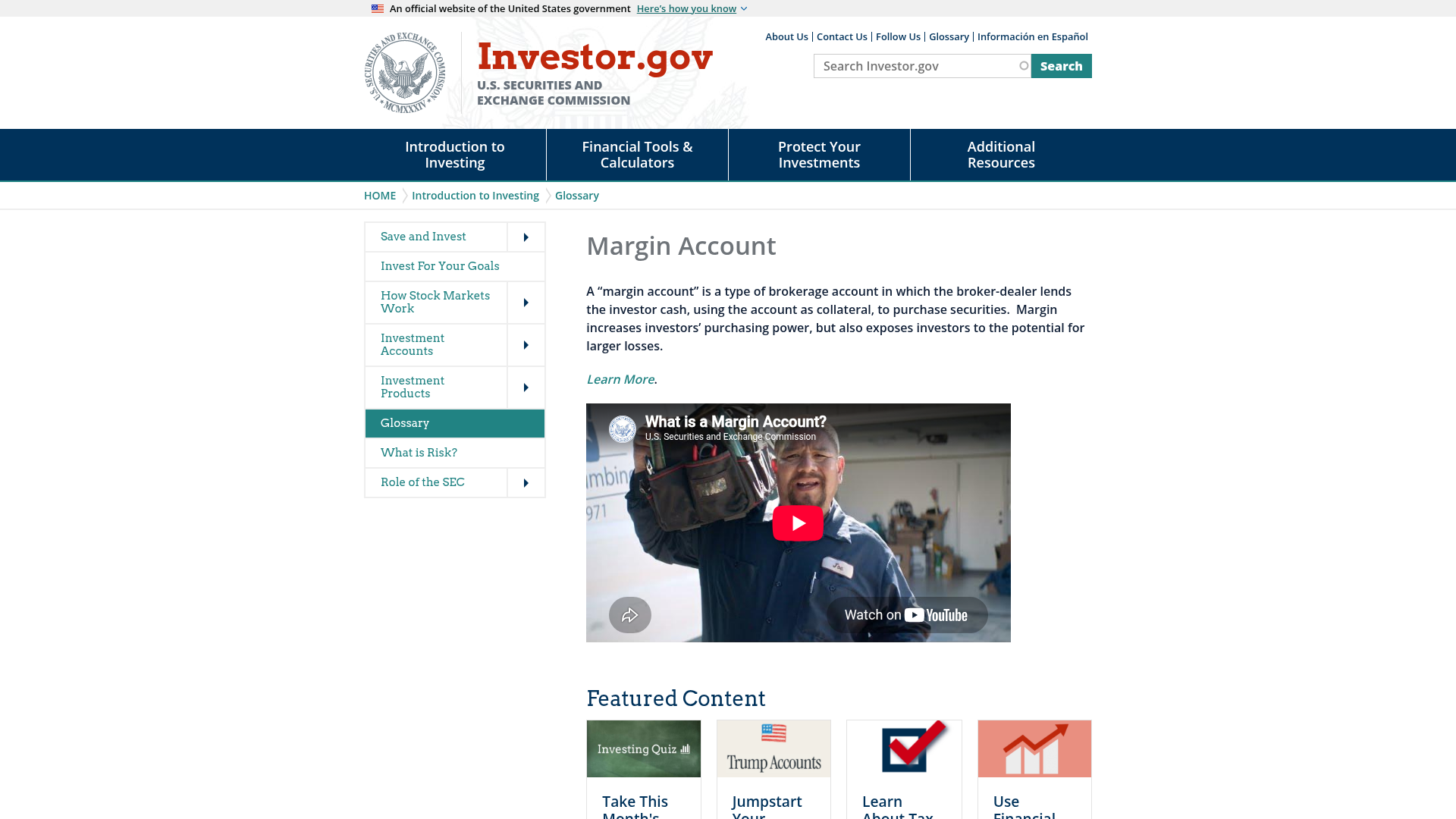
لقطات شاشة للصفحات الرسمية التي تستند إليها القواعد في هذا الدليل. افتحها بنفسك — فكلمات الجهة التنظيمية نفسها دائمًا ما تكون أفضل من ملخص لها.
الأسئلة المتكررة
المصادر
من أين جاء هذا
بقلم Daniel Okafor
مؤلف المناهج التعليمية. نقدم تعليماً منظماً ومبسطاً في الفوركس باللغة الإنجليزية للأشخاص الذين يتعلمون من الصفر. الفهم أولاً، دائماً — وليس نصيحة مالية أبداً. الدورة التدريبية نفسها موجودة في الـ المناهج.
واصل التعلم
إلى أين يقود هذا الدليل لاحقاً
الأدلة الأقرب إلى هذا الدليل، بالترتيب الذي تبني عليه. كل منها قراءة كاملة بحد ذاتها، ولا يفترض أي منها أنك انتهيت من هذه الصفحة.
- إدارة ميزانية المخاطر الأسبوعية: طريقك نحو تداول متسقتوقف عن تخمين مخاطرك في كل صفقة، واعتمد نهجًا أسبوعيًا أكثر ذكاءً لحماية رأس المال وتسوية منحنى حقوق الملكية للتداول الخاص بك.
- همس الخطر الهادئ: التعامل مع سلاسل الانتصارات في التداوليمكن لسلسلة من الصفقات المربحة أن تقوض الانضباط ببطء، مما يجعل حتى المتداولين ذوي الخبرة عرضة للتخريب الذاتي والخسائر الكبيرة.
- الإفراط في التداول: ثلاث علامات تحذيرية وإجراءك المضاد الأسبوعياكتشف الأنماط الخفية للإفراط في التداول، وافهم تكاليفه الحقيقية، وتعلّم طريقة تدقيق أسبوعية بسيطة لاستعادة السيطرة وبناء…
- الرياضيات القاسية: لماذا تتطلب خسارة 50% تحقيق مكاسب 100% للتعافيخسارة نصف رأس مالك التجاري لا تعني أنك تحتاج فقط إلى مكاسب 50% أخرى؛ فطريق التعافي أكثر انحدارًا من الناحية الرياضية وغالبًا ما…
- التداول عبر العاصفة: التعامل مع سلاسل الخسائر دون تدمير نظامك بالكامليمكن لسلاسل الخسائر أن تزعزع حتى المتداولين المتمرسين. تعلّم كيفية تشخيص المشاكل بشكل منهجي وإجراء تعديلات دقيقة، وليس تغييرات…