دليل · 8 دقيقة قراءة
سبعة أخطاء يرتكبها المبتدئون وكيفية تجنبها
قد يبدو تعلم التداول متاهة؛ يقدم هذا الدليل إضاءة على الأخطاء الشائعة التي يقع فيها المتداولون الجدد ويوضح لك كيفية تجنبها.

أهم النقاط
- تداول دائمًا بخطة مفصلة وإدارة صارمة للمخاطر.
- افهم الـ leverage (الرافعة المالية)؛ لا تطارد أرباحًا سريعة وغير واقعية.
- أبعد العواطف عن قراراتك التجارية بالالتزام باستراتيجيتك.
- تدرب كثيرًا على حساب تجريبي وتتبع كل صفقة في دفتر يوميات التداول.
- ابحث عن وسيطك بعناية، وتحقق من التنظيم والعروض.
المسار المتعرج لتعلم التداول
يمكن أن يكون بدء التداول أمرًا مثيرًا، ولكنه أيضًا رحلة تتطلب الكثير من التعلم. تمامًا مثل أي مهارة جديدة، لا بد أن تواجه بعض العثرات على طول الطريق. فكر في الأمر وكأنك تتعلم ركوب الدراجة – قد تتأرجح، وقد تسقط، ولكن في كل مرة تتعلم كيفية تحقيق التوازن بشكل أفضل قليلًا. التداول لا يختلف عن ذلك.
يقع العديد من المتداولين الجدد في فخاخ متشابهة، ليس لأنهم ليسوا أذكياء، ولكن لأنهم لم يتعلموا بعد فن الصبر والانضباط الدقيق وفهم كيفية تحرك الأسواق حقًا. الخبر السار هو أن هذه الأخطاء الشائعة معروفة جيدًا، ومن خلال فهمها مسبقًا، يمكنك توفير الكثير من الإحباط، والأهم من ذلك، الكثير من المال. دعنا نلقي نظرة على سبعة أخطاء شائعة ونتحدث عن كيفية تجنبها ببساطة.
الخطأ الأول: التداول بدون خطة واضحة وتجاهل المخاطر
تخيل أنك تنطلق في رحلة برية بدون خريطة أو معرفة وجهتك. من المحتمل أن تضل طريقك وتنفد منك الوقود. التداول بدون خطة مشابه لذلك. يقفز العديد من المبتدئين إلى الصفقات بناءً على حدس أو نصيحة من وسائل التواصل الاجتماعي أو حركة سعر مفاجئة، دون التفكير في نقطة الدخول أو الخروج أو مقدار ما هم مستعدون لخسارته.
غالبًا ما يسير هذا جنبًا إلى جنب مع سوء إدارة المخاطر. من الأخطاء الشائعة للمبتدئين هو المخاطرة بالكثير من رأس المال في صفقة واحدة. قد تسمع عن شخص يحقق ربحًا كبيرًا بسرعة، وهذا قد يغريك بوضع الكثير من المال على المحك. لكن المتداولين المحترفين يعرفون أن حماية رأس مالك هي القاعدة الأولى. إنهم يحددون حجم مركزهم بعناية، وغالبًا ما يخاطرون بنسبة صغيرة فقط (مثل 1% أو 2%) من إجمالي حساب التداول الخاص بهم في أي صفقة واحدة. كما أنهم يستخدمون أوامر وقف الخسارة (stop-loss orders)، التي تغلق الصفقة تلقائيًا إذا تحرك السعر ضدهم بمقدار محدد مسبقًا. هذا يشبه وجود مكبح طوارئ؛ فهو يساعد على الحد من الخسائر المحتملة ويمنعك من تصفية حسابك بسبب قرار سيء واحد.
كيفية تجنب ذلك: ضع خطة تداول مكتوبة قبل أن تفتح صفقتك الأولى. يجب أن تحدد هذه الخطة استراتيجيتك، وما تتداوله، ومتى تتداول، وقواعد الدخول والخروج الخاصة بك، وبشكل حاسم، قواعد إدارة المخاطر الخاصة بك. اعرف دائمًا الحد الأقصى لخسارتك لكل صفقة قبل فتحها، والتزم باستخدام أوامر وقف الخسارة. خطة التداول الخاصة بك هي خارطة طريقك؛ اتبعها باستمرار.
الخطأ الثاني: الإفراط في استخدام الرافعة المالية ومطاردة الثراء السريع
يوفر تداول الفوركس الـ leverage (الرافعة المالية)، مما يعني أنه يمكنك التحكم في مبلغ كبير من المال بإيداع صغير نسبيًا. على سبيل المثال، رافعة مالية 1:30 تعني أن إيداع 1,000 دولار يمكن أن يتحكم في عملات بقيمة 30,000 دولار. بينما يمكن لهذا أن يضخم الأرباح، فإنه يضخم الخسائر بالسرعة نفسها. يستخدم العديد من المبتدئين، المتحمسين للإمكانات، أقصى leverage، على أمل الثراء في بضع صفقات. وهذا غالبًا ما يؤدي إلى مسح حساباتهم بسرعة كبيرة.
من الطبيعي الرغبة في كسب المال بسرعة، لكن توقع الثراء السريع من التداول هو فخ شائع. التداول ماراثون، وليس سباقًا سريعًا. السوق لا يهتم بأهدافك المالية؛ إنه يتحرك بناءً على العرض والطلب والأخبار. تؤدي التوقعات غير الواقعية إلى قرارات سيئة، مثل تحمل الكثير من المخاطر أو الـ overtrading (إجراء الكثير من الصفقات) بسبب نفاد الصبر.
كيفية تجنب ذلك: افهم الـ leverage كأداة، وليس اختصارًا. ابدأ بـ leverage أقل، خاصة كمبتدئ. ركز على تحقيق مكاسب أصغر ومتسقة بدلاً من محاولة تحقيق ربح كبير في كل مرة. اهدف إلى النمو التدريجي والحفاظ على رأس المال. فكر في العائد الواقعي الذي قد تحققه على مدى شهور، وليس أيام. الصبر والاتساق أكثر قيمة بكثير من السعي اليائس للثراء الفوري.
الخطأ الثالث: السماح للعواطف بإملاء قراراتك
يمكن أن يكون السوق مثل قطار الملاهي، ومن السهل أن تتسلل مشاعر مثل الخوف والجشع وحتى الانتقام إلى تداولاتك. قد يجعلك الخوف تغلق صفقة مربحة مبكرًا جدًا، فتفوت المزيد من المكاسب، أو يمنعك من الدخول في إعداد جيد. يمكن أن يجعلك الجشع تتمسك بصفقة خاسرة لفترة طويلة جدًا، على أمل أن تتحسن، أو يشجعك على تحمل مخاطر مفرطة.
فخ عاطفي شائع آخر هو "التداول الانتقامي" (revenge trading) – بعد الخسارة، قد تشعر بالرغبة في القفز فورًا إلى صفقة أخرى، غالبًا ما تكون أكبر، لمحاولة استعادة ما خسرته. هذه دائمًا تقريبًا وصفة لمزيد من الخسائر لأن قراراتك مدفوعة بالعاطفة، وليس بالمنطق أو خطة التداول الخاصة بك.
كيفية تجنب ذلك: أدرك أن العواطف جزء طبيعي من كونك إنسانًا، لكنها مدمرة في التداول. أفضل دفاع هو خطة التداول الخاصة بك. إذا كانت لديك خطة واضحة للدخول والخروج والمخاطر، يمكنك الاعتماد عليها بدلاً من مشاعرك الغريزية. ابتعد عن شاشتك بعد صفقة خاسرة، أو حتى بعد صفقة رابحة، وخذ قسطًا من الراحة. تذكر أن الالتزام بقواعدك أهم بكثير من نتيجة أي صفقة واحدة. الانضباط يتغلب على العاطفة في كل مرة.
الخطأ الرابع: تخطي الممارسة وتتبع تقدمك
هل ستحاول قيادة طائرة لأول مرة مع ركاب حقيقيين بعد قراءة كتاب فقط؟ على الأرجح لا. ومع ذلك، يقفز العديد من المتداولين المبتدئين إلى التداول المباشر بأموال حقيقية دون ممارسة كافية. الحسابات التجريبية (demo accounts)، التي يقدمها جميع الوسطاء تقريبًا، موجودة لسبب وجيه: لتمكينك من الممارسة بأموال افتراضية في ظروف السوق الحقيقية. هذا هو المكان الذي تختبر فيه استراتيجياتك، وتعتاد على منصة التداول، وتتعلم كيفية عمل أوامر السوق دون المخاطرة بسنت واحد.
أداة أخرى يتم تجاهلها هي دفتر يوميات التداول (trading journal). بعد كل صفقة، هل سجلت سبب دخولك، وسبب خروجك، وربحك أو خسارتك، وما تعلمته؟ معظم المبتدئين لا يهتمون بذلك، لكن دفتر اليوميات يشبه المدرب الشخصي. يساعدك على رؤية الأنماط في نجاحاتك وإخفاقاتك، ويكشف ما يناسبك وما لا يناسبك. بدونها، من المحتمل أن تكرر نفس الأخطاء مرارًا وتكرارًا.
كيفية تجنب ذلك: اقضِ وقتًا طويلاً (أسابيع، حتى شهور) في التدرب على حساب تجريبي (demo account) حتى تتبع خطتك باستمرار وترى نتائج إيجابية. عندها فقط فكر في التداول المباشر. في الوقت نفسه، ابدأ دفتر يوميات تداول (trading journal) من اليوم الأول. سجل كل صفقة، بما في ذلك منطقك، وظروف السوق، وحالتك العاطفية، ودرسًا موجزًا تعلمته. راجع دفتر يومياتك بانتظام لتحديد الاتجاهات وتحسين نهجك.
الخطأ الخامس: تجاهل أخبار السوق والتحليل المتعمق
الأسواق المالية لا توجد في فراغ. يمكن أن تتسبب الأخبار الاقتصادية الرئيسية، وقرارات البنوك المركزية، والأحداث الجيوسياسية في تحركات أسعار مفاجئة ودراماتيكية. قد يضع المبتدئ صفقة بناءً على نمط مخطط بياني بحت، فقط ليجدها قد مُحيت بسبب إعلان إخباري غير متوقع لم يكن يعلم حتى أنه قادم.
بينما لا تحتاج إلى أن تكون اقتصاديًا، فإن فهم أساسيات التحليل الأساسي (كيف تؤثر البيانات الاقتصادية على قيم العملات) والتحليل الفني (دراسة الرسوم البيانية وأنماط الأسعار) مهم جدًا. الاعتماد على أحدهما فقط دون أي اعتبار للآخر يمكن أن يجعلك عرضة للخطر. على سبيل المثال، قد يتم إبطال إعداد مخطط بياني مثالي بقرار وشيك بشأن سعر الفائدة.
كيفية تجنب ذلك: اجعل من عادتك التحقق من التقويم الاقتصادي (economic calendar) يوميًا لمعرفة إصدارات الأخبار القادمة التي قد تؤثر على العملات التي تتداولها. افهم ما تعنيه المؤشرات الاقتصادية الرئيسية (مثل معدلات التضخم أو أرقام التوظيف). اقضِ وقتًا في تعلم التحليل الفني الأساسي لتحديد الاتجاهات ونقاط الدخول/الخروج على الرسوم البيانية، ولكن تعلم أيضًا التعرف على مواضيع السوق الرئيسية من الأخبار الأساسية. هذا المزيج يمنحك صورة أكثر اكتمالاً بكثير.
الخطأ السادس: اختيار الوسيط على عجل
وسيطك هو بوابتك إلى السوق. اختيار وسيط دون إجراء بحثك يشبه اختيار بنك بناءً فقط على إعلاناته، دون التحقق مما إذا كانت أموالك آمنة أو ما إذا كانوا يقدمون الخدمات التي تحتاجها. قد يذهب العديد من المبتدئين ببساطة مع أول وسيط يرونه أو الوسيط ذو التسويق الأكثر إبهارًا، دون التحقق من التفاصيل الحاسمة.
أمور مثل التنظيم، ومكان مقر الوسيط، ومنصات التداول الخاصة بهم، والتكاليف المتضمنة (الـ spreads، والعمولات، والـ swaps) كلها مهمة. أنت تريد وسيطًا منظمًا جيدًا من قبل سلطات مرموقة. على سبيل المثال، وسطاء مثل Pepperstone (مقرها ملبورن، أستراليا)، وIC Markets (مقرها سيدني، أستراليا)، وOANDA (مقرها نيويورك، الولايات المتحدة الأمريكية)، وFOREX.com (مقرها نيوجيرسي، الولايات المتحدة الأمريكية) منظمون من قبل هيئات متعددة مثل FCA، وASIC، وCFTC/NFA، اعتمادًا على منطقتهم. وسطاء آخرون مثل XM (مقرها ليماسول، قبرص) أو FxPro (مقرها لندن، المملكة المتحدة) منظمون أيضًا من قبل سلطات مثل CySEC. تهدف هذه اللوائح إلى حماية المتداولين.
كيفية تجنب ذلك: خذ وقتك للبحث ومقارنة الوسطاء. تحقق من وضعهم التنظيمي – ابحث عن أسماء مثل FCA، وASIC، وCySEC، أو CFTC/NFA. افهم منصات التداول التي يقدمونها (مثل MT4، وMT5، أو TradingView، كما تقدمها Pepperstone) وما إذا كانت تناسب أسلوبك. انظر إلى الـ spreads وأي رسوم أخرى. اقرأ المراجعات، ولكن جرب أيضًا حساباتهم التجريبية لتكوين فكرة عن منصتهم وخدمة العملاء. اختيارك للوسيط مهم للأمان ولتجربة تداول سلسة.
المضي قدمًا بثقة
ارتكاب الأخطاء جزء طبيعي من تعلم أي شيء جديد، والتداول ليس استثناءً. المفتاح ليس ألا ترتكب خطأ أبدًا، بل أن تتعلم منها وتتجنب الأخطاء الشائعة التي يمكن أن تعرقل المتداولين الجدد. من خلال التركيز على وجود خطة واضحة، وإدارة المخاطر الخاصة بك، والتحكم في العواطف، والممارسة الدؤوبة، والبقاء على اطلاع، واختيار وسيط موثوق به، فإنك تضع نفسك بالفعل في المقدمة على العديد من الآخرين.
تذكر أن التداول الناجح مبني على الاتساق والانضباط والتعلم المستمر. تعامل معه بعقلية صبورة وطويلة الأجل، وتعامل معه كمهارة تقوم بتحسينها باستمرار. كل صفقة، سواء كانت رابحة أو خاسرة، تقدم درسًا. احتضن عملية التعلم، وستبني أساسًا أقوى لرحلتك في التداول.
اقرأ المصدر الأساسي
تحقق من ذلك لدى الجهة التنظيمية، وليس لدينا
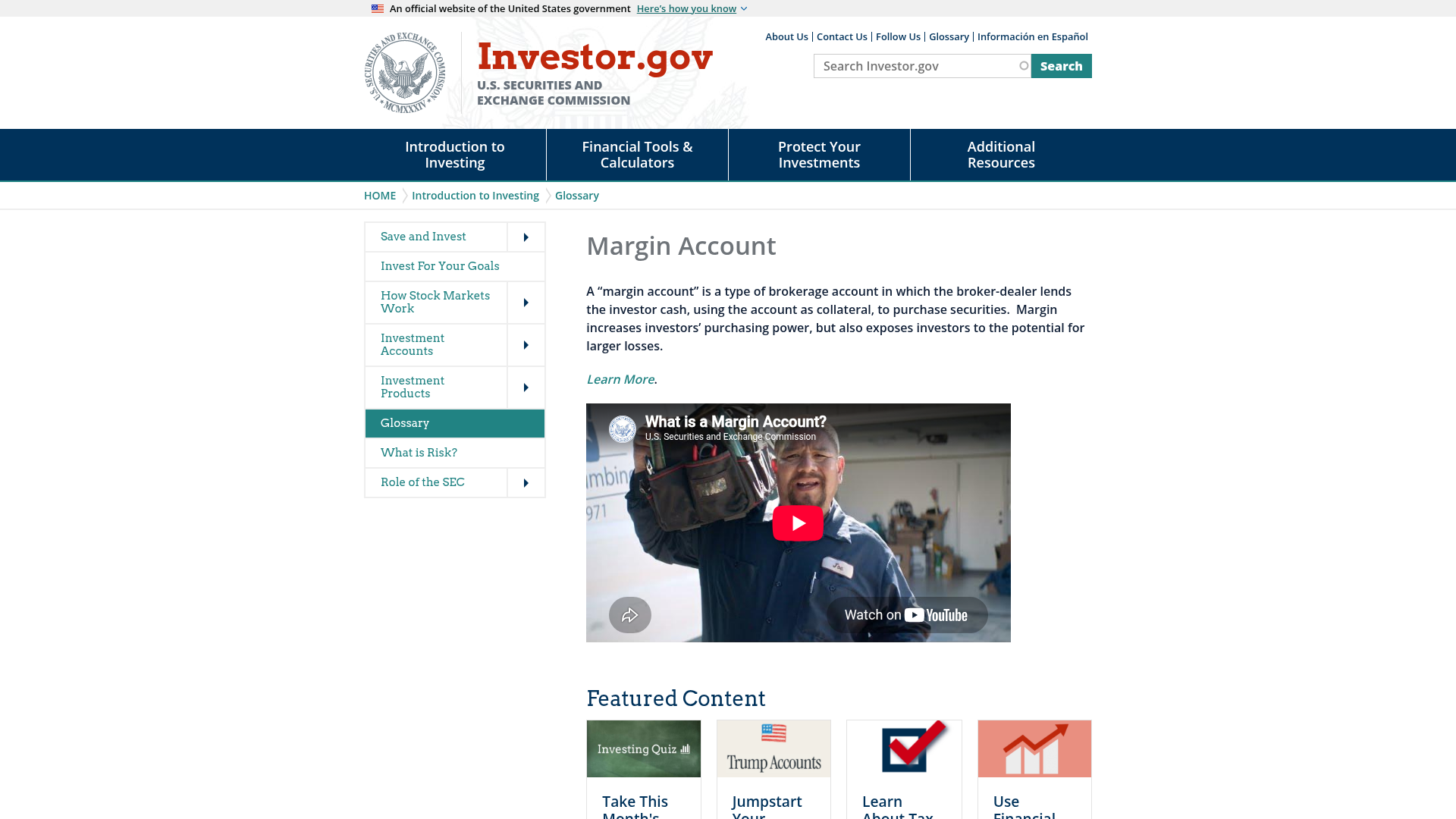
لقطات شاشة للصفحات الرسمية التي تستند إليها القواعد في هذا الدليل. افتحها بنفسك — فكلمات الجهة التنظيمية نفسها دائمًا ما تكون أفضل من ملخص لها.
الأسئلة المتكررة
بقلم The pipdojo.com desk
Forex curriculum team. نقدم تعليماً منظماً ومبسطاً في الفوركس باللغة الإنجليزية للأشخاص الذين يتعلمون من الصفر. الفهم أولاً، دائماً — وليس نصيحة مالية أبداً. الدورة التدريبية نفسها موجودة في الـ المناهج.
واصل التعلم
إلى أين يقود هذا الدليل لاحقاً
الأدلة الأقرب إلى هذا الدليل، بالترتيب الذي تبني عليه. كل منها قراءة كاملة بحد ذاتها، ولا يفترض أي منها أنك انتهيت من هذه الصفحة.
- خطة تدريب لمدة اثني عشر شهراً للمتداولين الذين لديهم وظيفة يوميةاكتشف خطة منظمة لمدة عام كامل مصممة للمهنيين المشغولين لبناء مهارات تداول حقيقية والتداول بثقة في الأسواق، وليس بـ…
- من الحساب التجريبي إلى الحساب الحقيقي: أربع خطوات متدرجة نحو التداول الفعلييتطلب الانتقال من حساب تجريبي إلى التداول بأموال حقيقية نهجاً منظماً لإدارة المخاطر وإتقان المتطلبات النفسية…
- كيف تختار وسيطك الأول، بهدوءلا يجب أن يكون اختيار وسيطك الأول مرهقاً. تعلم كيفية اختيار شريك موثوق لرحلتك التجارية بثقة.
- إعادة البناء بعد خسارة حساب تداول: مسار حذر للمضي قدماًعندما يصل حساب التداول الخاص بك إلى الصفر، يكون الشعور كاللكمة في المعدة؛ يحدد هذا الدليل طريقة دقيقة وخطوة بخطوة لإعادة بناء حسابك…
- أول صفقة فوركس حقيقية لك: ما مدى صغر حجمها حقاً؟اكتشف الأهمية الحاسمة للبدء بأصغر حجم صفقة ممكن لحماية رأس مالك وتسريع تعلمك كمتداول فوركس…