คู่มือ · 11 นาทีในการอ่าน · 3,052 words
Swap และ Rollover: ค่าธรรมเนียมเงียบๆ ยามค่ำคืนสำหรับสถานะการเทรดของคุณ
ทุกคืน สถานะที่เปิดค้างไว้ในตลาด forex และ สัญญาซื้อขายส่วนต่าง (CFD) อาจมีค่าธรรมเนียมเล็กน้อยหรือได้รับเครดิตที่เรียกว่า swap ซึ่งส่งผลโดยตรงต่อกำไรหรือขาดทุนโดยรวมของการเทรดของคุณ

ประเด็นสำคัญ
- Swap คือการปรับอัตราดอกเบี้ยที่ใช้กับสถานะการเทรดที่เปิดค้างคืน ซึ่งสะท้อนถึงส่วนต่างอัตราดอกเบี้ยระหว่างสองสกุลเงิน
- อาจส่งผลให้เกิดค่าใช้จ่าย (negative swap) หรือได้รับเครดิต (positive swap) ขึ้นอยู่กับคู่สกุลเงินและทิศทางการเทรดของคุณ
- The 'rollover' occurs at a specific time, typically 5 PM Eastern Standard Time, with a triple swap charge or credit on Wednesdays.
- โบรกเกอร์กำหนดอัตรา swap ของตนเอง ทำให้เป็นสิ่งสำคัญสำหรับเทรดเดอร์ที่เทรดแบบ swing และ position ที่จะต้องเปรียบเทียบอัตราเหล่านี้
- การเทรดระยะยาวได้รับผลกระทบอย่างมากจาก swap ในขณะที่ day trader มักจะหลีกเลี่ยงค่าธรรมเนียมเหล่านี้
- การทำความเข้าใจ swap ช่วยป้องกันค่าใช้จ่ายที่ไม่คาดคิด และยังสามารถนำมาใช้เป็นกลยุทธ์ในการเทรดแบบ carry trade ได้อีกด้วย
ค่าธรรมเนียมเงียบๆ ยามค่ำคืนสำหรับสถานะของคุณ
ลองจินตนาการว่าคุณกำลังเช่ารถเพื่อเดินทางข้ามประเทศ คุณต้องจ่ายค่าเช่ารถเป็นรายวันใช่ไหม? คุณรู้ว่ามีค่าใช้จ่ายนี้อยู่ และคุณได้นำไปคำนวณในงบประมาณการเดินทางของคุณแล้ว ทีนี้ ลองพิจารณาการเปิดสถานะการเทรดในตลาดการเงินข้ามคืน ไม่ว่าจะเป็นคู่สกุลเงิน forex เช่น EUR/USD หรือสัญญาซื้อขายส่วนต่าง (CFD) บนดัชนี ก็จะมี 'อัตราค่าใช้จ่ายรายวัน' ที่คล้ายกัน แต่บ่อยครั้งไม่ชัดเจนนัก ซึ่งเรียกว่า swap หรือบางครั้งก็เรียกว่า rollover fee
นี่ไม่ใช่ค่าคอมมิชชั่นหรือ spread ซึ่งเป็นค่าใช้จ่ายล่วงหน้าสำหรับการเข้าเทรด Swap คือการปรับอัตราดอกเบี้ยที่สะท้อนถึงส่วนต่างของอัตราดอกเบี้ยระหว่างสองสกุลเงินในคู่ หรือสินทรัพย์อ้างอิงของ สัญญาซื้อขายส่วนต่าง (CFD) สำหรับทุกคืนที่คุณเปิดสถานะไว้ มันอาจเป็นค่าใช้จ่ายเล็กน้อย ได้รับเครดิต หรือไม่มีเลยก็ได้ ขึ้นอยู่กับปัจจัยหลายประการ
สำหรับเทรดเดอร์จำนวนมาก โดยเฉพาะผู้ที่เพิ่งเข้าสู่ตลาด swap เป็นพลังที่มองไม่เห็น ค่อยๆ กัดกร่อนกำไร หรือเพิ่มโบนัสเล็กน้อยโดยไม่มีการประกาศใดๆ มันถูกมองข้ามได้ง่าย แต่เมื่อผ่านไปหลายวัน หลายสัปดาห์ หรือหลายเดือน การปรับเปลี่ยนเล็กน้อยในแต่ละคืนเหล่านี้สามารถสะสมเพิ่มขึ้นได้อย่างมีนัยสำคัญ การทำความเข้าใจว่า swap ทำงานอย่างไร ไม่ใช่แค่การหลีกเลี่ยงค่าใช้จ่ายที่ไม่คาดคิดเท่านั้น แต่ยังเป็นการทำความเข้าใจแง่มุมพื้นฐานของการเปิดสถานะในโลกที่มูลค่าสกุลเงินและสินทรัพย์มีการเปลี่ยนแปลงอย่างต่อเนื่องตามอัตราดอกเบี้ย การละเลยรายละเอียดนี้เป็นความผิดพลาดที่พบบ่อย คล้ายกับการลืมเรื่องค่าน้ำมันสำหรับการเช่ารถเดินทางข้ามประเทศจนกระทั่งนาทีสุดท้าย
แนวคิดหลัก: การกู้ยืมสกุลเงินหนึ่ง การให้ยืมอีกสกุลเงินหนึ่ง
โดยพื้นฐานแล้ว การเทรด forex ทุกครั้งจะเกี่ยวข้องกับการซื้อสกุลเงินหนึ่งและขายอีกสกุลเงินหนึ่งไปพร้อมกัน ตัวอย่างเช่น หากคุณซื้อ EUR/USD คุณกำลังกู้ยืมเงินดอลลาร์สหรัฐเพื่อซื้อเงินยูโร หากคุณขาย EUR/USD คุณกำลังกู้ยืมเงินยูโรเพื่อซื้อเงินดอลลาร์สหรัฐ แน่นอนว่านี่ไม่ใช่ธุรกรรมทางกายภาพ แต่สำหรับวัตถุประสงค์ทางบัญชี นี่คือหลักการ สกุลเงินไม่ได้อยู่เฉยๆ แต่มีอัตราดอกเบี้ยที่เกี่ยวข้อง ซึ่งกำหนดโดยธนาคารกลางของแต่ละประเทศ เมื่อคุณเปิดสถานะข้ามคืน คุณกำลังจ่ายดอกเบี้ยสำหรับสกุลเงินที่คุณ 'กู้ยืม' และได้รับดอกเบี้ยสำหรับสกุลเงินที่คุณ 'ให้ยืม' อัตรา swap เป็นเพียงส่วนต่างสุทธิระหว่างอัตราดอกเบี้ยทั้งสองนี้ หากอัตราดอกเบี้ยของสกุลเงินที่คุณซื้อสูงกว่าอัตราดอกเบี้ยของสกุลเงินที่คุณขาย คุณอาจได้รับเครดิต swap คุณจะต้องจ่ายค่าธรรมเนียม swap หากคุณซื้อสกุลเงินที่มีผลตอบแทนต่ำกว่าและขายสกุลเงินที่มีผลตอบแทนสูงกว่า นี่เป็นแนวคิดที่สำคัญที่คู่มือสำหรับผู้เริ่มต้นหลายเล่มมักจะข้ามไป พวกเขาอาจกล่าวถึงว่า swap มีอยู่จริง แต่ไม่ค่อยอธิบาย ทำไม มันถึงมีอยู่ในบริบทของการ 'กู้ยืมและให้ยืม' นี้ พลวัตนี้ ซึ่งขับเคลื่อนโดยส่วนต่างอัตราดอกเบี้ย เป็นรากฐานสำคัญในการทำความเข้าใจว่า swap ทำงานอย่างไร และเหตุใดจึงสามารถเปลี่ยนจากรายได้เล็กน้อยไปเป็นค่าใช้จ่ายที่เห็นได้ชัดในบัญชีการเทรดของคุณ
เป็นบวกหรือลบ? ขึ้นอยู่กับอัตราดอกเบี้ย
คำถามที่ว่า swap จะเป็นบวก (เครดิตเข้าบัญชีของคุณ) หรือลบ (หักจากบัญชีของคุณ) ขึ้นอยู่กับส่วนต่างของอัตราดอกเบี้ยนั้นเอง มาทำความเข้าใจกัน
หากคุณ ซื้อ คู่สกุลเงิน คุณกำลังซื้อสกุลเงินหลัก (ตัวแรกในคู่) และขายสกุลเงินอ้างอิง (ตัวที่สอง) หากสกุลเงินหลักมีอัตราดอกเบี้ย สูงกว่า สกุลเงินอ้างอิง โดยทั่วไปคุณจะได้รับ positive swap คุณได้รับดอกเบี้ยจากการ 'ให้ยืม' มากกว่าที่คุณจ่ายสำหรับการ 'กู้ยืม'
หากคุณ ขาย คู่สกุลเงิน คุณกำลังขายสกุลเงินหลักและซื้อสกุลเงินอ้างอิง หากสกุลเงินอ้างอิงมีอัตราดอกเบี้ย สูงกว่า สกุลเงินหลัก โดยทั่วไปคุณก็จะได้รับ positive swap เช่นกัน ในทางกลับกัน แน่นอนว่าจะส่งผลให้เกิด negative swap หลักการพื้นฐานนี้เป็นรากฐานของกลยุทธ์ที่เรียกว่า 'carry trade' ซึ่งเทรดเดอร์จะมองหาคู่สกุลเงินที่มีส่วนต่าง positive swap ที่มีนัยสำคัญ เพื่อหารายได้จากดอกเบี้ยเพียงแค่เปิดสถานะไว้เป็นระยะเวลานาน โดยไม่คำนึงถึงการเคลื่อนไหวของราคาในระยะสั้น อย่างไรก็ตาม การเทรดดังกล่าวมีความเสี่ยงของตนเอง โดยหลักคือการอ่อนค่าของสกุลเงินที่อาจมากกว่าดอกเบี้ยที่ได้รับ
แนวคิดที่ว่าคุณสามารถทำเงินได้เพียงแค่เปิดสถานะไว้อาจฟังดูดีเกินจริง และบ่อยครั้งก็เป็นเช่นนั้นสำหรับเทรดเดอร์ระยะสั้น แต่สำหรับผู้ที่มองในระยะยาว หรือในช่วงสภาวะเศรษฐกิจบางอย่าง positive swap สามารถกลายเป็นองค์ประกอบที่มีความหมายของผลลัพธ์การเทรดของพวกเขาได้
ธนาคารกลางและอิทธิพลของธนาคารกลางต่อ Swap
อัตราดอกเบี้ยที่เป็นตัวขับเคลื่อนการคำนวณ swap ส่วนใหญ่ถูกกำหนดโดยธนาคารกลางของแต่ละประเทศ ลองนึกถึง Federal Reserve ในสหรัฐอเมริกา, European Central Bank สำหรับยูโรโซน หรือ Bank of England ในสหราชอาณาจักร สถาบันเหล่านี้จะทบทวนสภาวะเศรษฐกิจเป็นประจำและปรับอัตราดอกเบี้ยอ้างอิงเพื่อกระตุ้นการเติบโตหรือควบคุมเงินเฟ้อ การเปลี่ยนแปลงเหล่านี้มีผลกระทบโดยตรงและต่อเนื่องต่ออัตราดอกเบี้ยที่ธนาคารพาณิชย์เสนอ และส่งผลต่ออัตรา swap ที่ใช้กับสถานะ forex และ สัญญาซื้อขายส่วนต่าง (CFD) ของคุณ เมื่อธนาคารกลางขึ้นอัตราดอกเบี้ย สกุลเงินที่อยู่ภายใต้การดูแลของธนาคารกลางนั้นโดยทั่วไปจะน่าสนใจยิ่งขึ้นสำหรับนักลงทุนที่ต้องการผลตอบแทนที่สูงขึ้น การเปลี่ยนแปลงนี้สามารถขยายส่วนต่างอัตราดอกเบี้ยให้เป็นประโยชน์ต่อสกุลเงินนั้น ซึ่งอาจเพิ่มเครดิต positive swap หรือลดค่าธรรมเนียม negative swap สำหรับสถานะที่คุณ 'long' สกุลเงินนั้น การลดอัตราดอกเบี้ยทำให้สกุลเงินนั้นน่าสนใจน้อยลง ทำให้ส่วนต่างลดลง และนำไปสู่ค่าใช้จ่าย swap ที่สูงขึ้นหรือเครดิตที่น้อยลง ตัวอย่างเช่น หาก Federal Reserve ขึ้นอัตราดอกเบี้ยอย่างมีนัยสำคัญ ในขณะที่ Bank of Japan ยังคงอัตราดอกเบี้ยไว้ใกล้ศูนย์ ส่วนต่างอัตราดอกเบี้ยระหว่าง USD และ JPY จะกว้างขึ้น การเปิดสถานะ 'buy USD/JPY' (คือ long USD, short JPY) มีแนวโน้มที่จะส่งผลให้คุณได้รับ positive swap ซึ่งอาจทำให้เป็นการเทรดแบบ carry trade ที่น่าสนใจ ความเชื่อมโยงกับนโยบายธนาคารกลางนี้หมายความว่า การติดตามข่าวเศรษฐกิจโลกและการตัดสินใจเรื่องอัตราดอกเบี้ย ซึ่งมักจะประกาศโดยหน่วยงานเช่น Federal Reserve ในรายงาน H.10 หรือ ECB สำหรับอัตราอ้างอิงยูโร ไม่ใช่แค่สำหรับการวิเคราะห์ปัจจัยพื้นฐานเท่านั้น แต่ยังส่งผลกระทบโดยตรงต่อค่าใช้จ่ายหรือกำไรจากการเปิดสถานะข้ามคืนของคุณ
การคำนวณ Swap: ตัวอย่างทีละขั้นตอน
แม้ว่าโบรกเกอร์ของคุณจะคำนวณและใช้ swap โดยอัตโนมัติ แต่การทำความเข้าใจกลไกจะช่วยให้คุณคาดการณ์ค่าใช้จ่ายหรือเครดิตได้ สูตรที่แน่นอนอาจแตกต่างกันเล็กน้อยในแต่ละโบรกเกอร์ แต่ส่วนประกอบหลักยังคงเหมือนเดิม ซึ่งเกี่ยวข้องกับส่วนต่างอัตราดอกเบี้ย มูลค่าที่ตราไว้ของการเทรดของคุณ และส่วนเพิ่มหรือส่วนลดเฉพาะของโบรกเกอร์
ลองพิจารณาตัวอย่างสมมติด้วยคู่ EUR/USD สมมติว่าคุณเปิดสถานะ long (ซื้อ) 1 standard lot ของ EUR/USD standard lot โดยทั่วไปคือ 100,000 หน่วยของสกุลเงินหลัก เราจะใช้อัตราปัจจุบันที่สะท้อนถึงส่วนต่างทั่วไป ไม่ใช่มูลค่าแบบเรียลไทม์ซึ่งมีการผันผวน
สถานการณ์สมมติ:
- คู่สกุลเงิน: EUR/USD
- สถานะ: ซื้อ 1 Standard Lot (100,000 EUR)
- อัตราดอกเบี้ย EUR (สมมติ): 3.50% ต่อปี
- อัตราดอกเบี้ย USD (สมมติ): 5.00% ต่อปี
- อัตรา Swap ของโบรกเกอร์ (Long EUR/USD): -1.5 points ต่อ lot ต่อวัน (นี่คือราคาที่โบรกเกอร์เสนอแบบง่ายๆ ซึ่งมักจะแสดงเป็นสกุลเงินจริงหรือเปอร์เซ็นต์)
หากคุณซื้อ EUR/USD คุณกำลังกู้ยืม USD (5.00%) เพื่อซื้อ EUR (3.50%) เนื่องจากคุณกำลังกู้ยืมสกุลเงินที่มีผลตอบแทนสูงกว่าและให้ยืมสกุลเงินที่มีผลตอบแทนต่ำกว่า คุณจึงควรคาดหวัง negative swap อัตรา swap ที่โบรกเกอร์เสนอได้รวมส่วนต่างนี้และการปรับปรุงของพวกเขาไว้แล้ว 'point' ในที่นี้มักจะหมายถึงทศนิยมตำแหน่งสุดท้ายของคู่สกุลเงิน หรือจำนวนเงินคงที่ต่อ lot
เพื่อความง่าย ในตัวอย่างนี้ เราจะใช้มูลค่า swap รายวันที่โบรกเกอร์ให้มาโดยตรง เนื่องจากเป็นวิธีที่เทรดเดอร์ส่วนใหญ่พบเจอ หากโบรกเกอร์เสนออัตรา swap ที่ -1.5 points สำหรับสถานะ long EUR/USD สำหรับ standard lot และ 1 pip (0.0001) สำหรับ EUR/USD มีมูลค่า $10 ต่อ standard lot ดังนั้น swap ที่ -1.5 point อาจเท่ากับค่าใช้จ่าย -$1.50 ต่อวัน หากแพลตฟอร์มของโบรกเกอร์แสดง swap โดยตรงเป็นสกุลเงิน ก็จะทำให้ง่ายขึ้น
แพลตฟอร์มการเทรดส่วนใหญ่ เช่น MetaTrader 4 หรือ 5 จะแสดงอัตรา swap โดยตรงในข้อมูลจำเพาะของเครื่องมือ ตัวอย่างเช่น บนแพลตฟอร์ม OANDA หากคุณตรวจสอบ 'รายละเอียด' ของ EUR/USD คุณจะพบค่า swap เฉพาะสำหรับ long และ short ซึ่งมักจะแสดงเป็น pips ต่อ lot หรือโดยตรงในสกุลเงินอ้างอิง สำหรับการคำนวณที่ละเอียดขึ้น โบรกเกอร์มักจะมีเครื่องมือ 'swap calculator' บนเว็บไซต์ของตน ซึ่งช่วยให้คุณสามารถป้อนขนาดสถานะและคู่สกุลเงินของคุณเพื่อดูค่าใช้จ่ายหรือเครดิตรายวันที่ประมาณการไว้
นี่คือภาพประกอบแบบง่ายๆ ว่าโบรกเกอร์อาจนำเสนอค่า swap รายวันทั่วไปอย่างไร ซึ่งรวมส่วนต่างอัตราดอกเบี้ยเข้ากับการปรับปรุงของพวกเขาเอง
ค่าธรรมเนียม/เครดิต Swap รายวันเชิงเปรียบเทียบสำหรับ 1 Standard Lot
| คู่สกุลเงิน | ทิศทางการเทรด | สวอปรายวันสมมุติ (USD/Standard Lot) | ผลกระทบรายปี (โดยประมาณ) |
|---|---|---|---|
| EUR/USD | ซื้อ (Long) | -$1.50 | -$390 (260 วันทำการ) |
| EUR/USD | ขาย (Short) | $0.80 | $208 (260 วันทำการ) |
| USD/JPY | ซื้อ (Long) | $2.50 | $650 (260 วันทำการ) |
| USD/JPY | ขาย (Short) | -$3.00 | -$780 (260 วันทำการ) |
การละเลยค่าธรรมเนียม swap ก็เหมือนกับการปล่อยให้น้ำหยดจากก๊อกน้ำ เมื่อเวลาผ่านไป หยดเล็กๆ เหล่านั้นสามารถทำให้ถังกำไรของคุณว่างเปล่าได้
ช่วงเวลา Rollover: เมื่อ Swap เริ่มมีผล
ตลาดการเงินไม่เคยหลับใหลอย่างแท้จริง แต่เพื่อวัตถุประสงค์ในการบัญชีและการชำระราคา จะมีช่วงเวลา 'rollover' ที่เฉพาะเจาะจงในแต่ละวัน ซึ่งจะมีการปรับดอกเบี้ยข้ามคืน สำหรับโบรกเกอร์ฟอเร็กซ์และ CFD ส่วนใหญ่ ช่วงเวลานี้มักจะเกิดขึ้นที่ 5 PM Eastern Standard Time (EST) หากคุณถือสถานะเปิดข้ามช่วงเวลานี้ คุณจะต้องจ่ายหรือได้รับ swap สำหรับวันนั้น ช่วงเวลาที่เฉพาะเจาะจงนี้มีความสำคัญอย่างยิ่ง เนื่องจากเป็นจุดสิ้นสุดอย่างเป็นทางการของวันซื้อขายสำหรับการทำธุรกรรมระหว่างธนาคาร โดยเฉพาะอย่างยิ่งสำหรับการปิดตลาดนิวยอร์ก ธนาคารจะกระทบยอดสถานะและชำระราคาการซื้อขาย ซึ่งตามหลักปฏิบัติมาตรฐาน จะเกิดขึ้นสองวันทำการหลังจากที่การซื้อขายถูกดำเนินการ (เรียกว่าการชำระราคาแบบ T+2) ธรรมเนียมการชำระราคานี้ ซึ่งส่วนใหญ่ได้รับอิทธิพลจากแนวทางของ Bank for International Settlements (BIS) เกี่ยวกับโครงสร้างตลาดแลกเปลี่ยนเงินตราต่างประเทศ เป็นเหตุผลที่เรามีการ rollover รายวัน และอย่างที่เราจะได้เห็นกัน คือ 'triple swap Wednesday' จะเกิดอะไรขึ้นหากคุณเปิดการซื้อขายเวลา 4:59 PM EST และปิดที่ 5:01 PM EST? คุณถือมันไว้เพียงสองนาที แต่คุณถือมัน ข้าม ช่วงเวลา rollover ซึ่งทำให้คุณต้องเสียค่าธรรมเนียม swap หรือได้รับเครดิต swap สำหรับวันนั้น หากคุณเปิดการซื้อขายเวลา 5:01 PM EST และปิดที่ 4:59 PM EST ใน วันถัดไป คุณถือมันไว้เกือบ 24 ชั่วโมงเต็ม แต่เนื่องจากคุณไม่ได้ข้ามขอบเขต rollover เวลา 5 PM EST จึงไม่มี swap เกิดขึ้น การกำหนดเวลาที่แม่นยำนี้เป็นรายละเอียดสำคัญที่อาจทำให้เทรดเดอร์มือใหม่ไม่ทันตั้งตัว ดังนั้นควรระวังช่วงเวลา rollover ที่โบรกเกอร์ของคุณระบุไว้เสมอ การตรวจสอบเงื่อนไขที่แน่นอนบนแพลตฟอร์มอย่าง IC Markets หรือ XM ก่อนทำการซื้อขายถือเป็นขั้นตอนที่สมเหตุสมผล
Triple Swap วันพุธ: อย่าแปลกใจ
บางทีสิ่งที่น่าสนใจที่สุดของการคำนวณ swap คือ 'triple swap วันพุธ' นี่ไม่ใช่โบรกเกอร์ที่พยายามเรียกเก็บค่าธรรมเนียมเพิ่มจากคุณ แต่มันเป็นผลโดยตรงจากกฎการชำระราคาแบบ T+2 ที่กล่าวถึงก่อนหน้านี้ โปรดจำไว้ว่า การซื้อขายฟอเร็กซ์ส่วนใหญ่จะชำระราคาภายในสองวันทำการหลังจากที่ดำเนินการ หากคุณเปิดการซื้อขายในวันจันทร์และถือข้ามเวลา 5 PM EST การซื้อขายนั้นจะชำระราคาในวันพุธ (วันจันทร์ + 2 วันทำการ) คุณจะจ่ายหรือได้รับ swap สำหรับหนึ่งคืน หากคุณเปิดการซื้อขายในวันอังคารและถือข้ามเวลา 5 PM EST การซื้อขายนั้นจะชำระราคาในวันพฤหัสบดี เช่นกัน swap สำหรับหนึ่งคืน อย่างไรก็ตาม หากคุณเปิดการซื้อขายในวันพุธและถือข้ามเวลา 5 PM EST การซื้อขายนั้นมีกำหนดชำระราคาในวันศุกร์ (วันพุธ + 2 วันทำการ) แต่สถานะที่ถือข้ามวันหยุดสุดสัปดาห์ล่ะ? ตลาดปิดทำการในวันเสาร์และวันอาทิตย์ แต่ดอกเบี้ยยังคงสะสมอยู่ เพื่อชดเชยดอกเบี้ยที่จะสะสมในช่วงวันเสาร์และวันอาทิตย์ โบรกเกอร์จะใช้ swap สามวันในคืนวันพุธ ดังนั้น rollover ของวันพุธจะครอบคลุมคืนวันพุธ วันเสาร์ และวันอาทิตย์ ในขณะที่ rollover ของวันพฤหัสบดีจะครอบคลุมคืนวันพฤหัสบดี และ rollover ของวันศุกร์จะครอบคลุมคืนวันศุกร์ 'triple swap' นี้ใช้ได้ทั้งกับ swap ที่เป็นบวกและลบ หากคุณได้รับ swap ที่เป็นบวก วันพุธอาจเป็นโบนัสที่น่าพอใจ หากคุณจ่าย swap ที่เป็นลบ วันพุธจะมีการหักเงินจากบัญชีของคุณมากขึ้นอย่างมีนัยสำคัญ นี่เป็นรายละเอียดที่สำคัญสำหรับทุกคนที่วางแผนจะถือสถานะข้ามช่วงกลางสัปดาห์ และเป็นกับดักทั่วไปที่เทรดเดอร์มือใหม่หลายคนตกหลุมพรางหากไม่ได้ศึกษาข้อมูลมาอย่างดี ควรคำนึงถึงค่าใช้จ่ายสามเท่านี้เสมอเมื่อคำนวณต้นทุนการถือครองที่เป็นไปได้สำหรับการซื้อขายใดๆ ที่ขยายเกินวันอังคาร
อัตรา Swap ของโบรกเกอร์: ไม่เท่ากันทั้งหมด
แม้ว่าส่วนต่างอัตราดอกเบี้ยพื้นฐานจะถูกกำหนดโดยธนาคารกลาง แต่อัตรา swap ที่คุณจ่ายหรือได้รับนั้นถูกกำหนดโดยโบรกเกอร์แต่ละราย ซึ่งหมายความว่า หากคุณถือสถานะ EUR/USD เดียวกันเป็นระยะเวลาเท่ากันกับโบรกเกอร์สองรายที่แตกต่างกัน เช่น Pepperstone และ FOREX.com คุณอาจพบค่าธรรมเนียม swap หรือเครดิต swap ที่แตกต่างกันเล็กน้อย ความแตกต่างนี้เกิดขึ้นเนื่องจากโบรกเกอร์มักจะเพิ่มส่วนต่างหรือส่วนลดของตนเองในอัตรา swap ระหว่างธนาคาร เพื่อครอบคลุมต้นทุน จัดการความเสี่ยง และแน่นอนว่าเพื่อทำกำไร ความหลากหลายนี้ทำให้การเปรียบเทียบอัตรา swap ระหว่างโบรกเกอร์เป็นสิ่งที่มีประโยชน์ โดยเฉพาะอย่างยิ่งสำหรับ swing trader หรือ position trader ที่วางแผนจะถือการซื้อขายเป็นเวลาหลายวันหรือหลายสัปดาห์ ความแตกต่างที่ดูเหมือนเล็กน้อยเพียงไม่กี่เซ็นต์ต่อ lot ต่อวัน สามารถสะสมเป็นจำนวนมากเมื่อเวลาผ่านไป โบรกเกอร์ที่มีชื่อเสียงส่วนใหญ่จะเผยแพร่อัตรา swap ปัจจุบันบนเว็บไซต์ของตนเอง หรือโดยตรงภายในแพลตฟอร์มการซื้อขายของพวกเขา คุณมักจะพบอัตราเหล่านี้ระบุไว้สำหรับแต่ละคู่สกุลเงิน โดยแสดงทั้งอัตรา 'long' (ซื้อ) และ 'short' (ขาย) ตัวอย่างเช่น Pepperstone ซึ่งเป็นที่รู้จักในเรื่อง spread ที่แคบ จะให้ข้อมูลอัตรา swap โดยละเอียด ในทำนองเดียวกัน แพลตฟอร์มหรือเว็บไซต์ของ XM จะมีส่วนที่อุทิศให้กับข้อมูลจำเพาะของเครื่องมือ ซึ่งคุณสามารถค้นหาตัวเลขเหล่านี้ได้ การตรวจสอบเพียงแค่อัตราดอกเบี้ยของธนาคารกลางไม่เพียงพอ อัตราเฉพาะของโบรกเกอร์คือสิ่งที่ส่งผลกระทบโดยตรงต่อบัญชีของคุณ อย่าคิดว่าโบรกเกอร์ทุกรายเสนออัตราเดียวกัน การใช้เวลาเพียงไม่กี่นาทีในการเปรียบเทียบสามารถช่วยรักษาวงเงินของคุณได้ นี่คือการเปรียบเทียบเชิงอธิบายของอัตรา swap สมมุติที่คุณอาจพบสำหรับคู่สกุลเงินยอดนิยมสองคู่จากโบรกเกอร์ต่างๆ ซึ่งเน้นย้ำถึงความหลากหลาย
ตารางแสดงอัตรา swap รายวันสำหรับ 1 lot มาตรฐานจากโบรกเกอร์ต่างๆ (สมมติ)
| โบรกเกอร์ (อัตราสมมติ) | EUR/USD สถานะ Long (Swap รายวันเป็น USD/Lot) | EUR/USD สถานะ Short (Swap รายวันเป็น USD/Lot) | GBP/JPY สถานะ Long (Swap รายวันเป็น USD/Lot) | GBP/JPY สถานะ Short (Swap รายวันเป็น USD/Lot) |
|---|---|---|---|---|
| Pepperstone (ตัวอย่าง) | -1.50 | 0.80 | 3.20 | -4.50 |
| IC Markets (ตัวอย่าง) | -1.65 | 0.75 | 3.00 | -4.70 |
| XM (ตัวอย่าง) | -1.40 | 0.90 | 3.50 | -4.20 |
| OANDA (ตัวอย่าง) | -1.55 | 0.85 | 3.10 | -4.60 |
ผลกระทบของ Swap ต่อกลยุทธ์การเทรดที่แตกต่างกัน
ความสำคัญของ Swap แตกต่างกันอย่างมาก ขึ้นอยู่กับสไตล์การเทรดและกรอบเวลาการถือครองของคุณ ไม่ใช่เทรดเดอร์ทุกคนที่ต้องกังวลกับการปรับดอกเบี้ยรายวัน แต่สำหรับบางคน นี่เป็นปัจจัยสำคัญอันดับแรก
Day Traders และ Scalpers: เทรดเดอร์เหล่านี้เปิดและปิดสถานะทั้งหมดภายในวันเทรดเดียวกัน บ่อยครั้งภายในไม่กี่นาทีหรือชั่วโมง เนื่องจากพวกเขาไม่เคยถือสถานะข้ามคืนเลยเวลาโรลโอเวอร์ 5 PM EST ค่าธรรมเนียมหรือเครดิต Swap จึงไม่เกี่ยวข้องกับกลยุทธ์ของพวกเขาเป็นส่วนใหญ่ พวกเขามุ่งเน้นไปที่การเคลื่อนไหวของราคาภายในวันและการถ่างของราคา Bid-Ask เป็นหลัก
Swing Traders: Swing Trader มีเป้าหมายในการจับการเคลื่อนไหวของราคาที่กินเวลาตั้งแต่ไม่กี่วันไปจนถึงหลายสัปดาห์ สำหรับพวกเขา Swap กลายเป็นปัจจัยที่สำคัญมาก การถือสถานะเพียงหนึ่งสัปดาห์หมายถึงการมีค่าธรรมเนียม Swap รายวันห้าครั้ง รวมถึง Swap แบบสามเท่าในวันพุธ Swap ที่เป็นบวก (favorable) สามารถเพิ่มผลกำไรของพวกเขาได้ ในขณะที่ Swap ที่เป็นลบ (unfavorable) สามารถกัดกร่อนกำไรหรือทำให้ขาดทุนลึกขึ้นได้อย่างรวดเร็ว โดยเฉพาะอย่างยิ่งในการเคลื่อนไหวของราคาที่ไม่มากนัก Swing Trader ที่ละเลย Swap มักจะพลาดโอกาสทำกำไรหรือเพิ่มต้นทุนการเทรดโดยไม่ตั้งใจ
Position Traders: เทรดเดอร์เหล่านี้ถือสถานะเป็นเวลาหลายสัปดาห์ หลายเดือน หรือนานกว่านั้น โดยมีเป้าหมายในการจับเทรนด์ที่สำคัญ สำหรับ Position Trader, Swap สามารถเป็นองค์ประกอบที่สำคัญอย่างยิ่งต่อความสามารถในการทำกำไรโดยรวมของพวกเขา หากพวกเขาต้องจ่าย Negative Swap อย่างต่อเนื่องในสถานะขนาดใหญ่ อาจเป็นภาระที่สำคัญเมื่อเวลาผ่านไป เมื่อพวกเขาระบุ Carry Trade ที่ให้ผลตอบแทนเป็นบวกที่แข็งแกร่ง เครดิต Swap สามารถกลายเป็นกระแสรายได้ที่สม่ำเสมอ ซึ่งช่วยเสริมหรือแม้กระทั่งแซงหน้ากำไรจากการแข็งค่าของราคา นี่คือจุดที่กลยุทธ์ Carry Trade แสดงประสิทธิภาพอย่างเต็มที่ โดยเปลี่ยน Swap จากต้นทุนให้กลายเป็นศูนย์กลางการทำกำไรที่เป็นไปได้
การทราบกรอบเวลาการเทรดของคุณช่วยให้คุณกำหนดได้ว่าต้องให้ความสนใจกับ Swap มากน้อยเพียงใด สำหรับเทรดเดอร์ระยะสั้น เป็นเพียงรายละเอียดเล็กน้อย สำหรับเทรดเดอร์ระยะยาว เป็นรายการบัญชีที่ต้องให้ความสนใจและจัดการอย่างจริงจัง
กลยุทธ์ในการจัดการหรือแม้แต่ได้ประโยชน์จาก Swap
การทำความเข้าใจ Swap ไม่ใช่แค่การระบุต้นทุน แต่ยังรวมถึงการจัดการ และในบางกรณี การเปลี่ยนให้เป็นข้อได้เปรียบ นี่คือวิธีที่เทรดเดอร์ใช้จัดการกับ Swap:
1. Day Trading/Scalping: วิธีที่ง่ายที่สุดในการหลีกเลี่ยง Swap โดยสิ้นเชิงคือการปิดสถานะทั้งหมดก่อนเวลาโรลโอเวอร์ 5 PM EST กลยุทธ์นี้เป็นมาตรฐานสำหรับ Day Trader และ Scalper ซึ่งให้ความสำคัญกับการเคลื่อนไหวของราคาในระยะสั้นมากกว่าต้นทุนการถือครองข้ามคืน หากกลยุทธ์ของคุณไม่เกี่ยวข้องกับการถือสถานะนานเกินสองสามชั่วโมง Swap ก็ไม่ใช่ปัญหาสำหรับคุณ
2. การเลือกคู่สกุลเงินที่มี Swap เป็นบวก: สำหรับ Swing Trader หรือ Position Trader การค้นหาคู่สกุลเงินที่การถือสถานะในทิศทางที่คุณต้องการสร้าง Swap ที่เป็นบวก สามารถปรับปรุงความสามารถในการทำกำไรได้อย่างมาก นี่คือหัวใจสำคัญของ Carry Trade ตัวอย่างเช่น หากดอลลาร์ออสเตรเลีย (AUD) มีอัตราดอกเบี้ยสูงกว่าเยนญี่ปุ่น (JPY) การซื้อ AUD/JPY อาจให้ Swap ที่เป็นบวก ตรวจสอบอัตราปัจจุบันและความแตกต่างของอัตราดอกเบี้ยเสมอ เนื่องจากสิ่งเหล่านี้สามารถเปลี่ยนแปลงได้ตามนโยบายของธนาคารกลาง คุณอาจปรึกษาข้อมูลจาก Federal Reserve หรือ ECB สำหรับข้อมูลอัตราดอกเบี้ยปัจจุบัน
3. การคำนวณ Swap ที่เป็นลบ: หากกลยุทธ์การเทรดของคุณจำเป็นต้องถือสถานะที่มี Swap เป็นลบ ตรวจสอบให้แน่ใจว่าคุณได้นำต้นทุนเหล่านี้มาพิจารณาในการวางแผนการเทรดของคุณ เช่นเดียวกับการที่คุณพิจารณา Stop Loss และ Take Profit ให้คำนวณต้นทุน Swap ที่อาจเกิดขึ้นตลอดระยะเวลาการถือครองที่คุณคาดไว้ หากต้นทุน Swap สูงเกินไป อาจทำให้การเทรดที่อาจทำกำไรได้ไม่น่าสนใจ
4. บัญชีอิสลาม: โบรกเกอร์หลายราย รวมถึง Exness และ AvaTrade เสนอบัญชี 'Islamic' หรือ 'Swap-Free' ซึ่งยึดหลักกฎหมายชะรีอะฮ์ที่ห้ามการจ่ายหรือรับดอกเบี้ย แทนที่จะเป็น Swap แบบดั้งเดิม บัญชีเหล่านี้อาจมีค่าธรรมเนียมการบริหารจัดการทางเลือก หากสถานะถูกถือครองเป็นระยะเวลานาน หรืออาจเป็นบัญชีที่ไม่มี Swap จริงๆ สำหรับระยะเวลาที่จำกัด หาก Swap เป็นข้อกังวลที่สำคัญด้วยเหตุผลทางจริยธรรมหรือกลยุทธ์ การศึกษาบัญชีประเภทเหล่านี้กับโบรกเกอร์เป็นทางเลือกที่ถูกต้อง อย่างไรก็ตาม ควรอ่านเงื่อนไขเฉพาะเสมอ เนื่องจาก 'swap-free' มักจะมาพร้อมกับเงื่อนไขของตัวเองหรือค่าธรรมเนียมทางเลือกหลังจากผ่านไปไม่กี่วัน
การตัดสินใจอย่างรอบรู้โดยคำนึงถึง Swap
ค่าธรรมเนียม Swap และ Rollover เป็นความจริงที่หลีกเลี่ยงไม่ได้สำหรับทุกคนที่ถือสถานะ Forex หรือ CFD ข้ามคืน ไม่ใช่กลอุบายที่ซ่อนเร้นจากโบรกเกอร์ของคุณ แต่เป็นกลไกพื้นฐานที่เกิดจากโครงสร้างทางการเงินของอัตราดอกเบี้ยทั่วโลกและกระบวนการชำระราคาการซื้อขาย การละเลยสิ่งเหล่านี้ก็เหมือนกับการขับรถโดยไม่ตรวจสอบมาตรวัดน้ำมันเชื้อเพลิง คุณอาจไปถึงที่หมายได้ แต่อาจน้ำมันหมดโดยไม่คาดคิด
สิ่งที่คุณควรจดจำหลักๆ คือ: การรับรู้คือการป้องกันที่แข็งแกร่งที่สุดและเป็นข้อได้เปรียบที่เป็นไปได้ของคุณ ทำความเข้าใจว่า Swap คืออะไร คำนวณอย่างไร และเมื่อใดที่ต้องใช้ ตระหนักว่าโบรกเกอร์แต่ละรายจะมีอัตราที่แตกต่างกัน และอัตราเหล่านี้สามารถผันผวนได้ตามนโยบายของธนาคารกลาง ที่สำคัญที่สุดคือ ให้รวมการพิจารณา Swap เข้าไปในแผนการเทรดของคุณ โดยเฉพาะอย่างยิ่งหากคุณเป็น Swing Trader หรือ Position Trader
ตรวจสอบอัตรา Swap บนแพลตฟอร์มที่คุณเลือก ไม่ว่าจะเป็น OANDA หรือ Plus500 ก่อนที่คุณจะตัดสินใจถือสถานะข้ามคืน คำนวณผลกระทบที่อาจเกิดขึ้นกับการเทรดของคุณ Swap ที่เป็นลบจะกัดกินกำไรที่คุณคาดการณ์ไว้มากเกินไปหรือไม่ Swap ที่เป็นบวกสามารถเพิ่มผลตอบแทนของคุณได้หรือไม่ ด้วยการตอบคำถามเหล่านี้อย่างมีสติ คุณจะเปลี่ยนจากการเป็นเทรดเดอร์ที่ตอบสนองไปสู่เทรดเดอร์เชิงรุก ทำให้ตัดสินใจได้อย่างรอบรู้มากขึ้น และท้ายที่สุดก็เสริมสร้างผลลัพธ์การเทรดของคุณ อย่าปล่อยให้ลักษณะ 'เงียบๆ' ของค่าธรรมเนียมรายวันเหล่านี้ทำให้คุณประหลาดใจ ทำให้มันเป็นส่วนหนึ่งที่คำนวณได้ของกลยุทธ์ของคุณ
อ่านแหล่งข้อมูลหลัก
ตรวจสอบได้ที่หน่วยงานกำกับดูแล ไม่ใช่ที่เรา
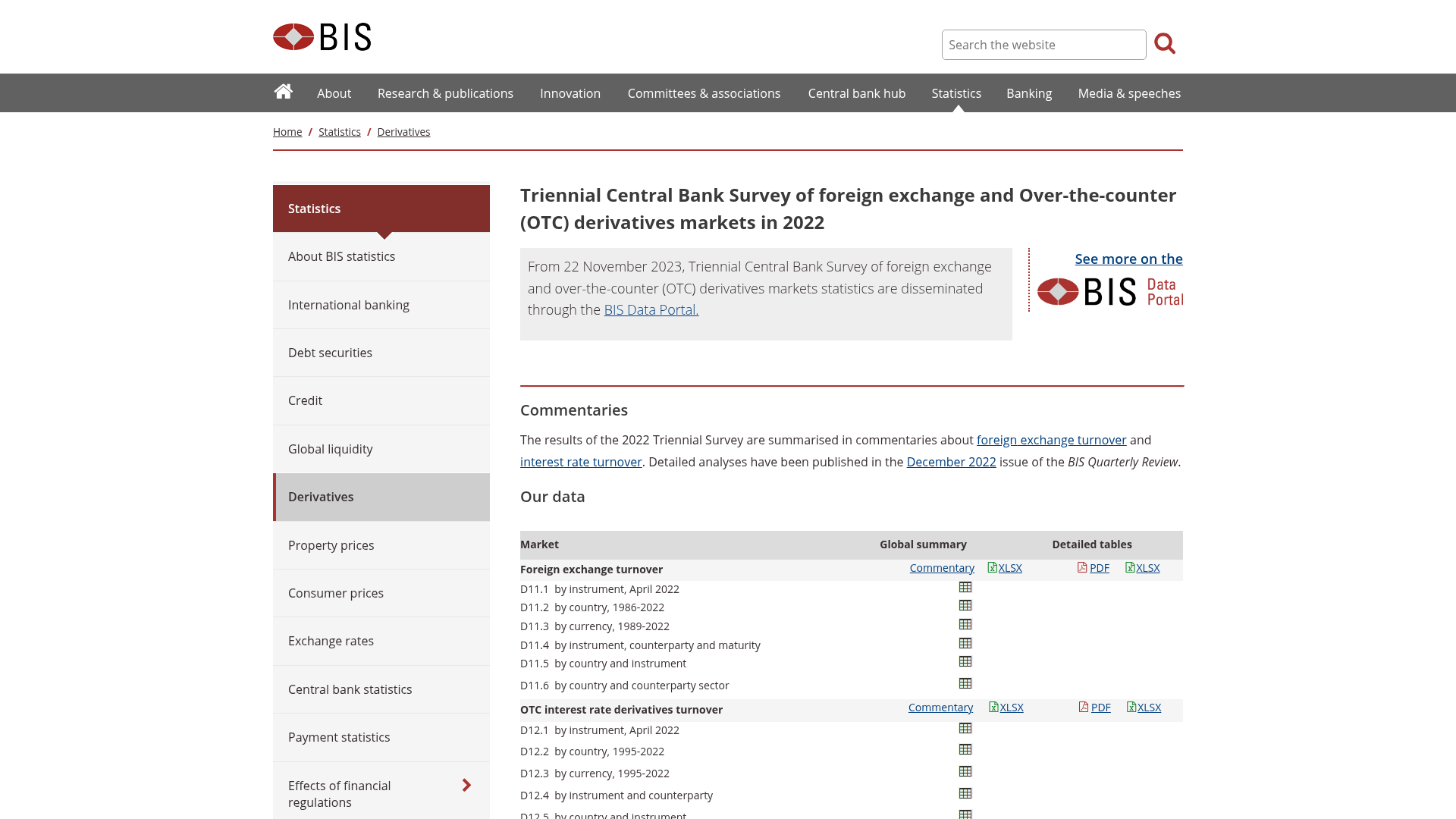
ภาพหน้าจอของหน้าเว็บทางการที่มาของกฎระเบียบในคู่มือนี้ เปิดดูด้วยตัวคุณเอง — คำพูดของหน่วยงานกำกับดูแลย่อมดีกว่าสรุปเสมอ
คำถามที่พบบ่อย
แหล่งที่มา
ที่มา
- BIS — Foreign exchange market structurebis.org
- CFTC — Forex trading basics for consumerscftc.gov
- Federal Reserve H.10 foreign exchange ratesfederalreserve.gov
- ECB euro reference ratesecb.europa.eu
- FCA — Contract for difference productsfca.org.uk
เขียนโดย Elena Marsh
หัวหน้าผู้สอนเราเขียนบทเรียน forex ที่มีโครงสร้างและเข้าใจง่ายสำหรับผู้เริ่มต้น เน้นความเข้าใจเป็นอันดับแรกเสมอ — และไม่ใช่คำแนะนำทางการเงิน เนื้อหาหลักสูตรอยู่ใน หลักสูตร.
เรียนรู้ต่อไป
เส้นทางต่อไป
คู่มือที่เกี่ยวข้องกับหน้านี้มากที่สุด เรียงตามลำดับที่ต่อยอดจากหน้านี้ แต่ละคู่มือเป็นเนื้อหาที่สมบูรณ์ในตัวเอง และไม่มีคู่มือใดที่ถือว่าคุณอ่านหน้านี้จบแล้ว
- เจาะลึกค่าธรรมเนียม Triple Forex Swap ในวันพุธค่าธรรมเนียมสามเท่าที่น่าประหลาดใจที่คุณเห็นในใบแจ้งยอด forex ของวันพุธนั้นไม่ใช่ความผิดพลาด แต่เป็นกลไกที่จงใจและคำนวณมาอย่างดี…
- เจาะลึกต้นทุนที่แท้จริง: การแปลง Pip Spreads ให้เป็นเงินดอลลาร์ในการเทรดของคุณการทำความเข้าใจมูลค่าทางการเงินที่แท้จริงของ pip spread เป็นสิ่งสำคัญ…
- Majors, Minors, และ Crosses: ทำความเข้าใจป้ายกำกับคู่สกุลเงินการทำความเข้าใจประเภทต่างๆ ของคู่สกุลเงินเป็นสิ่งสำคัญสำหรับเทรดเดอร์ forex ทุกคน ซึ่งส่งผลโดยตรงต่อความเสี่ยง สภาพคล่อง…
- Base Currency และ Quote Currency: ทำความเข้าใจ EUR/USD จากซ้ายไปขวาไขความลับคู่สกุลเงินเช่น EUR/USD โดยการเรียนรู้วิธีอ่านอัตราแลกเปลี่ยน ระบุ Base Currency และ Quote Currency และทำความเข้าใจ spread…
- การกำหนดขนาดการเทรดคู่เงินเยนในบัญชีสกุลเงินดอลลาร์อย่างถูกต้องการเทรดคู่เงินเยนต้องใช้การคำนวณที่เฉพาะเจาะจงสำหรับมูลค่า pip และ margin ในบัญชีที่กำหนดเป็นสกุลเงินดอลลาร์…