คู่มือ · 10 นาทีในการอ่าน · 2,938 words
คู่สกุลเงิน Major, Minor และ Cross: ทำความเข้าใจประเภทของคู่สกุลเงิน
การทำความเข้าใจประเภทต่างๆ ของคู่สกุลเงินเป็นสิ่งสำคัญสำหรับเทรดเดอร์ forex ทุกคน ซึ่งส่งผลโดยตรงต่อความเสี่ยง สภาพคล่อง และโอกาสในการทำกำไร

ประเด็นสำคัญ
- คู่สกุลเงิน major มีเงินดอลลาร์สหรัฐฯ เป็นส่วนประกอบ และมีสภาพคล่องสูงสุดและ spread ที่แคบที่สุด
- คู่สกุลเงิน minor หรือที่เรียกว่า cross ไม่รวมเงินดอลลาร์สหรัฐฯ แต่เกี่ยวข้องกับสกุลเงินหลักอื่นๆ
- คู่สกุลเงิน exotic ประกอบด้วยสกุลเงินหลักหนึ่งสกุลและสกุลเงินจากประเทศเศรษฐกิจขนาดเล็กหรือกำลังพัฒนา ซึ่งนำไปสู่ spread ที่กว้างขึ้นและความผันผวนที่สูงขึ้น
- สภาพคล่องส่งผลโดยตรงต่อต้นทุนการเทรด สภาพคล่องที่สูงขึ้นมักจะหมายถึง spread bid-ask ที่แคบลง
- ข่าวเศรษฐกิจจากประเทศของสกุลเงินหลักหรือสกุลเงินอ้างอิงสามารถทำให้คู่สกุลเงินเคลื่อนไหวอย่างมีนัยสำคัญ โดยไม่คำนึงถึงประเภทของคู่สกุลเงินนั้น
- การเลือกคู่สกุลเงินของคุณควรสอดคล้องกับระดับความเสี่ยงที่ยอมรับได้ กลยุทธ์การเทรด และเงินทุนที่มีอยู่ของคุณ
เมื่อ EUR/USD ไม่ใช่แค่ EUR และ USD
เมื่อคุณมองเห็นราคาคู่สกุลเงินที่ปรากฏบนหน้าจอเทรดเป็นครั้งแรก คุณอาจเห็น EUR/USD ที่ 1.0850 ดูเหมือนง่ายพอสมควร มีรหัสสกุลเงินสองตัวคั่นด้วยเครื่องหมายทับและตัวเลข แต่สิ่งนั้นหมายความว่าอย่างไรกันแน่ มันบอกคุณว่าคุณต้องใช้สกุลเงินที่สอง หรือสกุลเงินอ้างอิง เท่าไหร่ เพื่อให้ได้หนึ่งหน่วยของสกุลเงินแรก หรือสกุลเงินหลัก ดังนั้น หาก EUR/USD อยู่ที่ 1.0850 หมายความว่าหนึ่งยูโรจะซื้อเงินดอลลาร์สหรัฐฯ ได้ 1.0850 ดอลลาร์ ทุกธุรกรรม forex เกี่ยวข้องกับการซื้อสกุลเงินหนึ่งและขายอีกสกุลเงินหนึ่งพร้อมกัน คุณไม่ได้แค่ 'ซื้อ EUR' แต่คุณซื้อ EUR ด้วย USD นั่นคือเหตุผลที่พวกมันมาเป็นคู่เสมอ
โครงสร้างพื้นฐานนี้มีความสำคัญอย่างยิ่ง สกุลเงินหลักมักจะเป็น 'หนึ่งหน่วย' ที่คุณใช้วัดค่า ลองนึกถึงการซื้อแอปเปิล: คุณพูดว่า 'แอปเปิลราคา $2 ต่อปอนด์' ในที่นี้ แอปเปิลคือสกุลเงินหลัก และดอลลาร์ต่อปอนด์คือสกุลเงินอ้างอิง ในตลาด forex ก็เป็นแนวคิดเดียวกัน เพียงแต่เป็นสกุลเงินแทนผลผลิต คุณกำลังแสดงมูลค่าของสกุลเงินหลักในรูปของสกุลเงินอ้างอิงเสมอ การทำความเข้าใจแนวคิดนี้เป็นขั้นตอนแรกสู่การทำความเข้าใจประเภทต่างๆ ของคู่สกุลเงินที่คุณจะได้พบอย่างแท้จริง
เป็นเรื่องง่ายที่จะสับสนกับจำนวนคู่สกุลเงินที่มีให้เทรดมากมาย โบรกเกอร์อย่าง Pepperstone หรือ OANDA มีคู่สกุลเงินให้เลือกหลายสิบ หรืออาจเป็นร้อยคู่ แต่คู่สกุลเงินทุกคู่ไม่ได้ถูกสร้างขึ้นมาเท่าเทียมกัน พวกมันมีพฤติกรรมที่แตกต่างกัน มีระดับกิจกรรมที่แตกต่างกัน และมีต้นทุนที่แตกต่างกัน ความแตกต่างเหล่านี้ส่วนใหญ่มาจากปฏิสัมพันธ์ของเศรษฐกิจพื้นฐานและปริมาณการค้าที่ไหลเวียนระหว่างกัน นั่นคือเหตุผลที่เราจัดหมวดหมู่พวกมันออกเป็น major, minor และ cross – ไม่ใช่แค่เพื่อความเป็นระเบียบเรียบร้อยเท่านั้น แต่เพราะป้ายกำกับเหล่านี้บอกอะไรคุณได้มากมายเกี่ยวกับสิ่งที่คุณคาดหวังได้เมื่อคุณเทรดพวกมัน
ผู้เล่นรายใหญ่: อะไรทำให้คู่สกุลเงิน Major เป็น 'Major'
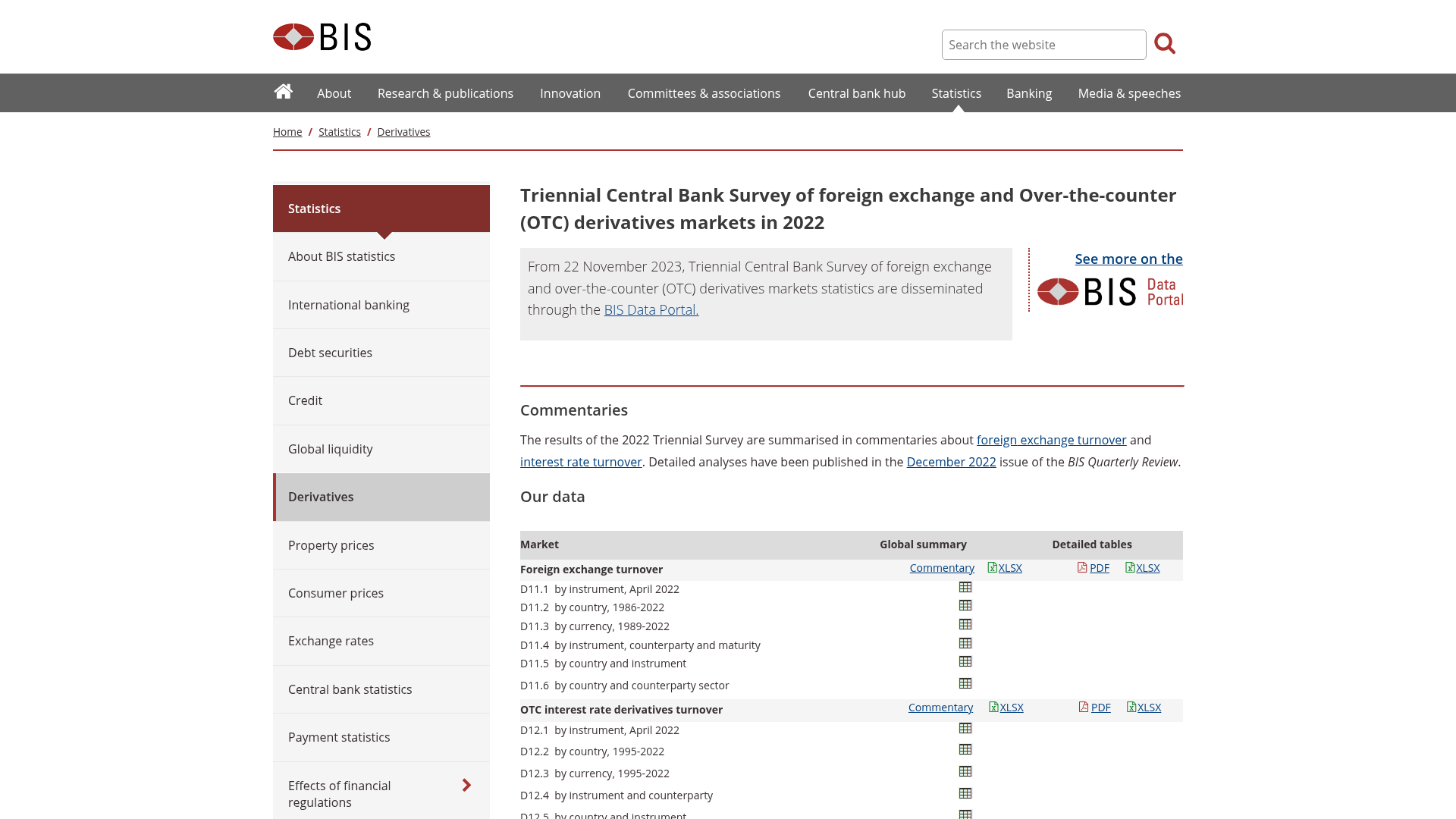
เมื่อเทรดเดอร์พูดถึงคู่สกุลเงิน 'major' พวกเขากำลังอ้างถึงกลุ่มคู่สกุลเงินเฉพาะที่เกี่ยวข้องกับเงินดอลลาร์สหรัฐฯ (USD) และสกุลเงินหลักอื่นๆ ของโลก คู่สกุลเงินเหล่านี้เป็นกลไกสำคัญของตลาด forex มีปริมาณการซื้อขายสูงสุดและดึงดูดความสนใจมากที่สุด ลองนึกภาพว่าเป็นทางหลวงสายหลักของการเงินโลก เหตุผลสำหรับสถานะของพวกมันนั้นตรงไปตรงมา: เงินดอลลาร์สหรัฐฯ เป็นสกุลเงินสำรองหลักของโลกและเกี่ยวข้องกับประมาณ 88% ของธุรกรรม forex ทั้งหมด ตามข้อมูลของ Bank for International Settlements (BIS) ความต้องการมหาศาลนี้ส่งผลโดยตรงต่อสภาพคล่องที่สูงสำหรับคู่สกุลเงินใดๆ ที่เกี่ยวข้องกับ USD
ตามธรรมเนียมแล้วมีคู่สกุลเงิน major เจ็ดคู่ ได้แก่ EUR/USD (ยูโร/ดอลลาร์สหรัฐฯ), USD/JPY (ดอลลาร์สหรัฐฯ/เยนญี่ปุ่น), GBP/USD (ปอนด์อังกฤษ/ดอลลาร์สหรัฐฯ), AUD/USD (ดอลลาร์ออสเตรเลีย/ดอลลาร์สหรัฐฯ), USD/CAD (ดอลลาร์สหรัฐฯ/ดอลลาร์แคนาดา), USD/CHF (ดอลลาร์สหรัฐฯ/ฟรังก์สวิส) และ NZD/USD (ดอลลาร์นิวซีแลนด์/ดอลลาร์สหรัฐฯ) คุณจะสังเกตเห็นว่า USD มีอยู่ในทุกคู่ ไม่ว่าจะเป็นสกุลเงินหลักหรือสกุลเงินอ้างอิง สภาพคล่องที่สูงของพวกมันหมายความว่าคุณสามารถเข้าและออกจากเทรดได้อย่างรวดเร็ว โดยมีผลกระทบต่อราคาน้อยที่สุด แม้กระทั่งสำหรับขนาดตำแหน่งที่ใหญ่ นี่เป็นข้อได้เปรียบที่สำคัญสำหรับเทรดเดอร์ เนื่องจากช่วยลดความเสี่ยงของ slippage
เนื่องจากคู่สกุลเงินเหล่านี้มีการซื้อขายกันอย่างแพร่หลาย โบรกเกอร์จึงมักเสนอ spread ที่แคบที่สุดสำหรับพวกมัน spread ที่แคบหมายถึงความแตกต่างระหว่างราคา bid (เสนอซื้อ) และ ask (เสนอขาย) มีน้อยมาก ซึ่งแปลว่าต้นทุนการทำธุรกรรมสำหรับคุณจะต่ำลง ตัวอย่างเช่น โบรกเกอร์อย่าง IC Markets ซึ่งเป็นที่รู้จักในด้าน spread ที่แข่งขันได้ จะเสนอราคาที่น่าสนใจที่สุดสำหรับคู่สกุลเงิน major เสมอ นี่ไม่ใช่การกุศล แต่เป็นเพียงการสะท้อนถึงกลุ่มผู้ซื้อและผู้ขายจำนวนมากที่เคลื่อนไหวอย่างต่อเนื่องในตลาดเหล่านี้ หากคุณเพิ่งเริ่มต้น คู่สกุลเงิน major มักจะถูกแนะนำ เนื่องจากพฤติกรรมที่คาดเดาได้และต้นทุนที่ต่ำกว่าจะมอบสภาพแวดล้อมการเรียนรู้ที่ให้อภัยมากกว่า
นอกเหนือจากดอลลาร์: โลกของคู่สกุลเงิน Cross
ทีนี้ จะเกิดอะไรขึ้นเมื่อสกุลเงินหลักสองสกุลตัดสินใจแลกเปลี่ยนกันโดยไม่เกี่ยวข้องกับเงินดอลลาร์สหรัฐฯ นั่นคือจุดที่ 'cross' เข้ามามีบทบาท คู่สกุลเงินเหล่านี้เป็นคู่สกุลเงินที่ ไม่ มี USD แต่ยังคงมีสกุลเงินหลักสองสกุล ตัวอย่างเช่น EUR/GBP (ยูโร/ปอนด์อังกฤษ), EUR/JPY (ยูโร/เยนญี่ปุ่น) หรือ GBP/JPY (ปอนด์อังกฤษ/เยนญี่ปุ่น) ล้วนเป็นคู่สกุลเงิน cross แบบคลาสสิก พวกมันถูกเรียกว่า 'cross' เพราะในอดีต หากคุณต้องการแลกเปลี่ยนยูโรเป็นเยน คุณจะต้องแปลงยูโรของคุณเป็นดอลลาร์สหรัฐฯ ก่อน จากนั้นจึงแปลงดอลลาร์สหรัฐฯ เหล่านั้นเป็นเยน โดยพื้นฐานแล้ว การเทรดของคุณจะ 'ข้าม' ผ่าน USD
ในปัจจุบัน ด้วยแพลตฟอร์มการเทรดที่ทันสมัยและตลาดระหว่างธนาคารที่ลึกซึ้ง การแปลงสองขั้นตอนแบบนี้ไม่จำเป็นสำหรับเทรดเดอร์แต่ละราย คุณสามารถเทรด EUR/JPY ได้โดยตรงบนแพลตฟอร์มที่โบรกเกอร์อย่าง XM หรือ FxPro จัดหาให้ อย่างไรก็ตาม มรดกของกระบวนการสองขั้นตอนนั้นยังคงส่งผลต่อลักษณะเฉพาะของพวกมัน แม้ว่าคู่สกุลเงิน cross โดยทั่วไปจะมีสภาพคล่อง แต่ก็มักจะมีสภาพคล่องน้อยกว่าคู่สกุลเงิน major ซึ่งหมายความว่า spread อาจจะกว้างขึ้นเล็กน้อย และการเทรดขนาดใหญ่อาจประสบกับ slippage มากขึ้นเล็กน้อยเมื่อเทียบกับการเทรด EUR/USD
การเทรดคู่สกุลเงิน cross มีข้อได้เปรียบเฉพาะ: ช่วยให้คุณสามารถเก็งกำไรความแข็งแกร่งสัมพัทธ์ของสกุลเงินที่ไม่ใช่ USD สองสกุลได้โดยตรง หากคุณมีความเห็นที่ชัดเจนว่ายูโรจะทำผลงานได้ดีกว่าปอนด์อังกฤษ การเทรด EUR/GBP จะแสดงมุมมองนั้นโดยไม่ได้รับอิทธิพลจากความแข็งแกร่งหรือความอ่อนแอของเงินดอลลาร์สหรัฐฯ สิ่งนี้สามารถทำให้การวิเคราะห์ของคุณง่ายขึ้น ทำให้คุณสามารถมุ่งเน้นไปที่ปัจจัยพื้นฐานทางเศรษฐกิจของสองภูมิภาคเท่านั้น นอกจากนี้ยังเปิดโอกาสที่อาจไม่ปรากฏให้เห็นเมื่อมองเฉพาะคู่สกุลเงินที่เน้น USD เท่านั้น
คู่สกุลเงิน Major และ Cross ที่พบบ่อย
| คู่สกุลเงิน | ประเภท | ตัวอย่าง Average Spread (pips) |
|---|---|---|
| EUR/USD | คู่สกุลเงินหลัก | 0.6 - 1.2 |
| USD/JPY | คู่สกุลเงินหลัก | 0.7 - 1.5 |
| GBP/USD | คู่สกุลเงินหลัก | 1.0 - 1.8 |
| AUD/USD | คู่สกุลเงินหลัก | 0.8 - 1.6 |
| USD/CAD | คู่สกุลเงินหลัก | 1.2 - 2.0 |
| EUR/GBP | คู่สกุลเงินรอง | 1.0 - 2.0 |
| EUR/JPY | คู่สกุลเงินรอง | 1.5 - 2.5 |
| GBP/JPY | คู่สกุลเงินรอง | 2.0 - 3.5 |
คู่สกุลเงินนอกกระแส: ทำความรู้จักคู่สกุลเงิน Exotic
นอกเหนือจากคู่สกุลเงินหลักและคู่สกุลเงินรอง คุณจะพบกับคู่สกุลเงิน 'Exotic' คู่สกุลเงินเหล่านี้ประกอบด้วยสกุลเงินหลักหนึ่งสกุลและสกุลเงินจากประเทศที่มีขนาดเศรษฐกิจเล็กกว่า กำลังพัฒนา หรือเศรษฐกิจเกิดใหม่ ลองนึกถึงคู่สกุลเงินเช่น USD/TRY (ดอลลาร์สหรัฐฯ/ลีราตุรกี), EUR/ZAR (ยูโร/แรนด์แอฟริกาใต้) หรือ JPY/NOK (เยนญี่ปุ่น/โครนนอร์เวย์) คำว่า 'Exotic' ไม่ได้หมายความว่าคู่สกุลเงินเหล่านี้แปลกหรือผิดปกติในทางลบ แต่หมายถึงปริมาณการซื้อขายที่ต่ำกว่าและมักจะมีความผันผวนที่สูงกว่าเมื่อเทียบกับคู่สกุลเงินหลักและรอง
ลักษณะเหล่านี้มีที่มาจากเหตุผลที่สมเหตุสมผล เศรษฐกิจของประเทศที่ออกสกุลเงิน Exotic มักจะมีขนาดเล็กกว่า และสกุลเงินของประเทศเหล่านี้ไม่ได้ถูกใช้แพร่หลายในการค้าระหว่างประเทศหรือเป็นสินทรัพย์สำรอง ซึ่งนำไปสู่สภาพคล่องที่เบาบางกว่ามาก ลองจินตนาการถึงการพยายามขายสินค้าแฮนด์เมดที่ไม่เหมือนใคร เทียบกับการขายสินค้าที่ผลิตจำนวนมาก ตลาดสำหรับสินค้าแฮนด์เมดมีขนาดเล็กกว่า และการหาผู้ซื้อในราคาที่คุณต้องการอาจใช้เวลานานขึ้น หรือต้องลดราคาลงมาก เช่นเดียวกันกับคู่สกุลเงิน Exotic จำนวนผู้เข้าร่วมน้อยลงหมายความว่าการจับคู่ผู้ซื้อและผู้ขายทำได้ยากขึ้นอย่างรวดเร็ว โดยเฉพาะอย่างยิ่งสำหรับการซื้อขายที่มีขนาดใหญ่
สภาพคล่องที่ต่ำกว่านี้ส่งผลโดยตรงต่อนักเทรด spread ของคู่สกุลเงิน Exotic กว้างกว่าอย่างมีนัยสำคัญเมื่อเทียบกับคู่สกุลเงินหลักหรือคู่สกุลเงินรอง ในขณะที่ EUR/USD อาจมี spread เพียง 1 pip, USD/TRY อาจมี spread ถึง 15-20 pips หรือมากกว่านั้นได้อย่างง่ายดาย ขึ้นอยู่กับสภาวะตลาดและโบรกเกอร์ ต้นทุนการทำธุรกรรมที่สูงขึ้นนี้หมายความว่าคุณต้องมีการเคลื่อนไหวของราคาในทิศทางที่คุณต้องการมากขึ้น เพื่อให้ถึงจุดคุ้มทุนในการเทรด คู่สกุลเงิน Exotic ยังมีความผันผวนสูงมาก โดยมีการเคลื่อนไหวของราคาที่รวดเร็วและรุนแรง อันเนื่องมาจากเหตุการณ์ทางเศรษฐกิจหรือการเมืองภายในประเทศ แม้ว่าสิ่งนี้จะสามารถนำเสนอโอกาสในการทำกำไรที่สูงขึ้นสำหรับนักเทรดที่มีประสบการณ์ แต่ก็มาพร้อมกับความเสี่ยงที่สูงขึ้นอย่างมาก โบรกเกอร์อย่าง AvaTrade และ Exness มีคู่สกุลเงิน Exotic ให้เลือกหลากหลาย แต่โดยปกติแล้วจะมาพร้อมกับคำเตือนที่ชัดเจนเกี่ยวกับความเสี่ยงที่เพิ่มขึ้น
ทำไมสภาพคล่องจึงสำคัญกว่าที่คุณคิด
สภาพคล่องเป็นแนวคิดที่เรียบง่ายแต่มีความสำคัญอย่างยิ่งต่อการเทรดของคุณ กล่าวคือ เป็นความง่ายในการซื้อหรือขายสินทรัพย์ในราคาตลาดปัจจุบัน โดยไม่ทำให้เกิดการเปลี่ยนแปลงราคาอย่างมีนัยสำคัญ ในตลาด Forex สภาพคล่องสูงหมายถึงมีผู้ซื้อและผู้ขายจำนวนมากที่เคลื่อนไหวสำหรับคู่สกุลเงินใดคู่สกุลเงินหนึ่งตลอดเวลา ซึ่งช่วยให้คำสั่งซื้อขายได้รับการดำเนินการอย่างรวดเร็วและมีประสิทธิภาพ ใกล้เคียงกับราคาที่เสนอ ลองนึกภาพตลาดปลาที่คึกคักเทียบกับร้านขายของเก่าที่เงียบสงบ ในตลาดปลา คุณสามารถซื้อหรือขายปลาได้อย่างรวดเร็วเสมอ เพราะมีการเคลื่อนไหวตลอดเวลา แต่ร้านขายของเก่าอาจมีผู้ซื้อน้อยกว่า ดังนั้นการขายสินค้าอาจใช้เวลานานขึ้น หรือต้องยอมลดราคา
สำหรับคู่สกุลเงิน สภาพคล่องมีความสัมพันธ์โดยตรงกับ 'ความแคบ' ของ spread spread คือส่วนต่างระหว่างราคา Bid (ราคาที่คุณสามารถขายได้) และราคา Ask (ราคาที่คุณสามารถซื้อได้) spread ที่แคบหมายถึงต้นทุนการทำธุรกรรมของคุณต่ำลง เมื่อคุณส่งคำสั่ง Market Order สำหรับคู่สกุลเงินที่มีสภาพคล่องสูง เช่น EUR/USD คำสั่งของคุณจะถูกจับคู่กับคำสั่งตรงข้ามเกือบจะทันที และการเทรดของคุณจะถูกดำเนินการใกล้เคียงกับราคาที่แสดง การดำเนินการที่คาดการณ์ได้นี้คือสิ่งที่เทรดเดอร์ทุกคนต้องการ
ในทางตรงกันข้าม สภาพคล่องต่ำ ซึ่งมักพบในคู่เงิน Exotic หรือในช่วงนอกเวลาทำการซื้อขายสำหรับคู่เงินใดๆ อาจนำไปสู่ spread ที่กว้างขึ้นและ 'slippage' ที่มากขึ้น Slippage เกิดขึ้นเมื่อคำสั่งของคุณถูกดำเนินการในราคาที่แตกต่างจากราคาที่คุณร้องขอ ซึ่งมักจะแย่กว่า เนื่องจากไม่มีคำสั่งตรงข้ามเพียงพอในราคาที่คุณต้องการ ปัญหานี้จะยิ่งรุนแรงเป็นพิเศษในช่วงเหตุการณ์ข่าวที่เคลื่อนไหวเร็ว ลองจินตนาการว่าคุณต้องการขายคู่เงิน Exotic จำนวน 100,000 หน่วย หากไม่มีผู้ซื้อเพียงพอที่ต้องการรับจำนวนหน่วยมากเท่าที่คุณร้องขอ คำสั่งของคุณอาจถูกเติมเต็มที่ราคาที่แย่ลงเรื่อยๆ หลายราคา ซึ่งจะกัดกินกำไรที่เป็นไปได้ของคุณ หรือทำให้ขาดทุนมากขึ้น นี่คือส่วนที่คู่มือส่วนใหญ่มักจะข้ามไป: ในทางปฏิบัติแล้ว โต๊ะซื้อขายจะสอบถามซ้ำสองครั้งเพื่อยืนยันคำสั่งซื้อขายคู่เงิน Exotic ขนาดใหญ่
ทางเลือกที่แย่ที่สุดสำหรับผู้เริ่มต้นคือการกระโดดเข้าสู่คู่สกุลเงิน exotic ทันที โดยคิดว่าการเคลื่อนไหวครั้งใหญ่หมายถึงการทำเงินได้ง่าย นี่คือเส้นทางลัดสู่การสูญเสียเงินทุนในการเทรดของคุณ
Spread: ต้นทุนในการดำเนินธุรกิจของคุณ
spread เป็นต้นทุนที่คุณจ่ายให้กับโบรกเกอร์เพื่อดำเนินการซื้อขาย เป็นวิธีที่โบรกเกอร์สร้างรายได้ นอกเหนือจากค่าคอมมิชชัน สำหรับบัญชีหลายประเภท การทำความเข้าใจว่า spread แตกต่างกันอย่างไรในแต่ละประเภทคู่สกุลเงินเป็นสิ่งสำคัญอย่างยิ่งในการจัดการต้นทุนการเทรดของคุณ และท้ายที่สุดคือผลกำไรของคุณ ดังที่เราได้กล่าวไปแล้ว คู่เงิน Major มักจะมี spread ที่แคบที่สุดเนื่องจากมีสภาพคล่องสูง นี่เป็นข้อได้เปรียบอย่างมากสำหรับเทรดเดอร์ โดยเฉพาะผู้ที่เทรดบ่อยครั้ง หรือใช้กลยุทธ์เช่น scalping ซึ่งแม้แต่เศษส่วนของ pip ก็สามารถส่งผลกระทบอย่างมีนัยสำคัญต่อผลลัพธ์ได้
พิจารณาคู่เงิน Major เช่น EUR/USD ในช่วงเวลาทำการซื้อขายที่คึกคัก โบรกเกอร์หลายรายจะเสนอ spread ที่ต่ำเพียง 0.6 ถึง 1.2 pip ทีนี้ ลองเปรียบเทียบกับคู่เงิน Cross เช่น GBP/JPY ซึ่ง spread อาจอยู่ในช่วง 2.0 ถึง 3.5 pip ความแตกต่างของต้นทุนมีนัยสำคัญ หากคุณกำลังเทรด Standard Lot (100,000 หน่วย) spread 1 pip จะมีค่าใช้จ่าย $10 (สมมติว่า USD เป็นสกุลเงิน Quote) spread 3 pip จะมีค่าใช้จ่าย $30 นั่นคือต้นทุนการทำธุรกรรมที่สูงกว่าสามเท่าสำหรับขนาดการเทรดที่เท่ากัน
เมื่อคุณเปลี่ยนไปเทรดคู่เงิน Exotic spread จะกว้างขึ้นอย่างมาก ยกตัวอย่าง USD/MXN (ดอลลาร์สหรัฐ/เปโซเม็กซิกัน) คุณอาจเห็น spread ที่สูงกว่า 10 หรือ 15 pip เป็นประจำ บางครั้งอาจพุ่งสูงขึ้นมากในช่วงที่มีความผันผวน หรือนอกเวลาทำการซื้อขายที่มีสภาพคล่อง หากคุณจ่าย 15 pip เพื่อเข้าและออกจากเทรด คุณจำเป็นต้องให้ตลาดเคลื่อนไหว 15 pip ในทิศทางที่คุณต้องการ เพื่อให้เท่าทุนจาก spread เพียงอย่างเดียว สิ่งนี้จะเพิ่มเป้าหมายกำไรของคุณอย่างมีประสิทธิภาพ และจำกัดความแคบของ Stop-Loss ของคุณ ควรตรวจสอบ spread เฉลี่ยของโบรกเกอร์สำหรับคู่เงินที่คุณตั้งใจจะเทรดเสมอ เว็บไซต์เช่น FOREX.com แสดง spread ทั่วไปอย่างเปิดเผย ซึ่งช่วยให้คุณเปรียบเทียบต้นทุนได้โดยตรง
ความผันผวน ข่าวสาร และเวลาทำการซื้อขาย
นอกเหนือจากสภาพคล่องและ spread แล้ว การจัดประเภทของคู่สกุลเงินยังให้เบาะแสเกี่ยวกับความผันผวนทั่วไปและการตอบสนองต่อเหตุการณ์ข่าวสารอีกด้วย คู่เงิน Major แม้จะมี spread ที่แคบ แต่ก็ยังสามารถมีความผันผวนสูงได้ โดยเฉพาะอย่างยิ่งในช่วงที่มีการประกาศข้อมูลเศรษฐกิจที่สำคัญ ลองนึกถึงสำนักงานสถิติแรงงานสหรัฐฯ ที่ประกาศรายงานสถานการณ์การจ้างงาน (non-farm payrolls) รายงานประจำเดือนนี้มักทำให้เกิดการเคลื่อนไหวของราคาหลาย pip อย่างรวดเร็วในคู่เงิน USD ทั้งหมดภายในไม่กี่วินาทีหลังจากการประกาศ เทรดเดอร์มักจะพยายามใช้ประโยชน์จากการเคลื่อนไหวเหล่านี้ แต่การเปลี่ยนแปลงอย่างกะทันหันก็สามารถกระตุ้น Stop-Loss ได้อย่างรวดเร็วเช่นกัน
คู่เงิน Cross มักจะมีจังหวะการเคลื่อนไหวของตัวเอง ซึ่งมักได้รับอิทธิพลจากช่วงเวลาทำการซื้อขายที่ทับซ้อนกันของสกุลเงินที่เกี่ยวข้อง ตัวอย่างเช่น EUR/JPY อาจเห็นกิจกรรมและความผันผวนเพิ่มขึ้นเมื่อทั้งตลาดลอนดอนและโตเกียวเปิดทำการ หรือเมื่อมีการประกาศข้อมูลเศรษฐกิจที่สำคัญจากยูโรโซนหรือญี่ปุ่น การเคลื่อนไหวของคู่เงินเหล่านี้มักไม่ค่อยเชื่อมโยงโดยตรงกับข้อมูลเศรษฐกิจของสหรัฐฯ ซึ่งเปิดโอกาสให้เกิดการเทรดที่แตกต่างกันโดยไม่ขึ้นอยู่กับผลการดำเนินงานของดอลลาร์สหรัฐฯ อย่างไรก็ตาม คู่เงิน Cross บางคู่ เช่น GBP/JPY มีชื่อเสียงในด้านความผันผวนสูง โดยมักจะมีการเคลื่อนไหวของราคาที่ใหญ่กว่าคู่เงิน Major หรือ Cross อื่นๆ ในวันปกติ
คู่เงิน Exotic ดังที่กล่าวไปแล้ว โดยทั่วไปแล้วมีความผันผวนมากที่สุด การเคลื่อนไหวของราคาอาจไม่แน่นอนและกะทันหัน ซึ่งขับเคลื่อนโดยข่าวสารในท้องถิ่น การพัฒนาทางการเมือง หรือแม้แต่การเปลี่ยนแปลงกระแสเงินทุนในเศรษฐกิจขนาดเล็ก การตัดสินใจอัตราดอกเบี้ยของธนาคารกลางในตุรกี หรือการประกาศนโยบายการค้าใหม่ในแอฟริกาใต้ สามารถทำให้ USD/TRY หรือ EUR/ZAR พุ่งขึ้นหรือดิ่งลงอย่างรวดเร็วภายในไม่กี่นาที โดยมีช่องว่างขนาดใหญ่ระหว่างราคา แม้จะดึงดูดใจด้วยศักยภาพในการทำกำไรสูง แต่ความผันผวนสูงนี้ก็หมายถึงความเสี่ยงที่สูงขึ้น และโอกาสในการขาดทุนอย่างรวดเร็วและมีนัยสำคัญ หากการเทรดเคลื่อนไหวสวนทางกับคุณ คุณต้องพิจารณาปฏิทินเศรษฐกิจเฉพาะสำหรับสกุลเงินทั้งสองในคู่เงิน Exotic ก่อนที่จะคิดถึงการเทรดด้วยซ้ำ
ลักษณะทั่วไปของประเภทคู่สกุลเงิน
| ลักษณะ | คู่เงิน Major | คู่เงิน Cross (Minor) | คู่เงิน Exotic |
|---|---|---|---|
| สภาพคล่อง | สูงมาก | สูงถึงปานกลาง | ต่ำ |
| Spread เฉลี่ย | แคบมาก | ปานกลาง | กว้าง |
| ความผันผวน | ปานกลางถึงสูง | ปานกลางถึงสูง | สูงมาก |
| ผลกระทบจากข่าว | สูง (เน้นข่าวทั่วโลก) | ปานกลาง (เน้นข่าวภูมิภาค) | สูง (เน้นข่าวในประเทศ) |
| ชั่วโมงการซื้อขาย | กิจกรรมสูงสุด 24/5 | ช่วงเวลาที่มีกิจกรรมสูงสุดทับซ้อนกัน | ช่วงเวลาที่มีกิจกรรมสูงสุดเฉพาะในประเทศ |
มาร์จิ้น เลเวอเรจ และต้นทุนการถือครองสถานะ
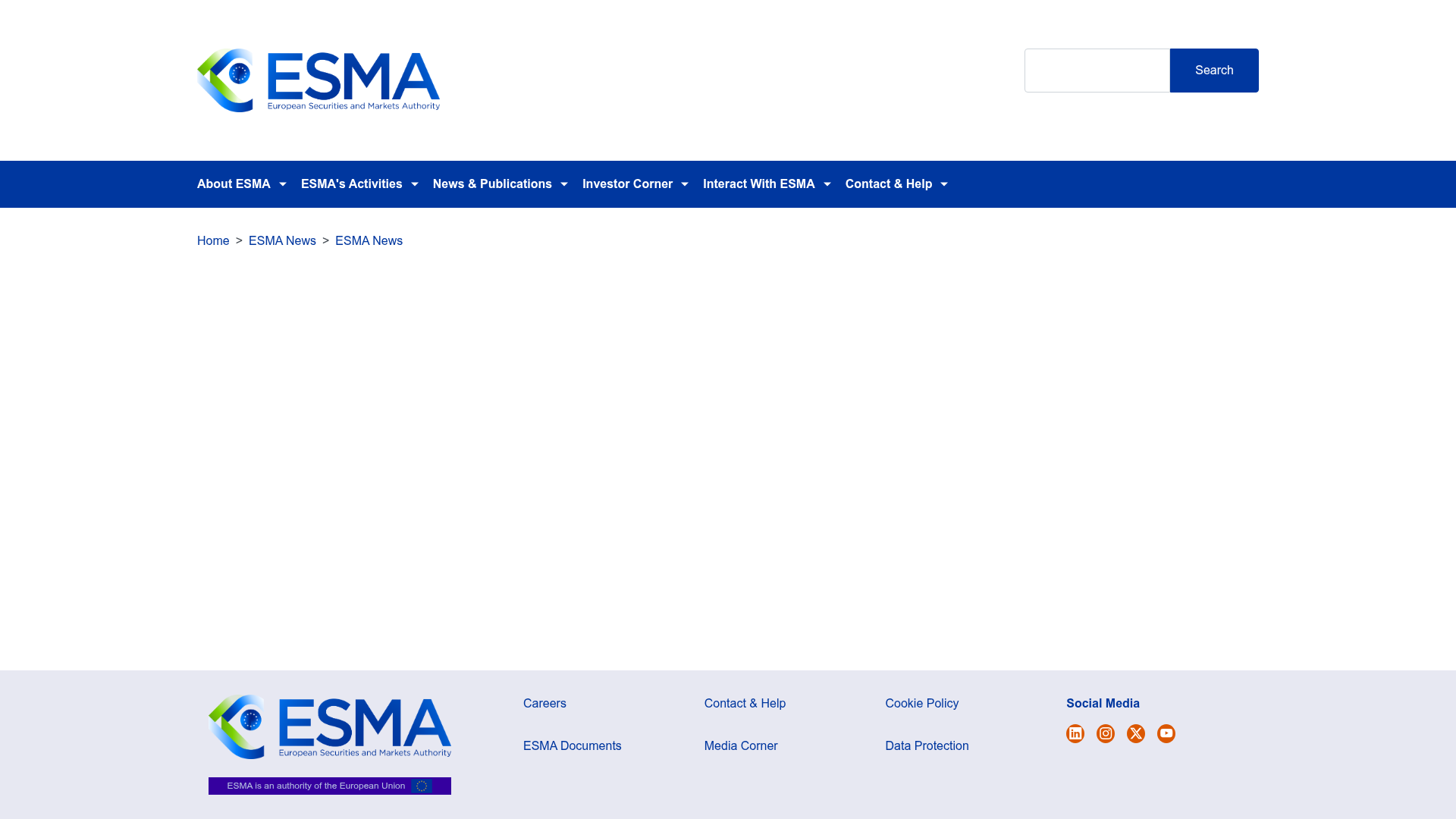
การทำความเข้าใจว่าคู่สกุลเงินที่คุณเลือกส่งผลต่อมาร์จิ้นและเลเวอเรจอย่างไร ถือเป็นอีกหนึ่งส่วนสำคัญของการเทรด เมื่อคุณเทรดฟอเร็กซ์ คุณกำลังใช้เลเวอเรจ ซึ่งหมายความว่าคุณสามารถควบคุมสถานะการซื้อขายที่มีขนาดใหญ่กว่ามากได้ด้วยเงินทุนของคุณเองเพียงเล็กน้อย ซึ่งเงินทุนส่วนนี้เรียกว่ามาร์จิ้น กฎระเบียบมีบทบาทสำคัญในเรื่องนี้ ยกตัวอย่างเช่น ลูกค้ารายย่อยในยุโรปที่เทรดภายใต้การกำกับดูแลของ ESMA มักจะถูกจำกัดเลเวอเรจสูงสุดไว้ที่ 1:30 สำหรับคู่สกุลเงินหลัก ซึ่งหมายความว่าสำหรับทุก ๆ €1 ในบัญชีของคุณ คุณสามารถควบคุมมูลค่าสกุลเงินได้ถึง €30
อย่างไรก็ตาม ข้อจำกัดของเลเวอเรจมักจะเปลี่ยนแปลงไปสำหรับคู่สกุลเงินที่มีสภาพคล่องต่ำกว่า สำหรับคู่สกุลเงินครอส เลเวอเรจสูงสุดอาจจะต่ำลง เช่น 1:20 สำหรับคู่สกุลเงินแปลกใหม่ โบรกเกอร์มักจะกำหนดข้อจำกัดเลเวอเรจที่เข้มงวดยิ่งขึ้น บางครั้งอาจต่ำถึง 1:10 หรือแม้แต่ 1:5 ขึ้นอยู่กับคู่สกุลเงินนั้น ๆ และเขตอำนาจการกำกับดูแล นี่เป็นมาตรการป้องกันจากโบรกเกอร์และหน่วยงานกำกับดูแล เพื่อรับทราบถึงความเสี่ยงที่สูงขึ้นที่เกี่ยวข้องกับสินทรัพย์ที่มีความผันผวนและสภาพคล่องต่ำเหล่านี้ เลเวอเรจที่ต่ำลงหมายความว่าคุณต้องใช้มาร์จิ้นมากขึ้นสำหรับขนาดสถานะที่เท่ากัน หากคุณต้องการเทรดสแตนดาร์ดล็อตของคู่สกุลเงินหลักด้วยเลเวอเรจ 1:30 คุณอาจต้องใช้มาร์จิ้นประมาณ $3,333 สำหรับคู่สกุลเงินแปลกใหม่ที่มีเลเวอเรจ 1:10 สแตนดาร์ดล็อตขนาดเดียวกันนั้นจะต้องใช้มาร์จิ้นถึง $10,000
นอกเหนือจากมาร์จิ้นเริ่มต้นแล้ว ให้พิจารณาอัตราสวอป หรือที่เรียกว่าดอกเบี้ยข้ามคืน เมื่อคุณถือสถานะข้ามคืน คุณจะต้องจ่ายหรือได้รับดอกเบี้ยตามส่วนต่างอัตราดอกเบี้ยระหว่างสกุลเงินสองสกุลในคู่นั้น อัตราสวอปเหล่านี้มีความสำคัญอย่างยิ่งสำหรับคู่สกุลเงินแปลกใหม่ ซึ่งส่วนต่างอัตราดอกเบี้ยอาจมีขนาดใหญ่มาก การถือคู่สกุลเงินแปลกใหม่ที่มีอัตราสวอปติดลบเป็นระยะเวลานานสามารถกัดกร่อนกำไรของคุณ หรือแม้กระทั่งเปลี่ยนการเทรดที่ได้กำไรให้กลายเป็นการขาดทุนได้ เพียงเพราะต้นทุนในการถือครองสถานะ ควรตรวจสอบอัตราสวอปสำหรับคู่สกุลเงินใด ๆ ที่คุณวางแผนจะถือเกินหนึ่งวันทำการเสมอ
ข้อมูลเศรษฐกิจขับเคลื่อนตลาดได้อย่างไร
สกุลเงินทุกสกุลสะท้อนถึงเศรษฐกิจพื้นฐานของประเทศนั้น ๆ ดังนั้น การประกาศข้อมูลเศรษฐกิจ การตัดสินใจของธนาคารกลาง และพัฒนาการทางการเมือง จึงเป็นปัจจัยขับเคลื่อนหลักของราคาคู่สกุลเงิน ประเภทของคู่สกุลเงินที่คุณกำลังเทรดจะเป็นตัวกำหนดว่าเหตุการณ์ทางเศรษฐกิจใดที่จะมีผลกระทบมากที่สุด สำหรับคู่สกุลเงินหลักที่เกี่ยวข้องกับดอลลาร์สหรัฐฯ ปฏิทินเศรษฐกิจโลกมีความสำคัญอย่างยิ่ง รายงานที่สำคัญจากสหรัฐฯ, ยูโรโซน, สหราชอาณาจักร, ญี่ปุ่น, ออสเตรเลีย, แคนาดา, สวิตเซอร์แลนด์ และนิวซีแลนด์ ล้วนจะสร้างปฏิกิริยาในคู่สกุลเงินหลักของตน ตัวอย่างเช่น รายงานอัตราเงินเฟ้อที่ออกมาดีกว่าคาดจากยูโรโซน มีแนวโน้มที่จะทำให้เงินยูโรแข็งค่าขึ้นเมื่อเทียบกับดอลลาร์สหรัฐฯ ส่งผลให้ EUR/USD ปรับตัวสูงขึ้น
คู่สกุลเงินครอสก็มีปฏิกิริยาคล้ายกัน แต่การเคลื่อนไหวของพวกมันมักจะได้รับอิทธิพลโดยตรงจากสองเศรษฐกิจที่เกี่ยวข้อง โดยไม่ขึ้นกับข้อมูลของสหรัฐฯ หากคุณกำลังเทรด EUR/GBP คุณจะต้องให้ความสนใจอย่างใกล้ชิดกับรายงานเศรษฐกิจจากยูโรโซนและสหราชอาณาจักร เช่น การตัดสินใจเรื่องอัตราดอกเบี้ยจากธนาคารกลางยุโรป (ECB) หรือธนาคารกลางอังกฤษ (BoE) แม้ว่าความเชื่อมั่นทั่วโลกจะยังมีบทบาทได้ แต่ความสัมพันธ์โดยตรงระหว่างสองเศรษฐกิจมักจะมีความสำคัญกว่า สิ่งนี้เปิดโอกาสให้เทรดประเด็นทางเศรษฐกิจที่เฉพาะเจาะจงได้ โดยปราศจาก 'สัญญาณรบกวน' จากดอลลาร์สหรัฐฯ
คู่สกุลเงินแปลกใหม่มีผลกระทบจากข่าวที่เป็นเอกลักษณ์เฉพาะตัว เนื่องจากเศรษฐกิจของตลาดเกิดใหม่อาจมีความอ่อนไหวต่อการสั่นสะเทือนจากภายในและภายนอกได้ง่ายกว่า ความไม่มั่นคงทางการเมืองในประเทศ ความผันผวนของราคาสินค้าโภคภัณฑ์ (หากเป็นประเทศผู้ส่งออกสินค้าโภคภัณฑ์) หรือการเปลี่ยนแปลงอย่างกะทันหันของการไหลเข้าออกของเงินทุน สามารถทำให้เกิดความผันผวนรุนแรงได้ การขึ้นอัตราดอกเบี้ยอย่างไม่คาดคิดจากธนาคารกลางบราซิล อาจทำให้ USD/BRL ดิ่งลงอย่างรุนแรง ซึ่งมากกว่าที่การประกาศในลักษณะเดียวกันจะส่งผลกระทบต่อคู่สกุลเงินหลัก สิ่งนี้ทำให้การเทรดคู่สกุลเงินแปลกใหม่ในช่วงที่มีข่าวมีความเสี่ยงเป็นพิเศษ เนื่องจากการเคลื่อนไหวของราคาอาจรวดเร็ว คาดเดาไม่ได้ และส่งผลให้เกิดช่องว่างขนาดใหญ่ระหว่างราคาที่เสนอ ควรตรวจสอบปฏิทินเศรษฐกิจเฉพาะของทั้งสองประเทศในคู่สกุลเงินแปลกใหม่เสมอก่อนที่จะพิจารณาทำการเทรด
ปรับกลยุทธ์ของคุณให้เข้ากับคู่สกุลเงินที่เหมาะสม
ด้วยความแตกต่างทั้งหมดในด้านสภาพคล่อง สเปรด ความผันผวน และผลกระทบจากข่าว ทำให้เห็นได้ชัดเจนว่าคู่สกุลเงินทั้งหมดไม่ได้เหมาะกับทุกกลยุทธ์การเทรดหรือเทรดเดอร์ทุกคน การเลือกคู่สกุลเงินของคุณควรสอดคล้องกับระดับความเสี่ยงที่ยอมรับได้ เงินทุน และเวลาที่คุณสามารถทุ่มเทให้กับการวิเคราะห์และติดตาม สำหรับเทรดเดอร์มือใหม่ คู่สกุลเงินหลักเกือบจะเป็นจุดเริ่มต้นที่ดีที่สุดเสมอ สภาพคล่องที่สูง สเปรดที่แคบ และแหล่งข้อมูลการวิเคราะห์ที่มากมาย ทำให้คู่สกุลเงินเหล่านี้ "ให้อภัย" ได้มากกว่า คุณสามารถเรียนรู้กลไกของการเทรดฟอเร็กซ์ได้โดยไม่ต้องเผชิญกับต้นทุนการทำธุรกรรมที่สูงเกินไป หรือความผันผวนที่รุนแรงและคาดเดาไม่ได้
เมื่อคุณได้รับประสบการณ์ คู่สกุลเงินครอสก็เป็นก้าวต่อไปที่มีเหตุผล คู่สกุลเงินเหล่านี้เปิดโอกาสให้คุณกระจายความเสี่ยงในการเทรดและแสดงมุมมองที่ละเอียดอ่อนยิ่งขึ้นต่อเศรษฐกิจที่เฉพาะเจาะจง คู่สกุลเงินครอสอาจมีสเปรดที่กว้างกว่าคู่สกุลเงินหลักเล็กน้อย แต่ก็ยังคงมีสภาพคล่องที่สมเหตุสมผล และโดยทั่วไปแล้วมีการเคลื่อนไหวของราคาที่มั่นคงกว่าคู่สกุลเงินแปลกใหม่ เทรดเดอร์ที่มีประสบการณ์หลายคนพบโอกาสในคู่สกุลเงินครอสเมื่อพวกเขาสังเกตเห็นความแตกต่างอย่างชัดเจนในนโยบายหรือประสิทธิภาพทางเศรษฐกิจระหว่างสองเศรษฐกิจหลักที่ไม่ใช่ดอลลาร์สหรัฐฯ
คู่สกุลเงินแปลกใหม่โดยทั่วไปแล้วควรสงวนไว้สำหรับเทรดเดอร์ที่มีประสบการณ์สูง ซึ่งมีความเข้าใจอย่างลึกซึ้งเกี่ยวกับเศรษฐศาสตร์มหภาคทั่วโลกและตลาดเกิดใหม่ที่เฉพาะเจาะจง คู่สกุลเงินเหล่านี้ต้องการระดับความเสี่ยงที่ยอมรับได้ที่สูงกว่ามาก เงินทุนที่ใหญ่กว่า และความสามารถในการรับมือกับการขาดทุนที่อาจเกิดขึ้นอย่างมีนัยสำคัญ ศักยภาพในการทำกำไรอาจสูงมากเนื่องจากความผันผวนของมัน แต่ความเสี่ยงก็สูงเช่นกัน ทางเลือกที่แย่ที่สุดสำหรับผู้เริ่มต้นคือการกระโดดเข้าสู่คู่สกุลเงินแปลกใหม่ทันที โดยคิดว่าการเคลื่อนไหวครั้งใหญ่หมายถึงการทำเงินง่าย ๆ นี่คือเส้นทางสู่การสูญเสียเงินทุนในการเทรดอย่างรวดเร็ว
ก่อนทำการเทรดใด ๆ ให้พิจารณา: สเปรดทั่วไปสำหรับคู่สกุลเงินนี้คือเท่าไร? ตัวชี้วัดทางเศรษฐกิจใดบ้างที่จะประกาศออกมาสำหรับทั้งสองประเทศในสัปดาห์นี้? มีเลเวอเรจเท่าไรสำหรับคู่สกุลเงินนี้? การตอบคำถามเหล่านี้จะช่วยให้คุณเทรดได้อย่างชาญฉลาดขึ้น ไม่ว่าการจัดประเภทของคู่สกุลเงินจะเป็นอย่างไรก็ตาม
อ่านแหล่งข้อมูลหลัก
ตรวจสอบได้ที่หน่วยงานกำกับดูแล ไม่ใช่ที่เรา
ภาพหน้าจอของหน้าเว็บทางการที่มาของกฎระเบียบในคู่มือนี้ เปิดดูด้วยตัวคุณเอง — คำพูดของหน่วยงานกำกับดูแลย่อมดีกว่าสรุปเสมอ
คำถามที่พบบ่อย
แหล่งที่มา
ที่มา
เขียนโดย Daniel Okafor
ผู้เขียนหลักสูตรเราเขียนบทเรียน forex ที่มีโครงสร้างและเข้าใจง่ายสำหรับผู้เริ่มต้น เน้นความเข้าใจเป็นอันดับแรกเสมอ — และไม่ใช่คำแนะนำทางการเงิน เนื้อหาหลักสูตรอยู่ใน หลักสูตร.
เรียนรู้ต่อไป
เส้นทางต่อไป
คู่มือที่เกี่ยวข้องกับหน้านี้มากที่สุด เรียงตามลำดับที่ต่อยอดจากหน้านี้ แต่ละคู่มือเป็นเนื้อหาที่สมบูรณ์ในตัวเอง และไม่มีคู่มือใดที่ถือว่าคุณอ่านหน้านี้จบแล้ว
- สกุลเงินหลักและสกุลเงินอ้างอิง: ทำความเข้าใจ EUR/USD จากซ้ายไปขวาคลายความสงสัยเกี่ยวกับคู่สกุลเงินอย่าง EUR/USD โดยเรียนรู้วิธีอ่านอัตราแลกเปลี่ยน ระบุสกุลเงินหลักและสกุลเงินอ้างอิง…
- 20 คำแรกของคุณ: แบบทดสอบคำศัพท์ Forexก่อนที่คุณจะทำการซื้อขายแม้แต่ครั้งเดียว การเรียนรู้คำศัพท์พื้นฐานของ Forex…
- ถอดรหัสคู่สกุลเงิน: การเปิดสถานะ Long และ Short ใน Forexการทำความเข้าใจวิธีการซื้อและขายคู่สกุลเงินเป็นพื้นฐานสำคัญของการเทรด Forex…
- เปิดเผยต้นทุนที่แท้จริง: การแปลง Pip Spreads เป็นเงินดอลลาร์ในการเทรดของคุณการทำความเข้าใจมูลค่าทางการเงินที่แท้จริงของ pip spread เป็นสิ่งสำคัญ…
- มือที่มองไม่เห็น: เมื่อการเทรด Forex สองรายการกลายเป็นหนึ่งเดียวเทรดเดอร์จำนวนมากพบว่าตนเองเพิ่มความเสี่ยงโดยไม่ตั้งใจเมื่อคู่สกุลเงินที่ดูเหมือนแตกต่างกันเคลื่อนไหวไปในทิศทางเดียวกัน…