คู่มือ · 11 นาทีในการอ่าน · 2,291 words
การไขความลับของการเทรด: สิ่งที่คนใกล้ชิดของคุณควรรู้จริงๆ เกี่ยวกับการลงทุนในตลาดของคุณ
การอธิบายการเทรดในตลาดให้กับครอบครัวที่กังวล หมายถึงการขจัดศัพท์เฉพาะและมายาคติ โดยเน้นที่กลไก ความเสี่ยง และกลยุทธ์ที่รอบคอบที่เกี่ยวข้อง

ประเด็นสำคัญ
- การเทรดไม่ใช่การพนัน แต่เป็นกิจกรรมที่ใช้ทักษะเกี่ยวข้องกับการคำนวณความเสี่ยงและกลยุทธ์ ซึ่งมักถูกเข้าใจผิดโดยคนภายนอก
- โบรกเกอร์ที่อยู่ภายใต้การกำกับดูแลทำหน้าที่เป็นตัวกลางที่สำคัญ ให้การเข้าถึงตลาดในขณะที่ปฏิบัติตามกฎระเบียบที่เข้มงวดจากหน่วยงานกำกับดูแล เช่น FCA หรือ ASIC
- Leverage (เลเวอเรจ) ขยายทั้งกำไรและขาดทุนที่เป็นไปได้ ต้องมีการบริหารจัดการอย่างระมัดระวัง โดยหน่วยงานกำกับดูแลกำหนดเพดานเพื่อปกป้องนักเทรดรายย่อย
- การบริหารความเสี่ยงที่มีประสิทธิภาพ รวมถึงคำสั่ง stop-loss และการกำหนดขนาด position ที่เหมาะสม มีความสำคัญอย่างยิ่งในการปกป้องเงินทุนและรักษากิจกรรมการเทรด
- การเทรด Forex เกี่ยวข้องกับการเก็งกำไรจากการเคลื่อนไหวของคู่สกุลเงิน ซึ่งขับเคลื่อนโดยข่าวเศรษฐกิจโลกและนโยบายของธนาคารกลาง โดยมีกำไรวัดเป็น pips
- การเทรดที่ประสบความสำเร็จต้องอาศัยวินัย ความอดทน และการเรียนรู้อย่างต่อเนื่อง ห่างไกลจากแนวคิด 'รวยเร็ว' ไปสู่การพัฒนาในระยะยาว
การพูดคุยบนโต๊ะอาหาร: การจัดการกับความกังวล
เป็นสถานการณ์ที่พบบ่อย: คุณเอ่ยถึงคำว่า "เทรด" ในงานรวมญาติ และบรรยากาศก็ตึงเครียดขึ้นมาทันที ทันใดนั้น ก็มีการมองด้วยความกังวล เสียงกระซิบเบาๆ และอาจมีคำถามตรงๆ ที่เต็มไปด้วยความกังวลเกี่ยวกับ "การเอาเงินไปเล่นพนัน" ปฏิกิริยานี้เป็นสิ่งที่เข้าใจได้ สำหรับหลายคน ตลาดการเงินให้ความรู้สึกเหมือนคาสิโนลึกลับ สถานที่ที่โชคชะตาถูกสร้างขึ้นและสูญเสียไปในชั่วข้ามคืน ซึ่งมักเกิดจากโชคมากกว่าทักษะ เรื่องราวที่พาดหัวข่าวส่วนใหญ่มักเกี่ยวข้องกับความล้มเหลวที่น่าตกใจ ไม่ใช่การทำงานอย่างเงียบๆ และขยันขันแข็งของเทรดเดอร์
แต่การรับรู้เช่นนั้นไม่ค่อยสะท้อนความเป็นจริงของการมีส่วนร่วมในตลาดอย่างรอบคอบและมีวินัย ความกังวลที่ครอบครัวของคุณรู้สึกมักเกิดจากการขาดข้อมูลที่ชัดเจน ซึ่งได้รับแรงหนุนจากเรื่องราวที่น่าตื่นเต้นและการไม่คุ้นเคยโดยทั่วไปว่าตลาดการเงินสมัยใหม่ทำงานอย่างไร พวกเขาห่วงใยคุณ และพวกเขาได้ยินเรื่องราวที่ฟังดูมีความเสี่ยง ซับซ้อน และน่ากลัว
เป้าหมายของผมที่นี่คือการช่วยให้คุณเชื่อมช่องว่างนั้นได้ เราจะค่อยๆ แกะศัพท์เฉพาะออก อธิบายขั้นตอนที่ใช้งานได้จริง และชี้แจงเครื่องมือและกลยุทธ์ที่ช่วยจัดการกับความเสี่ยงที่มีอยู่ ลองคิดว่านี่เป็นคู่มือเบื้องต้นที่คุณสามารถใช้ได้ ไม่ว่าคุณจะอธิบายด้วยวาจาหรือแบ่งปันเป็นข้อมูลอ้างอิง เพื่อสร้างความมั่นใจให้กับผู้ที่ห่วงใยคุณ มันเกี่ยวกับการแสดงให้พวกเขาเห็นว่าสิ่งที่คุณทำไม่ใช่การกระทำที่ประมาท แต่เป็นการแสวงหาทักษะและความเข้าใจในสภาพแวดล้อมทั่วโลกที่มีพลวัต
'การเทรด' หมายถึงอะไรกันแน่ นอกเหนือจากกระแสโฆษณา?
โดยพื้นฐานแล้ว การเทรดคือการซื้อบางสิ่งบางอย่างด้วยความคาดหวังว่ามูลค่าของมันจะเพิ่มขึ้น แล้วจึงขายเพื่อทำกำไร หรือคุณอาจขายสิ่งที่คุณไม่ได้เป็นเจ้าของ โดยคาดหวังว่ามูลค่าของมันจะลดลง แล้วซื้อกลับคืนในราคาที่ต่ำกว่าในภายหลัง ซึ่งเป็นแนวคิดที่เรียกว่า "short selling" (การขายชอร์ต) เราไม่ได้พูดถึงสินค้าทางกายภาพ เช่น ของสะสมเหรียญหายาก แต่เป็นตราสารทางการเงิน สิ่งเหล่านี้คือสัญญาดิจิทัลที่แสดงถึงความเป็นเจ้าของหรือมูลค่า
ลองพิจารณาตัวอย่างพื้นฐานมาก: คุณเชื่อว่าสกุลเงินยูโรจะแข็งค่าขึ้นเมื่อเทียบกับดอลลาร์สหรัฐ ดังนั้น คุณอาจซื้อยูโรด้วยดอลลาร์สหรัฐ หากการคาดการณ์ของคุณถูกต้อง และยูโรมีมูลค่าเพิ่มขึ้นเมื่อเทียบกับดอลลาร์ คุณก็จะขายยูโรคืนเพื่อแลกกับดอลลาร์ที่มากกว่าที่คุณใช้ไปในตอนแรก ส่วนต่างคือผลกำไรของคุณ นี่คือแก่นแท้ของการเทรดในตลาด ไม่ว่าจะเป็นสกุลเงิน หุ้นบริษัท หรือสินค้าโภคภัณฑ์ เช่น ทองคำหรือน้ำมัน
ความแตกต่างที่สำคัญจากการพนันโดยสิ้นเชิงอยู่ที่การวิเคราะห์และกลยุทธ์ที่เกี่ยวข้อง นักพนันอาศัยโชค เทรดเดอร์ในอุดมคติอาศัยข้อมูล ตัวชี้วัดทางเศรษฐกิจ รูปแบบทางประวัติศาสตร์ และหลักการบริหารความเสี่ยง มันเป็นทักษะที่พัฒนาขึ้นเมื่อเวลาผ่านไป ไม่ใช่การเสี่ยงทาย คุณกำลังพยายามระบุโอกาสที่ราคาอาจเคลื่อนไหวในลักษณะที่คาดเดาได้ แม้ว่าความสามารถในการคาดเดานั้นจะเป็นเพียงความได้เปรียบเล็กน้อยก็ตาม
ประตูสู่ตลาดของคุณ: บทบาทของโบรกเกอร์
คุณไม่สามารถโทรหาธนาคารกลางแล้วพูดว่า "ผมอยากซื้อยูโร!" ได้ ในการเข้าร่วมตลาดโลกเหล่านี้ คุณต้องมีตัวกลาง นั่นคือโบรกเกอร์ ลองคิดว่าโบรกเกอร์คือตัวแทนทางการเงินที่ได้รับใบอนุญาต ซึ่งให้บริการเทคโนโลยีและโครงสร้างพื้นฐานในการส่งคำสั่งเทรดของคุณ พวกเขาเชื่อมต่อคำสั่งของคุณเข้ากับเครือข่ายขนาดใหญ่ที่สกุลเงิน หุ้น และตราสารอื่นๆ ถูกแลกเปลี่ยน
การเลือกโบรกเกอร์ที่อยู่ภายใต้การกำกับดูแลเป็นสิ่งสำคัญอย่างยิ่ง นี่คือส่วนที่คู่มือส่วนใหญ่มักจะข้ามไป แต่เป็นแนวป้องกันแรกของคุณ โบรกเกอร์ที่มีชื่อเสียง เช่น Pepperstone (ก่อตั้งปี 2010, สำนักงานใหญ่เมลเบิร์น), OANDA (ก่อตั้งปี 1996, สำนักงานใหญ่ในนิวยอร์ก) หรือ XM (ก่อตั้งปี 2009, สำนักงานใหญ่ลิมาสซอล) อยู่ภายใต้การกำกับดูแลของหน่วยงานทางการเงิน ตัวอย่างเช่น Pepperstone ได้รับการกำกับดูแลโดย FCA ในสหราชอาณาจักร และ ASIC ในออสเตรเลีย OANDA ได้รับการกำกับดูแลโดย CFTC/NFA ในสหรัฐอเมริกา และ FCA ในสหราชอาณาจักร XM อยู่ภายใต้การกำกับดูแลของ CySEC ในไซปรัส และ ASIC ในออสเตรเลีย หน่วยงานกำกับดูแลเหล่านี้กำหนดกฎเกณฑ์เพื่อปกป้องลูกค้า เพื่อให้มั่นใจว่าโบรกเกอร์จัดการเงินของคุณอย่างเหมาะสม รักษาเงินทุนที่เพียงพอ และดำเนินงานอย่างโปร่งใส
เมื่อคุณเปิดบัญชีกับโบรกเกอร์ที่อยู่ภายใต้การกำกับดูแล เงินทุนของคุณมักจะถูกเก็บไว้ในบัญชีแยกต่างหาก ซึ่งแยกจากเงินทุนดำเนินงานของโบรกเกอร์เอง ซึ่งหมายความว่าหากโบรกเกอร์ประสบปัญหาทางการเงิน เงินของคุณจะได้รับการคุ้มครอง ตรวจสอบสถานะการกำกับดูแลของโบรกเกอร์บนเว็บไซต์ของหน่วยงานที่เกี่ยวข้องเสมอ เช่น Financial Services Register ของ Financial Conduct Authority ในสหราชอาณาจักร หรือ Professional registers ของ ASIC ในออสเตรเลีย เป็นการตรวจสอบที่ง่ายและฟรีที่ช่วยให้คุณสบายใจได้อย่างมาก
แว่นขยาย: การทำความเข้าใจ Leverage และ Margin
หนึ่งในแนวคิดที่มักก่อให้เกิดความกังวลมากที่สุด และเป็นเช่นนั้นอย่างถูกต้องหากเข้าใจผิด คือ leverage (เลเวอเรจ) Leverage ช่วยให้คุณสามารถควบคุมเงินจำนวนมากในตลาดได้มากกว่าที่คุณมีอยู่ในบัญชีเทรดของคุณจริงๆ ลองนึกภาพเหมือนกับการวางเงินมัดจำเล็กน้อยสำหรับการซื้อที่ใหญ่กว่ามาก ด้วยเงินทุนจำนวนเล็กน้อย (margin ของคุณ) คุณสามารถเปิดการเทรดที่มีมูลค่ามากกว่ามากได้ ตัวอย่างเช่น ด้วย leverage 1:30 เงินฝาก $1,000 ทำให้คุณสามารถควบคุม position มูลค่า $30,000 ได้
ข้อดีคือ หากการเทรดของคุณมีกำไร ผลตอบแทนเป็นเปอร์เซ็นต์จากเงินทุนเริ่มต้นของคุณจะถูกขยายให้ใหญ่ขึ้น อย่างไรก็ตาม ข้อเสียคือการขาดทุนที่อาจเกิดขึ้นก็ถูกขยายให้ใหญ่ขึ้นด้วยปัจจัยเดียวกัน การเคลื่อนไหวของราคาเพียงเล็กน้อยที่สวนทางกับคุณสามารถทำให้ margin เริ่มต้นของคุณหมดไปอย่างรวดเร็ว นี่คือเหตุผลที่ leverage เป็นเครื่องมือที่ทรงพลังที่ต้องใช้ความเคารพอย่างมากและการบริหารจัดการอย่างระมัดระวัง
หน่วยงานกำกับดูแลตระหนักดีถึงความเสี่ยงที่ leverage มีต่อนักเทรดรายย่อย ตัวอย่างเช่น ภายใต้การแทรกแซงของ ESMA (European Securities and Markets Authority) ลูกค้ารายย่อยที่เทรด CFD (Contracts for Difference) ในสหภาพยุโรปถูกจำกัด leverage ไว้ที่ 1:30 สำหรับคู่สกุลเงินหลัก ซึ่งหมายความว่าสำหรับทุกๆ €1 ในบัญชีของคุณ คุณสามารถควบคุมได้ถึง €30 ในตลาด สินทรัพย์อื่นๆ มีเพดานที่ต่ำกว่านั้นอีก ข้อจำกัดนี้ถูกกำหนดขึ้นโดยเฉพาะเพื่อปกป้องนักลงทุนรายบุคคลจากการรับความเสี่ยงที่มากเกินไป การทำความเข้าใจว่า leverage ทำงานอย่างไร และการตระหนักถึงข้อจำกัดด้านกฎระเบียบเหล่านี้ เป็นสิ่งสำคัญพื้นฐานในการบริหารจัดการความเสี่ยงในการเทรดของคุณ
ขีดจำกัด Leverage สูงสุดทั่วไปสำหรับนักเทรดรายย่อย (EU/UK)
| ประเภทตราสาร | Leverage สูงสุด (นักเทรดรายย่อย EU/UK, ESMA/FCA) | มาร์จิ้นที่ต้องใช้ (เป็นเปอร์เซ็นต์) |
|---|---|---|
| คู่สกุลเงินหลัก (เช่น EUR/USD) | 1:30 | 3.33% |
| คู่สกุลเงินรอง, ทองคำ, ดัชนีหลัก | 1:20 | 5.00% |
| สินค้าโภคภัณฑ์อื่น ๆ, ดัชนีรอง | 1:10 | 10.00% |
| หุ้นรายตัว | 1:5 | 20.00% |
| สกุลเงินดิจิทัล | 1:2 | 50.00% |
ตลาดแลกเปลี่ยนเงินตราต่างประเทศทั่วโลก: ฟอเร็กซ์ทำงานอย่างไร
มาเจาะลึกการเทรดฟอเร็กซ์ หรือการแลกเปลี่ยนเงินตราต่างประเทศ ซึ่งเป็นหนึ่งในตลาดที่มีการเคลื่อนไหวและสภาพคล่องสูงที่สุดทั่วโลก เป็นที่ที่สกุลเงินของแต่ละประเทศถูกแลกเปลี่ยนกัน เมื่อคุณเดินทาง คุณจะแลกเปลี่ยนสกุลเงินในประเทศของคุณเป็นสกุลเงินท้องถิ่น การเทรดฟอเร็กซ์ก็คือการทำเช่นนั้นในขนาดที่ใหญ่กว่ามากและเป็นการเก็งกำไร สกุลเงินจะถูกซื้อขายเป็นคู่เสมอ เช่น EUR/USD, GBP/JPY หรือ USD/CAD สกุลเงินแรกในคู่เรียกว่าสกุลเงินหลัก (base currency) และสกุลเงินที่สองเรียกว่าสกุลเงินอ้างอิง (quote currency)
เมื่อคุณเห็นราคาเสนอซื้อขาย เช่น EUR/USD 1.0850 นั่นหมายความว่า 1 ยูโรมีมูลค่าเท่ากับ 1.0850 ดอลลาร์สหรัฐฯ หากคุณเชื่อว่าเงินยูโรจะแข็งค่าขึ้นเมื่อเทียบกับดอลลาร์ คุณก็จะ "ซื้อ" EUR/USD หากคุณเชื่อว่าเงินยูโรจะอ่อนค่าลง คุณก็จะ "ขาย" EUR/USD การเคลื่อนไหวของราคาที่เล็กที่สุดในคู่สกุลเงินเรียกว่า "pip" (percentage in point) สำหรับคู่สกุลเงินส่วนใหญ่ pip คือทศนิยมตำแหน่งที่สี่ (0.0001) ดังนั้น หาก EUR/USD เคลื่อนไหวจาก 1.0850 ไป 1.0851 แสดงว่ามีการเคลื่อนไหวไปหนึ่ง pip
อะไรเป็นสาเหตุที่ทำให้ราคาเหล่านี้เคลื่อนไหว? มีปัจจัยหลายอย่าง ส่วนใหญ่เป็นข่าวเศรษฐกิจ การตัดสินใจเกี่ยวกับอัตราดอกเบี้ยโดยธนาคารกลาง และเหตุการณ์ทางภูมิรัฐศาสตร์ ตัวอย่างเช่น หากธนาคารกลางยุโรปขึ้นอัตราดอกเบี้ย อาจทำให้การถือครองเงินยูโรน่าสนใจมากขึ้น ซึ่งส่งผลให้ EUR/USD สูงขึ้น เทรดเดอร์จะวิเคราะห์เหตุการณ์เหล่านี้เพื่อพยายามคาดการณ์ทิศทางราคาในอนาคต ขนาดที่ใหญ่ของตลาดฟอเร็กซ์ ซึ่งมีการแลกเปลี่ยนเงินหลายล้านล้านดอลลาร์ในแต่ละวันตามข้อมูลของ BIS ทำให้ตลาดมีสภาพคล่องสูงอย่างไม่น่าเชื่อ ซึ่งหมายความว่าคุณสามารถเข้าและออกจากคำสั่งซื้อขายได้อย่างรวดเร็ว
การเทรดที่ประสบความสำเร็จไม่ใช่เรื่องของการเป็นคนที่ฉลาดที่สุด แต่เป็นการมีวินัยและอดทนมากที่สุด ดำเนินการตามแผนที่ชัดเจนและมีความยืดหยุ่นในการยึดมั่นในแผนนั้น
การสาธิต: การวางคำสั่งซื้อขายอย่างง่าย
ลองจินตนาการว่าคุณได้วิเคราะห์ตลาดและเชื่อว่าเงินปอนด์อังกฤษ (GBP) มีแนวโน้มที่จะอ่อนค่าลงเมื่อเทียบกับดอลลาร์สหรัฐฯ (USD) คุณตัดสินใจที่จะ "ขาย" คู่ GBP/USD นี่คือรายละเอียดอย่างง่ายว่าสิ่งนี้อาจปรากฏบนแพลตฟอร์มการซื้อขายอย่างไร:
- ราคาเข้า: คุณขาย GBP/USD ที่ 1.2500 ซึ่งหมายความว่าสำหรับทุก 1 ปอนด์อังกฤษ คุณจะได้รับ 1.2500 ดอลลาร์สหรัฐฯ คุณคาดหวังว่าตัวเลขนี้จะลดลง
- ขนาดของตำแหน่ง: คุณตัดสินใจที่จะเทรด 0.1 standard lot ซึ่งเท่ากับ 10,000 หน่วยของสกุลเงินหลัก (GBP) โบรกเกอร์ของคุณเสนอ leverage 1:30 ซึ่งหมายความว่าคุณกำลังควบคุมมูลค่าสกุลเงินถึง $12,500 ด้วยเงินทุนของคุณเองในจำนวนที่น้อยกว่ามากในฐานะมาร์จิ้น
- Stop-Loss: เพื่อจัดการความเสี่ยง คุณตั้งคำสั่ง stop-loss ไว้ที่ 1.2530 ซึ่งหมายความว่าหากราคาเคลื่อนไหวสวนทางกับคุณ 30 pips (1.2530 - 1.2500) การซื้อขายของคุณจะถูกปิดโดยอัตโนมัติ เพื่อจำกัดการขาดทุน การเคลื่อนไหวของราคาแต่ละ pip สำหรับ 0.1 lot ของ GBP/USD มีมูลค่าประมาณ $1
- Take-Profit: คุณตั้งเป้าหมายทำกำไร ดังนั้นคุณจึงตั้งคำสั่ง take-profit ไว้ที่ 1.2400 หากราคาไปถึงระดับนี้ การซื้อขายของคุณจะถูกปิดโดยอัตโนมัติ เพื่อรักษากำไรของคุณ
สมมติว่าการวิเคราะห์ของคุณถูกต้อง และ GBP/USD ลดลงไปที่ 1.2400 การซื้อขายของคุณจะถูกปิดโดยอัตโนมัติด้วยกำไร 100 pips (1.2500 - 1.2400) โดยที่แต่ละ pip มีมูลค่า $1 กำไรของคุณจะอยู่ที่ $100 หากราคาเคลื่อนไหวไปในทิศทางตรงกันข้ามและถึงจุด stop-loss ของคุณ การขาดทุนของคุณจะอยู่ที่ $30 สิ่งนี้แสดงให้เห็นว่าคุณจัดการความเสี่ยงและผลตอบแทน ก่อน ที่การซื้อขายจะเริ่มขึ้นได้อย่างไร นี่คือความแตกต่างที่สำคัญจากการแค่เดิมพันแบบสุ่ม
ตัวอย่างการซื้อขาย Forex แบบขาย (Sell) บนคู่ GBP/USD
| พารามิเตอร์การซื้อขาย | มูลค่า (ตัวอย่าง) | คำอธิบาย |
|---|---|---|
| คู่สกุลเงิน | GBP/USD | การขายเงินปอนด์อังกฤษเทียบกับดอลลาร์สหรัฐฯ |
| ราคาเข้า | 1.2500 | ราคาที่เปิดการซื้อขาย |
| ขนาด Position | 0.1 Lot (10,000 GBP) | มูลค่าของสกุลเงินที่กำลังซื้อขาย |
| เลเวอเรจที่ใช้ | 1:30 | ช่วยเพิ่มขนาดการลงทุน เช่น ใช้มาร์จิ้น $416 สำหรับ Position มูลค่า $12,500 |
| ราคา Stop-Loss | 1.2530 | การปิด Position อัตโนมัติหากราคาวิ่งสวนทาง (ขาดทุน 30 pips) |
| ราคา Take-Profit | 1.2400 | การปิด Position อัตโนมัติหากราคาวิ่งไปในทิศทางที่คุณต้องการ (กำไร 100 pips) |
| การขาดทุนที่เป็นไปได้ (โดยประมาณ) | $30 | คำนวณจาก 30 pips * $1/pip |
| กำไรที่เป็นไปได้ (โดยประมาณ) | $100 | คำนวณจาก 100 pips * $1/pip |
ตาข่ายนิรภัยของคุณ: เครื่องมือบริหารความเสี่ยง
ไม่ว่าการวิเคราะห์ของคุณจะดีเพียงใด ตลาดก็ยังคงคาดเดาไม่ได้ นี่คือเหตุผลที่การบริหารความเสี่ยงมีความสำคัญอย่างยิ่ง มันคือการปกป้องเงินทุนของคุณเพื่อให้คุณสามารถซื้อขายต่อไปได้ในวันหน้า การป้องกันนี้อาศัยเครื่องมือหลักสองอย่าง: คำสั่ง Stop-Loss และการกำหนดขนาด Position
คำสั่ง Stop-Loss คือคำสั่งที่คุณส่งให้โบรกเกอร์เพื่อปิดการซื้อขายของคุณโดยอัตโนมัติ หากราคาวิ่งสวนทางกับที่คุณคาดการณ์ไว้ตามจำนวนที่กำหนดล่วงหน้า ในตัวอย่าง GBP/USD ของเรา เราตั้งไว้ที่ 1.2530 นี่คือนโยบายประกันของคุณ มันรับประกันว่าคุณจะไม่ขาดทุนเกินกว่าที่คุณยอมรับได้ในการซื้อขายแต่ละครั้ง หากไม่มี Stop-Loss การเคลื่อนไหวของตลาดที่รวดเร็วและรุนแรงอาจทำให้บัญชีของคุณเสียหายอย่างหนัก นี่คือกับดักทั่วไปที่เทรดเดอร์มือใหม่หลายคนตกหลุมพราง โดยเข้าใจผิดว่าความหวังคือกลยุทธ์
การกำหนดขนาด Position หมายถึงจำนวนเงินทุนที่คุณยอมเสี่ยงในการซื้อขายแต่ละครั้ง แนวทางปฏิบัติทั่วไปในหมู่เทรดเดอร์ที่มีประสบการณ์คือการเสี่ยงไม่เกิน 1% ถึง 2% ของเงินทุนการซื้อขายทั้งหมดของคุณในการซื้อขายครั้งเดียว หากคุณมีบัญชี $10,000 การเสี่ยง 1% หมายความว่าคุณพร้อมที่จะขาดทุนสูงสุด $100 ในการซื้อขายหนึ่งครั้ง แม้ว่าคุณจะมีการซื้อขายที่ขาดทุนติดต่อกัน วิธีการนี้จะช่วยให้มั่นใจได้ว่าการขาดทุนแต่ละครั้งจะไม่รุนแรงจนเกินไป นี่คือความแตกต่างระหว่างการเล่นพนันเงินทั้งหมดของคุณในครั้งเดียวกับการเล่นเกมที่ยาวนานและมีกลยุทธ์ เครื่องมือเหล่านี้ไม่ใช่ทางเลือก แต่เป็นรากฐานของการซื้อขายที่ยั่งยืน
ทัศนคติของเทรดเดอร์: วินัย ความอดทน และการเรียนรู้
บางทีสิ่งที่เข้าใจผิดมากที่สุดในการเทรดคือด้านจิตวิทยา ไม่ใช่เรื่องของการเป็นคนที่ฉลาดที่สุดในห้อง แต่เป็นการมีวินัยและความอดทนมากที่สุด ตลาดไม่สนใจความหวังหรือความกลัวของคุณ พวกมันตอบสนองต่ออุปสงค์และอุปทานเท่านั้น ซึ่งขับเคลื่อนโดยผู้เข้าร่วมหลายล้านคนทั่วโลก การเทรดด้วยอารมณ์ – การตัดสินใจโดยอิงจากความกลัวที่จะพลาดโอกาส (FOMO) หรือความสิ้นหวังที่จะกู้คืนการขาดทุน – เป็นเส้นทางที่รวดเร็วในการทำให้บัญชีของคุณหมดลง
เทรดเดอร์ที่ประสบความสำเร็จจะดำเนินการด้วยแผนที่ชัดเจน กฎที่กำหนดไว้ และวินัยในการยึดมั่นในสิ่งเหล่านั้น แม้ในยามที่ยากลำบาก พวกเขาเข้าใจว่าการขาดทุนเป็นส่วนหนึ่งของเกม และไม่ปล่อยให้มันบ่อนทำลายกลยุทธ์ของพวกเขา นี่ไม่ใช่ความพยายามที่จะ
ใครเป็นผู้ดูแลสิ่งเหล่านี้? การกำกับดูแลและการคุ้มครองผู้บริโภค
สำหรับหลายคน แนวคิดเกี่ยวกับตลาดการเงินทั่วโลกมักจะสร้างภาพของบุคคลลึกลับและความวุ่นวายที่ไร้การควบคุม ซึ่งห่างไกลจากความจริงมาก โดยเฉพาะอย่างยิ่งเมื่อคุณติดต่อกับโบรกเกอร์ที่มีชื่อเสียง รัฐบาลและหน่วยงานกำกับดูแลทางการเงินทั่วโลกได้จัดตั้งกรอบการกำกับดูแลที่เข้มงวดเพื่อให้มั่นใจถึงความเป็นธรรม ความโปร่งใส และการคุ้มครองผู้บริโภค หน่วยงานต่างๆ เช่น Financial Conduct Authority (FCA) ในสหราชอาณาจักร, Australian Securities and Investments Commission (ASIC), Cyprus Securities and Exchange Commission (CySEC), และ Commodity Futures Trading Commission (CFTC) ในสหรัฐอเมริกา มีบทบาทสำคัญ
หน่วยงานกำกับดูแลเหล่านี้บังคับใช้กฎระเบียบเกี่ยวกับการดำเนินงานของโบรกเกอร์ ข้อมูลที่พวกเขาต้องเปิดเผย วิธีการจัดการเงินทุนของลูกค้า (จำบัญชีแยกประเภทได้ไหม?) และระดับ leverage ที่พวกเขาสามารถเสนอได้ พวกเขาดำเนินการตรวจสอบ สอบสวนข้อร้องเรียน และมีอำนาจในการปรับหรือเพิกถอนใบอนุญาตจากบริษัทที่ไม่ปฏิบัติตาม ตัวอย่างเช่น FCA ได้กำหนดบทบาทของตนไว้อย่างชัดเจนในการกำกับดูแลผลิตภัณฑ์ CFD เพื่อปกป้องผู้บริโภครายย่อย หากคุณเทรดกับโบรกเกอร์ที่อยู่ภายใต้การกำกับดูแลของ FCA เช่น FxPro (ก่อตั้งปี 2006, สำนักงานใหญ่ลอนดอน) หรือ AvaTrade (ก่อตั้งปี 2006, สำนักงานใหญ่ดับลิน) คุณจะได้รับประโยชน์จากการคุ้มครองเหล่านี้
การกำกับดูแลนี้ออกแบบมาเพื่อส่งเสริมสภาพแวดล้อมการเทรดที่ปลอดภัยและน่าเชื่อถือ แม้ว่าจะไม่มีระบบใดที่สมบูรณ์แบบ การเลือกโบรกเกอร์ที่ได้รับการกำกับดูแลอย่างดีจะช่วยลดความเสี่ยงหลายอย่างที่เกี่ยวข้องกับการเข้าร่วมตลาดได้อย่างมาก มันมอบชั้นของความรับผิดชอบและมักจะรวมถึงโครงการชดเชยนักลงทุน ซึ่งเป็นตาข่ายนิรภัยเพิ่มเติมในกรณีที่บริษัทที่ได้รับการกำกับดูแลล้มเหลว นี่ไม่ใช่ดินแดนป่าเถื่อน แต่มันคือสภาพแวดล้อมที่มีโครงสร้าง มีกฎระเบียบ และมีผู้คอยเฝ้าระวัง
การลบล้างความเชื่อผิดๆ: การเทรดคือแผน
พูดตรงๆ เลยว่า การเทรดไม่ใช่แผน
อ่านแหล่งข้อมูลหลัก
ตรวจสอบได้ที่หน่วยงานกำกับดูแล ไม่ใช่ที่เรา
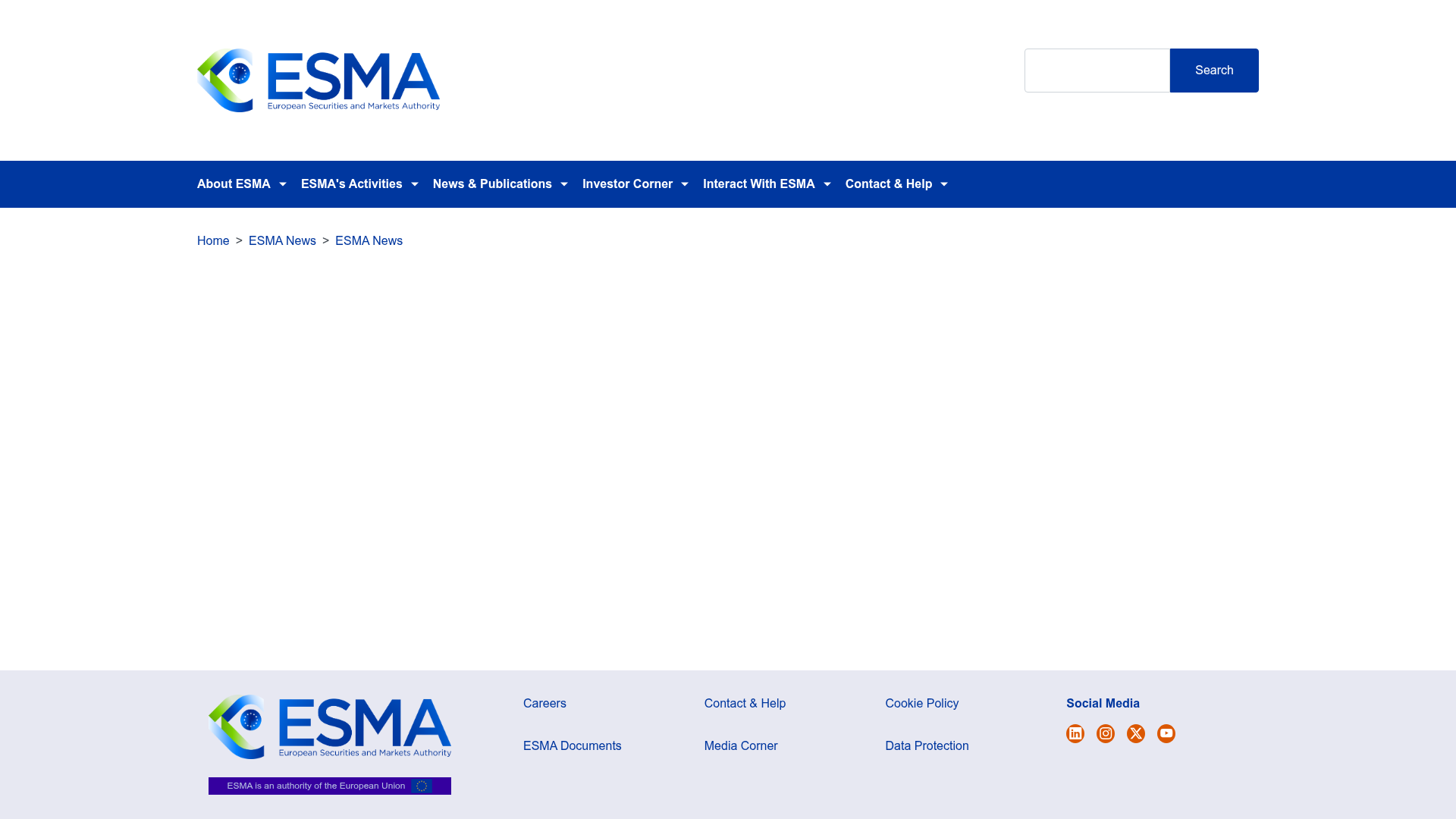
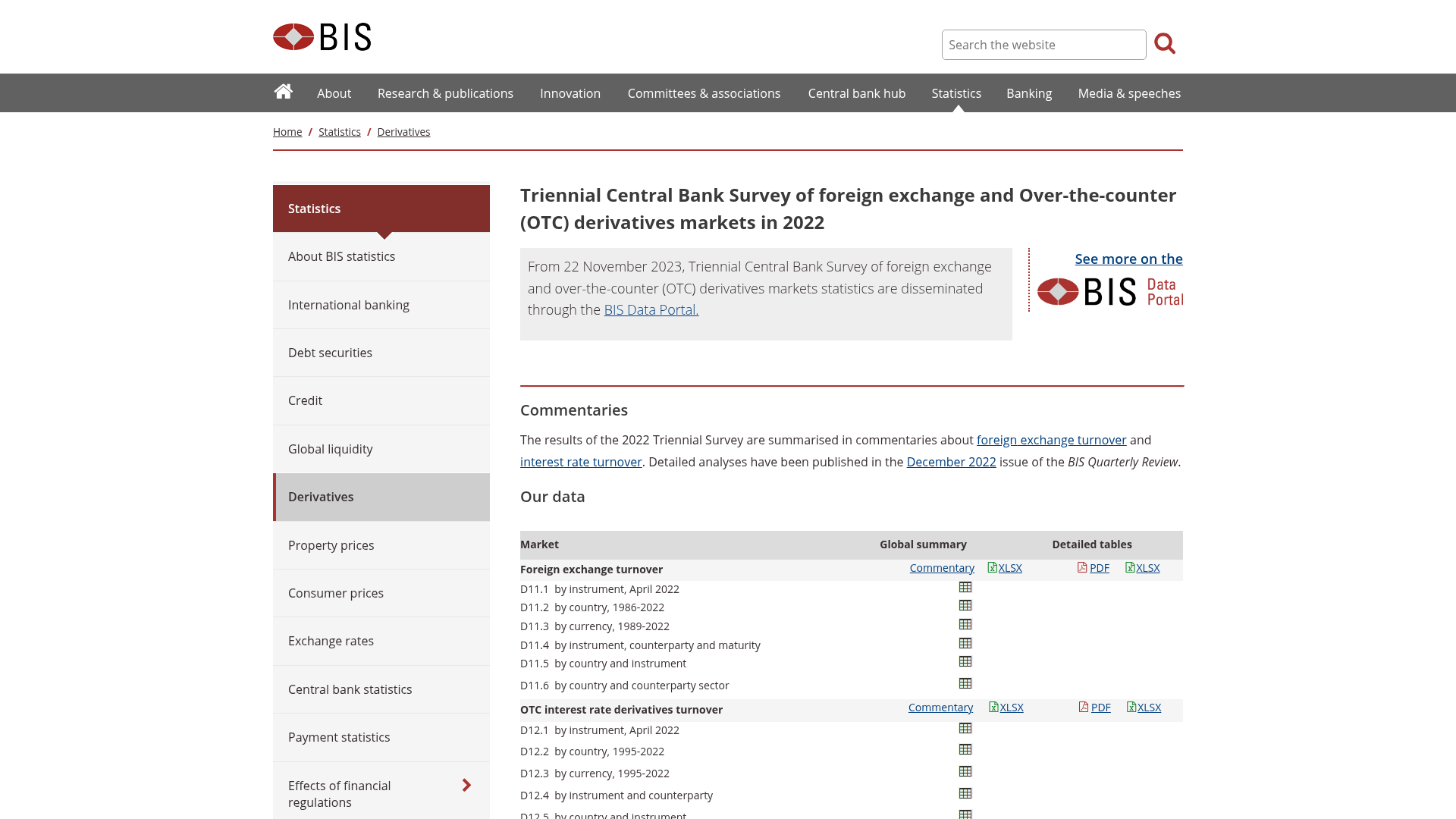
ภาพหน้าจอของหน้าเว็บทางการที่มาของกฎระเบียบในคู่มือนี้ เปิดดูด้วยตัวคุณเอง — คำพูดของหน่วยงานกำกับดูแลย่อมดีกว่าสรุปเสมอ
คำถามที่พบบ่อย
แหล่งที่มา
ที่มา
- ESMA — CFD leverage limits for retail clientsesma.europa.eu
- FCA — Contract for difference productsfca.org.uk
- BIS Triennial Central Bank Survey of FX turnoverbis.org
- Financial Conduct Authority — Financial Services Registerregister.fca.org.uk
- ASIC — Professional registersasic.gov.au
เขียนโดย Daniel Okafor
ผู้เขียนหลักสูตรเราเขียนบทเรียน forex ที่มีโครงสร้างและเข้าใจง่ายสำหรับผู้เริ่มต้น เน้นความเข้าใจเป็นอันดับแรกเสมอ — และไม่ใช่คำแนะนำทางการเงิน เนื้อหาหลักสูตรอยู่ใน หลักสูตร.
เรียนรู้ต่อไป
เส้นทางต่อไป
คู่มือที่เกี่ยวข้องกับหน้านี้มากที่สุด เรียงตามลำดับที่ต่อยอดจากหน้านี้ แต่ละคู่มือเป็นเนื้อหาที่สมบูรณ์ในตัวเอง และไม่มีคู่มือใดที่ถือว่าคุณอ่านหน้านี้จบแล้ว
- ถอดรหัสคู่สกุลเงิน: การเปิดสถานะ Long และ Short ใน Forexการทำความเข้าใจวิธีการซื้อขายคู่สกุลเงินเป็นพื้นฐานสำคัญของการเทรด Forex…
- 20 คำแรกที่คุณควรรู้: แบบทดสอบคำศัพท์ Forex ด้วยตนเองก่อนที่คุณจะทำการเทรดแม้แต่ครั้งเดียว การเรียนรู้คำศัพท์พื้นฐานของ Forex…
- ผลตอบแทนรายปีที่สมจริงสำหรับเทรดเดอร์ Forex รายย่อยเป็นอย่างไรลืมคำโฆษณาเกินจริงไปได้เลย ค้นพบผลตอบแทนรายปีที่ทำได้จริงสำหรับเทรดเดอร์รายย่อย…
- บริหารบัญชี $500 ของคุณให้เชี่ยวชาญ: คำแนะนำโดยละเอียดเกี่ยวกับการกำหนดขนาด Positionค้นพบขั้นตอนสำคัญในการคำนวณขนาด Position ที่แม่นยำสำหรับบัญชีเทรด $500…
- สกุลเงินหลัก (Base Currency) และสกุลเงินอ้างอิง (Quote Currency): ทำความเข้าใจ EUR/USD จากซ้ายไปขวาไขข้อข้องใจเกี่ยวกับคู่สกุลเงิน เช่น EUR/USD โดยเรียนรู้วิธีอ่านอัตราแลกเปลี่ยน ระบุสกุลเงินหลักและสกุลเงินอ้างอิง…