Guía · 14 min de lectura
Entendiendo el apalancamiento sin quemar su cuenta
El apalancamiento puede potenciar su capacidad de trading, pero usarlo con inteligencia es esencial para proteger su capital y lograr un éxito duradero.

Conclusiones clave
- El apalancamiento le permite controlar posiciones grandes con menos capital, amplificando tanto las ganancias como las pérdidas potenciales.
- Una gestión de riesgos eficaz, especialmente el tamaño de la posición y las órdenes stop-loss, es crucial al usar apalancamiento.
- Una relación de apalancamiento más baja es generalmente más segura para los principiantes y ayuda a preservar el capital.
- Comprenda siempre sus requisitos de margen y cómo funcionan las margin calls para evitar cierres inesperados de cuentas.
- Trate el apalancamiento con respeto, no como un atajo hacia la riqueza rápida; las ganancias pequeñas y consistentes son mejores que las pérdidas rápidas.
Qué significa realmente el apalancamiento para su trading
El apalancamiento en el trading es un poco como usar un préstamo para comprar algo mucho más grande de lo que podría permitirse de contado. En el mundo del trading de forex y CFD, su bróker le presta dinero esencialmente para abrir una posición más grande en el mercado de lo que su saldo de cuenta normalmente permitiría. Esto significa que puede controlar, por ejemplo, $100,000 en valor de divisa con solo $1,000 de su propio dinero, una relación de apalancamiento de 100:1.
Piense en ello como tener un motor pequeño impulsando un barco mucho más grande. Ese motor le da el poder para mover el barco grande, pero también significa que debe ser muy cuidadoso con la forma en que lo maneja. Si el mercado se mueve a su favor, incluso un pequeño cambio puede significar una ganancia significativa en esa posición más grande. Pero, y esta es la parte importante, si el mercado se mueve en su contra, esos pequeños cambios pueden llevar rápidamente a pérdidas sustanciales. Es una herramienta poderosa, sin duda, pero una que exige mucho respeto y un manejo cuidadoso.
La espada de doble filo: poder y peligro
El principal beneficio del apalancamiento es el potencial para magnificar sus retornos. Con una cantidad relativamente pequeña de capital, puede participar en movimientos del mercado que de otro modo requerirían una inversión mucho mayor. Esto puede hacer que el trading sea accesible para más personas, ya que no necesita millones para empezar a operar en los mercados globales. Imagine si tuviera que comprar el valor total de $100,000 de un par de divisas cada vez que quisiera operar; la mayoría de los traders individuales no podrían hacerlo.
Sin embargo, este potencial de ganancias amplificado viene con un riesgo igualmente amplificado. Si su operación sale mal, el apalancamiento significa que sus pérdidas pueden acumularse rápidamente, potencialmente liquidando una porción significativa, o incluso toda, su cuenta de trading. Es como ese potente motor en el barco grande: si choca contra una roca, el daño es mucho mayor que si estuviera en un pequeño bote. Muchos traders nuevos se entusiasman con la idea de grandes ganancias y pasan por alto el lado negativo igualmente grande, razón por la cual un enfoque cuidadoso del apalancamiento es tan importante.
Entendiendo el margen: su depósito de seguridad
Cuando utiliza apalancamiento, en realidad no está pidiendo dinero prestado en el sentido tradicional. En cambio, su bróker reserva una parte del saldo de su cuenta como 'margen' para cada operación. Este margen actúa como un depósito de seguridad, asegurando que pueda cubrir posibles pérdidas. Por ejemplo, con un apalancamiento de 100:1, si desea abrir una posición de $100,000, su bróker podría requerir $1,000 como margen. Esos $1,000 siguen siendo su dinero, pero están temporalmente bloqueados para respaldar la operación.
Brókers como IC Markets, conocidos por sus condiciones competitivas, o XM, que ofrece varios tipos de cuenta, detallarán claramente sus requisitos de margen. Estos requisitos pueden variar según el activo que esté operando, el tamaño de su posición y las normas regulatorias en diferentes regiones. Por ejemplo, un bróker regulado por la FCA, como FxPro, podría ofrecer un apalancamiento máximo diferente a los clientes minoristas en comparación con sus operaciones en otras jurisdicciones. Siempre verifique los requisitos de margen específicos para el instrumento que planea operar antes de abrir una posición.
La temida margin call y cómo evitarla
Una 'margin call' es la pesadilla de todo trader. Ocurre cuando el mercado se mueve en contra de su posición abierta, y el capital de su cuenta cae por debajo de un cierto porcentaje del margen requerido. Cuando esto sucede, su bróker le notificará, pidiéndole que deposite más fondos para cumplir con los requisitos de margen, o sus posiciones abiertas se cerrarán automáticamente. Esto a menudo se denomina 'stop out'. Su bróker se está protegiendo de perder dinero, pero significa que usted ha concretado sus pérdidas.
Para evitar una margin call, hay algunas prácticas clave: Primero, mantenga siempre suficiente margen libre en su cuenta. No use todo su capital disponible para las operaciones actuales. Segundo, use órdenes stop-loss (las cubriremos a continuación) para limitar las pérdidas potenciales en cada operación. Tercero, y lo más importante, use un tamaño de posición adecuado en relación con el saldo de su cuenta. Si arriesga constantemente demasiado de su capital en una sola operación, se está exponiendo a una margin call.
Su mejor defensa: tamaño de posición inteligente
Esta es, sin duda, la lección más importante para usar el apalancamiento de forma segura. El tamaño de la posición significa calcular exactamente cuántas unidades de una divisa o CFD debe operar basándose en el tamaño de su cuenta y su tolerancia al riesgo. No se trata de cuánto apalancamiento ofrece su bróker, sino de cuánto de su propio capital está dispuesto a arriesgar en una sola operación.
Una buena regla general es no arriesgar más del 1-2% de su capital total de trading en una sola operación. Digamos que tiene una cuenta de $5,000. Si arriesga el 1%, eso son $50. Si coloca una orden stop-loss (que discutiremos a continuación) que limita su pérdida potencial a 50 pips, y cada movimiento de pip en el tamaño de lote elegido cuesta $1, entonces puede operar 1 lote estándar. Si cada pip cuesta $0.10, puede operar 10 microlotes. Este cálculo asegura que, incluso si tiene una racha perdedora, ninguna operación individual dañará gravemente su cuenta. Centrarse en este cálculo, en lugar de simplemente abrir la posición más grande que su apalancamiento permite, es cómo se mantiene en el juego a largo plazo. Muchos traders exitosos, independientemente de si usan plataformas como MT4 o MT5 ofrecidas por OANDA o Pepperstone, le dirán que el tamaño de posición adecuado es su regla número uno.
Implementando órdenes stop-loss eficazmente
Una orden stop-loss es una instrucción a su bróker para cerrar automáticamente su operación si el precio del mercado se mueve en su contra hasta un nivel específico. Es su red de seguridad. Esto es increíblemente importante al usar apalancamiento, ya que limita su pérdida potencial en cualquier operación individual, evitando que un pequeño movimiento del mercado se convierta en un golpe catastrófico para su cuenta.
Dónde coloca su orden stop-loss es crucial. No debe ser arbitrario; debe basarse en el análisis técnico o en una razón clara por la cual su idea de trading se invalidaría si el precio alcanza ese punto. Por ejemplo, si compra un par de divisas esperando que suba, podría colocar su stop-loss justo por debajo de un nivel de soporte reciente. Si el precio rompe ese soporte, su idea de trading probablemente sea incorrecta y es hora de salir. Combinar un tamaño de posición inteligente con órdenes stop-loss bien colocadas es la base del trading apalancado responsable. Incluso brókers como FOREX.com, una opción líder en EE. UU., enfatizan la importancia de estas herramientas de gestión de riesgos para sus clientes.
Eligiendo la relación de apalancamiento adecuada para usted
Si bien los brókers a menudo ofrecen relaciones de apalancamiento muy altas, a veces hasta 500:1 o incluso más con algunos brókers internacionales como Exness o AvaTrade, esto no significa que deba usarlo todo. Muchos traders experimentados en realidad prefieren usar un apalancamiento efectivo más bajo, o gestionan el tamaño de sus posiciones con tanto cuidado que el apalancamiento general de su cuenta permanece bajo. Para los principiantes, comenzar con una relación de apalancamiento más baja es generalmente un enfoque mucho más seguro.
Algunos reguladores, como la FCA o CySEC, que supervisan brókers como Plus500 y eToro, tienen reglas que limitan el apalancamiento máximo ofrecido a los traders minoristas en sus jurisdicciones. Estos límites están diseñados para proteger a los nuevos traders de asumir un riesgo excesivo. Incluso si su bróker ofrece un apalancamiento muy alto, puede optar por usar una porción menor del mismo. Por ejemplo, si tiene una cuenta de $1,000 y desea operar un lote de 0.01 (microlote), que controla $1,000 de divisa, está utilizando efectivamente un apalancamiento de 1:1, independientemente del apalancamiento máximo disponible de su cuenta. Comience poco a poco, familiarícese con el mercado y aumente gradualmente el tamaño de su posición solo a medida que crecen su experiencia y confianza. Recuerde, las ganancias pequeñas y consistentes son mucho mejores que perseguir una gran ganancia que termina liquidando su cuenta.
Lea la fuente primaria
Compruébelo con el regulador, no con nosotros
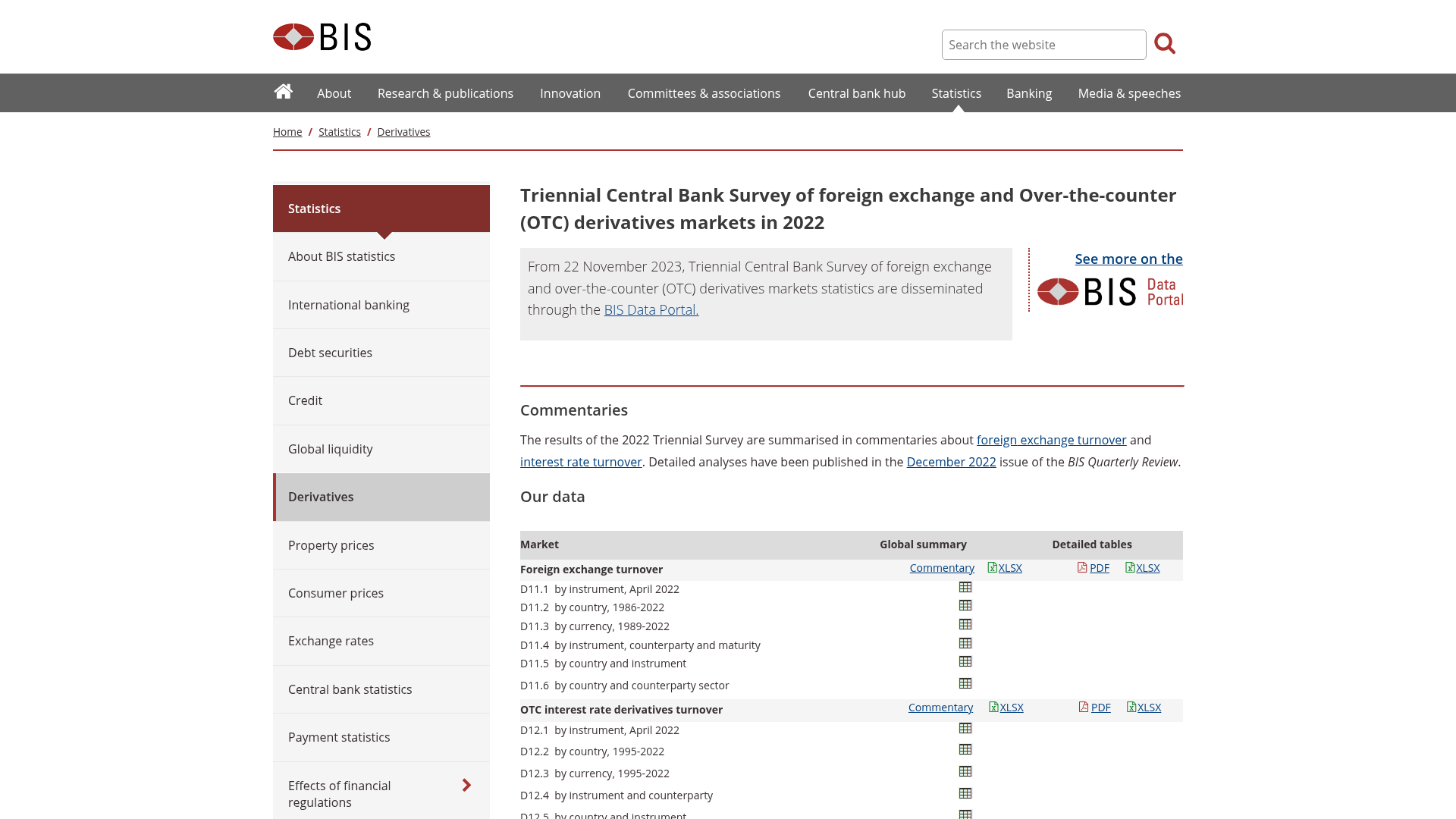
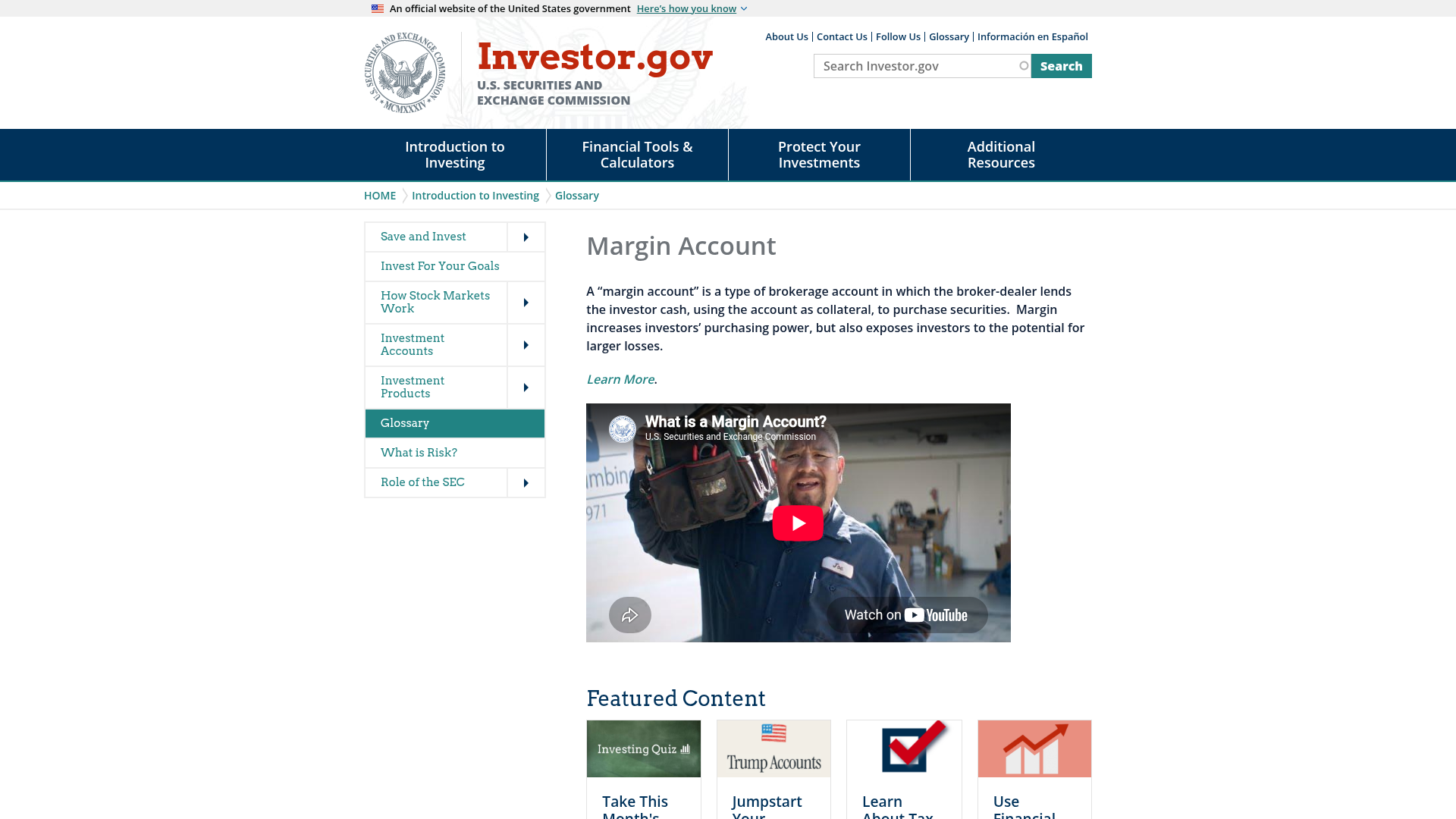
Capturas de pantalla de las páginas oficiales que respaldan las reglas de esta guía. Ábralas usted mismo — las palabras del regulador siempre superan a un resumen.
Preguntas frecuentes
Escrito por The pipdojo.com desk
Forex curriculum team. Escribimos formación estructurada y en lenguaje sencillo sobre forex para personas que aprenden desde cero. Primero la comprensión, siempre — y nunca asesoramiento financiero. El curso en sí reside en el plan de estudios.
Sigue aprendiendo
A dónde lleva esta guía después
Las guías relacionadas, en el orden en que se construyen a partir de esta. Cada una es una lectura completa por sí misma, y ninguna asume que ya hayas terminado esta página.
- El Margen en la Práctica: Una Comparación entre el Apalancamiento 1:30 y 1:500Descubra cómo las diferentes configuraciones de apalancamiento alteran drásticamente los requisitos de margen, la exposición al…
- Balance, Capital, Margen Usado y Margen Libre: Su Brújula Esencial de TradingComprender los cuatro números cruciales en su cuenta de trading le ayuda a gestionar el riesgo, tomar decisiones informadas y…
- Margin calls: qué son y cómo evitarlosUn margin call es un aviso serio de su bróker de que su cuenta de trading tiene fondos insuficientes para cubrir sus posiciones…
- El Apalancamiento no es Riesgo: Desentrañando Dos Ideas que los Principiantes a Menudo ConfundenDescubra cómo el apalancamiento es simplemente una herramienta, que amplifica tanto las ganancias como las pérdidas, mientras que…
- Dominando su Cuenta de $500: Un Recorrido Detallado por el Dimensionamiento de la PosiciónDescubra los pasos esenciales para calcular el tamaño preciso de las posiciones para una cuenta de trading de $500, salvaguardando…