Guía · 17 min de lectura · 2,086 words
Un Plan de Práctica de Doce Meses para Traders con un Empleo Fijo
Descubre un plan estructurado de un año diseñado para profesionales ocupados, para desarrollar habilidades de trading genuinas y operar con confianza en los mercados, sin depender de la improvisación.

Conclusiones clave
- Dedica los dos primeros meses por completo a la educación y comprensión fundamental del mercado.
- Practica intensamente en una cuenta demo durante al menos cuatro meses, tratándola como si fuera dinero real.
- Desarrolla un plan de trading que incluya reglas de entrada, salida y gestión de riesgos explícitas.
- Transiciona al trading real con micro-lotes solo después de una rentabilidad consistente en demo y un control emocional.
- Revisa tus operaciones regularmente y adapta tu estrategia basándote en datos objetivos de rendimiento.
- Prioriza brókers regulados como los supervisados por la FCA, ASIC o CySEC para proteger tu capital.
El Ritual Nocturno del Trader: Empezar con Buen Pie
El despertador suena a las 6 AM, anunciando otro día de trabajo. Tienes un día completo por delante en la oficina, pero tu mente ya está divagando hacia el cierre de la sesión asiática que te perdiste durante la noche o la publicación de noticias programada para la hora del almuerzo. Esta es la realidad para millones de traders aspirantes: equilibrar una carrera exigente con el sueño de conquistar los mercados financieros. Es un equilibrio difícil, y muchos se rinden porque se lanzan demasiado rápido, sin una hoja de ruta adecuada.
Ahí es donde entra en juego un plan estructurado. Piensa en esto no como un sprint, sino como una maratón con etapas de entrenamiento claras. Vamos a trazar una hoja de ruta de doce meses, desglosando la enorme tarea de aprender a operar en piezas manejables y pequeñas. Cada etapa se construye sobre la anterior, asegurando que desarrolles hábitos sólidos y una comprensión profunda de lo que estás haciendo, en lugar de solo buscar ganancias rápidas.
Esto no se trata de dejar tu trabajo a tiempo completo el próximo mes; se trata de construir un enfoque sostenible e informado para el trading que se adapte a tu vida actual. El éxito en el trading no se trata de brillantez; se trata de persistencia, disciplina y un compromiso con el aprendizaje continuo. Comencemos con ese primer paso importante.
Primeros Dos Meses: Deconstruyendo el Mercado
Tus primeros dos meses se centran en convertirte en un estudiante del mercado. Olvídate de realizar operaciones por ahora; tu objetivo es la pura comprensión. Esto significa leer, ver videos y absorber todo lo que puedas sobre cómo operan los mercados financieros. Concéntrate en lo básico: ¿qué es un pip? ¿Qué es el apalancamiento (leverage), y cómo puede amplificar tanto las ganancias como las pérdidas? ¿Por qué se mueve el EUR/USD cuando la Reserva Federal de EE. UU. hace un anuncio?
Tómate tu tiempo para comprender las fuerzas fundamentales en juego. Entender los indicadores económicos, los eventos geopolíticos y la psicología detrás de los movimientos del mercado te dará una ventaja crucial. No te limites a hojear; profundiza. Identifica qué clases de activos te atraen. ¿Te sientes atraído por el ritmo rápido de los pares de divisas, la estabilidad de los índices o las narrativas detrás de acciones específicas? Para la mayoría de los traders aspirantes, el vasto y líquido mercado de forex ofrece un punto de partida accesible.
Esta fase inicial es donde muchas personas toman atajos, ansiosas por llegar a la parte 'emocionante' de presionar botones. Pero sin esta base, estás construyendo una casa sobre arena. No intentarías volar un avión sin entender la aerodinámica, ¿verdad? Trata el trading con el mismo respeto. Dedica al menos una hora al día, incluso si es solo durante tu viaje al trabajo o antes de acostarte, a un estudio genuino. Esta es la parte que la mayoría de las guías se saltan: el trabajo duro real de la recopilación de datos y la comprensión conceptual.
Meses Tres y Cuatro: Montando Tu Banco de Trabajo
Con una comprensión fundamental establecida, es hora de poner manos a la obra sin arriesgar un solo céntimo. Los meses tres y cuatro están dedicados a dominar tu plataforma de trading y a explorar el análisis de gráficos. Necesitarás elegir una plataforma fiable – MetaTrader 4 (MT4), MetaTrader 5 (MT5) y TradingView son opciones comunes ofrecidas por muchos brókers. Descarga una cuenta demo y dedica horas a explorar sus características.
Aprende a colocar órdenes, comprende los diferentes tipos de órdenes (a mercado, límite, stop), establece stop-losses y take-profits. Familiarízate con las herramientas de gráficos: dibujar líneas de tendencia, identificar niveles de soporte y resistencia, y experimentar con indicadores básicos como las medias móviles. Esto no se trata de encontrar un indicador de 'santo grial'; se trata de entender cómo estas herramientas ayudan a visualizar los datos del mercado y el posible comportamiento del precio. Tu objetivo es la fluidez con el software y la confianza al leer un gráfico de precios.
Trata tu cuenta demo como si fuera dinero real, aunque no lo sea. Esto ayuda a construir la disciplina que necesitarás más adelante. Si solo arriesgarías el 1% de tu capital real en una operación, aplica la misma regla a tu saldo demo. Es una simulación, sí, pero tus hábitos comienzan aquí. Recuerda, la práctica no hace la perfección; la práctica perfecta hace la perfección.
Características Esenciales a Buscar en una Cuenta Demo de Trading
| Característica | Descripción | Por qué es importante |
|---|---|---|
| Datos en tiempo real | Acceso a datos de precios del mercado en tiempo real. | Crucial para una práctica realista y decisiones oportunas. |
| Capital virtual | Fondos simulados para realizar operaciones. | Permite experimentar sin riesgo con estrategias y el dimensionamiento de las posiciones. |
| Herramientas de gráficos | Indicadores, herramientas de dibujo para el análisis técnico. | Desarrolla habilidades de lectura de gráficos y aplicación de estrategias. |
| Tipos de órdenes | Órdenes de mercado, límite, stop-loss, take-profit. | Le familiariza con la mecánica de ejecución de operaciones y el control de riesgo. |
| Datos históricos | Acceso a movimientos de precios pasados. | Útil para el backtesting de estrategias y la comprensión del comportamiento del mercado. |
Meses Cinco y Seis: Diseñando sus Operaciones
Ahora, comienza el verdadero trabajo para convertirse en trader: desarrollar su estrategia de trading personal y elaborar un plan de trading detallado. No se trata de copiar el método de otra persona; se trata de encontrar lo que funciona para usted, su personalidad, su tiempo disponible y su tolerancia al riesgo. Su estrategia define cuándo entra en una operación, cuándo sale de una operación y cuánto arriesga en esa operación.
Empiece de forma sencilla. Quizás se centre en identificar tendencias fuertes y operar los pullbacks, o quizás prefiera los mercados con rangos definidos. Defina criterios claros y objetivos para las señales de entrada. Igual de importante es definir sus criterios de salida: ¿dónde colocará su stop-loss para limitar las pérdidas potenciales y dónde colocará su take-profit para asegurar las ganancias? Una estrategia efectiva tiene en cuenta tanto las operaciones ganadoras como las perdedoras.
Su plan de trading es un documento escrito que formaliza esta estrategia. Debe incluir sus objetivos de trading, los mercados elegidos, reglas específicas de entrada/salida y, lo más importante, sus reglas de gestión de riesgo. Por ejemplo, una pauta común es no arriesgar más del 1% de su capital total de trading en una sola operación. Esto le protege de pérdidas catastróficas y le asegura que podrá seguir operando otro día. Cíñase a su plan rigurosamente en su cuenta demo; cualquier desviación es un punto de aprendizaje.
Meses Siete y Ocho: Las Rondas de Práctica Dedicada
Para el séptimo mes, ya debería tener una estrategia y un plan de trading bien definidos. Ahora, es el momento de ponerlo a prueba en su entorno demo. Esto no es solo práctica casual; es una fase de prueba rigurosa. Ejecute operaciones estrictamente de acuerdo con su plan. Registre cada operación meticulosamente en un diario de trading. Anote la entrada, la salida, las razones de la operación, las condiciones del mercado y su estado emocional.
Más allá de simplemente registrar, debe revisar. Al final de cada semana, o al menos mensualmente, revise sus operaciones. ¿Qué salió bien? ¿Qué no? ¿Siguió sus reglas? ¿Dónde interfirieron las emociones? Esta práctica reflexiva es invaluable. Podría descubrir que una estrategia funciona mejor en pares de divisas específicos o durante ciertas horas de mercado. Este ciclo de retroalimentación basado en datos es cómo realmente mejora.
Considere también hacer algo de backtesting manual. Revise los gráficos históricos de su par de divisas elegido y aplique su estrategia. Vea cómo se habría comportado durante el último año o dos. Esto le da una expectativa realista de su rentabilidad y potencial de drawdown. Es un trabajo tedioso, pero genera una inmensa confianza en su método antes de arriesgar dinero real.
Métricas Clave a Incluir en su Diario de Trading para una Revisión Efectiva
| Métrica | Descripción | Por qué registrarla |
|---|---|---|
| Fecha/Hora | Cuándo se abrió y cerró la operación. | Identifica las horas de trading óptimas y las condiciones del mercado. |
| Instrumento | El par de divisas o activo negociado. | Revela en qué mercados su estrategia funciona mejor. |
| Dirección | Largo (compra) o Corto (venta). | Ayuda a identificar sesgos direccionales o debilidades de la estrategia. |
| Precio de Entrada | El precio exacto al que se entró en la operación. | Crucial para analizar la ejecución y el momento de la operación. |
| Precio de Salida | El precio exacto al que se cerró la operación. | Determina la rentabilidad y valida la estrategia de salida. |
| Stop Loss | El punto de precio donde la operación estaba diseñada para cerrarse si iba en contra. | Evalúa la adhesión y eficacia de la gestión de riesgos. |
| Take Profit | El punto de precio donde la operación estaba diseñada para cerrarse si iba a favor. | Evalúa la precisión y el potencial del objetivo de ganancias. |
| Resultado (Pips/%) | Ganancia o pérdida en pips y como porcentaje del capital. | Mide el rendimiento de la operación de forma objetiva. |
| Múltiplo R | Ganancia/Pérdida dividida por el riesgo inicial. | Estandariza los resultados de las operaciones para facilitar la comparación y la evaluación de la estrategia. |
| Razón de la entrada | Por qué se inició la operación (ej. 'rebote en la línea de tendencia'). | Refuerza las reglas de la estrategia y ayuda a identificar desviaciones. |
| Razón de la salida | Por qué se cerró la operación (ej. 'stop alcanzado', 'toma de ganancias', 'cierre manual'). | Analiza la disciplina y la efectividad de la salida. |
| Estado emocional | Cómo se sintió durante la operación (ej. 'calmado', 'ansioso'). | Identifica los desencadenantes psicológicos y las áreas para el control emocional. |
La consistencia a lo largo del tiempo es la verdadera medida de un trader exitoso, y se construye sobre una base de revisión y adaptación continuas.
Meses Nueve y Diez: Adentrándose en el Terreno Real
Si ha aplicado su estrategia de forma consistente y ha demostrado rentabilidad en su cuenta demo durante varios meses, con una gestión de riesgo adecuada y una clara comprensión de sus respuestas psicológicas, es hora de la verdadera prueba: el trading en vivo. Pero no abra una cuenta grande. Comience con una cuenta micro o mini, arriesgando las sumas más pequeñas posibles. El objetivo aquí no es ganar dinero significativo todavía; es experimentar la diferencia emocional entre el capital simulado y el real.
El mercado no se preocupa si está usando dinero real, pero usted ciertamente sí lo hará. El miedo a la pérdida y la codicia por la ganancia pueden distorsionar sus procesos de toma de decisiones. Empezar con poco le permite superar estos desafíos psicológicos sin arriesgar su estabilidad financiera. Muchos brókers ofrecen micro-lotes (0.01 lotes estándar), lo que le permite operar con tamaños de posición muy pequeños, donde un movimiento de pip podría ser de solo unos pocos céntimos.
Continúe registrando cada operación en su diario, prestando aún más atención a su estado emocional. ¿Dudó en tomar una señal válida? ¿Movió su stop-loss después de colocar la operación? Estos son errores comunes que solo se revelan cuando hay dinero real en juego. El mercado es un excelente maestro, pero cobra sus tarifas. Mantenga esas tarifas lo más bajas posible durante este período de transición crucial.
Meses Once y Doce: Afinando su Ventaja
A medida que se acerca al final de su primer año, su enfoque se desplaza hacia el refinamiento y la consistencia. Debería tener un volumen significativo de datos de trading en vivo de su cuenta micro. Ahora, realice una revisión exhaustiva y honesta de todo su año. Analice su rentabilidad general, su tasa de ganancias, su operación ganadora promedio frente a su operación perdedora promedio, y su drawdown máximo.
Compare su rendimiento real con las expectativas que estableció en su plan de trading. ¿Se aplicaron consistentemente sus reglas de entrada y salida? ¿Dónde se encuentran los errores recurrentes? Aquí es donde afinará su estrategia, quizás ajustando parámetros o incluso descartando ciertas configuraciones que consistentemente rinden por debajo de lo esperado. El objetivo es maximizar su ventaja y minimizar sus debilidades.
Este es también el momento de decidir si y cómo podría escalar. Si ha sido consistentemente rentable con su cuenta micro, podría considerar aumentar ligeramente el tamaño de sus posiciones, siempre adhiriéndose a sus reglas de gestión de riesgo. Nunca aumente su riesgo solo porque ha tenido algunas buenas operaciones. La consistencia a lo largo del tiempo es la verdadera medida de un trader exitoso, y se construye sobre una base de revisión y adaptación continuas. Su primer año proporciona un comienzo sólido; el próximo año se trata de construir sobre esa base.
Eligiendo su Hogar de Trading: Cualidades Clave de un Bróker
Antes incluso de considerar el trading en vivo, una decisión importante implica seleccionar un bróker de confianza. Este es su portal al mercado, y la seguridad de su capital depende en gran medida de esta elección. Su principal preocupación debe ser la regulación. Un bróker regulado opera bajo reglas estrictas diseñadas para proteger los fondos de los clientes y asegurar prácticas justas. Busque brókers regulados por autoridades de primer nivel. Por ejemplo, la Financial Conduct Authority (FCA) en el Reino Unido, la Australian Securities and Investments Commission (ASIC) en Australia, o la Cyprus Securities and Exchange Commission (CySEC) en Europa son fuertes indicadores de fiabilidad. Estos organismos imponen requisitos a los brókers, como la segregación de fondos de clientes y la adecuación de capital.
Por ejemplo, una entidad como Pepperstone, fundada en 2010 y con sede en Melbourne, Australia, está regulada por múltiples autoridades, incluyendo la FCA, ASIC y CySEC. De manera similar, OANDA, establecida en 1996 y con sede en Nueva York, EE. UU., posee licencias con la FCA, ASIC y la CFTC/NFA. Estas afiliaciones regulatorias le brindan una medida de tranquilidad.
Más allá de la regulación, considere factores como spreads competitivos, velocidades de ejecución fiables, plataformas de trading disponibles y un servicio de atención al cliente receptivo. Los spreads ajustados significan menores costos de transacción, que se acumulan a lo largo de muchas operaciones. Una ejecución rápida asegura que sus órdenes se ejecuten al precio deseado o muy cerca de él. Siempre verifique el estado regulatorio de un bróker directamente en el sitio web del regulador –por ejemplo, el Financial Services Register de la FCA– antes de comprometer cualquier fondo. Este simple paso puede ahorrarle muchos dolores de cabeza.
Resumen de los Principales Organismos Reguladores y sus Normas de Apalancamiento Minorista, post-Intervención de ESMA
| Organismo Regulador | Región de Operación | Límites Clave de Apalancamiento Minorista (CFD) |
|---|---|---|
| FCA (Reino Unido) | Reino Unido | 30:1 para pares de divisas principales |
| ASIC (Australia) | Australia | 30:1 para los pares de divisas principales |
| CySEC (Chipre) | Unión Europea | 30:1 para los pares de divisas principales |
| CFTC/NFA (EE. UU.) | Estados Unidos | 50:1 para los pares de divisas principales |
| DFSA (Dubái) | EAU (zona financiera) | 50:1 para los pares de divisas principales |
| SCB (Bahamas) | Bahamas | Normalmente más alto, menos estricto |
Dominar el tiempo: Operar compaginándolo con tu carrera
Tener un trabajo a tiempo completo no significa que no puedas ser un trader exitoso; simplemente implica que necesitas ser estratégico con tu tiempo. No podrás pasar el día mirando gráficos, y sinceramente, eso a menudo es una bendición disfrazada. Los day traders que intentan hacer scalping de movimientos minúsculos a menudo se enfrentan a un mayor estrés y a más costos de transacción. Como alguien con un trabajo diario, tu ventaja provendrá de la paciencia y de centrarte en marcos temporales superiores.
Esto significa observar gráficos de 4 horas, diarios o incluso semanales. Estos marcos temporales filtran gran parte del ruido del mercado y a menudo proporcionan tendencias más claras y sostenibles. Puedes analizar estos gráficos por las tardes después del trabajo, o durante una hora antes de empezar por la mañana. Identifica tus setups, coloca tus órdenes con stop-losses y take-profits adecuados, y luego aléjate. El mercado hará lo suyo mientras tú te concentras en tu trabajo.
Las alertas automatizadas pueden ser increíblemente útiles. Muchas plataformas te permiten configurar notificaciones cuando un precio alcanza un determinado nivel o cuando un indicador cruza un umbral. Esto te libera de tener que monitorear constantemente la pantalla. Recuerda, el trading exitoso no se trata de tiempo frente a la pantalla; se trata de un análisis de calidad y una ejecución disciplinada. No dejes que tu trabajo sea una excusa; deja que sea un filtro que fomente hábitos de trading mejores y menos impulsivos.
El juego interior: Mantener la cabeza fría en el mercado
El trading es tanto un desafío psicológico como analítico. Experimentarás pérdidas; todo el mundo lo hace. Al mercado no le importan tus sentimientos y, desde luego, no te mimará. Cómo reacciones a estos inevitables contratiempos determinará tu éxito a largo plazo. La mayor amenaza para tu capital a menudo no es el mercado en sí, sino tus propias respuestas emocionales: miedo, codicia, frustración y exceso de confianza.
Después de una operación perdedora, la urgencia de volver a entrar inmediatamente y 'recuperar tu dinero' (revenge trading) es poderosa. Resístela. Aléjate de la pantalla, tómate un descanso y revisa tu diario de trading. Adherirte a tus reglas de gestión de riesgo – por ejemplo, arriesgar solo el 1% por operación y detenerte por el día después de alcanzar un límite de pérdida diario predefinido – es tu mejor defensa contra los estallidos emocionales.
Por otro lado, una serie de operaciones ganadoras puede generar un exceso de confianza, llevándote a asumir mayores riesgos o a desviarte de tu estrategia. Mantente humilde. El mercado tiene una forma de recordar a los traders demasiado confiados cuál es su lugar. Cultivar la disciplina, la paciencia y el desapego emocional es un proceso continuo. Es un viaje de autodominio, donde tu mayor oponente a menudo eres tú mismo. Sigue aprendiendo, sigue adaptándote y mantén la compostura.
Lea la fuente primaria
Compruébelo con el regulador, no con nosotros
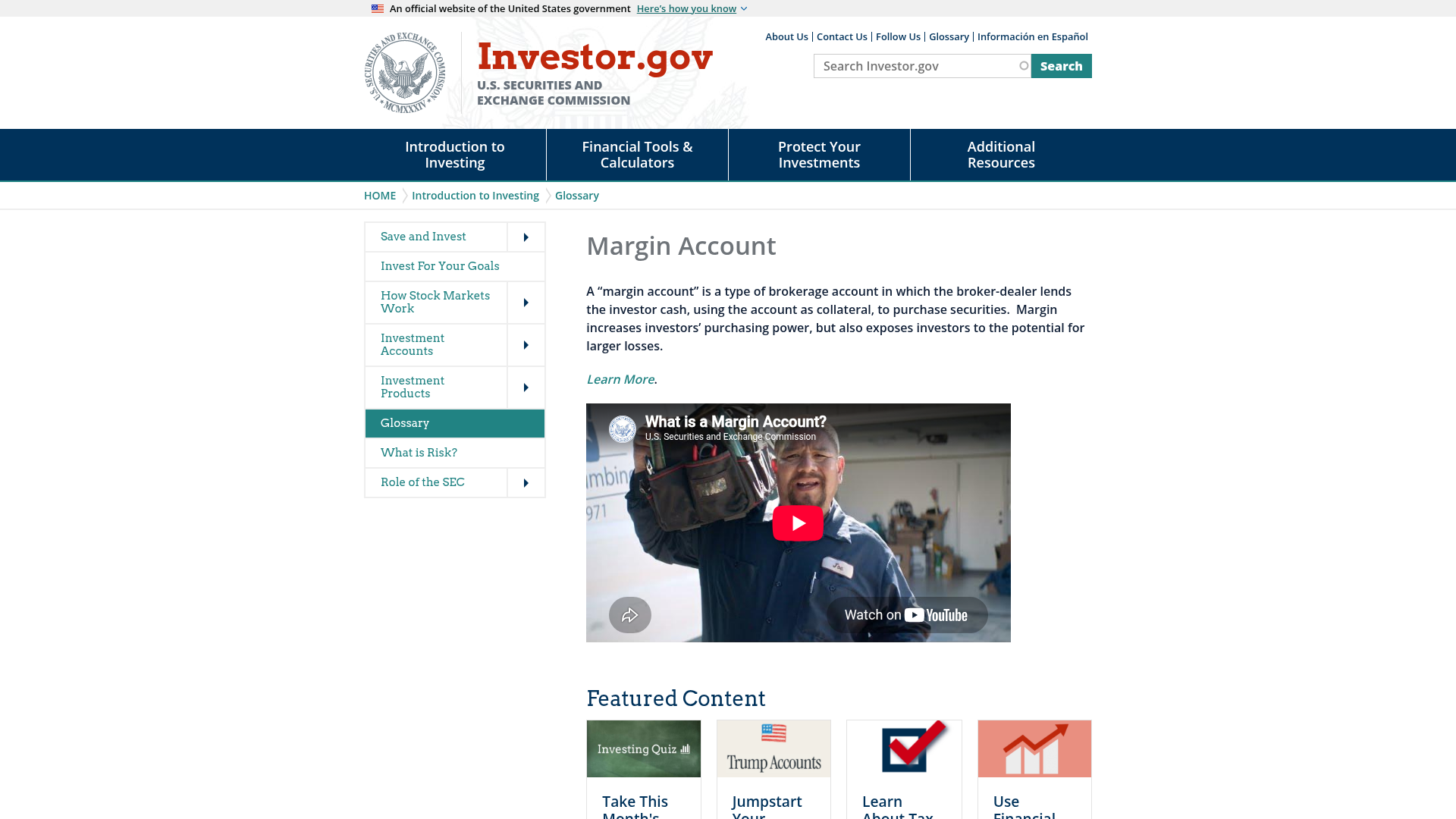
Capturas de pantalla de las páginas oficiales que respaldan las reglas de esta guía. Ábralas usted mismo — las palabras del regulador siempre superan a un resumen.
Preguntas frecuentes
Fuentes
De dónde viene esto
- ESMA — CFD leverage limits for retail clientsesma.europa.eu
- FCA — Contract for difference productsfca.org.uk
- Investor.gov — Margin: borrowing money to pay for stocksinvestor.gov
- CFTC — Forex trading basics for consumerscftc.gov
- FCA — Financial Services Registerregister.fca.org.uk
Escrito por Elena Marsh
Instructor Principal. Escribimos formación estructurada y en lenguaje sencillo sobre forex para personas que aprenden desde cero. Primero la comprensión, siempre — y nunca asesoramiento financiero. El curso en sí reside en el plan de estudios.
Sigue aprendiendo
A dónde lleva esta guía después
Las guías relacionadas, en el orden en que se construyen a partir de esta. Cada una es una lectura completa por sí misma, y ninguna asume que ya hayas terminado esta página.
- De la demo al real: Cuatro pasos graduales para el trading realLa transición de una cuenta demo al trading con dinero real requiere un enfoque estructurado para gestionar el riesgo y dominar las…
- Reconstruyendo después de una cuenta de trading quemada: Un camino cuidadoso hacia adelanteCuando su cuenta de trading llega a cero, se siente como un golpe en el estómago; esta guía describe un método preciso y paso a…
- Siete errores de principiante y cómo evitarlosAprender a operar puede parecer un laberinto; esta guía arroja luz sobre los errores comunes que cometen los nuevos traders y le…
- Su primera operación de Forex en real: ¿Cuán pequeña debería ser realmente?Descubra la importancia crucial de empezar con el tamaño de operación más pequeño posible para proteger su capital y acelerar su…
- Cómo elegir su primer bróker, con calmaElegir su primer bróker no tiene por qué ser abrumador. Aprenda a seleccionar un socio fiable para su viaje de trading con…