دليل · 13 دقيقة قراءة · 2,169 words
ساعات سوق الفوركس: لماذا يعمل 24/5 وماذا يعني ذلك بالنسبة لك
اكتشف القوى العالمية وراء حركة سوق الفوركس المستمرة طوال أيام الأسبوع، وافهم توقفه في عطلة نهاية الأسبوع، وتعلّم كيف تواءم إيقاع تداولاتك.

أهم النقاط
- يتشكل يوم تداول الفوركس الذي يستمر 24 ساعة من التداخل المستمر للمراكز المالية الرئيسية عبر مناطق زمنية مختلفة، من سيدني إلى نيويورك.
- تتغير السيولة والتقلبات على مدار دورة الـ 24 ساعة، وتصل ذروتها عندما تكون الجلسات الرئيسية مثل لندن ونيويورك نشطة في وقت واحد.
- يغلق السوق في عطلات نهاية الأسبوع بشكل أساسي بسبب توقف عمليات البنوك المركزية العالمية ومعاملات البنوك التجارية.
- تمنع عطلات نهاية الأسبوع
- قد يقدم وسطاء التجزئة تداولًا في عطلة نهاية الأسبوع على أصول معينة مثل العملات المشفرة، لكن أزواج الفوركس التقليدية تظل خاملة حتى يوم الاثنين.
- يتطلب التداول الفعال فهم ساعات السوق لمواءمة الاستراتيجيات مع ذروة السيولة وإدارة المخاطر خلال الفترات الهادئة.
تخيل قاعة تداول لا تنام أبدًا، وتنتقل باستمرار عبر أنحاء العالم.
عندما تسمع أن سوق الفوركس يعمل 24 ساعة في اليوم، خمسة أيام في الأسبوع، فهذا صحيح حرفيًا. هذا يعني أن مركزًا ماليًا رئيسيًا يكون مفتوحًا دائمًا في مكان ما في العالم، لتبادل العملات. قد تبدو هذه الحركة المستمرة كدوامة، خاصة للمتداولين الجدد. على عكس أسواق الأسهم، التي تفتح وتغلق بإشارة في موقع واحد، فإن الهيكل الفريد لسوق العملات يتبع حركة الشمس. فبينما تنتهي جلسة تداول، تبدأ أخرى للتو، مما يضمن نشاطًا مستمرًا من صباح يوم الاثنين في سيدني، أستراليا، وحتى مساء يوم الجمعة في نيويورك، الولايات المتحدة الأمريكية.
تنبع هذه العملية المستمرة مباشرة من الطبيعة العالمية لتبادل العملات. العملات ضرورية للتجارة الدولية والسياحة والاستثمار. الشركات تبادل الأموال للموردين الأجانب، والسياح يحولون النقود للسفر إلى الخارج، والمؤسسات الكبيرة تحرك مبالغ ضخمة للاستثمار. هذه الأنشطة لا تتوقف لمجرد أن الساعة منتصف الليل في لندن. تنتقل المعاملات ببساطة إلى المركز المالي النشط التالي.
فهم سباق التتابع العالمي هذا أمر أساسي لاستيعاب كيفية عمل الفوركس. يؤثر ذلك على متى قد تقوم بوضع صفقة، وكم تتوقع من الحركة، وحتى أي الاستراتيجيات هي الأكثر فعالية. إذا تساءلت لماذا يظهر وسيطك أزواج العملات تتحرك حتى عندما تكون البنوك المحلية مغلقة، فذلك لأن الآلة المالية العالمية تستمر في العمل، مستجيبة للأحداث والطلبات في جميع أنحاء العالم.
سباق التتابع العالمي: كيف تحافظ المناطق الزمنية على حركة السوق
دورة سوق الفوركس التي تستمر 24 ساعة خلال أيام الأسبوع لا تنظمها جهة واحدة، بل بترابط المراكز المالية الرئيسية. تخيلها كسلسلة من المناوبات المتداخلة. فبينما تغلق البنوك والمؤسسات المالية في منطقة ما أبوابها لليوم، فإن تلك الموجودة في منطقة زمنية أخرى، سابقة، تكون قد بدأت للتو. هذا يضمن سوقًا مستمرًا لتبادل العملات، يتفاعل مع الأخبار والبيانات الاقتصادية والعرض والطلب.
يختلف هذا النظام عن أسواق الأسهم. عندما تغلق بورصة نيويورك، يتوقف تداول الأسهم عادة حتى صباح اليوم التالي. لكن بالنسبة للعملات، لا يوجد بورصة مركزية واحدة. بدلاً من ذلك، يتم التداول خارج البورصة (OTC) عبر شبكة واسعة من البنوك والوسطاء والمؤسسات المالية الأخرى. يمتد هؤلاء المشاركون عبر كل منطقة زمنية، مما يسهل المعاملات المستمرة.
يوفر هذا التدفق المستمر للمتداولين مرونة أكبر. لست مقيدًا بجدول زمني من التاسعة إلى الخامسة لمراقبة المراكز أو الدخول في صفقات جديدة. يمكن للمتداول في لندن إدارة محفظته في الصباح، بينما يمكن للمتداول في طوكيو أن يفعل الشيء نفسه خلال ساعات الصباح المحلية لديه. هذه السهولة في الوصول هي أحد أكثر الجوانب جاذبية في تداول الفوركس، على الرغم من أنها تعني أيضًا أنك بحاجة إلى خطة قوية لإدارة نومك ووقت الشاشة.
أوقات الفتح والإغلاق التقريبية لجلسات تداول الفوركس الرئيسية
| جلسة التداول | الوقت المحلي التقريبي | توقيت جرينتش/التوقيت العالمي المنسق التقريبي | النشاط الرئيسي |
|---|---|---|---|
| جلسة سيدني | 7:00 صباحًا - 4:00 مساءً بتوقيت شرق أستراليا الصيفي (AEST) | 21:00 - 06:00 UTC | تفتتح أسبوع التداول، سيولة أقل |
| جلسة طوكيو | 9:00 صباحًا - 6:00 مساءً بتوقيت اليابان القياسي | 00:00 - 09:00 UTC | تركيز السوق الآسيوي، أزواج الين المتقاطعة |
| جلسة لندن | من 8:00 صباحًا إلى 5:00 مساءً بتوقيت GMT | 08:00 - 17:00 UTC | أعلى سيولة، تركيز على اليورو والجنيه الإسترليني |
| جلسة نيويورك | 8:00 صباحًا - 5:00 مساءً بتوقيت EST | 13:00 - 22:00 UTC | حجم تداول مرتفع، تركيز على الدولار الأمريكي، تداخل مع جلسة لندن |
الجلسات الأربع الكبرى: تداخلات الجلسات وأهميتها
بينما يعمل السوق على مدار 24 ساعة يوميًا لخمسة أيام في الأسبوع، إلا أن ليست كل الساعات متساوية في الأهمية. ينقسم يوم التداول عادةً إلى أربع جلسات رئيسية: سيدني، طوكيو، لندن، ونيويورك. تمثل كل جلسة فترة تكون فيها المؤسسات المالية في تلك المنطقة الأكثر نشاطًا. على سبيل المثال، عندما تبدأ جلسة سيدني الأسبوع، تكون السيولة عادةً أقل، وقد تكون تحركات الأسعار أكثر هدوءًا. ومع انضمام جلسة طوكيو، يزداد النشاط، خاصةً لأزواج العملات الآسيوية.
تحدث الحركة الحقيقية، وغالبًا أعظم الفرص، خلال فترات التداخل بين هذه الجلسات. التداخل الأكثر أهمية هو بين جلسة لندن وجلسة نيويورك. لمدة تتراوح بين أربع إلى خمس ساعات كل يوم عمل، تكون هذه المراكز المالية الضخمة مفتوحة في وقت واحد. تشهد هذه الفترة عادةً أعلى سيولة، وأضيق فروقات الأسعار (spreads)، وأكثر تحركات الأسعار تقلبًا، خاصةً لأزواج العملات الرئيسية مثل EUR/USD وGBP/USD وUSD/JPY.
لماذا يهم هذا؟ تعني السيولة الأعلى أنه يمكنك الدخول والخروج من الصفقات مع 'slippage' أقل – وهو الفرق بين السعر الذي تنوي التداول به وسعر التنفيذ الفعلي. التقلبات العالية، بينما تزيد من المخاطر، تقدم أيضًا المزيد من فرص الربح إذا تمكنت من التنبؤ باتجاه السوق. إذا كنت متداولًا يوميًا تبحث عن تحركات سريعة، فغالبًا ما تجدها في فترات التداخل هذه. ولكن إذا كنت تفضل سوقًا أكثر هدوءًا، فقد ترغب في تجنب هذه الأوقات.
توقف نهاية الأسبوع: لماذا يحتاج السوق إلى استراحة
إذا كان سوق الفوركس يمكن أن يعمل 24 ساعة في اليوم، فلماذا يتوقف في نهاية الأسبوع؟ ليس الأمر لأن المتداولين بحاجة إلى استراحة (على الرغم من أننا بالتأكيد نفعل ذلك!)، بل لأن الأسس الجوهرية للسوق تتوقف. السبب الرئيسي هو إغلاق البنوك المركزية والبنوك التجارية الكبرى حول العالم. هذه المؤسسات هي المحركات الأساسية لتدفق العملات. وهي تسهل الغالبية العظمى من المدفوعات الدولية، والإقراض بين البنوك، ومعاملات الصرف الأجنبي.
عندما تغلق هذه البنوك أبوابها مساء الجمعة ولا تعيد فتحها حتى صباح الاثنين، تصبح البنية التحتية الأساسية التي تسهل تبادلات العملات الضخمة خاملة. بينما قد يسمح لك وسطاء التجزئة نظريًا بوضع الأوامر، فإن السيولة تجف تمامًا تقريبًا. بدون اللاعبين الرئيسيين، لا يوجد سوق ذو معنى للتداول فيه. محاولة التداول خلال هذه الفترات ستعني التعامل مع فروقات أسعار (spreads) واسعة للغاية، وعدم وجود حركة أسعار تقريبًا، ومخاطر كبيرة إذا حدث "gap" كبير في السوق عند الافتتاح يوم الاثنين.
إغلاق نهاية الأسبوع هذا هو ظاهرة عالمية، تحترم أسبوع العمل التقليدي الذي تتبعه معظم الاقتصادات الكبرى. بينما تختلف أيام عطلة نهاية الأسبوع في بعض البلدان، فإن الإجماع بين المراكز المالية الرائدة في العالم يعني توقفًا جماعيًا. هذا التوقف ليس تعسفيًا؛ فهو يساعد في الحفاظ على استقرار السوق ويوفر إعادة ضبط حاسمة قبل بدء أسبوع التداول التالي.
دورة 24/5: الفرص والمخاطر
توفر الطبيعة المستمرة لسوق الفوركس مزايا واضحة وتحديات محددة. من الجانب الإيجابي، يوفر مرونة لا مثيل لها. لست مقيدًا بساعات سوق محددة، مما يتيح لك التداول حول عملك أو عائلتك أو التزاماتك الأخرى. تعني هذه السهولة في الوصول أنه يمكنك التفاعل مع إصدارات الأخبار الاقتصادية من أي منطقة زمنية على الفور تقريبًا. على سبيل المثال، إذا صدرت بيانات الوظائف غير الزراعية الأمريكية (US non-farm payroll) في الساعة 8:30 صباحًا بتوقيت EST، يمكنك أن تكون على مكتب التداول الخاص بك لتقييم تأثيرها.
ومع ذلك، تأتي هذه المرونة مع مفاضلة: السوق يتحرك دائمًا، حتى عندما لا تكون تراقبه. يمكن أن يؤدي هذا النشاط المستمر إلى "شلل التحليل" (analysis paralysis) أو الرغبة في الإفراط في التداول. بدون نهج منضبط، يمكن أن يصبح السوق الذي يعمل على مدار 24 ساعة مرهقًا بسرعة. هذا هو المكان الذي تصبح فيه خطة التداول الفعالة، المكتملة بقواعد دخول وخروج واضحة، وإدارة المخاطر، وساعات تداول محددة، لا غنى عنها. تذكر، ليس عليك أن تكون نشطًا في السوق لمجرد أنه مفتوح.
نقطة أخرى غالبًا ما يتم إغفالها هي التأثير على النوم والرفاهية. محاولة مراقبة السوق عبر جلسات متعددة دون راحة كافية هي وصفة للإرهاق واتخاذ قرارات سيئة. يتطلب التداول ذهنًا صافيًا، وسيقوض الإرهاق ميزتك بشكل أسرع من أي تراجع في السوق. لهذا السبب يركز العديد من المتداولين الناجحين على جلسات محددة تتوافق مع ساعتهم البيولوجية الطبيعية ونمط حياتهم.
مطابقة استراتيجيات التداول مع ساعات السوق
| نوع الاستراتيجية | أوقات التداول المثالية | اعتبارات رئيسية |
|---|---|---|
| السكالبينج | تداخل جلسات لندن ونيويورك | تتطلب سيولة عالية، وتنفيذًا سريعًا جدًا |
| التداول اليومي | جلسات لندن أو نيويورك | فترات متقلبة، إدارة صارمة للمخاطر |
| التداول المتأرجح | أي جلسة، التركيز على إغلاق اليوم | ابحث عن اتجاهات واضحة، أقل تأثرًا بالضوضاء اليومية |
| تداول المراكز | أي جلسة، التركيز على الاتجاهات الأسبوعية/الشهرية | نظرة طويلة الأجل، اهتمام أقل بالتقلبات اليومية |
إيقاع السوق الذي يعمل 24/5 يتطلب منك التكيف المدروس، وليس الوجود المستمر؛ فالمتداولون الأذكياء يعرفون متى ينشطون ومتى يبتعدون لإعادة شحن طاقتهم الذهنية الضرورية.
السيولة والتقلب: نبض يوم التداول
فهم السيولة والتقلبات يشبه فهم نبض السوق، فإيقاعه يتغير على مدار اليوم. تشير السيولة إلى مدى سهولة شراء أو بيع أصل مالي دون التأثير بشكل كبير على سعره. السيولة العالية في سوق الفوركس تعني أنه يمكنك تنفيذ صفقات كبيرة بسرعة، وبحد أدنى من الـ spread (الفرق بين سعر الشراء والبيع). مع انخفاض السيولة، يصبح إتمام المعاملات أصعب، وتتسع الـ spreads، ويمكن أن تتحرك الأسعار بشكل غير منتظم.
يقيس التقلب مدى تذبذب سعر زوج العملات خلال فترة زمنية معينة. التقلبات العالية تعني أن الأسعار تتحرك بسرعة، مما يوفر إمكانية أكبر للربح (أو الخسارة). التقلبات المنخفضة تعني أن الأسعار مستقرة نسبيًا. خلال فترات تداخل الجلسات الرئيسية، خاصة جلسات لندن ونيويورك، تجد عادةً سيولة عالية وتقلبات عالية. هذا هو الوقت الذي تصدر فيه أهم البيانات الاقتصادية، وتُعلن فيه البنوك المركزية قراراتها، وتتداول فيه المؤسسات العالمية بنشاط.
خلال الفترات الهادئة، مثل أواخر الجلسة الأمريكية وحتى بداية جلسة سيدني، تميل كل من السيولة والتقلبات إلى الانخفاض. قد تتسع الـ spreads، وقد تصبح تحركات الأسعار متقطعة أو بلا اتجاه واضح. يمكن أن يكون التداول خلال هذه الأوقات مليئًا بالتحديات، فقد تواجه ارتفاعات مفاجئة في الأسعار من الأسواق 'الضعيفة' (thin markets)، أو تجد استراتيجياتك غير فعالة بسبب نقص الاتجاه الواضح. هذا هو الجزء الذي تتجاهله معظم الأدلة: الأمر لا يتعلق فقط بالقدرة على التداول، بل يتعلق بالوقت المناسب للتداول.
ماذا يحدث عندما تكون الأسواق مغلقة؟
عندما يغلق سوق الفوركس الرئيسي مساء يوم الجمعة، لا يعني ذلك أن جميع أنشطة التداول تتوقف تمامًا. قد يغلق وسطاء التجزئة مثل Pepperstone (تأسست عام 2010) أو IC Markets (تأسست عام 2007) مكاتب تداول الفوركس الخاصة بهم خلال عطلة نهاية الأسبوع، لكن البعض الآخر لا يزال يقدم تداولًا في عطلة نهاية الأسبوع على أصول أخرى، مثل العملات المشفرة. بالنسبة لأزواج الفوركس التقليدية، ومع ذلك، يدخل السوق فعليًا في سبات. هذه الوقفة في عطلة نهاية الأسبوع مخصصة بشكل أساسي للمؤسسات المالية الكبرى، التي لا تعمل.
خلال هذا الوقت، غالبًا ما يقوم الوسطاء بإجراء الصيانة وتحديثات الأنظمة والاستعداد للأسبوع القادم. قد تعمل فرق دعم العملاء لديهم بجدول زمني مخفض. بالنسبة للمتداولين، هذه فرصة ممتازة للتحليل والتخطيط والراحة. إنه وقت لمراجعة صفقات الأسبوع الماضي، وتحديد الأنماط، والتحضير لإصدارات الأخبار الاقتصادية المحتملة المجدولة للأسبوع التالي.
إنها أيضًا فترة يمكن أن تتكشف فيها أحداث جيوسياسية أو اقتصادية مهمة دون رد فعل فوري من السوق. هذا يمهد الطريق لـ 'فجوات نهاية الأسبوع' المحتملة عندما يعاد فتح السوق يوم الاثنين. تخيل إعلانًا سياسيًا كبيرًا خلال يوم الأحد. لا يمكن للسوق أن يتفاعل حتى صباح يوم الاثنين، وعند هذه النقطة قد يختلف سعر الافتتاح بشكل كبير عن إغلاق يوم الجمعة، مما يعكس طلبًا مكبوتًا أو خوفًا. لهذا السبب، فإن الاحتفاظ بصفقات مفتوحة خلال عطلة نهاية الأسبوع ينطوي على مخاطر إضافية ولا يُنصح به عمومًا للاستراتيجيات قصيرة الأجل.
فهم دور الهيئات التنظيمية ونزاهة السوق
تلعب الطبيعة المنظمة لسوق الفوركس دورًا دقيقًا ولكنه مهم في جدول عمله على مدار 24 ساعة/5 أيام. تشرف الهيئات التنظيمية مثل FCA (هيئة السلوك المالي) في المملكة المتحدة أو ASIC (هيئة الأوراق المالية والاستثمارات الأسترالية) عمومًا على الأسواق خلال ساعات العمل القياسية ضمن ولاياتها القضائية. بينما يمتد إشرافهم ليشمل الأنشطة العالمية للكيانات الخاضعة للتنظيم، فإن جوهر عمليات السوق مرتبط بأيام عمل المؤسسات.
يساهم إغلاق نهاية الأسبوع في نزاهة السوق من خلال ضمان قدرة المشاركين الرئيسيين، بما في ذلك البنوك المركزية والمؤسسات التجارية الكبيرة، على تسوية دفاترهم والاستعداد لأسبوع التداول التالي دون ضغط تحركات السوق الحية. كما يوفر حاجزًا ضد تقلبات الأسعار السريعة وغير المنضبطة التي قد تحدث إذا كان السوق مفتوحًا بسيولة منخفضة للغاية خلال فترة أخبار رئيسية في عطلة نهاية الأسبوع. تساعد هذه الوقفة في إدارة المخاطر النظامية داخل النظام المالي.
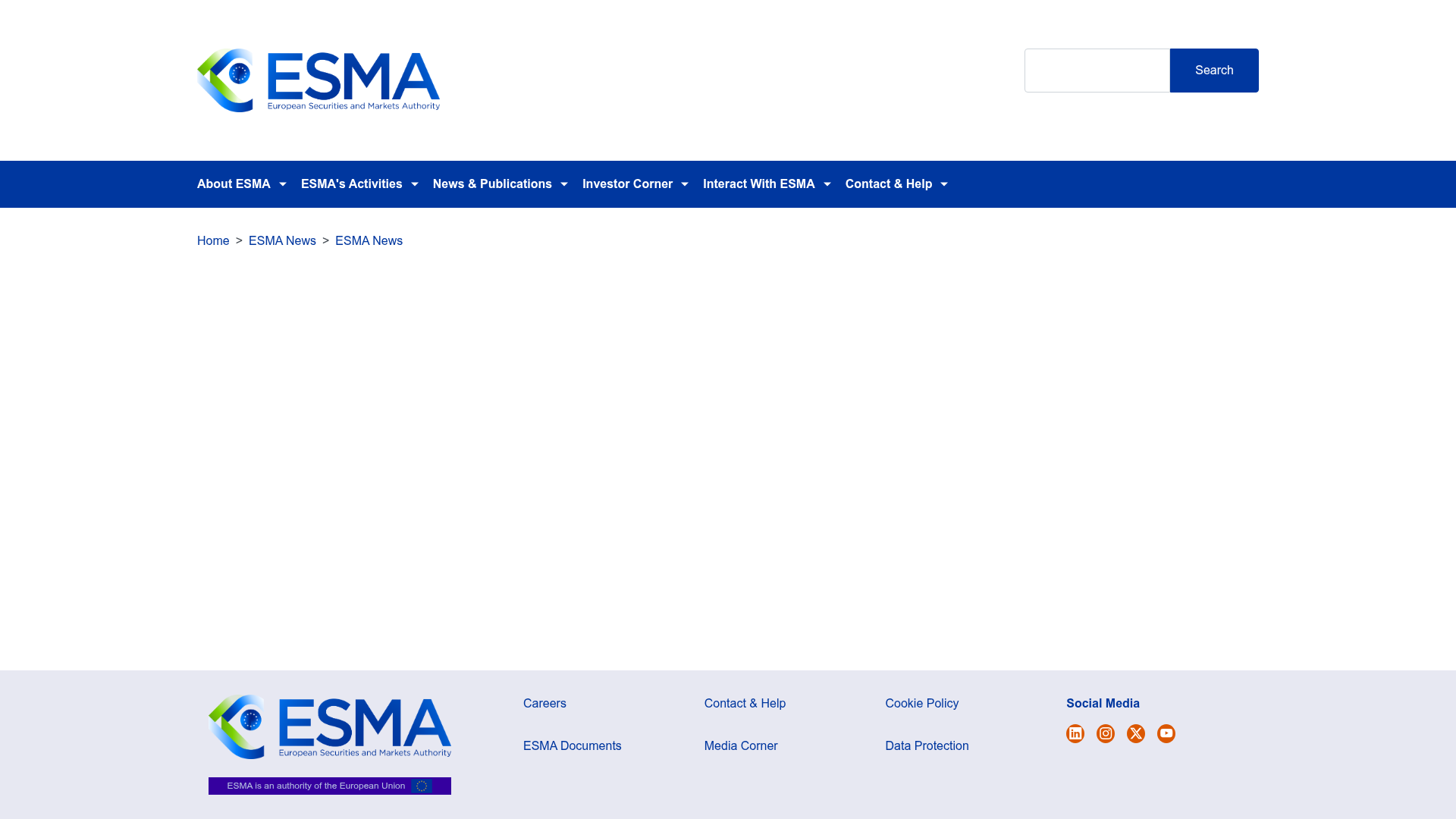
لننظر في تأثير الـ leverage (الرافعة المالية). على سبيل المثال، يتداول عملاء التجزئة عادةً بـ leverage بحد أقصى 1:30 لأزواج العملات الرئيسية بموجب تدخل ESMA (هيئة الأوراق المالية والأسواق الأوروبية). إذا كان السوق مفتوحًا على مدار الساعة طوال أيام الأسبوع بسيولة منخفضة في عطلة نهاية الأسبوع، فإن حتى تحركات الأسعار الصغيرة يمكن أن تؤدي إلى margin calls كبيرة أو stop-outs للمتداولين الذين يستخدمون الـ leverage، مما يزيد من خطر استنزاف الحسابات على نطاق واسع. وبالتالي، يعمل إغلاق عطلة نهاية الأسبوع كإجراء وقائي، وإن كان جزءًا لا يتجزأ من الهيكل الأساسي للخدمات المصرفية العالمية.
تكييف استراتيجيتك مع إيقاع السوق
لتحقيق النجاح الحقيقي في سوق الفوركس، يجب عليك التكيف مع إيقاع السوق، لا محاولة فرض جدولك الزمني عليه. وهذا يعني فهم متى يجب أن تكون نشطًا، وبنفس القدر من الأهمية، متى يجب أن تتوقف. على سبيل المثال، إذا كنت متداولًا يتبع الاتجاهات، فقد تجد أن أقوى الاتجاهات تتشكل خلال تداخل جلسات لندن ونيويورك، عندما يكون حجم التداول المؤسسي في ذروته. أما إذا كنت تفضل استراتيجيات التداول ضمن نطاق سعري محدد (range-bound)، فقد توفر الجلسة الآسيوية الأكثر هدوءًا فرصًا للتداول ضمن قنوات سعرية ثابتة.
أحد الأساليب العملية هو تحديد 'نافذة التداول' الخاصة بك. فبدلاً من التفكير 'يمكنني التداول 24 ساعة'، قرر 'سأتداول من الساعة 8 صباحًا إلى 12 ظهرًا بتوقيت جرينتش، مع التركيز على زوجي EUR/USD و GBP/JPY'. يساعد هذا النهج المركز في الحفاظ على طاقتك الذهنية، ويقلل من الإفراط في التداول (overtrading)، ويسمح لك بالتخصص في ديناميكيات السوق لفترة زمنية محددة. إنه يشبه الجراح الذي يتخصص في نوع معين من العمليات، بدلاً من محاولة إجراء جميع العمليات الجراحية.
تكييف آخر مهم هو دمج تحليل عطلة نهاية الأسبوع في روتينك. استغل يومي السبت والأحد لمراجعة الرسوم البيانية، وقراءة التقارير الاقتصادية، والتخطيط لصفقاتك للأسبوع القادم. يساعدك هذا التحضير المستقبلي على تحديد الإعدادات المحتملة وإدارة المخاطر بشكل أكثر فعالية عند إعادة فتح السوق. هذا التحضير هو انضباط، ويحدث فرقًا حقيقيًا في الأداء. يقسم العديد من المتداولين المتمرسين بهذا التخطيط المسبق للأسبوع، محولين ما قد يبدو 'وقتًا خاملًا' إلى ميزة استراتيجية حاسمة.
العنصر البشري: الراحة وإعادة الشحن
في نهاية المطاف، بينما يعمل سوق الفوركس بلا كلل لمدة خمسة أيام في الأسبوع، فإنك أنت، أيها المتداول، لا تفعل ذلك. عطلة نهاية الأسبوع ليست للبنوك فقط؛ بل هي أيضًا فترة حيوية لتعافيك الذهني والجسدي. التداول نشاط يتطلب جهدًا مكثفًا ويحتاج إلى تركيز مستمر، وتحكم عاطفي، واتخاذ قرارات سريعة. إن الحفاظ على هذا المستوى لمدة 24 ساعة في اليوم، خمسة أيام في الأسبوع، ليس ممكنًا ببساطة لأي إنسان.
يدرك المتداولون الأذكياء أهمية الابتعاد عن الشاشات. يسمح هذا الوقت المستقطع لعقلك بمعالجة المعلومات، وترسيخ التعلم، والعودة إلى السوق بمنظور جديد. إن محاولة مراقبة الرسوم البيانية باستمرار أو مطاردة كل فرصة متصورة تؤدي إلى الإرهاق، وسوء التقدير، وفي النهاية، الخسائر. هذا هو المكان الذي يتعثر فيه العديد من المتداولين الجدد، حيث يخلطون بين النشاط المستمر والإنتاجية.
لذا، احتضن إغلاق نهاية الأسبوع. استغله للانفصال، وقضاء الوقت مع أحبائك، وممارسة الهوايات، أو ببساطة الراحة. سيشكرك أداؤك في التداول طوال الأسبوع على ذلك. فكر في الأمر وكأنه الضغط على زر 'إعادة الضبط' (reset)، مما يسمح لك بالعودة إلى السوق صباح يوم الاثنين بذهن حاد، وتركيز عالٍ، وجاهزية لاتخاذ قرارات مدروسة جيدًا. السوق سيكون دائمًا موجودًا، لكن ميزتك الذهنية تحتاج إلى الحفاظ عليها بعناية.
اقرأ المصدر الأساسي
تحقق من ذلك لدى الجهة التنظيمية، وليس لدينا
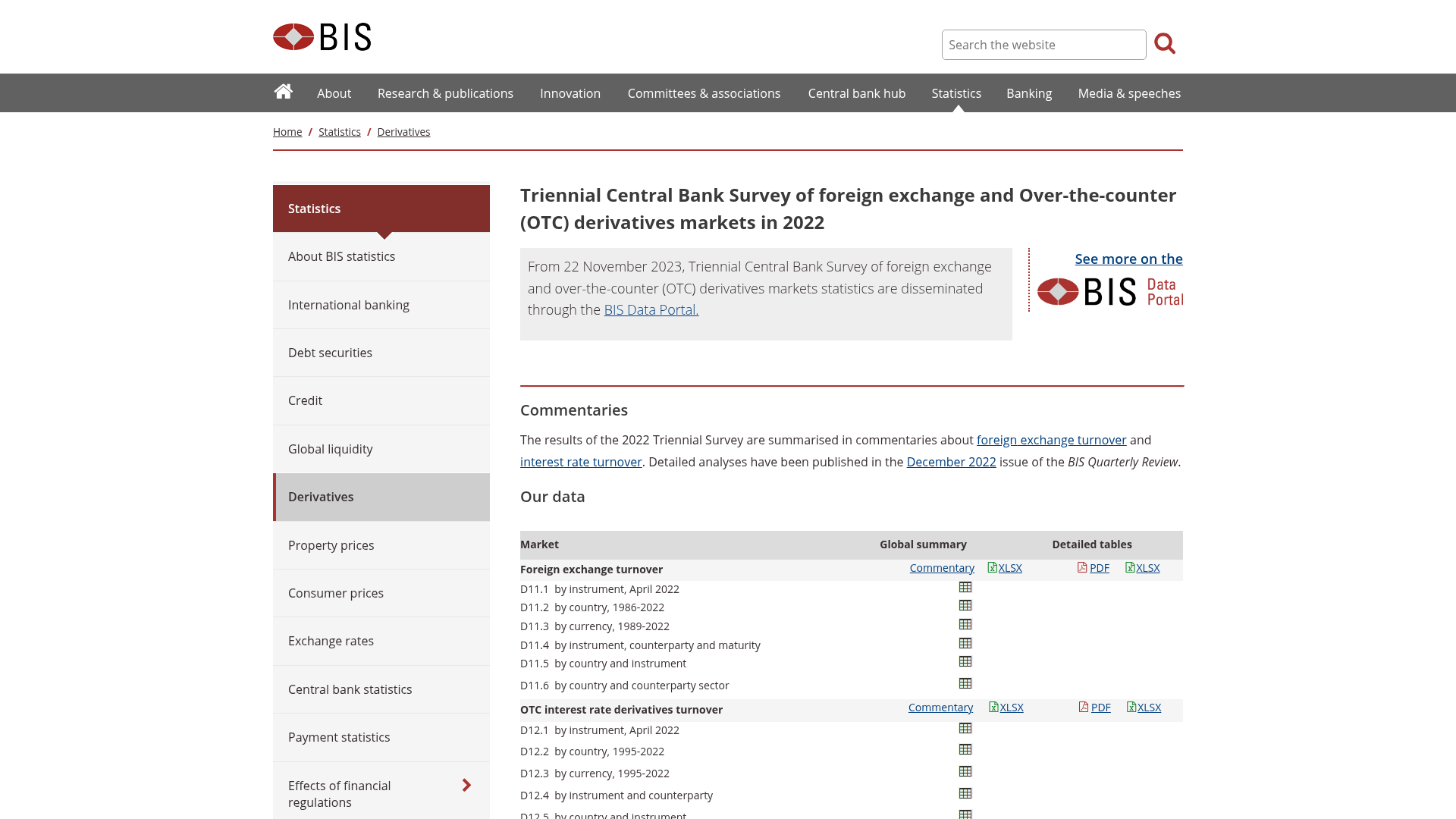
لقطات شاشة للصفحات الرسمية التي تستند إليها القواعد في هذا الدليل. افتحها بنفسك — فكلمات الجهة التنظيمية نفسها دائمًا ما تكون أفضل من ملخص لها.
الأسئلة المتكررة
المصادر
من أين جاء هذا
بقلم Daniel Okafor
مؤلف المناهج التعليمية. نقدم تعليماً منظماً ومبسطاً في الفوركس باللغة الإنجليزية للأشخاص الذين يتعلمون من الصفر. الفهم أولاً، دائماً — وليس نصيحة مالية أبداً. الدورة التدريبية نفسها موجودة في الـ المناهج.
واصل التعلم
إلى أين يقود هذا الدليل لاحقاً
الأدلة الأقرب إلى هذا الدليل، بالترتيب الذي تبني عليه. كل منها قراءة كاملة بحد ذاتها، ولا يفترض أي منها أنك انتهيت من هذه الصفحة.
- هل تتألق استراتيجية تداولك في ساعات معينة فقط؟ إليك كيف تعرفيجد العديد من المتداولين أن استراتيجياتهم تحقق أداءً رائعًا في بعض الأحيان، لكنها تفشل في أحيان أخرى؛ قد يكون إيقاع السوق، وليس…
- فجوات نهاية الأسبوع: ما الذي يسببها وماذا يحدث عادةً بعد ذلك في التداولاكتشف كيف تخلق أخبار الليل وإغلاقات السوق فجوات سعرية صباح يوم الاثنين، وتعلّم استراتيجيات عملية لإدارة المخاطر والفرص.
- الاختبار الأمامي على الحساب التجريبي: استراتيجيات ذكية لتسريع تعلمكلا تدع التداول التجريبي يطول؛ اكتشف كيف تحاكي ظروف السوق الحقيقية وتكثف أشهر من الممارسة في أسابيع، دون المخاطرة بدولار واحد.
- عندما يتم تفعيل وقف الخسارة لديك: كيف يمكن لاتساع السبريد أن يفاجئكيعتقد العديد من المتداولين خطأً أن وقف الخسارة الخاص بهم آمن حتى يصل السعر المعروض إليه، لكن اتساعًا مفاجئًا في سبريد العرض والطلب…
- شرح رسوم السواب الثلاثية للفوركس يوم الأربعاءتلك الرسوم الثلاثية المفاجئة التي تراها في كشف حساب الفوركس ليوم الأربعاء ليست خطأً؛ إنها آلية مدروسة ومحسوبة مرتبطة بكيفية عمل…