دليل · 18 دقيقة قراءة · 2,194 words
التداول بذكاء لا لوقت أطول: تحديد أوقات الشاشة لنتائج أفضل
اكتشف كيف يمكن لإدارة وقت الشاشة بدقة وانضباط أن تحول أداءك التجاري وتحمي صحتك العقلية.
أهم النقاط
- كثرة وقت الشاشة غالباً ما تؤدي إلى شلل التحليل وصفقات متهورة، لا إلى نتائج أفضل.
- تطبيق حدود صارمة لوقت الشاشة اليومي يساعد على تعزيز الانضباط والوضوح الذهني.
- جلسة العمل المركّز التي تتراوح مدتها بين 60 و 90 دقيقة يمكن أن تكون أكثر فعالية من ساعات المراقبة السلبية.
- تتبع وقت شاشتك جنباً إلى جنب مع دفتر يوميات التداول الخاص بك لتحديد الارتباط بالأداء.
- تجميع المهام التحليلية وتنفيذ الصفقات في فترات زمنية مركزة يقلل من الحمل المعرفي.
- الميزة الحقيقية في التداول تأتي من الإعداد الشامل والمراجعة المستمرة، وليس من المراقبة المستمرة للسوق.
المخرب الصامت: كثرة وقت الشاشة لا تعني المزيد من الأرباح
يعتقد العديد من المتداولين أنه للّحاق بكل حركة في السوق، يحتاجون إلى الالتصاق بشاشاتهم، ومراقبة الرسوم البيانية وهي تتحرك لساعات طويلة. لكن الحقيقة غالباً ما تكون عكس ذلك. لقد رأيت عدداً لا يحصى من المتداولين، الجدد وذوي الخبرة على حد سواء، يقعون في فخ المراقبة المفرطة، مقتنعين بأن قضاء المزيد من الوقت أمام الشاشة يعني تلقائياً المزيد من البصيرة أو المزيد من الأرباح. وغالباً ما تؤدي هذه العقلية إلى اتخاذ قرارات أسوأ، لا أفضل.
حقيقة التداول هي أن الجودة تتفوق على الكمية. الجلوس أمام الرسوم البيانية المتذبذبة لمدة عشر ساعات يومياً، والتفاعل مع كل تقلب صغير في الأسعار، ليس تداولاً؛ بل هو في الغالب مجرد مراقبة. ونادراً ما تترجم هذه الملاحظة السلبية إلى ميزة قابلة للقياس. بدلاً من ذلك، فإنها تولد القلق، والدخول والخروج المتهور من الصفقات بناءً على العاطفة بدلاً من خطة مدروسة جيداً. فكر في الأمر كصياد متمرس ينتظر بصبر اللقطة المناسبة، بدلاً من إطلاق الرصاص بشكل عشوائي في الأدغال. يجب أن يكون وقت شاشتك مثل تركيز هذا الصياد، وليس بحثاً محمومًا.
أسواق المال مصممة لامتصاص انتباهك بالكامل إذا سمحت لها بذلك. ومع تحرك الأسواق العالمية 24 ساعة في اليوم، خمسة أيام في الأسبوع، فإن إغراء البقاء متصلاً قوي. لكن هذا الاتصال المستمر غالباً ما يؤدي إلى الإرهاق الذهني، وهو قاتل صامت لحسابات التداول. إن أثمن أصولك كمتداول ليس رأس مالك، بل وضوح فكرك وانضباطك العاطفي. وكثرة وقت الشاشة تقضي على كليهما مباشرة.
استنزاف الدماغ: كيف يستنزف التعرض المفرط القدرة على اتخاذ القرار
دماغك ليس آلة مصممة لاتخاذ قرارات لا نهاية لها وعالية المخاطر. كل خيار، من الدخول في صفقة إلى تعديل أمر وقف الخسارة (stop-loss)، يستهلك طاقة ذهنية. يسمي علماء النفس هذا
تصميم يومك التجاري: تحديد أوقات استراتيجي
بدلاً من التفاعل مع السوق، تحتاج إلى تصميم تفاعلك معه بشكل استباقي. هذا يعني تحديد أوقات استراتيجي (strategic time blocking)، وتخصيص فترات محددة ومركزة لأنشطة تداول مميزة. الأمر يتعلق ببناء روتين يحترم حدودك الذهنية ويتوافق مع استراتيجيتك، بدلاً من ترك السوق يملي عليك جدولك.
ابدأ بتحديد فترات التداول المثلى لك. هل أنت متداول في جلسة نيويورك (New York session)، تركز على افتتاح السوق الأمريكي (على سبيل المثال، 9:30 صباحاً بالتوقيت الشرقي (ET) للأسهم، أو بشكل أوسع من 8 صباحاً إلى 5 مساءً بالتوقيت الشرقي (ET) للفوركس (FX))؟ أم ربما جلسة لندن (London session) (على سبيل المثال، من 8 صباحاً إلى 5 مساءً بتوقيت غرينتش (GMT))؟ تزدهر الاستراتيجيات المختلفة في ظروف سوق مختلفة. على سبيل المثال، غالباً ما تتوافق استراتيجيات التقلب العالي مع افتتاح السوق وإغلاقه، بينما قد تناسب استراتيجيات النطاق (range-bound strategies) الفترات الأكثر هدوءاً. بمجرد أن تعرف متى تكون الأسواق التي اخترتها أكثر نشاطاً ويمكن التنبؤ بها لنهجك، يمكنك حجز تلك الساعات المحددة.
قد يبدو يوم التداول النموذجي للفرد المركز مختلفاً جداً عن شخص يجلس هناك طوال اليوم. إنه نهج منظم. قد تخصص كتلة واحدة لأبحاث السوق وتحليله، وأخرى لتنفيذ الصفقات الفعلي، وثالثة لمراجعة ما بعد التداول. المفتاح هو الالتزام الصارم بهذه الكتل. عندما تنتهي كتلة ما، تبتعد، وتصفي ذهنك، وتنتقل إلى نشاط مختلف، حتى لو كان مجرد شرب كوب من الماء. هذا يخلق فواصل ذهنية ويمنع التسلل الخبيث للتعرض المفرط.
جدول يومي نموذجي للتداول المركز
| فترة زمنية (التوقيت الشرقي ET) | النشاط | الهدف |
|---|---|---|
| 7:00 صباحاً - 8:00 صباحاً | تحليل وتخطيط ما قبل السوق | مراجعة الأخبار، والتقويم الاقتصادي، والمستويات الرئيسية، وفحص الاستراتيجية |
| 8:00 صباحًا - 9:30 صباحًا | جلسة عمل عميق 1 (تنفيذ) | تنفيذ الصفقات المخطط لها، إدارة المراكز المفتوحة، مراقبة التنبيهات |
| 9:30 صباحًا - 10:30 صباحًا | استراحة / انفصال نشط | الابتعاد، إعادة ضبط ذهني، نشاط بدني |
| من 10:30 صباحًا إلى 12:00 مساءً | جلسة عمل عميق 2 (تنفيذ/مراجعة) | إدارة المراكز المفتوحة، تقييم الفرص الجديدة، مراجعة منتصف اليوم |
| 12:00 مساءً - 2:00 مساءً | استراحة مطولة / غداء | الانفصال عن السوق، إعادة شحن الطاقة |
| من الساعة 2:00 مساءً إلى 3:00 مساءً | مراجعة ما بعد السوق وتدوين الملاحظات | تحليل الصفقات، تحديث سجل التداول، تحسين الاستراتيجية |
| After 3:00 PM | أنشطة غير تداولية | وقت شخصي، تعليم، تحضير لليوم التالي (باختصار) |
قاعدة الـ 90 دقيقة: تركيز جلسات "العمل العميق" الخاصة بك
يشير مفهوم "العمل العميق" إلى أن أدمغتنا تؤدي أفضل ما لديها في فترات مركزة للغاية وغير متقطعة. بالنسبة للتداول، غالبًا ما يترجم هذا إلى جلسات تتراوح مدتها بين 60 إلى 90 دقيقة، حيث يتم تكريس انتباهك بالكامل لمهمة محددة. لا يتعلق الأمر بالتحديق في الرسوم البيانية بلا هدف؛ بل هو تفاعل نشط بهدف محدد مسبقًا.خلال جلسات العمل العميق هذه، تخلص من جميع المشتتات. ضع هاتفك على الوضع الصامت وبعيدًا عن متناول اليد. أغلق علامات التبويب غير الضرورية في متصفحك. يجب أن يكون تركيزك الوحيد على المهمة التي بين يديك، سواء كان ذلك البحث عن فرص تداول بناءً على معاييرك، أو إدارة المراكز المفتوحة، أو تنفيذ الصفقات المخطط لها. الأمر أشبه بالجراح في غرفة العمليات – كل حركة دقيقة، كل قرار حاسم، والتركيز مطلق.بمجرد انتهاء الـ 60-90 دقيقة، ابتعد تمامًا. هذه الاستراحة ليست مجرد اقتراح؛ إنها إعادة ضبط إلزامية. قم بنزهة قصيرة، قم بتمارين التمدد، اقرأ شيئًا غير مرتبط، أو حتى قم بمهمة منزلية سريعة. الهدف هو فصل عقلك عن السوق، مما يسمح له بالراحة ومعالجة المعلومات بشكل لا واعي. تمنع هذه الاستراحة الإرهاق الذهني وتسمح لك بالعودة إلى جلستك التالية بوضوح متجدد. هذا النهج المنظم، الذي يتناوب بين التركيز الشديد والراحة المتعمدة، سيحقق نتائج أفضل بكثير من المراقبة السلبية لساعات طويلة.
قبل جرس الافتتاح: الروتين الحاسم لما قبل السوق
لا يقتصر نجاحك في التداول على ما تفعله خلال ساعات السوق فحسب؛ بل يتأثر بشكل كبير بمدى استعدادك. ربما تكون الساعة أو الساعتان قبل بدء جلسة التداول الرئيسية هي أثمن وقت تقضيه أمام الشاشة. هذه فرصتك لجمع المعلومات، وصياغة خطة، وتعيين التنبيهات، كل ذلك دون ضغط تحركات السوق الحية.قد يتضمن هذا الروتين لما قبل السوق مراجعة التقويم الاقتصادي لليوم. على سبيل المثال، معرفة أن مكتب إحصاءات العمل الأمريكي سيصدر تقرير وضع التوظيف في الساعة 8:30 AM ET، أو أن البنك المركزي الأوروبي سيعلن عن قرار سعر الفائدة، يعني أنه يمكنك توقع تقلبات محتملة في أزواج العملات مثل EUR/USD. ستقوم بالتحقق من الأخبار الليلية التي قد تؤثر على الأدوات المالية التي اخترتها ومراجعة الرسوم البيانية الخاصة بك لمستويات الدعم والمقاومة الرئيسية.لا يتعلق الأمر باتخاذ قرارات سريعة؛ بل بفهم ظروف السوق. هل هناك أي تقارير أرباح رئيسية تؤثر على صفقات الأسهم الخاصة بك؟ هل ألقى محافظ بنك مركزي خطابًا مهمًا؟ أنت لا تبحث عن إشارات تداول بعد، بل تهيئ المسرح. من خلال الحصول على صورة واضحة للمحركات المحتملة لليوم ومراجعة قائمة المراقبة الخاصة بك، فإنك تضع نفسك في موقف يسمح لك بالاستجابة بذكاء للفرص، بدلاً من أن تتفاجأ بها. هذا النهج الاستباقي يجنبك اتخاذ قرارات متسرعة لاحقًا.
أثمن أصولك كمتداول ليس رأس مالك، بل وضوح فكرك وانضباطك العاطفي؛ وكثرة وقت الشاشة تقضي على كليهما مباشرة.
مراقبة شاشاتك: أدوات لتتبع وقت الشاشة
لا يمكنك إدارة ما لا تقيسه. تمامًا كما تسجل صفقاتك في دفتر يوميات التداول، يجب عليك تتبع وقت الشاشة المخصص للتداول. لا يتعلق الأمر هنا بالحكم أو التقييم، بل بجمع البيانات لتحسين عمليتك. توجد العديد من أدوات البرامج المصممة خصيصًا لهذا الغرض، مثل RescueTime أو Cold Turkey، والتي يمكنها تتبع استخدام التطبيقات وحتى حظر مواقع الويب المشتتة للانتباه.
بدلاً من ذلك، يمكن لجدول بيانات بسيط أن يحقق نتائج رائعة. لمدة أسبوع أو أسبوعين، سجل يدويًا الأوقات الدقيقة التي تجلس فيها للتركيز على التداول ومتى تبتعد. قسم ذلك إلى فئات: التداول النشط، البحث، تدوين اليوميات، تطوير الاستراتيجية. قد تتفاجأ بكمية "وقت الشاشة" الذي هو في الواقع مجرد مراقبة سلبية أو حتى تصفح غير ذي صلة يسحبك خلسة بعيدًا عن التركيز. لقد رأيت متداولين أقسموا أنهم كانوا مركزين لمدة ثماني ساعات، ليكتشفوا من خلال التتبع أن نصف ذلك كان عبارة عن تصفح لوسائل التواصل الاجتماعي أو نتائج المباريات الرياضية، معتقدين أنهم ما زالوا 'يراقبون' السوق.
بمجرد حصولك على هذه البيانات، قارن أنماط وقت الشاشة لديك بأداء تداولاتك. هل تتزامن أيامك الأكثر ربحية مع فترات وقت شاشة أقصر وتركيز عالٍ؟ هل تحدث فترات خسائرك عندما تكون ملتصقًا بالرسوم البيانية لساعات طويلة، وتشعر بالإرهاق؟ غالبًا ما يكون الارتباط مدهشًا. سيكون هذا الدليل التجريبي أكثر إقناعًا بكثير من أي نصيحة يمكنني تقديمها حول سبب أن وقت الشاشة الأقل يعني نتائج أفضل. إنها بياناتك الخاصة التي تخبرك بما هو الأفضل لك.
سجل أسبوعي لوقت الشاشة لأنشطة التداول
| اليوم | تحليل ما قبل السوق (دقيقة) | التداول النشط (دقيقة) | مراجعة ما بعد السوق (دقيقة) | المراقبة السلبية (دقيقة) | إجمالي وقت شاشة التداول (دقيقة) |
|---|---|---|---|---|---|
| الاثنين | 60 | 90 | 45 | 30 | 225 |
| الثلاثاء | 55 | 80 | 40 | 20 | 195 |
| الأربعاء | 70 | 100 | 50 | 45 | 265 |
| الخميس | 60 | 90 | 45 | 25 | 220 |
| الجمعة | 50 | 70 | 30 | 15 | 165 |
| المتوسط الأسبوعي | 59 | 86 | 42 | 27 | 214 |
مبدأ
عندما تبدأ جلسة التداول النشطة الخاصة بك، يكون الهدف هو تنفيذ خطتك بأقل قدر ممكن من التشتت. هذا يعني تبني مبدأ "التفقد" بدلاً من المراقبة المستمرة. فبدلاً من مراقبة كل حركة سعرية، تحدد أوقاتًا أو شروطًا محددة ستقوم فيها بمراجعة صفقاتك المفتوحة والبحث عن فرص جديدة.على سبيل المثال، قد تقرر مراجعة صفقاتك النشطة كل 15 أو 30 دقيقة، أو فقط عندما يتم تفعيل تنبيه قمت بتعيينه على منصتك، مثل MetaTrader 4 أو TradingView. يقدم العديد من الوسطاء، مثل Pepperstone المعروف بتنفيذه السريع، أو IC Markets المشهور بما توفره من إمكانيات لصفقات أفضل، منصات تتيح لك تعيين تنبيهات سعرية أو مؤشرات مخصصة تُعلمك عندما تتوافق الشروط مع استراتيجيتك. بهذه الطريقة، يأتي السوق إليك عندما يكون الأمر ذا صلة، بدلاً من اضطرارك لملاحقته باستمرار.يحرر منهج "التفقد" هذا قدراتك الذهنية. فأنت لا تحارب باستمرار الرغبة في التدخل في صفقة لا تزال تتطور ضمن معاييرك المحددة. هذا هو الجزء الذي تتجاهله معظم الأدلة: فمعرفة متى لا تنظر لا تقل أهمية عن معرفة متى تنظر. غالبًا ما يؤدي التدخل غير الضروري إلى الخروج المبكر من الصفقات أو تعديل أوامر وقف الخسارة الصحيحة بدافع القلق. ثق بخطتك، ودع تنبيهاتك تكون دليلك. يجب أن يكون وقت شاشتك أثناء التداول النشط هادفًا، وليس سلبيًا.
بعد الإغلاق: التدوين، المراجعة، والتعلم
التعلم الحقيقي في التداول لا يحدث في خضم المعركة، بل في الهدوء الذي يليها. إن الوقت الذي تخصصه بعد انتهاء جلسة تداولك أو إغلاق السوق، لمراجعة صفقاتك وتحديث سجل تداولاتك، قد يكون هو وقت الشاشة الأكثر إنتاجية الذي يمكنك استثماره على الإطلاق. هنا، تحوّل الخبرة الخام إلى رؤى قابلة للتطبيق.
سجل تداولاتك ليس مجرد سجل لنقاط الدخول والخروج. بل هو سجل مفصل توثق فيه عملية تفكيرك التي سبقت كل صفقة، وحالتك العاطفية، والأسباب المحددة لقراراتك. بعد ذلك، تقوم بتحليل النتائج: هل اتبعت خطتك؟ أين انحرفت عنها؟ وماذا فعل السوق ولم تتوقعه؟ تساعدك هذه المراجعة المنضبطة على تحديد الأخطاء المتكررة وصقل استراتيجيتك.
هذا التحليل بأثر رجعي هو أيضًا المكان الذي تصقل فيه فهمك لآليات السوق. قد تلاحظ أنماطًا في كيفية تأثير إصدارات الأخبار الاقتصادية المعينة على أزواج العملات التي اخترتها، أو كيف تتصرف استراتيجيتك في ظل ظروف تقلب مختلفة. بدون هذا الوقت المخصص للمراجعة، يصبح كل يوم تداول مجرد سلسلة أخرى من الأحداث غير المفحوصة، ويصبح التحسن محض صدفة. لذا، تعامل مع جلسة ما بعد السوق هذه كمكون أساسي لتعليمك في التداول، وليس كإضافة اختيارية.
دور وسيطك في التداول المركّز: الميزات والدعم
يمكن أن يدعم اختيارك لوسيط التداول إدارة وقتك أمام الشاشة بشكل غير مباشر، من خلال توفير أدوات تسهل التداول المركّز والمراجعة الفعالة. في حين أنه لا يوجد وسيط يشجع على التداول بشكل أقل مباشرة (فنموذج عملهم يستفيد من حجم التداول)، إلا أن العديد منهم يوفر ميزات تسمح بالتعامل مع السوق بذكاء وانضباط أكبر. فكر في وسطاء مثل OANDA، بتاريخها الطويل (تأسست عام 1996)، أو FOREX.com، لاعب رئيسي في السوق الأمريكية. غالبًا ما توفر هذه المنصات أدوات رسوم بيانية متقدمة وأنواع أوامر تتيح لك إعداد الصفقات وإدارة المخاطر بفعالية، مما يقلل الحاجة إلى المراقبة المستمرة. يمكنك تعيين أوامر مشروطة، وأوامر 'واحد يلغي الآخر' (OCO)، وتنبيهات سعرية تُفعّل الإشعارات فقط عند استيفاء شرط سوق محدد. هذا ينقلك بعيدًا عن الحاجة إلى مراقبة الرسوم البيانية يدويًا ونحو أتمتة مراقبتك. يقدم العديد من الوسطاء موارد تعليمية واسعة النطاق. على سبيل المثال، توفر XM تعليمًا مباشرًا. كما تقدم Exness و AvaTrade أدوات ومنصات متنوعة. يمكن أن تكون هذه الموارد لا تقدر بثمن لمراجعتك بعد السوق وتطوير استراتيجيتك، مما يمكّنك من استخدام وقتك غير المخصص للتداول أمام الشاشة للتعلم والتحسين الحقيقي. المفتاح هو استخدام هذه الميزات ليس للتداول أكثر، بل للتداول بشكل أفضل وبدقة أكبر، وبالتالي تقليل الوقت الذي تحتاجه لقضائه في المراقبة النشطة.
اللعبة الطويلة: بناء عادات تداول مستدامة
في النهاية، لا يمثل تحديد حدود وقت الشاشة والالتزام بها مجرد تكتيك لصفقات أفضل؛ بل هو استراتيجية لبناء مسيرة مهنية مستدامة في التداول. التداول، عندما يتم بشكل جيد، هو سباق ماراثون، وليس سباق سرعة. الإرهاق هو خطر كبير لأي شخص يدفع حدوده العقلية والعاطفية باستمرار. من خلال تنظيم وقتك عن قصد، فإنك تحمي أثمن أصولك: نفسك. يمتد هذا الانضباط إلى ما وراء مكتب التداول. إنه يعلمك الصبر، والتحكم الذاتي، وأهمية الحياة المتوازنة. المتداول الذي يتمتع براحة جيدة، ومنتعش ذهنيًا، ولديه اهتمامات خارج السوق، هو أكثر عرضة بكثير لاتخاذ قرارات عقلانية من المتداول المنهك والمستغرق في كل تقلبات السوق. هذا التوازن يسمح لك بالتراجع، واكتساب منظور، وتجنب ردود الفعل المشحونة عاطفيًا تجاه ضوضاء السوق. لذا، تحكم في وقتك أمام الشاشة. حدد جلساتك، نفّذ فترات استراحتك، تتبع ساعاتك، والتزم بعملية مراجعتك. السوق سيكون دائمًا موجودًا، لكن رأس مالك الذهني محدود. من خلال إدارة وقتك أمام الشاشة بنفس الصرامة التي تطبقها على رأس مالك المالي، فإنك لا تحسن نتائجك فحسب؛ بل تبني أساسًا للنجاح والرفاهية على المدى الطويل في مهنة تتطلب الكثير. هذا النهج الاستباقي سيخدمك بشكل أفضل بكثير من ساعات لا نهاية لها من المراقبة السلبية.
اقرأ المصدر الأساسي
تحقق من ذلك لدى الجهة التنظيمية، وليس لدينا
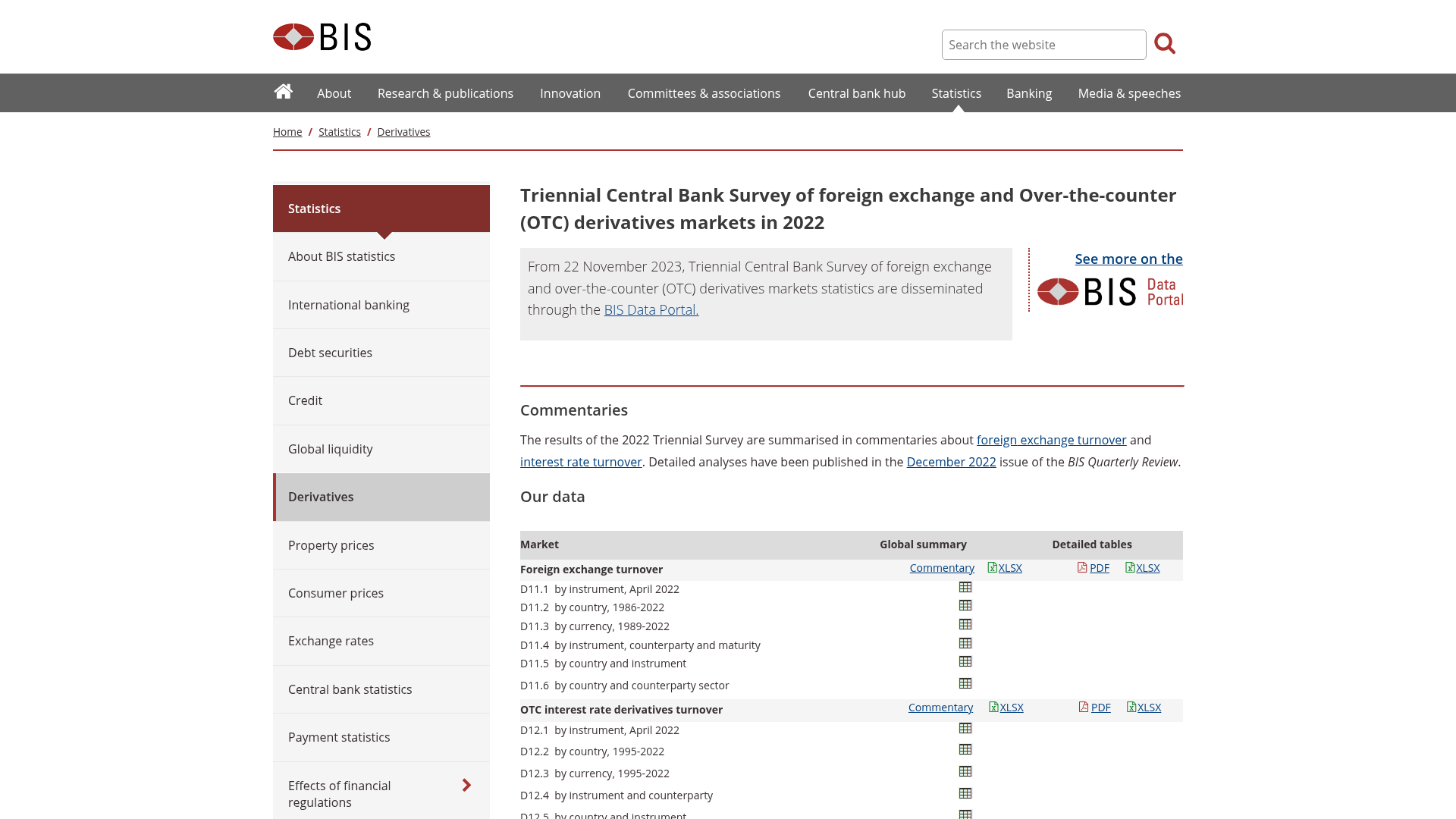
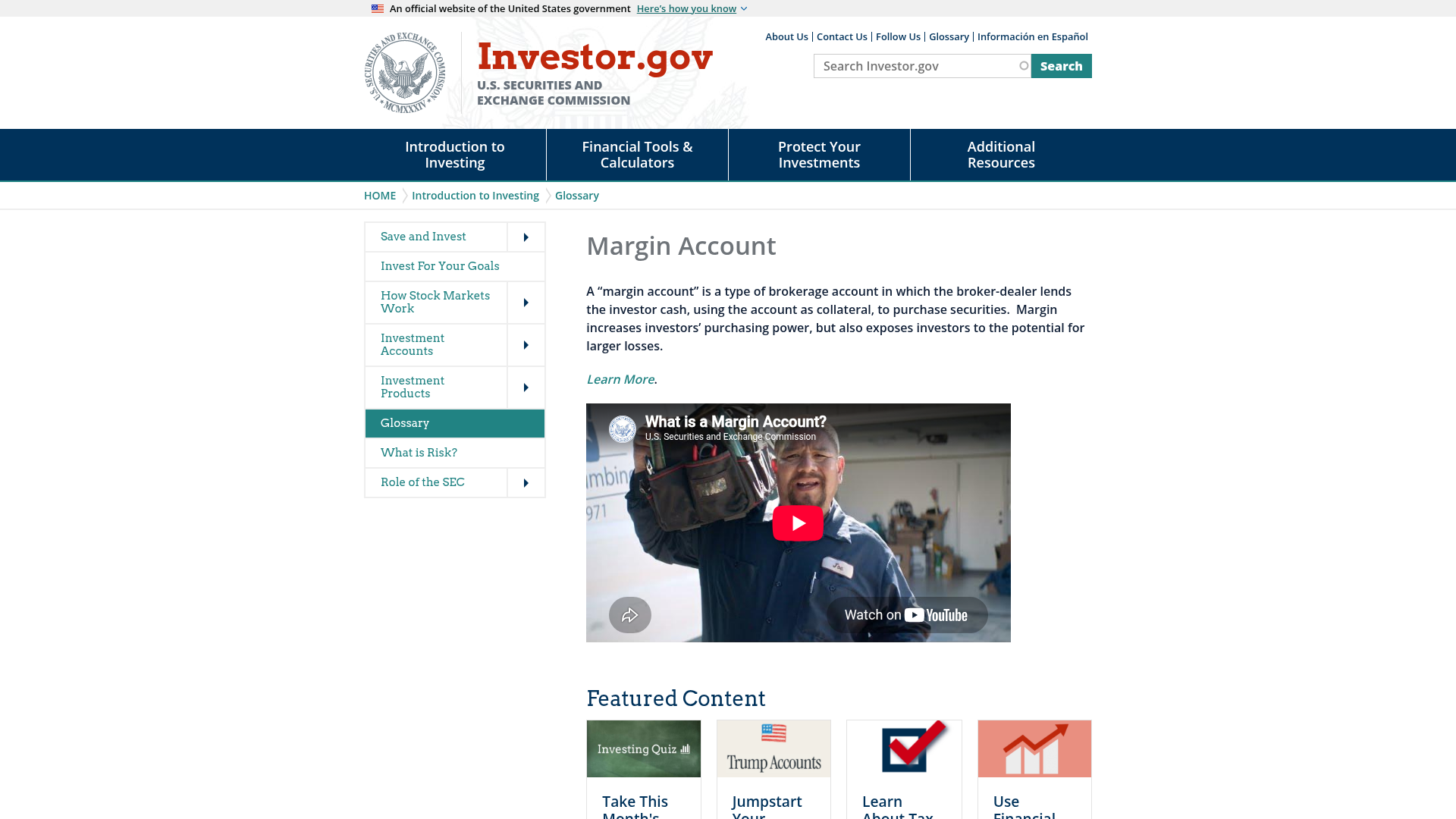
لقطات شاشة للصفحات الرسمية التي تستند إليها القواعد في هذا الدليل. افتحها بنفسك — فكلمات الجهة التنظيمية نفسها دائمًا ما تكون أفضل من ملخص لها.
الأسئلة المتكررة
المصادر
من أين جاء هذا
بقلم Sofia Reyes
مدرب المخاطر وعلم النفس. نقدم تعليماً منظماً ومبسطاً في الفوركس باللغة الإنجليزية للأشخاص الذين يتعلمون من الصفر. الفهم أولاً، دائماً — وليس نصيحة مالية أبداً. الدورة التدريبية نفسها موجودة في الـ المناهج.
واصل التعلم
إلى أين يقود هذا الدليل لاحقاً
الأدلة الأقرب إلى هذا الدليل، بالترتيب الذي تبني عليه. كل منها قراءة كاملة بحد ذاتها، ولا يفترض أي منها أنك انتهيت من هذه الصفحة.
- التداول وأنت متعب: فحص ذاتي حاسم قبل افتتاح السوقلا تدع الإرهاق يسرق ميزتك؛ تعلم التقييم الذاتي الحيوي قبل السوق لحماية رأس المال واتخاذ قرارات أكثر دقة.
- الإفراط في التداول: ثلاث علامات تحذير وإجراءك المضاد الأسبوعياكتشف الأنماط الخبيثة للإفراط في التداول، وافهم تكاليفه الحقيقية، وتعلم طريقة تدقيق أسبوعية بسيطة لاستعادة السيطرة وبناء…
- الاختبار الأمامي على حساب ديمو: استراتيجيات ذكية لتسريع تعلمكلا تدع التداول التجريبي يستمر طويلاً دون فائدة؛ اكتشف كيف يمكنك محاكاة ظروف السوق الحقيقية وتكثيف أشهر من الممارسة في أسابيع قليلة،…
- تحيز الحداثة: عندما تملي صفقتك الأخيرة قرار صفقتك التالية.اكتشف كيف يمكن للتأثير الخادع لنتائج التداول الأخيرة أن يقوض استراتيجيتك بصمت ويقودك إلى اتخاذ قرارات مكلفة وغير عقلانية في السوق.
- همس الخطر الهادئ: كيف تتعامل مع سلاسل الصفقات الرابحة في التداول.إن سلسلة من الصفقات المربحة يمكن أن تقوض الانضباط لديك بمهارة، مما يجعل حتى المتداولين ذوي الخبرة عرضة للتخريب الذاتي والخسائر…