คู่มือ · 12 นาทีในการอ่าน · 2,243 words
การบริหารงบประมาณความเสี่ยงรายสัปดาห์: เส้นทางสู่การเทรดที่สม่ำเสมอของคุณ
หยุดการคาดเดาความเสี่ยงในทุกการเทรด และนำแนวทางรายสัปดาห์ที่ชาญฉลาดกว่ามาใช้เพื่อปกป้องเงินทุนและทำให้เส้นกราฟ Equity ของการเทรดของคุณราบรื่นขึ้น
ประเด็นสำคัญ
- งบประมาณความเสี่ยงรายสัปดาห์ช่วยเปลี่ยนจุดสนใจจากการเทรดแต่ละครั้งไปสู่การรักษากระแสเงินทุนโดยรวม
- การกำหนดเปอร์เซ็นต์ที่แน่นอน (เช่น 1-2%) ของบัญชีของคุณเป็นการขาดทุนสูงสุดรายสัปดาห์ ช่วยในการจัดการ Drawdown
- แบ่งงบประมาณรายสัปดาห์ของคุณด้วยจำนวนการเทรดที่คุณวางแผนไว้ เพื่อกำหนดจำนวนความเสี่ยงที่เหมาะสมต่อการเทรดแต่ละครั้ง
- การยึดมั่นในขีดจำกัดการขาดทุนรายสัปดาห์ของคุณอย่างเคร่งครัด โดยการหยุดเทรดทันทีที่ถึงขีดจำกัด เป็นวินัยพื้นฐานที่สำคัญ
- แนวทางนี้ส่งเสริมความยืดหยุ่นทางจิตใจ ลดการเทรดด้วยอารมณ์และแนวโน้มการเทรดมากเกินไป
- Leverage ขยายความเสี่ยง ดังนั้น ตรวจสอบให้แน่ใจว่างบประมาณรายสัปดาห์ของคุณคำนึงถึงการขาดทุนที่อาจเพิ่มขึ้นในตำแหน่งที่มี Leverage สูง
วงจรที่ไม่สิ้นสุดของการคาดเดาความเสี่ยงในการเทรดแต่ละครั้ง
เช้าวันจันทร์ คุณเพิ่งเปิดการเทรด คุณตั้ง Stop-Loss โดยอาจเสี่ยง 1% ของบัญชี พอถึงวันอังคาร การเทรดนั้นก็ชน Stop คุณเปิดอีกครั้ง หวังจะกู้คืนการขาดทุน โดยเสี่ยงอีก 1% เหตุการณ์นี้ดำเนินต่อไป และพอถึงวันศุกร์ คุณอาจพบว่าตัวเองขาดทุนไปแล้ว 5% หรือมากกว่านั้น รู้สึกหมดพลังทางอารมณ์ และสงสัยว่าเกิดอะไรขึ้นผิดพลาด สถานการณ์ทั่วไปนี้เน้นย้ำถึงข้อบกพร่องพื้นฐานในวิธีการที่เทรดเดอร์รายย่อยจำนวนมากจัดการความเสี่ยง: พวกเขาปฏิบัติต่อการเทรดแต่ละครั้งว่าเป็นเหตุการณ์ที่แยกจากกัน
การคิดถึงความเสี่ยงทีละการเทรด โดยไม่มีกรอบการทำงานที่ใหญ่กว่า มักนำไปสู่ผลลัพธ์ที่ไม่สม่ำเสมอและการตัดสินใจด้วยอารมณ์ การขาดทุนแต่ละครั้งรู้สึกเหมือนเป็นการกระทบโดยตรงต่อเงินทุนของคุณ กระตุ้นให้เกิดการกระทำที่หุนหันพลันแล่นเพื่อ 'เอาคืน' สไตล์การเทรดที่ตอบสนองแบบนี้สามารถกัดกร่อนบัญชีและความมั่นใจของคุณได้อย่างรวดเร็ว หากไม่มีมุมมองที่กว้างขึ้น ก็ง่ายที่จะตกหลุมพรางของการเทรดมากเกินไป การเพิ่มขนาด Position หลังการขาดทุน หรือไล่ตามตลาดที่มีความผันผวน ซึ่งทั้งหมดนี้เป็นสูตรสำหรับความหายนะ
ลองจินตนาการถึงการจัดการการเงินในครัวเรือนของคุณโดยดูแค่ค่าใช้จ่ายของสินค้าแต่ละชิ้น โดยไม่คำนึงถึงงบประมาณอาหารรายสัปดาห์ทั้งหมดของคุณ คุณจะพบว่าตัวเองใช้จ่ายเกินงบอย่างรวดเร็ว เงินทุนในการเทรดก็เช่นเดียวกัน คุณต้องการภาพที่ใหญ่ขึ้น รั้วทางการเงินรอบกิจกรรมรายสัปดาห์ของคุณ เพื่อรักษาสภาพการควบคุม รั้วนั้นคืองบประมาณความเสี่ยงรายสัปดาห์ของคุณ
ทำไมงบประมาณรายสัปดาห์จึงเปลี่ยนมุมมองการเทรดของคุณ
การเปลี่ยนจากการคิดเรื่องความเสี่ยงต่อการเทรดแต่ละครั้งมาเป็นงบประมาณความเสี่ยงรายสัปดาห์ เหมือนกับการเปลี่ยนจากมุมมองจุลภาคของใบไม้ใบเดียวไปสู่มุมมองมหภาคของป่าทั้งป่า แทนที่จะหมกมุ่นอยู่กับว่า Stop-Loss ของการเทรดนั้นอยู่ที่ 0.5% หรือ 1% คุณจะตัดสินใจก่อนว่าจะยอมขาดทุนสูงสุดเท่าไรในหนึ่งสัปดาห์ การเปลี่ยนแปลงง่ายๆ นี้จะเปลี่ยนความสัมพันธ์ของคุณกับความเสี่ยงและการขาดทุนโดยพื้นฐาน
งบประมาณรายสัปดาห์เป็นเกราะป้องกันทางจิตวิทยาที่สำคัญ หากคุณถึงขีดจำกัดการขาดทุนรายสัปดาห์ในวันอังคาร คุณก็หยุดเทรดไปตลอดทั้งสัปดาห์ นี่ไม่ใช่การลงโทษ แต่เป็นการป้องกัน ช่วยป้องกันไม่ให้คุณขาดทุนหนักขึ้น และบังคับให้คุณต้องหยุดพัก ตั้งหลักใหม่ และกลับมาพร้อมกับจิตใจที่ปลอดโปร่งในสัปดาห์ถัดไป เป็นการสร้างวินัย ซึ่งมักเป็นสิ่งที่เทรดเดอร์หลายคนขาดไป
แนวทางนี้ยังส่งเสริมการเลือกเทรดที่มีคุณภาพสูงขึ้น เนื่องจากแต่ละการเทรดจะใช้ส่วนหนึ่งของงบความเสี่ยงรายสัปดาห์ที่กำหนดไว้ คุณจึงเป็นคนเลือกมากขึ้นโดยธรรมชาติ คุณมีแนวโน้มที่จะกระโดดเข้าสู่ Setup ที่ไม่ดีน้อยลง เมื่อคุณรู้ว่าการตัดสินใจที่ผิดพลาดเพียงครั้งเดียวอาจหมายถึงการต้องหยุดพักการเทรดไปหลายวัน งบประมาณรายสัปดาห์เน้นย้ำถึงความอดทนและความแม่นยำ มากกว่าปริมาณและความรีบร้อน
การกำหนดงบประมาณความเสี่ยงรายสัปดาห์ของคุณ
แล้วคุณจะกำหนดงบประมาณรายสัปดาห์นี้ได้อย่างไร? ไม่ใช่คำตอบที่ใช้ได้กับทุกคน แต่จุดเริ่มต้นที่ดีคือการจัดสรรเปอร์เซ็นต์เล็กน้อยของเงินทุนในการเทรดทั้งหมดของคุณ เทรดเดอร์ที่มีประสบการณ์หลายคนแนะนำความเสี่ยงรายสัปดาห์ที่ 1% ถึง 2% ของยอดเงินในบัญชีของคุณ สำหรับบัญชี $10,000 นี่หมายถึงการขาดทุนสูงสุดรายสัปดาห์ $100 ถึง $200
เปอร์เซ็นต์นี้ควรจะอนุรักษ์นิยม โดยเฉพาะอย่างยิ่งหากคุณยังใหม่กับการเทรด หรือกำลังประสบกับช่วงที่ตลาดมีความผันผวนสูง จำไว้ว่า เป้าหมายคือการรักษเงินทุนและการเติบโตที่สม่ำเสมอ ไม่ใช่การพนันที่มีความเสี่ยงสูงและก้าวร้าว แม้แต่ผู้จัดการกองทุนมืออาชีพก็ยังทำงานภายใต้ขีดจำกัด Drawdown ที่เข้มงวด ซึ่งมักจะหมายถึงการยอมรับความเสี่ยงรายสัปดาห์หรือรายเดือนที่ต่ำมากเมื่อเทียบกับพอร์ตโฟลิโอทั้งหมดของพวกเขา การยอมรับความเสี่ยงส่วนบุคคลของคุณ อัตราการชนะของกลยุทธ์การเทรดของคุณ และขนาดการเทรดที่ชนะและแพ้โดยเฉลี่ยของคุณ ควรเป็นปัจจัยในการตัดสินใจนี้ทั้งหมด
หากคุณพบว่า 1-2% นั้นจำกัดมากเกินไป บางทีความถี่ในการเทรดหรือขนาด Position ของคุณอาจต้องได้รับการปรับเปลี่ยน งบประมาณรายสัปดาห์ไม่ได้มีไว้เพื่อจำกัดการเทรดของคุณ แต่เพื่อให้แน่ใจว่ามันยั่งยืน เริ่มต้นเล็กๆ พิสูจน์ความสม่ำเสมอ แล้วจึงค่อยพิจารณาการปรับเปลี่ยนทีละน้อย สิ่งสำคัญคือการเลือกตัวเลขที่คุณสามารถยอมรับการขาดทุนได้ในหนึ่งสัปดาห์โดยไม่รู้สึกกดดันทางอารมณ์มากเกินไป
การแปลงความเสี่ยงรายสัปดาห์ไปสู่ความเสี่ยงต่อการเทรดแต่ละครั้ง
เมื่อคุณมีงบประมาณความเสี่ยงรายสัปดาห์แล้ว ขั้นตอนต่อไปคือการทำความเข้าใจว่าสิ่งนั้นหมายความว่าอย่างไรสำหรับการเทรดแต่ละครั้งที่คุณทำ นี่คือจุดที่งบประมาณเริ่มกำหนดการกระทำของคุณอย่างแท้จริง ไม่ใช่การกำหนดล่วงหน้าว่าคุณจะเทรดกี่ครั้ง แต่เป็นการทำความเข้าใจผลกระทบของการขาดทุนที่อาจเกิดขึ้นแต่ละครั้งที่มีต่อขีดจำกัดรายสัปดาห์ของคุณ สมมติว่างบประมาณรายสัปดาห์ของคุณคือ $100
หากคุณวางแผนที่จะเทรดห้าครั้งในหนึ่งสัปดาห์ คุณอาจจัดสรร $20 (หรือ 0.2% ของบัญชี $10,000 ของคุณ) เป็นการขาดทุนสูงสุดสำหรับการเทรดแต่ละครั้ง หากคุณวางแผนเพียงสองครั้ง แต่ละครั้งอาจเสี่ยง $50 (หรือ 0.5%) ประเด็นคืองบประมาณรายสัปดาห์บังคับให้คุณต้องคิดถึงจำนวนรวมของการเทรดที่อาจขาดทุนที่คุณสามารถรับได้ ก่อนที่คุณจะถึงขีดจำกัดและต้องหยุด นี่คือการเปลี่ยนแปลงมุมมองที่สำคัญ เปลี่ยนจาก 'ฉันสามารถเสี่ยงได้เท่าไรในการเทรดนี้?' ไปเป็น 'ฉันสามารถเสี่ยงได้กี่ครั้งจนกว่างบประมาณรายสัปดาห์ของฉันจะหมดลง?'
วิธีนี้เชื่อมโยงความถี่ในการเทรดและการจัดการความเสี่ยงของคุณโดยธรรมชาติ หากกลยุทธ์ของคุณมักจะสร้างการเทรดที่มีความเชื่อมั่นสูงเพียงสองครั้งต่อสัปดาห์ ความเสี่ยงต่อการเทรดที่สูงขึ้น (ภายในงบประมาณรายสัปดาห์) ก็เหมาะสม หากคุณเป็น Scalper ที่เทรด 20 ครั้ง ความเสี่ยงต่อการเทรดของคุณก็จะเล็กลงมาก ตารางด้านล่างแสดงให้เห็นว่างบประมาณรายสัปดาห์ที่กำหนดไว้สามารถกระจายไปตามจำนวนการเทรดที่วางแผนไว้ที่แตกต่างกันได้อย่างไร เพื่อให้แน่ใจว่าคุณจะไม่เกินขีดจำกัดโดยรวมของคุณ
การแปลงงบประมาณความเสี่ยงรายสัปดาห์ไปสู่ความเสี่ยงในการเทรดแต่ละครั้ง
| ขนาดบัญชี ($) | ความเสี่ยงรายสัปดาห์ (%) | งบประมาณรายสัปดาห์ ($) | จำนวนการเทรดที่วางแผนไว้ | ความเสี่ยงสูงสุดต่อการเทรด ($) | ความเสี่ยงสูงสุดต่อการเทรด (% ของบัญชี) |
|---|---|---|---|---|---|
| 10,000 | 1% | 100 | 5 | 20 | 0.2% |
| 10,000 | 1% | 100 | 10 | 10 | 0.1% |
| 10,000 | 2% | 200 | 5 | 40 | 0.4% |
| 25,000 | 1.5% | 375 | 8 | 46.88 | 0.19% |
| 50,000 | 1% | 500 | 4 | 125 | 0.25% |
งบประมาณรายสัปดาห์เป็นเกราะป้องกันทางจิตวิทยาที่สำคัญ ช่วยป้องกันไม่ให้คุณขาดทุนหนักขึ้น และบังคับให้คุณต้องหยุดพัก ตั้งหลักใหม่ และกลับมาพร้อมกับจิตใจที่ปลอดโปร่ง
การทำความเข้าใจกำไรและขาดทุนภายใต้ขีดจำกัดรายสัปดาห์ของคุณ
การทดสอบที่แท้จริงของงบประมาณความเสี่ยงรายสัปดาห์จะเกิดขึ้นเมื่อคุณอยู่ท่ามกลางสัปดาห์การเทรด จะเกิดอะไรขึ้นหากคุณถึงขีดจำกัดการขาดทุนรายสัปดาห์ก่อนกำหนด เช่น ภายในวันพุธ กฎนั้นง่าย ตรงไปตรงมา และไม่สามารถต่อรองได้: คุณต้องหยุดเทรดตลอดช่วงที่เหลือของสัปดาห์ นี่ไม่ใช่การปล่อยให้ความกลัวมาบงการการกระทำของคุณ แต่เป็นการยึดมั่นในขอบเขตที่กำหนดไว้ล่วงหน้าและมีเหตุผล ซึ่งช่วยปกป้องเงินทุนของคุณ มันช่วยขจัดกระบวนการตัดสินใจที่ใช้อารมณ์ ซึ่งมักจะเกิดขึ้นหลังจากการขาดทุนหลายครั้ง ป้องกันไม่ให้คุณพยายาม 'เอาคืน' สิ่งที่เสียไป ซึ่งเป็นเส้นทางทั่วไปที่นำไปสู่ drawdown ที่ใหญ่ขึ้น
แล้วถ้าคุณเริ่มต้นสัปดาห์ได้อย่างยอดเยี่ยมและทำกำไรได้มาก ความเสี่ยงต่อการเทรดของคุณเปลี่ยนไปหรือไม่ ไม่ การขาดทุน สูงสุดที่อนุญาต สำหรับสัปดาห์ยังคงเป็นงบประมาณเริ่มต้นของคุณ แม้ว่า ยอดเงินในบัญชี ของคุณอาจเพิ่มขึ้น แต่คุณไม่ควรเพิ่มความเสี่ยงต่อการเทรดในสัปดาห์นั้น งบประมาณรายสัปดาห์ทำหน้าที่เป็นหลักยึดที่สม่ำเสมอ หากคุณทำกำไรได้ $200 จากงบประมาณความเสี่ยงรายสัปดาห์ $100 คุณได้ 'ลดความเสี่ยง' ของสัปดาห์นั้นไปแล้ว แต่คุณไม่ควรที่จะก้าวร้าวมากขึ้นอย่างกะทันหัน แนวคิดคือการรักษาระดับความเสี่ยงให้คงที่ การปรับงบประมาณใดๆ ควรเกิดขึ้นหลังจากทบทวนครบหนึ่งสัปดาห์ หรือแม้กระทั่งหนึ่งเดือน ไม่ใช่กลางสัปดาห์โดยพิจารณาจากผลงาน
การยึดมั่นอย่างไม่เปลี่ยนแปลงนี้ ไม่ว่าจะเกิดผลลัพธ์ระยะสั้นอย่างไร คือวินัยที่ให้ผลตอบแทน มันสร้างความสม่ำเสมอและเสถียรภาพทางอารมณ์ ทำให้คุณสามารถมุ่งเน้นไปที่การดำเนินการตามกลยุทธ์ แทนที่จะตอบสนองต่อการเปลี่ยนแปลง P&L (กำไรและขาดทุน) ทุกครั้ง ในทางปฏิบัติ การต้านทานความอยากที่จะ 'เอาคืน' หลังจากถึงขีดจำกัดรายสัปดาห์เป็นหนึ่งในวินัยที่ยากที่สุดที่จะเชี่ยวชาญ แต่ก็เป็นสิ่งที่มีค่าที่สุดในระยะยาวอย่างไม่ต้องสงสัย
ข้อได้เปรียบทางจิตใจ: การเทรดด้วยความมั่นใจ
หนึ่งในประโยชน์ที่มักถูกมองข้ามของการใช้งบประมาณความเสี่ยงรายสัปดาห์คือผลกระทบอย่างลึกซึ้งต่อจิตวิทยาของคุณ การเทรดอาจเป็นกิจกรรมที่สร้างความเครียดอย่างมาก เต็มไปด้วยความไม่แน่นอนและโอกาสที่จะขาดทุนอยู่เสมอ เมื่อคุณจัดการความเสี่ยงแบบเทรดต่อเทรด การตั้ง stop-loss ทุกครั้งจะรู้สึกเหมือนเป็นความล้มเหลวส่วนตัว นำไปสู่ความวิตกกังวล ความหงุดหงิด และบ่อยครั้ง การเทรดแก้แค้น (revenge trading)
ด้วยงบประมาณรายสัปดาห์ คุณจะมองการขาดทุนในมุมมองใหม่ การขาดทุนเพียงครั้งเดียว หรือแม้แต่การขาดทุนไม่กี่ครั้ง ก็ไม่รู้สึกเหมือนเป็นหายนะ เพราะคุณรู้ว่ามีขีดจำกัดที่แน่นอนสำหรับ drawdown รายสัปดาห์ของคุณ ขีดจำกัดที่ครอบคลุมนี้ให้ความรู้สึกของการควบคุมและความสงบ มันช่วยให้คุณเข้าสู่การเทรดแต่ละครั้งโดยมีภาระทางอารมณ์น้อยลง โดยรู้ว่าสถานการณ์ที่เลวร้ายที่สุดสำหรับสัปดาห์นั้นถูกจำกัดไว้แล้ว เกราะป้องกันทางจิตวิทยา (psychological cushion) นี้มีพลังอย่างเหลือเชื่อ
นี่คือส่วนที่คู่มือส่วนใหญ่มักจะข้ามไป: ประโยชน์ที่แท้จริงคือความยืดหยุ่นทางจิตใจ การรู้ว่าความเสี่ยงขาลงของคุณถูกจำกัดไว้ ช่วยปลดปล่อยพลังงานทางจิตใจ คุณสามารถมุ่งเน้นไปที่การดำเนินการตามกลยุทธ์ การวิเคราะห์ตลาด และการระบุโอกาสในการเทรดที่มีความน่าจะเป็นสูง แทนที่จะกังวลอยู่ตลอดเวลากับความกลัวว่าจะขาดทุนจำนวนมาก ความเครียดที่ลดลงนี้นำไปสู่การคิดที่ชัดเจนขึ้น การตัดสินใจที่ดีขึ้น และท้ายที่สุด ประสิทธิภาพที่สม่ำเสมอมากขึ้น มันสร้างความมั่นใจไม่เพียงแค่ในกลยุทธ์ของคุณเท่านั้น แต่ยังรวมถึงความสามารถในการจัดการกับความผันผวนทางอารมณ์ของตลาดด้วย
Leverage, Margin และงบประมาณความเสี่ยงรายสัปดาห์ของคุณ
Leverage เป็นดาบสองคมในการเทรด มันช่วยเพิ่มทั้งกำไรและขาดทุนที่เป็นไปได้ การทำความเข้าใจบทบาทของมันเป็นสิ่งสำคัญเมื่อนำงบประมาณความเสี่ยงรายสัปดาห์มาใช้ โบรกเกอร์หลายแห่งเสนอ Leverage ที่สูง เช่น Pepperstone ซึ่งอนุญาตให้ลูกค้าเทรดในตลาดโลกด้วย spread ที่แคบและแพลตฟอร์มอย่าง MT4, MT5 และ TradingView แต่ Leverage สูงสุดที่มีให้จะถูกจำกัดโดยหน่วยงานกำกับดูแล ตัวอย่างเช่น ในภูมิภาคที่อยู่ภายใต้การกำกับดูแลของ ESMA เช่น สหภาพยุโรป ลูกค้ารายย่อยมักจะถูกจำกัด Leverage ไว้ที่ 1:30 สำหรับคู่สกุลเงินหลัก ซึ่งหมายความว่าสำหรับทุกๆ €1 ในบัญชีเทรดของคุณ คุณสามารถควบคุมตำแหน่งที่มีมูลค่าสูงถึง €30
แม้ว่า Leverage จะไม่เพิ่ม ความเสี่ยงต่อการเทรด โดยตรง หากคุณใช้ stop-loss อย่างสม่ำเสมอเพื่อกำหนดการขาดทุนสูงสุดเป็นดอลลาร์ แต่ก็หมายความว่าการเคลื่อนไหวของราคาเพียงเล็กน้อยสามารถทำให้ตำแหน่งของคุณถูกปิดได้เร็วขึ้น หากคุณไม่ใช้ stop-loss หรือหาก stop-loss ของคุณกว้างมาก ที่สำคัญกว่านั้น Leverage ที่สูงขึ้นหมายความว่าคุณใช้ margin น้อยลงสำหรับขนาดตำแหน่งที่กำหนด ปลดปล่อยเงินทุนที่คุณอาจถูกล่อลวงให้ลงทุนมากเกินไป หากคุณไม่มีวินัยกับงบประมาณความเสี่ยงของคุณ ตัวอย่างเช่น standard lot (100,000 หน่วย) ของ EUR/USD ที่มี Leverage 1:30 ต้องใช้ margin ประมาณ €3,333 ในขณะที่ Leverage 1:500 จะใช้เพียง €200 ข้อกำหนด margin ที่ต่ำลงนี้ไม่ได้หมายความว่าความเสี่ยงน้อยลง หาก stop-loss ของคุณยังคงตั้งไว้เพื่อขาดทุน เช่น $100; มันหมายความว่าคุณมี 'กำลังซื้อ' มากขึ้นเพื่อเปิดการเทรดเพิ่มเติมหรือการเทรดที่ใหญ่ขึ้น ซึ่งอาจทำให้งบประมาณรายสัปดาห์ของคุณหมดลงอย่างรวดเร็วหากไม่ได้รับการจัดการ
ดังนั้น แม้จะมี Leverage สูงที่เสนอโดยโบรกเกอร์อย่าง XM หรือ IC Markets (ซึ่งอยู่ภายใต้การกำกับดูแลของ ASIC และ CySEC และอื่นๆ) งบประมาณความเสี่ยงรายสัปดาห์ของคุณควรเป็นตัวควบคุมหลักของการเปิดรับความเสี่ยงของคุณ อย่าปล่อยให้การมี Leverage สูงมาล่อลวงให้คุณรับ ความเสี่ยงเป็นดอลลาร์ ต่อการเทรดมากกว่าที่งบประมาณของคุณอนุญาต งบประมาณรายสัปดาห์ของคุณคือการป้องกันขั้นสูงสุดจากพลังที่เย้ายวนของ Leverage คำนวณขนาดตำแหน่งของคุณเสมอโดยอิงจากความเสี่ยงเป็นดอลลาร์ที่กำหนดต่อการเทรด จากนั้น พิจารณา margin ที่ต้องการ ไม่ใช่ในทางกลับกัน
การทบทวนและปรับเปลี่ยนงบประมาณความเสี่ยงของคุณ
งบประมาณความเสี่ยงรายสัปดาห์ไม่ใช่กฎที่ตายตัวและตั้งแล้วปล่อยผ่าน มันเป็นเครื่องมือที่มีพลวัตที่ควรพัฒนาไปพร้อมกับการเดินทางในการเทรดของคุณ เช่นเดียวกับที่กลยุทธ์การเทรดของคุณอาจปรับเปลี่ยนตามสภาวะตลาดที่เปลี่ยนแปลงไป งบประมาณความเสี่ยงของคุณก็ควรได้รับการทบทวนเป็นระยะ บ่อยแค่ไหน การปฏิบัติที่ดีคือการทบทวนเมื่อสิ้นเดือน หรืออาจจะทุกไตรมาส การทบทวนรายวันหรือรายสัปดาห์มักจะบ่อยเกินไปและอาจนำไปสู่การเปลี่ยนแปลงที่หุนหันพลันแล่นโดยอิงจากผลงานระยะสั้น
คุณควรพิจารณาปรับงบประมาณเมื่อใด หลักๆ คือ หากยอดเงินในบัญชีของคุณมีการเปลี่ยนแปลงอย่างมีนัยสำคัญ หากคุณมีช่วงเวลาที่ทำกำไรได้อย่างต่อเนื่อง คุณอาจเพิ่มความเสี่ยงเป็นดอลลาร์รายสัปดาห์เล็กน้อย (ในขณะที่รักษาสัดส่วนเปอร์เซ็นต์เดิม) เพื่อสะท้อนถึงเงินทุนที่มากขึ้นของคุณ หากคุณประสบกับ drawdown อย่างมีนัยสำคัญ การลดความเสี่ยงรายสัปดาห์ (โดยยังคงรักษาสัดส่วนเปอร์เซ็นต์เดิม) เป็นสิ่งที่ไม่ควรมองข้าม เพื่อปกป้องเงินทุนที่เหลือและเปิดโอกาสให้ฟื้นตัว อีกเหตุผลหนึ่งในการปรับเปลี่ยนอาจเป็นการเปลี่ยนแปลงพื้นฐานในความผันผวนของตลาด ในช่วงเวลาที่ตลาดมีความผันผวนเป็นพิเศษ คุณอาจลดความเสี่ยงเป็นเปอร์เซ็นต์ชั่วคราว เพื่อรองรับ stop-loss ที่กว้างขึ้นหรือการเคลื่อนไหวของราคาที่รุนแรงขึ้น
กระบวนการทบทวนไม่ได้เป็นเพียงเรื่องของตัวเลขเท่านั้น แต่ยังเป็นโอกาสในการประเมินตนเองด้วย คุณยึดมั่นในงบประมาณของคุณหรือไม่ คุณหยุดเมื่อถึงขีดจำกัดของคุณหรือไม่ ระดับความเสี่ยงต่อการเทรดที่คุณเลือกเหมาะสมกับอัตราการชนะของกลยุทธ์ของคุณหรือไม่ การฝึกฝนการทบทวนตนเองนี้มีความสำคัญอย่างยิ่งต่อการพัฒนาอย่างต่อเนื่อง โปรดจำไว้ว่า เป้าหมายคือความสม่ำเสมอในระยะยาว และการเข้าถึงงบประมาณความเสี่ยงรายสัปดาห์ที่ยืดหยุ่นแต่มีวินัยเป็นรากฐานสำคัญในการบรรลุเป้าหมายนั้น
การนำงบประมาณรายสัปดาห์ไปปฏิบัติจริง
การนำงบประมาณความเสี่ยงรายสัปดาห์มาใช้ต้องอาศัยมากกว่าแค่การคำนวณ แต่ต้องอาศัยวินัยที่สม่ำเสมอ ขั้นตอนแรกคือการกำหนดงบประมาณของคุณให้ชัดเจน ไม่ว่าจะเป็น 1% หรือ 2% ของบัญชีของคุณ และจดบันทึกไว้ในที่ที่คุณสามารถมองเห็นได้ คำกล่าวที่ชัดเจนนี้ช่วยให้คุณเข้าใจกฎนี้ได้อย่างลึกซึ้ง ถัดไป ก่อนที่จะเปิดการเทรดใดๆ ให้คำนวณความเสี่ยงเป็นดอลลาร์ที่แน่นอนสำหรับการตั้งค่าเฉพาะนั้นโดยอิงจากระดับ stop-loss ของคุณ และตรวจสอบให้แน่ใจว่ามันอยู่ในขอบเขตของงบประมาณรายสัปดาห์ของคุณ หาก stop-loss ที่เหมาะสมของการเทรดจะเกินความเสี่ยงต่อการเทรดที่คุณอนุญาต คุณมีสองทางเลือก: ไม่เปิดการเทรดนั้น หรือลดขนาดตำแหน่งของคุณเพื่อปรับความเสี่ยงเป็นดอลลาร์ให้สอดคล้องกับงบประมาณของคุณ
การใช้ trading journal จะมีความสำคัญมากยิ่งขึ้นเมื่องบประมาณรายสัปดาห์ ติดตาม P&L (กำไรและขาดทุน) รายสัปดาห์ของคุณอย่างขยันขันแข็ง นี่ไม่ใช่แค่การบันทึกการเทรดเท่านั้น แต่เป็นการติดตามการใช้งบประมาณความเสี่ยงรายสัปดาห์ของคุณ แพลตฟอร์มการเทรดหลายแห่ง เช่น MT4 และ MT5 ไม่ได้ติดตามความเสี่ยงรายสัปดาห์โดยตรง ดังนั้น สเปรดชีตง่ายๆ หรือเครื่องมือบันทึกการเทรดเฉพาะทางจึงมีค่าอย่างยิ่ง การติดตามที่ชัดเจนและเรียลไทม์นี้ช่วยป้องกันไม่ให้คุณเกินขีดจำกัดโดยไม่ตั้งใจ ตัวอย่างเช่น หากงบประมาณรายสัปดาห์ของคุณคือ $100 และคุณได้ขาดทุนสะสมไปแล้ว $80 จากการเทรดก่อนหน้านี้ คุณจะรู้ว่าคุณเหลือเงินเพียง $20 สำหรับการเทรดใหม่ๆ ในสัปดาห์นี้ หากการเทรดที่มีศักยภาพครั้งต่อไปของคุณมีความเสี่ยง $30 คุณก็ไม่สามารถเปิดการเทรดนั้นได้
การนำกรอบการทำงานนี้มาใช้หมายถึงการยึดมั่นในวินัยที่จำเป็น ในตอนแรกมันอาจจะรู้สึกจำกัด โดยเฉพาะอย่างยิ่งหากคุณคุ้นเคยกับการเข้าถึงแบบเฉพาะหน้ามากกว่า แต่เสรีภาพที่มันมอบให้ – เสรีภาพจากการเทรดด้วยอารมณ์ จากการไล่ตามการขาดทุน และจากการเกิด drawdown ที่สำคัญ – มีค่ามากกว่าข้อจำกัดใดๆ ที่รับรู้ในตอนแรกอย่างมาก มันส่งเสริมแนวทางการเทรดแบบมืออาชีพ เปลี่ยนการตัดสินใจที่วุ่นวายให้เป็นการบริหารความเสี่ยงที่มีโครงสร้างและเจตนา เริ่มต้นจากเล็กๆ คงความสม่ำเสมอ และเฝ้าดูความมั่นใจในการเทรดและ equity curve ของคุณพัฒนาขึ้นอย่างต่อเนื่อง
การติดตามการใช้งบประมาณความเสี่ยงรายสัปดาห์
| ยอดเงินในบัญชี ($) | งบประมาณความเสี่ยงรายสัปดาห์ ($) | ความเสี่ยงเริ่มต้นของการเทรด 1 ($) | P&L ของการเทรด 1 ($) | ความเสี่ยงรายสัปดาห์ที่เหลือ ($) | ความเสี่ยงเริ่มต้นของการเทรด 2 ($) | P&L ของการเทรด 2 ($) | ความเสี่ยงรายสัปดาห์ที่เหลือ ($) |
|---|---|---|---|---|---|---|---|
| 10,000 | 100 | 20 | -20 | 80 | 20 | +30 | 80 |
| 10,000 | 100 | 25 | -25 | 75 | 25 | -25 | 50 |
| 10,000 | 100 | 30 | -30 | 70 | 30 | -30 | 40 |
| 10,000 | 100 | 40 | -40 | 60 | 40 | -40 | 20 |
อ่านแหล่งข้อมูลหลัก
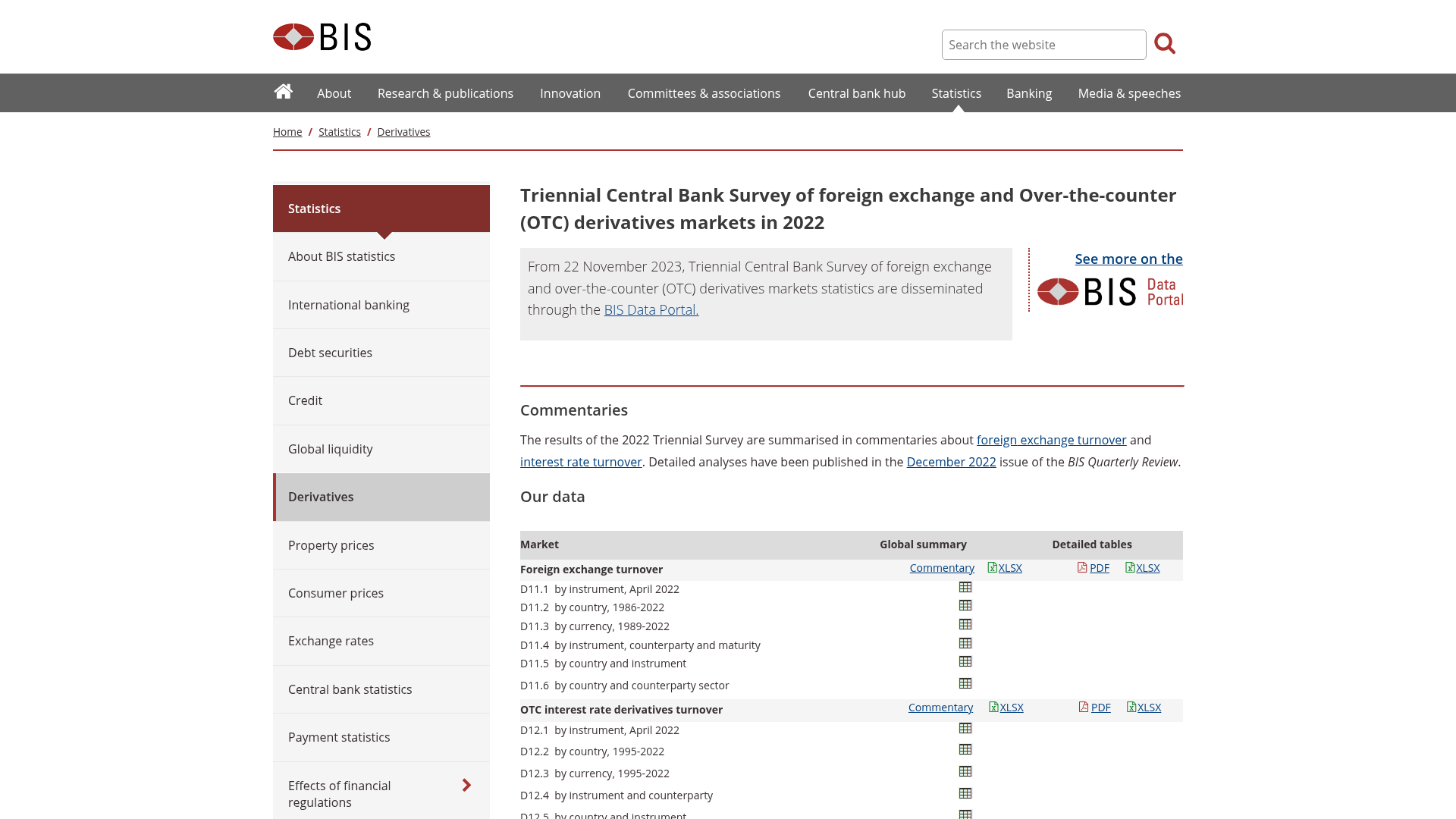
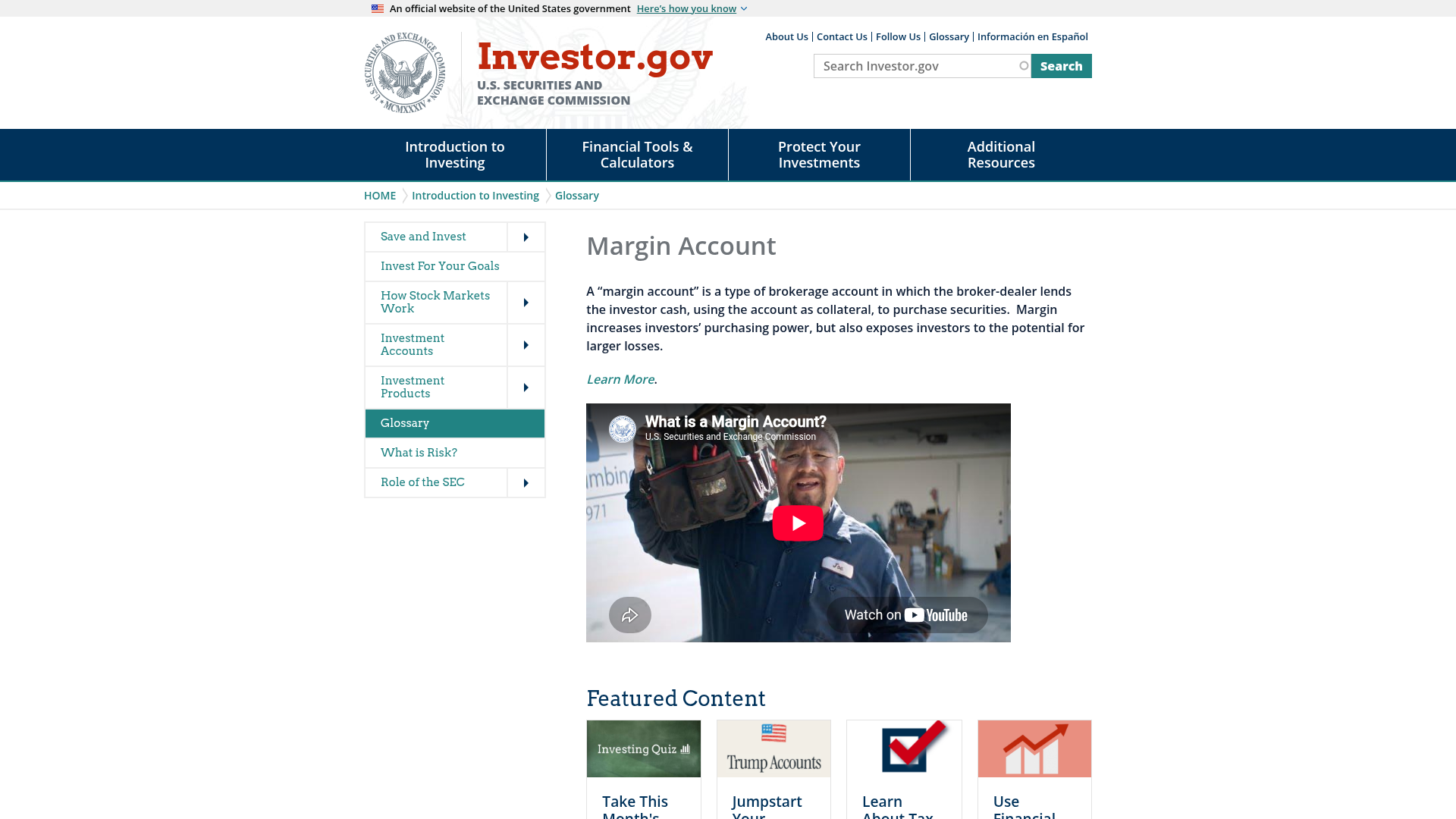
ตรวจสอบได้ที่หน่วยงานกำกับดูแล ไม่ใช่ที่เรา
ภาพหน้าจอของหน้าเว็บทางการที่มาของกฎระเบียบในคู่มือนี้ เปิดดูด้วยตัวคุณเอง — คำพูดของหน่วยงานกำกับดูแลย่อมดีกว่าสรุปเสมอ
คำถามที่พบบ่อย
แหล่งที่มา
ที่มา
เขียนโดย Sofia Reyes
ผู้สอนด้านความเสี่ยงและจิตวิทยาเราเขียนบทเรียน forex ที่มีโครงสร้างและเข้าใจง่ายสำหรับผู้เริ่มต้น เน้นความเข้าใจเป็นอันดับแรกเสมอ — และไม่ใช่คำแนะนำทางการเงิน เนื้อหาหลักสูตรอยู่ใน หลักสูตร.
เรียนรู้ต่อไป
เส้นทางต่อไป
คู่มือที่เกี่ยวข้องกับหน้านี้มากที่สุด เรียงตามลำดับที่ต่อยอดจากหน้านี้ แต่ละคู่มือเป็นเนื้อหาที่สมบูรณ์ในตัวเอง และไม่มีคู่มือใดที่ถือว่าคุณอ่านหน้านี้จบแล้ว
- การกำหนด Daily Loss Limit ที่คุณจะยึดมั่นได้จริงในเวลาบ่าย 3 โมงค้นพบวิธีการสร้างวงเงินขาดทุนรายวันในการเทรดที่ปกป้องเงินทุนและสภาพจิตใจของคุณ…
- เชี่ยวชาญความเสี่ยงรวมของสถานะที่เปิดอยู่: คู่มือสำคัญในการจำกัดความเสี่ยงในทุกสถานะการเทรดการทำความเข้าใจและจำกัดเงินทุนรวมที่เสี่ยงอยู่ในทุกสถานะที่เปิดอยู่พร้อมกัน…
- การเทรดมากเกินไป (Overtrading): สามสัญญาณเตือนและมาตรการรับมือรายสัปดาห์ของคุณค้นพบรูปแบบที่แฝงเร้นของการเทรดมากเกินไป (overtrading) ทำความเข้าใจต้นทุนที่แท้จริง…
- Stop-Loss ที่กว้างขึ้น, ขนาดสถานะที่เล็กลง: การแลกเปลี่ยนที่จำเป็นสำหรับเทรดเดอร์ค้นพบว่าการปรับระยะห่างของจุดตัดขาดทุน (stop loss) ส่งผลโดยตรงต่อขนาดสถานะ (position size) ของคุณอย่างไร…
- คณิตศาสตร์ที่ไม่ปรานี: ทำไมการขาดทุน 50% จึงต้องใช้กำไร 100% เพื่อฟื้นตัวการสูญเสียเงินทุนในการเทรดไปครึ่งหนึ่งไม่ได้หมายความว่าคุณต้องการกำไรเพิ่มอีกเพียง 50%…