Panduan · 11 menit baca · 2,309 words
Mengapa Market Order Anda Mungkin Terisi pada Harga yang Tidak Pernah Anda Lihat
Temukan mekanisme tersembunyi di balik eksekusi market order, mulai dari dinamika order book hingga model broker, menjelaskan mengapa harga terisi Anda bisa berbeda dari yang Anda harapkan.

Poin-poin penting
- Market order menjamin eksekusi, tetapi bukan harga tertentu, sehingga rentan terhadap slippage.
- Harga yang terlihat di grafik Anda adalah 'snapshot'; pengisian aktual bergantung pada kedalaman order book langsung dan likuiditas yang tersedia.
- Latency, bahkan dalam milidetik, dapat menyebabkan perbedaan harga yang signifikan antara saat Anda mengklik dan saat order Anda tereksekusi.
- Volatilitas tinggi dan likuiditas tipis adalah penyebab utama negative slippage, mendorong harga terisi Anda menjauh dari ekspektasi Anda.
- Model eksekusi broker yang berbeda (STP, ECN, Market Maker) memengaruhi bagaimana market order Anda diproses dan terisi.
- Menggunakan limit order atau stop-limit order, terutama selama periode volatilitas tinggi, dapat menawarkan kontrol lebih besar atas harga eksekusi Anda dibandingkan market order.
Momen Anda Menekan 'Beli' atau 'Jual'
Anda sedang mengamati grafik, mungkin EUR/USD, dan harga mencapai titik masuk sempurna yang Anda tunggu-tunggu—misalnya, 1.08500. Dengan sedikit denyutan kegembiraan, Anda mengklik 'buy market', berharap trading Anda terbuka tepat di sana. Namun kemudian, yang mengejutkan Anda, notifikasi muncul, dan order Anda sebenarnya terisi pada 1.08508. Atau, bahkan lebih buruk, 1.08515. Apa yang terjadi dalam sepersekian detik itu? Mengapa Anda tidak mendapatkan harga yang Anda lihat? Ini bukan gangguan, juga bukan berarti broker Anda tidak adil. Ini adalah realitas bagaimana market order berinteraksi dengan pasar keuangan yang bergerak cepat dan kompleks.
Apa yang Sebenarnya Dijanjikan Market Order
Market order sering digambarkan sebagai jenis order paling sederhana: 'eksekusi trading saya segera pada harga terbaik yang tersedia.' Kata kunci di sini adalah 'harga terbaik yang tersedia,' bukan 'harga yang sedang Anda lihat di grafik Anda.' Software grafik Anda, meskipun sangat berguna, menyediakan snapshot historis—representasi dari harga terakhir yang diperdagangkan atau bid/ask spread yang berlaku pada milidetik tersebut. Pada saat klik Anda bergerak dari komputer Anda, melintasi internet, ke server broker Anda, dan kemudian masuk ke pasar, 'harga terbaik yang tersedia' itu mungkin telah bergeser. Pasar adalah lelang tanpa henti, dengan harga yang terus-menerus menyesuaikan berdasarkan penawaran dan permintaan dari jutaan partisipan di seluruh dunia. Apa yang Anda lihat hampir tidak pernah sama dengan apa yang Anda dapatkan, bukan karena penipuan, tetapi karena fisika dan dinamika pasar. Memahami perbedaan mendasar ini adalah langkah pertama untuk menguasai eksekusi order Anda.
Mengintip ke Dalam Order Book: Tempat Harga Berada
Untuk benar-benar memahami mengapa market order Anda terisi pada harga yang berbeda, kita perlu melihat melampaui satu harga di grafik Anda dan masuk ke dalam order book. Ini adalah buku besar digital yang menunjukkan semua order beli (bid) dan jual (ask) yang tertunda pada berbagai level harga untuk aset tertentu. Grafik Anda mungkin menunjukkan bid saat ini di 1.08500 dan ask di 1.08502. Namun ini hanyalah harga terbaik yang tersedia. Di bawah ini, seringkali ada lapisan order lain, masing-masing dengan kuantitas tertentu. Ketika Anda menempatkan market buy order, Anda tidak hanya membeli pada harga 'ask'; Anda membeli kuantitas yang tersedia pada ask tersebut, dan jika order Anda cukup besar, Anda akan mulai mengonsumsi kuantitas dari harga ask berikutnya yang lebih tinggi hingga seluruh order Anda terisi. Hal sebaliknya terjadi dengan market sell order—Anda menjual ke kuantitas bid yang tersedia, berpotensi bergerak turun ke bid yang lebih rendah. Proses pencocokan berkelanjutan ini, yang sering terjadi ribuan kali per detik, adalah tempat harga terisi Anda ditentukan. Ini adalah bagian yang dilewati sebagian besar panduan, hanya berfokus pada spread saat ini, bukan kedalamannya.
Contoh Kedalaman Order Book yang Disederhanakan untuk EUR/USD
| Harga (Ask) | Kuantitas (Lot) | Harga (Bid) | Kuantitas (Lot) |
|---|---|---|---|
| 1.08505 | 5 | 1.08500 | 7 |
| 1.08506 | 12 | 1.08499 | 10 |
| 1.08507 | 8 | 1.08498 | 6 |
| 1.08508 | 20 | 1.08497 | 15 |
Kecepatan Eksekusi dan Latensi Jaringan
Bahkan jika buku order (order book) benar-benar statis (yang hampir tidak pernah terjadi), kecepatan tetap menjadi faktor penting. Order Anda tidak langsung muncul di bursa atau penyedia likuiditas broker Anda; order tersebut harus menempuh perjalanan. Waktu tempuh ini, yang dikenal sebagai latensi, dapat berkisar dari beberapa hingga ratusan milidetik, tergantung pada koneksi internet Anda, jarak ke server broker Anda, dan jalur data. Meskipun milidetik mungkin terdengar tidak signifikan, perdagangan frekuensi tinggi dapat melihat harga bergeser secara dramatis dalam jendela waktu yang sangat singkat itu. Pertimbangkan skenario di mana peristiwa berita besar—seperti Biro Statistik Tenaga Kerja AS merilis data Situasi Ketenagakerjaan—tersiar. Harga dapat bergerak beberapa pip dalam waktu kurang dari 100 milidetik. Jika order Anda membutuhkan waktu 50 milidetik untuk mencapai pasar, harga yang Anda lihat saat mengklik bisa jadi sudah menjadi sejarah pada saat order tersebut tiba. Ini bukan hanya teori; ini adalah realitas terukur yang memengaruhi setiap order pasar.
Slippage: Tamu Tak Diundang
Perbedaan antara harga eksekusi yang Anda harapkan dan harga eksekusi aktual disebut slippage. Ini adalah kejadian umum, terutama untuk order pasar. Slippage bisa positif, artinya Anda mendapatkan harga yang lebih baik dari yang diharapkan, atau negatif, artinya Anda mendapatkan harga yang lebih buruk. Meskipun slippage positif adalah kejutan yang menyenangkan, slippage negatif adalah yang sering membuat trader frustrasi. Ini adalah hasil langsung dari pergerakan pasar antara saat order Anda ditempatkan dan saat dieksekusi, dikombinasikan dengan likuiditas yang tersedia di buku order. Tidak peduli seberapa hati-hati charting atau analisis fundamental, tidak dapat sepenuhnya menghilangkan risiko slippage pada order pasar karena ini adalah fungsi dari mikrostruktur pasar dan kecepatan eksekusi. Ini hanyalah karakteristik bagaimana jenis order ini berfungsi di lingkungan yang dinamis.
Volatilitas: Rollercoaster Pergerakan Harga
Volatilitas adalah ukuran seberapa banyak harga suatu aset berfluktuasi dari waktu ke waktu. Ketika volatilitas rendah, harga bergerak lambat dan dapat diprediksi. Namun, selama periode volatilitas tinggi, harga dapat bergerak liar dan cepat. Bayangkan pengumuman berita ekonomi besar, keputusan bank sentral, atau peristiwa geopolitik tak terduga. Selama masa-masa ini, spread—perbedaan antara harga bid dan ask—dapat melebar secara dramatis, dan order book dapat menjadi sangat tipis pada level harga terdekat. Kombinasi ini adalah resep untuk terjadinya slippage yang signifikan. Market order yang ditempatkan selama lonjakan volatilitas mungkin 'melompati' beberapa level harga untuk menemukan likuiditas yang cukup untuk mengisi seluruh pesanan Anda, menghasilkan harga yang jauh berbeda dari yang Anda antisipasi. Inilah mengapa banyak trader berpengalaman menghindari penggunaan market order selama rilis berita berdampak tinggi, memilih pending order atau bahkan tidak masuk pasar sama sekali sampai keadaan tenang.
Harga yang terlihat di grafik Anda adalah 'snapshot'; pengisian aktual bergantung pada kedalaman order book langsung dan likuiditas yang tersedia.
Likuiditas: Tangki Bahan Bakar Pasar
Likuiditas mengacu pada seberapa mudah suatu aset dapat dibeli atau dijual tanpa menyebabkan perubahan signifikan pada harganya. Pasar yang sangat likuid, seperti pasangan forex utama (misalnya, EUR/USD, GBP/USD), memiliki order book yang dalam dengan kuantitas pesanan beli dan jual yang besar di setiap level harga. Di pasar seperti itu, bahkan market order yang relatif besar dapat dieksekusi dengan slippage minimal karena ada banyak penawaran dan permintaan di dekat harga saat ini. Namun, di pasar yang perdagangannya tipis—mungkin pasangan mata uang eksotis atau CFD saham yang kurang populer di luar jam pasar—order book mungkin memiliki celah besar antar level harga. Jika Anda menempatkan market order di lingkungan likuiditas rendah, pesanan Anda mungkin 'menelan' semua bid atau offer yang tersedia di beberapa level harga, menyebabkan slippage negatif yang substansial. Ini seperti mencoba membeli apel dalam jumlah besar di pasar petani kecil versus supermarket besar; pasar yang lebih kecil tidak memiliki pasokan untuk memenuhi permintaan besar tanpa penyesuaian harga yang besar. Survei Triennal Bank Sentral BIS tentang perputaran FX dengan jelas menunjukkan perbedaan besar dalam likuiditas antara pasangan mata uang utama dan minor.
Perbandingan Kedalaman Order Book di Pasar Likuid vs. Tidak Likuid
| Harga (Ask) | Pasar Likuid (Lot) | Pasar Tidak Likuid (Lot) |
|---|---|---|
| 1.10050 | 50 | 2 |
| 1.10051 | 75 | 1 |
| 1.10052 | 100 | 0 |
| 1.10053 | 60 | 3 |
| 1.10054 | 80 | 1 |
Peran Broker Anda: Model Eksekusi Itu Penting
Broker Anda bertindak sebagai perantara antara Anda dan pasar yang lebih luas, dan model eksekusi mereka dapat memengaruhi eksekusi market order Anda. Beberapa broker beroperasi sebagai broker Straight-Through Processing (STP) atau Electronic Communication Network (ECN). Ini biasanya mengarahkan pesanan Anda langsung ke penyedia likuiditas eksternal—bank dan lembaga keuangan lainnya—untuk dieksekusi. Insentif mereka biasanya adalah memproses pesanan Anda dengan cepat dan efisien, karena mereka mendapatkan keuntungan dari komisi kecil atau markup pada spread. Broker lain beroperasi sebagai market maker. Mereka dapat mengambil sisi berlawanan dari perdagangan Anda, bertindak sebagai counterparty. Meskipun market maker dapat menawarkan spread yang konsisten, terutama selama waktu tenang, mereka juga memiliki kemampuan untuk mengisi pesanan Anda dari likuiditas internal mereka. Dalam praktiknya, terutama dengan pesanan yang lebih besar, dealing desk mungkin akan memberikan re-quote kepada Anda jika harga bergerak signifikan sebelum mereka dapat mengisi market order Anda secara internal, yang merupakan bentuk slippage lain. Tidak ada model yang secara inheren 'buruk', tetapi memahami model mana yang digunakan broker Anda (misalnya, Pepperstone sering menekankan koneksi ECN/STP, sementara yang lain mungkin mengoperasikan model hibrida) membantu Anda mengantisipasi bagaimana pesanan Anda mungkin ditangani, terutama selama periode volatilitas atau likuiditas rendah. Broker seperti OANDA dan FOREX.com, dengan sejarah panjang mereka, telah menyempurnakan eksekusi mereka selama beberapa dekade, tetapi mekanisme dasarnya tetap sama untuk market order.
Memitigasi Risiko: Strategi untuk Order Pasar
Jadi, apa yang bisa Anda lakukan untuk mengurangi dampak fill order pasar yang tidak terduga? Pertama, hindari penggunaan order pasar selama pengumuman berita besar atau periode volatilitas ekstrem. Saat itulah spread paling lebar dan slippage paling mungkin terjadi. Kedua, pertimbangkan ukuran posisi Anda. Order pasar yang sangat besar akan mengonsumsi lebih banyak likuiditas dan lebih rentan terhadap slippage yang signifikan dibandingkan order yang lebih kecil. Jika Anda perlu masuk ke posisi besar, Anda bisa memecahnya menjadi order pasar yang lebih kecil, atau menggunakan limit order, meskipun ini membawa risiko partial fills (eksekusi sebagian). Ketiga, pahami likuiditas aset yang Anda perdagangkan. Pasangan mata uang eksotis atau CFD yang kurang populer secara inheren akan memiliki risiko slippage yang lebih tinggi dibandingkan pasangan mata uang utama. Terakhir, selalu perhitungkan potensi slippage dalam manajemen risiko Anda. Jangan mengatur stop loss Anda pada level pip absolut tepat di sebelah harga saat ini jika Anda menggunakan order pasar untuk masuk; berikan sedikit ruang gerak. Meskipun order pasar menawarkan entri instan, kecepatan itu datang dengan biaya kepastian harga.
Bagaimana Berbagai Jenis Order Membentuk Pasar Tempat Anda Berdagang
Ketika Anda melihat grafik trading, Anda melihat satu garis harga yang bergerak naik turun. Namun di balik garis sederhana itu terdapat pasar yang ramai, kumpulan niat dari trader lain yang tak terhitung jumlahnya. Pasar ini dikenal sebagai order book, dan sebagian besar diisi oleh apa yang disebut 'limit order'. Anggaplah limit order sebagai niat yang menunggu: seorang trader berkata, 'Saya bersedia membeli EUR/USD pada 1.08450, tetapi tidak lebih tinggi,' atau 'Saya akan menjual pada 1.08550, tetapi tidak lebih rendah.' Order-order ini tidak menuntut tindakan segera; mereka dengan sabar menunggu harga pasar mencapai mereka.
Kini, order pasar Anda, yang sedang kita bicarakan, melakukan hal sebaliknya. Alih-alih menunggu, ia menuntut tindakan instan. Ini adalah order agresif yang 'mengambil' limit order yang menunggu. Bayangkan sebuah dinding yang dibangun dari bata-bata individual, di mana setiap bata adalah limit order pada harga tertentu. Ketika Anda menempatkan order beli pasar, order Anda mulai 'memakan' limit order jual tersebut, dimulai dari yang termurah yang tersedia. Jika order Anda kecil, mungkin hanya akan mengonsumsi beberapa bata di bagian paling atas dinding. Namun jika order Anda besar, atau jika tidak banyak bata (limit order) tersedia dekat dengan harga saat ini, order Anda harus mencapai lebih dalam ke dinding itu, mengonsumsi bata pada harga yang semakin tinggi hingga seluruh order Anda terisi. 'Memakan' melalui berbagai level harga ini adalah penyebab langsung dari slippage.
Kepadatan limit order yang menunggu ini pada berbagai level harga menciptakan apa yang kita sebut 'market depth' (kedalaman pasar). Pasar dengan kedalaman yang baik memiliki banyak limit order yang menunggu di dekat harga saat ini, bertindak seperti bantalan tebal yang dapat menyerap order pasar yang lebih besar dengan dampak harga minimal. Pasar yang dangkal, bagaimanapun, memiliki limit order yang jarang, yang berarti bahkan order pasar sederhana dapat menembus beberapa level harga dengan cepat, menyebabkan penyimpangan yang jauh lebih besar dari harga yang Anda lihat. Memahami bahwa order pasar mengonsumsi limit order yang ada membantu Anda menghargai mengapa menunggu konfirmasi atau menggunakan jenis order yang berbeda kadang-kadang bisa menjadi pendekatan yang lebih bijaksana, terutama dalam kondisi pasar yang bergerak cepat. Order pasar Anda bukan hanya permintaan; itu adalah tindakan yang segera berinteraksi dengan niat orang lain.
Perbandingan Jenis Order Umum dan Dampaknya pada Pasar
| Jenis Order | Tujuan | Dampak pada Likuiditas | Kepastian Eksekusi Umum | Kepastian Harga Umum |
|---|---|---|---|---|
| Order Pasar | Eksekusi segera pada harga terbaik yang tersedia | Mengambil likuiditas (mengonsumsi limit order) | Tinggi (eksekusi hampir terjamin) | Rendah (harga bisa bervariasi) |
| Buy Limit Order | Beli pada harga yang ditentukan atau lebih rendah | Menambah likuiditas (menunggu untuk dieksekusi) | Rendah (mungkin tidak dieksekusi jika harga tidak tercapai) | Tinggi (harga terjamin atau lebih baik) |
| Sell Limit Order | Jual pada harga yang ditentukan atau lebih tinggi | Menambah likuiditas (menunggu untuk dieksekusi) | Rendah (mungkin tidak dieksekusi jika harga tidak tercapai) | Tinggi (harga dijamin atau lebih baik) |
| Order Stop-Loss (Order Pasar) | Menutup posisi jika harga mencapai pemicu (menjadi market order) | Mengambil likuiditas (mengonsumsi limit order setelah terpicu) | Tinggi (eksekusi kemungkinan besar terjadi setelah terpicu) | Rendah (harga dapat bervariasi setelah terpicu) |
| Stop-Limit Order | Menutup posisi jika harga mencapai pemicu, tetapi hanya pada harga limit yang ditentukan | Menambah likuiditas (setelah terpicu, menunggu seperti limit order) | Rendah (mungkin tidak tereksekusi jika harga bergerak melewati limit setelah terpicu) | Tinggi (harga dijamin atau lebih baik setelah terpicu) |
Kebijakan Eksekusi Terbaik: Komitmen Broker Anda terhadap Keadilan
Meskipun pengisian harga yang tidak terduga bisa membuat frustrasi, ini bukan berarti pasar bebas tanpa aturan. Banyak regulator keuangan di seluruh dunia memberlakukan aturan pada broker untuk memastikan mereka berusaha mencapai 'eksekusi terbaik' bagi klien mereka. Ini bukan sekadar slogan pemasaran; ini adalah kewajiban hukum bagi broker yang teregulasi untuk mengambil semua langkah yang wajar guna mendapatkan hasil terbaik saat mengeksekusi order klien. Sebagai contoh, Financial Conduct Authority (FCA) di Inggris, Australian Securities and Investments Commission (ASIC), dan Cyprus Securities and Exchange Commission (CySEC) semuanya memiliki pedoman yang jelas mengenai hal ini.
Namun, apa sebenarnya arti dari 'hasil terbaik'? Ini bukan hanya tentang mendapatkan harga terendah atau tertinggi mutlak dalam setiap kasus. Regulator biasanya mempertimbangkan berbagai faktor di luar harga saja. Ini termasuk kecepatan dan kemungkinan eksekusi, ukuran dan sifat order, serta total biaya bagi klien. Ini berarti broker harus mempertimbangkan tidak hanya harga segera, tetapi juga seberapa cepat mereka dapat mengisi order Anda dan apakah ada biaya tersembunyi yang mungkin membuat harga yang sedikit lebih buruk sebenarnya menjadi lebih baik secara keseluruhan. Misalnya, sebuah broker mungkin memiliki akses ke beberapa penyedia likuiditas, dan kebijakan eksekusi terbaik mereka akan menentukan bagaimana mereka mengarahkan order Anda untuk menemukan keseimbangan optimal dari faktor-faktor ini.
Ini adalah tindakan penyeimbangan bagi broker. Mereka perlu memastikan kecepatan untuk mencegah order Anda menjadi 'kadaluarsa' atau tidak relevan, tetapi juga berjuang untuk mendapatkan harga yang baik. Ini sangat menantang di pasar yang volatil atau tidak likuid, di mana 'harga terbaik yang tersedia' dapat berubah secara dramatis dalam hitungan milidetik. Broker seperti OANDA, yang diregulasi oleh FCA dan CFTC/NFA, atau IC Markets, yang diregulasi oleh ASIC, menginvestasikan sumber daya yang besar pada teknologi dan hubungan dengan penyedia likuiditas untuk memenuhi persyaratan eksekusi terbaik ini. Sebagai seorang trader, Anda sering dapat menemukan kebijakan eksekusi terbaik spesifik broker Anda yang dijelaskan secara rinci di situs web mereka. Meluangkan beberapa menit untuk membacanya dapat memberikan wawasan berharga tentang bagaimana market order Anda ditangani dan apa yang dapat Anda harapkan secara realistis dari mitra trading Anda.
Melampaui Market Order: Mengambil Kendali dengan Batasan Harga
Jika mendapatkan harga yang presisi lebih penting bagi Anda daripada eksekusi segera, maka market order mungkin bukan pilihan terbaik Anda. Di sinilah limit order dan stop-limit order berperan. Buy limit order memungkinkan Anda menentukan harga maksimum yang bersedia Anda bayar, sementara sell limit order memungkinkan Anda menentukan harga minimum yang bersedia Anda terima. Komprominya adalah order Anda mungkin tidak terisi jika pasar tidak pernah mencapai harga yang Anda tentukan. Demikian pula, stop-limit order menggabungkan harga stop (yang memicu order) dengan harga limit (yang menetapkan batas eksekusi). Jenis order ini memberi Anda kontrol lebih besar atas harga masuk dan keluar Anda, secara efektif menghilangkan slippage negatif. Kekurangannya, tentu saja, adalah Anda mungkin kehilangan peluang trading sepenuhnya jika pasar bergerak melewati harga limit Anda tanpa terisi. Pilihan Anda antara market order dan limit order sepenuhnya tergantung pada prioritas Anda: kecepatan eksekusi atau kepastian harga. Mengetahui perbedaan ini, dan kapan harus menggunakan masing-masing, adalah ciri khas seorang trader berpengalaman.
Baca sumber utama
Periksa di regulator, bukan pada kami
Tangkapan layar halaman resmi di balik aturan dalam panduan ini. Buka sendiri — kata-kata regulator sendiri selalu lebih baik daripada ringkasannya.
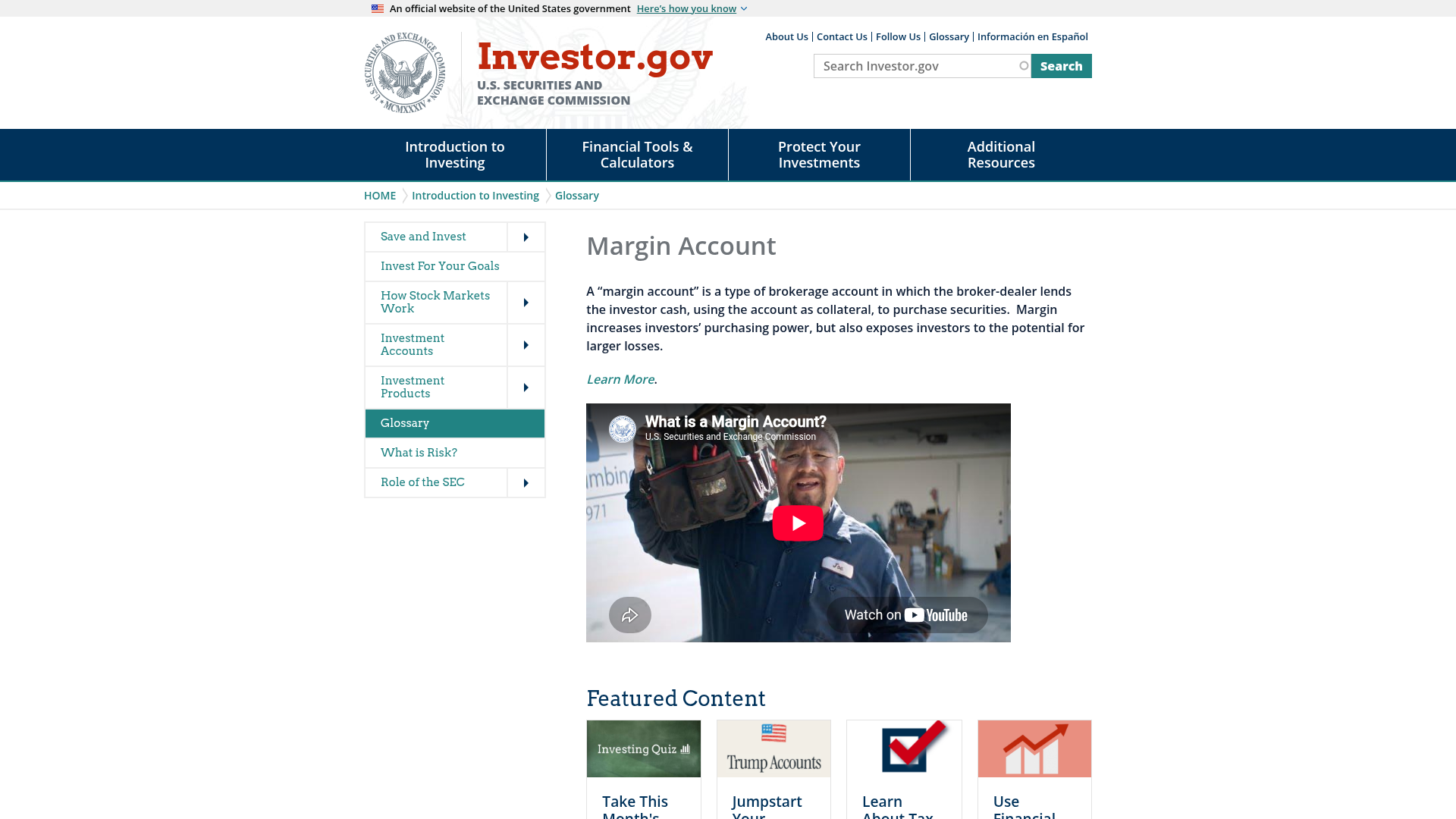
Sering ditanyakan
Sumber
Dari mana ini berasal
Ditulis oleh Sofia Reyes
Tutor Risiko & Psikologi. Kami menulis edukasi forex yang terstruktur, dalam bahasa Inggris sederhana untuk orang yang belajar dari awal. Pemahaman dulu, selalu — dan tidak pernah nasihat keuangan. Kursus itu sendiri ada di kurikulum.
Terus belajar
Ke mana panduan ini mengarah selanjutnya
Panduan yang paling dekat dengan ini, sesuai urutan pembangunannya. Masing-masing adalah bacaan lengkap tersendiri, dan tidak ada yang berasumsi Anda telah menyelesaikan halaman ini.
- Saat Setelah Anda Mengklik: Di Balik Perjalanan Trading AndaDetik-detik antara menekan 'beli' dan melihat posisi Anda terbuka adalah serangkaian proses kompleks yang cepat. Pahami apa yang…
- Menguraikan Papan Kuotasi: Panduan Anda untuk Harga TradingBelajarlah membaca harga bid dan ask, spread, serta kedalaman pasar dengan percaya diri tanpa kebingungan, sehingga Anda dapat…
- Ketika Stop Loss Anda Terpicu: Bagaimana Spread yang Melebar Dapat Mengejutkan AndaBanyak trader keliru percaya bahwa stop loss mereka aman sampai harga yang ditampilkan mencapainya, tetapi pelebaran tiba-tiba pada…
- Order Stop-Market dan Stop-Limit: Panduan Trader untuk Keluar yang PresisiSebuah tinjauan mendalam tentang bagaimana order stop-market dan stop-limit bekerja, membantu Anda mengelola risiko dan mengamankan…
- Stop Anda Terkena Terus-menerus: Masalah Keterampilan, Permainan Pasar, atau Perilaku Broker?Temukan mengapa order stop-loss Anda mungkin terpicu terlalu dini, dan pelajari strategi praktis untuk melindungi modal Anda secara…