Panduan · 17 menit baca · 2,086 words
Rencana Latihan Dua Belas Bulan bagi Trader yang Bekerja Penuh Waktu
Temukan rencana terstruktur selama setahun penuh yang dirancang untuk para profesional sibuk agar dapat membangun keterampilan trading yang autentik dan trading dengan percaya diri di pasar, bukan dengan tebak-tebakan.

Poin-poin penting
- Dedikasikan dua bulan pertama sepenuhnya untuk edukasi dan pemahaman dasar pasar.
- Berlatih secara ekstensif di akun demo selama setidaknya empat bulan, perlakukan seperti uang sungguhan.
- Kembangkan rencana trading yang mencakup aturan masuk, keluar, dan manajemen risiko yang eksplisit.
- Transisi ke trading live dengan micro-lot hanya setelah profitabilitas demo yang konsisten dan kontrol emosional.
- Tinjau trading Anda secara teratur dan sesuaikan strategi Anda berdasarkan data kinerja objektif.
- Prioritaskan broker teregulasi seperti yang diawasi oleh FCA, ASIC, atau CySEC untuk melindungi modal Anda.
Ritual Malam Trader: Memulai dengan Benar
Jam alarm berbunyi pukul 6 pagi, menandakan hari kerja lainnya. Anda memiliki hari yang panjang di kantor, tetapi pikiran Anda sudah melayang ke penutupan sesi Asia yang Anda lewatkan semalam atau rilis berita yang dijadwalkan saat makan siang. Inilah kenyataan bagi jutaan calon trader: menyeimbangkan karier yang menuntut dengan impian menaklukkan pasar keuangan. Ini adalah keseimbangan yang sulit, dan banyak yang menyerah karena mereka terjun terlalu cepat, tanpa peta yang tepat.
Di situlah rencana terstruktur berperan. Anggap ini bukan sebagai lari cepat (sprint), melainkan maraton dengan tahapan pelatihan yang jelas. Kami akan menyusun peta jalan dua belas bulan, memecah tugas besar belajar trading menjadi bagian-bagian kecil yang mudah dikelola. Setiap tahapan dibangun di atas tahapan sebelumnya, memastikan Anda mengembangkan kebiasaan yang kuat dan pemahaman mendalam tentang apa yang Anda lakukan, daripada hanya mengejar keuntungan cepat.
Ini bukan tentang berhenti dari pekerjaan utama Anda bulan depan; ini tentang membangun pendekatan trading yang berkelanjutan dan terinformasi yang sesuai dengan kehidupan Anda saat ini. Kesuksesan dalam trading bukan tentang kecerdasan; ini tentang ketekunan, disiplin, dan komitmen untuk belajar terus-menerus. Mari kita mulai langkah penting pertama itu.
Dua Bulan Pertama: Membedah Pasar
Dua bulan pertama Anda adalah tentang menjadi pelajar pasar. Lupakan tentang menempatkan trading untuk saat ini; tujuan Anda adalah pemahaman murni. Ini berarti membaca, menonton video, dan menyerap semua yang Anda bisa tentang bagaimana pasar keuangan beroperasi. Fokus pada dasar-dasar: apa itu pip? Apa itu leverage, dan bagaimana ia dapat memperbesar keuntungan dan kerugian? Mengapa EUR/USD bergerak ketika Federal Reserve AS membuat pengumuman?
Luangkan waktu Anda untuk memahami kekuatan fundamental yang bekerja. Memahami indikator ekonomi, peristiwa geopolitik, dan psikologi di balik pergerakan pasar akan memberi Anda keunggulan krusial. Jangan hanya membaca sekilas; gali lebih dalam. Identifikasi kelas aset mana yang sesuai dengan Anda. Apakah Anda tertarik pada kecepatan pasangan mata uang, stabilitas indeks, atau narasi di balik saham tertentu? Bagi sebagian besar calon trader, pasar forex yang luas dan likuid menawarkan titik awal yang mudah diakses.
Fase awal ini adalah di mana banyak orang memotong jalan, tidak sabar untuk sampai ke bagian 'menarik' dari menekan tombol. Tetapi tanpa dasar ini, Anda membangun rumah di atas pasir. Anda tidak akan mencoba menerbangkan pesawat tanpa memahami aerodinamika, bukan? Perlakukan trading dengan rasa hormat yang sama. Dedikasikan setidaknya satu jam sehari, bahkan jika itu hanya selama perjalanan Anda atau sebelum tidur, untuk studi yang sungguh-sungguh. Inilah bagian yang sebagian besar panduan lewatkan: kerja keras sebenarnya dari pengumpulan data dan pemahaman konseptual.
Bulan Ketiga dan Keempat: Merakit Meja Kerja Anda
Dengan pemahaman dasar yang sudah ada, saatnya untuk praktik langsung tanpa mempertaruhkan sepeser pun. Bulan ketiga dan keempat didedikasikan untuk menguasai platform trading Anda dan menjelajahi analisis grafik. Anda perlu memilih platform yang andal – MetaTrader 4 (MT4), MetaTrader 5 (MT5), dan TradingView adalah pilihan umum yang ditawarkan oleh banyak broker. Unduh akun demo dan luangkan waktu berjam-jam untuk menjelajahi fitur-fiturnya.
Pelajari cara menempatkan order, pahami berbagai jenis order (market, limit, stop), tetapkan stop-loss dan take-profit. Biasakan diri dengan alat grafik: menggambar garis tren (trendlines), mengidentifikasi level support dan resistance, dan bereksperimen dengan indikator dasar seperti moving averages. Ini bukan tentang menemukan indikator 'cawan suci'; ini tentang memahami bagaimana alat-alat ini membantu memvisualisasikan data pasar dan potensi perilaku harga. Tujuan Anda adalah kelancaran dalam menggunakan perangkat lunak dan kepercayaan diri dalam membaca grafik harga.
Perlakukan akun demo Anda seolah-olah itu uang sungguhan, meskipun bukan. Ini membantu membangun disiplin yang Anda perlukan nanti. Jika Anda hanya akan mempertaruhkan 1% dari modal aktual Anda pada suatu trading, terapkan aturan yang sama pada saldo demo Anda. Ini adalah simulasi, ya, tetapi kebiasaan Anda dimulai di sini. Ingat, latihan tidak membuat sempurna; latihan yang sempurna membuat sempurna.
Fitur Penting yang Harus Dicari dalam Akun Trading Demo
| Fitur | Deskripsi | Mengapa itu penting |
|---|---|---|
| Data real-time | Akses ke umpan harga pasar langsung. | Penting untuk latihan yang realistis dan pengambilan keputusan yang tepat waktu. |
| Modal virtual | Dana simulasi untuk menempatkan transaksi. | Memungkinkan eksperimen bebas risiko dengan strategi dan penentuan ukuran posisi. |
| Alat grafik | Indikator, alat gambar untuk analisis teknikal. | Mengembangkan keterampilan membaca grafik dan penerapan strategi. |
| Jenis order | Order pasar, limit, stop-loss, take-profit. | Membiasakan Anda dengan mekanisme eksekusi transaksi dan pengendalian risiko. |
| Data historis | Akses ke pergerakan harga di masa lalu. | Berguna untuk backtesting strategi dan memahami perilaku pasar. |
Bulan Kelima dan Keenam: Merancang Transaksi Anda
Sekarang, pekerjaan sebenarnya untuk menjadi seorang trader dimulai: mengembangkan strategi trading pribadi Anda dan menyusun rencana trading yang terperinci. Ini bukan tentang meniru metode orang lain; ini tentang menemukan apa yang berhasil untuk Anda dan kepribadian Anda, waktu yang Anda miliki, serta toleransi risiko Anda. Strategi Anda mendefinisikan kapan Anda memasuki transaksi, kapan Anda keluar dari transaksi, dan berapa banyak yang Anda risikokan pada transaksi tersebut.
Mulai dengan sederhana. Mungkin Anda akan fokus pada identifikasi tren kuat dan trading pullback, atau mungkin Anda lebih suka pasar yang range-bound. Definisikan kriteria yang jelas dan objektif untuk sinyal masuk. Sama pentingnya, definisikan kriteria keluar Anda: di mana Anda akan menempatkan stop-loss untuk membatasi potensi kerugian, dan di mana Anda akan menempatkan take-profit untuk mengamankan keuntungan? Strategi yang efektif memperhitungkan transaksi yang menang dan kalah.
Rencana trading Anda adalah dokumen tertulis yang memformalkan strategi ini. Ini harus mencakup tujuan trading Anda, pasar yang dipilih, aturan masuk/keluar yang spesifik, dan yang paling penting, aturan manajemen risiko Anda. Misalnya, pedoman umum adalah tidak merisikokan lebih dari 1% dari total modal trading Anda pada satu transaksi. Ini melindungi Anda dari kerugian besar dan memastikan Anda dapat trading di hari berikutnya. Patuhi rencana Anda secara ketat di akun demo Anda; setiap penyimpangan adalah poin pembelajaran.
Bulan Ketujuh dan Kedelapan: Sesi Latihan yang Berdedikasi
Pada bulan ketujuh, Anda seharusnya sudah memiliki strategi trading dan rencana yang terdefinisi dengan baik. Sekarang, saatnya untuk mengujinya secara menyeluruh di lingkungan demo Anda. Ini bukan hanya latihan biasa; ini adalah fase pengujian yang ketat. Eksekusi transaksi secara ketat sesuai dengan rencana Anda. Catat setiap transaksi dengan teliti dalam jurnal trading. Rekam titik masuk, keluar, alasan transaksi, kondisi pasar, dan kondisi emosional Anda.
Selain hanya mencatat, Anda harus meninjau. Di akhir setiap minggu, atau setidaknya setiap bulan, tinjau kembali transaksi Anda. Apa yang berjalan dengan baik? Apa yang tidak? Apakah Anda mengikuti aturan Anda? Di mana emosi mengganggu? Praktik reflektif ini sangat berharga. Anda mungkin menemukan bahwa suatu strategi bekerja lebih baik pada pasangan mata uang tertentu atau selama jam pasar tertentu. Lingkaran umpan balik berbasis data ini adalah cara Anda benar-benar meningkatkan diri.
Pertimbangkan juga untuk melakukan backtesting manual. Telusuri kembali grafik historis untuk pasangan mata uang pilihan Anda dan terapkan strategi Anda. Lihat bagaimana kinerjanya selama satu atau dua tahun terakhir. Ini memberi Anda ekspektasi realistis tentang profitabilitas dan potensi drawdown-nya. Ini adalah pekerjaan yang membosankan, tetapi ini membangun kepercayaan diri yang besar pada metode Anda sebelum Anda mempertaruhkan uang sungguhan.
Metrik Kunci yang Perlu Disertakan dalam Jurnal Trading Anda untuk Tinjauan yang Efektif
| Metrik | Deskripsi | Mengapa perlu dilacak |
|---|---|---|
| Tanggal/Waktu | Kapan trade dibuka dan ditutup. | Mengidentifikasi jam trading optimal dan kondisi pasar. |
| Instrumen | Pasangan mata uang atau aset yang diperdagangkan. | Mengungkap pasar mana yang paling cocok dengan strategi Anda. |
| Arah | Long (beli) atau Short (jual). | Membantu mengidentifikasi bias arah atau kelemahan strategi. |
| Harga Masuk | Harga pasti saat trade dibuka. | Penting untuk menganalisis eksekusi trade dan waktu pembukaan. |
| Harga Keluar | Harga pasti saat trade ditutup. | Menentukan profitabilitas dan memvalidasi strategi keluar. |
| Stop Loss | Titik harga di mana trade dirancang untuk ditutup jika arahnya salah. | Menilai kepatuhan dan efektivitas manajemen risiko. |
| Take Profit | Titik harga di mana trade dirancang untuk ditutup jika arahnya benar. | Mengevaluasi akurasi dan potensi target keuntungan. |
| Hasil (Pips/%). | Keuntungan atau kerugian dalam pips dan sebagai persentase dari modal. | Mengukur kinerja trade secara objektif. |
| R-Multiple | Keuntungan/Kerugian dibagi dengan risiko awal. | Menstandarkan hasil perdagangan untuk perbandingan dan evaluasi strategi yang lebih mudah. |
| Alasan Masuk | Mengapa perdagangan dimulai (misalnya, 'pantulan garis tren'). | Memperkuat aturan strategi dan membantu mengidentifikasi penyimpangan. |
| Alasan Keluar | Mengapa perdagangan ditutup (misalnya, 'stop hit', 'take profit', 'manual close'). | Menganalisis disiplin keluar dan efektivitas. |
| Keadaan Emosional | Bagaimana perasaan Anda selama perdagangan (misalnya, 'tenang', 'cemas'). | Mengidentifikasi pemicu psikologis dan area untuk kontrol emosional. |
Konsistensi dari waktu ke waktu adalah ukuran sejati seorang trader yang sukses, dan itu dibangun di atas fondasi peninjauan dan adaptasi berkelanjutan.
Bulan Kesembilan dan Kesepuluh: Melangkah ke Arena Perdagangan Riil
Jika Anda telah secara konsisten menerapkan strategi Anda dan menunjukkan profitabilitas di akun demo Anda selama beberapa bulan, dengan manajemen risiko yang tepat dan pemahaman yang jelas tentang respons psikologis Anda, inilah saatnya untuk ujian sesungguhnya: perdagangan riil. Namun, jangan membuka akun besar. Mulailah dengan akun mikro atau mini, dengan mempertaruhkan jumlah sekecil mungkin. Tujuan di sini bukan untuk menghasilkan uang yang signifikan dulu; melainkan untuk merasakan perbedaan emosional antara modal simulasi dan modal riil.
Pasar tidak peduli apakah Anda menggunakan uang sungguhan, tetapi Anda pasti akan peduli. Ketakutan akan kerugian dan keserakahan akan keuntungan dapat mengubah proses pengambilan keputusan Anda. Memulai dari kecil memungkinkan Anda mengatasi tantangan psikologis ini tanpa mempertaruhkan stabilitas keuangan Anda. Banyak broker menawarkan micro-lot (0.01 standard lots), memungkinkan Anda untuk bertransaksi dengan ukuran posisi yang sangat kecil, di mana pergerakan pip mungkin hanya beberapa sen.
Teruslah membuat jurnal setiap perdagangan, perhatikan lebih cermat lagi keadaan emosional Anda. Apakah Anda ragu untuk mengambil sinyal yang valid? Apakah Anda memindahkan stop-loss Anda setelah perdagangan ditempatkan? Ini adalah kesalahan umum yang hanya terungkap ketika uang sungguhan dipertaruhkan. Pasar adalah guru yang luar biasa, tetapi ia memungut biaya pendidikan. Jaga biaya tersebut serendah mungkin selama periode transisi krusial ini.
Bulan Kesebelas dan Keduabelas: Mengasah Keunggulan Anda
Saat Anda mendekati akhir tahun pertama Anda, fokus Anda beralih ke penyempurnaan dan konsistensi. Anda seharusnya memiliki banyak data perdagangan riil dari akun mikro Anda. Sekarang, lakukan tinjauan menyeluruh dan jujur terhadap seluruh tahun Anda. Analisis profitabilitas keseluruhan Anda, tingkat kemenangan Anda, rata-rata perdagangan yang menguntungkan versus rata-rata perdagangan yang merugi, dan drawdown maksimum Anda.
Bandingkan kinerja aktual Anda dengan ekspektasi yang Anda tetapkan dalam rencana perdagangan Anda. Apakah aturan masuk dan keluar Anda diterapkan secara konsisten? Di mana letak kesalahan yang berulang? Di sinilah Anda menyempurnakan strategi Anda, mungkin menyesuaikan parameter atau bahkan menghilangkan pengaturan tertentu yang secara konsisten berkinerja buruk. Tujuannya adalah untuk memaksimalkan keunggulan Anda dan meminimalkan kelemahan Anda.
Ini juga saatnya untuk memutuskan apakah dan bagaimana Anda mungkin meningkatkan skala. Jika Anda telah secara konsisten profitabel dengan akun mikro Anda, Anda mungkin mempertimbangkan untuk sedikit meningkatkan ukuran posisi Anda, selalu mematuhi aturan manajemen risiko Anda. Jangan pernah meningkatkan risiko Anda hanya karena Anda telah melakukan beberapa perdagangan yang baik. Konsistensi dari waktu ke waktu adalah ukuran sejati seorang trader yang sukses, dan itu dibangun di atas fondasi tinjauan dan adaptasi berkelanjutan. Tahun pertama Anda memberikan awal yang kuat; tahun berikutnya adalah tentang membangun di atas fondasi tersebut.
Memilih Rumah Perdagangan Anda: Kualitas Inti Seorang Broker
Sebelum Anda bahkan mempertimbangkan perdagangan riil, keputusan penting melibatkan pemilihan broker yang bereputasi baik. Ini adalah gerbang Anda ke pasar, dan keamanan modal Anda sangat bergantung pada pilihan ini. Perhatian utama Anda seharusnya adalah regulasi. Broker yang teregulasi beroperasi di bawah aturan ketat yang dirancang untuk melindungi dana klien dan memastikan praktik yang adil. Carilah broker yang diregulasi oleh otoritas tingkat atas. Misalnya, Financial Conduct Authority (FCA) di Inggris, Australian Securities and Investments Commission (ASIC) di Australia, atau Cyprus Securities and Exchange Commission (CySEC) di Eropa adalah indikator kuat keandalan. Badan-badan ini memberlakukan persyaratan pada broker, seperti segregasi dana klien dan kecukupan modal.
Sebagai contoh, entitas seperti Pepperstone, yang didirikan pada tahun 2010 dan berkantor pusat di Melbourne, Australia, diregulasi oleh beberapa otoritas termasuk FCA, ASIC, dan CySEC. Demikian pula, OANDA, yang didirikan pada tahun 1996 dan berbasis di New York, AS, memegang lisensi dengan FCA, ASIC, dan CFTC/NFA. Afiliasi regulasi ini memberikan Anda ketenangan pikiran.
Selain regulasi, pertimbangkan faktor-faktor seperti spread yang kompetitif, kecepatan eksekusi yang andal, platform perdagangan yang tersedia, dan dukungan pelanggan yang responsif. Spread yang ketat berarti biaya transaksi yang lebih rendah, yang akan terakumulasi dari banyak perdagangan. Eksekusi cepat memastikan pesanan Anda terisi pada atau sangat dekat dengan harga yang Anda inginkan. Selalu periksa status regulasi broker secara langsung di situs web regulator – misalnya, Financial Services Register milik FCA – sebelum menginvestasikan dana apa pun. Langkah sederhana ini dapat menyelamatkan Anda dari sakit kepala yang luar biasa.
Ikhtisar Badan Regulasi Utama dan Aturan Leverage Ritel Mereka, pasca Intervensi ESMA
| Badan Regulasi | Wilayah Operasi | Batas Leverage Ritel Utama (Kontrak untuk Perbedaan) |
|---|---|---|
| FCA (Inggris) | Britania Raya | 30:1 untuk pasangan mata uang utama |
| ASIC (Australia) | Australia | 30:1 untuk pasangan mata uang utama |
| CySEC (Siprus) | Uni Eropa | 30:1 untuk pasangan mata uang utama |
| CFTC/NFA (AS) | Amerika Serikat | 50:1 untuk pasangan mata uang utama |
| DFSA (Dubai) | UEA (zona keuangan) | 50:1 untuk pasangan mata uang utama |
| SCB (Bahama) | Bahama | Biasanya lebih tinggi, kurang ketat |
Menguasai Waktu: Trading di Sela-sela Karier Anda
Memiliki pekerjaan penuh waktu bukan berarti Anda tidak bisa menjadi trader yang sukses; itu hanya berarti Anda perlu lebih strategis dalam mengelola waktu Anda. Anda tidak akan bisa terus-menerus menatap grafik sepanjang hari, dan sejujurnya, itu seringkali merupakan berkah tersembunyi. Day trader yang mencoba melakukan scalping (mengambil keuntungan dari pergerakan kecil) seringkali menghadapi stres yang lebih tinggi dan biaya transaksi yang lebih banyak. Sebagai seseorang dengan pekerjaan utama, keunggulan Anda akan datang dari kesabaran dan fokus pada timeframe yang lebih tinggi.
Ini berarti melihat grafik 4 jam, harian, atau bahkan mingguan. Timeframe ini menyaring banyak "kebisingan" pasar dan seringkali memberikan tren yang lebih jelas dan berkelanjutan. Anda bisa menganalisis grafik ini di malam hari setelah bekerja, atau selama satu jam sebelum bekerja di pagi hari. Identifikasi setup Anda, tempatkan order Anda dengan stop-loss dan take-profit yang sesuai, lalu tinggalkan. Pasar akan berjalan seperti biasa sementara Anda fokus pada pekerjaan Anda.
Notifikasi otomatis bisa sangat berguna. Banyak platform memungkinkan Anda untuk mengatur notifikasi ketika harga mencapai level tertentu atau ketika sebuah indikator melewati ambang batas. Ini membebaskan Anda dari keharusan memantau layar terus-menerus. Ingat, trading yang sukses bukan tentang "waktu di depan layar"; melainkan tentang analisis berkualitas dan eksekusi yang disiplin. Jangan biarkan pekerjaan Anda menjadi alasan; biarkan itu menjadi filter yang mendorong kebiasaan trading yang lebih baik dan tidak impulsif.
Permainan Batin: Menjaga Ketenangan di Pasar
Trading adalah tantangan psikologis sekaligus tantangan analitis. Anda akan mengalami kerugian; semua orang mengalaminya. Pasar tidak peduli dengan perasaan Anda, dan tentu saja tidak akan memanjakan Anda. Bagaimana Anda bereaksi terhadap kemunduran yang tak terhindarkan ini menentukan kesuksesan jangka panjang Anda. Ancaman terbesar terhadap modal Anda seringkali bukan pasar itu sendiri, melainkan respons emosional Anda sendiri – ketakutan, keserakahan, frustrasi, dan terlalu percaya diri.
Setelah trade yang merugi, dorongan untuk segera kembali masuk dan 'mengambil kembali uang Anda' (revenge trading) sangat kuat. Lawanlah. Jauhi layar, istirahatlah, dan tinjau kembali jurnal trading Anda. Mematuhi aturan risk management Anda – misalnya, hanya mengambil risiko 1% per trade dan berhenti untuk hari itu setelah mencapai batas kerugian harian yang telah ditentukan – adalah pertahanan terbaik Anda terhadap ledakan emosi.
Di sisi lain, serangkaian trade yang menang dapat memicu rasa percaya diri berlebihan, yang mengarahkan Anda untuk mengambil risiko yang lebih besar atau menyimpang dari strategi Anda. Tetaplah rendah hati. Pasar memiliki cara untuk mengingatkan para trader yang terlalu percaya diri akan posisi mereka. Memupuk disiplin, kesabaran, dan detasemen emosional adalah proses yang berkelanjutan. Ini adalah perjalanan penguasaan diri, di mana lawan terbesar Anda seringkali adalah diri Anda sendiri. Teruslah belajar, teruslah beradaptasi, dan jaga ketenangan Anda.
Baca sumber utama
Periksa di regulator, bukan pada kami
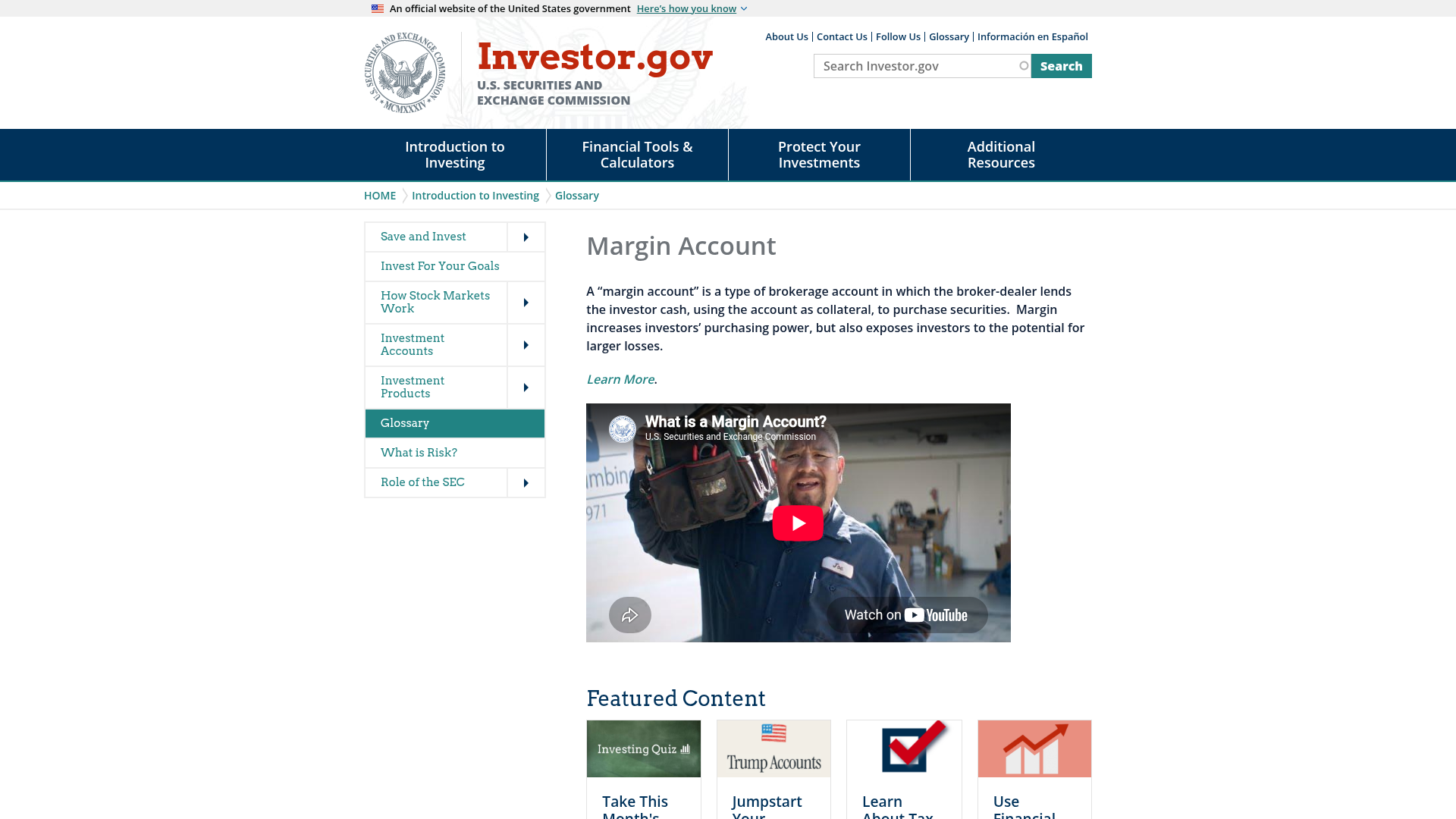
Tangkapan layar halaman resmi di balik aturan dalam panduan ini. Buka sendiri — kata-kata regulator sendiri selalu lebih baik daripada ringkasannya.
Sering ditanyakan
Sumber
Dari mana ini berasal
- ESMA — CFD leverage limits for retail clientsesma.europa.eu
- FCA — Contract for difference productsfca.org.uk
- Investor.gov — Margin: borrowing money to pay for stocksinvestor.gov
- CFTC — Forex trading basics for consumerscftc.gov
- FCA — Financial Services Registerregister.fca.org.uk
Ditulis oleh Elena Marsh
Instruktur Utama. Kami menulis edukasi forex yang terstruktur, dalam bahasa Inggris sederhana untuk orang yang belajar dari awal. Pemahaman dulu, selalu — dan tidak pernah nasihat keuangan. Kursus itu sendiri ada di kurikulum.
Terus belajar
Ke mana panduan ini mengarah selanjutnya
Panduan yang paling dekat dengan ini, sesuai urutan pembangunannya. Masing-masing adalah bacaan lengkap tersendiri, dan tidak ada yang berasumsi Anda telah menyelesaikan halaman ini.
- Dari Demo ke Riil: Empat Langkah Bertahap Menuju Trading SesungguhnyaTransisi dari akun demo ke trading uang riil memerlukan pendekatan terstruktur untuk mengelola risiko dan menguasai tuntutan…
- Membangun Kembali Setelah Akun Trading Hangus: Jalur Hati-hati ke DepanKetika akun trading Anda mencapai nol, rasanya seperti pukulan telak; panduan ini menguraikan metode yang tepat, langkah demi…
- Tujuh kesalahan pemula dan cara menghindarinyaBelajar trading bisa terasa seperti labirin; panduan ini menyoroti kesalahan umum yang dilakukan trader baru dan menunjukkan cara…
- Trading Forex Riil Pertama Anda: Seberapa Kecil Seharusnya Ukurannya?Temukan pentingnya krusial untuk memulai dengan ukuran trading sekecil mungkin guna melindungi modal Anda dan mempercepat…
- Cara memilih broker pertama Anda, dengan tenangMemilih broker pertama Anda tidak harus membingungkan. Pelajari cara memilih mitra yang andal untuk perjalanan trading Anda dengan…